
Last updated: Apr 19, 2026
Lodi sits in the northern San Joaquin Valley, where long hot dry summers put sustained thermal stress on roofing materials. That heat bakes shingles, tiles, and underlayment, accelerating aging and increasing the probability of premature failures if the roof is not prepared for the season. The combination of intense sun, repeated expansion and contraction, and occasional wind-driven debris means that materials chosen for this climate should tolerate repeated heat cycles without cracking or delaminating. In practice, that means paying attention to the roof system as a whole-from the flashing and underlayment to the fasteners and venting-so you're not just buying a top layer that looks good in July.
Cool-season rain and tule-fog moisture in the Lodi area can keep roof surfaces and underlayment damp longer than homeowners expect during winter work. Fog moisture can creep into attic spaces and condensate on sheathing, complicating any leak-prone joints or aging underlayment. When winter work is attempted without adequate moisture management, the risk of mold, wood rot, and compromised fastener integrity increases. That dampness also slows curing times for any repairs and creates a chilling effect on interior spaces if the attic is not properly vented. Anticipate longer dry-out periods after storms and plan for periods when the roof deck remains cooler and damper than the summer norm.
Spring and fall are the most practical replacement windows in this area because they avoid peak summer heat exposure and reduce the chance of winter rain delays. In spring, you get a clearer sequence: roof removal, deck inspection, underlayment, and proper ventilation can all be staged before the heat ramp begins. Fall carries similar benefits, with cooler days helping crews maintain steadier work pace and safer handling of materials. The ideal window is a stretch of weeks with moderate temperatures, minimal precipitation risk, and predictable weather patterns. If replacement must happen during summer, set aside early morning sessions to maximize cooler hours, and schedule the most heat-sensitive tasks for the first half of the day when the sun isn't at its peak.
Material selection matters for timing as well. In this climate, lighter, heat-tolerant underlayments reduce the chance of blistering and heat-related breakdown. If clay or concrete tile is involved, ensure the roof structure is prepared for the added weight and that fastener patterns accommodate thermal movement. Synthetic or composite products can provide flexibility and faster installation timelines, but still require careful attention to flashing and ventilation to prevent heat-driven gaps or moisture entrapment. Metal roofs, while durable, respond differently to heat and can experience thermal expansion that affects panel fit and sealant life; during replacement in hot months, verify that expansion joints are correctly integrated and that coatings are rated for sustained solar exposure. Wood shingles or shakes demand particular vigilance for ember protection, ventilation quality, and nailing patterns to avoid warping under heat stress.
Ventilation and attic conditioning become more than comfort features in this climate-they're protective measures that influence throughput and long-term performance. Ensure soffit and ridge vents are unobstructed, and consider adding top-side venting if the existing system is marginal. A well-ventilated attic helps keep deck temperatures lower during installation and reduces the risk of rapid adhesive or sealant curing errors caused by heat. Finally, choose a contractor with experience in Lodi's mix of tile and shingle replacements, who understands how to stage work across a season to minimize weather-driven delays and deliver a durable, weather-ready roof.
In Lodi, the roof has to contend with the San Joaquin Valley's bright sun and winter tule-fog moisture. Clay tile and concrete tile are prominent roofing choices alongside asphalt shingles, matching the area's common suburban rooflines and established housing stock. The two tile options bring a long-term aesthetic together with proven durability in hot summers, but they also introduce unique maintenance considerations. Asphalt shingles remain a practical, widely available option, yet their performance isn't uniform across all angles and exposures. When evaluating a replacement, consider how each material handles the local sun exposure, seasonal humidity, and the way your house sits on its lot-especially slopes that face the afternoon sun.
Lodi's summer heat can accelerate asphalt shingle aging, particularly on sun-exposed slopes. The rapid temperature swings between blistering days and cooler nights stress the roofing materials and the attic assembly. If the attic isn't ventilated well or if the roofline traps heat, shingles may curl, lose granules, or fail prematurely. This makes attic heat management not just an energy concern but a direct factor in roof longevity. When you're planning a replacement, assess the existing ventilation, insulation, and any added attic heat sources. A well-ventilated attic helps your shingles keep their protective coating longer and reduces heat transfer that can affect interior comfort and air conditioning load.
Tile roofs in Lodi often outlast the underlayment beneath them, so homeowners may face expensive tear-off and reset work even when the tiles themselves still look serviceable. Clay and concrete tiles resist weathering and can shed heat more steadily, but the underlayment bears the brunt of moisture ingress, wind-driven rain, and seasonal shifts. If tiles crack or slide due to movement or freeze-thaw cycles, you can end up addressing the cost of removing and re-laying tiles to access and replace the underlayment. That means a seemingly solid tile roof might still require substantial labor well before the surface tiles require replacement. When evaluating a roof with tiles, ask about the age and condition of the underlayment and the typical access method for inspection and future service.
Clay tile and concrete tile offer a distinct visual rhythm that aligns with established housing stock and the Land Park-style streetscapes common in many neighborhoods. If you value curb appeal and a classic profile, tile can be a longer-lasting architectural statement, even as the associated maintenance footprint shifts to the underlayment and fasteners. Asphalt shingles offer a broad palette and lower upfront tear-down work, but their longer-term performance under Lodi's climate depends on choosing a cold- or impact-rated product and ensuring proper attic management. For homes with mixed roof planes, consider how the chosen material overlaps with existing ridge lines, penetrations, and valley kits-these details often determine ongoing moisture control and the ease of future maintenance.
Find contractors who specialize in clay and concrete tile roofs, known for their durability and curb appeal.
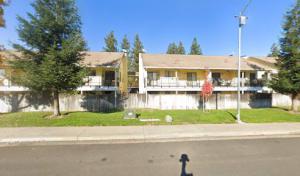
Westland Home & Roof Inspections- Roof Repairs, & Handyman Services
(209) 518-2180 www.westlandinspections.com
1311 W Century Blvd APT 35, Lodi, California
5.0 from 69 reviews
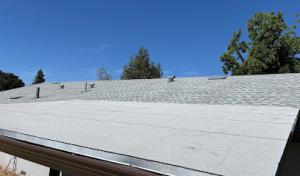
Innovative Roofing
(888) 677-9234 innovativeroofingco.com
816 N Sacramento St, Lodi, California
4.3 from 17 reviews
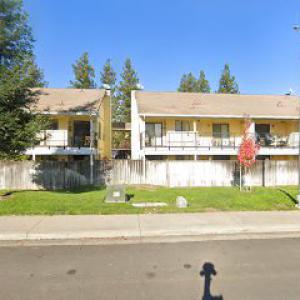
Westland Home & Roof Inspections- Roof Repairs, & Handyman Services
(209) 518-2180 www.westlandinspections.com
1311 W Century Blvd APT 35, Lodi, California
5.0 from 69 reviews
We do full Home Inspections, Roof Inspections, and Home & Roof Inspection bundles for clients, investors and of course realtors. We also do roof repairs and handyman work ourselves. We have been in the construction industry since 1982. Give us a try, you will not be disappointed.
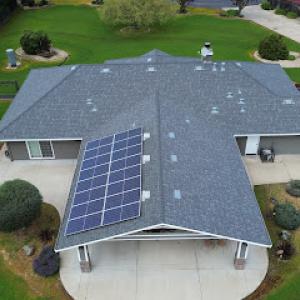
JM Roofing Solutions
(209) 263-8782 jmroofingsolutions.net
13207 Hibbard Rd, Lodi, California
5.0 from 28 reviews
Your trusted roofing experts, providing top-quality solutions for residential and commercial properties alike.

Lodi Roofing Experts
(209) 721-8257 roofinglodi.com
1551 E 8 Mile Rd, Lodi, California
5.0 from 15 reviews
Lodi Roofing Experts offers roofing services for residential and commercial properties in Lodi, CA and nearby Central Valley communities. Services include roof repair, roof replacement, roof installation, commercial roofing, and roof inspections for homes, agricultural buildings, and commercial structures. With experience working on Central Valley roofing systems, the team understands seasonal heat, weather exposure, and construction styles common in the region. Lodi Roofing Experts serves property owners across Lodi, CA, supporting asphalt shingle, metal, and flat roofing systems.
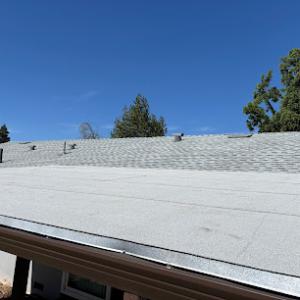
California Roofing
2918 Fuchsia Dr, Lodi, California
5.0 from 7 reviews
Specializing, in all types of roofs , removals and installation , asphalt shingles , concrete tiles , metal roofs , hot mop , TPO roofing membranes roof repairs , roof inspections and certifications comercial and residential
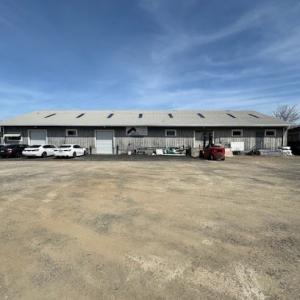
Innovative Roofing
(888) 677-9234 innovativeroofingco.com
816 N Sacramento St, Lodi, California
4.3 from 17 reviews
Roofing Contractor

Gonzalez Roofing
(209) 369-2932 www.gonzalezroofinglodi.com
6797 E Victor Rd, Lodi, California
3.8 from 31 reviews
Established in 2003, Gonzalez Roofing is a roofing and general contractor based in Lodi, California. We specialize in just about everything when it comes to roofing and general contracting including repairs, installations, maintenance, and gutter services for residential locations. With over 25 years of experience, we value providing quality services and high attention to detail. Contact us today for more information!
Reputable Roof Repair
(209) 340-5577 www.reputableroofrepair.com
950 S Garfield St, Lodi, California
5.0 from 3 reviews
Choose us for swift, reliable solutions to all your roof troubles. From fixing leaks to shingle repairs, our skilled team ensures top-notch craftsmanship. With a commitment to excellence, we guarantee timely services that prioritize your peace of mind and the enduring protection of your home. Trust us – your go-to for unparalleled roof repair expertise.
Jr Roofing
Lodi, California
4.0 from 4 reviews
We offering our services with 35 years in experience
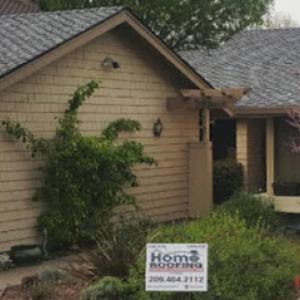
Home Roofing
(209) 464-2112 homeroofingco.com
220 Church St e, Lodi, California
4.0 from 4 reviews
Home Roofing is the premier roofing company in the city of Lodi and the surrounding areas. We have been a local, family-owned and -operated business dedicated to providing our clients with exceptional services since 1958. Our experts specialize in an array of roofing services for both residential and commercial clients. We offer work for roofs, gutters, tear-offs, the installation of attic insulation, roof inspections, and more! We can work on a number of roof types, including composition, tile, hot mop built-up, single ply membrane, metal, and wood shake. At Home Roofing, our number-one priority is our clients and providing reliable and effective roofing services at competitive prices. Call today for more information!

Ron Williams' Certified Roof & Inspection
(209) 252-0044 www.roofcertified.com
Serving
4.8 from 56 reviews
We offer roof repairs, new roof installations, roof replacements and inspections. We are licensed, bonded and insured professionals in the San Joaquin Valley. We are five-star rated on Yelp and every other online service, so you know you will get great service at a reasonable price - plus we're nice!

Phoenix Roofing & Solar
(209) 465-4377 phoenix-constgroup.com
Serving
4.8 from 112 reviews
Phoenix Roofing & Solar is a roofing contractor in Stockton serving Lathrop, Manteca, Tracy, Mountain House and nearby areas. Our roofing company offers roof replacement, roof repair, tile roofing, metal roofing and more. We also specialize in home insulation, window replacement and solar services. Customers love us because of our comprehensive roof warranties and our affordable roof financing options. We also have industry affiliations and certifications such as Master Elite GAF and Master installer with Certainteed Solar. If you want to experience how your most trusted Stockton roofing company embraces our motto “Phoenix Roofing and Solar, a contractor you can trust", call us now for a free estimate!

Roof Doctors San Joaquin County
(209) 957-7663 theroofdoctors.net
Serving
4.7 from 186 reviews
"Nobody inspects, repairs and certifies more roofs or solves more roof leak problems in the Central Valley Area." Over 300,000 roofs inspected. We do complimentary roof inspections with detailed reports that include pictures. Reports sent within 24 hours of inspection. We are a licensed roofing contractor that offer repairs, replacment bids, gutter cleaning bids, gutter guard installs, and general roof maintenance. Service in the following Central Valley counties: San Joaquin, Stanislaus, Merced, Madera, Fresno, Kings & Tulare Counties.
In the hotter months, asphalt shingles in this market tend to become brittle and curl at the edges as the sun and high temperatures bake the surface. That brittleness makes the surface more prone to granular loss, which accelerates aging and reduces the shingle's ability to shed heat and water. You'll see tabs pulling away from the seam, especially on roofs that were installed when temperatures were already high or when the attic ventilation isn't keeping up. Curling isn't just an cosmetic issue; it flags reduced protective coverage and a higher risk of water infiltration during strong afternoon showers or unexpected hail. If you notice granules in gutters or on the driveway after a windy day, that's a sign the shingles are near the end of their life. The conundrum is this: once the protective granules are gone, the underlying asphalt is left exposed to UV and thermal cycling, which speeds up deterioration. In short, heat-driven brittleness and curling reduce both the roof's effectiveness and its remaining lifespan, and they often precede more serious leaks or shingle failure.
Winter rain and tule-fog moisture stress roofs differently than the dry season. When the weather shifts, leaks tend to reveal themselves at flashing transitions, around penetrations such as vent stacks, and where underlayment or seam sealing has aged or shifted. The issues aren't always obvious during the dry season, which means a lot of damage hides beneath the surface until a wet spell or cold snap pushes water into the attic or ceiling. Flashing that's corroded, lifted, or poorly sealed can channel water under shingles and onto plywood or insulation, creating hidden rot and mold risks. Penetrations-think vents, skylights, and chimneys-are common trouble spots because the sealants and clamping details that once kept them watertight can fail with age. Underlayment weaknesses compound these problems: if the protective layer has dried out, shifted, or torn, a single storm can overwhelm it and start a slow drip that undermines structural components over time. The practical takeaway is to routinely inspect roof pathways where water tends to pool or infiltrate, and to treat any sign of moisture intrusion as a warning that the roof is not aging gracefully.
Tile systems in this climate often degrade from within, not necessarily from total tile failure. You'll encounter slipped or broken field tiles that create localized weak points where water can penetrate the underlayment and waterproofing membranes. The weight of older tiles, shifting roof planes, or substrate movement can cause tiles to crack or slip without obvious visible breakage. Over time, the waterproofing layers beneath become tired or degraded, particularly where there has been previous movement, inadequate flashing, or poor installation detail at transitions. When field tiles loosen or crack, the risk isn't just water intrusion-it's accelerated deterioration of the underlying deck and underlayment. The result is a roof that looks intact from the street but harbors leaks and warrants attention in the near term to prevent cascading damage.
Keep an eye on granule loss, curling edges, and exposed roof deck areas after hot spells. After winter storms or heavy tule-fog cycles, inspect around penetrations and flashing for staining or dampness in the attic, ceilings, or walls. For tile roofs, routinely check for loose or cracked field tiles and pay attention to the condition of the waterproofing beneath the tiles, especially around transitions and at ridges. Regular, targeted inspections help catch these patterns early, before a small issue becomes a costly repair.
Find contractors experienced in skylight installation, flashing, and leak repairs to bring natural light into your home.

Lodi Roofing Experts
(209) 721-8257 roofinglodi.com
1551 E 8 Mile Rd, Lodi, California
5.0 from 15 reviews
Ron Williams' Certified Roof & Inspection
(209) 252-0044 www.roofcertified.com
Serving
4.8 from 56 reviews
Typical material pricing for a replacement in this market runs from about $350 to $700 per square for asphalt shingles, $700 to $1200 for metal, $1000 to $1800 for clay tile, $900 to $1500 for concrete tile, $700 to $1100 for wood shingles or shakes, and $600 to $1100 for synthetic or composite shingles. Those ranges reflect the mix of housing stock in established neighborhoods, where many homes still wear tile or need to be re-roofed after tile work, and where you'll see a lot of both teardown and retrofit projects happening in the same season. When budgeting, use the midpoints for initial planning and add a cushion for labor, attic ventilation needs, and any underlayment upgrades.
Costs rise quickly when older tile roofs require underlayment replacement and tile reset labor rather than a simpler shingle tear-off and install. In practice, that means a project can push past the base per-square price. If your existing tile is cracked, mismatched, or stubborn to remove, crews will allocate more hours to set and reseat each piece, and underlayment choices-like upgraded synthetic underlayment or additional moisture barriers-will push the total higher. A careful assessment early in the process helps avoid surprise increases after the roof is stripped.
Scheduling pressure after winter leak periods or spring storm interruptions can affect labor availability in a re-roofing-heavy market. In Lodi, peak demand tends to cluster around late winter and early spring, when leaks become more noticeable and homeowners rush to complete work before the next heat spike. If timing is flexible, select a shoulder month for installation to secure more favorable crew availability and pricing. Weather windows matter: hot summer months can complicate underlayment work, while relentless tule-fog moisture in winter can slow drying times and crew throughput.
Start with a two-price approach: a conservative estimate using the lower end of each material range, plus a contingency of 10-20% for underlayment, tile work, and potential resealing of fasteners. Get a written scope that notes underlayment replacement, tile reset, or any straight shingle tear-off, and request a staged payment plan aligned with project milestones. Finally, verify that the quote accounts for attic ventilation checks, which in this climate influence both performance and long-term life of the replacement.
Get a clear picture of your project costs upfront - no commitment required.
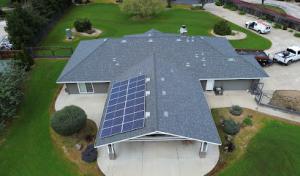
JM Roofing Solutions
(209) 263-8782 jmroofingsolutions.net
13207 Hibbard Rd, Lodi, California
5.0 from 28 reviews

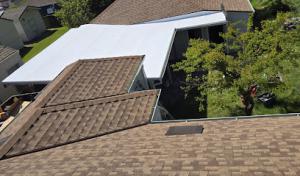
A full roof replacement in this area typically requires a building permit through the City of Lodi Building Division. The process is designed to ensure that new materials, ventilation details, and drainage meet local codes that respond to San Joaquin Valley heat and winter moisture. Start early, because the permit review can take time, especially if the project involves significant structural changes or tile options. Unlike simpler repairs, a complete reroof generally cannot be filed as an informal over-the-counter request; the permit is routed through the city's official channels and tracked via the permit portal.
Permit applications, plans, and fees are handled through the city's permit portal rather than as a casual in-person or over-the-counter roofing transaction. You will typically need a schematic plan that shows roof dimensions, venting details, underlayment type, and any new drainage or mechanical accessories. The portal experience is designed to keep everything in one place, so you can upload drawings, receive feedback, and track progress without repeated trips to a city counter. If your home has a tile or concrete roof, be prepared to show notes about seismic clips, hip-and-ridge venting, and any required secondary water barriers-details that help the inspector assess long-term performance under both hot summers and foggy winters.
Inspections in this city are typically staged at key milestones. First, the underlayment stage is commonly checked to ensure the base layer is continuous, properly fastened, and compatible with the chosen roofing system. For homes with clay or concrete tiles, the inspector will look closely at battening arrangements, underlayment ventilation, and the securement of flashing around chimneys, skylights, and valleys. A mid-installation check is common if the project involves significant structural work or a switch to a different roof type. Finally, a final inspection confirms code compliance, including proper attic ventilation, adequate eave overhangs, and correct installation of acceptable fasteners for the selected material. The final inspection is also when the city verifies that drainage, roof-to-wall transitions, and weatherproofing meet current standards for the region's climate.
Before submitting plans, gather existing roof measurements, any historical attic ventilation details, and a list of proposed materials with their installation notes. If the home has a long-standing tile or shake cover, note any modifications that could affect weight, wind uplift, or seismic considerations. Communicate clearly with the contractor about how summer heat and winter moisture influence the chosen system, especially if a switch from one material type to another is planned. During the permit review, respond promptly to any city requests for additional detail or revised drawings to keep the project on schedule and avoid delays of critical inspections.
Lodi homeowners are operating within California's tighter insurance environment, where wildfire-related market pullbacks and rising rebuild costs can affect roof underwriting and renewals. That reality shows up when you least expect it-policies can become stricter after a severe storm, and renewal terms may shift if a roof shows age-related wear. If your roof has more than a decade of sun, heat, and tule-fog moisture exposure, expect questions about condition, warranties, and recent maintenance.
Insurers may ask you for current roof-condition photos, contractor notes, replacement timing, and warranty details before approving coverage changes or claims. Gather documentation after calm weather windows: clear photos of damaged shingles, flashing, and any leaks. Keep a simple log from your contractor that notes roof age, quality of installation, and any previous repairs. Having these ready can speed a claim and reduce back-and-forth during negotiation.
Claims scrutiny can be higher when damage appears tied to long-term wear, so you should document leaks and visible defects promptly after rain events. In the valley's seasonal swings, a slow drip can become a larger problem fast if debris blocks gutters or if heat has already stressed underlayment. Take dated photos from multiple angles, and store them with receipts for any temporary fixes you apply. Timely documentation gives you stronger footing if the claim needs adjustment or denial.
After a major rain event, you should review the roof's vulnerable areas-drainage transitions, eaves, and valleys where heat and moisture concentrate. Remember that shingles age differently than tile, and older roofs in established neighborhoods may show wear sooner than newer builds. Insurance claim outcomes can hinge on clear maintenance records and warranties, so you want a file that's easy for an adjuster to navigate.
Keep in mind that timing matters, especially as summers follow wet winters.
Connect with contractors who help homeowners navigate the claims process from damage assessment to final approval.
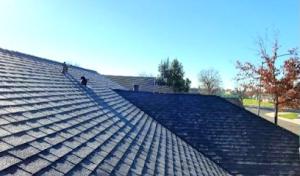

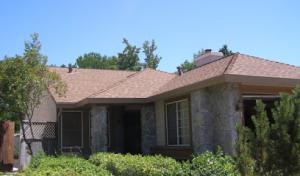
Solar work must be planned with the realities of Lodi's summer heat in mind. The strong summer sun accelerates wear on roofing substrates and top coatings, so a replacement project used as a base for solar should verify that the roof's surface is fully cured and ready to support safe panel mounting. Heat also affects sealants and flashing, making early winter or shoulder-season installation more forgiving for certain details.
On homes with tile roofs, solar work adds coordination complexity because tile handling and waterproofing details matter during detach and reset. Panels and mounts must be planned to avoid cracking or loosening ceramic or concrete tile, and waterproofing must be re-sealed around mounts. A tight sequence between tile removal, solar mounting, and reassembly reduces the risk of leaks and extends roof life after the project.
Homeowners should align roof replacement timing with any planned solar work to avoid paying twice for access, removal, and reinstallation. If the roof is being replaced, coordinate with the solar contractor so panels, rails, and penetrations are included in the same access plan and water barriers are addressed in one step, rather than re-entering the roof later.
When scheduling, choose a window that avoids the peak heat of midsummer and the wettest winter days. Request a single integrated plan that covers roof replacement, waterproofing details, and solar mounting specifics. Confirm the order of operations in writing, so detach, reinstallation, and panel mounting flow in one continuous sequence.
Find contractors who integrate solar panels or solar shingles into your roof for long-term energy savings.