
Last updated: Apr 19, 2026
Martinez has a Mediterranean pattern where the dry season provides the most dependable roofing conditions. That means the bulk of your tear-off, roof rebuild, or major repairs should aim for the months with low rainfall and minimal wind interruptions. With long, UV-intense summers, the job benefits from clear, dry days that reduce moisture-prone delays and give crew members steady progress. If you plan a full replacement, align the critical stages-tear-off, underlayment, and final surface install-with a string of dry weeks. When the wet season looms, you risk weather-driven suspensions that extend the project window and raise the chance of moisture infiltration.
Winter brings the heaviest precipitation and stronger wind events, and those conditions routinely strike hillside and waterfront-adjacent homes first. A practical approach is to stage any major roofing work so the most vulnerable steps-underlayment and flashing installation-are completed before the first forecasted big storm window, with the final surface protection scheduled after the worst of the rains pass. If a leak-prone area is already exposed due to panel removal or delamination, temporary weatherproofing becomes essential. Have a plan for rapid tarping and quick seal-following repairs if a sudden storm arrives during a project. In neighborhoods with older stock, tight eave detail and vent flashing can be the first points to reveal water intrusion, so prioritize those during dry periods.
Spring can still bring transitional rain, so scheduling during this shoulder period requires careful coordination. The goal is to complete tear-off and dry-in during a satisfactory stretch of dry days, with the intent to seal and protect interior spaces before any late-season showers. Dry-in planning should include contingencies for modest rainfall, such as decking protection and temporary underlayment that can withstand light moisture without compromising the roof deck. If a spring rain window appears early, consider postponing nonessential phases until the forecast shows a longer dry spell, preserving material quality and installation integrity.
Hot, dry summers improve installation continuity: crews can push through longer daytime hours and avoid weather-induced pauses. However, this same heat and UV exposure accelerates wear on sealants, exposed underlayment, and fasteners if left in sun-exposed stages for too long. Plan staged work so that critical sealant applications and flashing penetrations occur during the cooler hours of the day or early in the sequence, followed by immediate cover or curing measures. Maintain ample hydration for crews and protect exposed HVAC, vent, and skylight penetrations from sun exposure that could dry out adhesives or attract premature aging of materials.
Coordinate the schedule around multiple dry spells, prioritizing tear-off windows with long, stable forecasts. Protect vulnerable edges and penetrations with pre-installed metal flashings and temporary watertight sealants as soon as the deck is exposed. For homes with Mediterranean-style roof lines or hillside setbacks, ensure temporary protections cover attic access and interior ceiling penetrations to minimize moisture migration during any sudden rain. If a storm arrives mid-project, switch to rapid-response waterproofing tactics: quick tarps, mobilizable sealants, and a streamlined path to resume work once conditions improve. Keep communication tight with the crew on daily forecast updates and adjust the sequence to exploit the clearest weeks first.
In Martinez, the wet season is the real stress test for your roof. Winter storms chase away any lingering moisture risk, but they also expose weak flashing, undersized underlayment, and aging seams. Leaks tend to emerge where valleys, dormers, and skylights meet the roof plane, especially after a few consecutive downpours. The Carquinez Strait breeze can drive rain under raking edges and through mismatched materials, so you'll see weather-related scheduling delays and repair backlogs that linger into spring if you delay attention. When the forecast calls for storms, treat any drip as an urgent signal to act.
Wind-driven rain is a constant in this climate, and even a modest gust can peel back loose shingles or dislodge edge metal in exposed hillside neighborhoods. Occasional hail events, while not yearly, can strike suddenly and create concentrated damage, especially on clay, concrete, or aged composite shingles. You'll notice granular loss, dented tiles, or a trail of damaged fasteners after a hail event, and that damage accelerates the need for inspections and temporary dry-in measures. If a storm hits and you hear popping or see darkening roof sections, don't wait for a drip to appear-check the roof and attic access points promptly.
Because quick-response signals are strong in this market, many homeowners prioritize temporary dry-in and tarping as a first step. If a leak is active or wind has exposed underlayment, secure tarps or a weatherproof membrane over the affected area as a temporary shield while planning a full replacement or repair. This is not a cure, but it buys critical time during the wet season and reduces interior damage. Keep tarps tight and sealed at edges, and avoid walking on compromised shingles mid-storm. A rapid, temporary fix can prevent weeks of interior damage and staging delays.
The dry, sun-drenched stretch after winter storms is the window to advance replacement plans, especially on older hillside homes with clay or concrete tile. Proactive inspections during dry periods help you map out targeted repairs, flashing re-dress, and underlayment upgrades before the next wet season hits. Pay attention to flashing at chimneys, dormers, and transitions to metal gutters, which tend to show wear fastest after winter exposure. The goal is to align replacement timing with a mild stretch of dry weather to minimize wind-driven interruptions during installation.
Schedule inspections promptly after a severe storm, a hail event, or a period of high winds. A local roofer who understands how Mediterranean moisture patterns interact with older materials can identify stressed fasteners, degraded underlayment, and flashing gaps that aren't obvious from ground level. Regular, targeted checks on hips, ridges, and valleys will catch developing issues before they evolve into large leaks or wind-induced failures. In this market, acting quickly after the first signs of trouble is the best defense against escalating damage and scheduling chaos.
Walnut Creek Roofing
(925) 934-4842 walnutcreekroofing.com
111 Arthur Rd, Martinez, California
5.0 from 2 reviews
Roof Inspections and Roof Repairs
Paragon Roofing
(925) 678-5745 www.paragonroofco.com
Serving
4.9 from 38 reviews
Paragon Roofing in Concord, CA, is your trusted roofing contractor for all your residential and commercial needs. Specializing in new roof construction, replacement, repairs, and maintenance, we offer expert services for shingle, tile, and flat roofs. Our skilled team provides skylight and gutter installation, custom designs, and innovative solutions. As Owens Corning and GAF certified professionals, we deliver top-quality artisan roofing with a focus on classic and inventive styles. Choose Paragon Roofing for exceptional craftsmanship and reliable roofing services.
Green Group Roofing
(925) 203-5696 greengrouproof.com
Serving
4.9 from 49 reviews
The time has come – you’ve finally decided to make changes to enhance your home. Now you need a qualified California Bay Area contractor and remodeler to make your dreams a reality. Green Group Roofing will work alongside you to bring your renovation plans alive while staying on budget and on time. We offer design-inspired solutions to create spaces that fit your style and daily living needs. Boasting a stellar reputation with repeat customers, we are 100% committed to our clients’ home remodeling projects. We are a full-service remodeling company specializing in new construction, room additions, garage conversions (ADU), kitchen remodeling, bathroom renovations, swimming pools, patio covers, and more!
Pleasant Hill Roofing Replacement
(925) 885-4436 pleasanthillroofingreplacement.xyz
Serving
5.0 from 10 reviews
CedarForestMax Roofing is your premier destination for all roofing needs in Pleasant Hill. Situated at 438 Odin Dr, this trusted roofing supply store offers a wide selection of high-quality materials to professionals and DIY enthusiasts alike. Whether you're undertaking a new construction project or repairing an existing roof, you'll find everything from shingles and tiles to underlayment and flashing. With a focus on durability and performance, CedarForestMax Roofing ensures your projects are built to last, providing peace of mind with every purchase.

GBR Roofing
(925) 438-7076 www.gbrroof.com
Serving
4.9 from 18 reviews
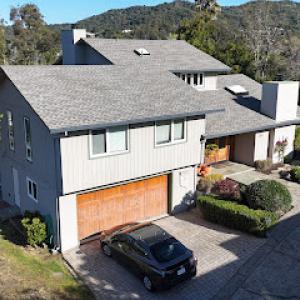
GBR Roofing is a leading roofing contractor specializing in roof replacement in Concord, CA, and serving Alameda, Contra Costa, and San Francisco counties. We provide expert roof installation, complete roof replacement, and detailed roof inspections for residential and commercial properties. Our licensed team uses premium materials and proven techniques to deliver lasting protection, energy efficiency, and peace of mind. From your initial consultation to the final walkthrough, we focus on transparent communication and tailored solutions that fit your needs. Whether you’re replacing an aging roof or installing a new system, GBR Roofing is here to protect your investment. Contact us today for a free estimate and experience the GBR difference.
NC Roofing Solution
(925) 255-7465 ncroofingsolution.com
Serving
4.9 from 248 reviews
At NC Roofing Solutions, we know that finding a quality roofing company that fits your budget can be challenging. That's why we offer exceptional roofing services that won't break the bank. With our expert team, you can have peace of mind knowing your roof is in good hands. Don't let roof issues escalate. Choose NC Roofing Solutions for the best roofing services. Contact us today for a consultation and let us take care of your roofing needs!
Equinox Roofing
(800) 880-6020 equinox-roofing.com
Serving
5.0 from 135 reviews
Equinox Roofing is the leading roofing company in Walnut Creek, CA servicing San Francisco, San Jose, Walnut Creek, and nearby areas. Our roofing company offers residential roofing, commercial roofing, roof repair, asphalt shingle roofing, and many more. Customers love us because of our comprehensive roof warranties and affordable roof financing options. We also have industry affiliations and certifications such as Owens Corning, Poly Glass, and CertainTeed. If you want to experience how your most trusted San Francisco roofing company embraces our motto “Building value”, call us now for a free estimate!
Western Sierra
(925) 681-2141 westernsierra.ws
Serving
4.4 from 27 reviews
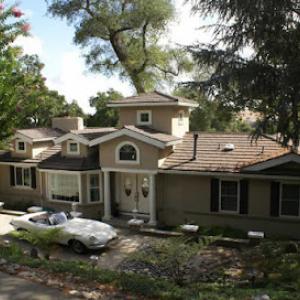
Committed, quality workmanship and excellent customer service No matter if it’s roofing work, gutter work, or solar panel work that you’re in the market for, you can rest assured you made the right choice with Western Sierra. It is our passion to improve the look and the functionality of your home. And we always treat our customers’ homes with respect. We offer free estimates and a 50-year warranty on all our roofing systems. Our business is fully licensed, bonded, and insured. Whether your located in Walnut Creek, Danville, Oakland, Pleasant Hill, Lafayette, San Ramon, Orinda, Moraga, Berkeley, Brentwood, Discovery Bay, Pittsburgh, Antioch and Bay Point, Fairfield, Vacaville, Benicia we'll come out for a FREE ESTIMATE.
Apollo Roofing Company
(925) 281-5504 www.apolloroofingcompany.com
Serving
5.0 from 85 reviews
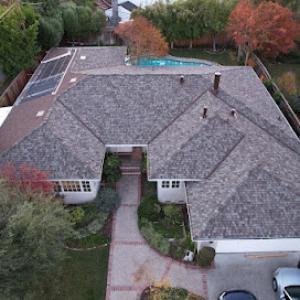
Apollo Roofing Company is one of the leading roofing contractors in Walnut Creek who takes pride in offering first-class services. Customer satisfaction is our top priority in every roofing service we deliver. And as such, we don’t rest until we give our customers the roofs their homes deserve and take their roof to the next level. We are made up of highly trained and experienced roofers providing multiple roofing solutions such as roofing system replacement, repair, and installation. For durable roofs, get a free estimate by contacting us today! "By Appointment Only"
Acker Roofing
(925) 891-3331 ackerroofing.com
Serving
4.9 from 142 reviews
Acker Roofing stands as the premier choice in Contra Costa, CA and its neighboring regions, delivering unmatched roofing services tailored for both residential and commercial needs. Whether you're seeking swift emergency roof repair, comprehensive roof replacement, or specialized solutions for a roof leak, we're your go-to experts in Contra Costa.Our legacy stems from years of dedicated service, ensuring local property owners benefit from the very best in residential roofing, commercial roofing, and gutter service.
California Premier Roofing
(707) 209-9390 californiapremierroofing.com
Serving
5.0 from 18 reviews
Your roof is an integral part of your home or business that protects it from the elements, so don’t choose just anyone as your preferred Vallejo & Benicia roofing company. After all, a roof & gutter inspection, roof & gutter repair, roof & gutter installation is only as good as the company you hire. California Premier Roofing is one of California's most respected roofing repair and installation companies. In our 25 years of service we’ve earned our reputation through hard work, quality customer service, and unbeatable savings! From small single-family homes to large restaurants and offices, no job is too complex or large for us. So if you’re ready to hire the best roofers in the business, contact California Premier Roofing today.

Golden Grove Roofing & Construction
(925) 272-8248 goldengroveco.com
Serving
5.0 from 28 reviews
Licensed Roofing and General Contracting Company
Clay and concrete tile are common choices on hillside homes and downtown blocks, where Mediterranean styling meets long dry stretches after the wet season. The hot, dry summers push thermal expansion and rapid drying, which can strain tile systems and their flashings. In practice, that means you'll see more movement at hip-and-ridge lines and around vent penetrations than you might expect from other climates. The combination of intense sun and cooler, damp winters amplifies the cyclical stress, and small movements can create hairline cracks that invite leaks if not addressed promptly.
Martinez homes often have long-lasting tile coverings, but problems aren't limited to broken field tiles. The underlayment beneath can age faster than the surface tiles, especially when heat accelerates deterioration. In this climate, underlayment that seemed fine after a few decades can start to show wear after a few hot seasons, leading to hidden leaks that manifest only after two or three wet winters. Regular inspection should focus on visible underlayment wear near eaves, valleys, and roof-to-wall transitions, where heat-driven movement is most pronounced.
Tile systems rely on flashings that move with the roof. In the heat of summer, expansion and contraction stress metal and sealants, and lightweight or poorly compatible flashings can crack or lose sealant integrity. Valleys, step flashings at parapets, and penetrations around chimneys are common failure points when heat cycles are ignored. Expect to see dried, cracked sealant, loose fasteners, or misaligned flashings during a careful inspection-especially on homes with clay tile expected to be in place for generations.
Begin with a visual walk of the roof after a dry spell and before the next winter rains. Look for broken or cracked tiles, especially in exposed, sun-baked areas around the south and west exposures. Inspect caulk lines and sealants at roof-to-wall joints and along flashing heads; note any discoloration or powdery residue that signals moisture wicking. In the attic, check for signs of moisture staining near penetrations or along eaves, and listen for a faint creak or movement when stepping modestly on the roof deck-these can hint at underlayment deterioration beneath intact tiles. If you notice granular loss at ridge tiles or soft spots in the attic decking, plan a targeted inspection with a tile-specialist.
Tile-heavy re-roof decisions must balance the East Bay aesthetic others expect with the practical realities of Martinez's heat. If the home already sports clay or concrete tile, preserving the look while enhancing reliability means prioritizing high-quality underlayment and compatible flashing materials designed for tile systems. Consider needle-sharp detailing at ridge lines and if appropriate, using lighter or more flexible underlayment products that tolerate expansion without compromising waterproofing. The goal is to maintain the traditional tile profile while reducing the risk of heat-related wear and emergent leaks.
Find contractors who specialize in clay and concrete tile roofs, known for their durability and curb appeal.
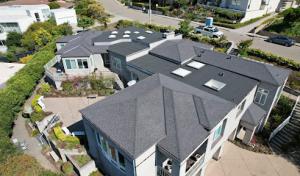
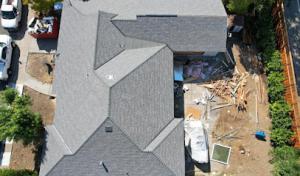

Martinez offers a mix of asphalt shingles, metal roofing, clay tile, concrete tile, wood shingles or shakes, and synthetic or composite shingles. Each option has its own balance of color, texture, weight, and maintenance needs, but the common thread is how well a roof sheds water during winter storms and holds up under long, UV-heavy summers. The right choice reflects both the hillside and shoreline influences, where storm runoff can be brisk and sun exposure intense, especially on south-facing slopes and exposed ridgelines.
The wet-winter, dry-summer cycle means you should prioritize a roof system that performs reliably through heavy rain events and remains durable under extended sun exposure. In Martinez, underlayment and flashing are tested year after year by alternating moisture and heat, so select assemblies with proven water-shedding performance and UV resistance. Materials that resist warping, cracking, or persistent pigment fading tend to hold color and shape longer, which matters for visibility on hillside neighborhoods and downtown shingles alike. This climate reality also drives attention to color choices that minimize heat absorption and reduce expansion stress on edge treatments and fasteners.
Asphalt shingles provide familiar, cost-effective protection with solid track records in our area, especially when paired with a robust underlayment and correctly integrated flashing. Metal roofing offers excellent longevity and high reflectivity but requires careful detail work at valleys, joints, and eaves to prevent leaks and wind uplift issues common near exposed coastal hills. Clay tile and concrete tile bring strong drought-season durability and a long service life, yet weight considerations and proper structural support matter on older homes typical of Martinez's hillside districts. Clay and concrete tiles also need moisture-compatible underlayment and attention to the flashing around chimneys and vent penetrations to counter seasonal movement.
Wood shingles or shakes deliver distinctive curb appeal but demand vigilant maintenance in this climate due to fire underwriting scrutiny and potential moisture-related concerns. In areas with heightened insurance review, be prepared for closer documentation of roof ventilation, ignition resistance, and the condition of the roof deck. Synthetic or composite shingles can mimic the look of natural materials while often offering improved dimensional stability and resistance to swelling, though performance varies by product line; prioritize those with proven UV resistance and reputable warranties for our dry season exposure.
Regardless of material, plan for a robust roof system that treats storm-season water efficiently and ages gracefully under dry-season sun. Pay attention to flashing at valleys, transitions, and penetrations; ensure underlayment is compatible with the chosen surface; and schedule regular inspections after the wet winter and before the hottest stretch of summer to head off minor issues before they escalate. Proper attic ventilation and a well-sealed ridge line help control moisture buildup and temperature swings that stress any roof assembly in this locale.
The most popular roofing material in the US. Find pros who install, repair, and replace asphalt shingles.
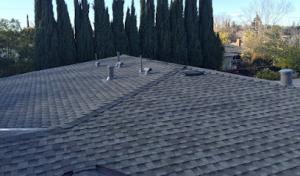
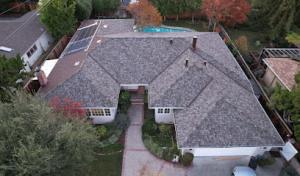
In this market, roofing costs reflect a mix of older hillside homes, tile-heavy configurations, and streetside evenings with marine air lingering on the shingles. Typical Martinez roofing costs run about $550-$900 per square for asphalt shingles, $900-$1500 for metal, $1000-$2100 for clay tile, $900-$1800 for concrete tile, $700-$1400 for wood shingles or shakes, and $600-$1100 for synthetic or composite shingles. When you're budgeting, think in terms of a square (100 square feet) and multiply accordingly. If your roof combines materials-say a clay tile main field with an asphalt cap or underlayment-adjust expectations for the blended price, as labor and staging fees can skew toward the higher end.
Martinez families feel the impact of the coast-driven weather pattern every year. Winter storms surge schedules and can compress contractor timelines, especially after a heavy stretch or hail-related repair spike. If a leak shows up during the wet season, you're not just chasing the damage; you're contending with a backlog of requests and tighter access to crews. Plan for a window late winter to early spring when the rain subsides but before the peak heat hits, to reduce delays and keep underlayment and flashing from deteriorating in the heat of summer. If your roof needs tile work, be aware that tile crews often run behind after winter storms, since tiles require careful handling and precise measuring to avoid future leaks around hips and valleys.
Tile-heavy homes are a frequent sight along the hillsides, and they demand more planning and staging than flat shingle re-roofs. Tile projects-whether clay or concrete-tend to push costs higher, not only for the material itself but for roof decking checks, rigid underlayment, and proper flashing integration to manage the shoreline humidity and sun exposure. If your project involves a roof with older wood sheathing, expect added labor to replace or fortify sheathing before laying new material. Projects that require extensive permit review through the City's Building Division can add labor, staging, and administrative costs compared with straightforward shingle replacements. For replacements that stay within a tighter budget, synthetic or composite shingles offer durability with a lower upfront price, but still require careful installation to weather Martinez's UV-intense dry summers. When budgeting, prioritize a materials choice that aligns with long-term performance in this climate, then layer in contingencies for possible winter scheduling delays or minor staging adjustments.
Get a clear picture of your project costs upfront - no commitment required.
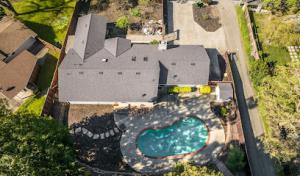

A permit is typically required for a full roof replacement, and applications are handled by the City of Martinez Building Division. This means your project will be reviewed for code compliance, including structural, attic ventilation, and fire-safety requirements that are particularly important given the local hillside homes and older downtown stock. Obtaining a permit signals that the work will be inspected to ensure it holds up through Martinez's wet-winter season and the long, UV-heavy dry summers.
Martinez roof permits generally involve plan review that can take around 1-2 weeks before permit issuance, and permit fees apply. During that window, the Building Division may request details such as a simplified roof plan, nail patterns, underlayment specification, and flashing details that address the Mediterranean climate pattern here. It helps to have documentation that aligns with the contractor's installation sequence, including access routes for scaffold or lift and temporary protections if storms are anticipated. Be prepared for questions about how the new roof integrates with existing skylights, vents, and any nearby structures that might influence drainage.
To keep the process smooth, gather shop drawings, roof schedule, material specifications, flashing details, and a brief sequence of operations from the installer. In this coastal-influenced climate, the submittal should emphasize waterproofing underlayment, drip edge, and proper termination at walls and chimneys, as well as wind uplift considerations for the seismic and wind loads typical of hillside neighborhoods. Include any required energy-efficiency documentation if the chosen system includes radiant barriers or cool roof components. Clear correspondence between the contractor's scope and the plan review package reduces back-and-forth during the review.
Inspections in Martinez occur at key milestones including rough-in or installation and final inspection, with a final certificate issued upon completion. Rough-in checks verify fascia, underlayment, flashing, and anchor points are in place before covering, while the final inspection confirms everything is sealed, vented, and weather-tight. Schedule inspections promptly and ensure access for inspectors, especially if work spans multiple days or encounters an unexpected Washington-street storm. Receiving the final certificate marks official completion and readiness for the seasonal transition into dry summers.
Martinez homeowners are operating in California's tighter insurance market, where carriers have raised rates or limited coverage in wildfire-prone and higher-risk areas. After a roof incident, expect closer scrutiny, stricter review standards, and more conservative coverage decisions than in years past. Knowing this upfront helps you prioritize thorough documentation and careful communication with your insurer.
When a storm or hail hits, gather exterior photos of shingles, flashing, vents, and any visible leaks, plus interior photos of staining or standing water. Keep a dated log of every correspondence with the insurer, contractor, and adjuster. Claims in this climate often hinge on precise timelines and complete records, so organize receipts, temporary repairs, and any weather-related delays to avoid back-and-forth disputes.
Inspecting gutters, downspouts, and deck connections for moisture intrusion can reveal hidden risk areas that insurers look for. Note any mold or soft decking, and document interior leaks promptly with timestamps. If an adjuster visits, provide clear access to the attic and roof, and share prior mitigation steps you've taken to prevent further damage.
Temporary tarps or boards should be installed promptly after a storm to limit further water intrusion, but avoid delaying permanent repairs. Keep receipts for materials and labor used to mitigate leaks, as these can influence claim handling and eligibility.
Coordinate closely with a trusted local contractor experienced with Martinez-style roofs and aging underlayment. Honest, detailed records and timely communication help prevent claim slowdowns and support a smoother settlement, given the stricter handling you may encounter.
Connect with contractors who help homeowners navigate the claims process from damage assessment to final approval.
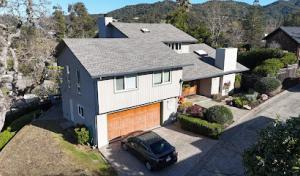
Flat and low-slope roofing is an active specialty in the Martinez market even though the city's dominant residential materials are pitched-roof systems. This section focuses on additions, porches, garages, and mixed residential-commercial properties where low-slope details come into play. The wet-winter cycle followed by dry summers makes drainage, flashing, and membrane detailing particularly critical on these surfaces.
In Martinez, low-slope sections commonly matter on additions, porches, garages, and mixed residential-commercial properties rather than only on large commercial buildings. When evaluating an existing low-slope area, map all transitions to steeper roofs, walls, and penetrations. Pay special attention to edge details that may abut gutters or downspouts, as water can back up quickly during heavy winter rain events.
Wet winter conditions emphasize drainage performance. Ensure the primary roof drain or scupper is sized for the anticipated flow and that primary and secondary watertight membranes are properly lapped and terminated at terminations like parapet walls or edge metal. Flashings must integrate with adjoining roof planes without creating trap points where water can pond. Use compatible membranes and adhesives rated for the local UV exposure in the dry season, and consider a tapered insulation approach to maintain positive slope toward drains.
Choose materials suited to low-slope substrates common to additions and porches, such as built-up membranes, modified bitumen, or single-ply systems with durable UV resistance. Ensure substrate preparation is meticulous-any decking or cover board should be uniform, clean, and dry prior to membrane install. Seams, fasteners, and edge details require careful attention where the low-slope meets vertical surfaces or transitions to steeper roof areas. Regular inspection after winter storms helps identify blocked drains, compromised flashing, or membrane edge failures before dry-season heat compounds the issue.
Find specialists in TPO, EPDM, and built-up flat roofing systems for residential and commercial properties.