Last updated: Apr 19, 2026
The sun-baked hillsides and long, dry summers in this area take a toll on exposed asphalt shingles and underlayment much faster than in milder climates. You'll notice granule loss, curling edges, and faded color creeping across roofs that face the afternoon glare. In Rowland Heights, the heat doesn't just bake shingles; it weakens the underlayment and decking over time, which can lead to leaks you don't notice until rain returns. If your roof is more than 15-20 years old, you should act with urgency when you see soft spots, dark stains, or a sudden uptick in interior warmth near the attic. Delays during peak sun season compound damage and raise the risk of wind-driven debris intrusion.
When Santa Ana-type winds arrive in fall, the uplift on roof edges, ridges, and any older shingle transitions spikes dramatically. Tile roofs here face edge and hip failures if fasteners have aged or if the underlayment has weakened under relentless sun and heat. Debris-branches, palm fronds, and grit-gets forced under eaves and along drip edges, accelerating wear and increasing the chance of punctures or loosening. You'll notice more granules in gutters and tiny leaks around chimneys or skylights after a windy spell. The effect is not cosmetic: it translates into higher likelihood of structural penetrations if that wind exposes vulnerable seams or tile laps. Preparation matters now.
Wildfire season brings smoke that lingers and can obscure roofing work, complicating inspection, emergency repairs, and contractor scheduling during the hottest fire activity days. Smoke can discolor exterior surfaces, degrade sealants, and reduce the effectiveness of certain roof coatings. It can also trigger insurance-driven delays as adjusters reassess fire risk and weather-related access issues. In practice, that means wait times may extend during peak season, and urgent repairs could be harder to coordinate. Plan ahead: align replacement windows to the calmer portions of the year when possible, and communicate explicitly with contractors about any smoke-related access constraints, so projects don't stall mid-work during critical wildfire activity.
Tile-heavy homes and lighter, sun-drenched street facades require different timing than a typical southern California house. Clay and concrete tiles resist wind better than vulnerable asphalt shingles, but their weight adds logistical complexity and longer lead times for installation when a crew is tense about structural limitations or hillside access. If your home features exposed asphalt or aging underlayment, you may face faster deterioration under the sun and greater risk of wind uplift during Santa Anas. A practical approach is to schedule a thorough roof assessment ahead of the fall wind season, identify marginal areas, and plan a replacement or major repair before sustained heat amplifies the issues. If you're weighing tile or composite replacements, consider the interplay of wind uplift resistance, fire exposure, and the likelihood of permitting delays to choose a solution that minimizes future disruption.
Inspect for curling shingles, torn granules, or misaligned edges after strong sun or wind events and document with photos. Note any attic signs of leaking, damp insulation, or unusual heat buildup, especially along ridges and tile intersections. For aging roofs, prioritize a decisive evaluation of roof decking condition and underlayment integrity, so you're not surprised by leaks during Santa Ana season. Talk with a local contractor who understands hillside access constraints and the need for secure anchoring on tile edges. Finally, build a replacement plan that avoids the height of wildfire season when possible, reducing the chance of smoke-delayed inspections and scheduling gaps that can push a project into problematic weather windows.
In Rowland Heights, clay tile and concrete tile dominate the skyline of hillside homes, where the sun-and-slope exposure tests the roof year after year. Cracked field tiles, slipped tiles along ridges, and aging underlayment are central concerns for this market. When a roof begins to show missing or cracked tiles, the underlying deck and waterproofing can deteriorate faster than expected, especially after a hot day followed by a cool evening. You'll notice that the flat or low-profile layouts common here drive water toward valleys, hips, and ridges, so failures often first appear as localized leaks or staining near these transitions.
Step 1: Inspect with a practical eye. During a calm, dry day, walk the roof edge with a reputable ladder setup and look for cracked or displaced field tiles, chipped edges, or tiles that sit high or low relative to neighboring ones. Pay attention to ridge lines and hip transitions, where movement and wind exposure can loosen fasteners or loosen mortar in older installations. Inspect the underlayment from the attic if possible: signs of moisture staining, cupping, or delamination indicate aging that may not be visible from above. The eastern San Gabriel Valley's heat swings can bake the waterproofing layers beneath tile assemblies, so even a relatively young roof can show hidden wear along these critical zones.
Step 2: Plan for the load and the wind. Heavier reroof systems such as clay or concrete tile demand careful consideration of structure and fasteners. The Santa Ana wind pattern can stress tile sheets and ridges, making proper installation essential to prevent wind-driven lift. If damage is concentrated along ridges or near transitions, anticipate more extensive work to resecure the ridge line and reseal underlayment penetrations. When replacing, consider upgraded fasteners, reinforced ridge caps, and a continuous underlayment system that resists wind-driven water intrusion.
Step 3: Choose materials that endure the climate. Tile types differ in weight, color stability, and heat gain. Clay tiles offer a classic look and good longevity but can be brittle when exposed to rapid temperature swings. Concrete tiles tend to be heavier and more impact-resistant, with a broad range of profiles that suit hillside homes. Both outperform asphalt in longevity under sun exposure, but their installation demands a careful, well-sealed underlayment and a roof deck that can bear the added load. If a roof is showing age-related underlayment wear, upgrading to a higher-quality synthetic underlayment beneath the tile can improve long-term waterproofing without sacrificing breathability.
Step 4: Align timing with performance. In this climate, the timing of a replacement should consider not only visible tile failures but the condition of the underlayment and the roof deck. A staged approach-replacing underlayment or flashing components when tiles are already being refreshed-can limit disruption. Roofers should plan for thorough ridge, hip, and valley work to maintain consistent waterproofing, given how heat and sun stress those joints. Working with a contractor who understands the local wind patterns and wildfire exposure will help ensure a durable, weather-tight result that stands up to the elements for years to come.
Find contractors who specialize in clay and concrete tile roofs, known for their durability and curb appeal.


Roof Service Providers
(562) 398-3411 roofserviceproviders.com
Serving
5.0 from 36 reviews
We are a GAF Master Elite contractor for all your roofing needs from certified roof inspections to roof installation, replacement and repair, and skylights. We specialize in both Residential and Commercial Roofing, for all types of materials including shake, tile, single, and metal. Our team is committed to quality craftsmanship using premium, locally sourced materials, ensuring peace of mind with industry-leading warranties. By integrating cutting-edge technology, we provide precise estimates and sustainable solutions. Trust us to handle your roof leak repair with speed and efficiency. Experience superior customer service with transparent communication and competitive pricing today. Located in La Habra Heights but serve all areas nearby.
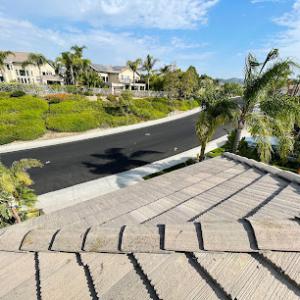
Roofing Innovations
(800) 619-7961 caroofinginnovations.com
Serving
5.0 from 22 reviews
We are a family-own and operated company; we speak Spanish. We offer free estimates on any type of materials; shingles, clay tile, concrete roofs, flat roofs. We do all types of maintenance, repair, tune-ups, and full re-roof.
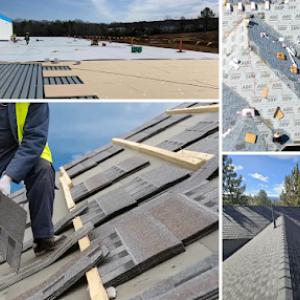
The Affordable Roofers
(714) 364-4998 www.affordableroofers.net
Serving
5.0 from 68 reviews
The Affordable Roofers is your go-to roofing company in Brea, CA and nearby, offering reliable, budget-friendly solutions without compromising on quality. We specialize in residential and commercial roofing services, including repairs, replacements, and new roof installations. Our experienced team uses high-quality materials to ensure your roof stands strong against the elements. With a focus on honesty, affordability, and customer satisfaction, we make the roofing process stress-free and affordable for homeowners and businesses alike. Trust The Affordable Roofers for expert craftsmanship at a price you can afford. Contact us today for your free quote!
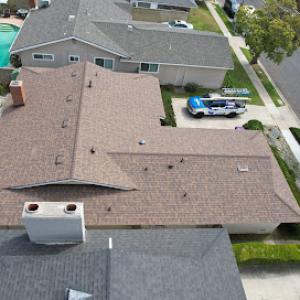
SoCal Roofing Solutions
Serving
5.0 from 23 reviews
We are a proud family owned and operated roofing contractor with an established and successful track record. We specialize in all roof types, asphalt shingles, tile, torch-down. We understand the roofing process can be a challenging one for some. Allow us the opportunity to make it as HASSLE-FREE as possible while delivering maximum VALUE! We are an Owens Corning and a GAF certified contractor offering great financing options through GoGreen Financing. CA License #1032698 Call us to schedule an appointment.
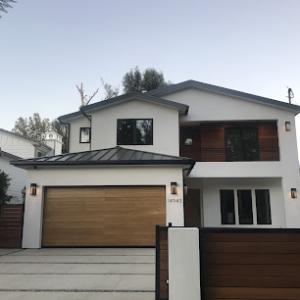
All In One Roofing & Solar
(714) 476-3304 www.allinoneteam.com
Serving
4.9 from 40 reviews
All In One Roofing specializing in customer service. All of our business starts from people like you referring us to our next customer. From residential to commercial roofing and solar Installation. For a yearly maintenance, repair or a complete new roof we have you covered. Our roofing installations include tile, composition, metal, hot mop, torch down, and many other types of roofing. Solar and battery backup. With very competitive pricing and great service we are the go to company. As a 3rd generation roofing company we have years of experience. It all started with my father who opened his own roofing company in 1977, where my 3 brothers and I started learning to remove and install roofs with him on weekend and during summer breaks.
Roof Pro
(714) 752-6999 www.roofprooc.com
Serving
4.8 from 150 reviews
Roof Pro is a roofing company with offices in La Habra, CA and Irvine, CA that offers the best roofing materials and installation practices on the market. With a well-trained team of professionals, you can be sure your new roof will be installed correctly the first time around. Thanks to our experience with different manufacturers, we have great partnerships for all your needs. We offer a wide range of roofing solutions for all types of homes, including shingle roofs, flat roofs, tile roofs, metal roofs and roof coatings. Our team is highly trained in both residential and commercial roofing systems to ensure that you get top quality workmanship at every step of the process. Call us for your new roof! We service Los Angeles and Orange County
ABC Quality Roofing
(714) 351-8726 www.abcqualityroofing.com
Serving
4.9 from 31 reviews
ABC Quality Roofing offers reliable roofing services in West Covina, CA. With 20 years of experience, our roofing contractors are committed to ensuring that your project is completed according to your specifications. You can trust that we will stay on schedule and within budget.
Affordable Roofing Solutions
Serving
4.8 from 32 reviews
Dreaming of a worry-free roof over your head? Affordable Roofing Solutions, Inc. delivers top-notch roofing contractor services right here in La Habra, CA. We're dedicated to providing reliable and durable roofing solutions for your home or business. Let us help you protect your investment with our expert craftsmanship and commitment to quality. Discover how we can transform your roofing vision into a reality and experience the peace of mind you deserve.
Bravo Roofing
(714) 672-9061 bravo-roofing.com
Serving
5.0 from 11 reviews
Bravo Roofing aims to provide high quality roofing applications with long-term sustainability, in the safest way possible, matched with outstanding customer service and response times. As a family-owned and operated company for more than 50 years, we take pride in providing 5-star service to every business partner. Clients are not a number, they are a name and each project is unique and important. Our strong values are reflected in our industry relationships, which boast in longevity and integrity. Contact us to talk about your Orange County, CA commercial roofing needs.
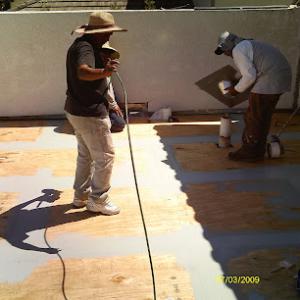
Santiago Roofing
(714) 745-5178 santiagoroofing.com
Serving
4.5 from 17 reviews
In business over 42 years / since 1980 Licensed and insured with worker's comp and liability insurance Deal directly with the contractor Quality workmanship Residential and Commercial New roofs, reroofs, recover, and repair work
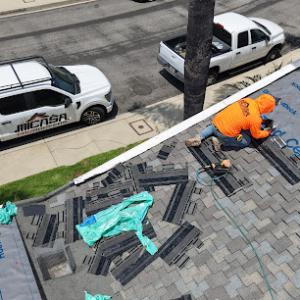
Micasa Pro Roofers
(714) 616-5700 www.micasaroofingoc.com
Serving
5.0 from 8 reviews
Giving the best experience is our uppermost priority and we are ready to give it to your satisfaction
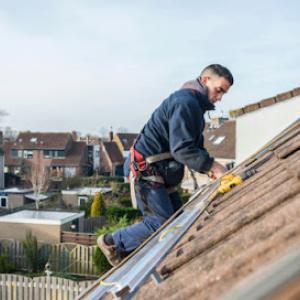
Silvestre Roofing
(626) 806-4857 www.silvestreroofing.net
Serving
5.0 from 18 reviews
Silvestre Roofing was founded on the principles of quality craftsmanship, dedication, and a passion for excellence. Over the past 24 years, we have built a reputation in La Puente, CA, as a roofing company that homeowners and businesses can rely on. Our experience spans across various roofing services, from residential roof repairs to commercial installations, and our team of skilled professionals is committed to delivering top-notch results in every project we undertake. We believe in continuous improvement, which is why we stay up-to-date with the latest advancements in roofing technology and techniques.
The wetter period in this area runs roughly from November through March, and the downstream effect for roofs is that dormant leak paths often show up after long dry months. Shingle and tile roofs that seemed solid during the summer heat can reveal hairline gaps, cupping, or edge failures once winter rainfall begins. If a roof has endured extended dry spells, inspect for softened underlayment or small openings near eaves, vent flashings, and chimney penetrations as soon as the first solid storms arrive. In Rowland Heights, those early season rains tend to expose weaknesses that summer heat quietly stressed but did not reveal.
Santa Ana wind exposure compounds winter challenges. When a replacement is rushed to fit a narrow dry window, the combination of gusts, cooler air, and abrupt shifts in humidity can disrupt sealants and fastener patterns. Winter storms interrupt tear-off schedules and extend exposure time if reroof work starts too late in the season. This isn't just about delaying the project; it increases the chance that uncovered roof deck, underlayment, or flashing details endure excess moisture before a proper dry-in occurs. If the forecast shows back-to-back storms, the crew may need to pause, which can leave exposed areas vulnerable to wind-driven rain and blown debris.
Dry periods are generally the best window for reroof projects in this area because crews can complete tear-off and dry-in with fewer weather delays. A lengthy dry spell lets crews pull back underlayment, set proper flashing, and confirm that new materials seat correctly without the risk of rainfall saturating the deck or washing away fasteners. In practice, that means prioritizing a start date that aligns with a predictable stretch of dry days, not just the calendar. When a storm system is forecast to roll in, consider delaying nonessential work to avoid rework caused by moisture intrusion or compromised adhesion.
As winter storms approach, keep an eye on attic ventilation and any ceiling spots that appear damp after a rainfall. A roof in good shape should shed water quickly, with no fresh drips along joints or at the transition between roof and wall. If a long dry spell ends with a heavy rain, evaluate exterior walls for staining or mineral streaks near penetrations; those can indicate leaks migrating along roof sheathing or fascia before they become obvious inside the attic.
Think ahead about staging a replacement that minimizes exposure time. Coordinate with a contractor who understands how Santa Ana-induced winds, wildfire exposure, and intense sun shape material choice and fastening strategies. A careful schedule reduces the risk of moisture intrusion during the critical tear-off and dry-in phase, and helps protect interior spaces from the kind of stubborn leaks that only show up after the first big rain.
When you can't wait, these contractors offer fast response times to stop leaks and prevent further damage.
In Rowland Heights, typical pricing bands reflect the mix of homes with asphalt shingle roofs and heavier tile systems nearby hills and wind exposure. Typical local pricing runs about $500-$900 per square for asphalt shingles, $700-$1100 for metal, $900-$1800 for clay tile, $800-$1400 for concrete tile, $800-$1300 for wood shingles or shakes, and $550-$900 for synthetic or composite shingles. When you're choosing a roof replacement, these ranges help you establish a realistic budget rather than chasing a single fixed price. If you're comparing bids, confirm what each contractor includes in a "square" (100 square feet) so you're not comparing apples to oranges.
Heavy tile roofing can shift your project from a standard reroof into a heavier installation. Santa Ana wind exposure increases the risk profile of the replacement, and that can show up as higher costs for fastened tile systems, additional underlayment, or bracing work to keep tiles secure during intense gusts. Concrete and clay tiles demand careful handling and more labor time because of their weight and fragility, which pushes per-square pricing toward the upper end of the tile ranges. Sun exposure also accelerates aging of underlayment and roof decks, which means crews may need to inspect and sometimes reinforce decking more than with a simple asphalt swap. You'll often see longer labor hours allotted on heavier tiling projects, and that translates to the price bands noted above.
Wildfire-season risk in this area adds another layer to the cost picture. When crews anticipate high demand after a regional wind or wildfire event, you may experience price upticks due to quicker mobilization needs or material stock variability. If you're replacing a tile or prefabricated tile system, the higher end of the tile ranges becomes more likely, especially for clay or concrete tiles where fracture risk during removal and reinstallation is nontrivial. In practice, you'll see project pricing drift upward during winter storm backlogs or after regional wind and wildfire events when quick-response reroof and repair demand spikes across LA County. Being prepared with a broader bid window can help you manage timing and price.
Get a clear picture of your project costs upfront - no commitment required.
In Rowland Heights, the reroof typically sails through LA County Building and Safety unless a specific local jurisdiction applies to the property. That means the process follows county rules and timelines, which can be influenced by the scale of the project and the degree of tear-off required. The county system often uses a staged approach, designed to keep safety and compliance front and center as work progresses on a steep hillside neighborhood with Santa Ana wind exposure and wildfire considerations.
Before any nails go into the deck, a permit submittal is needed. Expect standard forms for roofing replacement, plus any additional documents that reflect the chosen system and the roof's slope, venting, and flashing details. Plan review may be required for larger or more complex reroofs, especially when heavier tile systems are involved. Concrete and clay tile reroofs can trigger extra scrutiny due to weight, wind performance, and fire resistance, so plan on potentially longer review times if the project includes these materials. If the property sits near shared parcels or hillside access roads, be prepared for coordination notes that the reviewer may request about structural attachments and wind-rated details.
The permit process in this area typically includes staged inspections tied to tear-off activity and final roof installation. A tear-off inspection confirms that old material is removed safely and that the deck is prepared properly for the new roof system. After installation, a final inspection verifies that the new roof meets county standards for weatherproofing, ventilation, flashing, and tie-ins to existing gutters or drainage. Weather conditions and scheduling constraints can influence inspection timing, so plan for possible delays during Santa Ana wind events or wildfire-season periods when access and staffing may be tighter.
Concrete and clay tile reroofs may face additional review or longer processing than lighter systems, which matters in a community where tile roofing is common. If you are replacing with a heavier system, be prepared for documentation regarding structural adequacy, wind resistance, and seismic considerations. The county may request calculations, retrofit details, or vendor specifications for the tile products and fasteners you intend to use. Communicate early with the contractor and the building department to align on the plan review expectations and the anticipated inspection sequence so weather-related delays don't stall the project.
In Rowland Heights, the insurance market has seen carrier pullbacks in wildfire-prone areas, which affects coverage options and premium pressure for homeowners. When Santa Ana winds push heat and debris across tile and shingle roofs, the risk profile rises, and insurers focus on accurately documented roofs before and after events. The caution here is that a sudden wind-driven leak or a wildfire scare can trigger policy scrutiny and temporary holdbacks on replacement claims if records aren't solid.
Documentation is everything. Many carriers want current roof age and condition documentation, making photo records and contractor condition reports especially important before and after wind or leak events. You should build a simple file: dated photos from multiple angles, a basic roof report after inspections, and notes about visible wear, flashing integrity, and attic venting. In this climate, sun damage and wind uplift show up unevenly, so consistency matters.
When damage occurs during peak wildfire-risk periods, adjuster timelines can lengthen. So Rowland Heights homeowners benefit from detailed damage photos, dated notes, and prompt temporary protection records. Take time-stamped shots of every affected area, keep receipts for tarp or board repairs, and log any temporary mitigation you arrange. This helps avoid disputes about severity and repair scope later.
The practical impact is ongoing. Insurance decisions weigh the roof's current condition against risk exposure, and a well-maintained photo trail can speed processing after a wind event or leak. Store records in a single accessible location and share them with your agent whenever major weather threats loom. Having this ready reduces the chance of coverage delays when you most need it.
Connect with contractors who help homeowners navigate the claims process from damage assessment to final approval.
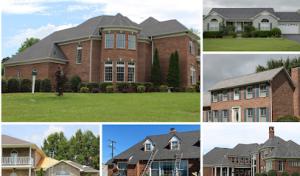
Although pitched tile and shingle roofs dominate the streets, the local contractor market shows meaningful demand for flat and low-slope roof work, pointing to common patio covers, additions, and mixed-roof homes in Rowland Heights. These low-slope sections often blend into outdoor living spaces and attached structures, making careful material choice and connection detail essential for long-term performance. When planning a low-slope addition, expect more coordination with flashing, edge details, and the transition from higher, steeper sections to the flatter coverage.
These low-slope areas are more vulnerable to drainage and membrane wear during the region's winter rain window than the long dry season might suggest. Proper slope to a concealed drainage path, integrated roof-to-wall flashings, and a durable membrane system are critical. In Santa Ana wind-exposed environments, ensure that edge details are robust and that fasteners are corrosion-resistant. A common pitfall is under-delivering on slope adequacy or poorly detailing transitions to adjacent tiles or shingles, which can lead to premature wear and localized leaks during winter storms.
Mixed rooflines on suburban homes can complicate reroof planning when a main tile roof connects to lower-slope sections, skylights, or attached structures. Start with a precise boundary assessment between the high and low sections, then map out flashing, gutter connections, and terminations. Pay particular attention to the interface around skylights and light wells, as these are frequent leakage sources in low-slope scenarios. A well-planned transition reduces creep, capillary pulling of water, and the potential glare that low-slope metal or membrane systems may experience near reflective tile zones.
Low-slope areas benefit from an accessible maintenance routine. Schedule periodic inspections after heavy rains to catch seam uplift, flashing movement, or membrane wear early. In shaded corners and along wall lines, dirt and organic buildup can accelerate wear, so plan for a clean, debris-free surface before sealing or resealing. For additions, insist on a continuous membrane underlayment that aligns with the main roof's method, allowing for unified aging and easier future rehab.
When evaluating an addition or patio cover, look for clear water shedding paths that lead away from living spaces, verify seamless transitions between the main roof and low-slope sections, and confirm that all penetrations (vents, skylights, connections) use compatible flashing. In the planning phase, document every change in elevation and discuss with the contractor how the low-slope membrane will tie into the higher tile system. Finally, prioritize a maintenance plan that targets the specific vulnerabilities of flat and low-slope surfaces to keep these spaces dry and functional year-round.
Find specialists in TPO, EPDM, and built-up flat roofing systems for residential and commercial properties.