Last updated: Apr 19, 2026
The San Gabriel Valley heat in summer pushes daytime temperatures into zones that bake underlayment and roof deck liners. That means the protective layers dry out faster, which can shorten their lifespan and make adhesive bonds more vulnerable during tear-off and installation. For a typical tile-heavy stock, midday heat can also complicate material handling, limiting the window when crews can safely stack and nail long runs. Plan tear-offs for cooler windows in the morning or late afternoon, and schedule tile installation for when solar exposure on the roof is lower, even if this means adjusting timelines by a day or two. If a shadowed area or north-facing slope exists, prioritize that section earlier in the day to reduce heat-related delays. In practice, confirm crew access to shade or temporary cooling measures to keep materials from expanding too quickly in the sun.
Fall Santa Ana events in the eastern Los Angeles County and San Gabriel Valley can introduce sudden gusts, blowing dust, and variable humidity that disrupt tear-off scheduling and debris control. When a wind advisory runs, large portions of a reroof may need interim cover or temporary fastening to prevent wind uplift on exposed edges. Debris containment becomes critical in neighborhoods with mature trees and tight street access, so plan for additional bins, tarps, and backup staging areas. Crews often adjust staging to minimize wind exposure, which may mean shifting material piles toward the windbreak side of the house or bringing in extra helpers to secure bundles during gusty periods. If a forecast shows a strong afternoon wind event, consider front-loading the more wind-sensitive tasks-like removing high-profile tiles or lifting underlayment-from that day and leaving long, open runs for calmer hours.
Winters in this area are milder but wetter, which makes moisture exposure during tear-off a real concern. Local practice tends to push full replacements into the drier months to reduce the risk of rain soaking raw decking and underlayment before the roof can dry in. When planning, look for windows with historically drier, longer dry spells even if the calendar month looks favorable. If a storm system looms during a planned tear-off, be prepared to suspend work, cover exposed portions, and re-sequence tasks after rain. On fully tiled roofs, ensure tiles are dry and stable before removal to avoid accidental cracking or breakage that would complicate reinstallation. For homes with mixed stock-tile-heavy portions alongside low-slope areas-coordinate crews so that high-water risk zones are addressed first during the dry spell, then move to flatter sections where weather exposure is less aggressive.
Start with a realistic assessment of heat exposure on the roof's hottest exposure and strongest prevailing sun hours. Schedule the most delicate tasks for the cooler parts of the day, and allocate a contingency day for Santa Ana wind events. Align tear-off and dry-in phases with the driest stretch of the winter or a late spring window if possible, prioritizing underlayment protection and proper ventilation during the dry-in. On tile-heavy homes, anticipate more extensive staging of tile removal and re-laying to reduce fracture risk and maintain tile integrity in the wind. Where concrete or clay tiles are present, buffer-to-ridge work during peak heat to limit thermal expansion stress on fasteners and sealants. Thoroughly inspect decking moisture before installing new underlayment to avoid hidden moisture pockets that could compromise adhesion or lofting, and keep an eye on ridge or cap installations that require stable, wind-resistant mounting early in the process.
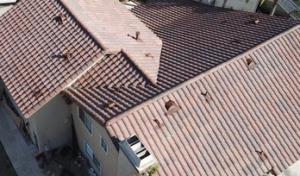
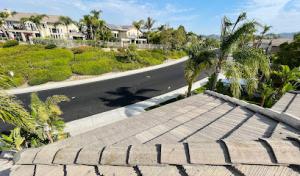
In this valley corridor, clay tile and concrete tile are the dominant options alongside asphalt shingles, reflecting the suburban tract patterns and Mediterranean-influenced rooflines you see across the San Gabriel Valley. If your home features curved lines, pale stucco, and a roofline that catches the afternoon sun, tile often looks the most integrated with the neighborhood's aesthetic. Tile can also offer a longer visual lifespan in the heat, but its performance isn't purely about the surface material-structure and accessories count just as much.
West Covina's heat profile means the roof is a system, not a single layer. Tile may hold up well when new, yet the aging underlayment beneath can become the weak link long before the tiles show signs of wear. In homes with attic ventilation that's not up to the task, or with underlayment past its prime, you may notice accelerated deterioration, cupping, or leaks that emerge during the hottest weeks. When planning replacement or re-roofing, inspect the underlayment condition as rigorously as the tile condition. A roof that cools and sheds heat effectively-via proper venting and a modern underlayment-will perform better over time, even if the tiles themselves appear sound.
Santa Ana winds bring dry, gusty conditions that stress roof edge details, flashing, and fastening patterns. Tile installations must account for strong wind uplift, especially on exposed ridges and transitions. Metal and composition options can offer different wind resistance profiles, but the key is quality installation with properly sealed penetrations and durable fasteners. If you're choosing tile, ensure the roof deck and fastener layout are designed for these wind events, and that ridge and hip lines are well-integrated with the overall wind load plan.
Wood shakes and shingles exist in the market, but they require closer scrutiny in California's wildfire-conscious insurance environment than tile, metal, or composition alternatives. While wood can provide a distinctive look, many insurers limit or price it differently due to fire ratings. Tile and metal choices typically offer robust fire resistance that aligns with common home safety expectations in this area. If wildfire risk is a concern for your insurer, you'll likely find tile or metal more favorable in the long run.
When weighing tile versus shingle, prioritize the entire roofing system: deck condition, underlayment age, ventilation, flashing details, and the potential for wind-driven damage. For tile-heavy homes, plan for a staged approach that refreshes the deck and underlayment if needed, while maintaining the curb appeal that matches your property's architectural cues. In mixed neighborhoods, you'll notice that the best outcomes come from a coordinated installation that respects both the local heat regime and the Santa Ana wind exposure.
When planning a re-roof in this area, the material choice largely drives the price per square. Asphalt shingles run roughly from 350 to 750 USD per square, offering the most budget-friendly option for homes with simpler roof lines. Metal roofing sits higher, from about 650 to 1100 USD per square, and often pays off over time with longer life and better wind resistance. Clay tile ranges roughly 900 to 1700 USD per square, while concrete tile clocks in around 850 to 1500 USD per square, reflecting the weight, labor, and tile pattern complexity common in local houses. Wood shingles or shakes fall in the 650 to 1200 USD band, and synthetic or composite shingles typically run 450 to 900 USD per square. For a typical West Covina job, expect material costs to be a portion of the total, with labor and roof-access logistics adding a meaningful share, especially on more intricate roof shapes.
Older tile roofs can present a practical decision point. If the existing tile can be lifted and reset with new underlayment and careful matching of field tiles, the project may stay within the lower end of the tile-cost range and limit disposal and tile-cracking risk. However, if many field tiles are broken, mismatched, or if the underlayment is degraded, a full replacement becomes more likely. In this climate, where heat, drought, and Santa Ana winds stress the roof, a full replacement often ensures a uniform surface and a fresh seal against wind-driven rain. In practical terms, you'll want a contractor to assess tile condition, the feasibility of resetting, and the stability of the roof deck before committing. A lift-and-set approach can save time and keep costs modest, but be prepared for potential underlayment upgrades if the deck shows age or prior damage.
Costs can shift when Santa Ana wind seasons or the winter rainy period tightens scheduling. Quick dry-in and repair crews become scarce during peak demand, which can raise labor rates and shorten the window for weather-safe installation. In West Covina, a project planned around off-peak months often nets better scheduling and steadier crew availability. If a wind event or heavy rain is forecast, you may see price spikes or expedited timelines that prioritize mock-up inspections, temporary tarps, and rapid underlayment installation. These spikes are more about availability than the base material price, but they affect the final invoice and scheduling.
The city's mix of single-story ranch homes, two-story suburban layouts, attached garages, and patio-cover tie-ins changes how long a re-roof takes beyond square footage. A flat or low-slope section paired with a complex eave line, multiple penetrations, or a patio cover integration can extend labor time and increase waste handling, debris containment, and safety setup. In practice, the labor component may add a meaningful margin to the square-count cost, especially on multi-level homes or roofs with tight transitions between living spaces and garages. Factor in these layout realities when calculating total cost per square for your West Covina project.
ABC Quality Roofing
(714) 351-8726 www.abcqualityroofing.com
1843 Gemini St, West Covina, California
4.9 from 31 reviews
ABC Quality Roofing offers reliable roofing services in West Covina, CA. With 20 years of experience, our roofing contractors are committed to ensuring that your project is completed according to your specifications. You can trust that we will stay on schedule and within budget.
Fast Track Roofing Repair Service West Covina
(626) 548-2620 fasttrackroofingllc.com
130 N Grand Ave, West Covina, California
5.0 from 19 reviews
Reliable Roofing in West Covina, CA At Fast Track Roofing, we make protecting your home or business simple. Serving West Covina, CA, we handle everything from quick leak repairs to full roof replacements with speed and precision. Our team uses durable materials and proven techniques to deliver strong, long-lasting roofs. Whether it’s residential or commercial, you can count on expert service and lasting results.
Mountain Pacific Roofing
(626) 364-9844 www.mountainpacificroofing.com
1909 E Garvey Ave N #220, West Covina, California
5.0 from 13 reviews
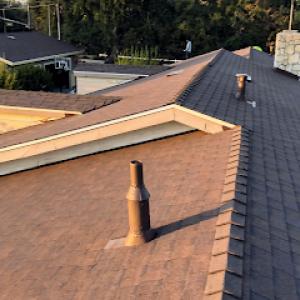
Welcome to Mountain Pacific Roofing, your number one roofing company in West Covina, CA and the surrounding area. We're a full-service company that specializes in commercial roofing and residential roofing. You can depend on our experts when it comes to repairing and installing a new roof system. There is no job too big or small for us to handle! With several years of industry experience, our family-owned and operated business is dedicated to providing the residents and business owners of West Covina with the best solutions to repair or replace their roofing. Our mission is to provide our clients with the same high level of service and quality that we expect ourselves.
Silvestre Roofing
(626) 806-4857 www.silvestreroofing.net
Serving
5.0 from 18 reviews
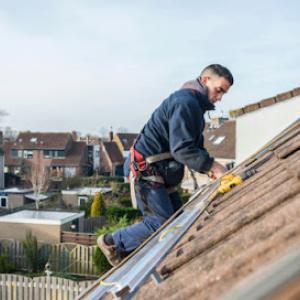
Silvestre Roofing was founded on the principles of quality craftsmanship, dedication, and a passion for excellence. Over the past 24 years, we have built a reputation in La Puente, CA, as a roofing company that homeowners and businesses can rely on. Our experience spans across various roofing services, from residential roof repairs to commercial installations, and our team of skilled professionals is committed to delivering top-notch results in every project we undertake. We believe in continuous improvement, which is why we stay up-to-date with the latest advancements in roofing technology and techniques.
Roofing Innovations
(800) 619-7961 caroofinginnovations.com
Serving
5.0 from 22 reviews
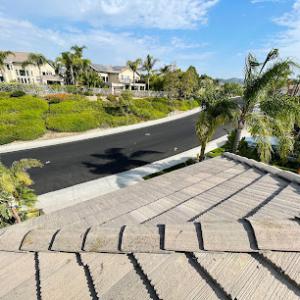
We are a family-own and operated company; we speak Spanish. We offer free estimates on any type of materials; shingles, clay tile, concrete roofs, flat roofs. We do all types of maintenance, repair, tune-ups, and full re-roof.

Ruiz Roofing Corporation
(626) 533-8848 ruizroofingcorp.com
Serving
4.7 from 55 reviews
Small and well-stablished roofing contractor specializing in quality full re-roof project. Financing available, Owens Corning Certified, Licensed and bonded. CSLB #1076100
Hudson & Sons Roof Repair
(626) 790-2225 roofingbaldwinpark.com
Serving
4.7 from 71 reviews
Hudson & Sons Roof Repair is a trusted name when it comes to professional roof repair services. With our experienced team of professionals, we specialize in addressing a wide range of roofing issues promptly and effectively. Whether it's fixing leaks, replacing damaged shingles, or restoring the overall condition of your roof, we have the expertise and tools to get the job done right. At Hudson & Sons Roof Repair, we prioritize quality workmanship and customer satisfaction. Trust us to restore the integrity and functionality of your roof with precision and expertise.
Tigers Roofing
(310) 879-3421 tigersroofing.com
Serving
5.0 from 20 reviews
🏠 Tigers Roofing Secure Your Shelter with Tigers Roofing – Exceptional Quality, Unmatched Experience! ✨ 🛡️ At Tigers Roofing, securing your shelter is our top-most priority. Operating with unrivaled expertise in Gardena, CA 📍, we set the gold standard in the roofing industry. Our unmatched experience, combined with our exceptional commitment to quality, ensures that we deliver solutions that not only meet but exceed your expectations 💪. 📞 Contact us today!!! 📧 tigersroofinginc@gmail.com
Baldwin Park Roofers
(626) 542-1397 baldwinparkroofers.com
Serving
5.0 from 34 reviews
For reliable and affordable roofing in Baldwin Park, CA, trust Baldwin Park Roofers. With over 20 years of expertise, we provide professional roof repair, roof installation, roof replacement, and roof inspections. We specialize in shingle roofing, metal roofing, and flat roofing. Our focus is on delivering long-lasting roofing solutions that meet your needs and budget. Serving Baldwin Park, CA and nearby areas —contact Baldwin Park Roofers today for a free estimate!
Value Wise Roofers
(626) 691-4958 valuewiseroofers.com
Serving
5.0 from 37 reviews
Looking for reliable and affordable roofing services in Bassett, CA? Value Wise Roofers offers over 20 years of experience providing top-quality roofing solutions. We specialize in roof repair, roof installation, roof replacement, and roof inspections. We also provide siding, gutter, skylight, roof waterproofing and window installation services to Basset homeowners. Whether you need shingle roofing, metal roofing, or flat roofing, our team delivers cost-effective solutions to keep your home secure and energy-efficient. Serving Bassett, CA, contact Value Wise Roofers for a free estimate today!

Highland Commercial Roofing
(626) 856-2076 www.highlandroof.com
Serving
4.6 from 45 reviews
Highland Commercial Roofing offers expertise in commercial and industrial roof installation and maintenance. We begin with a thorough roof inspection at no cost to provide a variety of solutions for maintenance, repair, or a new roofing system. Our commercial roofers are skilled, dedicated, and highly trained master craftsmen who provide a quality service with extensive pros and cons to each option in order to help you make the best decision for your commercial property. Our production management team will work with you to develop a plan and construction schedule designed to minimize our impact on your business operations, or that of your tenants, during installation. Contact us today for a quote or more information.
J.N. Davis Roofing
(626) 815-1279 www.jndavis.com
Serving
4.6 from 18 reviews
Since 1929, J.N. Davis Roofing has been the trusted roofing contractor for homeowners and businesses across Covina and the San Gabriel Valley. Our licensed and insured team (CA Lic. #572125-C39) provides expert roof replacement, leak repair, new roof installations, flat roof systems, cool roof solutions, gutters, and skylights. Whether you need a quick roof inspection or a full re-roof, our experienced roofers deliver reliable workmanship backed by nearly a century of service. We proudly serve Covina, West Covina, Glendora, San Dimas, Azusa, Pasadena, and nearby communities.
West Covina generally requires a building permit for full roof replacement through the City of West Covina Building and Safety Department. Before any work starts, you should file for the permit and have plans reviewed if your roof type is tile-heavy or involves a full tear-off. Skipping or rushing this step invites delays, rework, and possible fines when the city catches noncompliant work. The permit process is not a nuisance filler; it's a safeguard against undersized framing, improper underlayment, or ventilation gaps that can show up later as heat increases or Santa Ana winds intensify. Schedule the city review early and keep a clear line of communication with your contractor so you're not scrambling when the inspector eyes the project.
Local inspections are commonly scheduled at milestones including after tear-off, after deck or underlayment installation, and after final roof installation. Expect the first milestone to verify that the old roof is safely removed and that the deck is clean and structurally ready for new underlayment. The second milestone focuses on the underlayment installation, nailing patterns, and temporary ventilation setup. The final inspection confirms the completed roof assembly, including eave protection and proper flashing details. If your installer is working with tile stock or a combination of tile and low-slope sections, the inspector will check that the fasteners and attachment methods align with code expectations for wind resistance and long-term performance.
Because high heat and Santa Ana wind exposure can magnify minor installation flaws, pay special attention to ventilation and eave protection. Inspections will scrutinize nailing patterns to ensure fasteners penetrate framing correctly and aren't backed out or over-driven by heat. Ventilation must be adequate to prevent heat buildup under shingles or tiles, which can shorten lifespan in this climate. Eave protection matters, especially where overhangs meet exterior walls, to guard against wind-driven uplift. If a contractor proposes any deviations from standard West Covina practice, document them and discuss them with the Building and Safety Office before proceeding. A proactive approach helps avert delays and keeps the project on a predictable path through the permit office and the field inspections.
Flat-roof specialization is notably active in this area, reflecting a meaningful mix of commercial buildings, apartment components, additions, and low-slope transitions for patios or porches. In dry heat, exposed membranes and coatings tend to show wear sooner, so look for chalking, small cracks, or gloss loss on TPO, PVC, or built-up membranes. When winter rains arrive, ponding and drainage weaknesses become obvious quickly, so you'll see moisture pockets or dampness along low spots and drains. These patterns aren't just cosmetic-they signal when a more robust maintenance plan or a refresh is due.
Low-slope tie-ins around garages, rear additions, and mixed-slope rooflines are a practical local concern even on homes that otherwise present with a standard pitched roof. Start by mapping all flat or near-flat sections and noting any unusual slope transitions into eaves, parapets, or parapet caps. Inspect edge flashing where sheets meet walls-these are frequent failure points in dry heat where sun exposure accelerates material fatigue. Check drain barrels and scuppers for forgiveness around obstructions, and confirm seals at vents, curbs, and penetrations stay intact after seasonal shifts.
Begin with a proactive maintenance cycle-biannual cleanings, debris removal, and a quick visual of membrane seams and coatings after peak heat and before rainy season. If a flat section shows accelerated wear, prioritize coating refreshes or membrane resealing in high-traffic or utility-heavy areas, especially where sun exposure is greatest. For homes with multiple roofline levels, plan a staged approach: address the most exposed or highest-traffic sections first, then address mid-level transitions and finally recessed or hidden flat areas. In mixed-slope configurations, ensure flashings and tie-ins are revisited during any re-roof project to maintain consistent drainage and reduce the risk of hidden leaks.
When selecting materials for flat and low-slope sections, consider products with proven heat resistance and UV stability, paired with reliable edge details and drainage solutions. Prioritize systems that offer robust flashings and tested wind resistance, given Santa Ana exposure can stress the envelope even on non-flat portions. For accompanies, ensure crews pay meticulous attention to transitions from flat to pitched areas, as these are common bottlenecks for leaks and ponding in this climate.
Find specialists in TPO, EPDM, and built-up flat roofing systems for residential and commercial properties.
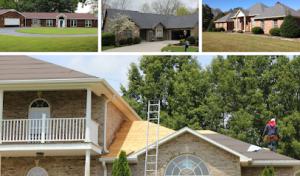
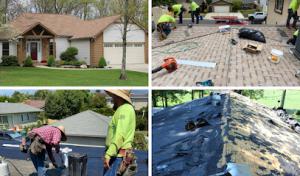
In West Covina, leak calls often cluster around the first meaningful winter rains after long dry periods, when brittle flashings and aged underlayment finally get tested. Those first heavy showers expose weaknesses that the dry season has hidden, especially around valleys, penetrations, and transitions between roof planes. If a leak shows up, it often traces back to simple aging components that should have been evaluated or replaced after the dry stretch ended.
Santa Ana winds can lift vulnerable edges, dislodge ridge components, and drive rain into weak transitions around valleys, walls, and penetrations. The gusty push compounds preexisting wear, turning minor imperfections into active leaks in a hurry. Roofs with tile-heavy configurations or aging sealants are especially exposed, because wind-driven rain can exploit even small gaps at flashing, hips, and ridges.
Quick-response repair demand is a strong local market signal, matching the city's pattern of urgent leak mitigation during weather swings rather than only planned replacement work. When a storm pulse hits, rapid triage matters: secure loose flashing, temporarily seal exposed penetrations, and schedule a targeted inspection to identify whether flashing pans, underlayment, or edge metal require immediate attention. A proactive stance during or just after wind events minimizes damage, preserves roof life, and reduces the risk of cascading leaks through the season.
When you can't wait, these contractors offer fast response times to stop leaks and prevent further damage.


In this climate, tighter homeowners insurance underwriting affects you even without a standout hail market. The San Gabriel Valley heat and Santa Ana winds can accelerate aging in tile-heavy and low-slope roofs alike, making age and condition more consequential when a claim is filed. The outcome hinges less on dramatic events and more on a documented history of maintenance, wear, and material resilience. When a policyholder understands this, the risk of a denial or prolonged adjustment becomes real, and preparation can shorten the process.
For a claim, clear before-and-after photos are essential, especially if wind-related damage meets the threshold to trigger coverage. Keep a visual record of existing wear, loose flashing, cracked tiles, or lifted sections before any incident. Retain repair invoices and contractor notes that describe the roof's condition at the time of service. Detailed records should cover age, material type, and any prior wind-related repairs. In San Gabriel Valley heat, asphalt, composite, and tile roofs age differently, and the insurers often scrutinize pre-existing wear versus sudden deterioration.
Policy handling may focus more on wind-driven damage and maintenance history than on hail, which is less common here. Documented maintenance history signals responsible ownership and can influence settlement scope. If a claim results from wind, provide meteorological context and any pre-storm inspections that show the roof was in a reasonable state prior to the event. In contrast, a claim framed around pre-existing wear without supporting records can lead to disagreement about causation and coverage.
Organize records by date, bound together with a clear narrative of your roof's condition over time. Ensure that the adjuster can verify both the pre-loss state and the post-event condition with independent photos and trusted contractor assessments. Clear, well-organized documentation helps protect the replacement path and aligns with how insurance in this market evaluates risk and maintenance history.
Connect with contractors who help homeowners navigate the claims process from damage assessment to final approval.
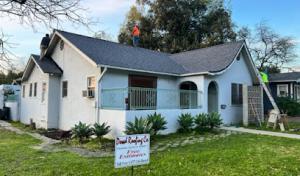
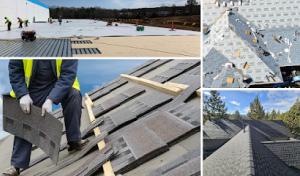
In this sunny inland climate, solar-related roof work is a practical local issue, especially when older roofs need replacement before panel removal and reinstallation. When a tile roof is due for a refresh, plan ahead for the panels so flashing and mounts don't disrupt the new layer. Tile compatibility and careful reseating during re-roofing can save headaches after the install is complete.
Tile roofs are common and require careful handling around solar mounts. cracked field tiles and flashing details can create delayed leak problems if not addressed during the replacement. Use a tile-conserving approach: lift only the tiles that must be moved, replace any cracked units, and install flashing that accommodates tile movement. A knowledgeable crew will match replacement tile profiles to the existing roof so the surface remains water-tight after heat cycles.
Flashing around penetrations deserves extra attention in this market, where heat cycling and wind-driven rain can expose weak seals after long dry periods. Check step flashing at all rakes and hips, as well as around skylights, vents, and panel penetrations. Re-flashing with corrosion-resistant metal and sealing with compatible, weather-rated sealant helps resist rub from expanding and contracting roof assemblies during Santa Ana winds and summer heat.
Skylights and other penetrations need a methodical inspection during replacement. Heat cycling can loosen seals, and wind-driven rain can exploit marginal seals after extensive dry spells. Replace aged or degraded seals proactively and ensure flashing transitions are integrated with the roof deck. For solar projects, coordinate the skylight and panel layouts so seals and flashing intersect cleanly, avoiding overlapping sealants that may trap moisture.
A well-planned sequence-tile replacement, then solar mount installation, then final flashing checks-reduces the risk of leaks and keeps the system performing through peak sun and Santa Ana events. Ask for a detailed inspection checklist that targets tile integrity, flashing continuity, and penetrations, so the roof remains durable as the solar investment matures.
Find contractors who integrate solar panels or solar shingles into your roof for long-term energy savings.