
Last updated: Apr 19, 2026
Your roof sits in a furnace during peak summer, with inland North Orange County heat magnified by the Santa Ana winds. The heat accelerates UV wear on shingles, underlayment, sealants, and roof penetrations, turning aging materials brittle faster and opening paths for leaks when storms return. This isn't a coast-hugging lullaby; it's a high-fire, dry-season reality that taxes the everyday components of mid-century, Spanish tile, and low-slope roofs alike. If you've got extended dry spells followed by the first winter storms, you're dealing with material fatigue hiding behind a dry spell-ready to snap the moment rain pushes through. In short: this climate accelerates deterioration in ways that show up as flashing failures, loose tiles, and compromised ventilation.
Tile roofs-whether clay, concrete, or low-slope tile transitions-face a triple-hit: lifting wind, brittle joints from heat, and debris-driven impact. Ceramic and concrete tiles crack or shift when a gust catches an edge, and ridge components can loosen if fasteners have become fatigued from heat cycles. Shingle roofs aren't immune; asphalt or synthetic shingles can warp or curl when exposed to prolonged sun and sudden gusts, creating vulnerable gaps near vents or chimneys. Even metal roofs, often praised for resilience, can suffer denting or accelerated wear at seams if protective coatings degrade in sun and wind. Ventilation-related gaps become pressure points; poor venting means attic temperatures spike, pushing sheathing and underlayment toward early failure. For low-slope blends, the combination of heat, wind uplift, and runoff framing can quickly expose ridge lines and valleys to wind-driven debris and water infiltration.
First, inspect and tighten. Before Santa Ana season, walk the roof or hire a trusted pro to check for loose or damaged shingles, cracked tiles, and displaced ridge caps. Pay particular attention to valleys, flashing around skylights, chimneys, and vent pipes, where heat and wind conspire to loosen seals. Re-fastening or sealing marginal edges can avert a cascade of leaks during a windy spell.
Second, reinforce vulnerable areas. If you have clay or concrete tile, ensure proper alignment of tiles at ridges and hips; misaligned tiles create leverage points for uplifting winds. For low-slope or flat sections, verify that sealants around penetrations are soft, pliable, and free of gaps; aging sealants lose elasticity and fail under wind gusts.
Third, maintain better ventilation. Hot attic air expands and pushes against underlayment and flashing. Clear soffit intakes and ridge vents of debris and consider upgrades that improve air movement without inviting pests. A balanced, well-ventilated attic reduces heat stress on the roof assembly, extending life.
Fourth, plan for debris management. Santa Ana events lift branches, palm fronds, and grit that peel paint, clog valleys, and scour flashing. Create a simple debris strategy: trim nearby branches, secure items that could become projectiles, and ensure gutters and valleys are regularly cleared so wind-driven debris doesn't become a hidden lever for leaks.
If a wind event has swept through, perform a cautious exterior inspection from the ground or a safe ladder position. Look for displaced shingles, cracked tiles, loose ridge components, and debris in valleys or around flashing details. Inside the attic, check for signs of wind-driven leaks, unusual damp spots, or stained rafters. If you spot anything suspicious, contact a qualified roofer promptly to assess structural integrity and seal vulnerable areas before the next heat wave hits.
Clay and concrete tile are a natural fit for the Spanish and Mediterranean-influenced homes that populate this area. Their profiles and color tones tend to harmonize with the clay red, earth tones, and warm stucco facades common to Fullerton's mid-century and older neighborhoods. The tradeoff is that while the tiles themselves are durable, the underlayment and the flashing that live beneath them often bear the true test of heat, wind, and aging. When a roof is well matched to its décor, it should still be inspected with the same eye you use for a long-lived foundation-tile may outlast the underlayment, but a compromised base can undermine decades of exterior style.
In older tile roofs, leaks rarely mean a tile has shattered and failed completely. More often, the culprit is aged underlayment or a compromised transition where tile meets metal features like valleys, vents, and hips. Valley metal can wear and corrode where leaves and debris collect, especially after Santa Ana wind events that shove grit and debris into tight corners. Flashing transitions around chimneys and wall penetrations are vulnerable to heat cycles, and cracked replacement tiles from previous fixes can create a chain of slow leaks. The practical takeaway is to look not just at the visible tiles but at the seams, edges, and membranes that run beneath them.
Tile work in Fullerton frequently requires matching profile and color across older homes. A partial repair that uses a newer tile with a slightly different curve or shade can stand out against the rest of the roof. This situation tends to increase labor time, since installers chase exact profiles, gauges, and hues to preserve the roof's integrity and curb appeal. When planning repairs, expect discussions about tile batches and color matching to be a normal part of the process, and be prepared for potential patchwork that blends rather than contrasts.
The inland heat accelerates aging of the underlayment and can cause tiles to expand and contract at different rates than metal flashing. Wind gusts stress any exposed fasteners and the edges where tiles meet valleys. The combination of heat and wind makes valley and edge details especially critical on these roofs. Keep an eye on broken or slipped tiles after storms or unusually windy days; even a single damaged tile can channel water into the underlayment and set the stage for a slow leak that travels along roof lines before appearing inside the attic.
Start with a seasonal walk of the roof, focusing on the condition of the edge rows and any exposed fasteners near vents, valleys, and chimneys. Remove debris near valleys to prevent rust or corrosion from pooling moisture. When inspecting, don't assume a tile needs replacement-many issues stem from the underlayment or flashing that can be repaired with careful resealing and metal work. If a repair involves color or profile matching, plan for a patch that respects the existing rhythm of the roofline; the goal is to keep the look cohesive while restoring function. For any suspected leak traced to underlayment or flashing, a targeted repair that preserves as much original tile as possible is typically the most cost-effective way to extend the roof's life without sacrificing appearance.
Find contractors who specialize in clay and concrete tile roofs, known for their durability and curb appeal.
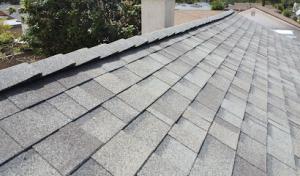
Parkside Roofing
(562) 204-6238 www.parksideroofing.com
2271 W Malvern Ave #432, Fullerton, California
5.0 from 27 reviews
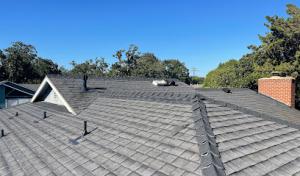
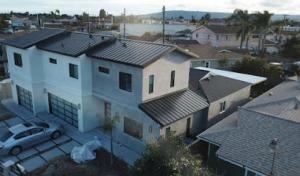
Many Fullerton properties combine a primary pitched roof with low-slope patio covers, room additions, porches, or garage sections that age differently from the main roof. That mix means you can have a robust tile or shingle upper surface while the low-slope portions rely on membranes, flashing, and drainage details that behave differently under heat and wind. When planning repairs or replacements, treat each section on its own while coordinating transitions where they meet. The goal is to keep the drainage path clear and the transitions watertight across the entire roof system.
Low-slope areas in this area are especially vulnerable when winter rain follows long dry spells, because drains, scuppers, and transition flashings may not be tested for months. A dry spell can allow debris buildup to hide under coping or at edge flashing, and rapid rain after dryness can overwhelm a marginal seal. Check scuppers and rooftop drains for obstructions after wind events or heavy tree debris. Pay attention to transitions where low-slope membranes meet a tile or shingle roof; even a small stagger can become a leak point if the edge flashings aren't properly secured and sealed.
Homes with mixed roof geometry often need different repair strategies on the same property, especially where tile or shingles meet low-slope membranes. When tile or asphalt meets a low-slope section, verify that the kick-out flashing, counters flashing, and edge detailing are continuing through the transition without gaps. For shingle-to-membrane junctions, ensure the membrane is fully bonded to the substrate and that the drip edge is sloped correctly toward the drains. If a garage or patio roof carries a lighter membrane, inspect fasteners and edge caps for wind uplift and sealant integrity; a loose edge can allow wind-driven rain to wick under the membrane when storms arrive.
Create a simple inspection routine that pairs a quick exterior check with a careful look at interior signs of water movement. After wind events, walk the edges of low-slope sections and test for any soft spots or lifted edges. After rains, run a flashlight along ceiling joints in the attic or under eaves to spot dampness or staining that points to a hidden leak. When you find a seam or flashing that's compromised, address it promptly by resealing or replacing the defective component rather than waiting for the next major repair cycle. For mixed roofs, document each section's condition and prioritize fixes where transitions or penetrations coincide.
In full sun and Santa Ana wind exposure, sealants and membranes age faster. Schedule timely resealing around flashings and edge details before the dry season ends, and plan for a more thorough inspection after the first heavy winter rain. Remember that the garage or addition roof may need different materials or attachment methods than the main tiled or shingled roof; align replacement materials with the specific performance needs of each section while ensuring a cohesive overall system that drains properly and resists wind uplift.
Find specialists in TPO, EPDM, and built-up flat roofing systems for residential and commercial properties.

Prime Roofing Fullerton Masters
(657) 243-8281 primeroofingfullertonmasters.com
745 N Euclid St, Fullerton, California
5.0 from 29 reviews
Fullerton Roofing Masters
(714) 266-1641 roofingcontractorfullertonca.com
1435 N Harbor Blvd, Fullerton, California
5.0 from 20 reviews
If you're replacing the roof, the local price picture is driven by material choice. Asphalt shingles run roughly 350 to 650 USD per square. Metal roofing tends to be 700 to 1100 per square. For tile options, clay runs about 900 to 1700 per square, while concrete is typically 800 to 1400 per square. Wood shingles or shakes come in around 600 to 1000 per square, and synthetic or composite shingles are roughly 500 to 900 per square. These ranges reflect Fullerton's inland heat, Santa Ana wind exposure, and the mix of mid-century tract homes and low-slope additions that commonly require more careful detailing.
Costs in this market often rise on tile projects because tear-off, tile handling, underlayment replacement, and matching older profiles add labor beyond a basic re-roof. If the home has clay or concrete tiles, expect extra time for safely removing and re-installing heavy material, plus attention to keeping matching texture and color on older sections. Even if the roof structure is sound, the labor to shim, trim, and reseal around vents and valleys can push the price higher than a plain asphalt job. In practice, a tile job you see as a straightforward replacement may end up closer to the upper end of its range when tear-off and matching are involved.
Dry months are the most practical window for scheduling, since wind and heat can complicate tile handling and adhesive performance. Scheduling becomes more complex when coordinating with the city's inspection cadence, which can add days to the timeline and influence labor pricing. If a project spans multiple roof types or needs underlayment upgrades, expect additional coordination time that nudges the total beyond a simple square-foot estimate.
Use the material ranges above as your starting point, then add a hedge for tear-off and matching if you're dealing with tile or older profiles. Dry-season scheduling and inspection timing should be factored into the overall timeline and price to avoid surprises.

Prime Roofing Fullerton Masters
(657) 243-8281 primeroofingfullertonmasters.com
745 N Euclid St, Fullerton, California
5.0 from 29 reviews
Prime Roofing Fullerton Masters offers reliable, 7-day roofing services throughout Fullerton and surrounding areas. We specialize in roof inspections, repairs, full roof installations, attic venting, gutter cleaning, and storm or wind damage restoration. Our team combines expert craftsmanship with high-quality, durable materials to ensure long-lasting protection for homes and businesses. From minor leaks to complete roof replacements, we provide fast, professional solutions that safeguard your property, improve energy efficiency, and keep your roof performing at its best. Trust Prime Roofing Fullerton Masters for dependable, year-round roofing services.
Parkside Roofing
(562) 204-6238 www.parksideroofing.com
2271 W Malvern Ave #432, Fullerton, California
5.0 from 27 reviews
Top quality ROOFING contractor. Great communication with amazing customer service.
Immaculate Services
(657) 217-0638 immaculateservicesinc.com
1932 W Ash Ave, Fullerton, California
5.0 from 26 reviews
We are a group of professional Journeymen that have come together to work with less fortunate Individuals of our community. Our aim is to rehabilitate them and equip them with moral and trade skills while producing quality work for our customers. we are a Christian company. Pray for us.

Fullerton Roofing Masters
(714) 266-1641 roofingcontractorfullertonca.com
1435 N Harbor Blvd, Fullerton, California
5.0 from 20 reviews
Fullerton Roofing Masters works on roofing projects for residential and commercial properties in Fullerton, CA. Our team completes roof repair, roof replacement, roof installation, roof inspections, commercial roofing work, and emergency roof repair. Experience gained from projects across Fullerton has given our roofers familiarity with local building styles, common roof systems, and weather conditions that affect roof performance. We provide roofing services throughout Fullerton, CA with a focus on keeping roof systems functional, secure, and well maintained over time.
Rudy's Roofing
(714) 588-5994 rudysroofinginc.com
Fullerton, California
4.8 from 26 reviews
ROOFING COMPANY WE SPECIALIZE IN RE ROOFS ROOF REPAIRS SIDDING WOOD SHAKES SHINGLES CONCRET TILES

Roofing Standards
(714) 993-9715 roofingstandards.com
Serving
4.7 from 68 reviews
Roofing Standards is a full service roofing company the works in all parts of California and Arizona. We have over 125 full time employees. We offer all types of roofing, rain gutters, sheet metal, roof maintenance, and repairs. We have been in business for over 25 years and have completed over 20,000 jobs. Call anytime for an estimate.
The Affordable Roofers
(714) 364-4998 www.affordableroofers.net
Serving
5.0 from 68 reviews
The Affordable Roofers is your go-to roofing company in Brea, CA and nearby, offering reliable, budget-friendly solutions without compromising on quality. We specialize in residential and commercial roofing services, including repairs, replacements, and new roof installations. Our experienced team uses high-quality materials to ensure your roof stands strong against the elements. With a focus on honesty, affordability, and customer satisfaction, we make the roofing process stress-free and affordable for homeowners and businesses alike. Trust The Affordable Roofers for expert craftsmanship at a price you can afford. Contact us today for your free quote!
Roof Pro
(714) 752-6999 www.roofprooc.com
Serving
4.8 from 150 reviews
Roof Pro is a roofing company with offices in La Habra, CA and Irvine, CA that offers the best roofing materials and installation practices on the market. With a well-trained team of professionals, you can be sure your new roof will be installed correctly the first time around. Thanks to our experience with different manufacturers, we have great partnerships for all your needs. We offer a wide range of roofing solutions for all types of homes, including shingle roofs, flat roofs, tile roofs, metal roofs and roof coatings. Our team is highly trained in both residential and commercial roofing systems to ensure that you get top quality workmanship at every step of the process. Call us for your new roof! We service Los Angeles and Orange County
Bravo Roofing
(714) 672-9061 bravo-roofing.com
Serving
5.0 from 11 reviews
Bravo Roofing aims to provide high quality roofing applications with long-term sustainability, in the safest way possible, matched with outstanding customer service and response times. As a family-owned and operated company for more than 50 years, we take pride in providing 5-star service to every business partner. Clients are not a number, they are a name and each project is unique and important. Our strong values are reflected in our industry relationships, which boast in longevity and integrity. Contact us to talk about your Orange County, CA commercial roofing needs.
SoCal Roofing Solutions
Serving
5.0 from 23 reviews
We are a proud family owned and operated roofing contractor with an established and successful track record. We specialize in all roof types, asphalt shingles, tile, torch-down. We understand the roofing process can be a challenging one for some. Allow us the opportunity to make it as HASSLE-FREE as possible while delivering maximum VALUE! We are an Owens Corning and a GAF certified contractor offering great financing options through GoGreen Financing. CA License #1032698 Call us to schedule an appointment.

All In One Roofing & Solar
(714) 476-3304 www.allinoneteam.com
Serving
4.9 from 40 reviews
All In One Roofing specializing in customer service. All of our business starts from people like you referring us to our next customer. From residential to commercial roofing and solar Installation. For a yearly maintenance, repair or a complete new roof we have you covered. Our roofing installations include tile, composition, metal, hot mop, torch down, and many other types of roofing. Solar and battery backup. With very competitive pricing and great service we are the go to company. As a 3rd generation roofing company we have years of experience. It all started with my father who opened his own roofing company in 1977, where my 3 brothers and I started learning to remove and install roofs with him on weekend and during summer breaks.
Anaheim Roofing Services
(657) 300-4156 anaheimroofing.pro
Serving
5.0 from 14 reviews
With years of industry experience, our dedicated team is committed to delivering high-quality roofing solutions with a simple and straightforward approach. At Anaheim Roofing Services, we understand the importance of a reliable and durable roof for your home or business. Whether you need repairs, replacements, or new installations, our experienced professionals will work closely with you to assess your specific requirements and provide practical solutions that meet your budget and timeline. With an emphasis on simplicity, our process is designed to make the entire experience hassle-free for our customers.
When you're planning a roof replacement in this area, a full roof replacement typically requires a permit through the City of Fullerton Building and Safety Department. That process isn't just a formality; it sets the stage for safety-minded workmanship and compliance with local wind and heat considerations that Homeowners in this climate rely on. Plan for the paperwork to take some time before tearing off the old roof begins, and build a realistic buffer into your schedule so you aren't caught scrambling when weather or contractors' calendars collide.
In practice, inspections aren't a paperwork check. Inspectors commonly verify underlayment depth and material, proper ventilation, and the installation details that keep a roof durable against Santa Ana winds and high summer heat. If your home has a tile or low-slope section, the inspector will look closely at fasteners, laps, and edge conditions to ensure wind resistance isn't compromised. For homeowners, that means you should expect a few site visits and be prepared to address any concerns promptly rather than wait for a final sign-off. Being proactive with ventilation layout and underlayment choices can prevent delays and back-and-forth reruns.
Plan review and permit processing in Fullerton can affect project start dates, so build that into the timeline before tear-off begins. If the plan is straightforward, approvals may come quickly; if there are questions about venting, roof type, or flashings around penetrations, expect a longer review window. A practical approach is to align your contractor's tear-off and installation windows with a permitting milestone, not after the crew arrives. That alignment helps keep movement steady through the hotter months when ventilation and airflow matter most for long-term performance.
Share a copy of the permit notice with neighbors who may be impacted by debris, noise, or increased traffic on windy days. Santa Ana winds can complicate even routine installation of underlayment or tile fasteners, so ask your contractor to stage materials to minimize wind-blown debris and to secure tarps or loose items at the end of each day. Finally, keep a line of communication open with Building and Safety, so questions about venting or flashing details don't stall the project. With solid planning, the permit process becomes a guardrail that protects your roof's performance against Fullerton's characteristic heat and wind.
In Fullerton, roof claims typically run through the broader Orange County and California insurance environment, where carriers often scrutinize roof age, prior claims, and maintenance history. That scrutiny is not personal; it reflects nationwide underwriting practices that treat aging underlayment, tile, and low-slope sections as data points for risk. When a storm or heat spike hits, the way the roof has been cared for over the years becomes as relevant as the visible damage. Understanding this context helps avoid surprises when the adjuster starts reviewing the file.
Weather-related roof damage claims in the Fullerton area usually require strong photo documentation, date-stamped evidence, and contractor bid details before adjusters finalize scope. Focus on the whole roof and any interior signs of water intrusion, especially around vent penetrations, valleys, and tile seams. Take multiple angles that show the extent of wind uplift, lifted shingles, cracked tiles, and any secondary damage to fascia or gutters. Make sure the date stamps are clear and correlate with the event timeline, so the claim narrative remains coherent for the adjuster.
Contractor bid details should clearly outline scope, materials, and labor steps, with itemized line items when possible. Keep a running record of any maintenance or repairs performed in the past few years, including roof cleanings, resealing, or tile replacements. This history matters because California insurers weigh existing conditions alongside new damage. Present bids from reputable local installers who understand Fullerton's sun exposure, Santa Ana wind patterns, and tile-specific repair needs.
Statewide California underwriting shifts can affect homeowners even when damage is legitimate, making prompt documentation after wind or rain events especially important. Delays in submitting photos, timelines, and bids can complicate the adjuster's scope decisions and could slow the path to repair. Being proactive helps align the claim with actual conditions on the roof, not just the initial impressions from a single visit.
Connect with contractors who help homeowners navigate the claims process from damage assessment to final approval.
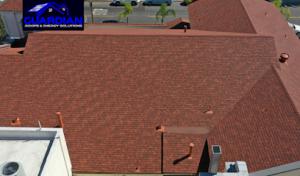
Fullerton's sunny inland climate makes roof penetrations from skylights and solar equipment especially relevant because UV exposure can accelerate sealant and flashing deterioration. When you inspect, look for hairline cracks in sealant beads, peeling backer rods, and chalky or softened flashing around any penetration. Asphalt shingles, metal panels, and tile flashing all respond differently to sun and heat, so note which components show the earliest signs of wear and plan targeted maintenance rather than a blanket reseal.
On older homes, leak complaints often appear at penetrations and transitions first, especially after a dry season is followed by winter rain. Pay attention to skylight collars, vent flashings, and vent pipe stubs where the roof plane intersects a skylight curb or a chimney flashing. Metal edge penetrations can corrode or warp, while clay or concrete tile systems reveal deformed or displaced tiles around penetrations. In low-slope areas, ensure the base flashing under any cap tile remains continuous and that caulking at transitions isn't cracked or missing. Regular visual checks after heavy sun or wind periods help catch slow leaks before they manifest inside.
Re-roofing in this area often requires coordination around existing rooftop equipment so flashing details are rebuilt correctly rather than patched around. When planning a reroof, verify that roof penetrations are treated as integrated parts of the new system. Nail- and screw-line flashings should be replaced with compatible materials, and any vent or skylight flashing should be sistered into a continuous waterproof barrier that extends under the top layers. For tile roofs, confirm that mortar beds around penetrations are fully rebuilt rather than skim-coated, because a thin repair there will fail under Santa Ana wind gusts and heat cycling. For low-slope sections, ensure transition membranes and edge terminations are specified to resist wind-driven water intrusion and UV degradation. Regular performance testing after installation helps validate that the new flashing behaves as designed under full sun and seasonal shifts.
Find contractors experienced in skylight installation, flashing, and leak repairs to bring natural light into your home.
Parkside Roofing
(562) 204-6238 www.parksideroofing.com
2271 W Malvern Ave #432, Fullerton, California
5.0 from 27 reviews
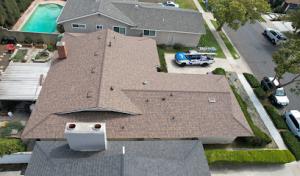
In this market, the warranty you receive hinges on installation quality, particularly on underlayment, ventilation, and flashing details. Santa Ana winds and scorching heat place extra stress on roof assemblies, so a warranty that covers wind-driven leaks and heat-related edge failures is meaningful only if the crew executes proper underlayment seaming, attic ventilation balance, and flashings around hips, chimneys, and vents. The city's climate pushes these components to work together, and inspectors will look closely at how these pieces are integrated during final reviews.
Because Fullerton has a large pool of re-roofing contractors, homeowners can compare how crews handle cleanup, response time, and occupied-home logistics rather than focusing only on base price. Look for crews that arrive with a plan to protect landscaping, keep driveways clear, and minimize disruption to daily routines. Quick response to post-install questions or minor repairs matters, especially on older homes with mixed roof types. Ask about scheduling practices for high-heat days and Santa Ana wind alerts, and whether crews provide a dedicated point of contact during the project.
The local market shows strong demand for established residential roofers, which matters in city neighborhoods with mid-century tract homes, Spanish tile, and low-slope additions. Experience matters when tiles are involved, and when ventilation and underlayment choices must accommodate uneven roof planes and varying eave conditions. A contractor with a track record on clay, concrete, or composite tiles, plus metal and shingle sections, is better prepared to handle the mix seen in Fullerton's housing stock without compromising a warranty.
A solid warranty signals confidence in installation workmanship. In Fullerton, that confidence is especially tied to how well the crew completes underlayment integration, ensures proper attic ventilation alignment, and seals flashing against wind-driven moisture. Ensure the warranty specifies coverage for labor and materials, includes a clear process for addressing wind-related or heat-related issues, and identifies who handles inspections and corrective work if a concern arises post-install.