Last updated: Apr 19, 2026
La Habra's climate pattern combines hot, dry summers with a defined winter wet season, so replacement timing matters more here than in milder coastal Orange County locations. The roof you install or reroof in late spring or early summer will face intense sun exposure during curing and early service. In contrast, a project scheduled for late fall or winter must contend with a higher likelihood of wet weather delaying dry-in and complicating material handling. Understanding this cadence helps you align material choice, crew scheduling, and sequencing so the roof can dry and seal properly before the next seasonal stress cycle.
Seasonal Santa Ana winds in this inland North Orange County corridor can lift vulnerable edges, move debris across roof surfaces, and expose weak tile, shingle, and flashing details. In practical terms, this means any reroof plan should include a wind-resilience check at the edge courses and around any vent pipes, skylights, and chimney flashing. Prior to installation, verify that each edge fastener is secure and that roof access is controlled to limit wind-driven debris during the work. After installation, a full edge and flashing inspection should be scheduled within the first few days of high-wind season to catch anything the wind may have stressed or dislodged.
Extreme summer heat in La Habra affects material handling and crew productivity, while asphalt or composite shingles and other laid-up systems can experience faster stiffening or handling challenges in extreme heat. On very hot days, plan to move the heaviest lifting tasks to the cooler portions of the day, hydrate crews, and ensure staging areas stay shaded when possible. Heat can also influence adhesive performance for roof coatings or underlayment seams, so follow manufacturer guidance for heat exposure limits and cure times. A staggered schedule that avoids peak sun hours can keep both the crew safe and the installation more precise, reducing the chance of misalignment or improper nailing from fatigue.
Winter storms can delay dry-in and extend project schedules. In this climate, rain not only slows progress, it also raises concerns about underlayment and decking vulnerability if roofs are left exposed. Build a buffer into the schedule to accommodate potential rain days and shorter daylight windows. Roofs that require concrete or clay tile components may need additional time to accommodate heavier handling in damp or cool air, which can affect tile set or sealant cure. For homes with tile roofs, ensure temporary weatherproofing measures are in place to prevent water intrusion during ad hoc rain events.
Prior to starting, map out a window that minimizes consecutive days of extreme heat and potential winter rain. If a fall installation is chosen, plan for a few dry, sunny days in a row to complete the dry-in and achievement of a solid seal before the Santa Ana season intensifies. For spring or early summer starts, coordinate with a crew that can sustain steady progress through hot days, while also building in a contingency for early severe heat or an unexpected storm. Edge detailing deserves particular attention during the initial phase, and flashing assemblies should be inspected after weather events with gusty winds to confirm everything remains secure. In all cases, prioritize materials and products rated for high-wind exposure and thermal cycling found in this neighborhood.
After completion, schedule a follow-up inspection within the first few weeks of the next windy season to verify that edge fasteners and flashing joints remain secure. Keep an eye on any signs of wear along roof edges, and address debris accumulation promptly since wind can push material toward vulnerable seams. In La Habra, a proactive approach to wind season readiness-paired with an awareness of the dry heat and the winter wet pattern-helps ensure the roof performs as intended and reduces the chance of early rework. By aligning the reroof timing with these seasonal stresses, homeowners can better protect interior spaces, extend the roof's life, and avoid avoidable weather-related setbacks.
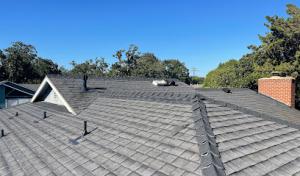
Locally, the combination of Santa Ana winds, winter rain, and hot inland summers creates a distinctive wear cycle for roofs. Tile and shingle systems face more rapid granule loss on sun-exposed slopes, accelerated underlayment aging where heat drives moisture movement, and uplift pressures during gusty afternoons. On tile roofs, the intense sun can cause glazing and micro-cracking in clay and concrete surfaces, while the fast, dry Santa Ana days can make surface textures brittle and more prone to small fractures. The winter rains emphasize the vulnerable seams, flashing, and field tiles, especially where vegetation or debris has begun to trap moisture. These cycles don't happen uniformly; you'll see the first signs on the highest, most exposed sides before noticeable changes creep to shaded areas with better ventilation.
Clay tile and concrete tile dominate the local housing stock, so failures here have a cadence you'll recognize. Broken field tiles are common after strong wind events or a seasonal freeze-thaw cycle, even when the tiles look largely intact from the ground. Slipped or lifted pieces often appear along hips and ridges where uplift is strongest, and small gaps can invite underlayment moisture intrusion if left unchecked. Underlayment aging shows up as felt or synthetic layers that begin to separate near penetrations, valleys, or transitions into flashings. Valley maintenance is especially relevant, because debris buildup and water velocity concentrate wear in those zones, sometimes without obvious surface damage to the tiles themselves. If you can't see the underlayment, you'll notice subtle signs-quiet drips after rain, a musty attic smell, or gradually increasing interior temperature swings during wet seasons.
In areas with prolonged summer heat, asphalt shingles endure granule loss at an accelerated pace, particularly on southern and western exposures where sun exposure is longest. The granules shield the asphalt but once they thin, you'll see color fading and a chalky look along the crown of shingles. Brittleness becomes more evident as shingles age, causing hairline cracks with wind pressure or foot traffic near the eaves during inspections. Ventilation-related aging matters here too; if attic ventilation is insufficient, heat buildup can shorten shingle life and promote early deterioration around roof penetrations, near vents, pipes, and chimneys. A common pattern is faster wear on the upper slopes with longer exposure, while shaded, well-ventilated sections weather a bit more slowly.
Because La Habra has both tile-heavy suburban housing and a meaningful reroof market, homeowners often need to distinguish surface damage from hidden underlayment failure. A visually intact surface can mask a tired or compromised underlayment, especially where tiles have shielded the roof deck from light but not from moisture in heavy rain events. Look for soft spots, warp, or squish in the attic decking, plus signs of past leaks that don't line up with obvious tile cracks. If interior ceilings show stains or if a recent storm produced damp attic insulation near flashing, the underlying membrane might be failing even when the surface looks okay. In such cases, the durability of the underlayment becomes the critical factor in determining whether a reroof is necessary now or can wait with targeted repairs.
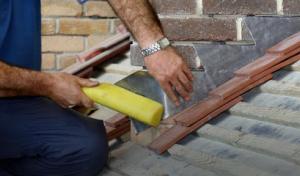
Seasonal checks after winter storms and after Santa Ana wind events pay off. For tile roofs, replace broken or displaced field tiles promptly to prevent water intrusion and to reduce uplift risk on adjacent tiles. For both tile and shingle roofs, ensure valleys are clear of debris and that flashing around chimneys, skylights, and vents remains secure. Improve attic ventilation if you notice high indoor temperatures or moisture buildup in summer and shoulder seasons; better ventilation slows aging of underlayment and prolongs overall roof life. When planning reroof timing, balance the visible surface condition with potential hidden failures in the underlayment, especially if the roof is approaching the middle or end of its expected life under this local climate.
Find contractors who specialize in clay and concrete tile roofs, known for their durability and curb appeal.
Roof Pro
(714) 752-6999 www.roofprooc.com
2120 E Lambert Rd STE D, La Habra, California
4.8 from 150 reviews

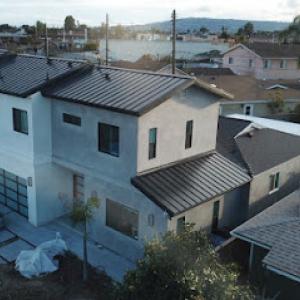
Roof Pro
(714) 752-6999 www.roofprooc.com
2120 E Lambert Rd STE D, La Habra, California
4.8 from 150 reviews
Roof Pro is a roofing company with offices in La Habra, CA and Irvine, CA that offers the best roofing materials and installation practices on the market. With a well-trained team of professionals, you can be sure your new roof will be installed correctly the first time around. Thanks to our experience with different manufacturers, we have great partnerships for all your needs. We offer a wide range of roofing solutions for all types of homes, including shingle roofs, flat roofs, tile roofs, metal roofs and roof coatings. Our team is highly trained in both residential and commercial roofing systems to ensure that you get top quality workmanship at every step of the process. Call us for your new roof! We service Los Angeles and Orange County
Affordable Roofing Solutions
211 California St, La Habra, California
4.8 from 32 reviews
Dreaming of a worry-free roof over your head? Affordable Roofing Solutions, Inc. delivers top-notch roofing contractor services right here in La Habra, CA. We're dedicated to providing reliable and durable roofing solutions for your home or business. Let us help you protect your investment with our expert craftsmanship and commitment to quality. Discover how we can transform your roofing vision into a reality and experience the peace of mind you deserve.
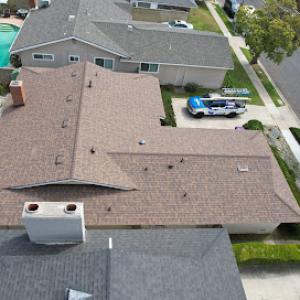
SoCal Roofing Solutions
Serving
5.0 from 23 reviews
We are a proud family owned and operated roofing contractor with an established and successful track record. We specialize in all roof types, asphalt shingles, tile, torch-down. We understand the roofing process can be a challenging one for some. Allow us the opportunity to make it as HASSLE-FREE as possible while delivering maximum VALUE! We are an Owens Corning and a GAF certified contractor offering great financing options through GoGreen Financing. CA License #1032698 Call us to schedule an appointment.

Roof Service Providers
(562) 398-3411 roofserviceproviders.com
Serving
5.0 from 36 reviews
We are a GAF Master Elite contractor for all your roofing needs from certified roof inspections to roof installation, replacement and repair, and skylights. We specialize in both Residential and Commercial Roofing, for all types of materials including shake, tile, single, and metal. Our team is committed to quality craftsmanship using premium, locally sourced materials, ensuring peace of mind with industry-leading warranties. By integrating cutting-edge technology, we provide precise estimates and sustainable solutions. Trust us to handle your roof leak repair with speed and efficiency. Experience superior customer service with transparent communication and competitive pricing today. Located in La Habra Heights but serve all areas nearby.
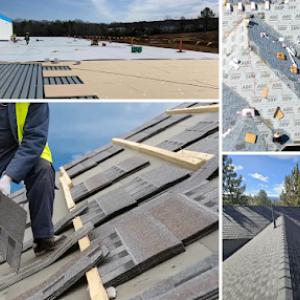
The Affordable Roofers
(714) 364-4998 www.affordableroofers.net
Serving
5.0 from 68 reviews
The Affordable Roofers is your go-to roofing company in Brea, CA and nearby, offering reliable, budget-friendly solutions without compromising on quality. We specialize in residential and commercial roofing services, including repairs, replacements, and new roof installations. Our experienced team uses high-quality materials to ensure your roof stands strong against the elements. With a focus on honesty, affordability, and customer satisfaction, we make the roofing process stress-free and affordable for homeowners and businesses alike. Trust The Affordable Roofers for expert craftsmanship at a price you can afford. Contact us today for your free quote!
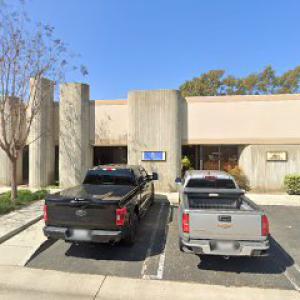
Bravo Roofing
(714) 672-9061 bravo-roofing.com
Serving
5.0 from 11 reviews
Bravo Roofing aims to provide high quality roofing applications with long-term sustainability, in the safest way possible, matched with outstanding customer service and response times. As a family-owned and operated company for more than 50 years, we take pride in providing 5-star service to every business partner. Clients are not a number, they are a name and each project is unique and important. Our strong values are reflected in our industry relationships, which boast in longevity and integrity. Contact us to talk about your Orange County, CA commercial roofing needs.
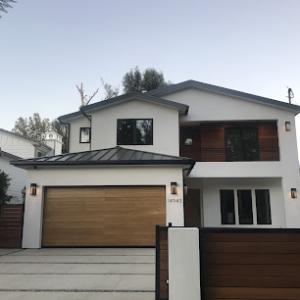
All In One Roofing & Solar
(714) 476-3304 www.allinoneteam.com
Serving
4.9 from 40 reviews
All In One Roofing specializing in customer service. All of our business starts from people like you referring us to our next customer. From residential to commercial roofing and solar Installation. For a yearly maintenance, repair or a complete new roof we have you covered. Our roofing installations include tile, composition, metal, hot mop, torch down, and many other types of roofing. Solar and battery backup. With very competitive pricing and great service we are the go to company. As a 3rd generation roofing company we have years of experience. It all started with my father who opened his own roofing company in 1977, where my 3 brothers and I started learning to remove and install roofs with him on weekend and during summer breaks.

Brea Roofing
(714) 879-1588 brearoofing.com
Serving
4.1 from 22 reviews
Professional roofing services

Fullerton Roofing Masters
(714) 266-1641 roofingcontractorfullertonca.com
Serving
5.0 from 20 reviews
Fullerton Roofing Masters works on roofing projects for residential and commercial properties in Fullerton, CA. Our team completes roof repair, roof replacement, roof installation, roof inspections, commercial roofing work, and emergency roof repair. Experience gained from projects across Fullerton has given our roofers familiarity with local building styles, common roof systems, and weather conditions that affect roof performance. We provide roofing services throughout Fullerton, CA with a focus on keeping roof systems functional, secure, and well maintained over time.
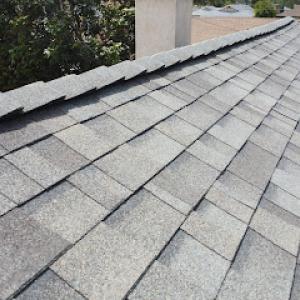
Parkside Roofing
(562) 204-6238 www.parksideroofing.com
Serving
5.0 from 27 reviews
Top quality ROOFING contractor. Great communication with amazing customer service.
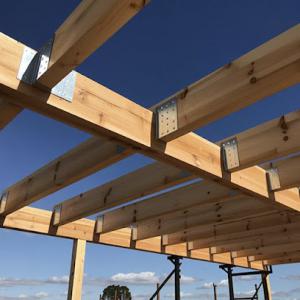
Prime Roofing Fullerton Masters
(657) 243-8281 primeroofingfullertonmasters.com
Serving
5.0 from 29 reviews
Prime Roofing Fullerton Masters offers reliable, 7-day roofing services throughout Fullerton and surrounding areas. We specialize in roof inspections, repairs, full roof installations, attic venting, gutter cleaning, and storm or wind damage restoration. Our team combines expert craftsmanship with high-quality, durable materials to ensure long-lasting protection for homes and businesses. From minor leaks to complete roof replacements, we provide fast, professional solutions that safeguard your property, improve energy efficiency, and keep your roof performing at its best. Trust Prime Roofing Fullerton Masters for dependable, year-round roofing services.
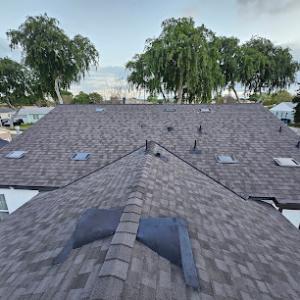
Immaculate Services
(657) 217-0638 immaculateservicesinc.com
Serving
5.0 from 26 reviews
We are a group of professional Journeymen that have come together to work with less fortunate Individuals of our community. Our aim is to rehabilitate them and equip them with moral and trade skills while producing quality work for our customers. we are a Christian company. Pray for us.
Reroof work in this neighborhood is seldom treated as minor maintenance. A full reroof typically requires a building permit rather than an exemption or simple permit adjustment. The distinction matters because pulling the right permit signals that the project will be reviewed for ventilation, underlayment, and nailing patterns, all of which must align with current code expectations. Skipping or misclassifying the permit can lead to enforcement action, stop-work orders, or difficulties when you try to sell the home. Before any tear-off begins, verify with the local plan check desk that your scope matches the permit category you're applying for, and keep the permit active through project completion.
Inspection activity in this city follows a practical rhythm. An inspection typically occurs during installation to verify underlayment quality, correct venting, and proper nailing patterns. This is your chance to catch issues that could compromise wind uplift resistance or water intrusion before shingles or tiles are set. A second inspection occurs after completion to confirm code compliance and that the roof system, including flashing and penetrations, meets current standards. Expect at least these two checkpoints, and plan for minor adjustments if inspectors flag ventilation, insulation, or roof deck concerns. Delays can cascade into weather-related setbacks, especially during winter rains or Santa Ana wind events, so map the inspection windows into your project timeline.
La Habra's building department may request documentation covering roofing materials, attic ventilation, underlayment, and nailing patterns. If your project scope shifts-whether changing from asphalt shingles to tile, or altering vent layouts-document the new plan and update permit records before work proceeds. Keeping a clear paper trail helps avoid rework and keeps inspections flowing smoothly. If you're unsure whether a proposed material or vent arrangement requires re-approval, pause and confirm with the plan review office. Substitutions mid-project can complicate code compliance and the inspection sequence, potentially adding time and expense.
Coordinate the seasonality of inspections with weather risk in mind. Dry, moderate windows help ensure the underlayment and deck aren't compromised by rain, and they give contractors a stable period to complete ventilation and flashing details before the final inspection. Communication with the building department is key: ask for a project tracking number, expected inspection dates, and any document deadlines. If a change is needed in materials or roof design, secure written confirmation of the new scope and anticipated compliance impacts to avoid last-minute surprises at the final walk-through.
La Habra's common mix of asphalt shingles, tile roofs, metal options, wood products, and synthetic shingles creates a wide local price spread from basic reroofs to heavy premium systems. In practical terms, your project budget can swing from affordable asphalt shingle replacements to more intricate tile or metal configurations that require careful handling and matching. When you're budgeting, start with a clear sense of the existing roof type, and then layer in the expected complexity of the job, especially if the structure features mixed materials on hips, valleys, or dormers. The local market tends to reflect this variety, so you'll see a broad range of bids even within the same neighborhood.
Tile-heavy architecture in La Habra can raise project complexity because repairs and replacement often involve fragile pieces, accessory matching, and more labor-intensive handling than simple shingle tear-offs. If your home leans toward clay or concrete tiles, expect higher labor costs due to tile removal, reinstallation, underlayment inspection, and the need to preserve or recreate decorative details. Replacement underlayment and roof deck prep matter more with tile, so factor in potential extra crew hours and careful sequencing to avoid breakage and ensure a watertight result. Premium accessories like matching ridges, vents, and vent covers can also push costs up compared with a straight shingle swap.
The local market supports a spectrum of materials, and prices align with the options you choose. Asphalt shingles sit on the lower end, while concrete and clay tiles push the high end, with metal and synthetic shingles occupying middle-to-upper ranges. Typical pricing per square (squares = 100 square feet) can help you compare bids side by side. Asphalt shingle reroofs commonly fall in the lower-to-mid range, while tile systems and metal options sit higher. Synthetic shingles offer a middle ground with decent durability and lower weight than tile, often appealing for homes with mixed roof lines.
Seasonal demand spikes after winter storms or wind events can affect scheduling and labor availability in the active reroof market. In practice, you may encounter tighter windows for material delivery and crew assignments, especially for tile-heavy homes or complex installations. If you're flexible, lining up the project in a shoulder season can reduce wait times and may yield better crew coordination. Be prepared for brief delays if a storm or notable wind event has recently affected the area, and plan inspections and access accordingly.
Start by identifying your roof type and the extent of any repairs needed beyond a straight tear-off. Gather at least three bids from local roofers who understand tile and mixed-material assemblies. Ask for detailed breakdowns: underlayment, flashing, accessory matching, and disposal. Confirm delivery timelines that align with your preferred start date, and discuss how weather-related pauses are handled so you're not surprised by delays once work begins.
Explore specialists in steel, aluminum, and standing seam metal roofs built to last 50 years or more.
Roof Pro
(714) 752-6999 www.roofprooc.com
2120 E Lambert Rd STE D, La Habra, California
4.8 from 150 reviews
Affordable Roofing Solutions
211 California St, La Habra, California
4.8 from 32 reviews
Tighter insurer availability affects homeowners with roofs that have seen several seasons of heat, wind, and rain. In this climate, a roof's condition and its replacement history become a deciding factor during underwriting and renewal. If a shingle or tile system has been patched or repaired multiple times, or if it shows signs of UV edge wear and wind uplift, an insurer may view it as higher risk. That reality makes maintaining a clear, consistent record long before any claim arises essential. A well-documented history can help you tell a coherent story to the insurer about the roof's age, initial installation, and all notable repairs.
After a wind or rain event, the stakes rise quickly. Insurers may request detailed project records to substantiate the claim and the roof's condition. Expect to provide contractor invoices, notes about repairs, post-loss photos, and material documentation. In this market, a claim without solid receipts and before-and-after visuals can stall, or worse, be denied. With Santa Ana-season winds and intermittent rain, a relatively modest incident can escalate into coverage questions if the paperwork isn't ready.
In this area, roofs are often damaged by wind-driven debris and rain intrusion rather than one dramatic catastrophe. That makes careful photo documentation critical. Focus on flashing and seam details, exposed underlayment, and interior leak paths. Clear, dated photos that show the condition before and after any event help not only with claims but with renewal reviews years later. Keep a simple file that logs where photos were taken, what each image shows, and the approximate date. This practice reduces ambiguity and protects both you and your insurer when the next renewal cycle arrives.
Connect with contractors who help homeowners navigate the claims process from damage assessment to final approval.
Affordable Roofing Solutions
211 California St, La Habra, California
4.8 from 32 reviews
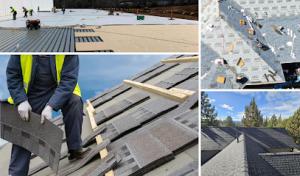
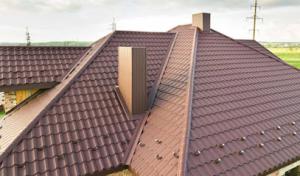
Although pitched residential roofs are common, there is meaningful local demand for flat-roof work on additions, patio covers, garages, and some commercial properties. In these spaces, think of the flame warmth and Santa Ana wind exposure that can push heat and debris against seams and parapets. For reroof planning, focus on ensuring proper edge drainage and a solid sarking or underlayment sequence that resists wind uplift. Pay attention to material compatibility with flat-lying insulation and ensure the chosen system can tolerate seasonal shifts between hot inland summers and cooler winter rain. When a flat roof exists over living space or an addition, plan for a robust flashing detail around parapet walls and any penetrations to minimize future leak paths through wind-driven rain.
Skylight work is notably active in the contractor base, making curb flashing and leak tracing a practical local concern during reroofing. Before a roof change, map every skylight location and inspect surrounding flashing for age-related degradation. Weather-induced movement can crack sealant joints, so replace or reseal curb flashings where necessary. On reroofs, prioritize a continuous, well-sealed flashing course around each skylight and verify that valley and ridge lines shed water away from these penetrations. Keep an eye on condensation or staining as an early leak indicator, and plan a proactive leak watch for the first winter after re-covering.
Solar roofing activity is present in this market, so reroof planning should account for roof penetrations, sequencing, and whether the existing roof has enough remaining life before solar-related work. When solar crews are involved, align penetrations with the roof's seam layout to minimize cutouts and potential leak points. Check the current roof's remaining life and condition around rafters and sheathing before adding heavy penetrations, and sequence the reroof so that flashing for solar mounts accompanies or follows the primary roof cover in a way that preserves wind uplift resistance. Coordinate with the solar installer to confirm that ballast or mounting hardware won't compromise existing underlayment or ventilation details.
Find specialists in TPO, EPDM, and built-up flat roofing systems for residential and commercial properties.
Roof Pro
(714) 752-6999 www.roofprooc.com
2120 E Lambert Rd STE D, La Habra, California
4.8 from 150 reviews
Fullerton Roofing Masters
(714) 266-1641 roofingcontractorfullertonca.com
Serving
5.0 from 20 reviews
Prime Roofing Fullerton Masters
(657) 243-8281 primeroofingfullertonmasters.com
Serving
5.0 from 29 reviews
Wood shingles and shakes remain part of La Habra's material mix, but they sit in a California insurance environment where roof material choice can affect underwriting conversations. If your home uses wood, expect insurers to weigh fire risk, relative aging, and how well the roof can sustain Santa Ana winds and the seasonal heat. You'll want to document maintenance history, galvanic fasteners, and any upgrades to ventilation or underlayment so that conversations with your insurer feel proactive rather than reactive. In practice, wood roofs often benefit from enhanced attic ventilation and ridge ventilation to offset heat buildup that accelerates drying and degradation. The goal is to reduce intervals where a reroof or major repair might be needed by maintaining a continuous, well-sealed roof deck underneath.
Synthetic and composite shingles are a meaningful option for homeowners who want a lighter alternative to tile while still addressing heat and weather exposure. In La Habra, these products can offer improved wind uplift resistance and better impact performance compared to traditional wood, with color stability that helps mitigate heat absorption. When considering these materials, pay attention to the product's fire rating, warranty terms, and how closely its installation method mirrors that of conventional asphalt or tile systems. A well-chosen synthetic or composite can reduce structural load, which matters for homes with low-slope sections or older framing that faced past weather stress. For shade-rich or wind-exposed zones, verify color choices and shingle thickness to preserve energy efficiency and curb appeal over time.
Because cedar-shake specialization is limited in this market compared with tile and shingle work, homeowners in La Habra may need to verify repair matching and material expertise more carefully for wood roofs. Finding a contractor with demonstrated experience in both wood and compatible synthetic options can prevent mismatches that show up as weather leaks or uneven aging. When selecting a local crew, ask for a portfolio piece that clearly demonstrates how they address wood or composite repairs, including patching, color blending, and vent- or cornice-related details. In neighborhoods with mixed roof types, a knowledgeable installer will plan a cohesive transition between material types to maintain performance and curb appeal through Santa Ana winds, winter rain, and hot inland summers.
Connect with specialists in the installation and restoration of natural cedar shake and shingle roofs.