
Last updated: Apr 19, 2026
Placentia's Mediterranean climate delivers long, hot, dry summers and mild, wetter winters. In this pattern, roof systems age primarily from cumulative heat exposure, not just from dramatic storms or cold snaps. The heat pushes the underlayment and the near-roof components to work harder, especially under heavier tile or shingle coverings. Over time, the sun's radiation breaks down synthetic underlayment and accelerates the drying and embrittlement of traditional felt. You may notice minor leaks appearing after a sequence of hot spells followed by a quick cold snap, a telltale sign that heat-driven fatigue has built up in the deck and flashing details. Tiles and shingles can also cup or curl slightly as the substrate bakes and expands, changing how water sheds near vent openings and along hips and ridges.
Fall Santa Ana wind events bring not only gusts but a steady flow of dust, debris, and blowing grit that finds its way under lifted edges and around flashings. When these winds push air under the edges of tiles or shingles, small weaknesses show up as leaks once winter rain arrives. The combination of gusts and dry air accelerates wear on underlayment, fasteners, and sealant joints. In practical terms, a bare edge on a tile roof can become a blinking red flag after a Santa Ana sweep: a slight movement or lifting around hips, vents, or skylights where wind pressure concentrates. Regular checks after windy spells are essential, especially around vent boots, chimney flashing, and transitions to vertical walls.
The city's common tile and shingle reroofs benefit from strong attic ventilation because trapped heat accelerates underlayment wear beneath heavier roof coverings. When attic air isn't moving well, heat and humidity get trapped, promoting faster degradation of underlayment and the lower edge of shingles or tiles. Adequate intake and exhaust ventilation helps keep the roof assembly cooler, reduces moisture buildup, and slows wear on the underlayment, which extends the overall life of the roof. In homes with tile, ridge vents, soffit vents, and gable-end soffits should be evaluated for proper operation. Without balanced airflow, warm attic air can degrade deck materials more quickly, especially where insulation is dense or the attic is partially sealed.
Look for curling or cupping tiles or shingles, particularly near edges and around penetrations like vent pipes, skylights, and chimneys. Dark staining along rafters, soft spots in the attic decking, or a noticeable attic smell after rain are indicators of heat-accelerated wear. Inside the attic, you may detect excessive humidity or staining on the underside of roofing felt. From the exterior, check for lifted edges or gaps where wind has pushed sealant away from flashing. Early leaks often appear during mid-winter rain after a dry, hot season, when the deck has already undergone heat-induced expansion and contraction cycles.
Start with a seasonal infrared-scan or manual inspection of the attic before the winter rains set in. Focus on the underside of roof sheathing near penetrations, along the ridge, and where vent stacks meet the roof. In the attic, verify that soffit and ridge vents are clear of obstructions and that air can move freely through the space. On the exterior, walk the roof with a dry day and look for lifted edges, cracked sealant along flashing, or any signs of damaged underlayment at the transitions to walls or chimneys. After windy spells in fall, reassess edge details and flashing attachments for looseness or gaps. If any lifting, cracking, or staining is evident, address it promptly by resealing seams, re-fastening loose shingles or tiles, and replacing underlayment sections as necessary.
A well-ventilated attic is the most affordable, enduring way to extend the life of a tile or shingle roof in this climate. Consider upgrading or repairing attic fans, installing additional soffit vents where airflow is restricted, or adding a continuous ridge vent if the design allows. When reroofing, prioritize underlayment with proven heat and UV resistance, and ensure flashing details around penetrations are upgraded to handle Santa Ana winds. Regular inspections after the peak heat months and after major wind events help catch small issues before they become bigger problems, preserving the roof's integrity through Placentia's characteristic seasonal cycle.
Clay and concrete tile are the dominant roof types in these neighborhoods, so many replacement plans hinge on whether tiles can be reset or if brittle, aged pieces force partial or full replacement. In this climate, the underlayment beneath the tile is the first line of defense against heat and wind-driven moisture. The historic pattern in this area is that the waterproofing layer, not the surface tile, often shows its age first. When underlayment fails, you can see leaks, pinhole moisture intrusion, and accelerated deck rot even if the tile itself looks serviceable. Plan decisions thus revolve around the condition of the underlayment as much as the visible tile condition.
In Inland North Orange County, high daytime temps and sudden Santa Ana gusts combine to accelerate dry-out and wear on underlayment. This is especially true under heavier tile systems, which demand more secure fastening and greater weight transfer to the roof deck. When the underlayment ages or degrades, fastener heads can loosen and voids can open up, allowing wind-driven air to lift edges or peel layers away. Because clay and concrete tiles sit above the waterproofing, any deterioration below can be harder to detect until a leak or attic condensation appears. Regular inspections should focus on the deck surface, nail strips, and any areas where tiles overhang eaves or rakes, where wind pressure can exploit minor gaps.
A heavier tile setup changes the math of the roof: sheathing condition, fastening patterns, and ventilation become critical during plan review and inspection. If you replace with or install a heavier tile, verify that the deck is structurally prepared to bear extra load and that the fastening pattern aligns with the local wind exposure profile. Ventilation details matter as well; inadequate attic venting can trap heat against the underlayment, shortening its life and inviting premature failure. When considering a reset versus full replacement, evaluate the underlayment's age, the deck's condition, and the presence of any previous repairs. If underlayment is original and brittle, partial removal to upgrade or replace the waterproofing layer while preserving sound tiles can be a prudent path. Conversely, if multiple brittle tiles show visible cracking or spalling, a partial or full reroof with a refreshed underlayment may save you from repeated repairs down the line.
Start with a thorough attic inspection to check for signs of moisture, staining, or unusual heat buildup near the roof plane. Have a licensed roofer verify deck integrity, fastener security, and the condition of drip edges and eave ventilation. For installations involving tile resets, ensure the contractor uses appropriate underlayment compatible with clay or concrete tile and confirms that ventilation baffles are properly sequenced with the roof height and attic space. If you're planning a reroof, discuss whether you should replace underlayment in areas where tiles are being reset, rather than leaving an older layer beneath a new surface. This targeted approach helps extend the life of a tile roof in the local climate while keeping the attic healthy and the structure well vented.
Find contractors who specialize in clay and concrete tile roofs, known for their durability and curb appeal.
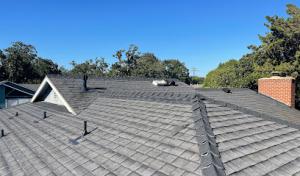
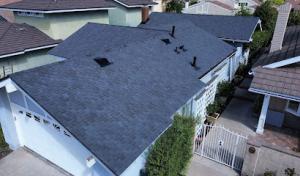
Weatherline ReRoofing & Repairs
(714) 731-3425 www.weatherlineroofing.com
Serving
4.9 from 28 reviews

Roofing Standards
(714) 993-9715 roofingstandards.com
930 Lawrence St, Placentia, California
4.7 from 68 reviews
Roofing Standards is a full service roofing company the works in all parts of California and Arizona. We have over 125 full time employees. We offer all types of roofing, rain gutters, sheet metal, roof maintenance, and repairs. We have been in business for over 25 years and have completed over 20,000 jobs. Call anytime for an estimate.

California roofing & repair construction
(657) 551-4639 californiaroofingrepairconstruction.com
Serving
5.0 from 10 reviews
California Roofing & Repair, located in Anaheim, California, is your premier choice for all roofing and construction needs. With a dedicated team of experienced professionals, we specialize in a full range of roofing services, from installation and repair to maintenance and inspections. Our commitment to quality and customer satisfaction sets us apart, ensuring that every project is completed with the utmost attention to detail and craftsmanship. Whether you're a homeowner looking to enhance your property’s curb appeal with a new roof or a business owner needing reliable repair services, California Roofing & Repair is here to provide tailored solutions that meet your specific requirements. We use only high-quality materials.
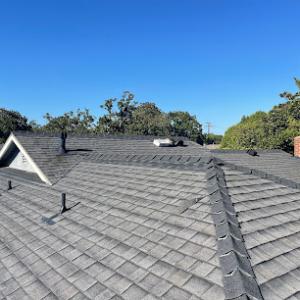
Rudy's Roofing
(714) 588-5994 rudysroofinginc.com
Serving
4.8 from 26 reviews
ROOFING COMPANY WE SPECIALIZE IN RE ROOFS ROOF REPAIRS SIDDING WOOD SHAKES SHINGLES CONCRET TILES
Weatherline ReRoofing & Repairs
(714) 731-3425 www.weatherlineroofing.com
Serving
4.9 from 28 reviews
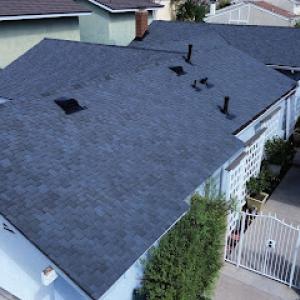
Weatherline ReRoofing & Repairs in Orange, CA offers top-notch roofing services. Specializing in roof repairs and replacements, your home is in safe hands.
Sadler Roofing
(800) 575-5095 www.sadlerroofing.com
Serving
5.0 from 30 reviews
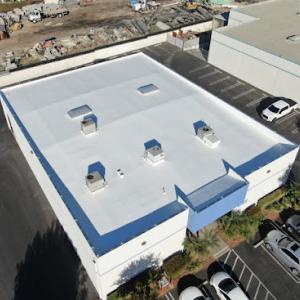
Sadler Roofing, Inc. has been Orange County’s trusted commercial roofing company since 1963. As a family owned business, we’ve built our reputation on honesty, hard work, and delivering exceptional results. From small repairs to large scale projects, building owners and corporate teams rely on us for unmatched service and lasting quality. With decades of experience, our team sets the industry standard in commercial roofing, ensuring every project is completed with integrity and excellence. Contact Sadler Roofing, Inc. today, your go to experts for commercial roofing solutions in Orange County and beyond.

All In One Roofing & Solar
(714) 476-3304 www.allinoneteam.com
Serving
4.9 from 40 reviews
All In One Roofing specializing in customer service. All of our business starts from people like you referring us to our next customer. From residential to commercial roofing and solar Installation. For a yearly maintenance, repair or a complete new roof we have you covered. Our roofing installations include tile, composition, metal, hot mop, torch down, and many other types of roofing. Solar and battery backup. With very competitive pricing and great service we are the go to company. As a 3rd generation roofing company we have years of experience. It all started with my father who opened his own roofing company in 1977, where my 3 brothers and I started learning to remove and install roofs with him on weekend and during summer breaks.
The Affordable Roofers
(714) 364-4998 www.affordableroofers.net
Serving
5.0 from 68 reviews
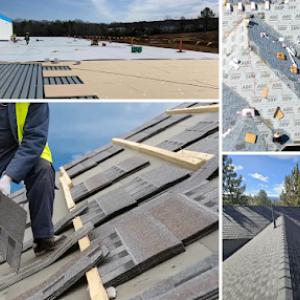
The Affordable Roofers is your go-to roofing company in Brea, CA and nearby, offering reliable, budget-friendly solutions without compromising on quality. We specialize in residential and commercial roofing services, including repairs, replacements, and new roof installations. Our experienced team uses high-quality materials to ensure your roof stands strong against the elements. With a focus on honesty, affordability, and customer satisfaction, we make the roofing process stress-free and affordable for homeowners and businesses alike. Trust The Affordable Roofers for expert craftsmanship at a price you can afford. Contact us today for your free quote!
Anaheim Roofing Services
(657) 300-4156 anaheimroofing.pro
Serving
5.0 from 14 reviews
With years of industry experience, our dedicated team is committed to delivering high-quality roofing solutions with a simple and straightforward approach. At Anaheim Roofing Services, we understand the importance of a reliable and durable roof for your home or business. Whether you need repairs, replacements, or new installations, our experienced professionals will work closely with you to assess your specific requirements and provide practical solutions that meet your budget and timeline. With an emphasis on simplicity, our process is designed to make the entire experience hassle-free for our customers.

Red Pointe Roofing
(714) 685-0010 www.redpointeroofing.com
Serving
4.8 from 30 reviews
Commercial Roofing

Fullerton Roofing Masters
(714) 266-1641 roofingcontractorfullertonca.com
Serving
5.0 from 20 reviews
Fullerton Roofing Masters works on roofing projects for residential and commercial properties in Fullerton, CA. Our team completes roof repair, roof replacement, roof installation, roof inspections, commercial roofing work, and emergency roof repair. Experience gained from projects across Fullerton has given our roofers familiarity with local building styles, common roof systems, and weather conditions that affect roof performance. We provide roofing services throughout Fullerton, CA with a focus on keeping roof systems functional, secure, and well maintained over time.
Micasa Pro Roofers
(714) 616-5700 www.micasaroofingoc.com
Serving
5.0 from 8 reviews
Giving the best experience is our uppermost priority and we are ready to give it to your satisfaction
RESCUE ROOFER - Orange
(714) 542-5222 www.rescueroofer.net
Serving
4.5 from 28 reviews
Rescue Roofer, established in 1993, is a GAF-certified roofing company serving the Orange County and South Bay areas while expanding to the Decatur, TX, area. They specialize in commercial roofing, repairs, restorations, roof inspections, replacements, gutter services, and skylight installations. Known for its commitment to quality and efficiency, Rescue Roofer is recognized for its 24/7 availability with a 1-hour response window, highlighting its dedication to quick and reliable service. The firm offers a unique 4-Phase Roof Inspection, ensuring clients are informed of their options for repair and restoration without needing prior roofing knowledge. Call them today to schedule your roofing project. License #: 1137524
Most reroof projects in this area are best scheduled from late spring through early fall, when dry conditions reduce rain delays and help crews complete tear-off and dry-in faster. By aligning the work with a long stretch without rain, you minimize pauses that can push a project into the heat of summer or into the wetter months. This window also gives you a clearer path for inspections and any follow-up work while the weather is predictable. If your roof is already near the end of its life, targeting a late spring start allows you to finish before the Santa Ana winds ramp up again in the fall.
Summer heat in inland Orange County affects material handling and crew pacing, especially on darker shingle roofs and low-slope sections that hold radiant heat. In practice, plan for earlier starts in the day to reduce heat exposure for workers and to protect underlayment and shingles from heat-related warping. For darker shingles, consider temporary heat mitigation measures like reflecting tarps or shade screens on the most exposed areas during tear-off. Keep in mind that intense heat can also speed up drying times for roof deck products, but it can make asphalt products more pliable, so installation sequence matters. If you have large, low-pitch sections, coordinate a pace that avoids overheating the materials, which can compromise long-term performance.
Winter storms from roughly November through March can interrupt exposed-roof phases and complicate inspection timing if work has to pause between tear-off and final installation. In a typical Placentia winter, you may face intermittent showers or cool foggy mornings that slow drying-in and moisture-sensitive steps. The plan should include buffer days for weather, and a strategy for securing the roof deck quickly after tear-off to minimize wind-driven moisture exposure. If a pause becomes necessary, use the downtime to finalize internal inspections and coordinate with any attic ventilation upgrades so that when rain ends, you can resume with a clean, orderly sequence.
When choosing a start, align with your contractor to lock in a dry period-long enough to complete tear-off, installation of underlayment, and the initial shingle or tile set. In late spring, you often catch the tail end of Santa Ana relief patterns, which helps with consistently dry days. Avoid late fall if Santa Ana winds are forecast to pick up quickly, since gusts can complicate both material handling and securing tarps. For tile roofs, coordinate with the crew on attic vent adjustments beforehand so that ventilation changes do not become bottlenecks during the dry-in phase. For every roof type, have a contingency plan for sudden heat spikes or unexpected storms, keeping temporary coverings ready and ensuring crews can shift to interior tasks if outdoor work is temporarily untenable.
Prepare the surroundings for a quick, clean tear-off: clear driveway access, protect landscaping from falling debris, and trim any overhanging branches. Confirm that gutters and downspouts will be temporarily redirected to prevent scouring during the tear-off and to avoid water tracking into the structure while the roof is open. If you live in a tile- or shingle-heavy neighborhood, discuss with the contractor any staged installations that minimize exposure time of the roof deck, reducing the risk of moisture intrusion or wind-driven debris between stages. By choosing the right season and planning ahead, you can keep the project moving smoothly from tear-off through final installation.
Get a clear picture of your project costs upfront - no commitment required.
In this area, you'll typically see cost ranges like 400 to 800 USD per square for asphalt shingles, 700 to 1200 for metal, 1000 to 2300 for clay tile, 900 to 1800 for concrete tile, 700 to 1100 for wood shingles or shakes, and 450 to 900 for synthetic or composite shingles. Those numbers are reliable for a mid-season install and tend to tighten only when roof size or specialty products come into play. When choosing a roof type, the difference between a tile heavy roof and a shingle roof isn't just the material-it's the underlayment, ventilation, and edge detailing that push the final bill higher in hot Inland North Orange County weather.
Costs in Placentia often rise when older tile roofs need underlayment replacement plus broken-tile sorting, reset labor, and deck repairs discovered after tear-off. If the original deck shows wear or moisture damage, those items can add a meaningful chunk to the overall project. In practice, that means even a straightforward re-roof can become a two-stage process: first addressing the underlayment and damaged decking, then installing new surface material. Expect the second stage to reflect both material choice and the extent of deck work found during removal.
Winter storm windows and high heat seasons can slow progress, adding time-related cost pressure even when material pricing stays stable. Santa Ana winds and heat accelerate underlayment aging and tile or shingle wear, which can shorten ventilation and installation windows. That speed-up may translate into higher labor hours if crews need to sequence work around hot afternoons or brief rain or wind holds. Planning with a trusted crew to target cooler morning slots and to stage materials efficiently helps keep costs predictable without sacrificing quality.
Ask for a breakdown that separately lists underlayment, tile or shingle, deck repairs, and broken-tile sorting. If the roof currently has odd pitch or multiple level sections, get a per-square rate for each section to avoid surprises. For older tile roofs, set aside a contingency for deck repairs and faster underlayment wear due to heat and wind-these are common in this market and drive a noticeable portion of the total.
A full reroof project requires a building permit, not just routine maintenance. This distinction matters in practice because the permit triggers a formal plan review and city oversight that affects timelines and required documentation. The permit is issued through the local portal, and the work must align with Placentia's code expectations for a reroof. Treat the permit as a binding step that organizes your project schedule, material choices, and contractor coordination, rather than a mere formality.
During the plan review, the city's plan check commonly scrutinizes several key components that influence durability in this climate. Underlayment quality and installation method are evaluated to ensure adequate moisture protection under tile or shingle products. Sheathing condition is assessed for any damage, softness, or prior water intrusion that could compromise the roof assembly. Ventilation is examined to confirm there is sufficient attic airflow, which helps extend underlayment life and preserve roof decking in the Inland North Orange County heat. The nailing schedule, including fastener type, spacing, and penetration depth, is reviewed to verify wind resistance and long-term performance in Santa Ana wind conditions. Expect questions or required adjustments if any of these areas do not meet the city's standards.
Inspections are conducted in stages and tracked through the city's standard inspection windows. Typical practice includes inspections during the reroof work and again after completion, ensuring all code requirements were met and that the installation matches the approved plan. Timely access for inspectors and clear authorization for material changes (if substitutions are necessary) help avoid delays. Keeping a detailed log of inspection dates, test results, and any corrective actions can expedite the process. Communicate proactively with the contractor and the city's building division if weather or supply issues threaten the inspection timeline.
Start with a pre-roof meeting to align on underlayment type, ventilation strategy, and nailing schedule before any tear-off begins. Use the local portal to track submission status, plan check comments, and inspection appointments. Maintain documentation of all permits, plan revisions, and inspection approvals in a centralized location so the project remains transparent to neighbors and city staff alike.
In Placentia, the first winter rains often expose weaknesses created during the prior dry season, revealing loose shingles, cracked underlayment, or gaps around flashings. That initial rainfall is your alarm bell, long before interior staining shows up. When gutters clog or valleys sit dry, a small leak can grow quickly once the ground is soaked and the winds shift.
Santa Ana wind periods can damage ridge, edge, and flashing details before visible interior staining appears, so homeowners often do not discover the problem until later storms. Ridge caps and step flashing take the brunt of the dry season heat and sudden gusts, while coping around chimneys and vents dries out, allowing micro-movements to widen gaps. A small storm after a dry spell can force you into emergency repairs if the roof's seal is not solid.
Because local contractors show strong emergency repair and storm-damage activity, fast temporary dry-in is a meaningful issue in this market rather than a rare service. Quick tarps, lightweight plywood, and roofers staging a rapid seal can buy time, but they must be paired with a permanent repair plan. Waiting for a major leak to appear invites water intrusion through attic access openings and ceiling penetrations.
Schedule a fall inspection focusing on flashing, ridge lines, and edge fasteners. Look for lifted shingles, granule loss, or dark stains along rafter tails. If wind or rain arrives suddenly, document damage with photos and call your roofer early to discuss a dry-in and long-term fix. Act now before the next storm strikes.
When you can't wait, these contractors offer fast response times to stop leaks and prevent further damage.
Fullerton Roofing Masters
(714) 266-1641 roofingcontractorfullertonca.com
Serving
5.0 from 20 reviews
California's tighter homeowners insurance environment affects you as a Placentia homeowner by increasing scrutiny on roof age, condition photos, and maintenance history during underwriting and renewals. In this climate, adjusters look for clear signs that a roof has been well cared for and that age-related wear is not masking latent problems. The heat in Inland North Orange County accelerates wear, and Santa Ana winds can expose weak areas more quickly than a calm day would. Your documentation should tell a straightforward story: when the roof was installed, what condition existed at that time, and what regular maintenance has occurred since.
After wind or rain damage, you may encounter requests for detailed photo evidence and a careful separation between sudden storm damage and long-term wear from heat-aged roofing components. Photos taken from multiple angles, with close-ups of fasteners, flashing, and any staining or curling, help insurers assess causation. Placentia homes with tile or shingle roofs often show heat-aged underlayment and accelerated granule loss; documenting these conditions clearly helps prevent misclassification of wear as storm-related damage. The goal is to provide a transparent trail from pre-event condition to post-event findings.
Homeowners replacing older roofs in this market benefit from keeping permit records, inspection sign-offs, and installation photos because insurers increasingly request documentation before approving claims or pricing coverage. Store digital copies in a simple, organized folder, and label images by date and location on the roof. When a claim or renewal comes up, you'll have a concise storyline: original installation details, maintenance history, and any recent repairs. That clarity reduces back-and-forth and supports a smoother underwriting process in a market that prizes verifiable history.
Connect with contractors who help homeowners navigate the claims process from damage assessment to final approval.

Although pitched tile and shingle roofs dominate Placentia, many homes still include low-slope patio covers, additions, porch sections, or garage transitions that fail differently from the main roof. These areas heat up just like the rest of the house, but their subtle slopes and connections to the kitchen, living spaces, or service areas create unique leakage paths that aren't obvious from the ground. Treat these sections as part of the roof system, not afterthought extensions.
These lower-slope areas are more vulnerable during winter rain periods because drainage and flashing details matter more than the field material alone. Standing or slow-draining water can back up at transitions, and misfit flashings or clogged gutters can push water toward the substructure. In hot months, underlayment may wear faster, but in winter the rate of water intrusion can dominate if the slope, slope-to-wall transitions, and scuppers aren't finished with care.
Mixed-roof homes in Placentia often need contractors who can evaluate both the visible main roof and the less obvious transition areas where leaks actually start. Pay close attention to the junctions where low-slope sections meet higher pitched surfaces, as well as where patio covers tie into exterior walls. Flashings should be continuous, counterflashed properly, and any penetrations double-checked. A proactive contractor will test these areas with water on a controlled schedule to reveal hidden weaknesses before rain arrives.
Look for a roofer who maps the entire system, not just the main roof deck. A thorough inspection includes the porch, garage-to-house transitions, and any new additions that have altered water flow. In Placentia, the goal is to ensure that every low-slope section drains correctly, that flashing is integrated with the main roof, and that the overall attic and underlayment life isn't compromised by these visible and hidden interfaces.
Find specialists in TPO, EPDM, and built-up flat roofing systems for residential and commercial properties.
Fullerton Roofing Masters
(714) 266-1641 roofingcontractorfullertonca.com
Serving
5.0 from 20 reviews
In Placentia's sunny inland Orange County setting, reroof timing matters when homeowners already have rooftop solar or are considering adding it soon after replacement. The heat and Santa Ana winds shorten underlayment life on both tile and shingle roofs, so planning the roof refresh to align with solar readiness helps protect both systems and avoids repeated disturbances. A reroof is often the practical moment to address penetrations, flashing upgrades, and remaining roof life so the owner does not pay to disturb the roof again after solar installation.
When solar is involved, the reroof timeline should account for flashings, penetrations, and potential resealing where arrays mount. If the roof is nearing end of life, replacing it before adding racking and modules minimizes long-term risk and helps ensure the system is set on a solid, weather-tight base. In this climate, attic ventilation and underlayment condition become even more critical once solar arrays draw more energy into the home, as heat buildup can accelerate underlayment wear. Coordinating access routes and installation sequences with the solar contractor reduces the chance of re-entry into finished roof areas for later modifications.
Begin with a roof condition assessment that prioritizes remaining life, flashing integrity, and attic ventilation adequacy. If the underlayment shows signs of aging or puncture-prone wear, schedule reroofing before solar installation so the solar contractor can anchor mounts to a fresh, compatible surface. Confirm that any vent stacks, chimneys, or curbs are suitable for the planned tile or shingle profile, and plan for a consistent roof surface across sections to avoid mismatched aging.
During reroofing with future solar in mind, expect temporary access considerations for module layout planning, and ensure shutoff devices or wiring pathways are preserved for a clean final integration. After the roof is in place, the solar installer should verify sealant compatibility with the new surface and adjust flashing heights where necessary. A well-timed reroof reduces the chances of weather-related delays once solar equipment begins to go up.
Find contractors who integrate solar panels or solar shingles into your roof for long-term energy savings.
Weatherline ReRoofing & Repairs
(714) 731-3425 www.weatherlineroofing.com
Serving
4.9 from 28 reviews