
Last updated: Apr 19, 2026
On the Puente Hills side, Santa Ana wind events slam ridges, belts of eaves, and tile edges with sudden, buoyant uplift. That means a roof built for quiet summer days can become a liability in a brief, high-speed blow. When a gust hits the roof at a vulnerable junction-where tiles overlap, at the ridge caps, or along the tile edges-the risk of cracked tiles, lifted flashing, or blown-out vent seals rises quickly. Homeowners should scrutinize ridge and edge details, especially on clay or concrete tile roofs common to the area, and plan for robust fasteners and properly sealed edges. If a roof shows any signs of movement or loose tiles after a wind event, immediate attention is essential to prevent progressive damage that can invite water intrusion.
The blistering heat of long, dry summers in this foothill climate accelerates UV degradation on asphalt shingles and the underlayment underneath. South- and west-facing slopes take the brunt, aging faster than shaded faces. This isn't cosmetic: aging shingles lose their granules, becoming brittle and more prone to cracking, blistering, and granule loss that undermines UV protection. Underlayment, once compromised, loses its moisture barrier, which can lead to leaks during sudden storm events or seasonal Santa Ana gusts. Regular inspection emphasizes the most sun-exposed planes: look for curling edges, missing granules, or delamination where the underlayment shows through. Proactive upgrades on those slopes-such as improved underlayment or higher-velocity venting-can significantly reduce long-term vulnerability.
Foothill conditions bring seasonal ember exposure that targets vent openings, roof edges, and debris-plagued eaves. Embers can travel long distances on gusts, landing on dry accumulations and catching at any edge detail that isn't fully sealed. Ironclad edge details, fire-rated components at vent stacks, and debris management become part of a responsible retrofit plan. If a home sits near vegetation or along a hillside wind corridor, prioritize noncombustible edge treatments and ember-restrictive venting. A small ember landing at a vent or along a shingle seam can ignite, especially if nearby debris accumulates and dries out. The safer choice is to couple professional sealing with regular debris removal and a carefully chosen roof assembly that resists ignition under ember loading.
To reduce wind uplift risk, pay close attention to fastener patterns on ridges, hips, and edge flashings, ensuring they meet the roof's design load and wind profile. For tile roofs, examine the condition of the battens, underlayment, and the method used to secure edges and ridge caps; upgrade to more robust fasteners where needed, and consider heat-resistant underlayment with a higher UV tolerance for the hottest exposures. Ventilation is not optional in this climate; it preserves interior comfort and helps prevent moisture-driven deterioration that invites rot and odor. Ensure attic and roofline vents are high-quality, sealed, and free of obstructions, with ember guards or filters that still allow airflow. Debris control-keeping leaves, pine needles, and wind-blown litter off the roof and out of valleys-reduces ember trap zones and reduces fire risk around the eave line.
Establish a seasonal maintenance cadence focused on wind-prone features and sun-exposed slopes. After Santa Ana events, inspect for displaced tiles, lifted flashing, and edge deterioration. In late summer, check for granule loss and underlayment wear on south and west roofs; address any signs of aging before a heavy wind or heat wave compounds the damage. For edge details, amplify attention to sealants around vent stacks and along eaves; replace any cracked or brittle components promptly. By keeping the roof in a state of proactive readiness, homeowners can minimize ember-related vulnerabilities and sustain performance through Diamond Bar's demanding mix of wind, heat, and wildfire exposure.
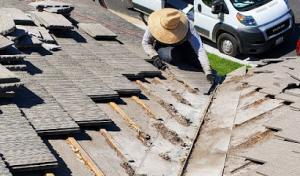
Clay and concrete tile dominate the hillside subdivisions, so replacement projects often involve lifted, slipped, or cracked field tiles rather than only shingle wear. That pattern shows up after a decade or more of Santa Ana winds blasting exposed slopes, or after a quick seasonal shift when a surface tile has shifted and exposed a vulnerable underlayment. When you inspect, start with field tiles in the lower slope areas and around rooftop penetrations; if you see a row of tiles perched oddly or gaps along the eave line, the failure is likely more than cosmetic. Keep an eye on edge tiles near parapets and chimneys, where movement or wind gusts can exaggerate minor stresses. This region's homes frequently reveal a mosaic of small, individual tile issues rather than a single obvious breach, so a careful, tile-by-tile scan matters.
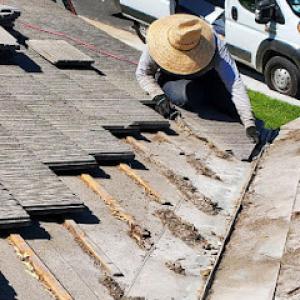
On sloped lots common to the Hills, the visible tile can outlast the waterproofing layer beneath it, which makes underlayment health a critical but easy-to-miss factor. When tiles are lifted for replacement, verify that the underlayment has not degraded or become delaminated. A seasoned pro will test for dryness, pinholes, and moisture trapped under the sheathing. In practice, that means you should expect to reveal and re-seal the underlayment at any re-roofing or substantial repair, not just swap in new tiles. Pay attention to roof valleys and around penetrations where heat and wind stress concentrate moisture movement. If the underlayment shows signs of aging, plan for compatible underlayment materials that complement clay or concrete tiles and maintain the intended roof ventilation strategy.
Santa Ana conditions bend and stress tile systems differently than other climates. Wind can lift edges of field tiles, creating tiny cracks that escalate with heat cycling and UV exposure. The combination of sun-scorched tiles and hot attic spaces pushes fast-cycle wear on underlayment and fasteners. In the wildfire-prone foothills, the choice of compatible underlayment and flashings becomes a wildfire-safety consideration as well. When upgrading, look for fasteners, connectors, and sealants rated for high-wind environments and heat resistance. A well-sealed edge detail and reinforced ridge caps reduce wind-driven uplift, which is a frequent culprit in hillside settings.
Heavier tile systems can trigger closer review when homeowners change materials or make structural alterations during a re-roof. If a plan involves switching to or from heavier tile types, expect an assessment of framing, rafter spacing, and anchor points to ensure the structure can handle the load without compromising the roof-to-wall connections. In practice, that means coordinating with a contractor who understands how the hillside's sequence of tile weights interacts with existing framing. If the project involves adding insulation or altering attic ventilation, verify that the ventilation strategy remains balanced to prevent condensation under a dense tile canopy. A meticulous approach to detailing-particularly at hips, valleys, and transitions-helps prevent leaks that could arise after heavy wind gusts or heat waves.
Because many Diamond Bar slopes feature a patchwork of tile patterns from multiple eras, a logical, systematic approach makes the diagnosis easier. Start at the most exposed upper field tiles, then move downslope toward the eaves, and finally check around penetrations and transitions to walls or chimneys. Keep a log of tiles that show movement, cracks, or glazing wear, and plan replacement sequences that minimize disruption to the underlayment. When in doubt, seek a local contractor who has proven experience with hillside tile systems, as they will anticipate common stress points from Santa Ana winds and long summer heat.
Find contractors who specialize in clay and concrete tile roofs, known for their durability and curb appeal.

Alpha Roofing
(909) 347-5324 pomonaroofingcontractor.com
Serving
5.0 from 13 reviews
Alpha Roofing is where your roofing dreams take flight! Unleash the potential of your property with our premium services. Elevate aesthetics and resilience with our meticulous Roof Installation, ensuring a solid foundation overhead. Transform your space with the allure of Metal Roofing or the timeless elegance of Asphalt Shingle Roofing. Discover the epitome of durability through our expert Roof Replacement and swift Roof Repair services. For commercial ventures, our cutting-edge Commercial TPO Roofing solutions redefine protection and style. Whether embarking on New Construction Roofing or seeking the sleek simplicity of Flat Roofing, Alpha Roofing is your trusted partner, delivering excellence, reliability, and a roof over your dreams!
The Roofing Company
(909) 333-5415 theroofingcompanyoc.com
Serving
5.0 from 16 reviews
The answer is yes, now whats the question? Want advice on roofing? we can help. Our business is to help you. advice and estimates are always free. Don't want to risk it? We'll do it for you!
Roofing Innovations
(800) 619-7961 caroofinginnovations.com
Serving
5.0 from 22 reviews
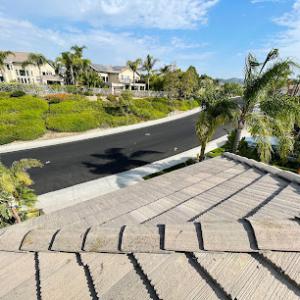
We are a family-own and operated company; we speak Spanish. We offer free estimates on any type of materials; shingles, clay tile, concrete roofs, flat roofs. We do all types of maintenance, repair, tune-ups, and full re-roof.
ABC Quality Roofing
(714) 351-8726 www.abcqualityroofing.com
Serving
4.9 from 31 reviews
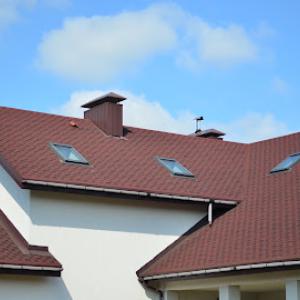
ABC Quality Roofing offers reliable roofing services in West Covina, CA. With 20 years of experience, our roofing contractors are committed to ensuring that your project is completed according to your specifications. You can trust that we will stay on schedule and within budget.

Roof Service Providers
(562) 398-3411 roofserviceproviders.com
Serving
5.0 from 36 reviews
We are a GAF Master Elite contractor for all your roofing needs from certified roof inspections to roof installation, replacement and repair, and skylights. We specialize in both Residential and Commercial Roofing, for all types of materials including shake, tile, single, and metal. Our team is committed to quality craftsmanship using premium, locally sourced materials, ensuring peace of mind with industry-leading warranties. By integrating cutting-edge technology, we provide precise estimates and sustainable solutions. Trust us to handle your roof leak repair with speed and efficiency. Experience superior customer service with transparent communication and competitive pricing today. Located in La Habra Heights but serve all areas nearby.
The Affordable Roofers
(714) 364-4998 www.affordableroofers.net
Serving
5.0 from 68 reviews
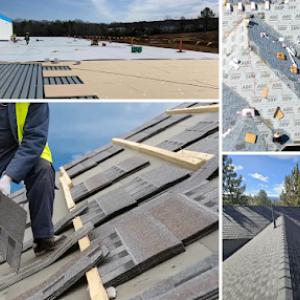
The Affordable Roofers is your go-to roofing company in Brea, CA and nearby, offering reliable, budget-friendly solutions without compromising on quality. We specialize in residential and commercial roofing services, including repairs, replacements, and new roof installations. Our experienced team uses high-quality materials to ensure your roof stands strong against the elements. With a focus on honesty, affordability, and customer satisfaction, we make the roofing process stress-free and affordable for homeowners and businesses alike. Trust The Affordable Roofers for expert craftsmanship at a price you can afford. Contact us today for your free quote!
All In One Roofing & Solar
(714) 476-3304 www.allinoneteam.com
Serving
4.9 from 40 reviews
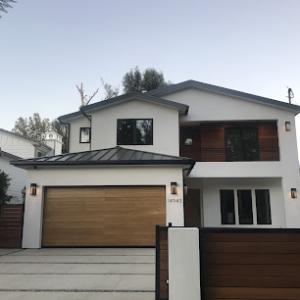
All In One Roofing specializing in customer service. All of our business starts from people like you referring us to our next customer. From residential to commercial roofing and solar Installation. For a yearly maintenance, repair or a complete new roof we have you covered. Our roofing installations include tile, composition, metal, hot mop, torch down, and many other types of roofing. Solar and battery backup. With very competitive pricing and great service we are the go to company. As a 3rd generation roofing company we have years of experience. It all started with my father who opened his own roofing company in 1977, where my 3 brothers and I started learning to remove and install roofs with him on weekend and during summer breaks.

Ruiz Roofing Corporation
(626) 533-8848 ruizroofingcorp.com
Serving
4.7 from 55 reviews
Small and well-stablished roofing contractor specializing in quality full re-roof project. Financing available, Owens Corning Certified, Licensed and bonded. CSLB #1076100
Fast Track Roofing Repair Service West Covina
(626) 548-2620 fasttrackroofingllc.com
Serving
5.0 from 19 reviews
Reliable Roofing in West Covina, CA At Fast Track Roofing, we make protecting your home or business simple. Serving West Covina, CA, we handle everything from quick leak repairs to full roof replacements with speed and precision. Our team uses durable materials and proven techniques to deliver strong, long-lasting roofs. Whether it’s residential or commercial, you can count on expert service and lasting results.
Pomona Roofing Group
(909) 365-2295 rooferspomonaca.com
Serving
5.0 from 9 reviews
Pomona Roofing Group works closely with property owners throughout Pomona, CA to address everyday roofing needs and long-term roof care. Our roofers take on roof repair, roof replacement, roof installation, roof inspections, commercial roofing projects, and emergency roof repair for homes and commercial buildings. Having worked on properties across Pomona, our team is familiar with local construction styles, inland climate conditions, and the types of roof systems common in the area. We provide roofing services across Pomona, CA with a practical, detail-focused approach to maintaining reliable roof performance.
Roof Pro
(714) 752-6999 www.roofprooc.com
Serving
4.8 from 150 reviews
Roof Pro is a roofing company with offices in La Habra, CA and Irvine, CA that offers the best roofing materials and installation practices on the market. With a well-trained team of professionals, you can be sure your new roof will be installed correctly the first time around. Thanks to our experience with different manufacturers, we have great partnerships for all your needs. We offer a wide range of roofing solutions for all types of homes, including shingle roofs, flat roofs, tile roofs, metal roofs and roof coatings. Our team is highly trained in both residential and commercial roofing systems to ensure that you get top quality workmanship at every step of the process. Call us for your new roof! We service Los Angeles and Orange County
SoCal Roofing Solutions
Serving
5.0 from 23 reviews
We are a proud family owned and operated roofing contractor with an established and successful track record. We specialize in all roof types, asphalt shingles, tile, torch-down. We understand the roofing process can be a challenging one for some. Allow us the opportunity to make it as HASSLE-FREE as possible while delivering maximum VALUE! We are an Owens Corning and a GAF certified contractor offering great financing options through GoGreen Financing. CA License #1032698 Call us to schedule an appointment.
Diamond Bar's dominant roofscape blends asphalt shingles, clay tile, concrete tile, wood shingles or shakes, slate, and aluminum roofing. Each material responds differently to prolonged sun exposure, Santa Ana winds, and winter rain. Asphalt shingles remain the most versatile option for quick replacement and broad design compatibility, especially on homes with simpler slopes or tighter rooflines. Clay and concrete tiles are a natural fit for the hillside aesthetics and longer roof runs, offering a classic look that complements concrete and clay exteriors common in the area. Wood shingles or shakes bring a distinct texture that pairs well with warmer color palettes, but require careful maintenance and protection from wildfire exposure. Slate and aluminum provide lighter or more durable choices, appealing when shifting weight or seeking fire-resilient performance. In this mix, the choice often comes down to how the home's form, attic ventilation, and batt insulation adapt to the local climate realities.
Clay tile and concrete tile fit the city's prevalent rooflines and neighborhood aesthetics, echoing the hillside character of many neighborhoods. Clay tile delivers a saturated, timeless appearance and excellent heat deflection, but it is brittle and heavy, with underlayment and structural support needing careful evaluation before replacement. Concrete tile is heavier still, though more economical and available in a range of profiles that can mimic other traditional roof treatments. Both tile types benefit from a robust tile roof deck and properly integrated underlayment, especially in winter rain or occasional downpours. Replacement planning should account for the weight increase, which can affect existing trusses and fasteners, as well as the possibility of grid-based wind uplift vulnerabilities during Santa Ana events. Matching a tile profile to the home's aesthetic while ensuring a sound underlayment and adequate slope for drainage is essential for long-term performance in this setting.
Concrete and clay tiles require solid structural support and a well-designed waterproofing strategy. Underlayment materials should be rated for the local climate, with proper ventilation to reduce heat buildup in the attic and to limit moisture issues after winter rains. If replacing a tile roof, assess existing fasteners and flashing around hips, ridges, and penetrations; the high wind exposure in this area can stress these connections. For lighter systems or retrofits, aluminum or other metal options offer a favorable balance of weight and heat performance, potentially reducing load on the structure while improving wind resistance. A careful structural inspection ensures that the planned tile or metal system won't exceed the allowable roof load, preserving long-term durability.
Aluminum and other metal options can appeal where homeowners want lighter weight and strong heat performance, especially on roofs with complex geometry or existing decking that isn't designed for heavy tile. Metal roofs offer fast drainage and can shed wind-driven debris more effectively in exposed hillside settings. The reflective properties of certain metal finishes help reduce attic heat buildup, contributing to comfort and energy efficiency in hot summers. When choosing metal, note that color and coating choices influence both aesthetics and weathering resistance, particularly on surfaces facing persistent sun exposure.
Wood roofs face added concern in a wildfire-conscious California insurance market. Shingles and shakes provide a warm, natural look but are more vulnerable to embers and flame exposure than tile or metal. If choosing wood, select treated or fire-retardant options and maintain regular clearance around eaves, vents, and chimneys. In neighborhoods with wildfire risk assessments, insurers may scrutinize ignition-resistant details, including underlayment choices and ember protection at roof penetrations. Regular maintenance-clearing debris, trimming overhanging branches, and inspecting for signs of wear-helps sustain performance and steady insurance considerations. In practice, homes with wood roofs might be better suited to fire-resistant upgrades or to alternative materials when renewal cycles trigger tighter underwriting criteria.
The hillside layouts and concrete or clay tile roofs common in Diamond Bar create concentrated stress points where flashing and valley details carry extra load during storms. Winter rain strengthens the demand on these joints, and failures that were quiet all summer can suddenly surface. Aging underlayment beneath tiles, which kept quiet through dry months, may reveal itself as slow seepage or sudden drips near roof edges, penetrations, and transitions where the deck meets walls. The combination of Santa Ana wind exposure earlier in the year and the wet season later can amplify movement in roof penetrations, loosening sealants and allowing water to migrate into attic spaces if not addressed. In practice, those quiet hairline leaks become more noticeable after a few heavy showers, making it clear that flashing laps and valley pans deserve closer attention than they did in late spring.
Homes with tile roofs often discover leaks during winter rains when the deck protection beneath older tiles has deteriorated. Valleys that once shed water efficiently can accumulate debris, which traps moisture and accelerates deterioration of the underlayment. For clay or concrete tiles, small cracks or broken edges may not appear until a storm stresses them with heavy rain and wind. Once water finds its way under tiles, it can travel along the deck and into soffits or interior ceiling planes, especially where tiles sit over vulnerable flashing details near chimneys, vents, or skylights. If the deck protection beneath is aged, a winter downpour can expose failures that dry-season inspections would miss, revealing the true condition of the roof assembly.
Because the city is dry for much of the year, delayed maintenance can go unnoticed until the first meaningful winter storms arrive. Small fabric tears in underlayment, marginal sealant life, and marginally seated tiles can all wait through the months of sun and low humidity only to show up when rain becomes persistent. For a homeowner, that means a winter rain is not just a weather event but a diagnostic test. If leaks appear after a storm, trace them back to flashing laps, corner plates, or the junctions where tile meets a wall or vent. Addressing these issues promptly can prevent more invasive damage to attic insulation, drywall, and interior finishes, which tend to complicate repairs and extend project timelines in Diamond Bar's hillside setting.
After each significant rain, walk exposed roof lines with a flashlight or use binoculars from a safe ground position to spot loose sealants, lifted flashing, or visible gaps at valleys. Note any new staining on ceilings or attic evidence of moisture, and pay special attention to areas around chimneys, skylights, and roof-to-wall transitions. If a tile shows a crack or an edge is loose, don't delay: even a small imperfection can become a larger problem once winter wind-driven rain arrives. Consider scheduling a targeted inspection of flashing, valleys, and decking, focusing on the most exposed sections and any aged underlayment that could fail under winter moisture.
When you can't wait, these contractors offer fast response times to stop leaks and prevent further damage.
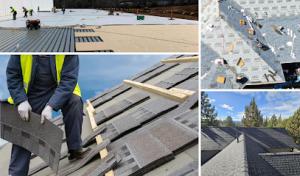
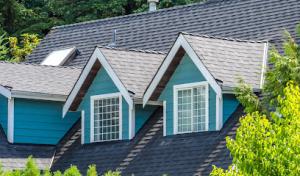
Spring and fall provide the most favorable replacement windows. Those seasons avoid peak summer heat stress on crews and materials, while also sidestepping the early-winter risk of rain that can interrupt installation. In practice, aim for mid-spring or late fall when days are reliably dry and moderate. This helps tile and shingle systems cure properly, especially for concrete or clay tile that can heat up quickly in the sun.
Hot summer installation periods can be harder on asphalt-based materials and crews, and they also raise heat-related stress on underlayment and fasteners. If a project must push into July or August, schedule early-or-late-day work to minimize direct sun exposure and check that ventilation and drip-edge details are prepared for high heat. Winter scheduling can be disrupted by rain and inspection timing, and Santa Ana wind events can complicate lapses in dry weather. Plan around a forecast that favors several consecutive dry days to finish the roof's surface and flashing without interruptions.
Before Santa Ana wind season begins, inspect for loose tiles, aging shingles, or flashing issues. If those problems are visible, addressing them ahead of the wind reduces the risk of wind-driven damage during a replacement or after a partial repair. A proactive approach lowers the chance of needing rapid, on-warranty calls during peak wind periods. In practice, line up a quick-on-site assessment in late summer or early fall, then secure a replacement window when a stretch of dry days is forecast.
Concrete and clay tile roofs respond differently to heat and wind than asphalt. Tile installations benefit from ensuring battens and underlayment are in good condition, since exposed fasteners or cracked tiles can fail under Santa Ana gusts. For asphalt shingle projects, emphasize proper ventilation and a robust starter course to resist wind uplift. Regardless of material, choose a replacement window with predictable weather to minimize simultaneous heat stress and moisture exposure.
Get a clear picture of your project costs upfront - no commitment required.
For asphalt shingles, expect roughly $350 to $750 per square. Clay tile runs from $900 to $1800 per square, concrete tile from $600 to $1400, wood shingles or shakes $500 to $1400, slate $1000 to $2800, and aluminum roofing $350 to $900 per square. Those ranges reflect the neighborhood's concrete and clay tile prevalence and hillside access challenges. In practice, your exact price sits on a line between material choice, roof complexity, and whether a full tear-off is required.
Tile roofs are common in the foothill style most homeowners have, and that drives higher costs. Steep, hillside access makes equipment placement tougher and longer job times, especially when heavy tile needs careful handling. Tear-offs or resetting heavy tile systems add labor and disposal weight fees, which pushes quotes upward. If your home has multiple levels or a complicated ridge line, expect bids toward the upper end of the range.
If you're weighing asphalt shingles versus concrete or clay, the difference is not only upfront, but also in wind and heat performance. In this area, Santa Ana wind exposure and intense summer UV stress tiles more than ordinary shingles, which can influence both the choice and the long-term maintenance plan. Heavier systems may also require a structural review or reinforcement, impacting the bottom line.
Project pricing can move based on permit requirements, any needed structural review for material changes, and demand spikes after wind or rain-driven leak events. If a neighbor recently paid for a high-wind seasonal repair or a leak-induced retrofit, expect the contractor to adjust estimates accordingly. Getting multiple, apples-to-apples bids helps reveal those hidden adjustments.
Don't let upfront costs delay a critical repair - these contractors offer payment plans to fit your budget.
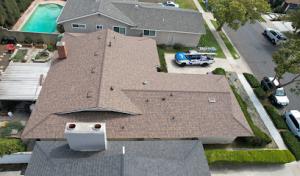
A full roof replacement in Diamond Bar typically requires a permit, with added review possible when structural changes are proposed. The city's hillside context and HOA-friendly neighborhoods mean plans are checked not just for style or finish, but for how a new roof ties into the home's structural system and surrounding properties. During the permit review, expect guidance that ensures the installation aligns with local safety standards, fire codes, and drainage considerations that matter on sloped lots and in neighborhoods with close setbacks.
Local review may look at underlayment, ventilation, and drainage details rather than only the finish roofing material. Given the Santa Ana wind exposure and intense summer heat in this area, inspectors pay close attention to how underlayment is secured, vent placement and sizing, and how moisture and air flows are managed to prevent wind-driven leaks. Drainage evaluation is particularly relevant on hillside homes to ensure proper ridge venting, overhangs, and guttering detail support roof longevity and water shedding around elevated zones.
Inspections commonly occur at rough-in and final, and scheduling can vary enough that correction notices or re-inspections may affect project timing. Rough-in checks confirm that structural anchors, deck framing, and roof-to-wall connections meet code before the finish layers go on. Final inspections verify that all penetrations, flashing, and ventilation are correctly finished and that the roof system integrates with attic insulation and moisture controls. In Diamond Bar, a home's orientation to the Santa Ana wind corridor and wildfire-scrutiny in insurance reviews can lead to additional field questions, so staying responsive to inspector requests helps keep the project on track.
Coordinate closely with the contractor to align the permit package with local expectations, including structural plans and ventilation layouts. Have drainage and underlayment details documented in the plan set, and be prepared for possible follow-up reviews if changes are proposed during construction. Building in buffer time for potential re-inspections helps reduce stress when scheduling around weather windows and HOA coordination.
In California's current insurance environment, Diamond Bar homeowners may face stricter underwriting tied to wildfire exposure and roof condition documentation. The foothill setting and clay or concrete tile stock mean carriers scrutinize exposure to Santa Ana winds, heat, and rapid ember spread. Insurers increasingly want a clear picture of roof age, material type, and current condition before issuing or renewing coverage, especially in wildfire-conscious areas. Missing or vague information can slow approvals or trigger non-renewal warnings, leaving you unexpectedly uninsured or underinsured during peak fire season.
Insurers may ask for detailed records well before renewal time. Documentation that helps you stand on solid ground includes a concise roof history: roof type and approximate age, prior repairs, and notable visible wear such as cracked tiles, lifted shingles, or sealant failures around eaves and vents. For concrete and clay tile roofs common in this area, keep recent inspection notes, photos showing tile integrity, underlayment condition, and any gutter or flashing concerns. Clear, timestamped photos and a brief written summary can make a real difference when a carrier evaluates wildfire exposure and overall risk.
After damage, claims handling often involves adjuster site visits, photo documentation, and possible premium changes. Having pre-loss records ready streamlines the process, helps verify age and condition, and supports a fair assessment of replacement needs. If you've maintained a labeled folder of roof records and recent service notes, you can respond quickly to requests, reducing downtime without coverage. In this climate, proactive record-keeping is a practical line of defense against delays and unwanted surprises in the claims path.
Connect with contractors who help homeowners navigate the claims process from damage assessment to final approval.
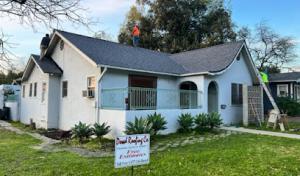
While pitched tile roofs dominate, flat and low-slope areas show up on patio covers, additions, and some architectural transitions. In these spots, drainage must move water quickly toward scuppers or drains, and any slope should be intentional rather than accidental. If your project adds a low-slope element, plan for a continuous waterproofing strategy that ties smoothly into the existing tile roof system without creating hidden perched water zones.
At transitions from tile to low-slope areas, select roofing that holds up to Diamond Bar's Santa Ana wind bursts and hot summers. Look for membranes that tolerate UV exposure, with seam details designed for mechanical or chemical bonding to edge flashing and to the existing tile deck. Compatibility matters: the new flat surface should not trap heat or create thermal movement gaps against the adjoining tile field. In mixed-roof homes, ask for a contractor who can coordinate both tile field work and low-slope waterproofing so the transition membrane integrates with the tile underlayment and flashings.
During installation, verify that the low-slope section has adequate positive drainage toward an approved outlet. Flashing must seal the perimeter where the flat area meets the clay or concrete tile; use integrated parapet and counter-flashing details that resist wind-driven rain and debris ingress. Inspect all deck-to-flange transitions for proper bonding and seam integrity, especially at corners and penetrations such as skylights or vents. Ensure edge protection mirrors the high-wind conditions typical of these foothill zones.
Establish a disciplined inspection routine after winter rains and during fire season, paying close attention to flashing seams, membrane laps, and drain cleanliness. Clear any debris that can impede flow from the flat area to the drainage outlets, and monitor heat-induced edge expansion that can loosen seals. A well-planned maintenance approach preserves the performance of a mixed-roof home over time.
Find specialists in TPO, EPDM, and built-up flat roofing systems for residential and commercial properties.
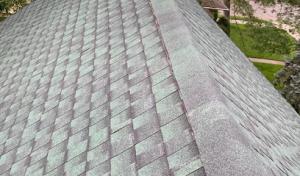
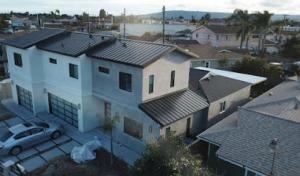
The local contractor market is notably re-roofing-focused, so you should prioritize crews that regularly perform tear-offs on occupied homes and handle the cleanup without leaving debris spread across driveways and sidewalks. On hillside streets with concrete and clay tile, access can be tight and staging areas limited, so ask how crews plan staging, truck placement, and tile handling to protect landscaping and neighboring homes. For tile-heavy neighborhoods, confirm that the crew carries tile inventory and backup parts to minimize trip-and-return cycles that disrupt neighbors during a project.
Quick response is a strong local hiring signal in Diamond Bar, reflecting homeowner concern about active leaks after wind or rain events. A crew that answers calls promptly, provides clear timeframes for initiation, and follows up with on-site assessments within 24 to 48 hours demonstrates reliability. In elevated or exposed sections, wind-driven leaks can worsen rapidly; the ability to secure tarping, temporary protection, and expedited material delivery matters. Look for contractors who assign a point of contact who can be reached during a storm season, not just business hours.
Because tile work is common here, homeowners should verify experience with tile reset, underlayment replacement, and cleanup on hillside residential properties. Tile resets require careful handling to avoid cracking, especially on slopes where gravity and access pose extra challenges. Ask about underlayment strategies that accommodate heat, Santa Ana wind loads, and wildfire-driven debris protection. Confirm that cleanup plans include secure transport of broken tiles, roof ridge vent care, and thorough debris removal from yards and driveways to minimize post-project hazards.
Interview at least two crews and request recent references from projects that match your roof type and slope. Ask about their approach to protecting landscaping, neighbor notification practices, and daily cleanup routines. Ensure they provide a written sequence of work that includes delivery windows, weather contingency plans, and a commitment to maintaining an orderly site from start to finish.
Diamond Bar's sunny climate makes roof timing important when homeowners are coordinating re-roofing with existing or planned solar equipment. The local heat and Santa Ana wind exposure can affect how new shingles or tiles seal, how penetrations are sealed, and how long a roof will sit in the hottest season before solar work begins. Coordinating timing helps ensure long-term reliability and reduces the risk of weather-related damage during installation.
Tile-heavy roofs in this area can complicate penetrations and future service access if roofing and solar work are not sequenced carefully. Clay and concrete tiles create more potential breakage points around racking hardware, inverters, and conduit runs. When possible, plan roof replacements to precede or align with solar mounting, so crews can carry out clean penetrations, proper flashing, and unobstructed access for future service calls. Consider a phased approach that protects newly installed tiles while allowing solar racking to be mounted with minimal cutting or rework.
Homeowners replacing older roofs may want roofing scope finalized before solar reinstallation to avoid duplicate labor and permit complications. If the roof is nearing end of life, completing the roof replacement first reduces the chance of tearing in and around new penetrations later. A finalized roof plan also helps ensure that the solar layout can use optimal deck space, align with parapet breaks, and avoid compromising tile alignment or wind-driven uplift resistance.
Coordinate with both the roofing contractor and the solar installer early in the planning process. Share roof type (tile, concrete, or asphalt) and any known problem areas such as vent stacks or skylights. Establish a joint schedule that accounts for peak heat and Santa Ana wind seasons, allowing for protective measures during tile work and precise flashing around penetrations. This approach minimizes rework and keeps both systems performing at their best in Diamond Bar's foothill environment.
Find contractors who integrate solar panels or solar shingles into your roof for long-term energy savings.
Weatherline ReRoofing & Repairs
(714) 731-3425 www.weatherlineroofing.com
Serving
4.9 from 28 reviews