Last updated: Apr 19, 2026
In this area, most annual rainfall occurs in winter, so the ideal window for tear-off and replacement sits in the drier spring days. Start planning as soon as the first warm fronts arrive and the ground has dried from the winter rains. If you can swing a mid-spring schedule, you reduce the chance of residual moisture creating issues with underlayment or wood components. Expect cooler mornings and warmer afternoons; that means longer workability hours but watch for lingering Santa Ana wind shifts that can pick up in the afternoons and create brief exposure risks. A thoughtful pace helps crews protect tile edges and ensure proper nail and underlayment alignment on those hillside homes where windage matters more than flat, open-roof sites.
Hot, dry summer conditions in inland southeast Los Angeles County affect crew productivity and material handling. Dark shingles and tile surfaces heat up quickly, which can slow cutting, drying times, and underlayment adhesion. If a summer tear-off is unavoidable, schedule the most labor-intensive days for early morning hours and wrap up before peak heat. On tile roofs, heat can also affect compatibility of fasteners and sealants, so coordinate with the crew to avoid mid-afternoon heat spikes. Mitigate glare for workers on reflective surfaces and provide shaded staging areas for materials to prevent warping or premature aging. Santa Ana wind risk remains a factor; keep debris containment tight and choose a sequence that minimizes open edge exposure on windy days.
Fall typically brings more predictable weather, with reduced rainfall pressure compared to winter. This is a practical target for finalizing roof work before winter storms. Use this season to complete any related waterproofing adjustments, such as fascia and drip edge alignment, ceramic or synthetic underlayment checks, and securement of tiles on hillside sections where wind uplift is a concern. Short, well-coordinated days reduce the chance of a sudden shower interrupting progress, and the cooling evenings help with curing times for sealants and mastics. Keep an eye on Santa Ana predictions; a late-season wind event can still force temporary delays or require additional temporary safety measures.
Tear-off and replacement scheduling is commonly pushed into the drier parts of the year, because Whittier's Mediterranean climate concentrates most rainfall in winter. Plan around the typical winter storm window and avoid committing to a full replacement during the peak rain weeks. If a winter storm does roll in, have a contingency plan for tarping and securing exposed roof edges to prevent water intrusion and wind-driven debris. Santa Ana wind events can create temporary exposure risks during tear-off, blow debris onto open roof decks, and complicate underlayment staging. In practice, a well-structured winter plan prioritizes weather forecasts, with a staged approach that allows partial progress on clearer days while preserving the ability to pause and protect ongoing work during windy or wet spells.
The local housing mix includes tile-roofed hillside and mid-century neighborhoods, where access and staging can be more challenging. Team up with crews to set up stable ladders, edge protection, and debris nets in narrow streets or tight driveways. Anticipate wind-driven debris by scheduling material deliveries for days with light wind forecasts, and use dedicated helpers to secure loose debris during Santa Ana events. Keeping a clear channel for weather-driven adjustments will help prevent last-minute scrambles and water intrusion when winter rain returns.
Clay and concrete tiles are the prevailing roof types in this area, shaping how problems show up and how they're fixed. Broken field tiles, slipped pieces, and aging underlayment are more common here than in markets that rely primarily on shingles. That combination matters: a single cracked tile can hide a larger issue beneath, and the way tiles interlock across hillside and ranch styles affects how leaks travel. In a neighborhood mix that includes Spanish and mid-century ranch homes, expect roof planes to vary in slope and access, which in turn influences the practicality of repairs versus a full replacement.
Whittier's varied housing stock includes hillside settings where attic access, scaffolding, and tile handling demand careful planning. The roof structure may differ from home to home: some houses feature stronger decking and solid support for tile resets, while others rely on lighter framing that limits the number of tiles that can be reset without revisiting the entire underlayment situation. When considering a partial repair, evaluate whether the underlying roof deck is sound and whether the tile layout permits a targeted fix without compromising waterproofing. On older homes, a careful assessment of slope, eave overhangs, and access routes is essential to determine whether a partial repair or full replacement is more durable in the long run.
Visible tile often outliving the waterproofing layer beneath it is a common reality, so leak diagnosis in this area frequently hinges on the condition of the underlayment rather than the tile itself. A tile can protect the deck from direct weather yet hide a compromised underlayment that allows moisture intrusion. If signs point to persistent leakage, prioritize a systematic check of the underlayment age, integrity, and recent exposure to Santa Ana winds or winter rains. In practical terms, look for staining, unusual attic moisture, or damp insulation that persists after tile adjustments or cleaning.
Because winter rains and wind-season exposure play prominent roles, scheduling inspections and potential reseals around the wetter months reduces the risk of compounding water damage. Regular fall checks help catch slipped or cracked tiles before the first winter storm, while mid-season reviews can identify accelerated wear from Santa Ana gusts. Note that the interaction between tile condition, underlayment age, and ventilation quality determines whether a targeted tile reset or a more comprehensive roof refresh will yield the most reliable protection against rain intrusion through the colder, windier months.
In this climate and neighborhood mix, prioritize a preventative cadence that blends tile health with underlayment status. If a tile reset seems viable, ensure the deck is solid and the underlayment is compatible with the chosen tile system. For aging underlayments, expect a more involved repair or replacement plan, since maintaining waterproofing integrity often hinges on the layer beneath the visible surface. Whittier homes benefit from a careful, condition-based approach that respects the tile's aesthetic while safeguarding the structure against winter moisture and Santa Ana winds.
Find contractors who specialize in clay and concrete tile roofs, known for their durability and curb appeal.




Baja Roofing
(562) 699-5598 www.bajaroofing.com
Serving
4.8 from 60 reviews
Baja Roofing & Coatings has over 35 years of experience in the roofing industry. We’re fully accredited and offer services to both residential and commercial clients. We provide FARR (fluid applied reinforced restoration) and silicon commercial roof installation, commercial single-ply membrane installation, residential shingle roof replacement, tile roof installation, torch down or roll roofing installation, and more. Call us today at (800) 276-6348!

Quality First Roofing Solutions
Serving
5.0 from 11 reviews
Quality First Roofing Solutions stands as a premier roofing supply store in Santa Fe Springs, CA. Located at 12140 Altamar Pl, we are dedicated to providing contractors and DIY enthusiasts alike with an extensive selection of top-tier roofing materials. Discover everything you need for durable, long-lasting roofs, all backed by our commitment to excellence and reliability.

Cassady Roofing
(562) 944-5817 www.cassadyroofing.com
Serving
4.7 from 30 reviews
Cassady Roofing is a family owned and operated business since 1961. RESIDENTIAL, COMMERCIAL, INDUSTRIAL: New - Repairs - Recover. We do ALL TYPES of Roofing, such as Tile, Shingles, Comp, Hot Mop & Rock Specialists. Certified Cool Roof Appli
Affordable Roofing Solutions
Serving
4.8 from 32 reviews
Dreaming of a worry-free roof over your head? Affordable Roofing Solutions, Inc. delivers top-notch roofing contractor services right here in La Habra, CA. We're dedicated to providing reliable and durable roofing solutions for your home or business. Let us help you protect your investment with our expert craftsmanship and commitment to quality. Discover how we can transform your roofing vision into a reality and experience the peace of mind you deserve.

Roof Service Providers
(562) 398-3411 roofserviceproviders.com
Serving
5.0 from 36 reviews
We are a GAF Master Elite contractor for all your roofing needs from certified roof inspections to roof installation, replacement and repair, and skylights. We specialize in both Residential and Commercial Roofing, for all types of materials including shake, tile, single, and metal. Our team is committed to quality craftsmanship using premium, locally sourced materials, ensuring peace of mind with industry-leading warranties. By integrating cutting-edge technology, we provide precise estimates and sustainable solutions. Trust us to handle your roof leak repair with speed and efficiency. Experience superior customer service with transparent communication and competitive pricing today. Located in La Habra Heights but serve all areas nearby.
Allied Roofing
(562) 525-5839 norwalkroofingcontractor.com
Serving
4.9 from 23 reviews
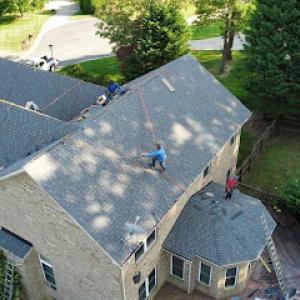
Welcome to Allied Roofing, your trusted partner in elevating rooftops to new heights! Experience excellence in every layer with our expert Roof Installation – a seamless blend of precision and aesthetics. Transform your property with confidence through our dedicated Roof Replacement service, ensuring durability and curb appeal. Count on us for meticulous Roof Repair, restoring your peace of mind. Embrace innovation with our cutting-edge Metal Roofing solutions or the timeless charm of Asphalt Shingle Roofing. For commercial spaces, choose the reliability of Commercial TPO Roofing. From New Construction Roofing to the sleek lines of Flat Roofing, Allied Roofing delivers quality, durability, and a new zenith for your property.
Always Reliable Roofing
(626) 723-9536 alwaysreliableroofing.org
Serving
4.6 from 15 reviews
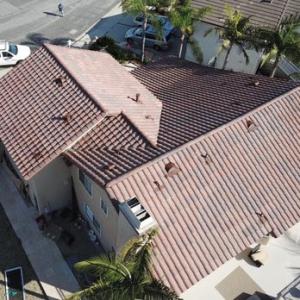
Protect your home with Always Reliable Roofing, a family-owned and operated business serving the San Gabriel Valley since 2007. As a licensed and insured (C-39 Lic 903930) roofing contractor, we deliver top-quality roofing solutions tailored to your needs. From essential repairs to complete new installations and ongoing maintenance, experience the peace of mind that comes with reliable service and expert craftsmanship. Trust Always Reliable Roofing to keep your home safe and secure.
Roof Pro
(714) 752-6999 www.roofprooc.com
Serving
4.8 from 150 reviews
Roof Pro is a roofing company with offices in La Habra, CA and Irvine, CA that offers the best roofing materials and installation practices on the market. With a well-trained team of professionals, you can be sure your new roof will be installed correctly the first time around. Thanks to our experience with different manufacturers, we have great partnerships for all your needs. We offer a wide range of roofing solutions for all types of homes, including shingle roofs, flat roofs, tile roofs, metal roofs and roof coatings. Our team is highly trained in both residential and commercial roofing systems to ensure that you get top quality workmanship at every step of the process. Call us for your new roof! We service Los Angeles and Orange County
Primetime Roofing
(562) 837-0262 picoriveraroofingcontractor.com
Serving
5.0 from 12 reviews
Welcome to Primetime Roofing, where we elevate your property to new heights! Our expert roofing contractors specialize in seamless Roof Installation, ensuring precision and durability that withstands the test of time. Upgrade your home with our top-notch Roof Replacement services, transforming your space with style and reliability. Experience peace of mind with our swift and efficient Roof Repair solutions, tailored to protect your investment. Explore the modern touch of Metal Roofing or the classic appeal of Asphalt Shingle Roofing, customized to match your aesthetic preferences. For commercial spaces, our Commercial TPO Roofing guarantees unmatched durability. Trust us for New Construction Roofing, and crafting roofs for tomorrow.
SoCal Roofing Solutions
Serving
5.0 from 23 reviews
We are a proud family owned and operated roofing contractor with an established and successful track record. We specialize in all roof types, asphalt shingles, tile, torch-down. We understand the roofing process can be a challenging one for some. Allow us the opportunity to make it as HASSLE-FREE as possible while delivering maximum VALUE! We are an Owens Corning and a GAF certified contractor offering great financing options through GoGreen Financing. CA License #1032698 Call us to schedule an appointment.

Cut Cost Roofing
(626) 772-6172 cutcostroofing.com
Serving
4.9 from 30 reviews
Cut Cost Roofing provides budget-friendly roofing services in South El Monte, CA with over 20 years of experience. We specialize in roof repair, roof installation, roof replacement, and roof inspections, working with shingle roofing, metal roofing, and flat roofing. Whether you need a small repair or a full roof replacement, we offer high-quality service at prices that won’t break your budget. Serving South El Monte, CA —contact Cut Cost Roofing today for a free estimate and ensure your home is protected!
Winter rain and Santa Ana winds arrive with a punch in this corner of the basin, and leak calls do not wait for fancy weather forecasts. In Whittier, leak calls often spike around winter storms and wind events rather than around hail or snow, which are not defining local roof threats. You'll notice damp spots that form along ceilings, walls near exterior walls, and attic areas that suddenly feel warmer or damper after a gusty front. If you see water creeping in around an exhaust vent, a skylight, or along a tile seam after a windy shower, treat it as an emergency. Promptly documenting the exact location and time of the leak helps a contractor pinpoint the source fast.
Wind-driven rain tests a roof's weakest links. Exposed Whittier neighborhoods and hillside streets with commanding views face higher wind impact, and tile edges or flashing at transitions are common failure points. Ridges can lift, flashings can loosen, and the mortar or sealant around skylights can crack under pressure. Even small gaps around a clay or concrete tile roof become channels for water during a storm. If moisture appears at a ridge cap, along a vent flashing, or where a tile edge sits in a vulnerable corner, treat it as a red flag needing immediate attention.
Because winter rain is concentrated into a shorter season, temporary dry-in work and tarping can be especially important when a roof cannot be fully replaced immediately. If a contractor can't seal the entire roof right away, insist on a sturdy tarping setup and targeted patching that directs water away from the most vulnerable seams. Do not rely on makeshift plastic sheeting alone in windy conditions; a proper tarped cover and secure fastenings protect against gusts that lift membranes and drive rain beneath the barrier.
When a roofer arrives, request a rapid assessment focused on the most exposed areas: ridges, edge-fastening around tiles, and any flashing where wind-driven rain has caused seepage. Expect a prioritized plan that blocks water first, then stages a more permanent fix. If the roof cannot be replaced promptly due to weather or scheduling, insist on a proven dry-in solution that holds up through the next series of storms. Clear communication about timing, what materials will be used for the dry-in, and how long the temporary protection will last is critical to prevent repeating damage before the permanent repair can occur.
When you can't wait, these contractors offer fast response times to stop leaks and prevent further damage.
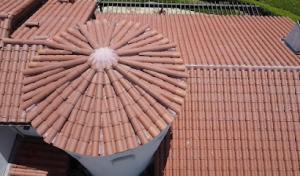
Asphalt remains a practical, lower-cost option that many Whittier homeowners choose for its straightforward installation and solid weather resistance. In hillside and mid-century neighborhoods, asphalt blends well with surrounding streetscapes and can mirror the more traditional rooflines found in the area. When selecting an asphalt system, focus on a product with good granule retention and a durability rating that handles the Santa Ana wind season, which can lift loose edges and expose underlayment. A careful installation that includes secure nailing patterns and proper valley and ridge detailing is essential to minimize wind-driven issues after a winter rain event.
Tile roofs are a defining feature across many local hillside and mid-century homes, and they typically align with the neighborhood's architectural language. Clay tiles offer a classic look and excellent heat resistance, while concrete tiles provide a more affordable option with similar performance. In Whittier, tile roofs handle Santa Ana gusts well when the underlayment and fasteners are chosen for wind zones. Regular inspection after storms helps catch cracked or displaced tiles early, preserving the system's weather-tight seal and reducing risk of interior leaks during the winter rainy season.
Metal is available in the market and brings long life and strong wind resistance, which can be compelling when Santa Ana winds howl. Appearance and neighborhood fit are important; metal panels or standing-seam profiles can resemble some tile lines from a distance but demand careful color and profile choices to blend with surrounding rooftops. Consider a metal option with a reflective coating and a warranty that addresses expansion and contraction in the hotter months, plus careful detailing at hips, ridges, and edge penetrations to prevent leaks during winter rain.
Wood remains part of the local material mix, but in California, fire risk and insurance considerations affect ownership decisions. If a wood roof is pursued, select treated, low-spark options and pair with a high-quality ignition-resistant underlayment. Maintain a clear clearance around eaves and ensure gutters are kept free of debris to reduce fire and water-related hazards during Santa Ana events and winter rains. Regular maintenance and quick repairs after wind events help preserve both safety and aesthetics.
Synthetic or composite shingles offer versatility in appearance while delivering improved impact resistance and weather performance. They can be a middle-ground option that respects neighborhood visual cohesion and provides durable performance against wind and rain. When choosing a synthetic system, verify color stability through Santa Ana sun exposure and ensure mismatches with neighboring rooflines are avoided to maintain the cohesive street image.
The most popular roofing material in the US. Find pros who install, repair, and replace asphalt shingles.
Your home might have a pitched main roof with tile or asphalt, but the addition or patio cover often sits on a lower-slope or flat section. In this climate, dry summers mask drainage issues, but when winter rains arrive, ponding on those low-slope areas becomes the quiet culprit of hidden damage. The combination of inland heat, Santa Ana winds that can lift lightweight edges, and the way water flows off a steeper roof into a flatter add-on creates a reminder that small misalignments at the interface can turn into costly repairs after a few storms. In Whittier, this dynamic matters because the stock includes mid-century sections and hillside placements where roof transitions are a frequent weak link.
Transitions between tile or shingle main roofs and lower-slope additions are a common trouble spot. Flashing has to bridge different roof types and elevations, which means more seams to seal and more corners to detail. If the add-on uses membranes or metal flashings that aren't coordinated with the main roof, water can find a path around the joint-especially along edges where a slope change occurs. Occupants sometimes overlook leakage at these joints because drying periods mid-summer hide wet spots behind trim or in attic cavities. Yet every season brings a reminder: a slow leak at a low point can degrade decking, insulation, and interior finishes without obvious signs until the next wet spell.
Begin with a careful visual walk of the transition zones after a rain, looking for any damp patches, staining, or salt efflorescence near fasteners and flashings. Check the drainage plan: does water shed cleanly from the main roof onto the lower slope, or does it pool before it spills over? Inspect surfaces for edge lift or flashing gaps where two roof systems meet. If you notice edges that look distorted or metallic flashings that show corrosion or gap clues, plan a targeted inspection or repair before the next rain. Regular maintenance should focus on keeping joints aligned, seams sealed, and drainage paths clear, because in these Whittier setups, a small lapse in detailing translates into bigger issues once winter returns.
Find specialists in TPO, EPDM, and built-up flat roofing systems for residential and commercial properties.

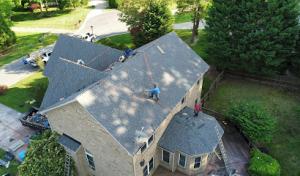
Whittier cost differences are heavily influenced by whether the home uses asphalt shingles, metal, clay tile, concrete tile, wood shakes, or synthetic materials, with tile systems generally carrying the highest replacement costs in this market. Asphalt shingles sit at the lower end, while concrete and clay tiles push the ceiling on pricing. The local hillside and mid-century neighborhoods often mean tile or synthetic systems with steeper profiles, which can tilt the final numbers upward due to more material and labor needed for proper staging and drainage considerations. When you compare bids, pay close attention to the unit cost per square and what's included in the scope, since delivery, waste removal, and underlayment choices vary locally.
Labor can rise on Whittier homes with steeper pitches, multi-level layouts, or tighter access common in older neighborhoods and hillside areas where material staging is harder. Pitched roofs require more safety measures and longer setup times, and accessing a multi-story or densely built block can slow crews, increasing arc and waste management costs. If your house combines multiple roof planes or has curved edges, expect a higher labor component. A careful bid should show how much of the cost is tied to labor versus materials and whether staging is included.
Scheduling during the dry season can reduce weather delays, but demand can also tighten when many homeowners try to avoid winter rain at the same time. If you can align work with a dry spell in late spring or early fall, you may see steadier crews and fewer weather hold-ups, which helps keep projects on track through the winter window without overpaying.
Get a clear picture of your project costs upfront - no commitment required.
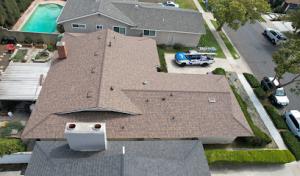
In this area, a full roof replacement typically triggers a roofing permit, and the approval process is handled through the City of Whittier Building and Safety Department. The permit is there to confirm that the work follows local codes, includes proper ventilation, and uses materials appropriate for the climate and neighborhood. If you're planning a mid-century or tile-roof project, expect the permit packet to reflect both the structural aspects and the specific tile or shingle type chosen for your home. The permit process is not a paper exercise; it's a practical check to keep your roof safe and weather-ready for Whittier's seasonal patterns.
Before any hammering begins, the contractor should submit the application with a clear roofing scope and the exact materials intended for installation. This documentation helps the Building and Safety staff verify that flashing details, ventilation, underlayment, and fastener schedules align with local requirements. For hillside homes with tile roofs, the scope often highlights seam details, valley treatments, and wind-rated fasteners to withstand Santa Ana gusts. Having a complete package up front reduces back-and-forth and speeds up the time from approval to actual work on the roof.
Whittier roofing work is typically inspected during installation and again after completion. Expect inspectors to check roof-to-wall connections, flashing at chimneys and vents, eave detailing, and the integrity of underlayment installation. Because the region experiences winter rain and strong offshore winds, inspectors pay particular attention to watertight transitions and proper sealing around penetrations. Coordination with the contractor on access routes and ladder placement is helpful to avoid delays.
A final inspection is needed to close out the permit. The inspector will confirm that all work matches the approved scope, that materials used correspond to what was permitted, and that drainage and thermal details meet code. Before the final sign-off, ensure all temporary coverings are removed, debris is cleared, and any required contractor signatures are ready. If any discrepancies are found, a quick corrective step plan helps maintain momentum toward a smooth closing and a roof that's legally and practically sound for Whittier's winter rain season and Santa Ana wind exposure.
In Whittier, the tightening homeowners insurance market is real, and the scrutiny often goes beyond what you might expect. Even when damage isn't from a hurricane or a tree fall, insurers will look closely at how old a roof is, its condition, and whether there's a clear record of maintenance. The combination of Santa Ana winds and winter rains can exacerbate wear unseen to the naked eye, and that can influence how a claim is evaluated.
Whittier homeowners benefit from assembling a reliable paper trail. Keep receipts for materials and work, permit records, inspection sign-offs, and contractor notes. Adjusters may rely on this documentation to confirm installation quality, repair history, and whether the roof has been maintained according to expected standards. A well-organized file can prevent questions that slow a claim or trigger denials when a loss test comes into play.
Material choice matters for insurability as well. Some insurers show a preference for newer systems or upgraded materials, especially when there is clear proof of proper installation and a comprehensive maintenance history. If a roof is approaching the 20-year mark on certain systems, or if there are recurring maintenance gaps, expect more scrutiny. The insurer's goal is to understand risk over the next several years, not just the immediate payout.
Seasonal timing influences claims, too. Winter rain and Santa Ana wind periods can reveal latent issues that weren't obvious in dry months. If a claim is filed after a wind event or heavy rain, the adjuster will look for prior signs of aging, flashing integrity, and drainage performance. Proactively documenting roof condition during dry seasons can help map a clearer path through the evaluation process.
Finally, avoid gaps between what you tell an insurer and what your records show. Consistency across contractor notes, photos, and inspection results reduces confusion and supports a smoother claims process. In a market that prizes documentation, your organized files become as important as the roof itself.
Connect with contractors who help homeowners navigate the claims process from damage assessment to final approval.