
Last updated: Apr 19, 2026
Newhall sits in the Santa Clarita Valley where seasonal Santa Ana wind events can drive wind-blown debris, lift vulnerable edges, and expose weak flashing details. That means a roof system in this hillside neighborhood isn't just about keeping rain out; it's about standing up to gusts that can peel shingles, dislodge vent flashing, and fling embers toward vulnerable gaps. The foothill setting and regional wildfire exposure make fire-conscious roof assemblies and ember-resistant roof-to-vent and roof-to-flashing details more important than in lower-risk coastal areas. When wind and flame risk are the daily realities, roof design and component choices become a matter of ongoing safety and long-term resilience, not just a single-season fix.
In this climate, a roof must do more than shed rain. It needs wind resistance from the first fastener through the last edge trim. Pay close attention to edge and hip shingles, underlayment that can resist uplift, and the quality of flashing around every penetration-vent stacks, chimneys, skylights, and the attic access. Choose fasteners and sealants rated for high-wind performance, and insist on edge restraint that prevents wind from catching overhangs or loose shingles. Ember resistance matters too: ember-tested underlayment and roof-to-wall transitions that seal tightly reduce the chance of a single spark turning into a wildfire liability. This is not theoretical-fires and red-flag wind events have a way of turning small gaps into costly, accelerated damage.
Embers often challenge the weakest links: gaps at vent stacks, gaps at roof-to-wall intersections, and the juncture where roof deck meets siding. A practical approach is to specify closed-cut or properly sealed transitions and to treat every vent boot as a vulnerable entry point. Use fire-rated flashing where appropriate, and ensure step and counter-flashing are integrated with secure seals from eave to ridge. In areas with Santa Ana winds, consider roof edge detailing that minimizes edge lift and provides wind-driven debris barriers. A well-sealed, continuously updated air barrier and a carefully curated venting strategy help keep embers away from the attic and vent openings.
Given the wildfire exposure in this region, the goal is a roof assembly that resists ignition from embers and preserves integrity during a wind event. This often means selecting materials and configurations that balance fire resistance with wind performance. For hillside homes, that includes evaluating the roof deck attachment method, choosing fire-rated shingles or tiles where appropriate, and ensuring that underlayment and fasteners align with the expected wind loads. The composition and alignment of the roof-to-flashing interface deserve particular scrutiny on every staple-run and seam. In Newhall, where hillside homes and older stock are common, a proactive, detail-focused replacement plan is essential to reduce wildfire exposure and minimize wind-driven vulnerability.
California insurers increasingly scrutinize roof age, condition, and wildfire exposure in this region, so replacement decisions are tied not just to leaks but to insurability. That means a reroof should be documented with the intent to improve wind resistance and ember safety, not merely to cover gaps temporarily. When discussing options with a contractor, emphasize components and configurations that address wind uplift, edge sealing, and ember barriers. Insurers may favor combinations that demonstrate a holistic upgrade: robust flashing, upgraded underlayment, and a fire-conscious assembly designed to hold up under Santa Ana events and wildfire risk. If the goal is long-term insurability, prioritize a plan that integrates wind and ember resilience at every critical junction-from eaves to vents to chimney terminations.
Find local contractors experienced in assessing and restoring roofs after hail, wind, and severe weather events.



The dominant mix of roofs in this hillside-and-suburban stretch features asphalt shingles, metal, clay tile, concrete tile, wood shakes, and synthetic/composite products. This diversity reflects both tract-home reroofing demands and the Spanish/Mediterranean architectural cues common across Santa Clarita neighborhoods. When planning a replacement, you'll find that selecting a material often aligns with the house's age, the street's fire risk profile, and the neighboring streetscape. Consider how the chosen roof will age visually alongside the existing exterior finishes and the local climate realities.
Hot, dry summers push UV and heat stress onto exposed roofing surfaces. Asphalt shingles, in particular, age faster in the Santa Clarita sun, which can shorten the interval before you notice granular loss or curling on the exposed edges. Underlayment beneath tiles or shingles must be vetted for heat tolerance and wind-driven moisture. In Newhall, where solar gain is high, it's prudent to pair high-reflectance underlayment with airflow-friendly roof decks and careful venting strategies to keep attic temperatures manageable and help protect the roof structure from heat-induced degradation.
Tile roofs are highly relevant locally, but they come with caveats. Broken field tiles, slipped pieces after wind events, and aging underlayment beneath otherwise reusable tile are recurring replacement drivers. If clay or concrete tiles are your target, assess the condition of the lath system and the fasteners, because wind can loosen loose tiles and expose underlayment. Consider upgrading to a wind-rated tile installation where available, and verify the roof's overall wind uplift design, since Santa Ana gusts can challenge older fastener patterns. When tiles survive, they can preserve the Mediterranean aesthetic that characterizes many Newhall homes, but the underlying structure must be documented and matched to current wind performance expectations.
Functionally, your roof should resist Santa Ana winds without sacrificing ventilation or drainage. Metal roofing often performs well in high-wind scenarios, provided seams and edge details are properly sealed and maintained. Asphalt and composite options can also be upgraded with wind-rated underlayment and reinforced edge detailing. In hillside settings with dry fuels nearby, keeping debris clear and ensuring roof lines are well-sealed against wind-driven paths are practical steps that reduce wind-related damage and help with wildfire-conscious installation choices.
Beyond performance, style matters in this landscape. The mix of material types accommodates both modern and traditional facades, so choose colors and profiles that harmonize with nearby homes and the terrain. A thoughtfully selected material that respects the street's visual rhythm can enhance curb appeal while delivering the practical benefits of heat resistance and wind resilience. For hillside properties, consider lighter tones that reflect heat and complement the natural surroundings, while ensuring compatibility with existing gutters and fascia.
Find contractors who specialize in clay and concrete tile roofs, known for their durability and curb appeal.
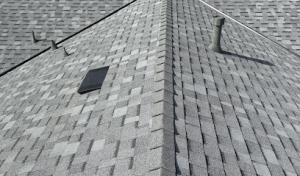
The long dry season around these foothills can hide roof weaknesses until cooler, wetter winter storms arrive. When the first winter rain hits, penetrations around skylights, vent pipes, and wall intersections suddenly expose themselves. In an older neighborhood with generations of homes, those pinhole leaks often show up at roof-to-wall transitions or where the roof meets the chimney. It's not merely surface wear; it's a calendar of deferred fixes that were tucked away during sun and Santa Ana winds and now demand immediate attention.
Newhall's climate pushes shingles, underlayment, and flashing to their limits. Valleys that should shrug off moisture may sigh under repeated winter drains, and misaligned flashing around chimneys can funnel water into attic transfers and into living spaces. Decking transitions between roof planes are especially prone to hidden rot after years of sun exposure, plus the weight and movement of older tile and shingle layouts can create micro-fractures that only show up once the rain is steady. Skylights, after years of exposure, become a favorite leak target-especially where flashing meets glass and curb or curb-less installations.
If you hear dripping in ceilings or notice staining near a wall interior during the first storms, you should treat it as an urgent warning. Start by inspecting accessible penetrations from the attic during a dry window, focusing on flashing around vents, skylights, and chimneys. Look for loose or lifted shingles or tiles at the edges, and check transitions where decking meets wall planes. Do not wait for the next rain to escalate a small issue into attic rot or mold. Schedule a focused diagnostic with a local contractor who understands hillside and older-suburban quirks, because you are dealing with more than worn surface material-it's likely a deck-to-flashing, flashing-to-chimney, or valley junction that needs attention.
In a neighborhood with established lines of older homes, preparations should concentrate on reinforcing critical junctions rather than replacing only visible surface material. Ask your roofing professional to trace water paths during a controlled leak test, paying special attention to skylight interfaces and the most vulnerable wall intersections. Because the first-rain pattern often drives emergency repairs, you want a plan in place before the rains begin, so you're not scrambling when leaks surface in mid-winter. A targeted, thorough inspection now can prevent widespread interior damage once the storms arrive.
Find contractors experienced in skylight installation, flashing, and leak repairs to bring natural light into your home.
United Roof Builders
(661) 977-7669 unitedroofbuilders.com
Serving
5.0 from 18 reviews
Install new shingle roof Install new tile roof Replace old roof shingles Install fascia boards Install new flat roof

Sylmar Roofing Installations
Serving
4.8 from 68 reviews
Sylmar Roofing Installations is your premier choice for superior roofing installations in the Sylmar area. With a team of skilled professionals, we deliver top-quality craftsmanship and attention to detail. Whether you're building a new home or replacing an existing roof, we ensure precision and excellence in our work. Using high-quality materials and advanced techniques, we create roofs that are not only structurally sound but also visually appealing. Trust Sylmar Roofing Installations for expertly executed roofing installations that enhance the protection and value of your property.

GreatWay Roofing
(661) 200-9452 www.roofingcontractorcamarillo.com
Serving
5.0 from 114 reviews
Looking for a reliable and professional roofing contractor in Valencia, CA? Look no further than GreatWay Roofing. With more than 20 years of experience, we have been proudly serving the community since 1999. As a locally and family-owned business, we understand the importance of providing exceptional customer service and workmanship from start to finish and even after the job is done. Unlike many of our competitors who are one-man shows, we have a dedicated team committed to delivering quality results and ensuring your satisfaction. Don't waste your time with unreliable contractors; choose GreatWay Roofing for all of your roofing needs. Contact us today for a free estimate.

Owen & Sons Roofing
(747) 298-7200 solutionroofingpros.com
Serving
4.8 from 61 reviews
Experience the excellence of Owen & Sons Roofing. Our skilled team of professionals is committed to delivering exceptional results that exceed expectations. With our years of experience in the industry, we offer top-quality roofing services tailored to your unique needs. From new installations to repairs and maintenance, we ensure the integrity and durability of your roof. Trust Owen & Sons Roofing for reliable and professional solutions that enhance the protection and aesthetics of your property. Experience the difference we can make for your home or business today.
Santa Clarita Roofing Experts
(661) 768-1026 santaclaritaroofingexperts.com
Serving
5.0 from 17 reviews
Transform your roofing needs with Santa Clarita Roofing Experts, your trusted partner for roofing solutions in Santa Clarita, CA. Our team is dedicated to bringing your roofing projects to life, whether it's a reliable residential roof replacement, a high-quality commercial roofing installation, roof repairs, or a custom roofing design, we can do it all. We combine expertise with the latest roofing materials and craftmanship to deliver lasting results. Santa Clarita Roofing Experts is committed to creating secure, energy-efficient, and visually pleasing roofing solutions whether that is residential roofing or commercial roofing. No one handles roofing projects better than us! Contact us today and let's turn your roofing vision into reality!
Gold Star Roofing & Exteriors
(818) 600-9289 sanfernandoroofmasters.com
Serving
4.9 from 82 reviews
Welcome to Gold Star Roofing & Exteriors, where excellence meets reliability. Our dedicated team of professionals is committed to delivering exceptional results and exceeding customer expectations. With our attention to detail and superior craftsmanship, we provide top-quality roofing and exterior services that enhance the beauty and functionality of your property. Whether it's a new roof installation or exterior renovations, trust Gold Star Roofing & Exteriors for reliable and professional solutions. Experience the difference we can make for your home or business today.

KAT Roofing
(818) 869-3191 katroofingco.com
Serving
5.0 from 13 reviews
Known Around Town Roofing Company – KAT Roofing is a trusted local contractor serving Los Angeles County with high-quality residential and commercial roofing services. From shingle and tile installations to energy-efficient silicone coating systems, our team delivers long-lasting solutions backed by expertise, integrity, and top-tier warranties. Whether it’s a small repair or a complete roof replacement, we help protect what matters most. Licensed, insured, and committed to excellence.

LA Roofing Masters
(888) 621-9378 www.roofinstallationlosangeles.com
Serving
5.0 from 13 reviews
To say you are the best roofing company in Santa Clarita CA doesn’t mean that you are really the best. Only years of experience, and countless amount of satisfied customers in Santa Clarita can prove that you are the best roofing contractor in Santa Clarita California. LA Roofing Masters can service, repair, install all types of roofs. From leaking roof repair, to complete new roof installation, we can help. Contact us for free estimate on you next roof or for same day roof repair in Los Angeles County.
Golden Valley Roofing
Serving
5.0 from 6 reviews
Roofing services Santa Clarita | Golden Valley Roofing | Roof repair Santa Clarita | Roof replacement | Roof installation | Asphalt shingles | Metal roofing | Tile roofing | Flat roofs | TPO | EPDM | Storm damage | Emergency roof repair | Licensed roofer | Free estimates | Certified contractor | Residential roofing | Commercial roofing
Granada Hills Roofing Solutions
(818) 873-2362 granadahillsroofingsolutions.com
Serving
5.0 from 29 reviews
Granada Hills Roofing Solutions delivers expert roofing services in Granada Hills, CA and nearby areas. We specialize in roof inspections, installations, repairs, and full replacements for both residential and commercial properties. Our skilled team works with all major roofing systems—shingle, metal, TPO, EPDM, slate, tile, flat, rubber, and cedar—plus advanced roof coatings and rejuvenation treatments. Whether you need routine maintenance or a brand-new roof near you, we provide durable, energy-efficient solutions with top-tier craftsmanship. Proudly serving the Granada Hills surroundings with reliable, honest roofing you can count on.
Premier Roofs SoCal
(747) 252-5850 www.premierroofsolar.com
Serving
4.9 from 18 reviews
Whether it's repairs or reroofing on shingle roofs, tile roofs, flat roofs or commercial roofs we prioritize quality materials and skilled craftsmanship to enhance your property's value and protect your investment. Our team of certified technicians are trained in the latest methods and have 25 plus years of roofing experience here in Southern California giving you the peace of mind that your home or business is well taken care of. We also offer customized solar solutions to fit your needs by collaborating with numerous local and national solar companies, enabling us to offer great deals and robust warranties to our clients.
Granada Hills Roof Masters
(818) 946-0663 granadahillsroofmasters.com
Serving
5.0 from 28 reviews
Granada Hills Roof Masters provides roofing services for residential and commercial properties throughout Granada Hills, CA and nearby San Fernando Valley communities. Services include roof repair, roof replacement, roof installation, commercial roofing, and roof inspections. With experience working on hillside homes and older Valley properties, the team understands drainage considerations, access challenges, and long-term maintenance needs. Granada Hills Roof Masters supports property owners across Granada Hills, CA with roofing services focused on durability and reliability.
Provided local cost ranges run from 350 to 700 USD per square for asphalt shingles, 700 to 1400 for metal, 1800 to 3500 for clay tile, 1000 to 2400 for concrete tile, 900 to 2800 for wood shingles or shakes, and 500 to 1000 for synthetic/composite shingles. When planning a reroof, expect the actual price to reflect roof complexity, attic ventilation, and underlayment needs. Steep foothill lots and two-story layouts push crews into tighter staging, which elevates labor time and overhead. Salvageable tile with a full tear-off often skews higher, as does replacing underlayment beneath existing systems that aren't structurally sound. In practice, the biggest cost drivers are roof angle, toe-path access, and how much of the old roof must be removed.
In Newhall, costs often rise when crews must work around steep foothill lots, two-story suburban rooflines, heavy tile tear-off, or underlayment replacement beneath salvageable tile systems. If your roof is tile and you're keeping most of the tile, you'll still face substantial labor for removal and re-layment around openings and penetrations. Asphalt shingle replacements tend to be more forgiving on access but still feel the pinch when wind barriers and debris control add time. A flatter, single-story home with intact underlayment can stay near the lower end of the ranges, while a high-profile hillside roof with complex geometry will sit well into the mid-to-upper brackets.
Seasonal timing matters locally because winter rain can delay dry-in, Santa Ana winds can disrupt staging and tear-off logistics, and extreme summer heat can slow production and material handling. If you're aiming for a spring or fall window, you'll optimize drying times and reduce the risk of wind-related delays. Roofing crews will also plan around heat-sensitive tasks like asphalt cooling and tile handling, which can affect daily progress and overall project length. Planning ahead for weather contingencies helps keep costs closer to the expected ranges and avoids rushed, error-prone work.
Choosing wind-resistant and fire-conscious materials matters here. Metal roofs offer strong wind performance and fire resistance but sit at the higher end of cost, especially on complex shapes. Clay and concrete tiles provide long durability and fire rating but require careful installation to prevent cracking with Santa Ana gusts. Synthetic shingles offer a balance of cost and resilience, but wind uplift performance varies by product line. If the goal is a durable, fire-conscious reroof for hillside homes, discuss panel profiles, fastener patterns, and wind-rated underlayment with your contractor to match the local climate realities.
Get a clear picture of your project costs upfront - no commitment required.

A full re-roof in Newhall typically requires a building permit issued through the City of Santa Clarita or Los Angeles County Building and Safety, depending on jurisdictional handling for the property. The permitting authority matters for timelines, plan review expectations, and inspection sequencing, especially on hillside lots where wildfire and wind considerations drive specific code requirements. Before any materials are ordered or crews arrive, confirm which agency issues the permit for your address and verify any site-specific constraints tied to hillside access, contractor licensing, and setbacks that could affect your installation.
Local review commonly includes product data for the proposed roofing system and flashing details rather than just a simple material swap description. Expect submittals that show wind resistance ratings, underlayment type, flashing around chimneys and skylights, roof-to-wall connections, and ventilation details. In practice, this means your contractor should prepare manufacturer installation guides, wind uplift calculations if requested, and details for rake and hip edges. Because Santa Clarita's climate combines heat, Santa Ana winds, and dry conditions that heighten wildfire risk, plan reviews often scrutinize fastener types, sealant choices, and edge detailing to ensure long-term performance and insurance compatibility.
Inspections are typically performed at underlayment and final installation stages, so scheduling in Newhall should account for inspection timing before crews close in the assembly. The underlayment inspection confirms that the roof deck is sound, properly coated, and ready for the weatherproof layer, while the final inspection verifies completion of all roofing components, flashing, penetrations, and ground-proofing measures. Wind-resistant detailing and fire-conscious features should be visibly consistent with approved plans to avoid delays or rework. Coordinate with the contractor to align delivery of materials and scaffold setup so that the critical inspection points occur on the same workday, minimizing disruption in hot Santa Ana conditions.
Your planner should build in lead time for permit review, especially when a hillside property presents access challenges or unique drainage considerations. Have copies of product data sheets, flashing details, and installation manuals ready for the plan reviewer, and ensure the chosen system has approved wind uplift and fire-resistance credentials. If possible, arrange inspections early in the workweek and notify the inspector of any site constraints, such as steep slopes or limited staging space. Keeping lines of communication open with the contractor, permit office, and building inspector helps ensure the re-roof progresses smoothly from permit approval through final sign-off.
In Newhall, conversations with insurers are shaped by California-wide pullbacks and by the region's wildfire risk, which can tilt underwriting appetite and scrutinize roof condition more closely. The foothill heat and Santa Ana exposure create unique stress on roof systems, especially on older or hillside homes. Knowing that insurance carriers respond to these pressures helps set realistic expectations about how quickly a claim might move and what documentation will matter most when a claim is opened or renewed.
After wind or hail-related events, adjusters in this market may request roof-age records, prior claim history, and photo documentation of the roof system and damaged components. Be prepared to show when the current roof was installed, any previous repairs, and clear images of broken or lifted shingles, flashing, and vent penetrations. Clear, dated photos that illustrate the roof's condition before and after the event can save time and reduce back-and-forth with the insurer.
Because local signals show meaningful insurance-claim and storm-damage activity, homeowners in Newhall should document damage immediately after Santa Ana wind events and winter storms. Quick, organized submissions can influence how the claim is evaluated, especially if the carrier is weighing wildfire risk and overall roof integrity. A concise folder with intake forms, receipts for recent work, and a simple damage log can help keep the process from stalling.
Maintain a running record that includes dates of storms, notable wind gusts, and any changes observed on the roof, such as new granule loss or heave in tiles. Record any temporary repairs made to protect the home, as these can affect the claim's scope. If contractors provide written assessments or scope of damage, keep copies reachable for the adjuster to reference during the review and potential settlement.
Connect with contractors who help homeowners navigate the claims process from damage assessment to final approval.
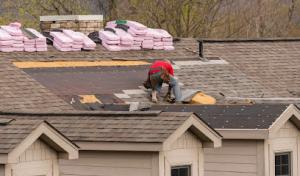
In Newhall, low-slope garage and patio roofs are common because of attached garages, patio covers, additions, and mixed-roof homes. This local demand means you'll encounter transitions between tile or shingle main roofs and flat membranes. Use durable, wind-resistant materials and flashing details that tie into the main roof to prevent leaks at the join.
These low-slope areas are especially vulnerable when long dry periods are followed by winter rain, since drainage defects may go unnoticed until the first storms. Inspect for ponding, clogged drains, and misaligned edges after the dry season; fix before wet season starts. Use mechanical fasteners rated for Santa Ana winds and secure edge details.
Transitions between tile or shingle main roofs and low-slope membranes are a locally relevant leak point because many Santa Clarita-area homes combine roof types. Plan for continuous underlayment across the transition, and ensure proper slope and ventilation for the flat section to avoid humidity buildup that can compromise underlayment.
For fire-conscious choice, select membranes with Class A fire ratings where possible, and choose reflective options to reduce heat gain in the foothill climate. Ensure chimney, vent, and skylight penetrations are weather-sealed with compatible flashing.
Practical steps: start with a professional assessment focused on drainage paths, transfer of loads to the framing, and compatibility with existing main roof materials. Ask about wind-rated flashing at edges and corners, and confirm that gutters and scuppers are sized for local storm patterns.
If a conversion is planned, consider an uninterrupted membrane from edge to edge, with reinforced corners where the low-slope meets the main roof. Choose detail orientations that shed debris and maintain drainage even on hillside sites.
Find specialists in TPO, EPDM, and built-up flat roofing systems for residential and commercial properties.

The hot inland sun in Santa Clarita Valley places extra stress on roofing, and that makes timing your reroof around any solar project especially important. If panels go on after a full reroof, crews and days-on-site can pile up, increasing labor coordination and extending the window of exposure for underlayment and sheathing. Planning ahead helps keep the roof's primary job intact while solar work occurs in a focused, efficient window.
The local contractor market includes a meaningful solar-roofing segment, reflecting homeowner interest in pairing reroof work with energy upgrades. In practice, this means reliable crews can coordinate panel layout with roof deck inspection, wind-rated underlayment, and attachment details. When a reroof is already on the schedule, you gain the option to select materials and systems that optimize both longevity and energy capture, without forcing a second, separate project later on.
On tile-heavy homes common in this area, solar planning should account for tile condition, underlayment age, and attachment details before panels are installed. A thorough roof evaluation should verify tile integrity, confirm that the underlayment is compatible with the chosen mounting method, and ensure that tile fasteners won't compromise wind resistance. If a tile repair or replacement is needed, address that prior to panel mounting to avoid rework and potential leaks.
Coordinate the reroof sequence with the solar installer to minimize transitions between trades. Favor a plan that completes the roof refresh first, then proceeds to solar mounting in a single, consolidated window. This approach reduces exposure to wind-driven debris and wildfire-related stress, while preserving the roof's fire-conscious, wind-resistant design for decades to come.
Find contractors who integrate solar panels or solar shingles into your roof for long-term energy savings.

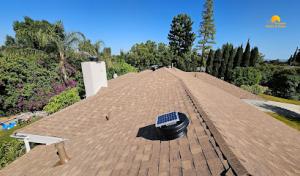
Newhall's reroof-focused contractor market means bids can vary as much in service quality as in price. When evaluating bids, compare how crews handle tear-off, daily cleanup, and fast leak response, not just the sticker price. A quick teardown with sloppy debris removal can leave you cleaning pine needles, grit, and shingle shards after every wind event. The right crew will map out a clean daily finish, including tarps for exposed valleys and clear on-site communication for any unexpected discoveries during tear-off.
Warranty coverage matters, but in practice it should be read together with what the installer actually commits to do. Some local companies advertise strong warranty terms while the installation scope is thinner than ideal. Look for written detail on what the warranty covers, who handles claims, and how quickly a contractor will respond to a leak or problem in the first storm season. If a manufacturer certification is claimed, verify which components carry that certification and whether it transfers if the contractor changes.
Established and family-run operators are common, yet homeowners also prize speed and affordability. That balance often shapes supervision quality and long-term workmanship. A contractor that can mobilize quickly but skims the finishing touches may save a day, yet leave you with cosmetic gaps or unresolved wind-driven edge issues. Conversely, a slower crew with meticulous cleanup and on-site supervision reduces future call-backs. In hillside and wildfire-prone neighborhoods, you want a crew that demonstrates consistent wind-resistency practices and a clear plan for post-installation checks, not just a promise of coverage.