Last updated: Apr 19, 2026
Santa Monica's immediate Pacific exposure means salt spray and humid marine air can accelerate corrosion at flashing, fasteners, and roof-edge metals compared with inland Los Angeles communities. In practice, that means once-a-year checks for oxidation around metal edges, step flashing at chimneys, skylines, and transitions, and a closer look at fastener heads during the wet season. Corrosion does not always show up as obvious rust; it can appear as pitting at screw heads or slight loosening of metal caps. Focus on the most exposed roof segments first: edges, rake lines, and any copper or aluminum splash strips that run along parapets or coastal-facing faces. If metal components look dull, chalky, or show peppering, plan a targeted replacement or protective coating before winter rains arrive.
Fall coastal wind events can increase wind uplift stress on roof edges and lighter assemblies, making attachment details especially important on homes exposed to ocean breezes. Pay attention to the ring of fasteners around edge clips, ridge caps, and underlayment transitions. Loose or under-driven fasteners can fail under a gusty Santa Monica afternoon, allowing moisture intrusion behind soffit and into eaves. Practical steps include re-tightening or replacing corroded or mismatched fasteners with corrosion-resistant screws designed for coastal environments, ensuring flashing bends are continuous without gaps, and confirming that underlayment laps are fully sealed. In lighter roof assemblies, consider reinforcing edge grip with continuous metal drip edge or a non-perforated Z-bar for improved hold-down during autumn wind bouts.
The city's Mediterranean pattern of dry summers and wetter winters often means hidden deterioration from long dry periods is first discovered when winter rain returns. Cracks in sealant joints, hairline breaches in underlayment, and edge rot on fascia may hide under paint and trim during the dry months. When the first winter showers arrive, look for staining at the junctions where roof meets wall, around penetrations, and along ridges where water flow concentrates. A dry spell can mask moisture issues, but the return of rain reveals soft spots and nail heads that have shifted. A practical approach is to schedule a mid-winter inspection focusing on flashings, penetrations, and the transition zones between roof and vertical surfaces. If softer wood or delamination is found behind fascia, treat early to prevent spread, and consider upgrading sealants with products proven to resist salt-laden humidity.
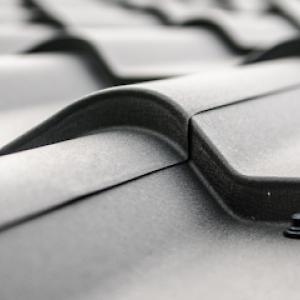
Tile and composite options bring different advantages in this coastal climate. Clay tiles resist staining and provide a classic profile near the coast, but require careful inspection of fasteners and gasket seals around all penetrations to prevent salt-induced corrosion from migrating into substrate joints. Concrete tiles offer durability and impact resistance, yet they demand attention to uniform locking patterns and proper edge fastener details to resist uplift. If choosing metal, select coatings designed for coastal environments-typically a thicker, corrosion-resistant finish with protective topcoats that fare well in salt spray. For low-slope or multifamily structures, ensure edge details, eave protection, and parapet penetrations use compatible materials that resist galvanic corrosion when in contact with contrasting metals. Wood shingles and shakes add a warm aesthetic but demand vigilant moisture management; ensure good drainage, clean drying cycles after rain, and rapid repair of any softening sheathing.
Maintenance routines should align with Santa Monica's climate rhythm. Schedule a biannual roof audit focusing on the flashings, fasteners, edge metals, and any joints where moisture can collect. After heavy rains or coastal wind events, perform a quick walkaround to identify lifted shingles, displaced tiles, or loose metal lids over vents. Clean debris from gutters and ensure scuppers and downspouts are free of salt-encrusted build-up that could trap moisture near the roof edge. If painted surfaces show accelerated chalking or peeling near the coast, address coating renewal in areas most exposed to salt spray to preserve barrier integrity.
Temporary fixes are acceptable when weather windows are brief, but prioritize permanent corrections for coastal wear. Replace corroded or loose fasteners with stainless steel or coated variants, reseal edge joints with high-performance marine-grade sealants, and re-anchor any uplift-prone details with additional clips or straps designed for wind-prone coastal environments. For degraded flashing or edge metals, consider upgrading to continuous metal weatherproofing with a corrosion-resistant finish. Regular, targeted maintenance now reduces the risk of water intrusion during Santa Monica's wetter seasons and helps preserve the roof's long-term performance against coastal conditions.
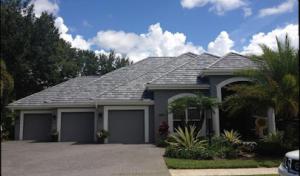
Spanish- and Mediterranean-style homes line the coast with clay and concrete tile that are as iconic as the palm-lined streets. In Santa Monica, these tile roofs are common, and their durability in mild year-round conditions is a real asset. Yet the coastal environment-salt air, marine moisture, and wind-shapes how these roofs perform. The visible tile can outlast the underlayment, so leaks often originate beneath intact-looking profiles. When you inspect a tile roof, focus on the underlayment edges, dry rot at hip and rake areas, and any signs of movement or cracking at fasteners that anchor the tiles to the deck.
Clay and concrete tiles themselves are robust, but their installation details aren't forgiving if not done with coastal moisture in mind. In Santa Monica, long-term exposure to salt air accelerates corrosion on metal flashings and fasteners. Look for loose or wobbly tiles, cracked ridge caps, and broken sash or closures around vent penetrations. The underlayment beneath the tiles is your first line of defense against moisture; if that layer fails, water can travel under the tiles, pooling or tracking to interior spaces. Pay particular attention to channels at hips and valleys, where tiles intersect with roof penetrations, as these joints are common leak paths when edges lift or sealants degrade.
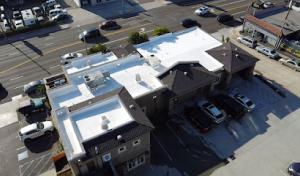
Low-slope sections on multifamily and mixed-use properties are common in local neighborhoods, and coastal moisture compounds typical trouble spots. Transitions around parapets, skylights, and chimneys are recurring leak points when flashing or sealants fail. The combination of salt-laden air and frequent humidity means that pitch is still important-even a slight slope reduction over time can let moisture linger at joints. For parapet walls, ensure counter-flashing is intact and that the top sealant is continuous and free from gaps. Skylight bases often develop leaks where the curb meets the deck; check the curb-to-deck seal and look for hairline cracks in the curb flashing after seasonal changes.
In this coastal environment, regular inspection and timely interventions prevent small issues from becoming major repairs. Clean debris from valleys and around penetrations to avoid moisture retention. Inspect sealants and flashings at all roof penetrations-vent stacks, HVAC curbs, and drain lines-at least twice a year, after the wetter months or heavy wind events. For tile roofs, look for nonvisible movement: tiles that sit unevenly or bear unusual pressure when walked upon can indicate underlying deck or underlayment issues. Keep an eye on metal components for signs of corrosion, and replace damaged flashing before leaks migrate under the tile profile.
Develop a routine: visually inspect tile field areas after winter rains and after any storm events, then schedule a professional roof inspection every few years to verify the integrity of underlayment and flashings beneath the tiles. For low-slope areas, document the condition of the parapets, skylight seals, and drainage terminations; water intrusion often travels along the deck edge before showing up on interior walls. If you notice damp patches, musty odors near ceilings, or stained drywall near skylights, treat them as urgent indicators to pinpoint and repair the corresponding penetration or transition. In tight Santa Monica spaces, proactive maintenance preserves both the aesthetic and the long-term performance of tile and low-slope roofs.
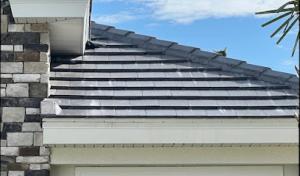
Find contractors who specialize in clay and concrete tile roofs, known for their durability and curb appeal.
Valley Vista Roofing
(424) 432-2228 valleyvistaroofing.homes
901 Santa Monica Blvd, Santa Monica, California
4.9 from 64 reviews
Economy Roofing
(310) 395-2912 economyroofing.la
2219 Main St #702, Santa Monica, California
4.9 from 62 reviews

Confirmed Roofing Experts - Roofing Contractor
(888) 576-4820 confirmedroofingexperts.com
Serving
5.0 from 127 reviews

Santa Monica Roofing Contractors
(424) 217-3627 www.santamonicaroofingcontractors.com
Santa Monica, California
5.0 from 44 reviews
Welcome to SMCA Roofing Contractors, Santa Monica's trusted source for professional roof installation and replacement. Our commitment to quality and durability places us at the forefront of roofing services in Santa Monica CA and surrounding areas. Our team of experienced roofing professionals uses only the best materials to ensure your roof is both beautiful and long-lasting. Whether you're looking to upgrade your current roof or need a new installation, we provide tailored solutions that meet the unique needs of your property. Choose SMCA Roofing Contractors for a seamless service experience and the peace of mind that comes with a secure, expertly-installed roof. Call us now for your FREE estimate!
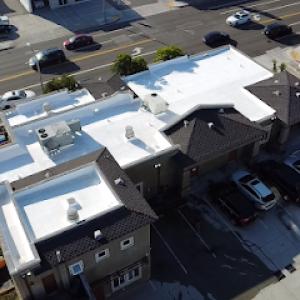
Economy Roofing
(310) 395-2912 economyroofing.la
2219 Main St #702, Santa Monica, California
4.9 from 62 reviews
Economy Roofing was founded in Santa Monica in 1947 by the Haskins family and over half a century established a reputation of providing personalize service at a fair price. In 2018, the company was acquired by Jon Ramey, a close associate of the Haskins' brothers. Jon, a life-long roofing contractor from El Segundo, carries on the legacy the Haskins family started with the help of his brother and three of his children who have also chosen careers in roofing. As of 2024, Economy Roofing operates as a registered d.b.a. of Ramey Roofing, Inc.

Confirmed Roofing Experts - Roofing Contractor
(888) 576-4820 confirmedroofingexperts.com
Serving
5.0 from 127 reviews
Welcome to Confirmed Roofing Experts, your trusted roofing contractor in Los Angeles, CA.We specialize in a wide range of roofing services including roof repair, roof install, roof replacement ,leaking roofs ,commercial roofing,roof inspection, metal roofing and more .our experienced team is here to help. As one of the top roofing companies near you, we pride ourselves on delivering quality workmanship and exceptional customer service. We understand the unique needs of Los Angeles residents and businesses, ensuring your roofing project is completed efficiently and to your satisfaction. If you are looking for a roofing contractor company near you, we are your best option. Contact us today for a free estimate and let us protect your property!
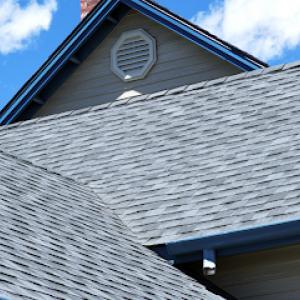
K&P Roofs
Serving
4.9 from 71 reviews
K&P Roofs is a reputable roofing company known for its commitment to excellence and customer satisfaction. With our skilled team of professionals, we specialize in providing top-quality roofing solutions tailored to your needs. Whether you require roof repairs, installations, or maintenance, we have the expertise to handle your project efficiently and effectively. We understand the importance of a well-maintained roof and utilize high-quality materials and proven techniques to ensure its durability and functionality. At K&P Roofs, we are dedicated to delivering exceptional craftsmanship and reliable service. Trust us for all your roofing needs.

Marina Roofing Services
Serving
4.8 from 60 reviews
Marina Roofing Services is your trusted partner for all your roofing needs in the Marina area. Our team of experienced professionals specializes in delivering top-quality roofing solutions. From installations to repairs and maintenance, we handle projects of any size or complexity with utmost care and expertise. We understand the importance of a well-maintained roof, and our goal is to provide you with durable and reliable roofing solutions. Using high-quality materials and advanced techniques, we ensure that your roof not only offers protection but also adds value to your property. Count on Marina Roofing Services for exceptional craftsmanship and dependable roofing services.
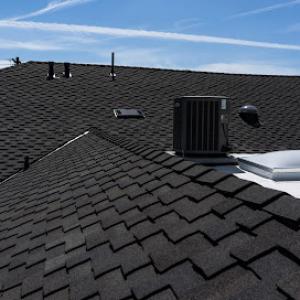
PATCH Roofing
(323) 412-8588 patch-roofing.com
Serving
4.9 from 57 reviews
At Patch Roofing, we offer a full range of roofing services, including expert roof replacement. Whether your roof is aging, severely damaged, or simply in need of an upgrade, our skilled team delivers top-notch replacement solutions to ensure your home is protected and visually appealing. We handle every aspect of the replacement process with precision and care, using high-quality materials and craftsmanship to provide a durable and attractive new roof. Trust Patch Roofing for all your roofing needs, from repairs to complete replacements.
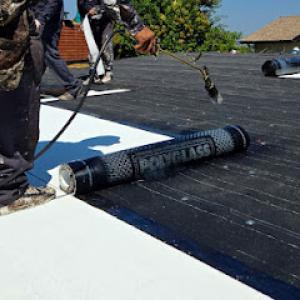
Hull Brothers Roofing & Waterproofing
(310) 553-1999 www.hullbrothersroofing.com
Serving
5.0 from 41 reviews
Established in 1928, Hull Brothers Roofing has provided Culver City and the surrounding area with expert roofing and waterproofing services for nearly a century. Their commitment to quality and longevity makes them a trusted choice for residential and commercial projects.
Denali Builders & Roofing
(855) 200-6550 denalibuildersca.com
Serving
4.9 from 149 reviews
Denali Builders & Roofing Working with mortgage holders, property directors, building engineers, building proprietors, retailers, draftsmen, schools, religious offices and general contractual workers, we offer mastery in a wide range of material and design sheet metal frameworks, from rooftop substitution to rooftop upkeep, repairs, and new development ventures. With phenomenal change happening in the construction business, now, like never before, the most imperative thought in material is “the contractual worker”. You have to work with individuals you can trust: a temporary worker whose experience attempts further bolstering your good fortune by giving you the bits of knowledge and capacities of prepared experts.

Roofing Works
Serving
4.8 from 64 reviews
Roofing Works is your go-to source for comprehensive roofing services. Our team of dedicated professionals has extensive experience in the roofing industry and is equipped to handle projects of any size or complexity. From new roof installations to repairs and maintenance, we offer a wide range of services to meet your specific requirements. Using top-quality materials and advanced techniques, we ensure that your roof is not only functional but also visually appealing. Count on Roofing Works for reliable and expertly executed roofing solutions.
Solid Culver City Roofs
(424) 396-0002 roofingsuperior.site
Serving
4.9 from 78 reviews
Welcome to Solid Culver City Roofs, your trusted partner for reliable and professional roofing services. Our skilled team of professionals is committed to delivering outstanding results and exceeding customer expectations. With our extensive knowledge and expertise, we provide top-quality roofing solutions that enhance the functionality and aesthetics of your property. Whether it's a new installation or repair, we ensure the integrity and durability of your roof. Trust Solid Culver City Roofs for exceptional craftsmanship, attention to detail, and reliable service. Experience the difference we can make for your property today.

Modern Roofing
(818) 875-5993 modernroofing.net
Serving
4.7 from 255 reviews
With over 20-years of providing high-quality roofing services in Southern California, Modern Roofing is a premier specialty Burbank roofing contractor bringing tremendous value to your home for generations to come.

Roof Pros
Serving
4.8 from 93 reviews
Roof Pros is a leading provider of professional roofing services. With our team of skilled roofers, we offer a wide range of solutions to meet your roofing needs. From installations to repairs and replacements, we deliver high-quality workmanship and exceptional service. We understand the importance of a well-maintained roof for the protection of your property. With our expertise and commitment to excellence, Roof Pros ensures reliable and long-lasting roofing solutions. Trust us for all your roofing requirements.
In Santa Monica, the mild temperatures extend the annual installation window compared with colder climates, so homeowners are less constrained by freeze conditions. That extra flexibility means you can target mid-spring or fall without rushing before winter-but the benefit still hinges on consistent dry spells. A typical coastal season often rides on a few long stretches of dry weather, so mark your calendar around those predictable patterns rather than chasing the hottest day. If the roof project relies on tear-off, plan for a block of consecutive dry days rather than a single fine day, and align with a contractor who can commit to that window.
Winter rainfall can still interrupt tear-off schedules and expose decking if projects are started without a stable weather window. When a storm rolls through, tarps and temporary protections buy time, but extended wet periods can soften underlayment work and expose the attic or decking to moisture infiltration. In this market, a rain event isn't just a delay; it shifts the sequence from removal to temporary protection and re-prioritizes inspections of flashing and roof edge details. Build in a contingency of a few missed days for each planned week, and communicate a revised target window promptly if a storm is forecast.
Because the city does not have severe summer heat shutdowns typical of desert markets, scheduling often depends more on contractor backlog and winter rain risk than temperature extremes. A tight backlog means you may wait longer for a preferred crew, even when the weather is fine. Expect some variability in start dates as crews juggle multiple coastal properties with similar exposure to salt air and wind. Coordinate with your contractor to lock in a preferred week early, but stay flexible enough to shift if a nor'easter or seasonal showers loom.
Start by choosing a window that follows a dry spell of at least three days, and confirm a rain-free forecast for that period. Request a firm start date and a written plan that includes decking protection, edge flashing precautions, and staging layout to minimize deck and landscape damage from wind or runoff. Have a backup window in mind a couple weeks later, in case a storm interrupts the initial plan. Communicate with neighbors about access, debris control, and any temporary security measures during tear-off and disposal. After completion, schedule a brief follow-up to verify vents, solar penetrations, and fascia flashing remained intact through the season's marine exposure.
Get a clear picture of your project costs upfront - no commitment required.
Santa Monica Roofing Contractors
(424) 217-3627 www.santamonicaroofingcontractors.com
Santa Monica, California
5.0 from 44 reviews
Confirmed Roofing Experts - Roofing Contractor
(888) 576-4820 confirmedroofingexperts.com
Serving
5.0 from 127 reviews
In Santa Monica, material prices sit within a predictable range, but coastal realities push some costs higher. Asphalt shingles generally run about 350 to 700 USD per square. Metal roofs sit between 800 and 1500 USD per square, reflecting the need for corrosion-resistance and longer lifespans near the ocean. Clay tile often lands 1000 to 2800 USD per square, while concrete tile clocks in around 900 to 2000 USD per square. Wood shingles or shakes are typically 800 to 1500 USD per square, and synthetic or composite shingles range from 600 to 1000 USD per square. These ranges help set expectations for both single-story homes and multifamily projects with mixed roof types.
Costs in this coastal climate are frequently pushed up by durability requirements. Flashings, fasteners, and accessories near the ocean must resist salt air and higher humidity, which means corrosion-resistant materials and more robust detailing. It's not just the panel price; the labor to install or replace corrosion-resistant components adds up, especially on tile roofs with long runs and intricate hips, or on low-slope sections that demand careful flashing and deck protection.
The city's mix of older homes and tile roof architecture means jobs often require more tear-off, deck repairs, and detail work than a straightforward inland shingle replacement. When a roof has clay or concrete tiles, expect longer installation timelines and higher labor costs due to handling delicate pieces, re-nailing tile battens, and ensuring proper drainage and venting. Low-slope sections-common on multifamily and some commercial buildings-raise costs further because those areas need upgraded underlayment, stronger flashing assemblies, and precise alignment to prevent coastal moisture ingress.
For a homeowner replacing a roof or upgrading materials, use the stated ranges as a ceiling for material costs and then add a workmanship buffer for coastal detailing. If choosing tiles, budget for extra labor on deck repairs and precise flashing around penetrations. When comparing bids, ask how each contractor handles salt air corrosion-specifically flashings, fasteners, and sealants-and how they protect vulnerable edges and penetrations. Synthetic options can offer cost savings with solid coastal performance, but confirm warranty terms against salt-related wear.
Permits and local approvals are a reality for a full reroof in this coastal climate, where salt air, marine moisture, and steady Santa Ana breezes shape both material choice and long-term performance. A full reroof with replacement typically requires a permit in Santa Monica through the City of Santa Monica Building & Safety division. This means planning around inspection windows, setbacks for work hours, and the possibility of field changes if the project encounters structural or code-related questions during tear-off and installation. Approvals are not a box to check and forget; they set the framework for safe venting, proper underlayment, and proper substrate treatment against coastal moisture intrusion.
Before any new material goes on, the tear-off is more than a demolition step. The city requests that a correct sequence be followed, with a plan that addresses wind uplift, flashing transitions at roof-to-wall interfaces, and corrosion-resistant fasteners suited to the salty environment. Because Santa Monica roofs sit in a damp, slightly salty air zone, the Building & Safety division scrutinizes details that affect long-term durability-such as substrate ventilation, proper drainage, and the ability to meet seismic requirements. Expect coordination with a licensed contractor who understands coastal standards and can present a complete package for permit review. If the plan shows a tile or shingle system for a tile-heavy coastal district, the inspector will want to see compatible underlayment and approved fasteners designed for high-humidity exposure.
Inspections are commonly performed during tear-off and again after installation to verify compliance with the California Building Code and local amendments. In Santa Monica, inspectors look closely at flashing details around chimneys, vents, eaves, and transitions, ensuring that salt exposure won't corrode critical joints or cause moisture ingress. The post-installation review confirms that fasteners and sealants maintain their integrity under coastal winds and that roofing components resist wind-driven rain. Any discrepancies found during these checks can trigger corrections, which may delay the project and push the closeout timeline if the installation details do not match approved requirements.
Homeowners should expect possible field corrections, which can affect timeline and final closeout if installation details do not match approved requirements. In a coastal setting, inspectors may request adjustments to integration with existing parapets, edge metal, or roof-to-wall transitions to address salt-air corrosion risks or unusual roof geometry common on older Santa Monica homes. Because amendments can cascade into rework and redocumentation, engaging a contractor who maintains open communication with Building & Safety and who labels every step against the permit is a practical safeguard. Clear, anticipatory planning for potential corrections helps manage disruption and keeps the reroof on track within Santa Monica's distinctive coastal conditions.
California's changing homeowners insurance market affects Santa Monica owners even though the city is coastal, with carriers increasingly focused on roof age, material type, and maintenance records. The combination of marine salt air, frequent coastal winds, and a mild year-round climate means insurers see a broad range of roof conditions as either durable or problematic based on recent maintenance habits and the roof's age. Expect carriers to scrutinize not just the roof itself, but the overall upkeep of the building, drainage around the parapet, and evidence of timely maintenance.
Adjusters may ask Santa Monica homeowners for photos, product information, prior claim history, and warranty documents when evaluating roof-related losses. Gather high-detail images of the roof from multiple elevations, especially of any flashing, hips, ridges, and skylights. Keep receipts or catalogs showing the exact material type, manufacturer, and installation date, along with current warranties. If a leak has occurred before, have prior claim notes handy, so the adjuster can see how repairs were addressed. This documentation helps establish the roof's condition at the time of loss and can influence the scope of coverage.
Older roofs and certain roof types may face coverage limitations, making pre-loss documentation especially important before winter leak season. In areas where salt air accelerates corrosion or where wind-driven rain tests sealant integrity, insurers may tighten coverage or set higher deductibles for aged systems. If your roof combines coastal exposure with a long service life, prepare a concise record of recent maintenance, last replacement dates for critical components (underlayment, flashing, vent pipes), and any retrofits that improve resilience. Such records can smooth the claim process when questions arise.
Before winter, conduct a thorough, daylight inspection focusing on exposed fasteners, rust spots, and any signs of moisture intrusion around hips, valleys, and flashings. Maintain a running file of maintenance work, repairs, and upgrades tied to the roof system, plus copies of warranty documents. When in doubt, reach out to a local roofing professional who understands how coastal conditions here affect material performance and claim outcomes. Being organized can prevent a simple claim from turning into a coverage dispute.
Connect with contractors who help homeowners navigate the claims process from damage assessment to final approval.
Valley Vista Roofing
(424) 432-2228 valleyvistaroofing.homes
901 Santa Monica Blvd, Santa Monica, California
4.9 from 64 reviews
Confirmed Roofing Experts - Roofing Contractor
(888) 576-4820 confirmedroofingexperts.com
Serving
5.0 from 127 reviews
The sunny climate supports rooftop solar, but every added penetration increases the importance of proper flashing and waterproofing at attachment points. When planning panels, pair the array layout with your roof geometry to minimize ballast or racking near existing vents, tile edges, or curbs. In tile sections, ensure the mounting system interfaces with high-quality sealant and a continuous secondary drainage path to avoid water backup at fasteners. On low-slope portions, check that the underlayment is intact and capable of shedding winter moisture without relying on surface sloping alone. Schedule a thorough inspection after installation to verify flashings around conduit entries and the solar inverter cabinet, and request a mock-up of the seal around any penetrations from the installer.
Skylights are a meaningful local service category, and in wet winter patterns they often become leak sources when seals, curbs, or surrounding flashing age. When existing skylights are present, assess the curb detail for cracks, uplift resistance, and whether the flashing was integrated with the roof deck's slope. If a skylight sits on tile, ensure the counterflashing overlaps properly and that the tile course near the curb remains intact. For new skylights, choose curb height and curb flashing that align with the roof's texture-tile roofs benefit from tile-compatible flashing and a ventilated flashing channel to prevent moisture buildup behind the curb. Regular interval checks after seasonal rains help catch sealant degradation before it starts leaking into living spaces.
Homes combining tile or low-slope sections with solar and skylights require careful transition detailing rather than one-size-fits-all repair methods. Pay close attention to how the roof transitions from a curved tile plane to a flat solar array or a skylight curb. Use compatible sealants and flashing membranes that can handle both the salt-laced coastal air and the occasional heavy coastal mist. At joints where materials meet, install continuous edge terminations and ensure the surrounding flashing remains watertight after wind-driven rain events. If any transition shows signs of movement, readdress it promptly to prevent leaks from exploiting the seam.
Find contractors who integrate solar panels or solar shingles into your roof for long-term energy savings.