
Last updated: Apr 19, 2026
Venice sits directly on the Santa Monica Bay shoreline, so roofs near the beach face regular marine layer moisture and salt-laden air that can shorten the life of exposed metal flashings, fasteners, vents, and edge details. This means metal components that would last a decade in inland areas may corrode sooner here, and fasteners can loosen or seize more quickly. Pay extra attention to any edge metal, hip/ridge details, and seam closures where salt spray can accumulate. When inspecting, look for white or greenish oxidation, surface pitting, or thin, chalky sealant around flashings. If you spot staining at drip edges or along rake tails, treat it as a sign that moisture and salt are inching into the system.
The neighborhood's frequent morning fog and cool marine influence can keep roof surfaces damp longer than inland Los Angeles areas, which makes small flashing and penetration defects more likely to show up as persistent leaks rather than one-time storm failures. Small gaps around a vent boot, a cracked sealant bead, or a loose fastener can stay damp and harbor micro-leaks that loom larger after several humid days. In practice, this means you should not wait for a heavy rain to test those joints. A slow-drip from a cracked flashing seam or a sagging edge seal often reveals itself after several foggy mornings when the roof remains damp. Prioritize dry, repeated resealing of small penetrations and re-secure any suspect flashing before the fog season intensifies.
Venice's mix of older cottages and remodeled homes means many roofs have legacy metal components or transitions where corrosion and sealant breakdown show up first around valleys, skylights, and wall intersections. Valleys patterned with metal, seam-to-wall transitions, and old skylight flashings are common failure zones. Inspect for corrosion at hinge points, rivets, and the lower edge of metal valley liners. Where two roof planes meet a wall, check the through-fastened screws for rust or loosening. If sealant around those intersections has become brittle or cracked, the risk of water intrusion rises, especially during marine fog cycles when dampness concentrates at transitions.
Persistent damp patches near valleys after several foggy days, staining or corrosion at edge metal, or a slow drip at wall intersections are all signals to inspect more closely. In homes with older metal components, the first indicators often appear as ongoing dampness rather than an outright storm leak. Addressing these defects early, with a focus on corrosion control and reliable sealing at transitions, helps extend roof life in this coastal environment.
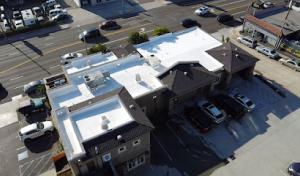
This neighborhood features a dense mix of contemporary infill and architect-designed homes with low-slope or flat roof sections, especially on narrow lots where rooftop decks and clean parapet lines are common. The maritime climate-salt air, fog, and coastal moisture-pounds these roofs differently than steeper, traditional styles. When a flat roof sits under a deck, solar array, or multiple penetrations, trouble compounds quickly. If any edge or transition detail starts to fail, water finds its way into concealed spaces and can travel along stringers or parapets before you notice a damp patch on a living area ceiling. In this tight inventory of space, a single leak can threaten both structure and outdoor living zones.
On these Venice-style rooflines, drainage details at scuppers, internal drains, parapet caps, and deck transitions are often more critical than the field membrane itself. A small misalignment at a parapet cap or a missed seal around a deck-to-roof transition can trap moisture and direct it toward interior finishes. Pay close attention to the condition of sealants at coping, fastener corrosion near salt spray, and the slope continuity from deck edge to drainage point. If scuppers are partially blocked or if deck membranes terminate too high above the primary drainage path, you'll see standing water after a rain or fog event-exactly what accelerates deck delamination and substrate rot. In practice, insist on a continuous, unclogged drainage path that prioritizes gravity-driven flow away from the interior envelope, with accessible cleanouts for routine maintenance.
Because many Venice properties maximize lot coverage and outdoor living space, leak tracing can be complicated by roof decks, solar equipment, and multiple penetrations concentrated on limited roof area. When a leak is suspected, start at the highest point of penetration and work outward along the deck plane toward the closest drainage path. Do not assume the moisture pool on a ceiling is directly above the visible stain; heat, wind-driven rain, and deck joints can push water across large portions of the roof. Pay special attention to junctions where deck membranes meet parapets, where penetrations through the parapet crown, and where expansions joints exist around movement-heavy areas. A thorough investigation prioritizes localized sources but remains mindful of how hidden conduits and ballast loads can misdirect water.
Inspect parapet caps for cracks or loose mastic, especially near coastal spray lines. Check deck-to-roof transitions for consistent flashing and a seamless membrane lap. Use a flashlight and mirror during daylight to spot hairline separations at joints and around penetrations, then schedule a targeted repair before a small issue becomes a widespread interior leak. For high-traffic decks, consider upgrading drainage crowns and ensuring compliant slope toward scuppers to keep rainwater from lingering on the surface. In a setting where roof decks are an integral feature, proactive, detail-first maintenance is the best defense against costly, disruptive surprises.
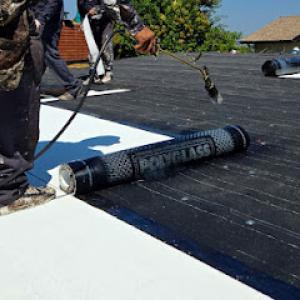
Find specialists in TPO, EPDM, and built-up flat roofing systems for residential and commercial properties.

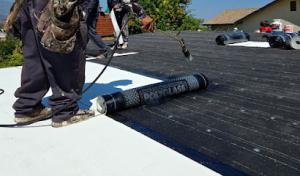
Hull Brothers Roofing & Waterproofing
(310) 553-1999 www.hullbrothersroofing.com
Serving
5.0 from 41 reviews

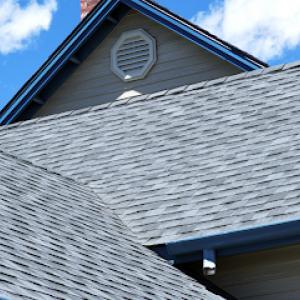
K&P Roofs
Serving
4.9 from 71 reviews
K&P Roofs is a reputable roofing company known for its commitment to excellence and customer satisfaction. With our skilled team of professionals, we specialize in providing top-quality roofing solutions tailored to your needs. Whether you require roof repairs, installations, or maintenance, we have the expertise to handle your project efficiently and effectively. We understand the importance of a well-maintained roof and utilize high-quality materials and proven techniques to ensure its durability and functionality. At K&P Roofs, we are dedicated to delivering exceptional craftsmanship and reliable service. Trust us for all your roofing needs.

Marina Roofing Services
Serving
4.8 from 60 reviews
Marina Roofing Services is your trusted partner for all your roofing needs in the Marina area. Our team of experienced professionals specializes in delivering top-quality roofing solutions. From installations to repairs and maintenance, we handle projects of any size or complexity with utmost care and expertise. We understand the importance of a well-maintained roof, and our goal is to provide you with durable and reliable roofing solutions. Using high-quality materials and advanced techniques, we ensure that your roof not only offers protection but also adds value to your property. Count on Marina Roofing Services for exceptional craftsmanship and dependable roofing services.
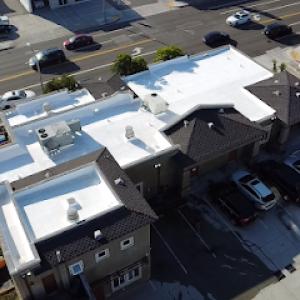
Economy Roofing
(310) 395-2912 economyroofing.la
Serving
4.9 from 62 reviews
Economy Roofing was founded in Santa Monica in 1947 by the Haskins family and over half a century established a reputation of providing personalize service at a fair price. In 2018, the company was acquired by Jon Ramey, a close associate of the Haskins' brothers. Jon, a life-long roofing contractor from El Segundo, carries on the legacy the Haskins family started with the help of his brother and three of his children who have also chosen careers in roofing. As of 2024, Economy Roofing operates as a registered d.b.a. of Ramey Roofing, Inc.

Santa Monica Roofing Contractors
(424) 217-3627 www.santamonicaroofingcontractors.com
Serving
5.0 from 44 reviews
Welcome to SMCA Roofing Contractors, Santa Monica's trusted source for professional roof installation and replacement. Our commitment to quality and durability places us at the forefront of roofing services in Santa Monica CA and surrounding areas. Our team of experienced roofing professionals uses only the best materials to ensure your roof is both beautiful and long-lasting. Whether you're looking to upgrade your current roof or need a new installation, we provide tailored solutions that meet the unique needs of your property. Choose SMCA Roofing Contractors for a seamless service experience and the peace of mind that comes with a secure, expertly-installed roof. Call us now for your FREE estimate!

Confirmed Roofing Experts - Roofing Contractor
(888) 576-4820 confirmedroofingexperts.com
Serving
5.0 from 127 reviews
Welcome to Confirmed Roofing Experts, your trusted roofing contractor in Los Angeles, CA.We specialize in a wide range of roofing services including roof repair, roof install, roof replacement ,leaking roofs ,commercial roofing,roof inspection, metal roofing and more .our experienced team is here to help. As one of the top roofing companies near you, we pride ourselves on delivering quality workmanship and exceptional customer service. We understand the unique needs of Los Angeles residents and businesses, ensuring your roofing project is completed efficiently and to your satisfaction. If you are looking for a roofing contractor company near you, we are your best option. Contact us today for a free estimate and let us protect your property!
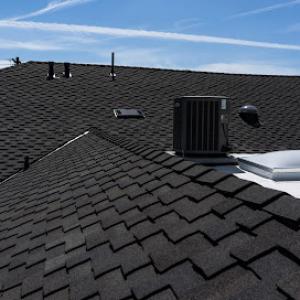
PATCH Roofing
(323) 412-8588 patch-roofing.com
Serving
4.9 from 57 reviews
At Patch Roofing, we offer a full range of roofing services, including expert roof replacement. Whether your roof is aging, severely damaged, or simply in need of an upgrade, our skilled team delivers top-notch replacement solutions to ensure your home is protected and visually appealing. We handle every aspect of the replacement process with precision and care, using high-quality materials and craftsmanship to provide a durable and attractive new roof. Trust Patch Roofing for all your roofing needs, from repairs to complete replacements.
Hull Brothers Roofing & Waterproofing
(310) 553-1999 www.hullbrothersroofing.com
Serving
5.0 from 41 reviews
Established in 1928, Hull Brothers Roofing has provided Culver City and the surrounding area with expert roofing and waterproofing services for nearly a century. Their commitment to quality and longevity makes them a trusted choice for residential and commercial projects.

Roof Pros
Serving
4.8 from 93 reviews
Roof Pros is a leading provider of professional roofing services. With our team of skilled roofers, we offer a wide range of solutions to meet your roofing needs. From installations to repairs and replacements, we deliver high-quality workmanship and exceptional service. We understand the importance of a well-maintained roof for the protection of your property. With our expertise and commitment to excellence, Roof Pros ensures reliable and long-lasting roofing solutions. Trust us for all your roofing requirements.

Roofing Works
Serving
4.8 from 64 reviews
Roofing Works is your go-to source for comprehensive roofing services. Our team of dedicated professionals has extensive experience in the roofing industry and is equipped to handle projects of any size or complexity. From new roof installations to repairs and maintenance, we offer a wide range of services to meet your specific requirements. Using top-quality materials and advanced techniques, we ensure that your roof is not only functional but also visually appealing. Count on Roofing Works for reliable and expertly executed roofing solutions.
Alvarez Pro Roofing
Serving
5.0 from 47 reviews
Alvarez Pro Roofing, located in Inglewood, CA, is your premier choice for professional roofing solutions. Specializing in a comprehensive range of roofing services, our skilled team is dedicated to delivering quality craftsmanship and reliable results. We are committed to protecting your home with durable and aesthetically pleasing roofing, ensuring every project is completed with the utmost precision and care. Trust Alvarez Pro Roofing for all your roofing needs, where excellence is always our top priority.

Roofing Precision El Segundo
Serving
4.8 from 73 reviews
Roofing Precision El Segundo specializes in delivering precise and reliable roofing solutions. Our team of skilled professionals has the experience and expertise to handle roofing projects of any size or complexity. We pride ourselves on attention to detail and precision in every aspect of our work. From installations to repairs and maintenance, we offer comprehensive services tailored to your specific needs. Using advanced techniques and high-quality materials, we ensure that your roof is built to perfection. Count on Roofing Precision El Segundo for precise and dependable roofing solutions.
Solid Culver City Roofs
(424) 396-0002 roofingsuperior.site
Serving
4.9 from 78 reviews
Welcome to Solid Culver City Roofs, your trusted partner for reliable and professional roofing services. Our skilled team of professionals is committed to delivering outstanding results and exceeding customer expectations. With our extensive knowledge and expertise, we provide top-quality roofing solutions that enhance the functionality and aesthetics of your property. Whether it's a new installation or repair, we ensure the integrity and durability of your roof. Trust Solid Culver City Roofs for exceptional craftsmanship, attention to detail, and reliable service. Experience the difference we can make for your property today.
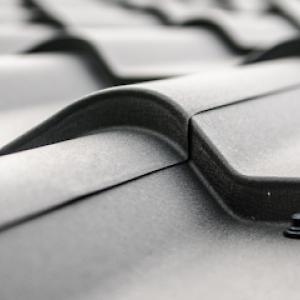
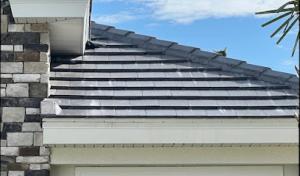
Venice housing stock leans toward Spanish and Mediterranean-influenced designs, where clay or concrete tile remains a common reroofing choice alongside asphalt, metal, and newer composite products. That blend is not a aesthetic preference alone; tile roofs bring longevity in a climate marked by marine fog, salt air, and occasional coastal winds. In this coastal context, clay and concrete tiles are typically paired with durable underlayment and careful flashing details to resist moisture migration from the deck to the attic. When a tile roof is properly designed and maintained, the rhythm of barrel or flat tiles can shed mist and rain with minimal water intrusion, while still delivering the classic character that defines the neighborhood.
Mixed-material roofscapes are common in remodels, where a main tile roof may connect to low-slope additions, detached garages, or modern rear structures that require careful transition detailing. Where tile meets a low-slope addition, edge details become critical: the transition should prevent capillary rise and ensure watertight seam integrity without compromising the visual flow. In practice, expect stepped flashing, complementary underlayment thicknesses, and carefully matched fastener patterns so that the roof reads as a cohesive whole rather than a patchwork. When a detached garage or rear structure uses metal, asphalt, or composite products, the goal is to align the free edges and eave lines to minimize wind-driven uplift risks and moisture traps at the interface. A well-planned transition often employs a staggered or integrated drip edge, with dedicated ice-and-water shield coverage where the roof meets wall assemblies or parapets.
Near the coast, tile roofs can outlast many coverings structurally, but the underlayment and metal accessories beneath them often become the real replacement trigger. The underlayment facing the tropic-like humidity and salt exposure must be robust enough to handle repeated cycles of wetting and drying. In Venice, a high-quality synthetic or graphite-modified underlayment paired with corrosion-resistant metal components-flush-fitting gutters, starter courses, and flashing-extends the roof's effective life. Overburdened or undersized metal accessories can become the weak link, particularly where salt spray concentrates at hip-and-valley junctions or along roof-to-wall transitions. Look for continuous, well-sealed metal transitions that resist corrosion and local uplift forces, and ensure that all penetrations through tile are sealed with corrosion-resistant flashings.
Maintenance priorities for tile and mixed roofs in this coastal climate center on moisture management and materials compatibility. Inspect for cracked or displaced tiles after storms or strong winds, as broken pieces can let moisture into the attic space and rotting of sheathing can begin long before a visible sag appears. Check the condition of valley metal and apron flashing where tile meets flat surfaces-these are common failure points if neglected. When remodeling, plan for a unified approach that respects the tile's footprint while incorporating modern weatherproofing techniques in low-slope additions. Finally, keep an eye on the coastal fog cycle, which can dampen underlayment and accelerate wear on any wood or fabric components surrounding the tiles. A proactive approach keeps the tile's aesthetic intact while preserving the structural envelope against Venice's unique marine environment.
Find contractors who specialize in clay and concrete tile roofs, known for their durability and curb appeal.
Rain events in Southern California follow a predictable arc: dry summers give way to wetter winters, and Venice reroof planning hinges on that rhythm. The tendency for marine fog and salt air to linger can push moisture deeper into roof assemblies, especially on older homes with aging underlayment and flashing. If a roof has deferred maintenance from previous seasons, winter storms will reveal and magnify those weaknesses. You may notice slower dry-out between downpours, and that lingering damp can spread into sheathing or attic spaces even after the rain stops. The key is to treat the rainy season as a signal to inspect critical weather barriers-valleys, hips, and joints-and to address any soft spots or rusted metal flashings before next year's storms arrive.
Spring wind events in the Los Angeles coastal basin pack enough force to loosen tiles, lift shingles, and nudge fasteners loose. Hail, while not a daily threat, still poses a risk to clay or concrete tiles and to newer synthetic options that may be installed on mixed-era roofs. In practice, this means that a roofline with imperfect sealants or compromised edge details is more vulnerable to wind-driven movement. After a storm, look for displaced granules, lifted edges, or micro-movement at ridge lines. If you notice it, don't delay-wind can uncouple components that once seemed secure, and even small gaps can channel moisture inward during the next round of rain.
Because marine influence slows drying, storm-related moisture intrusion can continue after the weather clears if underlayment or flashing was already compromised. You'll want to prioritize a targeted post-storm assessment: inspect the attic for condensation patterns, check flashing along dormers and chimneys, and verify that the drip edge and fascia are intact. In practice, this means addressing any signs of water staining, a spongy feel in decking, or soft spots promptly. Immediate attention prevents small leaks from becoming widespread interior damage when the next round of rain arrives.
Find local contractors experienced in assessing and restoring roofs after hail, wind, and severe weather events.
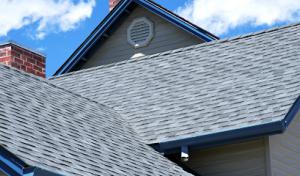
In this coastal neighborhood, rooftop life plays out against marine fog, salt air, and pounded weather from coastal storms. That combination wears flashing, underlayment, and fasteners faster than a dry inland climate. When a roof is picked apart for replacement, expect more detailed work around cap flashing, chimney counters, skylights, and vent stacks. The salt content in the air can accelerate corrosion on metal components and accelerate granule loss on asphalt, so your contractor may allocate more time to component inspection and selective replacement of soffits, drip edges, and fascia. The result is a project that costs more per square than a straightforward suburban install, particularly on lower-slope or architecturally customized stacks found in Venice's dense stock.
Venice costs are influenced by tight lot lines, limited street parking, alley access constraints, and dense residential surroundings that can make tear-off, material staging, and debris hauling more labor-intensive than in lower-density neighborhoods. Expect narrower access paths, with crews using small equipment and careful maneuvering to avoid neighbors' property and street congestion. This translates to longer project durations and higher labor charges, especially when tarping, debris containment, and haul-off require shifting through alleyways or coordinating with adjacent properties. If your reroof involves multiple roof planes or unusual transitions, the staging plan becomes as critical as the material choice.
The area's mix of low-slope modern roofs, tile systems, and architecturally customized remodels can increase detail work and accessory replacement compared with straightforward suburban gable roofs. Tile and metal systems merit a closer look at flashing around transitions, edge treatments, fastener corrosion resistance, and sealant longevity. Expect additional costs for matching existing tile profiles, color, and textures, or for specialty underlayments designed to resist coastal moisture. A simple, flat re-shingle might still require attic ventilation upgrades or insulation checks to prevent future condensation issues in a damp climate.
Dry-season demand can push scheduling pressure because homeowners often prefer to reroof before winter rains, especially when coastal wear has already exposed flashing or underlayment issues. If a contractor anticipates a busy window, you may see a premium for expedited service or a tighter crew schedule. Conversely, a slower season can reduce labor rates but extend exposure to salt-laden winds during the project. Planning ahead with a contingency for weather gaps helps keep the project on track and avoids last-minute material substitutions that don't match the existing aesthetic.
Typical cost ranges reflect the local mix of materials and complexity. Asphalt shingles run roughly from 350 to 800 USD per square, while metal roofing sits around 900 to 1700 USD per square. Clay tile projects span 1200 to 2600 USD per square, with concrete tile at 1000 to 1900 USD per square. Synthetic/composite shingles are about 450 to 900 USD per square, and slate can range from 1600 to 3500 USD per square. In neighborhoods with high-detail tile work or custom architectural features, add a premium for matching profiles and colors to the surrounding structures.
Get a clear picture of your project costs upfront - no commitment required.

Santa Monica Roofing Contractors
(424) 217-3627 www.santamonicaroofingcontractors.com
Serving
5.0 from 44 reviews
Confirmed Roofing Experts - Roofing Contractor
(888) 576-4820 confirmedroofingexperts.com
Serving
5.0 from 127 reviews
For reroof projects in this area, the permit process is handled through the City of Los Angeles Department of Building and Safety (LADBS), not a separate local roofing office. The homeowner should expect the contractor to be the primary permit applicant, with the city's desk guiding the review, approvals, and any required documentation. This setup reflects the urban fabric here, where remodels and mixed roof assemblies are common and financial and structural details can influence the permit path.
In typical Venice reroofing jobs, inspections are staged to align with the installation sequence. The contractor commonly arranges inspections during the active work and again at final. If the scope includes structural changes to the roof, an added review may be triggered, potentially introducing another inspection or plan check. Keeping the inspection calendar in sync with the workflow helps avoid delays and ensures the team meets the City's expectations for safety and code compliance.
The contractor usually pulls the permit, coordinates with LADBS, and communicates inspection windows to the homeowner. A transparent line of communication helps manage the timeline, especially in this coastal climate where remodel-driven changes are frequent. If additional work arises-such as upgrading seismic fasteners or replacing underlayment to address salt and moisture exposure-these changes may require updated plan review and revised inspection orders.
Processing time can vary by project complexity, which matters in this locale where mixed roof assemblies and coastline-adjacent conditions frequently shape scope. Permitting can ebb and flow with remodel-driven design decisions, material substitutions, or adjustments to ventilation and drainage. Homeowners should anticipate some fluctuation and coordinate with the contractor to avoid overlapping inspections or missed approvals as the scope evolves.
California's unsettled homeowners insurance market affects you directly, and carriers pay close attention to roof age, maintenance history, and visible condition when underwriting or renewing policies. In coastal neighborhoods along the strand, insurers are especially attuned to salt exposure, corrosion, and prior repair patterns. The message is plain: a well-documented roof history can influence coverage decisions, premiums, and claim handling. Be prepared to answer questions about anchor points, flashing upgrades, and known leaks, and expect closer scrutiny if the roof system is nearing the end of its expected life.
For Venice homes near the coast, insurers may scrutinize corrosion, deferred maintenance, and prior leak history rather than treating every problem as sudden storm damage. The marine environment accelerates wear on metal components, fasteners, and underlayment, and a single visible issue can cascade into a broader claim assessment. If a claim arises after a winter rain event, the insurer may look for long-standing maintenance gaps or repeated, similar issues rather than a one-off failure. Clear documentation of repairs and routine upkeep helps distinguish wear from incidental damage.
Detailed photo records before and after winter rain events are especially useful in Venice because marine exposure can blur the line between long-term wear and a newly claimable loss. Photos should capture roof condition, flashings, gutters, vent boot installations, and any signs of moisture intrusion. Keep dated images organized by season and incident, and pair them with notes on previous repairs and contractor work. In conversations with adjusters, these visuals can ground supportable conclusions about what existed before a triggering event and what followed.
Connect with contractors who help homeowners navigate the claims process from damage assessment to final approval.