
Last updated: Apr 19, 2026
Inglewood homeowners face a two-part weather pattern that relentlessly tests roofs. Winter storms arrive with cadence, exposing leak paths where water can travel from shallow breaches to living spaces below. Then fall Santa Ana winds snap into gear, lifting edges, dislodging shingles, and hurling debris across roof surfaces with enough force to gouge vulnerable areas. This seasonal duet means your roof must be prepared for both persistent moisture intrusion and gust-driven damage that can create a domino effect across valleys, penetrations, and flashing details.
The city's long dry season often hides underlayment deterioration from view. It's not until the first meaningful winter rains arrive that active leaks surface around valleys, around penetrations, at skylights, and where wall flashings meet siding. Those early rain events reveal the weakest links, and neglecting them now can lead to costly, rapid deterioration as moisture wicks into sheathing and framing. If you've been counting on a dry spell to "wait and see," the moment rain returns will remind you that weathered underlayment never loses its bite.
Marine humidity and salt-laden air complicate the story further. Even without severe winter cold, metallic flashings, fasteners, and rooftop accessories can gradually corrode in this coastal-influenced zone. The result is slower, stealthier failures that creep up year after year, often starting as tiny leaks that grow into visible staining after a few wet seasons. This isn't theoretical-it's a real pattern that Inglewood roofs contend with if attention isn't paid to the corrosion-prone components and their fasteners.
As soon as the first winter drizzle arrives, you should inspect around every valley and along all roof penetrations. Valleys are prime leak paths when wind-driven rain pushes water under shingles or against underlayment seams. Pay particular attention to skylights, vent flashings, plumbing stacks, and chimney details, where multiple materials meet and flashing must seal out moisture. Wall flashings that bridge roof and siding are especially vulnerable to salt-laden air and heat cycles, so inspect these edge zones for loosening, cracking, or staggered metal pieces.
Santa Ana winds demand a different preparedness. When wind gusts sweep across the deck, edges can lift, shingles can separate, and debris can accumulate in gutters and on slopes, creating friction points that accelerate wear. Loose or damaged fasteners along ridges and around perimeters become starting points for wind-driven uplift. If you notice exposed nail heads, loose shingles along the rake edge, or lifted tabs after a windy spell, treat those as urgent signals to address before the next storm.
Start with a targeted exterior check after a rain event: walk the perimeter at ground level and inspect the roofline for shingle lift, flashing movement, and any new gaps around roof penetrations. If any edge lifting or flashing corrosion is visible, arrange for a professional inspection to confirm whether resealing, re-flashing, or a more comprehensive repair is required. Clean gutters and downspouts so water can move freely away from the roof edge; clogged paths invite water to back up under edges during heavy rain, raising the risk of leaks at joints and penetrations.
During dry stretches, don't assume the roof is truly "dry." Have a contractor perform a non-destructive inspection of underlayment accessibility, especially around the valleys and near skylights. Addressing underlayment wear now reduces the chance that a single heavy rainstorm becomes a cascade of interior leaks weeks later. For metal flashings and fasteners, look for corrosion spots, patina changes, or exposed threads; these small indicators often precede larger failures once winter rains begin again.
When active leaks appear around valleys, penetrations, skylights, or wall flashings, treat it as an urgent wake-up call. Immediate remediation can stop the rapid spread of moisture through sheathing and framing, protecting interior spaces and purchase-time value. A proactive approach-combining targeted flashing repairs, secure fastener replacement, edge sealing, and debris management-delivers the fastest defense against the twin pressures of winter rain and Santa Ana winds.
In this market, many houses feature tile surfaces that meet low-slope sections-for example, a front-facing tile hip transitioning to a garage or porch roof with a gentler pitch. That blend changes where leaks start and where wind-driven rain can penetrate. Pay attention to how surface tiles meet flat or nearly flat membrane areas. Ensure transitions are properly flashed and tied into the underlying deck and underlayment. A reusable tile system is only as reliable as the details that connect it to the rest of the roof. If you see cracked or displaced tiles near a transition, inspect the underlayment beneath, because the problem often begins there, not in an isolated tile.
Clay and concrete tile are sturdy, but leaks commonly originate from aged underlayment beneath otherwise reusable tiles. In practice, that means you should not assume a tile's good look guarantees a dry attic. Inspect underlayment where tile overlaps or where eaves and rake edges expose the decking. If the underlayment is original or shows signs of wear-punctures, wear through, or ultraviolet degradation-plan for a replacement or overlay that matches the local climate's winter rain and salt-laden air. When tile work is done, verify that the underlayment is continuous across hips and valleys and that any penetrations through the underlayment are correctly sealed with compatible flashings and cladding. In homes with older roofs, budget for renewed underlayment in the near term if you're seeing any seam separation or moisture staining in attic spaces.
Where tile meets walls, chimneys, vents, or skylight curbs, flashing details gain importance. In the coastal-influenced environment, wind events can lift edges and force water into seams that look sound from the surface. Use corrosion-resistant metal flashing, properly integrated with the tile's underlayment, and ensure counter-flashing is secured to resist Santa Ana gusts. Pay special attention to side walls and parapets, where wind-driven rain tends to accumulate and seek any gaps. Flashing should extend over the underlayment and be sealed with a compatible sealant or self-adhering membrane as the climate requires.
Low-slope areas common on additions, garages, porches, and multifamily buildings require different drainage strategies than steeper front-facing roofs. The key is to keep water moving toward the gutter or internal drainage paths without pooling. For these sections, specify a continuous membrane beneath the tile or install a dedicated low-slope roofing system with a robust edge detail. Ensure transitions from high to low pitches incorporate proper scuppers, edge metal, and integrated drainage paths. Where parapets are present, curb details should be weather-tight and compatible with both the tile system and the low-slope membrane.
As winter storms approach, perform a practical checklist focused on tile and low-slope interfaces. Start with a visual review from ground level and, if safe, from a ladder with a spotter. Look for displaced or cracked tiles at edges and transitions, corroded flashings, and signs of moisture intrusion in the attic or ceiling cavities. Clean gutters and downspouts to prevent backflow and ice damming, and verify that drip edges are intact. In Santa Ana wind events, test the integrity of ridge and hip flashing, as those elevated seams are vulnerable to uplift. For any suspected moisture intrusion, address it promptly by inspecting the underlayment and flashing before more significant damage can develop.
Inglewood homes frequently reveal failures tied to aging underlayment beneath otherwise reusable tile, problematic transitions between tile and low-slope sections, and insufficient drainage at flat- or low-pitch areas. Regular, targeted checks of these zones can prevent minor issues from becoming major leaks. If a roof shows widespread tile integrity but localized moisture staining, suspect the underlayment or flashing at those specific seams or transitions and plan a focused repair rather than a full roof replacement.
Find contractors who specialize in clay and concrete tile roofs, known for their durability and curb appeal.

Roof Pros
1506 Centinela Ave #110, Inglewood, California
4.8 from 93 reviews
Roof Pros is a leading provider of professional roofing services. With our team of skilled roofers, we offer a wide range of solutions to meet your roofing needs. From installations to repairs and replacements, we deliver high-quality workmanship and exceptional service. We understand the importance of a well-maintained roof for the protection of your property. With our expertise and commitment to excellence, Roof Pros ensures reliable and long-lasting roofing solutions. Trust us for all your roofing requirements.
All Things Roofing LA
(310) 435-8293 allthingsroofing.squarespace.com
3746 W 104th St, Inglewood, California
4.9 from 147 reviews
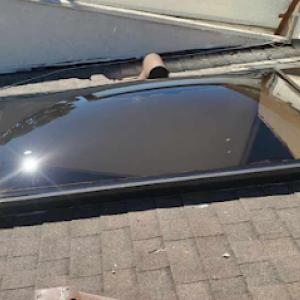
Local Roofing Service for all roofing needs big or small. We have been serving the South Bay area for over 15 years. We specialize in Custom skylights and custom Gutters. We can Install a variety of roofs residential and commercial.
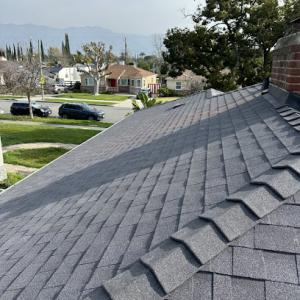
Alvarez Pro Roofing
914 Victor Ave apt 6, Inglewood, California
5.0 from 47 reviews
Alvarez Pro Roofing, located in Inglewood, CA, is your premier choice for professional roofing solutions. Specializing in a comprehensive range of roofing services, our skilled team is dedicated to delivering quality craftsmanship and reliable results. We are committed to protecting your home with durable and aesthetically pleasing roofing, ensuring every project is completed with the utmost precision and care. Trust Alvarez Pro Roofing for all your roofing needs, where excellence is always our top priority.
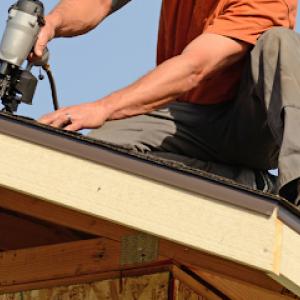
Prime Inglewood Roofing
(424) 500-5650 theallstarsroofers.com
5140 W 106th St #54, Inglewood, California
4.8 from 55 reviews
Experience the expertise and craftsmanship of Prime Inglewood Roofing. Our skilled team of professionals is committed to providing exceptional results that exceed expectations. With our years of experience in the industry, we offer top-quality roofing services tailored to your unique needs. From new installations to repairs and maintenance, we ensure the integrity and durability of your roof. Trust Prime Inglewood Roofing for reliable and professional solutions that enhance the protection and aesthetics of your property. Experience the difference we can make for your home or business today.

The Roofing Experts Lennox
Serving
4.8 from 73 reviews
The Roofing Experts Lennox is your trusted partner for all your roofing needs. With a team of highly skilled professionals, we provide expertise and precision in every project we undertake. Whether it's a small repair or a complete roof replacement, we have the knowledge and experience to handle it all. We understand the importance of a well-maintained roof and strive to deliver superior results that stand the test of time. Count on The Roofing Experts Lennox for reliable and professional roofing services you can rely on.

Install It Roofing Hawthorne
Serving
4.8 from 68 reviews
Install It Roofing Hawthorne specializes in professional roof installation services. Our experienced team of roofers is trained to handle various roofing materials and styles. We understand that a properly installed roof is crucial for the structural integrity and aesthetics of your property. With our attention to detail and quality workmanship, Install It Roofing Hawthorne delivers efficient and effective solutions to ensure a durable and visually appealing roof. Trust us for professional and reliable roof installation services.

The Roofing Pros
Serving
4.9 from 70 reviews
As the leading roofing professionals in the industry, The Roofing Pros are committed to delivering excellence in every project we undertake. Our team of highly skilled experts possesses extensive knowledge and experience, ensuring that your roofing needs are met with precision. From inspections to repairs and installations, we provide comprehensive roofing solutions tailored to your specific requirements. With a focus on quality materials and advanced techniques, we deliver roofs that stand the test of time. Trust The Roofing Pros for reliable and professional services that prioritize the integrity and longevity of your roof.
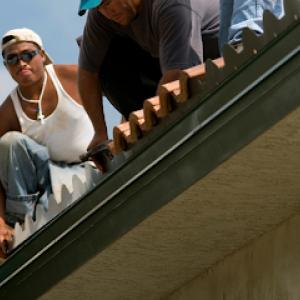
Abraham's Roofing
(424) 322-2111 theeliteroofers.com
Serving
4.8 from 86 reviews
Welcome to Abraham's Roofing, your trusted partner for all your roofing needs. With years of experience in the industry, our dedicated team of professionals is committed to delivering exceptional results. We specialize in a wide range of roofing services, including installations, repairs, and maintenance. Our attention to detail and superior craftsmanship ensure the integrity and durability of your roof. Trust Abraham's Roofing for reliable and professional solutions that enhance the protection and aesthetics of your property. Experience the difference we can make for your home or business today.
Elite Hawthorne Roofs
(424) 622-4333 roofingsuperior.pro
Serving
4.8 from 93 reviews
Experience elite-level roofing services with Elite Hawthorne Roofs. Our dedicated team of professionals is committed to delivering exceptional results that exceed expectations. With our extensive knowledge and expertise, we provide top-quality roofing solutions tailored to your unique needs. Whether it's a residential or commercial property, we offer reliable installations, repairs, and maintenance services to ensure the integrity and durability of your roof. With Elite Hawthorne Roofs, you can trust in our attention to detail and commitment to customer satisfaction. Discover the difference we can make for your property today.

Howard's Roof & Gutter
(424) 292-2700 roofinglawndale.com
Serving
4.8 from 75 reviews
Howard's Roof & Gutter is a trusted name in the roofing industry, providing comprehensive roofing and gutter services. With our skilled team of professionals, we specialize in delivering top-quality craftsmanship and exceptional results. Whether you need roof repairs, installations, or gutter maintenance, we have the expertise and resources to handle projects of any size or complexity. We prioritize using high-quality materials and employing proven techniques to ensure the longevity and functionality of your roof and gutters. At Howard's Roof & Gutter, we are committed to exceeding your expectations and providing reliable solutions that protect and enhance the value of your property.

Roofing Precision El Segundo
Serving
4.8 from 73 reviews
Roofing Precision El Segundo specializes in delivering precise and reliable roofing solutions. Our team of skilled professionals has the experience and expertise to handle roofing projects of any size or complexity. We pride ourselves on attention to detail and precision in every aspect of our work. From installations to repairs and maintenance, we offer comprehensive services tailored to your specific needs. Using advanced techniques and high-quality materials, we ensure that your roof is built to perfection. Count on Roofing Precision El Segundo for precise and dependable roofing solutions.

Prestige Worldwide Roofing
Serving
5.0 from 42 reviews
At Prestige Worldwide Roofing, we’re fully licensed, bonded, and insured (CA Lic #1095751), proudly serving Los Angeles with expert residential and commercial roofing services. We offer zero down, payment plans as low as 0% interest (based on credit), and free roof inspections or estimates. We know you're looking for a roof with a strong warranty, trusted contractors, and fair pricing. We walk you through every step, provide timelines, and check in daily. All work is done by our in-house team—never subcontracted. Plus, our roofs come with a limited lifetime warranty. Contact us today!
The coastal South Bay setting brings warm, dry summers that provide unusually long installation windows. A full reroof project can often be scheduled to run largely uninterrupted from late spring into early fall, so planning your start before winter rain arrives and before fall wind events begin keeps crews moving and materials protected. Inglewood's mix of tile, shingle, and low-slope roofs means a well-timed schedule reduces exposure of underlayment and decking to the elements, especially on steeper sections or inland-facing elevations that pick up heat and wind sooner than other exposures.
Start planning early enough to finish before the first significant Santa Ana winds and autumn storms. If your roof is on the smaller side or uses standard asphalt shingles, a late-spring or early-summer start is common, letting crews avoid the heat peaks while still presenting a comfortable weather buffer before fall rains. If your home has a low-slope section or clay or concrete tile, coordinate a start during a stretch of consistently dry days so roofers can stage underlayment and tile without repeated weather interruptions.
Extreme summer heat can slow crew productivity and complicate material handling, especially on dark roofs that absorb heat and on inland-facing sections that hold heat longer. Plan for cooler daytime hours when possible, and shade or reflectivity considerations should factor into temporary protection and site setup. Keeping materials off the surface during peak heat reduces warping and handling abrasion, and helps prevent premature wear that could compromise a reroof's performance in the winter rain.
Winter rain can interrupt tear-off schedules and reveal decking moisture issues that require additional repairs or drying time. Timing matters more here than in climates with evenly distributed precipitation. If you anticipate a storm window, allow for contingencies to dry decking, replace damaged felt, and address any rot before installing the final courses. A well-timed entry into the wet season minimizes backtracking and keeps the project on track.
Lock in a calendar block during the dry season with a clear contingency plan for unexpected weather. Coordinate with neighbors to manage debris and noise during extended dry spells. Have a pre-inspection to flag decking moisture or prior underlayment concerns so the crew can address them ahead of schedule. Ensure temporary weather protection and staging are ready to deploy quickly, and align your start with a forecast that favors a multiweek run without major rain events.
Get a clear picture of your project costs upfront - no commitment required.
Prime Inglewood Roofing
(424) 500-5650 theallstarsroofers.com
5140 W 106th St #54, Inglewood, California
4.8 from 55 reviews
Sunshine State Roofers - Inglewood
(424) 544-7888 sunshinestateroofersinglewood.homes
10519 Crenshaw Blvd # 2, Inglewood, California
4.8 from 56 reviews
Cost differences here hinge on whether you're doing a straightforward asphalt reroof or a tile reset with underlayment, more labor-intensive flashing details, and careful integration with existing roof geometry. A tile replacement or reset that involves underlayment, re-bedding, and vent flashing tends to run higher than a simple asphalt swap. When homes have mixed roof geometries, attached garages, or low-slope tie-ins, expect additional labor and material complexity that pushes pricing upward. Skylights, chimneys, or ventilation upgrades that must pass city inspection also add to the bottom line, especially when a crew has to work around these features without compromising a seal.
Demand spikes after winter storm leaks and wind events tighten scheduling and pricing in the local labor market. Fast-response crews are in higher demand after a spate of winter rain, Santa Ana wind episodes, and sudden leaks. This can compress scheduling windows and raise labor costs, even for common reroof replacements. If a project needs urgent attention, you'll likely see quicker turnaround but a higher price tag, as crews juggle multiple jobs and prioritize critical repairs over non-urgent work.
Asphalt shingles cover a wide range of Inglewood homes and typically sit at the lower end of pricerange, while tile and metal options introduce higher material and flashing complexity. For reference, asphalt shingles commonly fall in the lower end of the cost spectrum, with tiles (clay or concrete) and metal roofing pushing toward the higher end when underlayment, flashing, and roof penetrations must be addressed. Typical per-square costs vary by material: asphalt shingles (low to mid range), metal roofing (mid to high range), clay tile (high range), concrete tile (mid-high), wood shingles/shakes (mid-high), and synthetic/composite shingles (mid range). The precise total depends on roof size, slope, and whether the project includes a full reroof, a tile reset, or a refurbishment with new underlayment and upgraded flashing.
When planning a roof project in this coastal urban area, the permit process is a key first step. A full roof replacement typically requires a permit issued by the City of Inglewood Building & Safety with project scope and contractor details clearly defined. Before any shingle, tile, or metal is lifted, you need to align your scope of work with what the city expects to see on paper: the exact roof type, the number of layers to be removed, and the replacement system you intend to install. Make sure your chosen contractor can provide a detailed scope that matches the city's permit checklist, including material specifications, roof slope, and any structural alterations. In practice, that means sitting down with the contractor to draft a precise plan and keeping a copy of that plan with the permit packet as work progresses.
The city uses digital plan review, which affects how reroof paperwork is submitted and reviewed before work begins. Expect online submissions of drawings, product data, and job-site details rather than traditional paper plans. This can streamline approval, but it also means you must have your documents organized and your contractor's license and insurance uploaded in the system. A common stumbling block is missing product specifications or mismatched details between the plan and the installed materials. To avoid delays, ensure the permit package includes current product data sheets, installation methods per the chosen system, and a clear sequence of construction steps. If any amendments are requested by plan reviewers, respond promptly to prevent work stoppages.
Inspections in this area commonly verify nailing, underlayment, flashing, and ventilation, and the department may require attic access for inspection and verification. Be prepared for multiple inspection stages: after deck and underlayment installation, during full reroof installation, and after flashing and ventilation are in place. Nailing patterns must conform to the chosen roof system, and underlayment integrity is checked for proper overlaps and seals, especially around penetrations. Flashing at valleys, chimneys, and roof-to-wall transitions should be exposed for inspection, with counterflashing and sealant details clearly demonstrated. Ventilation is scrutinized to ensure proper intake and exhaust, which is crucial in the local climate with marine air and Santa Ana events. Attic access might be required so inspectors can confirm insulation, ventilation routes, and attic staging align with the plan. If attic access is restricted, arrange a temporary, code-compliant access solution that satisfies the inspector's ability to verify conditions without creating safety hazards or permitting delays.
Finally, understand that the process benefits from early coordination. Schedule a pre-submittal meeting if available, verify the digital submission checklist, and ensure all trades align with the permit scope. Clear communication with Building & Safety can reduce back-and-forth and keep your reroof on track in a climate and neighborhood where coastal exposure and wind events demand solid, documented workmanship.
Inglewood homeowners navigate California's tighter insurance market, where wildfire-driven pullbacks can affect roof-related coverage terms even in an urban Los Angeles setting. That backdrop means policy language may shift more often, and what qualifies as covered damage can hinge on nuanced interpretations. When a claim is considered, carriers may scrutinize whether issues stem from recent events or long-standing wear, so understanding how your roof's condition is framed in the claim context matters.
After a winter storm or wind event, carriers commonly request photo documentation that clearly shows the roof as it exists now, a detailed contractor estimate, and records that distinguish new storm damage from pre-existing deterioration. The documentation should capture specific openings, torn flashing, lifted shingles, or cracked tiles that appeared after the incident. In a dense urban setting with varied roof types, this level of precision helps negotiate a fair assessment and avoid disputes that hinge on vague aging narratives.
Because many Inglewood roofs are older reroof candidates rather than brand-new systems, claim outcomes can hinge on identifying precise storm-created openings rather than labeling issues as merely age-related wear. Focus on conspicuous, weather-driven changes: newly formed gaps around chimneys or vents, damage to edge flashing from wind storms, or tile fractures that align with a specific event's timeline. Consistent, dated photos from different angles, plus notes on any interior signs of leakage, improve the credibility of the claim.
A detailed contractor estimate should separate work attributable to storm damage from routine maintenance or pre-existing conditions. The estimate should include scope, material overlaps, and installation details that reflect current building practices and local climate realities. In areas with a mix of tile, shingle, and low-slope roofs, the report should specify how each roof type will respond to the detected damage, reducing ambiguity during adjustments or negotiations with the carrier.
Promptly notifying the insurer after a storm is prudent, but timing matters. Delays can complicate coverage, especially if the weather window overlaps with off-season periods when adjustments to policies are more scrutinized. Maintain steady communication, organize a concise damage timeline, and keep all correspondence and receipts aligned with the claim for easy reference during assessments.
Connect with contractors who help homeowners navigate the claims process from damage assessment to final approval.

Inglewood State Roofing
(424) 655-2666 inglewoodstateroofing.homes
23 Pepper Ct, Inglewood, California
4.9 from 54 reviews
Asphalt shingles remain a common value choice in Inglewood, especially for homes with tighter rooflines and mixed elevations common in South Bay neighborhoods. They offer straightforward installation, solid wind resistance when properly fastened, and a broad selection of textures that mimic more expensive looks. In the marine-impacted air and the region's winter rain, the key is quality underlayment and a mechanical fastening pattern that accounts for Santa Ana wind events. When choosing asphalt, prioritize products with good algae resistance and a wind-rated nailing zone to reduce the risk of lift during gusty spells. Condition and compatibility with existing roof overlays or attic ventilation are practical considerations that help keep leaks from sneaking in during the rainy season.
Clay tile and concrete tile fit much of the area's established residential architecture and reroof pattern. In Inglewood, these tiles excel where the look of traditional roofing matters and the structure can support the weight. Tile roofs perform well in heat, reflecting a portion of the sun's energy, but they demand a solid deck and proper underlayment to handle winter rains. The clips, fasteners, and flashing must be corrosion-resistant given marine air exposure. For Santa Ana wind events, a well-sealed ridge line and continuous edge protection reduce wind-driven leaks. If a reroof is on the horizon, confirm that the roof sheathing and substrate meet tile-specific load and watertight requirements to minimize maintenance over time.
Metal roofing is present in the market but must be detailed for marine air exposure and heat performance in a city with long sunny seasons. In Inglewood, metal can offer excellent wind resistance and quick installation, but coastal salt and humidity can accelerate corrosion on lesser-quality panels or penetrations. Choose metals with corrosion-resistant coatings and color options that reflect sunlight to lower heat gain. Pay attention to seam design and proper sealing around skylights, vents, and chimneys to prevent leaks during winter rain. A reputable installer will ensure that fasteners are rated for coastal environments and that panel laps are sealed to withstand marine air cycles.
Synthetic/composite products can appeal in Inglewood when homeowners want a lighter-weight look-alike alternative to tile or wood on structures where appearance and installation complexity both matter. These materials can mimic the textures of tile or shake while offering easier handling and reduced roof load. Look for products that resist fading under strong sun and tolerate the area's seasonal moisture without warping. A careful evaluation of warranty, heat stability, and compatibility with existing flashings helps ensure a long, leak-resistant performance that fits both traditional and modern roof lines.
The most popular roofing material in the US. Find pros who install, repair, and replace asphalt shingles.
Inglewood State Roofing
(424) 655-2666 inglewoodstateroofing.homes
23 Pepper Ct, Inglewood, California
4.9 from 54 reviews
Pro Roofing Inglewood
(424) 374-2777 proroofinginglewood.homes
1630 Centinela Ave, Inglewood, California
4.7 from 61 reviews
Prime Inglewood Roofing
(424) 500-5650 theallstarsroofers.com
5140 W 106th St #54, Inglewood, California
4.8 from 55 reviews