Last updated: Apr 19, 2026
Marina del Rey sits directly on the coast beside the marina basin, so roofs are consistently bathed in salt-laden air and exposed to persistent marine-layer moisture and steady west-facing winds. That combination accelerates corrosion on metal flashings, fasteners, vents, and edge components, and it can shorten the life of commonly used roof materials if maintenance isn't adjusted for this environment. Residents near the water frequently notice faster degrading of penetrations and hardware than homes tucked farther inland. The salt air also contributes to a chalky residue that can mask early signs of wear on surfaces and flashings, making proactive checks essential.
Routine marine-layer moisture and high coastal humidity keep roof surfaces damp longer than inland parts of Los Angeles. This dampness increases the chance of underlayment deterioration, staining, and leak tracing challenges after storms or heavy sea fog events. In practice, this means that even small drips or stains can linger, and hidden leaks may persist longer before a solid path to remedy appears. The longer a roof surface stays damp, the more likely you are to see wood or felt components swell, adhesives soften, and sealants lose their grip around penetrations. That pattern is particularly true for roofs with older or less robust underlayment and for those with porous or less UV-stable coatings.
Homes closest to the marina, beach, and open west-facing exposures typically see the fastest corrosion and weathering on roof penetrations and hardware. Vents, skylights, edge trim, and metal flashings are all vulnerable where salt spray and wind drive salt-laden air directly onto joints. In practical terms, that means more frequent checks around flashings, faster wear at laps and seams, and a tendency for fasteners to loosen or corrode earlier in the life of the roof. Expect sealants around chimneys, vents, and pipe penetrations to degrade sooner, especially if the roof endures salt-laden spray and persistent humidity without regular resealing.
Schedule a twice-yearly inspection focusing on roof penetrations, flashings, and edge components. Look for rust halos around fasteners, softened sealants, and loose edge metal. Pay attention to discoloration or staining along the eaves, as it can signal moisture lingering at the underlayment or in the fascia. When you plan repairs, prioritize materials with strong corrosion resistance for coastal exposures-think fasteners and flashings specified for salt spray environments, and sealants known to endure coastal humidity. If you notice persistent damp patches after rain or fog, address the source promptly: check for drainage issues, blocked gutters, or sagging roof lines that trap moisture near the underlayment. Long-term strategies include selecting roofing products and edge components with enhanced coastal durability and ensuring the assembly around penetrations is continuous and corrosion-resistant.
In this coastal corridor,Santa Ana events quietly turn from seasonal annoyances into structural alarms. Fall wind surges can shove gusts right up and over exposed roof edges and ridges, ripping at flashing details and destabilizing vent connections even when the building is otherwise solid. The risk is highest on structures with open exposure toward the beach or the marina corridors, where salty spray and dry gusts meet vulnerable seam work and unsealed penetrations. If your roof sits along a long, unshielded run or anchors into parapets without continuous uplift restraint, the likelihood of edge and ridge distress climbs quickly. You can't treat these as cosmetic concerns-loose edge metal, lifted shingles, or cracked mastic can cascade into interior leaks after a single strong gust.
Winter brings a steady cadence of marine mornings: damp air, drizzle, and less sun. Those conditions slow dry-in schedules and complicate re-roof or roof repair projects, because even small leaks can persist longer than usual before the roof deck dries enough to seal properly. When schedules slip, water finds new paths-often behind parapets, behind wall penetrations, or along transitions between roof planes. Active leaks can become elusive and may require staged remediation, with temporary tarps or rapid temporary patches to keep interior spaces dry while the main systems cure. Plan for longer dry times if the forecast includes back-to-back marine fog or persistent dampness, and coordinate repair windows to align with drier days to avoid re-wet cycles that undo progress.
Marina del Rey features many attached, tightly spaced, or multi-unit residential buildings. Wind-driven rain can travel farther than expected and complicate leak source identification when water travels from parapets, walls, or adjacent roof sections. A single drip can originate from a far corner, a seam, or a joint that's not directly above the visible stain. In such environments, leaks often mimic each other-two different corridors or units may show similar interior staining, even though the actual source lies elsewhere. Thorough, line-by-line inspection matters: verify flashing integrity, check for compromised sealants along roof-to-wall transitions, and trace water paths during a controlled rain test or with staged wetting when safe to do so.
If you suspect uplift or moisture trouble, start with a rapid, on-site walk to inspect edge metal, ridge caps, and flashing for any lifted, corroded, or cracked pieces. Tighten or reseal where safe, and flag any rusted fasteners or loose components that could fail under a Santa Ana lull. For ongoing repair projects, establish a weather window that prioritizes dry days for the critical dry-in phase and use temporary safeguards to keep rain from entering attic spaces or interior walls during rain events. When storms loom, protect penetrations and flashing seams with temporary, secure coverings and ensure interior spaces remain dry until permanent work can be completed. Your goal is to interrupt the wind-driven leak path before the next marine-front system arrives.
When you can't wait, these contractors offer fast response times to stop leaks and prevent further damage.
K&P Roofs
4551 Glencoe Ave #202, Marina Del Rey, California
4.9 from 71 reviews
Confirmed Roofing Experts - Roofing Contractor
(888) 576-4820 confirmedroofingexperts.com
Serving
5.0 from 127 reviews
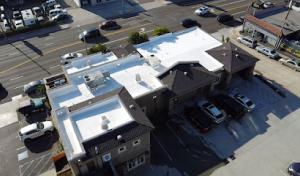
The mix of condos, apartments, and contemporary coastal homes around the marina puts flat and low-slope roof systems at the center of everyday durability challenges. Salt air and marine-layer moisture briskly accelerate corrosion on metal components, while wind uplift and occasional heavy coastal showers stress membranes and joints. In this setting, ponding water on low slopes, stressed seam systems, and moisture around drains, scuppers, and parapet transitions drive wear well beyond what inland angles experience. That means your flat roof isn't just a weather cover-it's a carefully engineered system that must resist both wind-driven spray and the subtler effects of long-term salt exposure.
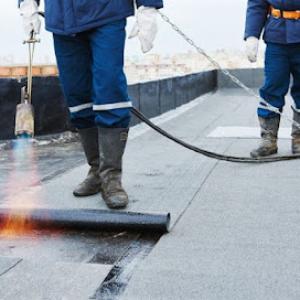
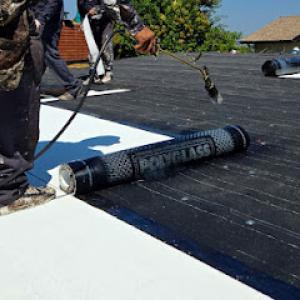
For flat roofs in this environment, select membranes and detailing that tolerate intermittent ponding and the abrasion from airborne salt. TPO and modified bitumen are common choices, favored for their seam integrity and ease of inspection. In high-exposure locations, pay particular attention to edge details, parapet interfaces, and terminations at penetrations. Scuppers and through-wall drains should be set up to promote rapid water shedding, with crickets or internal drains designed to minimize standing water during seasonal rains. Parapet coping needs corrosion-resistant hardware and continuous sealant protection to deter salt-induced delamination. For homes with metal edging or flashings, consider stainless steel or aluminum with a protective coating to minimize rust that becomes visible around coastal winds and spray.
Ponding wear is not merely cosmetic on a coastal flat roof-it signals accelerated deterioration at the membrane seams. Regularly inspect for micro-tears or seam uplift after heavy winds. Prioritize clear, debris-free drains and scuppers, since clogs invite lingering moisture that can seep into the diaphragm. Pay extra attention to transitions where the roof meets skylights, HVAC equipment curbs, and parapet walls, as these zones are the most vulnerable to salt-laden moisture infiltration. Use seam tapes or adhered membranes with reinforced edges where drips or spray are common, and ensure that any fasteners in the membrane are corrosion-resistant and properly sealed.
In marina-area properties, parking constraints and shared drives complicate access for maintenance and replacement. Develop a staged plan that coordinates with residents to minimize blocking drive aisles and to create clear walkways for debris removal. Use weather-appropriate tarps and containment during work in breezier periods to protect neighboring units from dust and overspray. For high-rise or multi-unit buildings, designate a temporary elevator or delivery route for membrane rolls and roll-off containers, reducing time on shared roofs and limiting cross-unit disruption. Schedule major resealing or membrane replacement during calmer marine months when possible to limit wind-driven damage to exposed edges.
Establish a targeted inspection routine that aligns with marine-season cycles. After winter storms and seasonal marine layers, check for surface punctures, seam separation, and degradation around drains and scuppers. Look for lifted edges on parapet transitions, and verify that flashing at penetrations remains watertight. Document and photograph any changes in the membrane's surface texture, color, or stiffness, as salt exposure can cause subtle shifts that compound over time. For buildings with shared roofs, coordinate inspections with property management to ensure consistent data collection and timely maintenance decisions.
Find specialists in TPO, EPDM, and built-up flat roofing systems for residential and commercial properties.

Marina Roofing Services
4551 Glencoe Ave #100, Marina Del Rey, California
4.8 from 60 reviews
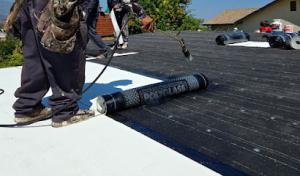
Hull Brothers Roofing & Waterproofing
(310) 553-1999 www.hullbrothersroofing.com
Serving
5.0 from 41 reviews

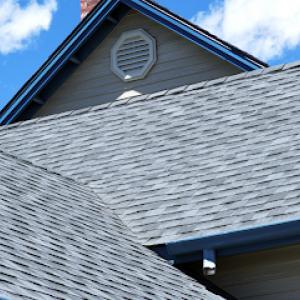
K&P Roofs
4551 Glencoe Ave #202, Marina Del Rey, California
4.9 from 71 reviews
K&P Roofs is a reputable roofing company known for its commitment to excellence and customer satisfaction. With our skilled team of professionals, we specialize in providing top-quality roofing solutions tailored to your needs. Whether you require roof repairs, installations, or maintenance, we have the expertise to handle your project efficiently and effectively. We understand the importance of a well-maintained roof and utilize high-quality materials and proven techniques to ensure its durability and functionality. At K&P Roofs, we are dedicated to delivering exceptional craftsmanship and reliable service. Trust us for all your roofing needs.
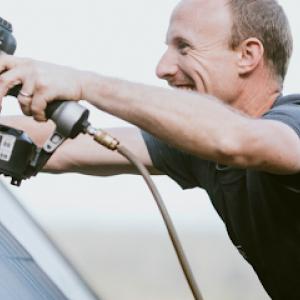
Marina Roofing Services
4551 Glencoe Ave #100, Marina Del Rey, California
4.8 from 60 reviews
Marina Roofing Services is your trusted partner for all your roofing needs in the Marina area. Our team of experienced professionals specializes in delivering top-quality roofing solutions. From installations to repairs and maintenance, we handle projects of any size or complexity with utmost care and expertise. We understand the importance of a well-maintained roof, and our goal is to provide you with durable and reliable roofing solutions. Using high-quality materials and advanced techniques, we ensure that your roof not only offers protection but also adds value to your property. Count on Marina Roofing Services for exceptional craftsmanship and dependable roofing services.
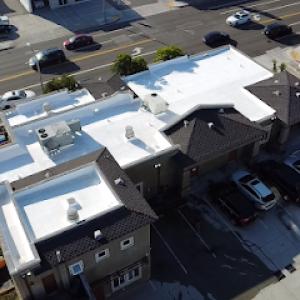
Economy Roofing
(310) 395-2912 economyroofing.la
Serving
4.9 from 62 reviews
Economy Roofing was founded in Santa Monica in 1947 by the Haskins family and over half a century established a reputation of providing personalize service at a fair price. In 2018, the company was acquired by Jon Ramey, a close associate of the Haskins' brothers. Jon, a life-long roofing contractor from El Segundo, carries on the legacy the Haskins family started with the help of his brother and three of his children who have also chosen careers in roofing. As of 2024, Economy Roofing operates as a registered d.b.a. of Ramey Roofing, Inc.
Santa Monica Roofing Contractors
(424) 217-3627 www.santamonicaroofingcontractors.com
Serving
5.0 from 44 reviews
Welcome to SMCA Roofing Contractors, Santa Monica's trusted source for professional roof installation and replacement. Our commitment to quality and durability places us at the forefront of roofing services in Santa Monica CA and surrounding areas. Our team of experienced roofing professionals uses only the best materials to ensure your roof is both beautiful and long-lasting. Whether you're looking to upgrade your current roof or need a new installation, we provide tailored solutions that meet the unique needs of your property. Choose SMCA Roofing Contractors for a seamless service experience and the peace of mind that comes with a secure, expertly-installed roof. Call us now for your FREE estimate!
Confirmed Roofing Experts - Roofing Contractor
(888) 576-4820 confirmedroofingexperts.com
Serving
5.0 from 127 reviews
Welcome to Confirmed Roofing Experts, your trusted roofing contractor in Los Angeles, CA.We specialize in a wide range of roofing services including roof repair, roof install, roof replacement ,leaking roofs ,commercial roofing,roof inspection, metal roofing and more .our experienced team is here to help. As one of the top roofing companies near you, we pride ourselves on delivering quality workmanship and exceptional customer service. We understand the unique needs of Los Angeles residents and businesses, ensuring your roofing project is completed efficiently and to your satisfaction. If you are looking for a roofing contractor company near you, we are your best option. Contact us today for a free estimate and let us protect your property!
PATCH Roofing
(323) 412-8588 patch-roofing.com
Serving
4.9 from 57 reviews
At Patch Roofing, we offer a full range of roofing services, including expert roof replacement. Whether your roof is aging, severely damaged, or simply in need of an upgrade, our skilled team delivers top-notch replacement solutions to ensure your home is protected and visually appealing. We handle every aspect of the replacement process with precision and care, using high-quality materials and craftsmanship to provide a durable and attractive new roof. Trust Patch Roofing for all your roofing needs, from repairs to complete replacements.
Roofing Precision El Segundo
Serving
4.8 from 73 reviews
Roofing Precision El Segundo specializes in delivering precise and reliable roofing solutions. Our team of skilled professionals has the experience and expertise to handle roofing projects of any size or complexity. We pride ourselves on attention to detail and precision in every aspect of our work. From installations to repairs and maintenance, we offer comprehensive services tailored to your specific needs. Using advanced techniques and high-quality materials, we ensure that your roof is built to perfection. Count on Roofing Precision El Segundo for precise and dependable roofing solutions.
Hull Brothers Roofing & Waterproofing
(310) 553-1999 www.hullbrothersroofing.com
Serving
5.0 from 41 reviews
Established in 1928, Hull Brothers Roofing has provided Culver City and the surrounding area with expert roofing and waterproofing services for nearly a century. Their commitment to quality and longevity makes them a trusted choice for residential and commercial projects.

Roof Pros
Serving
4.8 from 93 reviews
Roof Pros is a leading provider of professional roofing services. With our team of skilled roofers, we offer a wide range of solutions to meet your roofing needs. From installations to repairs and replacements, we deliver high-quality workmanship and exceptional service. We understand the importance of a well-maintained roof for the protection of your property. With our expertise and commitment to excellence, Roof Pros ensures reliable and long-lasting roofing solutions. Trust us for all your roofing requirements.
Alvarez Pro Roofing
Serving
5.0 from 47 reviews
Alvarez Pro Roofing, located in Inglewood, CA, is your premier choice for professional roofing solutions. Specializing in a comprehensive range of roofing services, our skilled team is dedicated to delivering quality craftsmanship and reliable results. We are committed to protecting your home with durable and aesthetically pleasing roofing, ensuring every project is completed with the utmost precision and care. Trust Alvarez Pro Roofing for all your roofing needs, where excellence is always our top priority.
Abraham's Roofing
(424) 322-2111 theeliteroofers.com
Serving
4.8 from 86 reviews
Welcome to Abraham's Roofing, your trusted partner for all your roofing needs. With years of experience in the industry, our dedicated team of professionals is committed to delivering exceptional results. We specialize in a wide range of roofing services, including installations, repairs, and maintenance. Our attention to detail and superior craftsmanship ensure the integrity and durability of your roof. Trust Abraham's Roofing for reliable and professional solutions that enhance the protection and aesthetics of your property. Experience the difference we can make for your home or business today.

Roofing Works
Serving
4.8 from 64 reviews
Roofing Works is your go-to source for comprehensive roofing services. Our team of dedicated professionals has extensive experience in the roofing industry and is equipped to handle projects of any size or complexity. From new roof installations to repairs and maintenance, we offer a wide range of services to meet your specific requirements. Using top-quality materials and advanced techniques, we ensure that your roof is not only functional but also visually appealing. Count on Roofing Works for reliable and expertly executed roofing solutions.
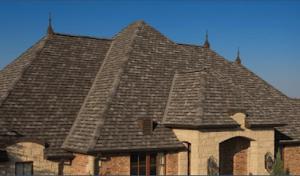
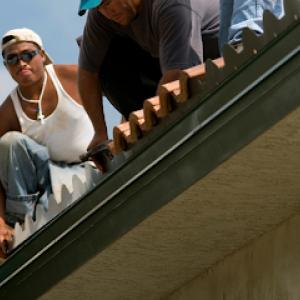
Clay and concrete tile remain a common sight on homes along the coast, but their weight and attachment details matter in a windy marine setting where salt air accelerates corrosion and uplift concerns. In this environment, the tile itself is often durable, yet the underlayment and roof deck play a decisive role in long-term performance. Choose a reinforced underlayment rated for high uplift and moisture exposure, and ensure fasteners are corrosion-resistant and properly spaced to resist salt-driven corrosion and wind uplift. Pay attention to hip-and-ridge detailing and secure batten systems so tiles stay put during coastal gusts. If a retrofit is planned, verify that the structure can support the additional dead load and that waterproofing at penetrations and valleys is upgraded to handle marine moisture and thermal cycling.
Wood products bring a classic look, but coastal moisture and salt air can shorten their life if ventilation and drying potential aren't optimized. In this market, wood shingles require meticulous maintenance: regular clearing of coastal debris, prompt treatment for any decay, and a moisture-managed installation that leaves adequate space for expansion. For homeowners, the key is to pair wood with a robust ventilation strategy and a high-quality protective coating designed for salt spray exposure. Expect more frequent inspections near valleys, penetrations, and chimney areas where moisture can concentrate and wood fibers may deteriorate first.
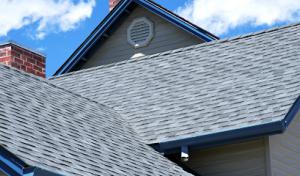
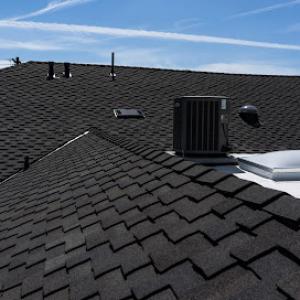
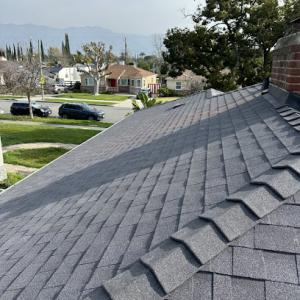
Asphalt shingles and synthetic options perform well in inland heat, but near the coast they face accelerated UV aging during hot summers and heightened moisture exposure that can reveal weaknesses around valleys and penetrations. If choosing these materials, prioritize reflective, UV-resistant formulations and ensure that installation details at penetrations, flashing, and edge transitions are reinforced to resist salt-laden air infiltration. Synthetic composites can offer improved dimensional stability, yet the coastal environment demands careful sealant compatibility, correct nailing patterns, and tight integration with underlayment systems to minimize moisture ingress.
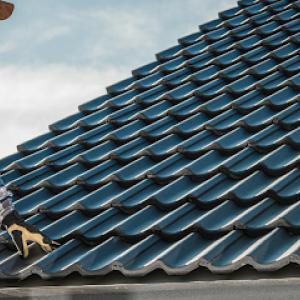
Metal can excel close to the shore when selected with salt exposure in mind and installed with edge detailing that defends against corrosion. Look for alloys with proven coastal performance and fasteners rated for salt air, plus edge closures and flashing designed to resist wind-driven rain and salt spray. The attachment method should avoid galvanic corrosion with compatible metals, and coatings must be maintained to preserve preventive barriers against moisture and oxidation. Regular inspection of fastener seals, seam integrity, and perimeter trim is essential to prevent uplift or water intrusion during storm events.
Provided local pricing ranges per square are Asphalt Shingles 350 to 700, Metal Roofing 700 to 1100, Clay Tile 1000 to 1900, Concrete Tile 800 to 1400, Wood Shingles/Shakes 450 to 850, and Synthetic/Composite Shingles 500 to 900. In practice, this means the cheapest option in a coastal project often comes with higher maintenance expectations due to salt spray and wind exposure. Asphalt remains the entry point for many homes, but the coastal environment nudges premium materials into consideration sooner, especially when you have to address corrosion, uplift, or more robust flashing details. Metal, clay, and concrete tile show the sharpest price differentials once coastal hardware, fasteners, and upgraded coatings are factored in. You'll also notice that the same square-foot cost can swing depending on underlayment choices, fastener corrosion resistance, and the reliability of integrated drip-edge systems.
Costs in Marina del Rey can rise because coastal corrosion often requires upgraded fasteners, flashings, and metal accessories rather than standard inland component packages. The extra expense isn't just about the visible roofing itself; it's the hidden fasteners, corrosion-resistant coatings, and salt-tolerant sealants that extend service life in this marine-air climate. When evaluating bids, ask for a line item breakdown that separates standard components from coastal-grade upgrades. If a contractor proposes standard inland materials with coastal fasteners, expect a noticeable bump in yearly maintenance to keep everything singing and leak-free. It's common to see a higher proportion of stainless or coated metal options for crests, hips, and edge flashings, and to choose sealants with stronger UV and salt-resistance.
Dense lot layouts, condo or multi-unit access constraints, staging limits, and disposal logistics near the marina can add labor time compared with easier-access inland single-family jobs. Narrow driveways, limited street parking, and shared access points mean crews may need to utilize on-site material staging or multiple short trips, which can inflate both project duration and labor costs. Additionally, proximity to the water increases the risk of wind-driven debris during work, encouraging protective netting and careful reflection on timing. When budgeting, anticipate modestly higher mobilization fees and longer project windows, especially for larger tile installations or metal systems where precise sequencing and protective handling are crucial to avoid salt-induced surface corrosion on new metal components.
Don't let upfront costs delay a critical repair - these contractors offer payment plans to fit your budget.
K&P Roofs
4551 Glencoe Ave #202, Marina Del Rey, California
4.9 from 71 reviews
Marina Roofing Services
4551 Glencoe Ave #100, Marina Del Rey, California
4.8 from 60 reviews

In this coastal maritime environment, a full re-roof typically requires a building permit through the Los Angeles Department of Building and Safety rather than a separate small-city building department. That means you'll need to submit plans, specifications, and contractor information for review before any tearing or material delivery begins. The permit process is your best safeguard against salt-air corrosion and wind uplift issues that can undermine a roof not built to code, so do not treat it as an afterthought. Working with a contractor who understands LADBS expectations and the climate-specific demands of a marina-adjacent property helps avoid delays and rework that can compound exposure risks.
The usual inspection sequence includes milestones for underlayment installation and the final inspection before the job closes out. A typical path starts with plan approval, then rough-in checks as roofing components go on, followed by the underlayment, ventilation, flashing, and all penetrations being inspected before the final surface is installed. The final signoff confirms code compliance and marks the project as officially complete. Given the high saline exposure, inspectors will look closely at corrosion-resistant flashing, fastener choices, and roof-to-wall transitions, ensuring waterproof integrity under coastal conditions.
Some projects, especially certain tile installations or roofs with added performance requirements, may trigger extra plan review attention for wind-uplift or energy-efficiency verification. Wind uplift reviews are not unusual when the roof line faces brisk coastal gusts or when tiles and underlayment must meet enhanced uplift standards. Energy-efficiency checks can come into play if there are insulation or radiant barrier features, or if cooling efficiency goals drive specific material or venting requirements. If a permit triggers additional review, expect a longer lead time, and coordinate closely with the contractor to avoid weather-driven delays that risk salt-soaked components.
Find contractors who integrate solar panels or solar shingles into your roof for long-term energy savings.
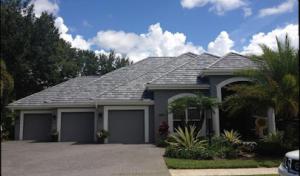

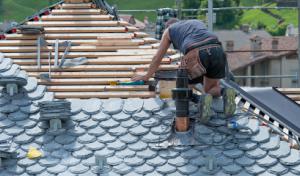
Marina del Rey homeowners operate in California's volatile insurance environment, where carriers may scrutinize roof age, condition, and maintenance history more closely before renewal or after a claim. The salt air, coastal moisture, and persistent wind exposure from the marina and nearby beach accelerate wear, so insurers often want a clear picture of how the roof has been cared for and what preventive steps have been taken. Expect questions about recent repairs, ongoing maintenance, and any signs of corrosion or uplift risk.
For wind or moisture-related losses, insurers commonly want date-stamped photos, contractor findings, and a roof-condition record that distinguishes sudden damage from long-term coastal wear. Build that record before you need it: keep a dated log of visible issues, notes from a trusted local roofer, and after-storm checks that show when damage occurred versus preexisting conditions. Clear, consecutive documentation helps prevent disputes when a claim is evaluated under coastal stress conditions.
Adjuster timing and claim decisions can affect replacement scheduling, especially when winter leak events create urgent temporary repair needs before full scope approval. If a leak appears during peak season, a quick tarping or seal can protect interior spaces, but ensure these temporary measures are properly documented and communicated to the insurer. Delays in authorization or ambiguity about what constitutes essential repairs can push recovery timelines, so maintain consistent records and prompt follow-up with the adjuster.
Connect with contractors who help homeowners navigate the claims process from damage assessment to final approval.
K&P Roofs
4551 Glencoe Ave #202, Marina Del Rey, California
4.9 from 71 reviews
Marina Roofing Services
4551 Glencoe Ave #100, Marina Del Rey, California
4.8 from 60 reviews
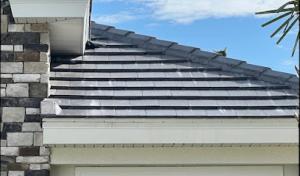
Skylights, vents, and other penetrations are common leak points in Marina del Rey because salt exposure and recurring surface moisture can degrade sealants and flashing interfaces faster than inland conditions. Each penetration acts like a tiny doorway for marine moisture, so the quality of sealants, tapes, and flashing around these spots matters more here. Inspect the perimeter of every skylight and vent after heavy marine-layer days and after any storm season lull, looking for hairline cracks, lifted flashing, or granules collecting at the curb.
On low-slope and modern coastal roof designs, transitions around curbs and rooftop equipment need close attention because water can linger longer during marine-layer periods. Pay special attention to the curb flashings beneath skylights and roof-mounted units. If you see any staining, soft spots, or peeling sealant along the transitions, address it promptly. Reseal with appropriate, coastal-rated products and ensure that flashing is continuous and properly bedded, with no gaps that could wick moisture from the curb to the interior.
Corrosion at fasteners and metal trim around penetrations is a recurring concern in homes close to the marina and beach. Use corrosion-resistant fasteners and metal trim designed for salt-air environments, and verify coatings or protective finishes annually. When you replace hardware, consider stainless steel or zinc-coated options and sealant-compatible trims that resist salt-induced degradation. Inspect around vent stacks, skylight frames, and rooftop exhausts for loosened screws or elevated rust spots, and reseal or reflash as needed to maintain a continuous waterproof barrier.
Conduct a seasonal walk-around to check sealant joints, flashing integrity, and the condition of the curb or curb-adjacent areas. Test operable skylights to ensure smooth closure and verify drainage paths remain clear of debris. If any moisture intrusion is suspected, locate the exact path by inspecting interior ceilings and attic spaces near the penetration, then address the culprit with a compatible coastal-grade sealant, flashing repair, or replacement as appropriate. Regular, targeted maintenance around skylights, vents, and penetrations helps curb long-term wear driven by the marina's salty, moist environment.
Find contractors experienced in skylight installation, flashing, and leak repairs to bring natural light into your home.
K&P Roofs
4551 Glencoe Ave #202, Marina Del Rey, California
4.9 from 71 reviews
Marina Roofing Services
4551 Glencoe Ave #100, Marina Del Rey, California
4.8 from 60 reviews