
Last updated: Apr 19, 2026
Culver City's dry season stretches across the bulk of the year's work window. Full roof replacements are typically planned when rain risk is minimal, which means targeting the late spring through early fall period and the heart of summer. This minimizes weather interruptions to tear-off and underlayment work, keeps crews on track, and reduces the chance of lingering moisture compromising insulation or deck substrate. If a project must slide toward the shoulder months, the goal is to keep the forecast in a dry trend for the critical days of stripping, membrane application, and batten or tile work. The practical takeaway is to align the major steps with the driest stretch in the calendar and to build a realistic buffer for any unexpected Santa Ana wind or a late-season shower.
The strong Southern California sun in this area accelerates surface aging and heat stress on exposed roofing materials, especially on darker roofs and south- or west-facing slopes. When choosing replacement materials, consider how color and finish will perform under constant sun exposure. Lighter shades tend to reflect more solar heat and may reduce thermal expansion and contraction cycles that stress fasteners and flashing. On unshaded or high-slope sections, expect more rapid degradation of surface granules or coatings unless a reflective, UV-resistant finish is selected. This is not about aesthetics alone-sun-scorched edges and overheated underlayment can shorten life and complicate warranty terms. Plan for a system that tolerates daily heat cycles and uses underlayment and venting designed for hot, dry periods.
Fall Santa Ana wind events influence the Los Angeles basin by delivering gusts that can blow debris onto roofs and stress loose edges, flashings, and aging tiles before winter rain arrives. The practical response is to schedule multi-day windows when winds are calm enough for roof access, especially during tile edge work or vent installation. Before the onset of Santa Anas, inspect and secure loose components-clay or concrete tile edges, ridge caps, and flashing joints-so that gusts don't lift or dislodge them mid-project. For a roof with exposed fasteners, consider temporary protective measures to reduce the risk of nail-packing or shingle blow-off as the air turns gusty. If the sequence includes tile replacement, ensure proper setting materials and mortar beds are cured during steadier days of autumn and early winter to prevent bond failures when rains begin.
A practical planning approach is to map the project around a reliable dry spell, then pad the schedule with a few contingency days for wind or heat-related delays. Coordinating with bulk deliveries and sheet-material staging is critical in a tight urban setting with dense housing; keeping the work area clear reduces delays caused by street parking restrictions or nearby traffic noise. When selecting materials, consider installers who can provide a hot, dry cure for sealants and waterproofing products, and who understand the local microclimate's impact on tile movement and flashing performance. Finally, communicate clearly with occupants about potential daytime heat and temporary ventilation changes, especially for houses with attic spaces or limited shade.
As the dry season wanes and winter rain approaches, the pace typically slows. A well-timed handoff from tear-off to membrane or tile setting should coincide with stabilized weather-cooler mornings, predictable onshore breezes, and a dip in extreme heat. The handoff plan includes confirming sealant cures, ensuring flashings are bedded, and verifying ridge and hip components are properly secured so the roof transitions into a wet season with fewer maintenance surprises. In this region, the best replacement timing respects both the sun-driven aging cycle and the wind- and rain-driven exposure, delivering a roof that stands up to the long dry summers and mild, wetter winters.
Culver City's housing stock leans heavily on Spanish and Mediterranean influences, where clay and concrete tile are common and the underlayment condition often matters more than the visible tile itself. The sun-baked days, Santa Ana winds, and seasonal rain cycles wear underlayers at a different pace than the tiles, so a careful look at the deck, flashing, and membrane joints often reveals more about long-term performance than the surface color or texture. If your property mixes tile with lower-slope sections, you're already dealing with the realities of mixed rooflines that require consistent attention across both steep and flat areas.
Clay and concrete tiles bring durability when properly installed, but the real limiter is how the roof is built up underneath. In many Culver City homes, the tile sits on a batt or deck with an underlayment that bears the brunt of wind-driven rain and sun exposure. Pay particular attention to the condition of underlayment around penetrations, offsets at parapets, and the connection points where tile meets sheet membranes. Regularly test for any areas where the underlayment has dried out, torn, or loosened; those spots often predict leaks before tiles crack or slip. In sun-warmed valleys and low-slope transitions, ensure metal flashing continues to seat properly and does not corrode or pull away from the substrate due to salt-laden coastal air or repeated thermal cycling.
Low-slope portions and attached flat sections are a major local concern because drainage behavior changes with the seasonal climate. Make sure the roof-to-wall transitions are cleanly flashed and that membrane terminations at parapets or skylight curbs are continuous and unpunctured. In many cases, debris catchment near scuppers or gutters creates standing water that accelerates membrane wear. You should look for blisters, fishmouths, or punctures that signal the need for reseaming or patching before a larger area fails. If a flat or low-slope section adjoins steep tile, confirm that the transition between different roofing systems remains watertight and that fasteners or sealants accommodate the movement between surfaces.
A typical Culver City property with both tile and low-slope areas benefits from coordinated planning across trades. When replacing tile sections, ensure the new tiles or color blends align with the neighboring low-slope areas, so water shedding remains effective and the overall health of the deck is preserved. For contractors, demand a unified approach to flashing, counterflashing, and edge details that consider wind exposure along exposed eaves and at roof-to-wall intersections. You'll want them to map drainage paths precisely and verify that membrane transitions align with board joints and seams in the tile roof assembly.
The sun-wind-rain cycle accelerates aging of underlayment and flashing elements even when the tile itself remains visually sound. Establish a seasonal inspection routine that prioritizes underlayment integrity, flashing continuity, and drainage performance. In neighborhoods with mixed rooflines, a proactive, unified maintenance plan helps prevent localized failures from cascading into broader damage across both steep and low-slope sections.
Find contractors who specialize in clay and concrete tile roofs, known for their durability and curb appeal.

Solid Culver City Roofs
(424) 396-0002 roofingsuperior.site
5879 Washington Blvd #120, Culver City, California
4.9 from 78 reviews
Confirmed Roofing Experts - Roofing Contractor
(888) 576-4820 confirmedroofingexperts.com
Serving
5.0 from 127 reviews
Solid Culver City Roofs
(424) 396-0002 roofingsuperior.site
5879 Washington Blvd #120, Culver City, California
4.9 from 78 reviews
Welcome to Solid Culver City Roofs, your trusted partner for reliable and professional roofing services. Our skilled team of professionals is committed to delivering outstanding results and exceeding customer expectations. With our extensive knowledge and expertise, we provide top-quality roofing solutions that enhance the functionality and aesthetics of your property. Whether it's a new installation or repair, we ensure the integrity and durability of your roof. Trust Solid Culver City Roofs for exceptional craftsmanship, attention to detail, and reliable service. Experience the difference we can make for your property today.
Hull Brothers Roofing & Waterproofing
(310) 553-1999 www.hullbrothersroofing.com
9034 Lindblade St, Culver City, California
5.0 from 41 reviews
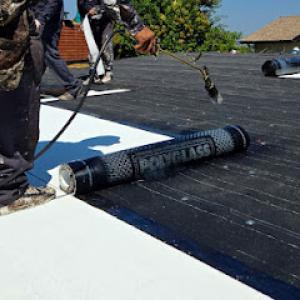
Established in 1928, Hull Brothers Roofing has provided Culver City and the surrounding area with expert roofing and waterproofing services for nearly a century. Their commitment to quality and longevity makes them a trusted choice for residential and commercial projects.

Roofing Works
3526 Hayden Ave, Culver City, California
4.8 from 64 reviews
Roofing Works is your go-to source for comprehensive roofing services. Our team of dedicated professionals has extensive experience in the roofing industry and is equipped to handle projects of any size or complexity. From new roof installations to repairs and maintenance, we offer a wide range of services to meet your specific requirements. Using top-quality materials and advanced techniques, we ensure that your roof is not only functional but also visually appealing. Count on Roofing Works for reliable and expertly executed roofing solutions.
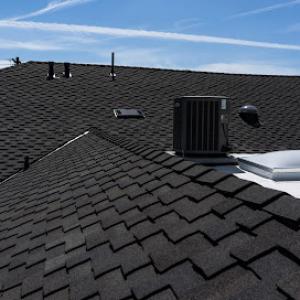
PATCH Roofing
(323) 412-8588 patch-roofing.com
Serving
4.9 from 57 reviews
At Patch Roofing, we offer a full range of roofing services, including expert roof replacement. Whether your roof is aging, severely damaged, or simply in need of an upgrade, our skilled team delivers top-notch replacement solutions to ensure your home is protected and visually appealing. We handle every aspect of the replacement process with precision and care, using high-quality materials and craftsmanship to provide a durable and attractive new roof. Trust Patch Roofing for all your roofing needs, from repairs to complete replacements.

Modern Roofing
(818) 875-5993 modernroofing.net
Serving
4.7 from 255 reviews
With over 20-years of providing high-quality roofing services in Southern California, Modern Roofing is a premier specialty Burbank roofing contractor bringing tremendous value to your home for generations to come.

Roof Pros
Serving
4.8 from 93 reviews
Roof Pros is a leading provider of professional roofing services. With our team of skilled roofers, we offer a wide range of solutions to meet your roofing needs. From installations to repairs and replacements, we deliver high-quality workmanship and exceptional service. We understand the importance of a well-maintained roof for the protection of your property. With our expertise and commitment to excellence, Roof Pros ensures reliable and long-lasting roofing solutions. Trust us for all your roofing requirements.
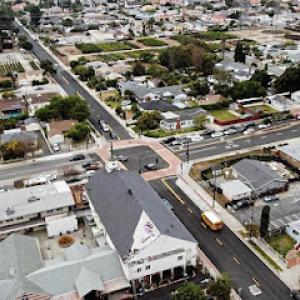
Confirmed Roofing Experts - Roofing Contractor
(888) 576-4820 confirmedroofingexperts.com
Serving
5.0 from 127 reviews
Welcome to Confirmed Roofing Experts, your trusted roofing contractor in Los Angeles, CA.We specialize in a wide range of roofing services including roof repair, roof install, roof replacement ,leaking roofs ,commercial roofing,roof inspection, metal roofing and more .our experienced team is here to help. As one of the top roofing companies near you, we pride ourselves on delivering quality workmanship and exceptional customer service. We understand the unique needs of Los Angeles residents and businesses, ensuring your roofing project is completed efficiently and to your satisfaction. If you are looking for a roofing contractor company near you, we are your best option. Contact us today for a free estimate and let us protect your property!
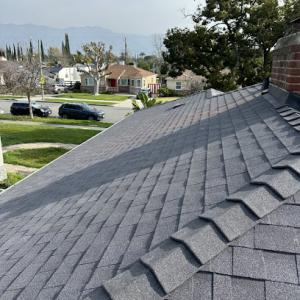
Alvarez Pro Roofing
Serving
5.0 from 47 reviews
Alvarez Pro Roofing, located in Inglewood, CA, is your premier choice for professional roofing solutions. Specializing in a comprehensive range of roofing services, our skilled team is dedicated to delivering quality craftsmanship and reliable results. We are committed to protecting your home with durable and aesthetically pleasing roofing, ensuring every project is completed with the utmost precision and care. Trust Alvarez Pro Roofing for all your roofing needs, where excellence is always our top priority.
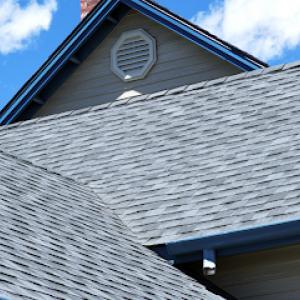
K&P Roofs
Serving
4.9 from 71 reviews
K&P Roofs is a reputable roofing company known for its commitment to excellence and customer satisfaction. With our skilled team of professionals, we specialize in providing top-quality roofing solutions tailored to your needs. Whether you require roof repairs, installations, or maintenance, we have the expertise to handle your project efficiently and effectively. We understand the importance of a well-maintained roof and utilize high-quality materials and proven techniques to ensure its durability and functionality. At K&P Roofs, we are dedicated to delivering exceptional craftsmanship and reliable service. Trust us for all your roofing needs.

Marina Roofing Services
Serving
4.8 from 60 reviews
Marina Roofing Services is your trusted partner for all your roofing needs in the Marina area. Our team of experienced professionals specializes in delivering top-quality roofing solutions. From installations to repairs and maintenance, we handle projects of any size or complexity with utmost care and expertise. We understand the importance of a well-maintained roof, and our goal is to provide you with durable and reliable roofing solutions. Using high-quality materials and advanced techniques, we ensure that your roof not only offers protection but also adds value to your property. Count on Marina Roofing Services for exceptional craftsmanship and dependable roofing services.
Denali Builders & Roofing
(855) 200-6550 denalibuildersca.com
Serving
4.9 from 149 reviews
Denali Builders & Roofing Working with mortgage holders, property directors, building engineers, building proprietors, retailers, draftsmen, schools, religious offices and general contractual workers, we offer mastery in a wide range of material and design sheet metal frameworks, from rooftop substitution to rooftop upkeep, repairs, and new development ventures. With phenomenal change happening in the construction business, now, like never before, the most imperative thought in material is “the contractual worker”. You have to work with individuals you can trust: a temporary worker whose experience attempts further bolstering your good fortune by giving you the bits of knowledge and capacities of prepared experts.
Power Roofing
(424) 999-7359 www.power-roofing.com
Serving
5.0 from 46 reviews
Our roofing company, located in Los Angeles & Orange County, CA. is locally owned and operated and has been servicing areas from Malibu to Dana Point. Here in Power Roofing we specializes in Residential, Commercial & Industrial roofing. For example: Composite Shingles, Cool Roof Systems, Flat Roof, Hot Mop and Demolition. We are fully insured and bonded and offer one of the strongest labor warranties in the industry. Quality is our commitment. Therefore our standards sets on "High". from excellent customer service to the best roofs out there. We are here to assure you will Get It Right On The First Time. Power Roofing, Inc. is a premier Los Angeles & Orange County based company specializing in residential and commercial roofing services.
In Culver City, prolonged UV exposure commonly dries and ages asphalt shingles faster than homeowners expect in a climate that does not look severe on paper. The sun over the Santa Monica Mountains hits exposed roofing surfaces, especially along the east and south aspects, and can cause surface granule loss, chalking, and premature aging. The result is a roof that looks fine from the street but loses its protective algae resistance and weathering ability sooner than homeowners anticipate. Watch for brittle edges, cupping, or curling in areas that take the most direct sun. If you notice dark, unsightly blotches or soft spots near valleys and penetrations, that can indicate underlying damage accelerated by sun exposure. Plan for more frequent inspections after the dry months, when the roof has carried a heavy load of heat, and address small issues before they turn into leaks during the next rain cycle.
Winter rain in the Los Angeles area often exposes deferred maintenance problems that built up during the dry season, especially around penetrations and flashing transitions. In a city where winter storms arrive in bursts, a small gap at a chimney crick or a mis-seated flashing corner can become a drip path that widens over time. After a series of wet days, you may notice water staining, damp spots in attic sheathing, or musty odors that signal hidden leakage. The culprit is frequently a combination of sun-dried sealants and aging metal or asphalt components that fail to flex with seasonal temperature swings. A practical approach is to schedule targeted checks after the first heavy winter rains and before the next dry spell, focusing on valleys, ridges, skylight bases, and where roofing materials meet walls. Keeping fasteners tight and flashing joints clean reduces the risk of water intrusion when winter storms roll through again.
Spring humidity can affect wood components and some coatings, which matters for older homes in Culver City with wood trim, wood sheathing details, or shake elements. Wood trims expand with higher moisture, potentially causing cracks or gaps at seams and around windows and doors. Shake elements may swell unevenly, creating micro-movements that loosen fasteners and misalign flashing. In older structures, even small changes in moisture can compromise the seal between roof planes and wall interfaces, inviting slow leaks that worsen during the May-June Santa Ana warmups. The practical takeaway is to monitor any exposed wood for signs of swelling, cracking, or paint blistering after wet springs, and to address compromised coatings or loose shake fasteners promptly to prevent moisture ingress during summer thundershowers. Regular, light maintenance in the shoulder seasons helps keep these wood details stable and less prone to open seams.
When you can't wait, these contractors offer fast response times to stop leaks and prevent further damage.
Solid Culver City Roofs
(424) 396-0002 roofingsuperior.site
5879 Washington Blvd #120, Culver City, California
4.9 from 78 reviews

Culver City's sunny climate makes roof-mounted solar a common planning factor during re-roofing, especially when homeowners want to avoid reinstalling attachments onto an aging roof. When planning a replacement, consider pre-installing a solar-ready layout that accommodates future panels, including rafter spacing, roof slope, and edge details. Align solar racking with existing vents and penetrations to minimize extra flashing work. If panels are not installed at the moment of re-roof, document the exact locations of all future attachments and leave clear, code-approved clearance around skylights, vents, and equipment mounts to simplify later integration.
Skylight leak risk is especially relevant where older Los Angeles-area homes have had multiple reroof cycles and flashing details may not match the current roof system. Before closing the roof, verify that flashing transitions around skylights are compatible with the chosen roof surface. Expect varying flashing profiles from past cycles; plan for updated counter-flashing and sealant suites that maintain continuity with the new roofing substrate. Test any previously modified penetrations for water tightness during dry-weather checks and after the first heavy rain of the season.
Homes near major corridors and denser neighborhoods in Culver City often have additions or altered roof penetrations that complicate waterproofing around vents, skylights, and equipment mounts. Map every penetration and confirm that the replacement roof can integrate with existing flashings and kick-out regions. In crowded rooflines, consider installing dedicated flashings for each penetration rather than relying on shared or overlapped details. When reconfiguring vents or mounting brackets, ensure consistent sealant continuity and maintain slope drainage away from all penetrations to prevent pooling.
In areas with multiple reroofs, plan for potential re-flashing or flashing retrofit during the next cycle. A well-detailed, continuity-focused approach helps prevent leaks at skylights, vents, and solar mounts over time. Schedule a post-install inspection after the first winter rain to confirm that all transitions remain water-tight and that solar racking or skylight seals have not shifted with sun exposure and wind.
Find contractors who integrate solar panels or solar shingles into your roof for long-term energy savings.

In Culver City, asphalt shingles run roughly from $350 to $750 per square. The local climate's sun exposure and Santa Ana winds don't change the sticker price as dramatically as tile systems, but dense neighborhood layouts and the need for clean tear-off cleanup can tilt costs toward the higher end. Labor time tends to lengthen when access is tight or multiple roof planes are involved, especially on older homes with variable geometry.
Metal options typically run $700 to $1,300 per square in this market. Metal can be a good match for sun-drenched summers and windy seasons, but the price shifts upward when the roof ties into irregular shapes or mixed roof lines common in mid-century homes. In tight Culver City lots, a careful tear-off and debris containment add to labor, and dry-season scheduling may compress crews into a shorter window, influencing both timing and cost.
Clay tile clocks in around $900 to $1,800 per square. Tile roofs are prevalent in Culver City's Spanish-style and mid-century homes, but they also bring heavier labor needs. Costs rise with more complex roof geometries or if the project must address low-slope tie-ins that require meticulous waterproof detailing. Expect higher cleanup and transport costs in dense neighborhoods where debris-hauling is more involved.
Concrete tile sits roughly $900 to $1,700 per square. Like clay, concrete tile meets the local aesthetic and climate demands, but it's heavier and can complicate framing checks or replacement sequencing. If the home features multiple planes or a non-standard ridge line, or if the tie-ins are low-slope, the job can push toward the higher end of the range. Neighborhood access and yard staging for tile panels also factor into on-site time.
Wood shingles or shakes generally range from $800 to $1,500 per square. In Culver City, this option is less common on newer builds but still appears in older, character-rich homes. Expect the price to climb where decay risk or termite pressure demands extra framing or underlayment work. Dense layouts can complicate material staging and removal, nudging labor costs higher.
Synthetic or composite shingles run about $500 to $900 per square. They can be a pragmatic choice for sun-heavy climates and mixed roof lines. Costs rise where the replacement involves special detailing to mimic classic profiles or when extended fastener patterns are needed to secure against Santa Ana winds. In tight neighborhoods, cleanup and disposal logistics still shape the final price.
Note: Costs in Culver City can rise when homes have tile roofs, mixed roof geometries, or low-slope tie-ins that require more labor than a simple single-plane roof. Dense neighborhood access, tear-off cleanup expectations, and dry-season scheduling demand in the Los Angeles market can all affect final pricing in Culver City.
Explore specialists in steel, aluminum, and standing seam metal roofs built to last 50 years or more.
Solid Culver City Roofs
(424) 396-0002 roofingsuperior.site
5879 Washington Blvd #120, Culver City, California
4.9 from 78 reviews
A full re-roof in Culver City typically requires a building permit reviewed by the City of Culver City Building & Safety. Before any shingle, tile, or metal goes on the house, you or your contractor should file a complete plan set that shows roof layout, sheathing condition, ventilation strategy, and the chosen roofing assembly. The city's review process helps confirm code compliance, accurate record-keeping for future property transactions, and proper integration with existing parapets, valleys, and flashings. Expect some coordination time with Building & Safety, especially if the roof structure or drainage details need updates to meet current standards.
Roof installations are typically inspected at rough and final stages in Culver City rather than treated as a purely contractor-managed replacement. The rough inspection checks structural adequacy, underlayment installation, ventilation placement, and flashing at critical transitions. The final inspection confirms weatherproofing and overall workmanship, including the finish roof surface. If a re-roof touches vent penetrations or skylights, inspectors will pay close attention to sealing and flashing continuity to prevent future leaks. Scheduling around weather windows is common, since Santa Ana winds and winter rain can stress timelines.
Local inspectors verify items such as ventilation, nailing patterns, and weatherproofing, so installation details matter as much as material choice. Proper attic ventilation prevents heat buildup that can shorten roof life in intense sun, while correct nailing patterns ensure wind resistance against the area's gusty days. Weatherproofing goes beyond a strong seal at edges; it includes correct underlayment laps, drip-edge placement, and flashing at valleys, chimneys, and vents. Your contractor should provide a clear through-line from material selection to fastener schedule and flashing details to satisfy both the permit review and the final inspection.
In Culver City, insurers commonly ask homeowners for roof age and condition documentation, including photos, when underwriting or renewing coverage. That means a routine photo log from sunny months can save trouble later. A simple gallery showing shingles or tiles, flashing, and any wear helps painters and roofers alike distinguish gradual aging from a recent event. Keep a dated folder of shots taken after dry spells and after any windstorm or rainfall. Clear images of chimneys, gutters, and fascia matter, because adjusters will review these details closely.
After winter rain or wind-related damage, adjusters may closely compare pre-loss and post-loss roof condition. Dated photos and maintenance records become especially useful to support your claim or renewal. If a leak or wind-driven shingle lift occurs, document promptly, then time-stamp repairs or interim protections. Quick, honest notes about recent maintenance, even minor resealing or resecuring of flashing, can shape how an insurer views the extent of damage. When reporting, be precise about the date of the event and the roof section affected, since Culver City properties often mix tile and low-slope roofs that respond differently to weather.
Statewide California insurance pressures after wildfire seasons can affect coverage options even for homes whose main roof risks are sun, wind, and rain rather than direct wildfire loss. That broader context matters in Culver City, where climate swings intensify wear on coastal materials. Maintaining a current records trail helps protect options when the annual underwriting climate shifts, and it supports faster, fairer decisions if a claim ever arises.
Connect with contractors who help homeowners navigate the claims process from damage assessment to final approval.
Solid Culver City Roofs
(424) 396-0002 roofingsuperior.site
5879 Washington Blvd #120, Culver City, California
4.9 from 78 reviews
Hull Brothers Roofing & Waterproofing
(310) 553-1999 www.hullbrothersroofing.com
9034 Lindblade St, Culver City, California
5.0 from 41 reviews