Last updated: Apr 19, 2026
Summer heat in the valley can age a roof faster than a coastal climate, and Sherman Oaks tends to see days when the roof surface sizzles under cloudless skies. That heat isn't just uncomfortable for a crew; it can push underlayment and fasteners to their limits, shorten shingle life, and complicate insulation performance. The Mediterranean housing pattern here means most reroofs go smoother when you have long stretches of dry weather, but you'll still contend with the occasional heat spike that can stress materials during installation. Plan for stretches when the roof deck is dry and accessible, and avoid scheduling moments when the daily high is forecast to push past the comfort zone for the chosen roofing material.
Winter rain is a real factor in this valley. The forecast can turn quickly from sunny to showers, and a rain event can leave tear-off work exposed longer if the weather window closes. If you're reroofing during late fall or winter, you want a concrete plan for rapid tear-off plus immediate re-covering, so the exposed roof deck doesn't sit vulnerable to moisture. Short, well-timed windows are preferable to a drawn-out process that drags through a sequence of damp days. Coordination with crews, material arrival, and staging can make a big difference in minimizing rain exposure on a bare deck and in keeping interior spaces dry.
Santa Ana wind events visit through the valley-pass geography with a force that makes staging, underlayment exposure, and sequencing feel more urgent. Dry, gusty days can suddenly flip to a wind-prone environment, complicating material handling and increasing the risk of blown-off shingles or underlayment edges. If a Santa Ana is forecast, you want a plan that accelerates critical steps-tear-off, deck inspection, and starter strip placement-so the most vulnerable stages aren't left exposed when winds rise. Expect crews to secure loose materials, seal edges promptly, and adjust daily targets to avoid late-day wind surges.
First, align the project with dry spells. The issue isn't just rain but the combination of rain risk and the time needed to complete critical steps. If a long dry stretch is in the forecast, that becomes your anchor window. If the forecast shows a gap of several sunny days followed by a chance of rain, that gap becomes the best bet for a continuous sequence of dry work, allowing tear-off, underlayment, and shingle installation to proceed without repeated rework or moisture concerns.
Second, review wind risk for the proposed dates. A wind storm can force crews to stop work mid-day or reschedule portions of the sequence that rely on clean, sharp cuts and secure edge details. If a Santa Ana is looming, consider pushing the project forward to begin and finish the most exposed steps before the high-wind period, and arrange for safe storage and secure staging for materials so nothing becomes airborne.
Third, communicate with the crew about heat-sensitive steps. In the hottest stretches, certain materials may require different handling times, especially if you're dealing with concrete or clay tiles that become brittle when extremely hot. Scheduling the most mechanically demanding phases for mornings or late afternoons when temperatures are lower helps maintain installation quality and reduces risk of thermal damage to tiles or underlayment.
Start with a precise tear-off window when a solid dry period is available, followed by deck inspection and repair as needed. Carry a back-up plan for days when rain or wind interrupts progress, with a clearly defined re-sequencing plan so you don't lose the entire day to weather. Ensure underlayment exposure is minimized by coordinating edge pinning and starter strip application immediately after deck cleaning and repair. Finally, stagger material staging to limit exposure during wind events, with a dedicated secure area for long-lead items and a clear path for crew movement to avoid hazards on sloped surfaces. This approach helps keep the roof line protected from the valley's climate swings while maintaining steady progress through forecasted weather patterns.
In this Valley-dide neighborhood, the roof is as much about how you move weather through the building as it is about the tile itself. Clay and concrete tiles suit the sun and Santa Ana exposure, but in Sherman Oaks the decision often hinges on underlayment life and transitions between roof types rather than the tile material alone. A conventional clay or concrete tile over a solid, well-sealed underlayment can perform well for decades, yet the clock on that underlayment tends to show up sooner in a hot, windy climate with abrupt temperature swings. The result is that homeowners should plan for proactive underlayment and flashing maintenance, particularly at transitions between main tile roofs and low-slope porch, patio, or rear additions.
When the roofscape includes low-slope additions, garages, or multifamily sections, drainage and membrane details become more than academic. A tile-covered main roof usually pairs with a low-slope section that handles the water away from fascia and foundations differently. In these setups, the membrane-whether a built-up or a modern synthetic-needs careful detailing at hips, valleys, and transitions to ensure water did not pool or creep under tiles during a rare period of heavy rain. Valleys and edge details deserve extra inspection every time reroofing is considered, because even small lapses in membrane continuity can compromise the overlying tile system and the more flexible substrate of a low-slope addition.
Older Sherman Oaks homes frequently present a more nuanced scope, where reroof work is driven by the interface between a tile main roof and a low-slope porch, patio, or rear addition rather than a single roof type. In practice, that means the project will often require coordinating two distinct roofing approaches: the tile roof with its typical underlayment and counter-flashing paired to a membrane system that handles steep-water shedding on the low-slope surfaces. The goal is a watertight transition that respects both assembly types-tile and membrane-so that movement due to heat and wind does not expose vulnerable seams or fasteners at the interface. Proactive planing for these transitions pays dividends when Santa Ana winds sweep through the Sepulveda Pass corridor and aggressive afternoon sun drives daytime expansion.
Seasonal timing matters in this climate. After the winter rains, ensure the underlayment has the opportunity to dry out and be reinspected before any tile replacement proceeds. In the heat of summer, check that the overlapping tile laps and splayed edges receive proper alignment to minimize wind uplift, a frequent concern on exposed hillside sections. Santa Ana wind events are notorious for catching unaddressed edge details, so reinforcement of hips, ridge lines, and any break points between tile and membrane is a prudent step before reinstallation. When dealing with slopes that transition into flat or low-slope areas, verify that the drainage plan directs runoff toward approved scuppers or drains with cleanouts accessible for maintenance.
A practical approach for homeowners is to establish a continuity check of flashing around chimneys, vent stacks, and any penetrations where tile meets the low-slope membrane. The goal is a cohesive envelope where the tile roof sheds water efficiently but the low-slope areas do not become weak links in the system during wind-driven rain or extreme heat. With careful detailing and deliberate sequencing, a Sherman Oaks roof can maintain its curb appeal while standing up to the Valley's unique blend of sun, wind, and moisture.
Find contractors who specialize in clay and concrete tile roofs, known for their durability and curb appeal.
Sherman Oaks Roof Masters
(818) 877-4843 roofingpro.best
14429 Ventura Blvd #425, Sherman Oaks, California
4.8 from 100 reviews

Infinity Roofers
(805) 225-7663 infinity-roofers.com
15335 Morrison St #300-3053, Sherman Oaks, California
5.0 from 52 reviews
Sherman Oaks Roof Masters
(818) 877-4843 roofingpro.best
14429 Ventura Blvd #425, Sherman Oaks, California
4.8 from 100 reviews
Sherman Oaks Roof Masters is a trusted name in the roofing industry, providing comprehensive roofing services with expertise and professionalism. With our experienced team of professionals, we specialize in delivering top-notch craftsmanship and exceptional results. Whether you need roof repairs, installations, or maintenance, our skilled technicians are equipped with the knowledge and resources to handle your project efficiently and effectively. At Sherman Oaks Roof Masters, we prioritize attention to detail and customer satisfaction. Trust us for reliable roofing solutions that exceed your expectations and protect your property for years to come.
Samuel Roofing
(866) 685-3889 samuelroofinginc.com
4464 Vista Del Monte Ave #202, Sherman Oaks, California
5.0 from 78 reviews
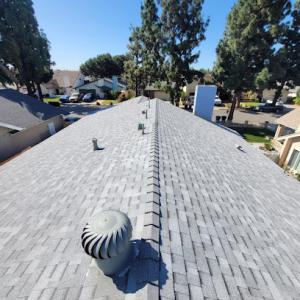
At Samuel Roofing, we are proud to be a trusted family-owned business dedicated to quality, integrity, and care. With over 8 years of experience, our owner, Sam, transitioned from subcontracting to create a company focused on personalized service and exceptional craftsmanship for homeowners. We specialize in roofing solutions that combine traditional techniques with modern innovation, ensuring your home is safe and visually appealing. Our skilled artisans use the latest materials to deliver roofs that not only meet but exceed your expectations. Join our satisfied customers and experience the Samuel Roofing difference today, where your satisfaction is our top priority!

Mega Roofing
(818) 407-4700 megaroofing.com
15260 Ventura Blvd #1200, Sherman Oaks, California
5.0 from 64 reviews
Mega Roofing is your trusted roofing contractor, providing reliable residential and commercial roofing services. We focus on roof installation, replacement, and repairs. We use high-quality materials and skilled work to protect your property for years. We work with asphalt shingles, metal, and flat roofs. We make sure your roof is durable, energy-efficient, and looks great. We pride ourselves on honest pricing, timely service, and exceptional results. If you need urgent roof repair after a storm, Mega Roofing can help. They also offer full roof replacement services. You can count on them for reliable solutions. Serving homeowners and businesses with professionalism and care — contact us today for a free estimate!
The Roofing Team
4325-4327 Woodman Ave, Sherman Oaks, California
4.8 from 71 reviews
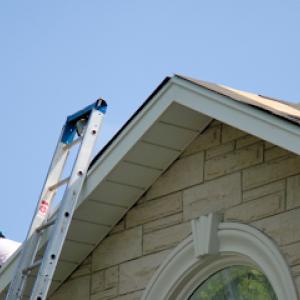
The Roofing Team is a dedicated group of roofing professionals committed to delivering exceptional service. With years of industry experience, our team brings expertise and craftsmanship to every project. From installations to repairs, we handle each task with precision and attention to detail. We understand the importance of a well-maintained roof, and our goal is to provide reliable solutions that exceed expectations. Using quality materials and proven techniques, we ensure that your roof is built to withstand the elements and provide long-lasting protection. Trust The Roofing Team for reliable and expert roofing services.
Infinity Roofers
(805) 225-7663 infinity-roofers.com
15335 Morrison St #300-3053, Sherman Oaks, California
5.0 from 52 reviews
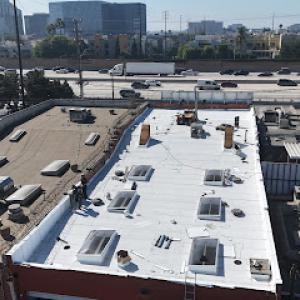
Are you looking for a trusted roofing contractor in Sherman Oaks, California? If yes, Infinity Roofers is the company you can count on for the job. We specialize in Residential Roofing, Commercial Roofing, Roof Repair, Roof Replacement, Roof Maintenance, Roof Inspection, Emergency Roof Repair, Shingle Roofing, Metal Roofing, Tile Roofing, Flat Roofing, and more. Our experienced team delivers some of the best roofing solutions in the Sherman Oaks, California area. As a trusted roofing company in Sherman Oaks, we have a well-trained crew of roofing professionals dedicated to providing high-quality, long-lasting results for every project. Contact us today to get a free estimate on your next roofing project in Sherman Oaks!

United Roofing California
(844) 951-3881 unitedroofingcalifornia.com
15335 Morrison St STE 3052, Sherman Oaks, California
4.9 from 76 reviews
United Roofing California is your trusted roofing contractor serving Los Angeles, Orange, and Ventura counties. We specialize in roof repair, leak detection, new installations, and full replacements for residential and commercial properties. Our experienced team works with all major roofing systems, including asphalt shingles, flat roofs, tile roofs, and solar shingles. Whether you’re dealing with a leaking roof or planning a full upgrade, we provide high-quality, long-lasting solutions tailored to your needs in Southern California.
Alluring Homes | Roofing , Exteriors & Fire Safety Improvements
(818) 469-9695 alluringhomesinc.com
15303 Ventura Blvd 9th Floor, Sherman Oaks, California
5.0 from 44 reviews
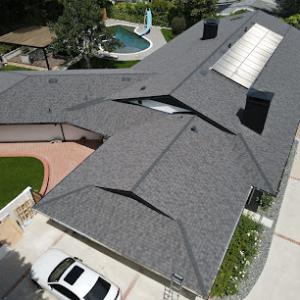
Alluring Homes specializes in energy-efficient solutions that meet California’s strict standards, offering eco-friendly, cost-effective services for luxury homes and commercial properties. We stay ahead of the curve by utilizing cutting-edge technology to ensure your project benefits from the latest innovations. With over two decades of experience, Alluring Homes delivers exceptional craftsmanship, turning your vision into reality. We provide detailed roof inspections, repairs, replacements, cool roof installations, exterior heat-reflective coatings, insulation, energy-efficient windows, HVAC systems, and elegant patio covers, all with a commitment to service, safety, and quality.
Pro Sherman Oaks Roof & Gutter
(818) 600-6996 shermanoaksroofing.com
4717 Van Nuys Blvd #111, Sherman Oaks, California
4.9 from 48 reviews
Welcome to Pro Sherman Oaks Roof & Gutter, your trusted partner for exceptional roofing and gutter services. Our dedicated team of professionals is committed to delivering outstanding results that exceed expectations. With our expertise and attention to detail, we provide top-quality installations, repairs, and maintenance for your roof and gutters. We prioritize durability, functionality, and aesthetics, ensuring the protection and longevity of your property. Trust Pro Sherman Oaks Roof & Gutter for reliable and professional solutions that enhance the value and beauty of your home or business.

Evolve Construction & Restoration CA
(800) 222-4100 evolveconstruction.com
4533 Van Nuys Blvd #101, Sherman Oaks, California
4.8 from 46 reviews
At Evolve Construction & Restoration CA, we help homeowners and businesses bring their vision to life through attentive, end‑to‑end construction and restoration services. We begin by listening carefully to your needs—whether repairing damage after a storm, updating an outdated interior, or creating a custom addition that seamlessly integrates with your property’s character. From our initial assessment through project completion, we coordinate every trade—demolition, framing, plumbing, electrical, and finishes—to ensure clear communication and consistent quality. Our restoration work focuses on diagnosing structural issues, mitigating water damage, and preserving historic details, while our build‑out projects emphasize functional layouts.
Roofing Prodigy Valley Village
Serving
4.8 from 80 reviews
Roofing Prodigy Valley Village is a leading provider of superior roofing services in the Valley Village area. With a team of skilled professionals, we bring expertise and innovation to every project. Whether you need installations, repairs, or maintenance, we go above and beyond to deliver exceptional results. Our focus is on utilizing cutting-edge techniques and high-quality materials to ensure durable and reliable roofs. We understand the importance of a well-maintained roof, and our goal is to provide top-tier craftsmanship that exceeds expectations. Count on Roofing Prodigy Valley Village for expertly executed roofing solutions that enhance the protection and aesthetic appeal of your property.

Quick Fix Roof & Gutter
(747) 298-7300 roofingpros.site
Serving
4.7 from 68 reviews
Quick Fix Roof & Gutter is your go-to company for prompt and efficient roof and gutter solutions. With our experienced team of professionals, we specialize in addressing a wide range of roofing and gutter issues with speed and precision. Whether it's fixing leaks, replacing damaged components, or providing maintenance, we have the expertise and tools to get the job done right. At Quick Fix Roof & Gutter, we understand the importance of a well-maintained roofing and gutter system. Trust us to provide quick and reliable solutions that restore the integrity and functionality of your property.
Gold Star Roofing & Exteriors
(818) 740-5561 theexpertroofers.com
Serving
4.8 from 71 reviews
Experience top-quality roofing and exterior services with Gold Star Roofing & Exteriors. Our skilled team of professionals is committed to delivering exceptional results that exceed expectations. With our attention to detail and superior craftsmanship, we provide reliable installations, repairs, and maintenance for your roof and exteriors. We prioritize durability, functionality, and aesthetics, ensuring the protection and longevity of your property. Trust Gold Star Roofing & Exteriors for reliable and professional solutions that enhance the value and beauty of your home or business. Experience the difference we can make for your property today.
Prolonged UV exposure and heat buildup are realities you'll feel daily when the inland valley sun bakes a roof through long dry summers. Asphalt-based systems in particular absorb those rays, and over time that relentless heat can accelerate aging, cause insulation to work harder, and shorten the time between major repairs. A roof that sits under a hot afternoon sky without adequate ventilation will cook the underlayment and decking, leading to faster deleterious cycles of shrinkage, cupping, and potential moisture ingress after a rare winter rain. In practice, that means choosing materials with true heat resistance and planning for effective attic or deck ventilation, especially on single-story homes with shallow attic space. It also means considering shade-preserving roof components or reflective coatings that resist heat buildup without compromising long-term performance. If you're replacing a roof, expect to evaluate how each option handles sun exposure, not just initial appearance.
Santa Ana conditions bring dry gusts and airborne dust that can settle into exposed roof decks, ridge lines, and vent openings during active work. On a hillside-to-flat-lot mix, wind corridors can funnel air along ridgelines or through driveways, carrying grit that abrades surfaces and infiltrates fastener heads and sealants. When a project is underway, daily cleanup becomes nonnegotiable, not a courtesy detail. You'll want a plan for wind-resistant detailing: reinforced edge metal, proper sealants, and temporary protections around openings to prevent dust intrusion and moisture intrusion at the end of the day. Scheduling around peak wind windows matters; a stubborn gust can loosen fasteners or compromise underlayment seating if the roof sits exposed during a critical phase. Talk with the crew about proactive wind mitigation steps and routine debris containment so the deck, gutters, and penetrations stay clean and intact.
Because this area sits within Los Angeles, wildfire-related underwriting pressure shapes roof choices even if a home isn't adjacent to open hillside brush. That translates into practical decisions about fire resistance, ventilation strategies, and the likelihood of longer-term durability under ember exposure. In plain terms: a roof system that resists ignition and ember penetration, maintains integrity after heat exposure, and supports rapid, thorough inspections after a wildfire season can save headaches later. Ask for a frank assessment of how each roofing option handles radiant heat, ember impact, and the durability of fasteners and sealants under dry, high-wind, high-heat conditions. The right combination is one that stays sound through hot summers, windy spells, and the unpredictable Santa Ana cycles, rather than one that merely looks good on day one.
When you can't wait, these contractors offer fast response times to stop leaks and prevent further damage.
Sherman Oaks Roof Masters
(818) 877-4843 roofingpro.best
14429 Ventura Blvd #425, Sherman Oaks, California
4.8 from 100 reviews
Samuel Roofing
(866) 685-3889 samuelroofinginc.com
4464 Vista Del Monte Ave #202, Sherman Oaks, California
5.0 from 78 reviews

Mega Roofing
(818) 407-4700 megaroofing.com
15260 Ventura Blvd #1200, Sherman Oaks, California
5.0 from 64 reviews
Sherman Oaks falls under the City of Los Angeles, so full reroofs are typically permitted through the Los Angeles Department of Building and Safety rather than a separate city hall. The permit path is straightforward, but it comes with checks that reflect local conditions: hillside layouts, mixed lot types, and rooflines that lean toward complexity. Your project will ride on LADBS rules, not a neighbor-hood-only loophole.
Inspections happen in two common milestones: after tear-off and again at final. The tear-off inspection confirms the old roof is removed down to the deck or sheathing and that any required temporary protection or structural access is in place. The final inspection verifies the new roof is installed to code and that ventilation, flashing, and underlayment meet current standards. In Sherman Oaks, inspectors may review additional details if the project changes ventilation calculations, loading, or if the roof design presents unusual configurations. Plan accordingly so these checks don't catch you mid-progress.
Plan review is part of the process when the project strays from a like-for-like replacement or involves atypical structures. Hillside homes, complex rooflines, or decks integrated into the roof can trigger extra scrutiny. If your reroof involves a roof with unusual pitch changes, blended or layered layouts, or any significant modification to exhaust venting or mechanical vent paths, expect a more thorough plan review. This stage can affect required documentation, such as vent calculations, header support, or drainage implications, so assemble accurate drawings and product specs before submitting.
Practical steps to move smoothly through approvals: start with a complete scope that notes any changes to ventilation, loading, or roofline geometry; prepare a clear roof plan showing ventilation and flashing details; and gather product data for underlayment, vents, and fasteners. Expect the process to reference California Building Code and LADBS-specific supplements, so align your data to those standards. If you have a complex roof, consider an early pre-submittal meeting with LADBS to flag potential plan-review triggers and to confirm required revisions before you invest in permits and heavy work.
Provided local ranges run from about 350 to 700 USD per square for asphalt shingles, 700 to 1400 for metal, 1300 to 2400 for clay tile, 1100 to 2100 for concrete tile, 700 to 1500 for wood shingles or shakes, and 450 to 900 for synthetic or composite shingles. In this market, those figures mirror the Valley's hot sun, occasional Santa Ana winds, and the mix of hillside and flat-lot homes. Heavier tile systems commonly push up labor and logistics costs, especially when valleys, ridges, and penetrations create more fasteners and more precise detailing.
Costs in Sherman Oaks often rise on tile reroofs because many homes use heavier, more intricate roof designs with valleys, ridges, and penetrations common in upscale valley neighborhoods. Clay and concrete tile require longer cycles of setup and more careful handling on exposed hillside streets. If a roof includes multiple hips, heavy tiles, or skylights, expect the price range toward the upper end of the tile spectrum. This is not the place for quick, lightweight swaps; durability and a cleaner appearance through the Valleys' peaks demand more material and precision.
Labor and logistics can increase pricing on hillside streets, larger custom homes, and occupied properties where debris control and cleanup expectations are high. Access can constrain equipment placement, and staging areas on sloped lots often extend project timelines and crew time. In practice, this tends to lift per-square costs for all materials, with tile systems feeling the impact most noticeably due to their weight and installation intricacies. For reroofs with substantial penetrations or vent/chimney work, set aside a contingency for cleanup and protection of landscaping and driveways.
The most popular roofing material in the US. Find pros who install, repair, and replace asphalt shingles.
Sherman Oaks Roof Masters
(818) 877-4843 roofingpro.best
14429 Ventura Blvd #425, Sherman Oaks, California
4.8 from 100 reviews
Mega Roofing
(818) 407-4700 megaroofing.com
15260 Ventura Blvd #1200, Sherman Oaks, California
5.0 from 64 reviews
In Sherman Oaks, the insurance landscape has grown tighter as wildfire risk scales up and carriers reassess exposure across the San Fernando Valley. Fewer options mean you may face more selective underwriting and quicker responses to weather-driven damage. This reality nudges homeowners to plan for durability, not just appearance, when choosing a roof for this climate.
When a claim is on the table, insurers commonly request precise photo documentation, a clear contractor scope, and detailed repair estimates-especially if wind-driven rain or storm-related leaks touch the home. Take action quickly after a driving rain or strong gusts expose a leak; prolonged moisture can complicate coverage and require additional evidence of damage. A cautious approach is to photograph from multiple angles, note affected areas, and obtain a written scope before work starts.
Statewide climate risk and code changes influence coverage pricing and availability, so ownership decisions should account for insurability alongside material choice. A roof that stands up to hot valley heat, Santa Ana wind bursts, and intermittent winter rain can help keep insurance appetites steady, but the ultimate risk assessment remains dynamic. Expect insurers to weigh not only the roof's surface but also how leaks might cascade into interior systems and attic spaces during a storm.
As a homeowner, maintain continuity with ongoing documentation. Keep dated photos of the roof's surface, flashing, and penetrations, as well as notes on any prior patching or temporary repairs. When a claim is contemplated, having a tidy, defendable record helps avoid delays and reduces the chance of coverage questions later in the process. Being proactive with documentation is a practical shield in this market.
Connect with contractors who help homeowners navigate the claims process from damage assessment to final approval.
Sherman Oaks Roof Masters
(818) 877-4843 roofingpro.best
14429 Ventura Blvd #425, Sherman Oaks, California
4.8 from 100 reviews
United Roofing California
(844) 951-3881 unitedroofingcalifornia.com
15335 Morrison St STE 3052, Sherman Oaks, California
4.9 from 76 reviews
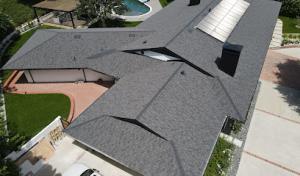
Your hot San Fernando Valley sun makes solar-related roof work a common planning issue during reroofing, especially when homeowners want to avoid reinstall costs later. Plan for solar mounts, conduits, and any panel penalties before the roof goes on. In practice, confirm panel layout with both the solar installer and the roofing crew so penetrations land in solid sheathing and follow the existing rafter lines. A tight, well-sealed roof line matters because high UV exposure speeds aging of underlayment and mounting hardware.
Skylights are a recurring leak point during valley heat-and-rain cycles because flashing and seal transitions are stressed by expansion, UV, and seasonal storms. In a hillside-to-flat-lot mix, skylight placement often sits near heat risers and vent stacks, where expansion is greatest. Inspect flashing details with a careful eye for any blistering or degraded sealant. Consider upgrading flashing materials and ensuring proper drainage slopes around skylights to shed water quickly.
On reroofs, penetrations such as solar mounts, vents, and skylights often determine whether a repair is realistic or a broader replacement makes more sense. If seal integrity around a port or vent shows any signs of bubbling, cracking, or calcium bloom, plan for a broader reseal or panel replacement rather than patching. Ensure penetrations are bored through at the correct distance from edges and are reinforced to resist wind uplift.
Given Sherman Oaks's desert-like summers, Santa Ana wind exposure, and occasional winter rain, timing reroof projects to avoid the worst heat and storms saves future calls for rework. Schedule critical penetrations assessments during mild shoulder seasons, when temps are lower and daylight allows thorough flashing checks. This helps prevent solar or skylight-related resealing from becoming a larger roof issue later. Ask for a detailed drip edge plan and confirm warranty coverage on sealants and flashing. Document all penetrations with photos for future maintenance records.
Find contractors who integrate solar panels or solar shingles into your roof for long-term energy savings.
United Roofing California
(844) 951-3881 unitedroofingcalifornia.com
15335 Morrison St STE 3052, Sherman Oaks, California
4.9 from 76 reviews
Alluring Homes | Roofing , Exteriors & Fire Safety Improvements
(818) 469-9695 alluringhomesinc.com
15303 Ventura Blvd 9th Floor, Sherman Oaks, California
5.0 from 44 reviews
In this climate, coatings are most relevant on low-slope sections where full replacement can be deferred if the substrate and drainage conditions are still serviceable. The combination of hot valley heat, strong sun, and occasional Santa Ana winds accelerates aging on flat or near-flat surfaces. If a roof has a mix of slopes, treat the low-slope areas as the first candidates for a coating upgrade while preserving the more robust roofing surface where possible.
Because heat and UV are major local aging factors, warranty discussions should pivot from generic weather resistance to what the installation proves over years in a hot valley climate. Look for language that distinguishes coverage for workmanship and installation quality from coverage that merely accounts for material wear. In Sherman Oaks, a coating system should clearly spell out performance expectations under sustained high temperatures, rapid drying winds, and seasonal temperature swings. Expect field-verified test results or documented performance data specific to the product line.
Manufacturer-backed warranty options matter more on complex reroofs where multiple roof areas and penetrations increase the chance of workmanship disputes. If a project involves several material types or various transition details (vents, skylights, edge details), a robust warranty becomes a practical guardrail. Ensure the contract specifies what is covered for surface treatment failures, adhesion issues, and flashing integrity, not just material defect. In multi-area jobs, verify that the warranty is linked to proper installation practices and that the manufacturer will stand behind workmanship when more than one crew or trades are involved.
Begin by assessing drainage and substrate condition on the low-slope portions to determine if a coating is a suitable postponement rather than a temporary patch. Discuss expected service life in the context of Sherman Oaks' sun exposure and wind events, and request a written performance projection tied to local climate data. When reviewing warranties, ask for a side-by-side comparison of installation-quality coverage versus typical weathering coverage, with explicit exclusions and maintenance requirements. If multiple roof areas or penetrations exist, prioritize a manufacturer-backed warranty that explicitly covers both material performance and workmanship across all zones.
Extend the life of your existing roof with reflective or waterproof coatings that protect against UV and moisture.
Alluring Homes | Roofing , Exteriors & Fire Safety Improvements
(818) 469-9695 alluringhomesinc.com
15303 Ventura Blvd 9th Floor, Sherman Oaks, California
5.0 from 44 reviews