
Last updated: Apr 19, 2026
Arcadia sits in inland DeSoto County, so roofs endure tropical-storm and hurricane winds without the salt-spray corrosion pressures seen on immediate Gulf-front communities. That difference matters for shingle lift, flashing failures, and tile setbacks. The risk window runs from June through November, when tropical systems and frequent summer thunderstorms create both wind damage and scheduling interruptions. During this period, a sudden gust or microburst can strip loose shingles, pry loose hips and ridges, or topple lightweight vents. Knowing that window helps you plan a proactive stance rather than a reactive sprint post-storm.
Because Arcadia is a high-claim Florida market, homeowners need dated photos, interior leak evidence, and contractor documentation early, especially when adjuster response slows during active storm periods. Start by photographing every roof surface before the season kicks into high gear, focusing on vulnerable areas: hip and ridge caps, flashing around chimneys, vent pipes, skylights, and any previous repairs. If a leak appears inside, document its location with a quick sketch and dated photos of each affected room and ceiling stain. When contractors are called, obtain written assessments that specify the suspected cause, the recommended mitigation steps, and a proposed sequence for tarp or temporary containment if a leak is actively dripping. In all communications with insurance, feature a concise, dated log of events, clear photos, and the names and contact information for anyone who accessed the roof. Delays in adjuster response are most common when storms are active, so having a robust package ready reduces back-and-forth and speeds decisions.
If a storm hits and damage is evident, the first move is temporary containment. Use tarps and heavy-duty plastic secured with decking screws or wind-rated fasteners to cover breaches, especially around areas where water is already entering. Do not leave tarps loose or unattended; wind can peel them away in minutes. For wind-driven damage, focus on securing loose panels, trimming back any dangling edges, and stopping further water intrusion while awaiting professional assessment. If a section of the roof remains structurally sound but shows scoured granules, lifted shingles, or degraded underlayment, keep that area isolated from foot traffic and plan a measured repair rather than a complete re-roof as the storm season presses on. A practical, neighborly approach is to coordinate temporary covers with nearby homeowners to reduce risk of subsequent project delays when crews move through the neighborhood.
In Arcadia, the choice of material should align with the spring-to-fall exposure cycle and the likelihood of storm-driven interruptions. Think about the balance between wind resistance, curb appeal, and long-term performance under inland Florida conditions. While metal and concrete options often provide strong performance against wind and impact, tile decisions still rely on roof pitch, framing, and regional drainage behavior. The key is to align your readiness plan with your roof's condition, the upcoming season, and a clear, well-documented path for insurers and adjusters to follow. By staying organized and proactive, your home emerges more resilient when the next storm pressure arrives.
Mid Florida Roofing Services
(863) 441-1569 midfloridaroofingservices.com
Arcadia, FL
5.0 from 35 reviews
Seeking shelter under Florida's sunshine? Mid Florida Roofing Services stands tall as your trusted guardian. This family-owned company safeguards homes and businesses across Central Florida, offering expert solutions for all roofing needs. From repairs to replacements, their skilled team tackles every project with meticulous attention, ensuring lasting protection against the elements.
D&M Roofing & Remodeling Services,inc.
1538 NW Windy Pine Ave, Arcadia, Florida
5.0 from 4 reviews
At D&M Roofing and Remodeling Services, Inc., we make your home improvement dreams become a reality. Established since 1997, our team of highly skilled professionals offers a complete spectrum of services, including roofing, remodeling, drywall installation, and much more! From minor repairs to comprehensive overhauls, we handle every project with precision, efficiency, and unwavering attention to detail. Count on us to breathe new life into your living space, whether you desire a simple paint refresh, or a complete home transformation. Experience top-quality craftsmanship and exceptional customer service throughout your project when you choose D&M.
U.S. Code Compliance - The Third Nail
(941) 979-7910 thethirdnail.com
Serving
5.0 from 201 reviews
U.S. Code Compliance – “The Third Nail” We specialize in hurricane clip and third nail installations designed to strengthen your home’s roof-to-wall connections and improve wind resistance. Our team provides professional Wind Mitigation Reports and 4-Point Inspections to help homeowners qualify for major insurance savings and meet Florida building standards. With over 10 years of experience as licensed contractors and home inspectors, we proudly serve Sarasota, Charlotte, DeSoto, Hillsborough, Lee, Manatee, Pinellas, Hardee, Polk, Pasco, Desoto and Collier Counties. Trust U.S. Code Compliance for expert third nail retrofits, hurricane clip upgrades, and inspection services that protect your home, boost your safety, and save you money.
J.C. Jones & Co. Roofing & Construction
(833) 525-6637 www.jcjonesco.com
Serving
4.8 from 157 reviews
We are family owned and operated J.C. Jones has weathered every storm Mother Nature has thrown our way. If you have storm damaged let us help you navigate the insurance process and get you repaired back to pre-storm condition. Although we started as a residential roofing company, today our team of factory-trained professionals also offers a full range of commercial roofing services, including metal roofing, tile and slate roofing, roof coatings, restoration services, shrink wrap roofing, and more.
Prestige Roofing Company
(239) 944-6172 www.prestigeroofing.co
Serving
5.0 from 60 reviews
Prestige Roofing Company is a trusted roofing contractor serving all of Southwest Florida. We specialize in tile roof installations, roof repairs, and replacements using top-quality materials. Our expert team offers reliable, timely service for all your roofing needs, including emergency roof repairs. We pride ourselves on honest estimates and customer satisfaction. Choose Prestige Roofing for quality craftsmanship that lasts. Call today for a free consultation and discover why Southwest Florida homeowners rely on us for their roofing solutions!
Right Now Roofing & Solar - Port Charlotte
Serving
4.7 from 61 reviews
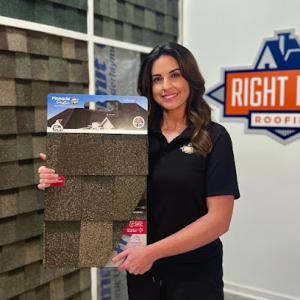
Right Now Roofing Port Charlotte is the leading roofing company in Florida providing roofing services to Port Charlotte, Punta Gorda, Fort Myers, North Fort Myers, Cape Coral, Sanibel, Rotonda West, Cleveland, Charlotte County and Lee County markets and have locations nationwide. We have created a plan and process that is organized and repeatable giving our customers excellent results. Your roofing experience will include a dedicated roofing project manager, a production team, and our roofers have been hand picked by our ownership. We are a full service roofing contractor, services we provide (but not limited to): asphalt shingle roofing, tile roofing, metal roofing, residential roofing, commercial roofing, wind damage, and roof repairs.
R & L Building Construction
(941) 815-0404 www.rlbuildinginc.com
Serving
4.7 from 32 reviews
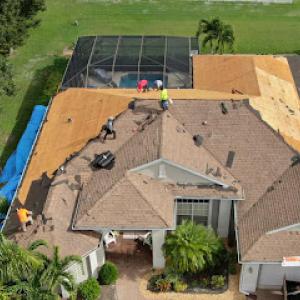
R&L Building Construction proudly serves Charlotte County, FL, and surrounding areas, providing exceptional roofing, remodeling, and aluminum structure solutions backed by over 32 years of experience. Our team is committed to delivering quality craftsmanship on every project, whether it’s restoring a storm-damaged roof, transforming a home’s interior, or building functional outdoor spaces like carports and sunrooms. We focus on combining durability, style, and attention to detail to create results that stand the test of time. At R&L Building Construction, your vision is our mission, and we work hard to bring it to life with professionalism and care.
Bone Dry Roofing
Serving
5.0 from 209 reviews
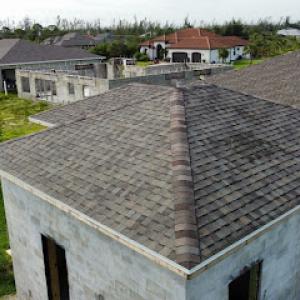
For more than 35 years, Bone Dry Roofing has been a trusted name in the greater Punta Gorda area. As a family-owned and locally operated company, we’re dedicated to providing homeowners with quality roof replacements and repairs built to last. Every new roof we install is backed by our 25-Year Craftsmanship Warranty, a reflection of our confidence in the work we do. But our true difference lies in how we do it—through honest communication, careful attention, and dependable service from start to finish. That’s what defines The Bone Dry Roofing Experience. Trusted by thousands of Punta Gorda homeowners, we’re proud to protect your home and your peace of mind. Contact us today to schedule your free estimate.
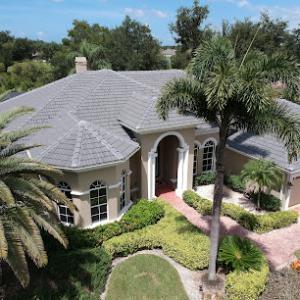
Green Coast Roofing & Solar
(239) 776-8680 www.gogreencoast.com
Serving
4.9 from 286 reviews
The Green Coast Roofing and Solar brings SPEED, INTEGRITY and QUALITY! Ensuring unwavering client satisfaction. We are a Solar, Roofing and General Contractor that raise the bar for quality and performance. A second generation contractor in SWFL since the 1970’s. We believe in continuing our reputation as people of character and standing in our community through fair and transparent business. Specializing in all your Roofing and Solar needs. Residential, Commercial and Hurricane Restoration.
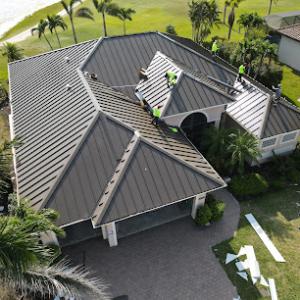
Cedar Creek Roofing
(863) 345-2191 cedarcreekroof.com
Serving
5.0 from 12 reviews
Roofing contractor Cedar Creek Roofing is a family-owned roofing company based out of Florida. We are licensed CCC1331990 and Insured. We have been in business since 2015 and whether your roof has suffered storm damage or is just aging, we are more than qualified to provide the solution required from a small repair to a full replacement. Our expert roofing team has the experience and skill level to manage all types of roofing projects.
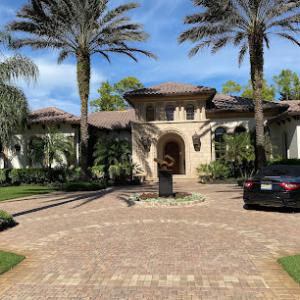
Evolve Construction FL
(800) 222-4100 evolveconstructionfl.com
Serving
4.9 from 69 reviews
At Evolve Construction, we are committed to enhancing and repairing residential and commercial properties in Port Charlotte, FL. Our mission is to foster long-term relationships with our clients by prioritizing their happiness and satisfaction. We are passionate about our work and share the same values with homeowners and business owners in striving for exceptional results. Trust Evolve Construction for quality service and superior craftsmanship that exceeds expectations.
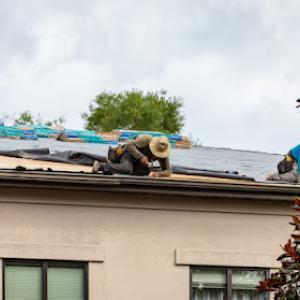
Topline Roofers Port Charlotte
(941) 267-0548 roofersportcharlotte.com
Serving
5.0 from 34 reviews
Topline Roofers Port Charlotte provides top-notch roofing repair and maintenance services in Port Charlotte, FL. We are dedicated to ensuring that your roof not only looks great but also provides the utmost protection for your property. Our roofers possess the knowledge and skill set necessary to tackle a wide range of roofing materials and styles. From traditional asphalt shingles to modern metal roofs, we have the expertise to install, repair, and maintain them all. We work closely with our clients to assess their specific needs and recommend the most suitable solutions that fit their budget and preferences. Contact us today for a free consultation and let us be your reliable partner for all your roofing repair and maintenance needs.
Arcadia's hot, humid subtropical conditions and frequent summer rain push every roof to sweat a little more than inland markets. Shingle warranties and underlayment ages will show wear faster when algae growth, moisture intrusion, and fastener corrosion stack up. The dominant residential options- asphalt shingles, metal roofing, clay tile, concrete tile, wood shingles or shakes, and synthetic or composite shingles-each respond differently to the humidity and storm rhythm. Knowing how the weather couples with your roof type helps you pick a system that won't surrender after a long dry season followed by a heavy thunderstorm.
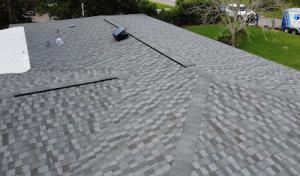
Asphalt remains prevalent where long-term hail and wind resistance are meaningful, but heat and humidity demand attention to ventilation and underlayment. In this climate, ensure the attic space is adequately vented and that the roof deck is kept dry during installation. Granule loss and shingle curling can accelerate after several hot seasons, so look for a high-quality wave or tab profile with a stout sealant and a wind-rated design. For homes that see frequent afternoon downpours, consider a shingle line with good algae resistance and an overlap pattern that minimizes water intrusion at edges and penetrations.
Metal is a favored option where contractor specialization signals stronger local expertise than basic shingle work. Metal panels with appropriate underlayment and solid fasteners perform well against hurricane-scale winds and driving rain, and they can shed heat more efficiently, helping to slow attic dew problems. In Arcadia, focus on the panel layout, the fastener type, and the finish coating that resists salt-air exposure and humidity-driven corrosion. Integrated batten or concealed-fastener systems reduce the risk of leaks at seams, and a quality seal around chimneys and vents is essential due to storm-driven water migration.
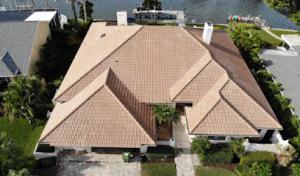
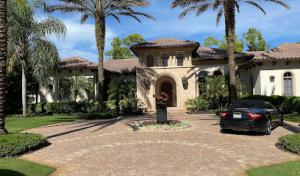
Clay tile and concrete tile handle heat and humidity gracefully when installed on a solid deck with proper battens and a robust underlayment. Clay's color stability helps reflect heat, but its weight demands a structural check and precise layout to prevent breakage under heat cycling and wind pressure. Concrete tiles tolerate humidity well but can be heavier and noisier during heavy rain without adequate insulation and underlayment. In areas with frequent summer storms, tile systems benefit from continuous ridge vents and a wind-rated installation pattern to maintain water shedding and fastener security.
Wood in this climate requires meticulous attention to moisture migration and fastener corrosion. In Arcadia, wood shakes can outperform in appearance but may demand more proactive maintenance to prevent rot and algae. Synthetics or composite shingles offer a drought-friendly sleep-in while maintaining color stability and quicker installation, but verify UV resistance and ablation performance under heavy rain and high humidity. If choosing wood or synthetic, insist on a product line known for humidity tolerance and a warranty that covers moisture-related degradation.
Regardless of material, the local pattern- humid heat followed by summer storm bursts- makes moisture management crucial. Prioritize a robust underlayment, a well-sealed flashing system, and regular inspections after the worst storms. A proactive plan includes checking for missing granules, loose fasteners, and algae growth, especially along edges and near penetrations. For Arcadia, choosing systems with accessible repair options and established local service networks minimizes downtime when quick storm-response is required.
Provided local cost ranges run about $350 to $550 per square for asphalt shingles, $700 to $1100 for metal, $900 to $1500 for clay tile, $800 to $1300 for concrete tile, and $500 to $800 for wood or synthetic/composite products. In practice, that means a basic asphalt roof remains the most budget-friendly option, while tile systems push total price up, especially if you choose heavier clay or concrete tiles. If you're evaluating options after a storm, the same square footage can drift noticeably due to crew availability and material mix, so use these ranges as a baseline rather than a fixed quote. For a tile roof, consider not just the tile itself but the added weight, underlayment, and potential deck or attachment documentation that some crews insist on documenting.
Arcadia's re-roof-heavy market means pricing can swing after tropical weather when regional demand spikes and crews are pulled into storm response across Southwest and Central Florida. If a hurricane passes nearby, you'll see supply tighten and labor costs rise for a window of days to weeks as crews shift from residential replacements to storm response. In those cycles, expect higher mobilization fees or rush charges on top of standard material costs. Planning ahead during the calmer weeks can help you lock in more favorable terms, but be prepared for a price shift if a major system tracks into the region.
Costs can also shift with material choice because heavier tile systems, deck or attachment documentation, and wind-mitigation-related details may add labor and inspection complexity in DeSoto County. A clay or concrete tile roof, for instance, may require a reinforced deck or upgraded fasteners, which pushes labor hours and material waste upward. Wind-mitigation considerations, if pursued, can add both inspection time and specialized components, contributing to the total. If a storm-targeted inspection is anticipated, budget a modest cushion for potential increases tied to these enhancements.
When you obtain a quote, ask for a breakdown by material, underlayment, fasteners, and any required documentation. For heavier systems, request explicit notes about deck preparation, attachment methods, and wind-resistance features. For insurance-ready documentation, ensure the quote includes the roofing scope, a recent photo of the roof's condition, and a clear timeline. If a storm response window is imminent, factor in potential scheduling delays and confirm what part of the work can proceed under existing weather constraints. In Arcadia, aligning the chosen product with anticipated storm cycles and the local market tempo helps you balance cost, durability, and timely recovery after severe weather.
Don't let upfront costs delay a critical repair - these contractors offer payment plans to fit your budget.
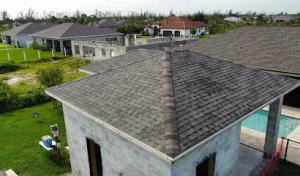
A full re-roof in Arcadia typically requires a building permit through the DeSoto County Building Department rather than a separate city-only roofing process. This means the permit review will follow county schedules and checklists, not a city-specific timeline. Before tearing off, verify the permit type, required plans, and any setback or accessory-structure considerations that may apply to your lot. The county's online portal often lists required documents, including roof framing details and material selections, so having those ready prevents delays once the project is ready to apply.
Local reroof inspections commonly occur at tear-off and again after installation, so scheduling and access matter if weather delays hit during summer thunderstorm patterns. Plan for an initial inspection of the old roof removal to confirm the substrate is ready for replacement, followed by a final inspection after the new system is installed. If you expect weather windows to compress, coordinate with your contractor and the county to lock in inspection slots early. A clear path to the roof, safe staging for materials, and unobstructed access for inspectors can shave days off the process and reduce re-inspection fees or reschedule risks.
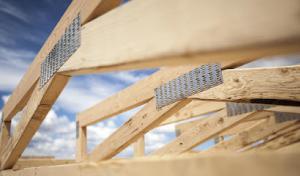
Depending on the roof system, the county may request wind-mitigation documentation or deck and attachment details, which can affect both permit review and final sign-off. For metal, tile, or composite systems, expect specifications on fastening patterns, underlayment, and nailing schedules that demonstrate wind resistance. Having ridge vents, attic access, and exterior edge details documented helps the review move smoothly. If an engineer's attachment or a structural note is needed, obtain those documents early and keep digital copies accessible for the inspector. Effective communication with the contractor about what the county expects for deck attachment and fastener counts can prevent last-minute hold-ups at the final sign-off.
Florida's inland hurricane corridor, including DeSoto County, has a history of storm-driven roof damage that you will notice in Arcadia. When a sudden downpour or high wind tests shingles, tiles, or underlayment, the window to document impact is narrow. If a leak appears, act quickly to limit interior damage and photograph the roof edge, attic spaces, and any visible fasteners. Insurance carriers increasingly scrutinize roof age, attachment details, and what caused the damage, so delayed reporting can hurt your claim. Keep a clear record of the sequence: the storm event, the roof condition immediately after, and any temporary measures taken to reduce further harm. You are not overreacting to treat the roof as a potential claim trigger; you are simply improving the odds that a claim is handled fairly and promptly.
Having a well-organized file pays off when a claim lands on the desk of an adjuster. In this market, keeping permit records, inspection notes, product information, and a chronological photo log is not vanity-it's leverage. Attachments like shingle or tile type, fastener style, and roof deck condition matter because they reveal how the roof was built and how it performed during the last storm. When insurers start asking questions about age, attachment details, and storm causation, a ready packet speeds up settlement and reduces back-and-forth. In Arcadia, where tile-to-metal or composite transitions are common, be prepared to show how transition details were installed and maintained over time. A tidy, dated file helps you prove what happened and why the repair approach is appropriate.
Wind mitigation documentation can matter beyond a single claim. After a re-roof, carriers often reassess underwriting and premiums, not only for coverage but for future policy terms. Prior to a new policy discussion, gather records that show roof design, attachment method, and quality of secondary water resistance. This evidence supports your case that the roof can resist typical Florida wind events and that the installation meets performance expectations. In practice, a comprehensive file strengthens both claim resolution and insurance conversations, reducing guesswork for all parties involved.
Connect with contractors who help homeowners navigate the claims process from damage assessment to final approval.
J.C. Jones & Co. Roofing & Construction
(833) 525-6637 www.jcjonesco.com
Serving
4.8 from 157 reviews
You'll find the most predictable stretch for planned roof work during the inland Southwest Florida winter. Cooler temperatures reduce heat stress on crews and materials, and rain interruptions are less frequent. Align your tear-off, dry-in, and inspection milestones to a solid two- to three-week block when skies are typically clear for several days in a row. Expect calmer conditions in mornings, with the potential for afternoon showers, so pin your schedule to early start times and finish-by-afternoon targets whenever possible. Have tarping and edge protection ready before you start, so a stray breeze can't undo a day's progress.
Summer afternoons bring sudden thunderstorm chances that can stop work mid-day. In Arcadia, that means staging becomes a real critical step. Use a staging zone on the ground with material on a temporary rack, and keep every crew member aware of shifting weather forecasts. Plan for flexible daily targets: if a storm is on the radar, switch to non-tear-off tasks such as detailing penetration flashing, underlayment checks, or ridge vent work that can be completed under shelter. A dry-in that accounts for potential rain days reduces wasted hours and protects interior ceilings from unexpected leaks.
Extreme summer heat accelerates aging of roofing materials and affects installation conditions. Schedule the most physically demanding tasks for cooler parts of the day, ideally early morning or late afternoon. Hydration and shade become essential on-site practices for both crews and homeowners. If shingles or underlayment feel hot to the touch, pause to re-check alignment, sealant temperatures, and fastener seating. A well-timed, methodical pace minimizes heat-related errors and keeps the project moving toward a durable finish.
When you can't wait, these contractors offer fast response times to stop leaks and prevent further damage.
In Arcadia's humid, rain-heavy environment, asphalt systems are especially vulnerable to accelerated aging, granule loss, and moisture-related deterioration compared with cooler or drier regions. Hot, sun-drenched days paired with sudden downpours can push the asphalt adhesive beyond its comfort zone, causing faster wear at the edges and around penetrations. If granules start washing away, the roof's ability to reflect heat declines, inviting faster cure-time variability for underlayment and sheathing. You'll notice premature color fading, more frequent staining, and higher susceptibility to minor leaks after heavy storms. The consequence is not just cosmetic: compromised shingles let in moisture that can travel along the deck, raising the risk of hidden rot and attic moisture buildup.
Tile roofs in this market need attention to underlayment life and storm-related breakage because the visible tile can outlast the waterproofing layer beneath it. The weight and brittle edges of clay or concrete tiles can mask deteriorating underlayment, creating a false sense of security after a storm. A single cracked or displaced tile can expose vulnerable underlayment to tropical downpours, leading to hidden leaks that migrate into soffits or inside walls. Regular inspection should target flashing transitions, valley pans, and fasteners that secure underlayment to the roof deck, especially after severe weather events.
Metal roofs perform well in wind and rain but still depend on correct fastener, flashing, and panel detailing to avoid leaks during tropical downpours common in inland Southwest Florida. Look for loose or missing screws, worn seals around penetrations, and improper lap joints after storms. Punctures or gaps in caulked seams can allow rain to track underneath panels, particularly where roof edges meet walls or chimneys. Routine checks for denting, panel misalignment, and corrosion at exposed fasteners help prevent puncture-driven leaks when storms arrive with short notice.
Find contractors who specialize in clay and concrete tile roofs, known for their durability and curb appeal.
J.C. Jones & Co. Roofing & Construction
(833) 525-6637 www.jcjonesco.com
Serving
4.8 from 157 reviews
Right Now Roofing & Solar - Port Charlotte
Serving
4.7 from 61 reviews