
Last updated: Apr 19, 2026
Fernandina Beach sits on Amelia Island, so many homes are exposed to Atlantic coastal winds rather than the more buffered conditions found farther inland in Nassau County. That relentless air flow, especially during hurricane season, tests every roof edge, penetration, and attachment. When replacing an aged roof, prioritize systems and components that are explicitly rated for coastal exposure. The goal is to create a roof that can resist higher wind speeds without the edge or fasteners giving way. Edge securement matters as much as the roofing material itself; if the perimeter isn't tightly anchored, a strong gust can leverage the entire field of panels or shingles. In practical terms, look for roofing assemblies that emphasize high wind uplift resistance, continuous eave and rake protection, and reinforced eave detailing that remains airtight under pressure.
Salt-laden air near the ocean and Intracoastal areas can accelerate corrosion of metal flashings, fasteners, clips, and exposed accessories if the roof system is not selected for coastal exposure. Every metal component-flashings, step and counter-flashings, clips, nails, and fasteners-needs a corrosion-resistant specification, ideally stainless or hot-dalged/coated steel designed for salt spray. Seams and penetrations deserve extra attention: corrosion can start at the screws holding down shingles or tiles and quietly undermine seal integrity. If choosing metal or composite options, insist on corrosion-resistant coatings and verify the compatibility of all-metal parts with your chosen roofing system. Regular maintenance becomes a shield against early deterioration; plan for quick replacements of any oxidized elements before leaks form.
Because the city is in a hurricane-prone Northeast Florida coastal zone, wind-resistant attachment details and edge securement are a central concern during replacement decisions. A roof in this area demands robust hurricane ties, impact-rated underlayments, and fasteners counted for high wind zones. Ensure fastener patterns align with local wind load expectations and that fasteners penetrate into solid framing with adequate length and fastening cadence. Rake and soffit details should be reinforced, not merely cosmetic; improper edge control invites wind uplift and perilous panel loosening. Consider a continuous drip edge and sealed nail-Holes at the perimeter to maintain a moisture barrier when the salt air tries to creep under the roofline. In addition, verify roof-to-wall connections and flashing transitions around chimneys, vents, and skylights receive enhanced detailing to resist salt-laden gusts.
Before committing to material choices, confirm the roof system's coastal exposure rating with the installer, and request a wind-load calculation that reflects Amelia Island conditions. Ask for fastener types that resist salt corrosion and for a complete edge-securement plan, including hurricane-ready attachments at hips, ridges, and gable ends. Inspect and replace any compromised flashings, clips, or exposed accessories promptly after storms or heavy salt spray events. Finally, establish a replacement plan that includes salt-control maintenance intervals: rinse salt buildup from metal components, reseal penetrations, and monitor edge details for any loosening or corrosion. This proactive approach protects the home's shelter and lengthens the life of the roof against Fernandina Beach's signature coastal forces.
When a storm rolls through, two forces collide on your roof: direct coastal winds and the feeder-band thunderstorms that ride in during the June to November hurricane season. The result is a surge of loose shingles, damaged flashing, and compromised underlayment that can escalate quickly if left unattended. In this market, roofs are often exposed to salt spray and humid air, which accelerates corrosion on metal components and fasteners. That combination creates a higher risk of leaks once wind-driven rain starts cascading between gaps or over the edge of missing shingles. The urgency is real: a damaged roof is not a cosmetic problem, it's a structural and moisture risk that can threaten ceilings, insulation, and interior finishes if rain continues to intrude.
Tarping and leak control are not optional; they are survival steps. If shingles are missing or curled, place secure, watertight tarps over the most exposed areas, anchored well beyond the edges to withstand gusts. Use roof-approved tape or fasteners designed for storm conditions and avoid placing tarps over vent pipes or metal flashing that could trap moisture underneath. Inside, locate the highest-priority leak zones and place plastic sheeting or buckets to catch water, while keeping electrical sources dry and away from standing moisture. Photograph all damage from multiple angles: close-ups of hail hits, lifted shingles, bent flashing, and any fallen debris. These images matter for insurance claims and for scheduling repairs when the weather finally clears.
Fernandina Beach roofs can be affected by both direct coastal wind events and feeder-band thunderstorms during the hurricane window, and those events are notorious for delaying work crews. Local replacement timing is often disrupted by tropical systems and frequent summer storms, which can delay tear-off, dry-in, and final scheduling. Plan for potential interruptions: have a temporary plan for ongoing leaks and a priority timeline for securing the most vulnerable sections first. If you have to pause work, ensure temporary protections stay in place and reassess the site after each storm. Keep a running log of weather delays, access issues, and any appointments that get shifted-this will help you manage expectations with your contractor and insurer.
After the immediate containment steps, reach out to a contractor who understands this coastline climate and the salt-air effect on materials. Request rapid, on-site assessment focused on wind-driven loss, flashing integrity, and underlayment exposure. Ask for a written plan with staged milestones: emergency tarping, leak mitigation, tear-off scheduling, dry-in, and final roof cover installation. Document every visit with dated photos and notes and share them with your insurer promptly. In Fernandina Beach, speed saves damage, but accuracy and thorough documentation save you from delays and disputes later.
Domestic Design Roofing
(904) 321-0626 domesticdesignroofing.com
2382 Jamestown Rd, Fernandina Beach, Florida
4.9 from 103 reviews
Domestic Design Roofing, Fernandina Beach's premier family-owned roofing contractor since 2001, has recently been acquired by passionate homeowners and professionals, Danny and Ashley Britt. At Domestic Design Roofing, they understand the importance of offering high-quality installations, repairs, replacements, and service for both residential and commercial roofing projects with a focus on customer satisfaction. The company's website showcases their services, testimonials, gallery, and the people behind their success.
LePierre Roofing
(904) 277-3000 lepierreroofing.com
1 N 4th St, Fernandina Beach, Florida
4.8 from 122 reviews
LePierre Roofing is a roofing contractor in Fernandina Beach serving Yulee, Amelia Island, Callahan, and nearby areas. Our roofing company offers residential roofing, commercial roofing, roof repair, asphalt shingle roofing, metal roofing and more. Customers love us because of our comprehensive roof warranties and our affordable roof financing options. We also have industry affiliations and certifications such as GAF Master Elite and Tamko Pro. Contact your reliable Fernandina Beach and Yulee roofing company for a free estimate!
Cost Plus Roofing
(904) 236-1255 costplusroofs.com
5443 Waldron St, Fernandina Beach, Florida
4.9 from 46 reviews
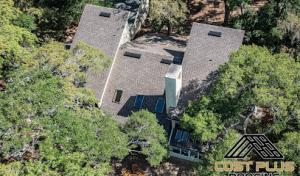
Cost Plus Roofing is a 100% firefighter & family-owned and operated business with over 20 years ofexperience in the roofing industry. Cost Plus Roofing has the depth of experience, resources, and financial stability to handle residential, commercial, and multi-family projects. We are a Licensed and Certified Roofing Contractor that is bonded and insured. With offices centralized in Jacksonville, we have the coverage and experience to serve all your roofing needs within 4 surrounding counties. (Duval, Clay, Saint Johns, Nassau) Cost Plus Roofing is a Certified Master Contractor, a member of the Better Business Bureau, and the Roofing Contractors Association of Florida. As an insurance loss specialist, Cost Plus Roofing is fully qualified t
Amelia Island Roofing
(904) 310-5574 ameliaislandroofing.com
5211 S Fletcher Ave Suite 260, Fernandina Beach, Florida
4.7 from 46 reviews
Local North Florida roofing company providing residential and commercial roofing solutions. New construction and reroofs, our expertise includes shingles, metals, tile, PliDek,TPO and coverings.
Cover Roofing Company
(904) 206-0529 www.coverroofingco.com
1417 Sadler Rd #155, Fernandina Beach, Florida
5.0 from 11 reviews
Cover Roofing is a locally owned and operated roofing company with over 25 years of experience in providing top-quality roofing services. We specialize in roof repairs, replacements, and installations for residential and commercial properties. Our skilled team is dedicated to delivering reliable, durable solutions with a focus on customer satisfaction. Trust Cover Roofing for expert craftsmanship, honest service, and competitive pricing in every project. Roofing financing available
Bigfoot Roofing & Construction
(904) 780-0165 www.bigfootroofing.com
911 S 8th St Suite E, Fernandina Beach, Florida
5.0 from 3 reviews
Bigfoot Roofing & Construction is a locally owned, BBB A+ rated roofing and construction company serving Jacksonville and Northeast Florida since 2011. As a GAF Master Elite® contractor, they specialize in residential and commercial roofing, repairs, storm damage, gutters, siding, and more, backed by top warranties and financing options. Founded by third-generation contractor Kyle Maxwell, Bigfoot Roofing delivers expert craftsmanship, honest communication, and 24/7 emergency support. Customer satisfaction is their top priority, with free estimates and full insurance claim assistance available.
Coastal Roofing Systems
(904) 261-2233 www.coastalroofs.com
Serving
4.8 from 18 reviews
Coastal Roofing Systems is a licensed and insured roofing contractor located in Fernandina Beach, FL. We offer services in the Jacksonville metropolitan area specializing in new construction, roofing and reroofing. Coastal Roofing Systems offers shingle, metal and tile roofing, and weatherization. We are a factory certified GAF installer and are current members with the Northeast Florida Builders Association, Angie's List and the Better Business Bureau with an A+ rating.
Maximum Restoration
(919) 243-5434 www.maximumrestorations.com
Serving
4.7 from 19 reviews
Maximum Restorations is the all-in-one home improvement service providing dependable work for commercial and residential clients. With offices in two states--Raleigh, NC and Jacksonville, FL--our ability to work with all types of customers on all kinds of jobs is unmatched. From small gutter repairs to large remodeling jobs, we’re ready to get to work. Call us today.
Taylormade Roofing
(904) 849-7758 taylormaderoofing.com
Serving
4.7 from 90 reviews
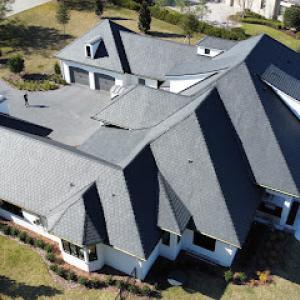
TaylorMade Roofing, Inc. is a trusted contractor with over a decade of experience providing exceptional roofing solutions. We specialize in residential and commercial roofing, new construction, and custom homes. Our expertise includes concave roofs, radius roofs, Brava composite tiles, standing seam metal, tile, torchdown, and Plidek walkable decks. Certified in premium materials and innovative designs, we’re the go-to choice for durable, custom roofing systems. Whether you need a repair, replacement, or custom project, we deliver professional, cost-effective solutions with honesty and integrity. Let us tailor the roof to exceed your expectations!
E Artistic Roofing
(678) 448-4956 www.eartisticroofingllc.com
Serving
4.9 from 33 reviews
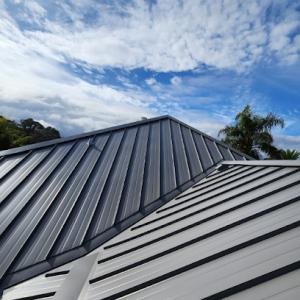
E Artistic Roofing, based in Saint Marys, Georgia, specializes in high-quality roofing services tailored to meet your needs. With a commitment to excellence, our licensed and insured team provides reliable solutions for residential and commercial properties, including roof installations, repairs, and replacements. We prioritize customer satisfaction and offer free estimates to ensure transparency and value. Trust E Artistic Roofing for durable, aesthetically pleasing roofing solutions that enhance your property's appeal and protection.
L Mendez Roofing
Serving
5.0 from 11 reviews
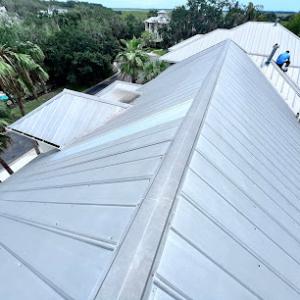
L Mendez Roofing is a trusted roofing company in Brunswick, GA, with years of experience providing top-quality roof installation, repair, and home remodeling services. Trust us to handle your roofing needs with professional finesse as we apply our high standards of workmanship to deliver unparalleled results. We pride ourselves on delivering exceptional craftsmanship, reasonable prices, and a commitment to providing high-quality results that meet our customers' needs. Call today for a quick quote!

Ecobuild Roofing
(904) 643-3686 ecobuildjax.com
Serving
5.0 from 155 reviews
We've been handling roofing work in Jacksonville and surrounding areas for over 7 years. At Ecobuild Roofing, we know roof problems are stressful - whether it's storm damage, leaks, or needing a full replacement. That's why we work to make the process smooth. We offer 24/7 emergency repairs because damage won't wait for business hours. We also do maintenance, repairs, complete replacements, and new construction. Our free inspections help catch problems before they become major headaches. If severe weather has damaged your property, we respond quickly with storm restoration services. We use quality materials and proven techniques because your roof needs to protect your home for years. At Ecobuild Roofing, we prioritize exceptional servic.
On Amelia Island, the dominant local material mix includes asphalt shingles, metal roofing, clay tile, concrete tile, wood shingles or shakes, and synthetic or composite shingles. The coastal wind, salty air, and high humidity push durability and corrosion resistance to the front of the decision. A roof here needs to tolerate frequent tropical storms, resist salt spray, and hold up under heat without rapidly degrading. When you look at your options, focus on long-term performance and how fast wind-driven debris might strike your roofline.
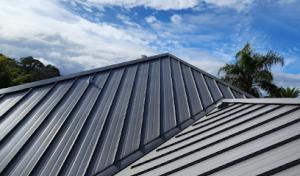
Metal roofing stands out for coastal wind performance and corrosion resistance. If your home has exposed eaves or a parapet, properly attached panels with corrosion-resistant fasteners and a sealed underlayment pay big dividends during hurricane season. In many older homes or historic districts, metal can be color-matched to preserve curb appeal while delivering lower maintenance over time. If you choose metal, inspect seam integrity and ensure edge fasteners are corrosion-protected. Proper attic ventilation remains important to minimize condensation and frost risk on rare cold snaps.
Tile roofs fit many coastal and historic-style homes, but their weight and attachment details make roof-deck condition and installation quality especially important in re-roof projects. Clay and concrete tiles demand a solid structural assessment before installation. In a re-roof scenario, verify that the deck and rafters can bear the load, especially if the old system used lighter materials. Tile fasteners should be resistant to salt air, and the tile pattern should accommodate hurricane-induced wind pressures. A well-sealed flashing plan around chimneys and vents is essential to prevent salt-laden moisture from penetrating the deck.
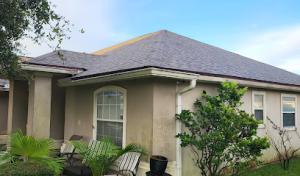
Asphalt shingles are common for a reason: they balance cost, ease of installation, and adequate wind resistance when installed to code. Wood shingles or shakes bring a historic texture but require careful maintenance against mold, rot, and insect intrusion in humid air. Synthetic or composite shingles offer a middle ground, with better weather resistance than some wood ecosystems and lighter weight than concrete or clay. Regardless of choice, ensure the underlayment and drip edge are compatible with coastal humidity and potential salt exposure.
Start with a visual inspection of the current deck, looking for sagging areas, loose fasteners, and moisture staining near eaves. Have a trusted contractor assess wind uplift ratings and confirm fastener patterns match expected roof pitch and local wind zones. For any tile option, insist on a structural assessment and a detailed installation plan that covers deck reinforcement, tile weight distribution, and an integrated sealing strategy. Finally, prioritize materials with proven salt-air performance and a warranty that covers coastal exposure.
Provided local cost ranges are about $350 to $550 per square for asphalt shingles, $700 to $1100 for metal, $900 to $1700 for clay tile, $800 to $1500 for concrete tile, $600 to $1100 for wood shingles or shakes, and $500 to $900 for synthetic or composite shingles. When you're budgeting, size your project by roofing squares (100 square feet). A standard home in this area often lands in the mid-to-upper end of these ranges once you factor in coastal hardware, upgraded underlayment, and salt-air resistant fasteners. The spread matters: a small change in material choice or fastener type can push total cost by a few thousand dollars.
Costs in Fernandina Beach can rise after tropical storms when regional demand surges across coastal Northeast Florida and contractor schedules tighten. If a storm pulls work into a tight window, you'll see longer lead times and higher crew rates. Plan for a delay if you're waiting on material shipments or a preferred installer. In practice, expect prices to move up modestly in the wake of a storm, not down. Build a contingency into your budget for expedited scheduling or temporary roofing solutions if you're between storms.
Coastal corrosion-resistant components, wind-focused installation details, and repairs to roof decking found during tear-off can materially affect final pricing in this city. A wind-rated underlayment, stainless or galvanized fasteners, and sealed ridge caps add to the upfront but reduce long-term maintenance costs. Clay and concrete tiles demand careful attachment to resist coastal winds, while metal roofs typically carry higher per-square costs but shine in longevity and salt resistance. Synthetic shingles sit in the middle, often offering balanced durability and price.
During a tear-off, expect possible decking repairs or replacements if rot or salt exposure is found. Decking work quickly changes the bottom line because it's labor-intensive and materials costs vary with the extent of damage. If you're installing new decking, align it with the chosen roofing system and wind-resistance needs; improper decking can undermine the entire warranty and performance.
Don't let upfront costs delay a critical repair - these contractors offer payment plans to fit your budget.
LePierre Roofing
(904) 277-3000 lepierreroofing.com
1 N 4th St, Fernandina Beach, Florida
4.8 from 122 reviews
Cost Plus Roofing
(904) 236-1255 costplusroofs.com
5443 Waldron St, Fernandina Beach, Florida
4.9 from 46 reviews
Cover Roofing Company
(904) 206-0529 www.coverroofingco.com
1417 Sadler Rd #155, Fernandina Beach, Florida
5.0 from 11 reviews
This island community operates with a practical eye toward wind and salt air, and a full re-roof project almost always requires a building permit rather than treating the work as minor maintenance. The Building Department expects a clear scope of work, and that scope should reflect the change from whatever exists now to a complete roof package that meets current wind and fastener standards. If a permit is pursued, you'll avoid later rework or code conflicts that can arise when a project is treated as maintenance and then observed as a full replacement.
The local process commonly includes inspections at key stages: once underlayment or the roof deck is in place, and again at final completion. Those check-ins are not cosmetic; they verify that a roof system is installed to meet the area's exposure to coastal winds and salt fog. Scheduling ahead helps prevent delays, especially during peak season when inspectors are tied up. Keep in mind that cutting corners or skipping an intermediate inspection can trigger costly red flags or reinstall requirements, which complicate the timeline and extend inconvenience for quiet neighborhood projects.
Wind-resistance details and code-compliant nailing are frequent focal points because exposure is high and storm risk is real. Expect inspectors to verify that the chosen fasteners, nailing pattern, and re-roofing method align with the applicable wind resistance provisions and the sheathing's capacity. The underlayment must be appropriate for a coastal climate, and the deck should be sound and properly vented to avoid moisture entrapment. If the home has upgrades such as hurricane clips or upgraded decking, be prepared to show documentation or manufacturer specifications during the review. Finally, confirm that any repairs to surrounding structures or eaves are accounted for in the permit scope and will be addressed in the final check.
Coordinate your contractor's plan with the Building Department early, and keep a precise record of all approvals, permits, and inspection notices. If the project encounters weather-related delays, communicate promptly to reschedule rather than leaving the work in limbo. Because this area emphasizes durability against salt and wind, insist on a detailed wind-rated system design and an installation plan that aligns with the inspector's expectations for a coastal environment.
This barrier-island setting brings a reality not found inland: hurricane and storm losses keep roofing claim activity elevated. Your market experience with Fernandina Beach homes shows insurers watching roof age, visible wear, and wind-mitigation features a lot more closely than in gentler Florida markets. Stricter underwriting expectations can come from the condition of the roof, the presence of integrated protective elements, and the overall resilience of the roof deck. If a roof has weak fasteners, aging underlayment, or compromised attic ventilation, carriers will scrutinize those details more rigorously. You will want to approach every claim with the understanding that documentation and evidence of proper installation matter as much as the damage itself.
When a storm hits, the timeline matters. After damage, carriers often expect timely documentation, adjuster coordination, and clear records of wind-related damage before repairs progress too far. In practical terms, keep a concise file: photos from multiple angles, dates of any wind events, and notes on any prior repairs or missing components. If an adjuster is involved, request a written scope of work and a line-by-line estimate. Delays or missing paperwork can stall recovery, leaving you exposed to gaps between evaluation and repair. Local patterns show adjusters value proof of wind-driven damage and a consistent narrative across records.
Think ahead about reinforcing with wind-rated underlayment, secure fasteners, and visible indicators of a roof's wind performance. Maintain gull-proof records, especially after a tropical system or strong gusts that cause minor uplift. If you expect to renew or file a claim, establish a clear, orderly trail of documentation tied to specific events and findings. This approach minimizes disputes and keeps your repairs aligned with what insurers require in this high-wind, salt-air environment.
Connect with contractors who help homeowners navigate the claims process from damage assessment to final approval.
Domestic Design Roofing
(904) 321-0626 domesticdesignroofing.com
2382 Jamestown Rd, Fernandina Beach, Florida
4.9 from 103 reviews
LePierre Roofing
(904) 277-3000 lepierreroofing.com
1 N 4th St, Fernandina Beach, Florida
4.8 from 122 reviews
Cost Plus Roofing
(904) 236-1255 costplusroofs.com
5443 Waldron St, Fernandina Beach, Florida
4.9 from 46 reviews
On Fernandina Beach roofs, corrosion at fasteners, flashing edges, and metal accessories is a more meaningful risk than in inland Florida communities. Salt-laden air accelerates rust and oxidation, and once fasteners begin to fail, the roof can develop slow leaks that creep along fastening lines. Pay particular attention to where metal straps, screws, and edge flashing meet the vent pipes and transitions to gutters. Regular inspection should focus on corrosion spotting, sealant degradation at metal-to-metal joints, and any loosening around chimney and skylight hardware. Replace corroded components with coatings and metals rated for coastal exposure to slow progression.
Wind-driven rain can exploit small installation defects at ridges, valleys, penetrations, and roof-to-wall transitions during coastal storm events. In coastal storms, a few inches of water intrusion at a ridge cap or around a vent can migrate quickly if shingles, tiles, or metal flashings are not tightly secured. Ensure ridge caps are tied down, valley flashings are continuous and properly sealed, and penetrations are flashed with corrosion-resistant materials. Even minor gaps become opportunities for water ingress when wind pressure cycles repeatedly during a storm.
High humidity and salt exposure can worsen moisture-related deterioration in vulnerable roof systems and shorten service life when ventilation and detailing are poor. Poor attic ventilation traps moisture, fostering mold, wood rot, and metal corrosion in damp corners. In coastal homes, verify that soffit intake and ridge exhaust are balanced, insulation is dry, and ventilation paths stay clear of vegetation or debris. Adequate airflow helps keep metal and plywood surfaces drier and extends the roof's resilience against salt spray and humidity.
Fernandina Beach's mix of residential and commercial roofing means some local properties include low-slope sections that are especially vulnerable to ponding and seam or flashing failures during heavy summer rain. If a low-slope area sits where water tends to pool, even small drainage slowdowns can lead to standing water that seeks through any seam or joint. Check flat-to-slope transitions where a roof meets a parapet, and inspect around any ballast or insulation accessories that can trap moisture. In practice, run a rain-free check after a heavy downpour and look for dark stains or damp spots that persist into the next morning. Pay attention to areas above exterior doors, garage bays, and overhangs where runoff can back up and stress flashing.
Wind-driven coastal rain can make skylight curbs and surrounding flashing more leak-prone than they appear during dry weather. Regularly inspect skylight seals, curb flashing, and the fastener pattern for corrosion or loosening. In Fernandina Beach, salt air accelerates corrosion, so treat metal flashings with a moisture- and salt-resistant coating and replace weathered components promptly. When checking after storms, look for horizon-line leaks or damp patches along the edges of skylights that widen with wind-driven spray. Don't overlook the sealant beads; aging or cracked sealant often hides under a thin rain layer and fails under pressure.
Homes with additions, porches, or mixed rooflines near the coast often need special attention where low-slope transitions meet steeper primary roofs. These junctions are prone to flashing laps, underlayment exposure, and kiss-point leaks where rain can funnel through seams during gusts. Inspect the alignment of the step or continuous flashing at these transitions, and verify that all fasteners remain secure with minimal corrosion. For added resilience, ensure that transition areas are reinforced with compatible, corrosion-resistant detail materials and up-slope drainage is clearly directed away from seams.
Find specialists in TPO, EPDM, and built-up flat roofing systems for residential and commercial properties.
Amelia Island Roofing
(904) 310-5574 ameliaislandroofing.com
5211 S Fletcher Ave Suite 260, Fernandina Beach, Florida
4.7 from 46 reviews
Morgan Conley Roofing & Repair
(904) 490-8390 www.morganconleyroofing.org
Serving
4.7 from 160 reviews