
Last updated: Apr 19, 2026
Atlantic Beach sits directly on the Atlantic coast, so roofs endure both hurricane-season wind pressure and salt-laden air. That combo accelerates corrosion in metal components, degrades fasteners, and challenges sealants used around vents and penetrations. On a home here, a roof is not just a weather shield-it's a frontline defense against storm surge, airborne debris, and salinity that wanders from the shoreline. Every inch of the roof line is tested by gusts that steal shingle edge grip and by salt-laden humidity that can corrode metal flashing, screws, and underlayment. Action on this front demands an approach that treats wind uplift and corrosion as twin design concerns, not afterthoughts.
In this market, material selection must align with harsh coastal conditions. Asphalt shingles can perform when paired with upgraded wind-rated underlayments and corrosion-resistant fasteners, but consider metal roofing for superior wind resilience if installed correctly with corrosion-resistant coatings. Clay and concrete tiles offer excellent longevity, yet their weight and wind resistance must be evaluated against the specific roof geometry and fastener strategy; coastal air will carry salt into every fastening point. Wood shingles or shakes bring a classic look but demand treated, rot-resistant substrates and finishes to withstand humidity and salt exposure. Synthetic or composite shingles provide a low-maintenance alternative with improved resistance to salt and wind compared to natural wood, but require careful seam sealing and a wind-rated installation approach. The common thread is that coastal performance hinges as much on the fastener system and waterproofing details as on the surface material itself.
Coastal corrosion cannot be ignored. Fastener choice matters more here than in inland areas. Stainless steel or coated fasteners, paired with corrosion-resistant clips and non-corrosive hardware, help maintain clamping force through hot, humid summers and humid, salty winters. Flashing around chimneys, vents, and transitions should use non-rusting alloys and continuous sealant systems that resist salt creep and thermal cycling. The roof deck and underlayment deserve extra attention: a high-quality, wind-resistant underlayment paired with a robust drip edge helps prevent moisture intrusion during tropical storm scenarios. When you install, ensure that every nailing pattern aligns with wind load requirements for the given roof geometry, and verify that roofing products and accessories are rated for coastal environments.
Maintenance here is non-negotiable. After storms, perform a thorough inspection for loose shingles, lifted edges, or displaced flashing-salt air can reveal problem spots quickly as caps loosen and fasteners back out. Clean gutters and downspouts to prevent water backing up under edge details, then inspect for corrosion around metal penetrations. Schedule proactive checks twice a year: one after the peak of hurricane season and another after the wet season when humidity is highest. If any sign of corrosion, loose fasteners, or compromised sealants appears, address it immediately before the next wind event. A responsive, coastal-focused maintenance plan preserves roof performance through the shocks of Atlantic storms and the ongoing assault of salt-laden air.
Atlantic Beach sees a landscape where asphalt shingles, metal roofing, clay tile, concrete tile, wood shingles or shakes, and synthetic or composite shingles all show up on residential roofs. The dominant local material mix reflects a balance between cost, availability, and performance in oceanfront conditions. When choosing a roof, you're weighing how a material handles wind, salt exposure, and the way it ages in a barrier-island environment.
In this market, wind-rated installation details matter as much as the roof covering itself. A roof may be labeled wind-rated, but the installation must align with local wind zones and the way coastal rains push salt spray toward exposed edges. Metal roofing generally offers strong wind performance and long life, yet salt spray can accelerate corrosion on exposed components. If you choose metal, ask about coastal-grade fasteners, coated screws, and corrosion-resistant eave trims. Clay and concrete tiles provide excellent wind performance when properly anchored, but their weight and installation nuances demand a qualified crew and a solid substrate. Asphalt shingles can be upgraded with impact-resistant options and underlayment designed for coastal use, while synthetic shingles often balance wind reliability with lower maintenance.
Clay tile and concrete tile are popular upgrades for homeowners balancing wind resistance with a long service life. They perform well in salt-prone environments when paired with a robust substrate, corrosion-resistant fasteners, and a proper underlayment system. Metal roofs are chosen for durability and fire resistance; the key is a coastal-ready system that minimizes corrosion risk and provides appropriate sealant and coating protection at seams and fasteners. Asphalt shingles remain common for cost-effective replacements, but ensure the wind-rated product and the correct underlayment are specified for the house's exposure. Wood shingles or shakes offer a classic look; they require meticulous maintenance, especially where salt spray and humidity are high. Synthetic or composite shingles can deliver modern performance with improved impact resistance and lower maintenance, and many Atlantic Beach homeowners find them to be a practical balance of wind performance and ease of care.
Start with a roof evaluation that prioritizes wind zone compliance and coastal compatibility. Inspect fastener types, sealants, and flashing around hips, ridges, chimneys, and vents for salt exposure wear. Choose a system that pairs a durable underlayment with corrosion-resistant components, especially for metal or tile installations. Ensure the installer plans for a roof-to-wall interface that accounts for trade winds and surf-driven moisture. Finally, discuss maintenance intervals that address salt air effects and routine inspections after major coastal storms, since early detection of flashing or coating issues saves more than it costs in the long run.
Atlantic Beach sits squarely in a coastal Florida insurance environment where salt spray, barrier-island winds, and hail exposure push roof wear to the front line. Insurance claims in this market rise quickly when a roof ages beyond wind-rated standards, or when visible damage from storms accumulates. You may notice faster loss reporting after a hurricane or tropical storm, with lenders and carriers scrutinizing the roof's current condition and the surrounding eave and ridge lines. The risk profile here is concrete: the coast makes every shingle or tile interact with salt-laden air and gusts that can test underlayment, fasteners, and edge details.
Insurers often want updated wind mitigation documentation after a roof replacement to support credits or underwriting decisions. In practice, a clean, well-documented installation with proper nailing patterns, weathered-edge fasteners, and reinforced hip-and-ridge lines can swing a policy improvement. Expect questions about attic ventilation, starter strips, and how the edge systems tie into the deck and fascia. Having a current wind mit form prepared and signed off by a qualified contractor helps you move quickly through the underwriting process, reduces the chance of post-replacement disputes, and strengthens the claim position if a future event occurs.
Claims in Atlantic Beach can turn on visible installation details and roof condition because coastal carriers closely review aging or non-wind-rated systems. If the roof is spotted at a glance-missed starter courses, sagging rake edges, or mismatched fastener patterns-that can trigger fight-for-damage discussions during claim assessment. Ensure the crew leaves the attic neat and the exterior lines clean, with consistent fastener patterns and clearly sealed penetrations around vents and skylights. When insurers observe a meticulous, wind-rated installation, they're more likely to view the replacement as proactively fortified against the next storm rather than as a rolled-over risk.
Immediately after the job, gather a complete set of wind-rated manufacturer specs, installation diagrams, and a signed proof-of-service that documents materials used and fastener counts. Schedule a quick post-install inspection with your carrier's local rep or a third-party wind mitigation verifier who understands Atlantic Beach's coastal expectations. If any discrepancies surface, address them on the spot to preserve the claim-ready status of the new roof and keep the damage window from opening wider in the future.
Connect with contractors who help homeowners navigate the claims process from damage assessment to final approval.

Neligan Construction & Roofing
(904) 247-3777 www.neliganconstruction.net
Serving
4.9 from 141 reviews
Romano Brothers Roofing
(904) 246-5649 www.romanobrothersroofing.com
400 Levy Rd, Atlantic Beach, Florida
4.5 from 85 reviews
Romano Brothers Roofing Complete Residential & Commercial Roofing Solutions
Roof Maxx of Jacksonville, FL
151 Levy Rd Suite 1, Atlantic Beach, Florida
5.0 from 7 reviews
Roof Maxx® offers a revolutionary roof restoration service, providing an eco-friendly, cost-effective solution for extending your roof's life. Specializing in roof rejuvenation, our innovative treatment revitalizes aging shingles, ensuring they remain flexible and waterproof. Ideal for roofs over 7 years old, Roof Maxx's unique formula penetrates deep into shingles, restoring their original functionality. This process not only enhances roof durability but also postpones the need for expensive replacements. Our professional roof maintenance services further protect your investment, keeping your roof in top condition. Trust Roof Maxx for sustainable, efficient roofing solutions.
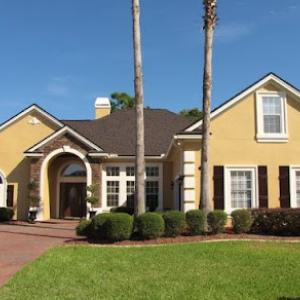
K&D Roofing & Construction Company
(904) 541-1700 www.kanddroofing.com
Serving
4.9 from 224 reviews
K&D is the most highly accredited GAF Master Elite Contractor in Northeast Florida. We specialize in residential, commercial, insurance claims and multifamily roofing projects. The owner is a HAAG certified residential inspector specializing in wind and hail damage. In the roofing and insurance industries, the phrase "Haag Certified" carries a lot of weight. It indicates that you can effectively and efficiently inspect and assess damage. K&D is a member of Angie's List with an A+ rating and a member of the BBB with an A+ rating. K&D is family owned and operated since 1994. K&D prides themselves on exceptional workmanship and customer service.

Ecobuild Roofing
(904) 643-3686 ecobuildjax.com
Serving
5.0 from 155 reviews
We've been handling roofing work in Jacksonville and surrounding areas for over 7 years. At Ecobuild Roofing, we know roof problems are stressful - whether it's storm damage, leaks, or needing a full replacement. That's why we work to make the process smooth. We offer 24/7 emergency repairs because damage won't wait for business hours. We also do maintenance, repairs, complete replacements, and new construction. Our free inspections help catch problems before they become major headaches. If severe weather has damaged your property, we respond quickly with storm restoration services. We use quality materials and proven techniques because your roof needs to protect your home for years. At Ecobuild Roofing, we prioritize exceptional servic.
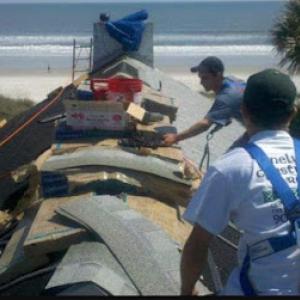
Neligan Construction & Roofing
(904) 247-3777 www.neliganconstruction.net
Serving
4.9 from 141 reviews
Neligan Construction & Roofing, LLC, based in Jacksonville Beach, FL, is a trusted name in roofing and construction since 1988. We specialize in residential and commercial roofing, offering durable roof installation, roof leak detection, and energy-efficient solutions. Our expertise extends to metal roofing, reflective coatings, and elastomeric coating. We also provide professional siding installation, including fiber cement and vinyl siding, as well as gutter, downspout, soffit, and fascia installation. From home renovation and custom builds to construction consulting and insurance claim, we deliver precision and quality.
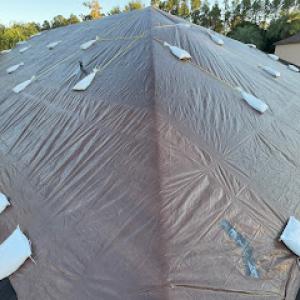
Roof Tarp Now
Serving
5.0 from 13 reviews
Roof Tarp Now provides professional roofing services in Jacksonville, FL, specializing in emergency roof repair and emergency roof tarping. Our aim is to help homeowners keep their houses safe after storms, wind, or leaks, with speedy action and solid fixes. Our services include roof repair, roof replacement, roof inspections, temporary roof tarping, and insurance claim assistance. We focus on homes, stopping water problems, securing roofs, and getting them back to good condition. We are here all day, every day for urgent roofing problems. Our team gives dependable service, keeps you informed, and does top-notch work around Jacksonville and surrounding areas.
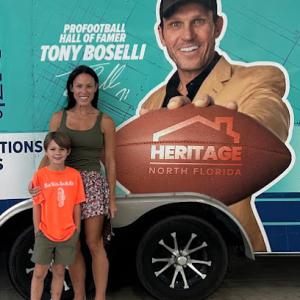
Heritage Roofing of North Florida
(904) 962-7663 heritagenfl.com
Serving
5.0 from 135 reviews
Heritage of North Florida's goal is to create the best possible experience for you and your family by providing exceptional service and craftsmanship. We have over 30 years' experience in roofing and remodeling. We keep our overhead low so we can give you the best possible pricing in Jacksonville. We are also proud partners with Tony Boselli, Jacksonville’s only NFL Hall Of Fame member. License #: 1335410
Wofford Roofing
(904) 490-7369 woffordroofing.com
Serving
5.0 from 26 reviews
Wofford Roofing is proud to be your local roofing company on the First Coast & Suncoast of Florida. Contact our team today to schedule a Free Estimate!
Townsend Roofing & Construction Services
(904) 645-5887 www.townsendroofing.com
Serving
4.4 from 40 reviews
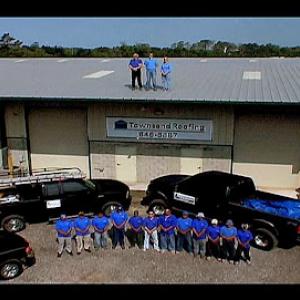
We are the premier roofing contractor in Jacksonville, Florida, using a combination of quality materials and service to provide you the best roof possible for your money. We are a fully licensed and insured contracting company specializing in residential roof replacements, working throughout Northeast Florida. We offer roofing systems that are competitively priced and value engineered. An experienced project management team will ensure that a code approved roofing system is installed and that your roofing project is completed in a timely manner to the highest standards.
Apex Roofing & Contracting
(904) 867-7574 apexroofingfl.com
Serving
4.7 from 15 reviews
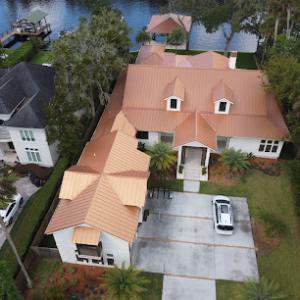
We are a fully licensed, insured, and certified Roofing and Contracting company with extensive experience meeting the roofing, building & contracting needs of single/multi family residential & commercial complexes. We pride ourselves in our superior workmanship, quality employees, and relationships with homeowners and local management companies.
League Roof Restoration
(904) 451-2016 leagueroofrestoration.com
Serving
5.0 from 9 reviews
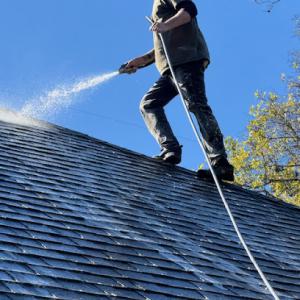
Restore, don't replace your roof. We can eliminate all black mold and organic material before it destroys your roof. We can add at least 7 years to your roof life guaranteed.
Weatherlock Roof Systems
(904) 204-4650 www.weatherlockroofsystems.com
Serving
5.0 from 84 reviews
WeatherLock Roof Systems is a full-service roofing company serving home and business owners in Jacksonville FL and the surrounding areas. As a family owned and operated business, our roofing company always treats your home and business – and any project we tackle – like our own. We are a full service Florida state licensed roofing contractor. We have an A+ rating with the BBB and are a GAF certified Weather Stopper Contractor and an Owens Corning Certified Contractor. A Faith-Based Business – With Rock-Solid Credentials! We offer free roof inspections for your home or business in Jacksonville FL so call 904-204-4650 today!
In Atlantic Beach, you'll notice price bands for common roof materials reflect both the material itself and the salt-spray, wind, and corrosion factors unique to barrier-island living. Asphalt shingles typically run 350 to 650 USD per square, a range shaped by the balance between affordable performance and wind-rated upgrades. Metal roofs are higher at 800 to 1500 USD per square, reflecting their corrosion resistance and higher wind resistance. Clay tile sits 1000 to 1800 USD per square, while concrete tile runs 700 to 1400 USD per square. Wood shingles or shakes are usually 600 to 1000 USD per square, and synthetic or composite shingles 550 to 1000 USD per square. These bands guide quick budgeting for a typical re-roof while you weigh wind and salt resistance.
Coastal weather patterns push Atlantic Beach prices upward after tropical weather events. Storm activity compresses contractor schedules and pulses emergency and re-roof volume higher, which can shift both availability and pricing windows. If a storm season hits, expect shorter lead times and potential price bumps for expedited materials and crews. Planning ahead with a short list of preferred installers who understand wind-driven failures can reduce delays and minimize the premium that rush work can incur.
Costs here are not just about replacing like-for-like. Homeowners increasingly upgrade components for wind resistance and corrosion exposure, and that drives price beyond basic material costs. A wind-rated underlayment, upgraded fasteners, and corrosion-resistant hardware add to the bottom line but pay off over time with fewer leaks and longer service life. In many Atlantic Beach projects, the added value comes from a system approach-matching the roof covering with proper attic ventilation, edge detailing, and a fastener pattern rated for high wind.
Choosing a higher-end material for longevity against salt and wind can affect timing and availability in the post-storm window. For example, clay and concrete tiles carry higher upfront costs but can deliver superior durability in this environment, while synthetic options may offer a favorable balance of cost and performance. Asphalt remains the most budget-friendly, but consider wind-rated installation details to avoid repeated repairs after heavy gust events. Matching the roof system to the house style and exposure helps stabilize long-term costs in Atlantic Beach.
Get a clear picture of your project costs upfront - no commitment required.
A full re-roof in Atlantic Beach typically requires a building permit through the City of Atlantic Beach building department. The process is designed to be city-led from start to finish, so the contractor should submit plans and specifications that reflect wind-rated installation details and material selections that meet local code. Because the city governs both the permit review and the scheduling of inspections, you'll want to align your project timeline with the department's processing windows and any staff availability that could affect when work can start. Planning ahead for permit needs helps avoid delays once work has begun on an oceanfront roof.
Inspections are not merely formalities; they are a critical checkpoint for ensuring the roof meets current Atlantic Beach wind and impact standards, especially in barrier-island conditions where gusts can be fierce. A typical sequence includes a pre-inspection review of the roof's framing, underlayment, and fastener patterns, followed by a material-specific check during execution, and culminating in a final inspection to verify full code compliance before closeout. Understanding this sequence helps coordinate contractor scheduling, weather windows, and supply availability so that inspections aren't held up by missed steps or incomplete details.
Because insurers may request wind mitigation documentation after installation, it is essential to ensure the project records are thorough and organized. Atlantic Beach homeowners should keep permit records, inspection approvals, and product details together in a single, accessible file. This file should include the permit number, approved plans, roofing material specifications, fastener types and patterns, underlayment details, and any photographs or notes from intermediate inspections. When presenting wind mitigation information to an insurer or a lender, clear, complete documentation can streamline the process and reduce back-and-forth requests.
Closeout requires confirmation that the as-built roof matches the permit-approved design and that all inspections have passed. The final inspection is used to confirm code compliance before closeout, so be prepared to show that products installed, including any wind-rated components, align with what was approved. Retain a copy of the final permit, the inspector's approval, and any amendments to the original plan. This bundle of documents will be valuable not only for future resale but also if any questions arise about the roof's compliance during adverse weather events. Keep the records physically secure or digitally backed up in a location that's easy to access for both you and any future property representatives.
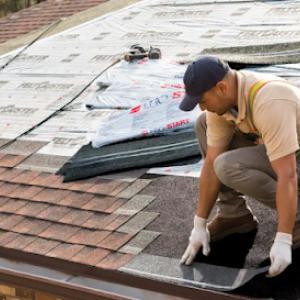
Late fall through early spring is the calmest, most predictable window for replacement projects in this barrier-island area. Dry days are more common, humidity is lower, and temperatures stay comfortable enough to handle all the tear-off and dry-in steps without extra delays or weather-related setbacks. If you're targeting a complete roof replacement, align your plan with a stretch of two to three dry weeks back-to-back so crews can get in, peel off old material, install underlayment, and seal the roof without sprinting through rain chances.
Summer heat here is a real factor. Extreme heat and daily sea-breeze storms can slow or pause work, especially during tear-off and interior drying-in phases. If a project starts in late spring or early summer, expect interruptions from sudden showers and long afternoons when asphalt or metal materials become uncooperative to handle or store on-site. Schedule around typical Florida afternoon storms and keep a contingency in mind for back-to-back wet days that push inspections or material deliveries later than planned.
June through November brings heightened interruption risk for open-roof work. The coast's wind forecasts and occasional tropical activity can force last-minute reschedules, re-securing of materials, or temporary protect-and-cover steps. Plan with a built-in buffer for potential weather holds and short-notice changes. If your project must run through these months, maintain flexible milestones with the contractor and keep materials staged under cover to minimize exposure during a weather event.
Target a start date in the late fall or early spring, and block a window of at least two to three dry weeks. Build in a small weather contingency, especially if a storm system appears in the forecast. Coordinate with the contractor to align material deliveries with longer dry spells and set realistic inspection expectations that reflect the season's variability. Keep nearby trees trimmed to reduce debris during storms and help protect new underlayment from wind-blown clusters.
Atlantic Beach's storm-driven rain makes flashing details especially important on low-slope sections, transitions, and roof penetrations. In this environment, even small gaps can become persistent leaks after a heavy squall or a long afternoon of sea breeze humidity. Pay close attention to where the deck meets the wall, along transitions from roof to vent stacks, and at any reduction in slope. Choose flashing that sweats tightly to metal, asphalt, and tile substrates, and insist on a continuous seal that resists wind-driven water intrusion during a brutal summer storm cycle.
Transitional areas where different roof materials meet or where chimneys, vent pipes, and skylight frames interrupt the plane are common failure points. The salt-laden air ages sealants and metal accessories quickly, so frequent inspection after storm events is not overkill. In particular, look for cracked or degraded sealant beads, lifted metal trims, and corrosion around fasteners. The most durable results come from using corrosion-resistant metals or coated flashing in exposed locations and ensuring all penetrations are backed with proper counter-flashing and secondary seals that won't degrade under heat and humidity.
Skylights are a recurring specialty in this market, reflecting local demand for repairs where seals and flashing are stressed by heat, humidity, and wind-driven rain. Treat skylight capping as a critical weather barrier, not a cosmetic feature. Check the rough-in framing for signs of swelling or movement after heavy rains, and re-seat filters and gaskets as needed. Remember that seal failures around skylights can spread quickly along the ridge line and into nearby vents, so prioritize robust flashing and durable glazing seals that can withstand repeated thermal cycling.
Homes near the ocean can see leak issues worsen faster when salt exposure and repeated summer storm cycles age sealants and metal accessories. Periodic resealing and careful replacement of aging metal components reduce the risk of sudden leaks during peak storm months. Avoid shortcuts on any low-slope connection or skylight frame, since those details set the stage for long-term moisture damage.
Find specialists in TPO, EPDM, and built-up flat roofing systems for residential and commercial properties.
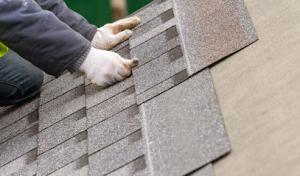
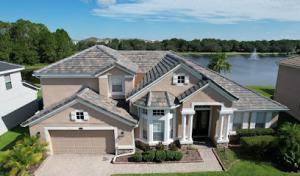
In Atlantic Beach, the local contractor market strongly signals quick response, heavy re-roofing volume, and cleanup as major homeowner priorities after storms. You'll see crews mobilizing rapidly, sometimes before other repairs, and the first visit often doubles as a field assessment for insurance directions. Expect conversations that center on getting the roof back over living space fast, while still aiming for a durable, wind-resilient result.
Homeowners commonly compare established, residential-focused contractors that also advertise free inspections, licensing, and manufacturer certifications. Look for a company that regularly works with residential clients rather than chasing pro forma, large-commercial projects. Ask for verifiable references from neighbors who faced storm damage, and confirm the firm can provide documentation of damage assessment and product warranties that align with your home's needs.
Because storm and insurance work is so prevalent here, homeowners should favor contractors used to documenting damage and closing out permit and inspection steps cleanly. Expect detailed damage notes, a clear scope of work, and a formal project timeline. A thorough contractor will provide a written list of materials, installation steps, and a transparent process for tracking inspections until the job is officially complete.
Caution is warranted when a bid arrives with promises that sound too simple or when cleanup and debris removal are treated as afterthoughts. In a high activity, storm-driven market, the best choice is a contractor who demonstrates consistent communication, solid follow-through on paperwork, and a track record of responsible, licensed work that holds up under wind-driven Florida conditions.