
Last updated: Apr 19, 2026
The Villages sits inland in Central Florida, so homeowners deal less with salt-spray corrosion than coastal markets but still face major summer thunderstorm exposure and hurricane-season wind risk. The timing of roof work matters because Florida weather isn't shy about intruding on a tear-off and dry-in plan. If a storm front rolls in during peak season, you can lose days to driving rain, high winds, and heat that makes crews rush or skip the critical weather-mitigating steps. In a place with many seasonal residents, the risk compounds: a needed roof project may stall or go unattended when houses sit empty part of the year, leaving the structure exposed longer than expected.
Florida's hurricane season runs from June through November, with wet summer afternoons regularly interrupting tear-off and dry-in schedules. June often brings the first waves of moisture and gusty downbursts; July through September deliver the heaviest daily afternoon storms; October and November can still snap out a late-season gust or a tropical system. In practice, that means you should anticipate at least one weather-related delay during a standard replacement window. Your goal is to pick a window that minimizes the chance of back-to-back rain days, reduces the odds of wind-driven debris affecting exposed roof decks, and avoids the heart of the afternoon thunderstorms when crews are most prone to stoppages.
The Villages is a large active-adult community with many seasonal residents, so storm damage can go unnoticed longer on homes that are vacant part of the year. A quietly worsening leak behind an eave or under a dormer can become a large, costly repair once the resident returns. This reality means timing is not only about catching dry weather; it's about ensuring a thorough inspection and a completed dry-in before heat and humidity push through. If you know you'll be away for part of the year, schedule a proactive inspection and a pre-storm readiness check before you depart, and arrange a mid-season follow-up if you're empty for extended periods.
Coordinate with your chosen contractor to establish a window that prioritizes consecutive dry days, ideally avoiding the peak of hurricane season if possible. Ask for a pre-tear-off inspection to check for wind uplift damage, flashing integrity, and attic ventilation, so the crew can plan the tear-off with minimal exposure. When a storm pattern is forecast, be ready to adjust: the longer the roof remains exposed to wind-driven rain, the greater the risk of interior moisture intrusion or accelerated aging of underlayment. For homes that are occasionally unoccupied, arrange a contact person who can authorize urgent repairs or secure the site if a storm forecast appears.
In this community, aesthetics and HOA expectations matter. Coordinate with the homeowners association and neighboring homes to align color, profile, and installation standards before work begins, so a storm delay doesn't leave crews rushing finishes under pressure to match neighborhood norms. If crews must postpone for weather, ensure temporary protective measures are in place-drip edge, tarping, and secure access points-to prevent wind-borne debris from compromising already-installed sections.
Review your upcoming maintenance calendar: pick a targeted window outside the most volatile weeks of June through November when possible, but build a backup plan in case a tropical system shifts the forecast. Schedule a thorough pre-project inspection, confirm wind-resistance features you want reinforced (as recommended by your roofing professional), and designate a point of contact for vacant-home scenarios. With storm timing in mind, you reduce the risk of weather-impacted work and protect your investment through Florida's wind-prone season.
In this community, the contractor market leans toward re-roofing more than new construction because many homes are at or beyond replacement age. Storm-season timing is not just about catching a leak before it spreads; it's about choosing a roof assembly that will pass insurer and inspection scrutiny when a major post-storm surge hits. When a line of roofs starts to fail in a single neighborhood, crews can be stretched thin. Planning ahead, especially for homes with multi-county HOA standards, helps you avoid the scramble and the wait times that come with sudden demand spikes.
Wind-resistance expectations drive every replacement decision. The goal is a system that stands up to Florida gusts and fits insurer expectations, not merely a superficial upgrade. Verify that the selected shingles or panels are rated for high winds and that the entire assembly-underlayment, fasteners, starter strip, and the edge details-meets the governing wind-resistance criteria. The Villages includes a mix of rooflines and elevations, so ensure the chosen path respects the architecture guidelines while delivering solid wind performance. If the contractor suggests a premium underlayment or a sealed, impact-ready starter, that's a signal of a more durable rebuild-not just cosmetic change.
Homeowners often need crews that can mobilize in a narrow window after a storm, because many roofs age in similar patterns across large blocks of The Villages. A practical approach is to pre-select a roofing team with proven regional response times and a track record of working within HOA aesthetic constraints. A good contractor will present color and material options that align with the neighborhood standards, so the replacement looks uniform from curb appeal to HOA reviews. Be prepared with color samples and profile choices that meet the community's expectations while delivering enhanced wind performance.
The decision to re-roof should consider more than visible leaks. Look for curled or missing shingles, lifted edges, and questionable flashing around chimneys and vents. In this environment, attic ventilation and soffit vents matter as part of the wind-resistance strategy, because poor ventilation can trap heat and degrade roof components faster. A thorough inspection should include an assessment of framing integrity where wind loads may have caused stress, and an evaluation of the insulation's ability to resist post-storm moisture. If a replacement is staged, discuss whether a partial upgrade might be feasible to preserve the preferred HOA appearance while upgrading critical wind-defense features.
Storm-season timing requires a plan that anticipates both the weather cycle and contractor availability. The Villages experience clustered demand after major events, so having a preferred crew on call, with a clear sequence for material delivery, scaffold setup, and tear-off windows, reduces downtime when the next squall rolls through. Clarify lead times for premium wind-rated options and ensure that scheduling accounts for local weather windows, tarp readiness, and post-install inspections. The aim is a seamless transition from project kickoff to a finished, wind-ready roof that keeps the home's interior dry and the curb appeal intact, even as the next storm approaches.
Brehm Roofing & Restoration - The Villages
(352) 664-7373 brehmroofing.com
561 Fieldcrest Dr #1, The Villages, Florida
5.0 from 33 reviews
Brehm Roofing & Restoration - The Villages is a reliable roofing contractor serving The Villages, FL, and nearby communities. We specialize in a range of roofing systems, including shingle, tile, metal, and flat roofs, ensuring each solution is built to last and meet the needs of homeowners in Central Florida. Our team is committed to providing efficient service with clear communication at every step. Whether you need a roof replacement, repairs, or a new installation, we focus on delivering quality work on time and within budget. Additionally, we offer 24-hour emergency restoration services to address urgent roofing issues whenever they arise. For roofing services you can count on, turn to Brehm Roofing & Restoration in The Villages.
The Roof Guys of The Villages
(352) 605-7513 theroofguys.com
5049 Priscilla Loop, The Villages, Florida
5.0 from 4 reviews
The Roof Guys provides the highest quality roofing services with factory trained technicians. We have grown to become the premier roofing company throughout Central Florida, including: The Villages, Summerfield, Fruitland, Wildwood, Ocala and much more! As a part of our commitment to home improvement, The Roof Guys have placed product quality, business integrity, and customer satisfaction at the core of our business. Helping you with all of your re roofing needs, Solatubes, attic fans, blown in insulation and more. The result has been unparalleled success in the industry and are determined to carry this success far into the future.
Thomas Roofing of Central Fl - Lady Lake Roofer
(352) 653-0697 tomtheroofer.com
Serving
5.0 from 28 reviews
Expert roofing contractor serving Lady Lake, FL and Lake County since 1995. Specializing in roof installation, repair, and replacement for homes throughout The Villages area and surrounding communities. We handle storm damage, hurricane repairs, and skylight services. Licensed, insured, and locally owned. Our crews understand Lady Lake's unique challenges including proximity to The Villages, severe weather, and diverse housing styles from retirement communities to family neighborhoods. Serving zip code 32159, Rolling Acres, and areas near Lake Griffin State Park. Free estimates available. Emergency services ready when storms hit. Call (352) 653-0697 for expert roofing solutions.
RoofTek
Serving
5.0 from 24 reviews
RoofTek in Lady Lake, FL, located at 510 Co Rd 466 Suite 201, Office #A3, is your trusted partner for top-tier roofing solutions. Specializing in roof services such as roof replacement, metal roofing, and tile roofing, our expert team ensures durable and weather-resistant results. Whether you need quick roof leak repair, comprehensive roof inspection, or regular roof maintenance, we've got you covered. We excel in both residential and commercial roofing, offering expert flat roof repair and precise roofing estimates. Choose RoofTek for reliable roofing services that will protect your property and enhance its value. Contact us today!
Pennington Roofing & Construction
(813) 310-2301 penningtonroofingandconstructioninc.com
Serving
4.7 from 45 reviews
Pennington Roofing and Construction is an established roofing contractor dedicated to delivering exceptional craftsmanship and long-lasting solutions to the Lady Lake area and beyond. With a team of experienced professionals equipped to tackle roofing projects of all sizes, they specialize in repair, replacement, and installation services. Their dedication to quality and customer satisfaction sets them apart, ensuring that every roofing project they undertake is executed with precision and care. Pennington Roofing and Construction stands ready to transform your roof into a sturdy shield against the elements, enhancing the beauty and protection of your property. We also have 24 hour emergency repairs
Batterbee Roofing
(352) 766-1459 www.batterbeeroofing.com
Serving
4.9 from 1531 reviews
Batterbee Roofing is a licensed and insured Central Florida Roofing Contractor offering extensive roofing services including re-roofing, repairs, preventive maintenance, indoor and outdoor inspections, and more. Our experience and knowledge in the field lets our customers know that they are in the right hands. Our commitment to the satisfaction of our customers is unmatched. With us, you’re in expert hands for: ✓ Roofing ✓ Gutters ✓ Skylights ✓ Solar Tubes ✓ Roof Storm Restoration ✓ Attic Ventilation

Sack Roofing
(352) 430-2773 www.sackroofing.com
Serving
3.3 from 48 reviews
We put homeowners at ease by repairing or replacing the roof that keeps them safe. Expect solid solutions from our team at Sack Roofing, Inc.
Gurr Brothers of Ocala
(352) 234-3701 gurrbrothersroofing.com
Serving
5.0 from 13 reviews
Gurr Brothers Roofing specializes in expertly repairing and restoring roofs damaged by water, providing top-notch solutions to safeguard your home from leaks and structural deterioration. With a proven track record of excellence, we're your trusted partners in ensuring a dry and secure living space.
Gold Key Roofing - The Villages
(352) 492-0042 goldkeyroofing.com
Serving
5.0 from 87 reviews
Since 1975, Gold Key Roofing has proudly served the Central Florida area, providing roofing and construction solutions backed by over 130 years of combined industry experience. We are a family-owned and operated business—not owned by a hedge fund out of New York or Europe. When you choose Gold Key Roofing, you’re keeping your investment in the local community, not sending it out of state or overseas. Our team of skilled, trained professionals is committed to delivering exceptional workmanship, honest pricing, and customer service that goes above and beyond. This dedication to quality has earned us a trusted reputation throughout Central Florida—because at Gold Key Roofing, your roof and your trust mean everything.
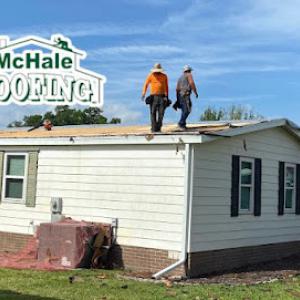
McHale Roofing
(352) 706-8232 mchaleroofingfl.com
Serving
4.9 from 124 reviews
McHale Roofing is a local, top-rated roofing company in Central Florida built on the desire to offer superior service to our friends and neighbors. With nearly two decades of experience in the local roofing industry, we understand the particular needs and concerns of property owners in our area and have the knowledge and expertise to address those concerns head on. When you work with McHale Roofing, no job is too big or too small. Unlike many local contractors and storm chasers coming in after severe weather events we won’t turn our nose up at a minor repair job because we know how important it is for our people to have a reliable and professional contractor working on their roof, even for the smallest issues.
Nailed Down Roofing
(863) 592-3404 nailed-down-roofing.ueniweb.com
Serving
4.8 from 27 reviews
Nailed Down Roofing offers high-quality roofing design and services in Wildwood. We are seasoned roofers who deliver top quality and budget-friendly roofing services. Get in touch with us on +18635923404. When you hire us, you know you’re getting skilled, passionate technicians you can trust to do the best job possible. And, as a bonus, we always feature competitive pricing on our services.
Sky Light Roofing Inc. The Villages
(352) 552-4766 skylightroofing.com
Serving
4.8 from 33 reviews
Sky Light Roofing, your expert roofer for The Villages, FL residents, we offer top-notch residential and commercial roofing services. Specializing in the unique Central Florida climate, we provide complimentary inspections and specialize in durable roofing solutions. Our service caters to all repair and restoration needs. In addition to roofing solutions, we offer restoration services for fire and water damage to your home or business. Committed to excellence, we ensure customer satisfaction and aim to be your recommended roofing contractor. Book your complimentary inspection today with Sky Light Roofing and Roof With Us®
Asphalt shingles and metal are common practical choices in this community, while clay and concrete tile align with the Mediterranean and Florida-style architecture seen throughout many neighborhoods. The mix reflects both budget considerations and architectural expectations from HOA-style aesthetic guidelines. For homeowners evaluating a re-roof during storm season, understanding how each material behaves in this climate helps protect your investment and keep your home comfortable through long, hot summers and sudden wind events.
Asphalt shingles remain a practical staple for many Villages homes due to their balance of cost, ease of installation, and repairability. In a hot, humid climate, you should prioritize shingles with newer heat-resistant coatings and maintain good attic venting to reduce heat buildup. When storms roll through, asphalt tends to fare well if fasteners are properly installed and attic access remains unobstructed for inspectors. Regular inspections after wind events are essential, because shingle failure can begin with a few lifted tabs even if the roof appears intact from the ground. Choose a shade and granule profile that complements your home's color scheme and HOA guidelines to avoid future aesthetic disputes during inspections.
Metal roofs offer notable wind resistance and a clean, contemporary look that still suits more traditional Villages homes when paired with the right color and profile. The interlocking panels and lighter-than-appearance weight can help reduce seasonal attic heat load when paired with a well-sealed underlayment and proper ventilation. Metal's performance after wind events hinges on panel fastening and seam integrity, so a careful inspection after a storm is warranted. If HOA rules or architectural committees favor a sharper silhouette, a standing-seam metal roof can blend well with many neighborhoods while delivering long-term durability and easier maintenance. For retirees focused on cooling costs, metal can contribute to a cooler attic environment when combined with reflective finishes and sufficient soffit intake.
Clay tile and concrete tile roofs bring the most distinctive Florida-style character, matching many estates and villa designs with a Mediterranean vibe. Tile roofs are visually striking, but in Central Florida they demand close attention after wind events because displaced or cracked pieces can create localized leaks even when most of the roof still looks intact from the ground. Tile roofs tend to be heavier, so structural compatibility and attic ventilation become critical. Regular inspections after storms should look for cracked or missing tiles and check underlayment for hidden damage. If a tile system is chosen, ensure installation includes appropriate nailing patterns and edge detailing to minimize wind uplift risk. The long-term maintenance plan should account for tile replacement cycles and the potential for color fading in the sun.
Synthetic or composite shingles offer a middle ground between traditional asphalt and premium tile. They can deliver improved impact resistance and lighter weight, which is appealing when reroofing homes with limited attic space or structural concerns. In the heat of summer, select composites with UV resistance and good thermal performance to minimize heat soak in the attic. Like other options, the success of a wind-season replacement depends on proper installation, quality underlayment, and careful attention to ventilation. For a few neighborhoods, these materials pair nicely with HOA color guidelines while delivering extended service life and easier maintenance compared to older tile systems.
In any material choice, the key to long-term performance is a proactive inspection routine. The Villages experiences high humidity, intense sun, and active storm seasons, so attic heat load and sun exposure must factor into material selection and ventilation planning. After a wind event, perform a careful roof walk or hire a professional to check for lifted shingles, cracked tiles, and damaged seams. Addressing small issues promptly helps prevent leaks and preserves the roof's protective envelope across multi-county neighborhoods with diverse architectural styles.
Storm-driven demand surges in Central Florida can push scheduling and labor pressure higher after widespread summer wind events. In practice, that means a simple-looking project may take longer to start and finish, and crews may have tighter turnaround windows during peak storm months. When a major wind event hits the region, you'll likely see a spike in bid activity and short-notice availability. Plan for possible price nudges or compressed calendars, especially if your roof renewals coincide with the height of storm season.
The typical cost ranges reflect the local mix of homes and expectations for curb appeal. Asphalt shingles come in lower-to-mid ranges, but premium look and performance can shift expectations up quickly in this market. Metal, clay tile, and concrete tile projects trend higher here, driven by both material cost and the neighborhood emphasis on a uniform, high-end appearance. Wood shingles and synthetic/composite options sit in the mid-to-upper spectrum, with synthetic offering a balance of durability and price. Refer to the following ballparks to anchor planning: Asphalt Shingles typically run from about 350 to 600 USD per square, Metal from 700 to 1100 USD per square, Clay Tile from 1000 to 1700 USD per square, Concrete Tile from 900 to 1500 USD per square, Wood Shingles/Shakes from 850 to 1250 USD per square, and Synthetic/Composite from 600 to 950 USD per square.
Costs can vary by which county portion of The Villages the home is in because permitting and inspection routing may run through different county building departments. Sumter, Lake, and Marion County streams can influence subcontractor pricing and permitting cadence, subtly affecting both the price and the pace of a roof replacement. When budgeting, expect some variance depending on whether the crew is coordinating through Sumter's offices, Lake County's channels, or Marion County's routes, even for similar materials and roof sizes.
Tile and metal projects can trend higher here not only because of material cost but because many homes emphasizes curb appeal and neighborhood consistency, which can limit downgrade options. If your HOA-style aesthetic requires a specific profile or color to maintain the streetscape, you may encounter fewer budget-friendly substitutions. That constraint often tips the decision toward premium finishes that hold up in Florida winds and maintain the subdivision's coordinated appearance.
Don't let upfront costs delay a critical repair - these contractors offer payment plans to fit your budget.

The Villages spans multiple counties, so the permitting path depends on whether the property sits in Sumter, Lake, or Marion County rather than on a single citywide building office. That distinction matters at every step of a roof project, from the initial decision to the final wind-resistance certification. In practice, the local county office sets the rules for what inspectors will expect, and those expectations can shift between counties, even for neighboring blocks. If a contractor uses a one-size-fits-all approach, you risk missed steps, delays, or a renewed inspection cycle that interrupts your timeline during storm-season windows.
For a full re-roof, permits are typically required and are generally submitted by the licensed roofing contractor with the project scope. The contractor's responsibility includes presenting the plan details that align with Florida wind-mitigation and hurricane-code components, plus any county-specific forms. If the contractor misses a required document or misreads a county amendment, the permit can sit in queue longer, or the county may request addenda before work can begin. That means you want a contractor who is truly familiar with the correct county office and who maintains up-to-date knowledge of current permits and inspections in Sumter, Lake, or Marion County.
Required inspections occur during and after installation to verify Florida code compliance and wind-resistance requirements. In practice, this means inspections are not a one-off checkpoint; they're a sequence you must plan around. The inspector will verify fastener patterns, framing integrity, underlayment choices, and roof coverings against county standards and wind- design criteria. A contractor who routinely navigates the specific county office for The Villages will stage inspections in the right order, anticipate potential snags, and avoid repeat visits. If the property sits near a county boundary, confirm which office issues the final sign-off to prevent a post-installation hold.
Begin by confirming your exact parcel location and the corresponding county agency for plan review. Share the project scope with your contractor and request a copy of the permit packet they submit, including wind-resistance documentation. Ask for a clear inspection timetable tied to the county calendar, so you're not caught in a lull between storm-season windows. Finally, expect that the permitting path is not universal across The Villages; it's county-specific, and honoring that nuance is essential to a timely, compliant roof replacement.
The Villages sits in Florida's high-claim insurance environment, where hurricane and hail losses have pushed carriers to tighten underwriting and documentation expectations. A roof that isn't clearly proven to resist uplift and windborne debris can trigger higher deductibles, stricter coverage limits, or even carrier changes during renewal. In practice, a roof's age, shape, and installation details carry more weight than curb appeal alone when insurers assess risk for this retirement-friendly but weather-exposed community.
Homeowners here often need roofing records and wind-mitigation documentation to maintain or improve insurability, not just to support a claim after visible damage. Gather stamped inspection or contractor certificates, photos showing nailing patterns, Florida wind mitigation class points, and any upgrades like reinforced straps or underlayment enhancements. Keep a clean, organized file you can share with your agent at renewal. If a new roof is planned, request a wind-resistance focus in the project scope and ensure the roofing contractor provides manufacturer-approved documentation that reflects current wind codes and installation best practices.
Because many residents are retirees on fixed budgets, insurance-driven roof decisions in The Villages often center on whether replacement timing affects future premium stability and carrier eligibility. Replacements that meet modern wind-resistance standards can stabilize or modestly improve insurability, while delayed upgrades may complicate renewal or trigger more conservative underwriting. When considering replacement timing, evaluate how long you expect to stay in your home, your carrier's historical stance on wind-related claims, and whether the project can be paired with other upgrades in your HOA-approved plan. Communicate clearly with your insurer well before any roof work starts, and ask for a written statement tying the upgrade to anticipated changes in coverage or rates.
Connect with contractors who help homeowners navigate the claims process from damage assessment to final approval.
Next Dimension Construction & Roofing
(352) 743-1203 nextdimensionroofing.com
Serving
4.9 from 604 reviews
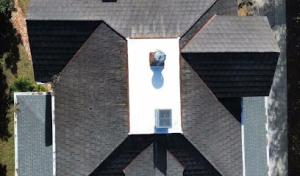
In These Villages-style homes, leak complaints often come from transitions around skylights, lanais, porch covers, and room additions rather than from the main field of the roof. When a low-slope section ties into a steeper field, or when a skylight sits near a higher edge, flashing and sealant weaknesses show up first after a heavy rain and windy day. Pay attention to the first signs of moisture along these transitions, especially after summer squalls that ride in on gusty winds.
The area's frequent wind-driven summer rain can expose flashing weaknesses at penetrations and low-slope tie-ins faster than a simple shingle-age check would suggest. After a major storm or a windy afternoon, walk the perimeter of skylights and any flat or near-flat sections where water can pool. Look for lifted flashing, missing sealant, or hairline cracks in the seal around the base of a skylight or the edge of a lanai cover. If you spot any of these, arrange a targeted inspection rather than waiting for a full roof check.
Contractor signals show meaningful local demand for both skylight work and flat or low-slope roofing, indicating these details are a real service need in this market. When selecting a pro, prioritize those with specific experience sealing and flashing skylights, plus reliable handling of low-slope transitions. Ask for documented successes in The Villages-style homes with similar penetrations and exterior additions.
Schedule semi-annual checks focusing on skylight flashing, edge transitions, and the interface where room additions join the main roof. Maintain clean, debris-free gutters and ensure adequate drainage away from low-slope areas. For any suspicion of flashing or sealant deterioration, request an on-site assessment rather than a generic roof inspection to catch issues early.
Find contractors experienced in skylight installation, flashing, and leak repairs to bring natural light into your home.
Thomas Roofing of Central Fl - Lady Lake Roofer
(352) 653-0697 tomtheroofer.com
Serving
5.0 from 28 reviews
Because The Villages is spread across multiple counties and neighborhoods, homeowners should confirm the roofer is licensed, insured, and accustomed to the correct local permit office for that specific address. Look up the contractor's license on the appropriate state or county site, and ask for current certificates of general liability and workers' compensation. A reputable crew will gladly provide policy numbers and connect you with references from nearby Villages homes. If the company avoids specific address verification or offers vague licensing details, move on.
The local market strongly signals that homeowners value cleanup and quick response, which matters in a community where curb appeal and neighborhood appearance are closely watched. Request in writing how debris will be contained during tear-off and how the project site will be left at the end of each day. Ask about typical response times for weather-related setbacks and who is the point of contact if a coordination issue arises. A punctual crew that protects landscaping and driveways tends to minimize HOA scrutiny and post-storm disruption.
Long-established and family-owned firms are notably present in this market, suggesting many homeowners prefer stability and local reputation over one-off storm chasers. Check how long the company has served The Villages, and whether they regularly work within your specific neighborhood. Ask for a schedule of past projects in nearby neighborhoods with similar roof types and tile or shingle profiles. In-person visits to current job sites can reveal how crews handle cleanups, truck parking, and equipment storage in tight Villages lots.
When evaluating bids, expect a clear breakdown of labor, materials, tear-off, and waste management. The lowest price can hide gaps in cleanup or lead-time commitments. Favor a contractor who provides a realistic work plan tailored to your address, includes a daily site cleanup routine, and outlines a contingency plan for seasonal wind events. Confirm who will supervise the job on-site and how subcontractors are managed to protect your home's finish and surrounding landscape.