
Last updated: Apr 19, 2026
Lady Lake homeowners face a June through November peak storm season that increases wind exposure, rain delays, and emergency leak calls during active reroofing projects. The combination of tight tarps and rising winds means even planned tear-offs can meet sudden gusts that knock back drying-in progress. Thunderstorm cycles push heat into the roof deck, drying times, and underlayment performance to the limit. If a tear-off drags on into the heart of the wet season, the risk of water intrusion climbs quickly, and temporary protection becomes a critical line of defense.
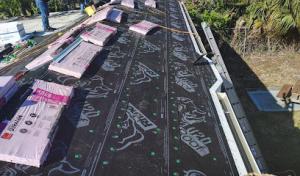
The hot, humid summer pattern in this area brings daily heat peaks that stress exposed decking and underlayment. Thunderstorms build fast in the early afternoon, pouring rain in short bursts that can flood a modest daylight window. When tear-off and dry-in aren't tightly scheduled, decking can heat soak, nails can back out, and fasteners can loosen as cycles of moisture swing. A mis-timed dry-in invites leaks between shingles, underlayment wrinkles, and accelerated fiber degradation in synthetic or composite options. Staying ahead of this cycle matters for long-term performance and your peace of mind when the afternoon storms roll in.
Projects in this market often favor the drier fall to early spring period because installation conditions are more reliable than during the summer thunderstorm cycle. That window reduces the odds of sudden rain delaying progress and lowers the chance that rising humidity stalls adhesive cures. For a homeowner, that means planning ahead to align material delivery, crew availability, and scaffold setup with a predictable stretch of dry days. When possible, situate the most weather-sensitive tasks-tear-off, deck drying, and underlayment inspection-during these clearer periods to minimize back-and-forth delays.
If a reroof is unavoidable during the storm-prone months, tighten the schedule around the forecast. Coordinate a tight tear-off window with the dry-in sequence and ensure tarping is reinforced with wind-rated fasteners. Confirm crew mobilization aligns with a stretch of several dry days, not just a single promising morning. Stock extra underlayment and flashing pieces in case minor replacements are needed mid-project after a storm pass. Establish daily wind and rain thresholds with your contractor so if conditions exceed safe limits, work pauses are automatic to prevent backtracking on progress.
Keep pathways clear and secure ladders, tools, and materials to avoid weather-driven clutter that can become debris in a sudden gust. If a storm is imminent, have a contingency plan for quickly covering exposed decking and sealing vulnerable flashings to minimize water entry. Maintain rapid access to emergency tarping and a contact list for after-storm checks-leaks can appear in surprising places once the rain stops and heat rises again. A well-timed, weather-aware plan reduces the risk of storm-related setbacks, protects structural integrity, and helps your reroof finish with fewer drama-filled days.
In this inland Central Florida environment, the roof endures intense sun and a summer storm rhythm that tests materials differently than coastal areas. Asphalt shingles are common, but the long, relentless UV exposure accelerates wear. If a roof has seen a few hot seasons already, expect faster granule loss and color fading, especially on exposures that face the afternoon sun. A practical approach is to plan replacements so the new roof has solid UV resistance from day one, and to choose a system that keeps heat load and aging in check for years to come. When storms roll through, a roof that sheds water quickly and holds up against wind helps reduce interior disruption and downstream damage.
Asphalt shingles remain familiar for many houses with simpler rooflines and constrained reroof timelines. In Lady Lake's heat, you'll notice the benefit of upgraded asphalt with heavier granule protection and a dimensional profile that reflects better wind resistance. If the current roof is aging, consider a mid- to high-end shingle with a longer warranty and better impact resistance to improve performance in storm cycles. The local sun also favors choosing options with reflective granules designed to minimize heat buildup and curb the risk of accelerated deterioration on the south and west faces.
Metal is a strong local fit because this area sits in a hurricane-risk region where wind resistance and fast water shedding matter during summer storms. A metal roof sheds rain rapidly and tends to resist wind uplift better than many other materials. In practice, metal works well on homes with steeper pitches and on structures that want minimal maintenance between heavy storm seasons. Selecting a metal that carries proper coating and a durable finish helps maintain color and finish through many Florida summers. Consider fasteners and hidden trim details that reduce potential leakage paths after pounding rainstorms.
Clay and concrete tile are both active material choices, offering durable aesthetics and good solar reflectivity, but their weight and breakage risk make deck condition and replacement logistics especially important on older homes. A heavier roof imposes a load challenge if the structure or framing hasn't been upgraded. Tiles can crack from hard impacts or from shifting during severe weather, so ensure roof deck condition and underlayment are solid before installation. If the house has an older, softer roof deck or limited attic ventilation, tile may demand more upfront attention to structural reinforcement and proper support spacing.
Synthetic or composite shingles provide a balanced option for heat tolerance and weight relief, often blending good wind resistance with realistic appearance. Copper roofs, while premium, offer longevity and distinctive aging. Copper can develop a patina that many homeowners value, but it requires careful handling during replacement to avoid damage to surrounding components and fasteners. For reroofing on aging homes, weigh the long-term durability against initial installation realities and deck support.
When planning a reroof, start with a deck assessment to confirm load-bearing capacity and identify any soft spots or water intrusion history. Prioritize systems with strong wind resistance, good UV stability, and appropriate underlayment for Florida storms. For older homes, ensure the attachment method and flashing details are compatible with the chosen material, and verify that ridge and hip lines maintain clear drainage to prevent water pooling after heavy rain.
Typical local material ranges run about $350 to $700 per square for asphalt shingles, $600 to $1200 for metal, $1000 to $2600 for clay tile, $750 to $1500 for concrete tile, $350 to $800 for synthetic or composite shingles, and $1800 to $3600 for copper. Those bands reflect a mix of common housing stock, mixed roof angles, and the region's heat load that ages roofs differently than in milder climates. In practice, a shingle reroof can land toward the lower end, while a clay or copper install pushes toward the higher end. For most mid-century to newer homes with standard 3-tab or architectural shingles, plan for the mid-to-upper portion of asphalt ranges unless you're chasing a premium warranty or color choice.
Lady Lake pricing can rise when storm activity across Central Florida creates demand spikes for crews, dry-in scheduling, and replacement materials after wind events. Storm windows compress the labor pool and push material suppliers to front-load or surge prices, especially in late summer and early fall. If a hail or high-wind event hits nearby, you may see temporary increases in scheduling fees, staging costs, and the price of underlayment and fasteners. The result is a reroof project that looks straightforward on paper but ends up with shorter on-site windows and tighter labor calendars, which can translate to higher overall costs.
Costs in this market are also shaped by reroofing prevalence, permit processing through Lake County, and the labor needed for tile handling, tear-off cleanup, and weather-tight staging during thunderstorm season. Tile options demand careful handling and additional staging time, because clay and concrete tiles are brittle and heavier to transport and install. That translates to higher labor hours and, in turn, higher square-foot costs compared to asphalt or synthetic shingles. If you're weighing clay or concrete tile, expect longer installation timelines during peak thunderstorm months and a need for extra protection during lifting and staging to avoid new leaks during a storm-prompted rain flush.
Start with a realistic assessment of roof area and pitch to translate the per-square ranges into a project estimate you can track. If heat aging is a concern, heavier materials like concrete or clay tile offer longevity but require robust framing checks and additional support, nudging labor and materials upward. For quick turnarounds during dry-in windows, synthetic or composite shingles can balance cost with faster installation and good wind resistance. When storms loom, you'll want a plan that prioritizes weather-tight staging and a crew with tile-handling experience if you're leaning toward tile. Align your material choice with both the climate demands and the specific pattern of storm activity you've observed over the past few seasons in this area.
Thomas Roofing of Central Fl - Lady Lake Roofer
(352) 653-0697 tomtheroofer.com
510 Co Rd 466, Lady Lake, Florida
5.0 from 28 reviews
Expert roofing contractor serving Lady Lake, FL and Lake County since 1995. Specializing in roof installation, repair, and replacement for homes throughout The Villages area and surrounding communities. We handle storm damage, hurricane repairs, and skylight services. Licensed, insured, and locally owned. Our crews understand Lady Lake's unique challenges including proximity to The Villages, severe weather, and diverse housing styles from retirement communities to family neighborhoods. Serving zip code 32159, Rolling Acres, and areas near Lake Griffin State Park. Free estimates available. Emergency services ready when storms hit. Call (352) 653-0697 for expert roofing solutions.
RoofTek
510 Co Rd 466 Suite 201, Office #A3, Lady Lake, Florida
5.0 from 24 reviews
RoofTek in Lady Lake, FL, located at 510 Co Rd 466 Suite 201, Office #A3, is your trusted partner for top-tier roofing solutions. Specializing in roof services such as roof replacement, metal roofing, and tile roofing, our expert team ensures durable and weather-resistant results. Whether you need quick roof leak repair, comprehensive roof inspection, or regular roof maintenance, we've got you covered. We excel in both residential and commercial roofing, offering expert flat roof repair and precise roofing estimates. Choose RoofTek for reliable roofing services that will protect your property and enhance its value. Contact us today!
Pennington Roofing & Construction
(813) 310-2301 penningtonroofingandconstructioninc.com
Lady Lake, Florida
4.7 from 45 reviews
Pennington Roofing and Construction is an established roofing contractor dedicated to delivering exceptional craftsmanship and long-lasting solutions to the Lady Lake area and beyond. With a team of experienced professionals equipped to tackle roofing projects of all sizes, they specialize in repair, replacement, and installation services. Their dedication to quality and customer satisfaction sets them apart, ensuring that every roofing project they undertake is executed with precision and care. Pennington Roofing and Construction stands ready to transform your roof into a sturdy shield against the elements, enhancing the beauty and protection of your property. We also have 24 hour emergency repairs

Sack Roofing
(352) 430-2773 www.sackroofing.com
Lady Lake, Florida
3.3 from 48 reviews
We put homeowners at ease by repairing or replacing the roof that keeps them safe. Expect solid solutions from our team at Sack Roofing, Inc.
Parrish & Son's Roofing
Lady Lake, Florida
5.0 from 1 review
NOBODY GETS IT DONE LIKE PARRISH AND SONS! Specializing in roof leak repairs! Serving Pinellas, Hillsborough and Marion counties with over 40 years of experience. Financing available! Parrish and Sons Roofing are experienced in all types of residential roofing including shingle, single-ply, metal, tile & more.
Gold Key Roofing - The Villages
(352) 492-0042 goldkeyroofing.com
Serving
5.0 from 87 reviews
Since 1975, Gold Key Roofing has proudly served the Central Florida area, providing roofing and construction solutions backed by over 130 years of combined industry experience. We are a family-owned and operated business—not owned by a hedge fund out of New York or Europe. When you choose Gold Key Roofing, you’re keeping your investment in the local community, not sending it out of state or overseas. Our team of skilled, trained professionals is committed to delivering exceptional workmanship, honest pricing, and customer service that goes above and beyond. This dedication to quality has earned us a trusted reputation throughout Central Florida—because at Gold Key Roofing, your roof and your trust mean everything.
McHale Roofing
(352) 706-8232 mchaleroofingfl.com
Serving
4.9 from 124 reviews
McHale Roofing is a local, top-rated roofing company in Central Florida built on the desire to offer superior service to our friends and neighbors. With nearly two decades of experience in the local roofing industry, we understand the particular needs and concerns of property owners in our area and have the knowledge and expertise to address those concerns head on. When you work with McHale Roofing, no job is too big or too small. Unlike many local contractors and storm chasers coming in after severe weather events we won’t turn our nose up at a minor repair job because we know how important it is for our people to have a reliable and professional contractor working on their roof, even for the smallest issues.
Brehm Roofing & Restoration - The Villages
(352) 664-7373 brehmroofing.com
Serving
5.0 from 33 reviews
Brehm Roofing & Restoration - The Villages is a reliable roofing contractor serving The Villages, FL, and nearby communities. We specialize in a range of roofing systems, including shingle, tile, metal, and flat roofs, ensuring each solution is built to last and meet the needs of homeowners in Central Florida. Our team is committed to providing efficient service with clear communication at every step. Whether you need a roof replacement, repairs, or a new installation, we focus on delivering quality work on time and within budget. Additionally, we offer 24-hour emergency restoration services to address urgent roofing issues whenever they arise. For roofing services you can count on, turn to Brehm Roofing & Restoration in The Villages.
Batterbee Roofing
(352) 766-1459 www.batterbeeroofing.com
Serving
4.9 from 1531 reviews
Batterbee Roofing is a licensed and insured Central Florida Roofing Contractor offering extensive roofing services including re-roofing, repairs, preventive maintenance, indoor and outdoor inspections, and more. Our experience and knowledge in the field lets our customers know that they are in the right hands. Our commitment to the satisfaction of our customers is unmatched. With us, you’re in expert hands for: ✓ Roofing ✓ Gutters ✓ Skylights ✓ Solar Tubes ✓ Roof Storm Restoration ✓ Attic Ventilation
Savage Roofing
(352) 933-0377 savage-roofing.com
Serving
5.0 from 252 reviews
Savage Roofing is the premier roofing contractor in Leesburg, FL, and the surrounding area. We proudly offer shingle roof replacement, flat roof coating, metal roof replacement, flat roof, and tile roof replacement in Leesburg, FL! As a veteran-owned and family-operated business, we take pride in our craftsmanship, professionalism, and commitment to customer satisfaction. We provide durable and high-quality solutions tailored to residential and commercial properties. Our licensed and insured team uses industry-leading materials and techniques to ensure long-lasting results, whether you need a full roof replacement or a protective flat roof coating. Savage Roofing is your trusted partner for all roofing needs. Get your quote today!
MLD Roofing & Construction
Serving
5.0 from 24 reviews
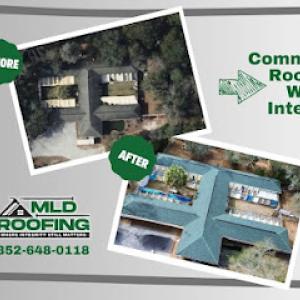
MLD Roofing & Construction is "Where integrity still matters." We are a family owned, State of Florida licensed and insured roofing contractor (CCC1336396). We never use subcontractors—ensuring every job is completed by our trusted, in-house team, with 100% accountability. We take pride in our quality materials, communication, workmanship, and long-term relationships with our customers, vendors, and community. We proudly provide metal, shingle, TPO/Flat roofing replacement and repair needs for homes and businesses across Marion, Sumter, and Citrus counties. Call us today for your FREE, no-obligation roof inspection and evaluation.
Covenant Roofing & Construction, Inc.®
(352) 314-3625 covenantrooffl.com
Serving
4.8 from 1859 reviews
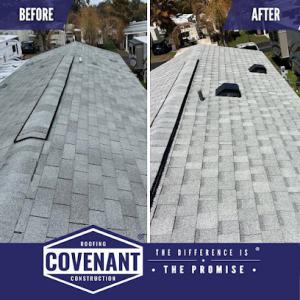
Covenant Roofing and Construction, Inc. is a State of Florida licensed and insured roofing contractor. Family-owned, no sub-contractors, and over 35 years of experience. We pride ourselves on the Promise of quality materials, communication, workmanship and accountability and "The Difference Is The Promise®." High quality materials combined with Superior craftsmanship and client services that are second to none. With our company – the Covenant Roofing family, you find the Integrity you’ve always wanted with the reliability you’ve always needed.
In this market, a building permit is required for reroofing, and the permit is submitted to the Lake County Building Department for review. The process is not merely a box-ticking step; it shapes the sequence of the project and helps ensure that the roof system meets local wind, drainage, and fire-safety standards. Before pulling permits, have your selected roofing contractor confirm the scope of work, proposed underlayment, and attachment method, since these details drive the documentation the county will want to review. Plan to align your crew's schedule with the county's typical review cycle, which can influence the timing of material orders and access for inspections.
Inspections in this area typically follow a two-stage pattern. The rough stage is conducted while the deck is exposed and underlayment is being installed but before the roof is closed in. This inspection verifies deck integrity, proper underlayment, and starter courses or ice-and-water shield placement where applicable. The final inspection occurs after installation is complete, confirming that all elements-sheathing, fasteners, flashing, ventilation, and the finished roofing material-meet the approved plan and code requirements. Understanding this sequence helps avoid delays: coordinate delivery and installation to ensure the roof can reach the rough-inspection window without extended exposure to weather between steps.
Wind mitigation options can affect the documentation expected on homes completed in this climate. Some Lady Lake properties require more detailed evidence of attachment methods, ridge and hip fastener counts, nailing patterns, and roof-to-wall connections. Re-roof records become important for establishing a clear retrofit history, especially if a prior wind-related claim or retrofitting effort exists. Your contractor should prepare a thorough package that includes roof deck details, type of underlayment, fastening patterns for both shingles and related components, and any seismic or wind-rated components used. Expect questions about attic ventilation, secondary water barriers, and any changes to roofing penetrations for vents and exhausts. Having precise, organized drawings or notes can smooth the review process and support a smoother final inspection.
Coordinate with your contractor early to align permit submission, material lead times, and the county's review timeline with the drier fall-to-spring installation window. Keep a dedicated folder of every permit document, inspection notice, and wind-mitigation-related paperwork. If you're selling the home or refinancing, prepared reroof records can streamline closing as the documentation demonstrates compliance and a documented retrofit history. Finally, confirm that your contractor plans inspections around weather forecasts to avoid postponements that extend exposure of the roof deck during the rough-inspection stage.
You are in a high wind-claim environment that shapes how insurers look at roofs after a storm. In this region, underwriting can be stricter, and aging roofs often face closer scrutiny and more aggressive post-storm review than in many inland markets outside the state. The combination of frequent summer thunderstorms and a homeowner base geared toward reroofing means insurers pay particular attention to how a roof has performed over time, not just the last storm.
When a storm passes, the window to protect yourself-and your claim-is narrow. After the rain stops, take clear photos from multiple angles, noting any lifted edges, missing shingles, flashing shifts, or hail marks. Record the date of the storm and the exact time you first noticed damage. Keep records of any temporary protection you install, such as tarps or boards, and note the dates you put them in place. Before arranging repairs, jot down a concise inspection note describing what parts of the roof are affected and what conditions may have contributed to the damage (for example, a portion shaded by a large tree or a section with aging materials). This documentation helps substantiate a claim if conditions change as crews evaluate the roof.
Summer storms in this area come in fast and sometimes with sudden gusts that challenge even newer roofs. Insurers may look for a pattern of wear that predates the event, which can influence the claim review and the scope of what's considered repair versus replacement. Having a clear narrative that ties the observed damage to a specific wind event, supported by dated photos and notes, reduces ambiguity during the adjuster's assessment. Expect questions about prior repairs or known weaknesses, and be prepared to provide records that demonstrate ongoing roof maintenance or the absence thereof.
Wind mitigation matters extend beyond the installation itself. Documentation and inspection paperwork related to a reroof can materially affect future premiums, not just the immediate claim outcome. Keep a tidy file that includes contractor assessments, any mitigation features observed or installed during the reroof, and all follow-up inspection notes after the work is completed. This set of records can improve the confidence of both adjusters and insurers when evaluating how the roof has addressed wind risk over time.
Connect with contractors who help homeowners navigate the claims process from damage assessment to final approval.
Next Dimension Construction & Roofing
(352) 743-1203 nextdimensionroofing.com
Serving
4.9 from 604 reviews
In Lady Lake, repeated summer thunderstorm exposure commonly turns small flashing or fastener issues into active leaks faster than in drier climates. That means a roof that looks fine after a sunny afternoon can reveal trouble after a quick burst of wind, rain, and lightning. The key is recognizing that minor gaps around chimneys, vents, and vent pipes, or barely lifting shingles, can become pathways for water once a storm rolls through. If a roof already shows brittle edges, accelerated by UV, a single storm can push those small flaws into visible leaks in short order. The practical takeaway is to inspect after every heavy rain and after any strong gusts, and to treat even cosmetic flashing imperfections as a warning flag rather than a cosmetic detail.
UV-heavy Central Florida conditions can shorten the useful appearance and performance of asphalt roofs, especially when aging shingles are already brittle before storm season. Heat softens and fatigues the asphalt rapidly, so edges curl, tabs lift, and granules shed faster when the sun beats down for weeks on end. As shingles age, their protective granules wear away, increasing absorption and expanding the risk of heat-related cracking. This is not a distant problem-ladder-safe inspections after heat waves or dry fronts can reveal delamination or micro-cracks that may become leaks once a storm arrives. If you notice a matting sheen on the surface or unexpected color changes, treat it as a breach in long-term resilience, not just surface wear.
Tile roofs common in this market can develop localized breakage and underlayment-related leak paths that are not obvious from the ground after wind and rain events. A single shingle misalignment or cracked tile may seem minor, but movement during a storm can expose underlayment seams, allowing water to travel laterally and seep into living spaces away from the visible roof edge. Even when tiles appear intact, fastener corrosion or failed underlayment can create slow trickles that intensify with each passing storm. Regular, up-close inspections of tile patterns, underlayment seams, and flashings-especially around hips, valleys, and roof penetrations-are essential to catch trouble before it shows up inside the attic or ceilings.
Find contractors experienced in skylight installation, flashing, and leak repairs to bring natural light into your home.
Thomas Roofing of Central Fl - Lady Lake Roofer
(352) 653-0697 tomtheroofer.com
510 Co Rd 466, Lady Lake, Florida
5.0 from 28 reviews
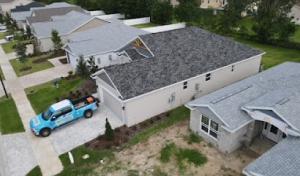
Although steep-slope reroofing dominates the local market, Lady Lake homes and mixed-use properties still have low-slope sections over lanais, additions, porches, and attached areas that fail differently from the main roof. These zones are exposed to the same sun and storms but carry unique drainage and flashing challenges that require careful assessment during maintenance and replacement.
Frequent summer downpours in Lady Lake make drainage performance and seam integrity especially important on these lower-slope sections. Look for slow or pooled water after a rain, uneven transitions where gutters meet low edges, and misaligned seam tape. A small misstep here can lead to early wear and hidden leaks that show up only after heavy rain events.
These attached roof areas are often the first place where ponding-related wear or transition flashing leaks show up during the rainy season. Pay attention to the interfaces where porch or lanai roofs tie into the main structure, as well as around skylights or vent penetrations near low-slope zones. The first signs are often dampness along seams, paint bubbling, or damp spots on interior ceilings near these connections.
Seasonally, walk the edge lines where the lower sections meet higher roofs and check for loose fasteners, lifted shingles or membrane laps, and any hairline cracks in sealant. After storms, inspect for fresh granule loss near the low-slope areas and test exterior gaps with a gentle spray to confirm drainage paths are clear. In Lady Lake, prioritize these checks toward late spring and early fall when heat buildup and storm timing align with the dry windows.
Find specialists in TPO, EPDM, and built-up flat roofing systems for residential and commercial properties.
RoofTek
510 Co Rd 466 Suite 201, Office #A3, Lady Lake, Florida
5.0 from 24 reviews
Pennington Roofing & Construction
(813) 310-2301 penningtonroofingandconstructioninc.com
Lady Lake, Florida
4.7 from 45 reviews

Reroofing is the dominant service pattern in this market, so reputable local contractors tend to be more experienced with replacement work than with niche specialty builds. The typical crew knows how heavy Central Florida heat can age roofing materials and how summer storm cycles complicate tear-offs. That familiarity translates into better scheduling sense, material handling, and long-term performance in the reroof phase rather than chasing experimental methods.
Fast response and clean teardown stand out as unusually visible hiring priorities in this market. Expect a contractor to schedule quickly after a call and to stage daily cleanup that keeps driveways and yards clear during a storm window. Look for a crew experienced with your home type-whether it's a tile, asphalt, or metal roof-and responsive foremen who can explain tear-off timing, weather contingencies, and rapid site protection. Long-established, family-owned, and residential-focused companies are common, offering predictable communication and a service-style you can compare beyond price alone.
When interviewing candidates, ask about their typical reroof cycle in this area, including how they manage overlapping jobs during late-spring heat and autumn rain bursts. Favor contractors who show a local roster of repeat homeowners, clear warranty language, and a policy for post-install inspections after the first Florida thunderstorm season. Pay attention to how they describe cleanup protocols, tarp maintenance, and material storage to ensure a tidy jobsite that minimizes hurricane-season worry.
Given the dry fall-to-spring installation window, prioritize contractors who can reserve a solid block of days and guarantee consistent crew staffing. Check for a written plan that covers weather contingency days, tarp placement, and rapid turnaround on debris removal. The right partner will communicate timing milestones clearly and minimize disruption to the household, turning a potential weather setback into a smoothly managed reroofing project.