Last updated: Apr 19, 2026
When the hurricane season rolls in, you'll feel the pressure even if the community sits inland. Tropical-storm winds and wind-driven rain still rattle shingles, lift flashing, and push attic moisture into ceilings and joists. Summerfield homeowners routinely confront claim pressure, and a fast, decisive response can limit interior damage and save you hours of headaches. The goal is not to wait for a perfect dry window-storm season is about ready-to-act readiness. If a neighbor reports shingles curling or granules in the gutters after a heavy squall, treat that as a warning signal: the next storm could expose a vulnerable roof edge or flashing seam.
During an active leak event, reliability matters more than elegance. Heavy afternoon thunderstorms in this part of Central Florida can interrupt tear-off and dry-in schedules the same day. That makes emergency tarping and rapid weatherproofing essential. You should have a plan and a quick-access kit: sturdy tarps, plastic sheeting, roofing nails, a utility knife, and a ladder you trust to stand firm in wind gusts. If you notice attic condensation, drafty eaves, or staining that wasn't there before, treat it as a flare indicating advancing damage. Secure the affected area with tarps promptly to reduce further intrusion, then call a licensed contractor who can mobilize a storm-response crew. If your roof is actively leaking near a seam or penetration, prioritize temporary patching over chasing a perfect permanent repair in the same weather window.
Local contractor signals show unusually strong demand for emergency repair and storm-damage work, indicating that homeowners here commonly hire for urgent post-storm response rather than only planned replacements. That trend means you should document damage quickly and choose a contractor who can provide rapid on-site evaluation, not just a scheduled appointment weeks out. When a storm ends, the clock starts for claim documentation, but that process should be paired with solid on-roof assessment. Have clear photographs from multiple angles, including attic conditions, ceiling staining, and any lifted edging or flashing. Your notes should reflect wind direction, visible shingle displacement, and the extent of exposed roof deck. If the roof has sustained wind-lift on the edge boards or flashing around vents and chimneys, request a thorough walkthrough to identify all compromised zones so the ensuing repairs address the full scope.
On a first-look evaluation, focus on edge shingles, ridge caps, step-flashing along walls, and around penetrations where wind-driven rain tends to exploit weaknesses. If you see granule loss on the shingle surface, that's a red flag for reduced wind resistance and future blow-off risk. Check the attic for signs of moisture intrusion such as dark stains, moldy smells, or warped sheathing. If you're unsure about moisture behind installed underlayment, bring in a roofer who uses infrared or moisture meters to map hidden leaks rather than guessing-because a shallow leak can hide a larger structural problem. In Summerfield, where storms can strike with little warning, a rapid assessment that captures the extent of wind damage and leakage can set the course for a durable fix rather than a temporary patch.
The dominant local material mix includes asphalt shingles, metal, clay tile, concrete tile, wood shakes, and synthetic/composite products, so homeowners here are choosing among systems that respond very differently to UV, humidity, and wind. In this hot, humid subtropical climate, sustained summer sun tends to bake exposed surfaces, while frequent moisture cycles push underlayment aging and fastener corrosion into the conversation. Algae and moisture-related deterioration can show up sooner on lighter shades or surfaces that trap humidity. Your roof choice should account for how a system handles sun exposure, wind-driven rain, and the daily cycles of heat and humidity that define Marion County summers.
Hurricane-season wind exposure is a constant factor for re-roofs and storm-damaged repairs. In practice, that means you want a system with robust attachment, corrosion-resistant fasteners, and a proven track record for wind uplift performance. Asphalt shingles can be a practical, cost-effective option, but they demand meticulous sealing at rake and hip edges and solid attic ventilation to keep the deck from cooking in place. Metal roofing offers exceptional wind resistance and ease of maintenance, but installation quality matters, especially in fastener spacing and sealant choices to prevent leaks during seasonal deluges. Clay and concrete tiles bring multi-layer durability and a long replacement horizon, yet their weight requires structural assessment and proper underlayment to manage heat under tiles. Wood shakes provide a rustic, long-term option but may require additional maintenance against humidity-induced staining and moss growth. Synthetic/composite shingles blend some of these traits, offering good UV resistance and lower weight, often with better hail performance in our market. Understanding these trade-offs helps you align a roof that stands up to afternoon thunderstorms and the long Florida summer.
Sustained heat stresses exposed surfaces, but the moisture cycle is constant: rain, humidity, and occasional dew create a recipe for underlayment aging if the deck isn't protected. For asphalt, ensure a high-quality, weather-rated underlayment that seals well at edges and penetrations. Metal roofs benefit from a corrosion-resistant coating system and proper spray foams or sealants around penetrations to prevent rust at fastener points. Tile systems-whether clay or concrete-need a strong, continuous underlayment and careful installation of battens or a statically stable substrate to prevent tile wobble. Wood shakes demand a moisture barrier and potential treatment against mildew, plus regular cleaning to curb algae. Synthetic/composite roofs typically integrate durable underlayment and can be more forgiving with heat, but ensure the fastener pattern is designed for wind loads and substrate compatibility.
Tile and metal emerge as especially relevant upgrading paths in this market because they balance wind resistance, heat performance, and replacement timing. If you expect a long service life with fewer seasonal hiccups, a metal or tile choice paired with a quality underlayment typically delivers the best balance against the Central Florida sun and humidity. If you prefer the familiar look of asphalt but want improved wind performance, ask about high-wind-rated shingles and input from local installers who understand typical Summerfield roof lines and roof-to-wall connection details. In all cases, plan for proactive maintenance: keep gutters clear, check for shingle curling or tile cracks after big storms, and address suspected leaks promptly to minimize interior damage and documentation needs for insurers after a severe event.
In this market, asphalt shingles typically run between 450 and 800 USD per square, while metal roofing tends to be 700 to 1500 USD per square. For clay tile, plan on 950 to 2500 USD per square; concrete tile generally sits around 900 to 2100 USD per square. Wood shingles or shakes fall roughly 700 to 1400 USD per square, and synthetic or composite shingles range from 550 to 1200 USD per square. These figures reflect the inland Central Florida heat, humidity, and the Florida-wide demand swings that happen after tropical storms. They also factor in the usual residential re-roof market here, where tear-off, disposal, cleanup, and dry-in speed influence the bottom line.
Tropical storm activity can push pricing higher even for inland crews. Labor availability tightens, material lead times stretch, and crews may need to prioritize storm-damaged homes. If a storm rolls through, substantial portions of Summerfield experience a rush on scheduling, sometimes compressing timelines and raising temporary storage or disposal costs. Expect to see price quotes shift by a notch or two during peak hurricane season, and plan for potential minor schedule delays when crews are juggling multiple re-roofs.
Most projects here are tear-off jobs, which add to the overall cost beyond the new roofing material. Proper disposal and site cleanup matter because sudden thunderstorms can expose open roof decks if work drags behind. Dry-in speed is key; a faster dry-in reduces exposure to wind-driven rain and keeps interior damage risks down. The cost for tear-off and disposal is often bundled with the square price, but some contractors itemize it. When comparing bids, verify whether tear-off, disposal, and cleanup are included and whether any charge applies for additional waste.
In this market, scheduling efficiency influences final cost. A crew that finishes a project ahead of a fast-moving storm season can save on temporary weather exposure and potential call-back work. Conversely, if a job is delayed by rain or material lead times, you might incur extra days of labor without delivering extra material value. Ask for a planned timeline that includes staging, tear-off, underlayment, and dry-in milestones, plus what happens if a storm interrupts work.
Because hurricane-season wind is a common concern, several bids may come with documentation-ready support for insurance documentation post-damage assessment. The practical effect is a smoother claim process if a re-roof becomes necessary after a storm. Ensure bids clearly outline material choices, warranties, and expected response times after severe weather, so that insurance reviews stay straightforward during the claim cycle.
Next Dimension Construction & Roofing
(352) 743-1203 nextdimensionroofing.com
13624 US-441 Suite 1, Summerfield, Florida
4.9 from 604 reviews
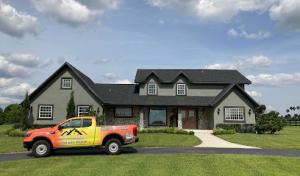
At Next Dimension Construction & Roofing, we work hard to keep residential and commercial properties safe with dependable roofing, siding, gutters, skylights and solar solutions. We serve Summerfield, FL and the nearby central Florida areas, including The Villages, Ocala and more. We have more than 600 five-star reviews and an A+ BBB rating. Our general contracting division also proudly offers bathroom remodeling, kitchen remodeling, patios and more. Call or visit us online today to learn more or request a free estimate.
Southern Pro Roofing
(352) 245-1775 southernproroofs.com
15870 SE 36th Ave Suite 1B, Summerfield, Florida
4.9 from 60 reviews
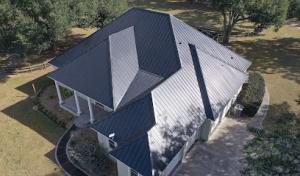
Southern Pro Roofing, LLC is a locally owned & operated roofing company based in Summerfield, Florida.
Vito's Roofing
(352) 570-3409 vitosroofingllc.com
Serving
4.8 from 25 reviews
Vito's Roofing is a roofing contractor in Ocala, FL serving Belleview, Summerfield, Dunnellon, The Villages and nearby areas. Our roofing company offers residential roofing, commercial roofing, and more. Customers love us because of our affordable roof financing options. We also have industry affiliations and certifications such as GAF Master Elite, Atlas Pro, CertainTeed, Owens Corning and . If you want to experience how your most trusted Ocala roofing company, call us now for a free estimate!
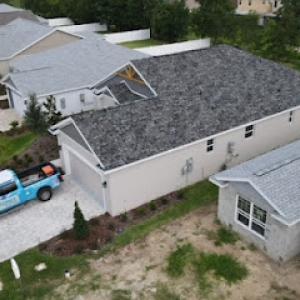
Batterbee Roofing
(352) 766-1459 www.batterbeeroofing.com
Serving
4.9 from 1531 reviews
Batterbee Roofing is a licensed and insured Central Florida Roofing Contractor offering extensive roofing services including re-roofing, repairs, preventive maintenance, indoor and outdoor inspections, and more. Our experience and knowledge in the field lets our customers know that they are in the right hands. Our commitment to the satisfaction of our customers is unmatched. With us, you’re in expert hands for: ✓ Roofing ✓ Gutters ✓ Skylights ✓ Solar Tubes ✓ Roof Storm Restoration ✓ Attic Ventilation
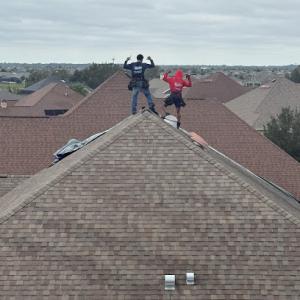
Brehm Roofing & Restoration - The Villages
(352) 664-7373 brehmroofing.com
Serving
5.0 from 33 reviews
Brehm Roofing & Restoration - The Villages is a reliable roofing contractor serving The Villages, FL, and nearby communities. We specialize in a range of roofing systems, including shingle, tile, metal, and flat roofs, ensuring each solution is built to last and meet the needs of homeowners in Central Florida. Our team is committed to providing efficient service with clear communication at every step. Whether you need a roof replacement, repairs, or a new installation, we focus on delivering quality work on time and within budget. Additionally, we offer 24-hour emergency restoration services to address urgent roofing issues whenever they arise. For roofing services you can count on, turn to Brehm Roofing & Restoration in The Villages.
Trident Roofing of Florida
Serving
4.7 from 17 reviews
Welcome to Trident Roofing of Florida, Inc. We are always producing stellar results for roofing and repair jobs throughout the Ocala-Marion area. Our professionals can handle all roofing types expertly, as well as roofing with the precision and care in every property deserves. We cater to residential and commercial clients. Call us today for your free estimate.
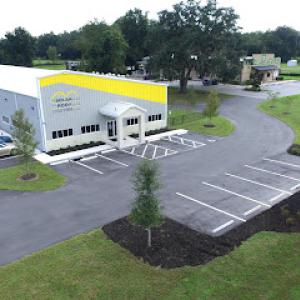
The Roof Guys
(352) 605-7513 theroofguys.com
Serving
5.0 from 262 reviews
A licensed, insured, family-owned roofing contractor serving Ocala, The Villages, and Central Florida since 2001. We specialize in asphalt shingle roof replacement, repair, and full system upgrades using top brands like GAF, Owens Corning, and Atlas. We’re a GAF Master Elite® Contractor and proud recipient of the GAF President’s Club Award. All crews are background-checked, factory-trained, and committed to honest, high-quality work. Over 40,000 homeowners trust us to protect their homes with durable, energy-smart roofing systems built for Florida homes. We offer flexible financing, top-rated warranties, and fast turnaround on repairs and replacements. Get an instant quote online now!
YT Roofing
(863) 592-3492 yt-roofing.ueniweb.com
Serving
5.0 from 25 reviews
YT Roofing offers high-quality roofing design and services in Candler. We are seasoned roofers who deliver top quality and budget-friendly roofing services. Get in touch with us on +18635923492.
Gurr Brothers of Ocala
(352) 234-3701 gurrbrothersroofing.com
Serving
5.0 from 13 reviews
Gurr Brothers Roofing specializes in expertly repairing and restoring roofs damaged by water, providing top-notch solutions to safeguard your home from leaks and structural deterioration. With a proven track record of excellence, we're your trusted partners in ensuring a dry and secure living space.
All Florida Roofing
(352) 812-0132 allflaroofing.com
Serving
5.0 from 8 reviews
We are your local, family owned Roofing Company that offers quality work at an affordable price.
United Roofing
(352) 347-8211 unitedroofingcompany.com
Serving
4.8 from 105 reviews
Standing strong since 1995, installing roofs for Ocala families for over a quarter century, our family-owned and operated roofing company takes pride in providing expert roof repair and replacement for both residential and commercial properties. With over 25 years of experience, we understand the unique challenges that Ocala, FL roofs face and are committed to using only high-quality materials while delivering exceptional service. Whether you need affordable roof repair or durable re-roofing solutions, our skilled team is here to meet your needs. As a GAF Master Elite roofing contractor, we ensure that your project benefits from the backing of North America’s largest and most reputable roofing manufacturer. This certification allows us t...
Thomas Roofing of Central Fl - Lady Lake Roofer
(352) 653-0697 tomtheroofer.com
Serving
5.0 from 28 reviews
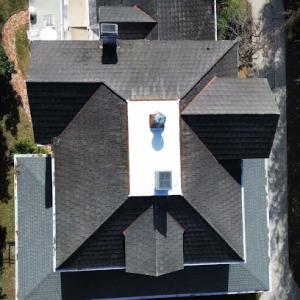
Expert roofing contractor serving Lady Lake, FL and Lake County since 1995. Specializing in roof installation, repair, and replacement for homes throughout The Villages area and surrounding communities. We handle storm damage, hurricane repairs, and skylight services. Licensed, insured, and locally owned. Our crews understand Lady Lake's unique challenges including proximity to The Villages, severe weather, and diverse housing styles from retirement communities to family neighborhoods. Serving zip code 32159, Rolling Acres, and areas near Lake Griffin State Park. Free estimates available. Emergency services ready when storms hit. Call (352) 653-0697 for expert roofing solutions.
For a full re-roof, a building permit is typically required, and the roofing contractor usually files it with the local building department serving Summerfield. This step is not optional, and having the permit in hand helps ensure that the work complies with Marion County's wind and fire-safety standards. The permit also creates a formal record that can simplify any future insurance or resale questions. If a storm or prior damage is involved, make sure the contractor's plan clearly aligns with the permit scope so work isn't paused for mismatched expectations.
In most situations, the roofing contractor handles the permit submission. That means you should expect them to coordinate with the building department, provide required drawings or roofing details, and obtain the proper approvals before any removal or replacement begins. It's prudent to confirm for yourself that the permit has been accepted and that the project's scope matches the approved plans. This reduces the risk of hold-ups later in the project, especially when the weather window is tight.
Inspections are staged, with an underlayment or nail-pattern inspection typically occurring before covering the roof and a final inspection after completion. This sequence directly affects how quickly a Summerfield re-roof can be dried in and closed out. Expect the underlayment check to verify proper nailing patterns, fastener type, and underlayment alignment against commonly seen wind-driven exposure. The final inspection confirms that all components, flashing, penetrations, and venting meet code. If inspections lag, your interior drying-in and the ability to move back into the home can be delayed, especially during rainy periods or hurricane-season winds.
Processing commonly runs about 1 to 2 weeks depending on workload and weather, so storm-season backlogs can affect start dates and completion timing. In busy stretches, plan for possible backlog impacts and communicate with the contractor about inspection appointment windows and weather-driven delays. Summerfield neighborhoods often experience rapid shifts in wind and rain during hurricane season, and backlog may push critical phases toward more congested calendar dates. Keeping proactive contact with the contractor and the building department helps maintain a realistic schedule.
Prior to a permit submission, gather basic property information, the scope of work, and any wind-rated or code-compliant components you intend to use. After permits are approved, keep copies of the permit card, inspection notices, and any communication from the building department. When storms are nearby or recent damage is present, ensure the contractor's documentation clearly links the repair scope to the permit and the inspected items, so your claim and the project timeline stay aligned.
The area sits in Florida's high-claim roof insurance environment, where frequent severe-weather losses have led to tighter underwriting, higher wind-damage deductibles, and more scrutiny of roof condition. In practice, that means your insurer may look harder at the roof's history, current condition, and resilience against hurricane-season winds before approving replacements or settling claims. A careful, documented approach now can prevent surprises later when a storm hits and memories fade.
Insurers in this market often want detailed photos, documentation of storm-related damage, and evidence of wind-resistance upgrades before moving forward. Appraisers may be involved, and records of prior damage can surface during the process. Summers in this part of the state bring rapid wear from humidity, heat, and occasional flash storms, so the bar for what counts as "storm-related" can shift quickly. If a leak is present, or shingles are missing, interior staining appears, or temporary repairs are made, those details become part of the official file and can influence outcomes.
After a storm, you benefit from acting quickly and methodically. Take clear photos from multiple angles, focusing on loose or missing shingles, flashing issues, and any interior signs of water intrusion. Keep a simple log of dates, what was observed, and any temporary fixes like tarps or sealant. If leaks are developing, document them right away with dates and affected rooms. When contacting your insurer or a contractor, provide the exact storm date, wind speeds if known, and a straightforward narrative of what changed since the prior review. This level of detail helps prevent mismatches between what happened and what the file shows, reducing delays and back-and-forth during claim settlement.
In a neighborhood where inland Central Florida heat, humidity, and hurricane-season winds constantly press on roofs, timing a re-roof is as much about weather as about materials. A well-timed project minimizes moisture intrusion, accelerates proper shingle seating, and keeps crews on pace despite long, hot days. The goal is to catch windows with mild daytime temperatures, lower humidity, and calm enough afternoons to finish critical detailing before next storm fronts roll through.
Summerfield's mild winters generally make scheduling easier than in colder climates, so homeowners often have a wider workable installation window outside peak storm disruptions. Aim for a stretch when daytime highs sit in the comfortable range, and mornings stay dry enough to get underlayment and decking secured before heat climbs. The narrowest risk occurs when temperatures swing sharply or when unseasonable cold snaps dampen sealant performance; plan accordingly to avoid brittle material handling or skewed adhesive cures.
Wet, humid springs raise the risk of moisture intrusion if a roof is opened and weather shifts during installation, which is a real planning issue in this area. Always have a reliable rain check built into the schedule, plus a contingency day or two for late-day showers. Summer heat can accelerate aging of roofing membranes and also affect crew pace and installation timing, especially on dark roofs exposed to full sun. If a project runs into the lingering heat of early afternoon, crews should stagger tasks to protect the membrane and maintain worker safety.
Coordinate a start date with a weather-smart buffer-prefer mornings with low humidity and no forecasted storms within 48 hours. For asphalt, metal, or tile options, align material delivery to a dry, wind-free window so adhesive and fasteners cure properly. On a humid day, plan for extra drainage management and deck drying time before sealing penetrations. Finally, choose a window that minimizes the chance of mid-project wind-driven water exposure, which is a frequent concern during hurricane season.
Skylight work in this market is a frequent call, and most leaks around penetrations come down to flashing and seal failures rather than a total roof replacement. In practice, that means you'll often be dealing with the interface where the skylight meets the roof deck, the curb, and the surrounding shingles or tiles. A small failure here can cascade into a bigger interior leak after a heavy rain, so keep a keen eye on the flashings, caulking, and the skylight's curb condition-especially after a storm season or a particularly hot, humid stretch.
Flat-roof specialization is present but not dominant, which fits a housing stock where most homes are pitched-roof residential properties. Additions, lanais, porches, or attached sections can create low-slope leak points that are easy to overlook during a casual inspection. When a low-slope area abuts a steeper main roof, water can ride under misaligned flashing or move along transitions, finding a path through even small gaps. Treat these joints as high-priority leak zones during re-roofing or post-storm checks.
In the heavy-rain environment, transitions between main roof planes and lower-slope sections are especially sensitive during re-roofing and post-storm inspections. Areas where a low-slope patch ties into a higher roof are common trouble spots for wind-driven or driven-in water. Inspections should focus on flashing integrity, proper termination at edges, and any signs of staining or spalling along the transition line. If you notice dampness near a skylight, nearby joints, or along a seam, don't wait-address it promptly before it migrates.
When you're evaluating a repair or replacement, prioritize a detailed leak-detection approach that traces water to its source, particularly around penetrations and transitions. A cautious, thorough inspection now can prevent a larger, more disruptive repair later, especially after a storm surge or a season of heavy rain.
Find contractors experienced in skylight installation, flashing, and leak repairs to bring natural light into your home.
Next Dimension Construction & Roofing
(352) 743-1203 nextdimensionroofing.com
13624 US-441 Suite 1, Summerfield, Florida
4.9 from 604 reviews
Southern Pro Roofing
(352) 245-1775 southernproroofs.com
15870 SE 36th Ave Suite 1B, Summerfield, Florida
4.9 from 60 reviews