
Last updated: Apr 19, 2026
June through October brings heavy rain, frequent thunderstorms, and the occasional tropical system that can turn a small roof weakness into an active leak in a hurry. In this climate, wind-driven rain is a bigger problem than freeze-related damage, and shingles or tiles that look fine after a normal shower can fail under a tropical downpour. The rapid shifts from blazing sun to sudden deluge stress roofs differently than in cooler regions, so readiness isn't a luxury-it's a daily requirement during storm season. Local homes often carry time-sensitive vulnerabilities: loose flashing, deteriorated sealants, and aging flashing joints that haven't seen real wind exposure until a storm hits. The key risk is not just a single leak, but a cascade of failures that can overwhelm gutters, soffits, and attic spaces within hours of a disturbance.
When the skies finally clear, assessment is where prevention begins. Visibility matters: look for fresh staining on ceilings, damp insulation in attic access, and any new dark patches along the interior walls near the roofline. In Ruskin, fast-paced weather cycles can open multiple leak points almost simultaneously, so don't rely on a single suspected culprit. If shingles or tiles appear torn, displaced, or lifted, treat them as active warnings rather than cosmetic issues. The goal is to prevent interior damage while you arrange professional help, because pronounced leaks can intrude through soffits, end walls, and even ceiling joints, amplifying water intrusion quickly. A temporary tarping plan should be in place if a leak is obvious and a contractor isn't reachable within a few hours. Keep a basic kit handy: tarps, rope, protective gloves, and a ladder you can deploy without risking personal safety.
Storm damage in this coastal pocket often triggers insurance reviews that look for timely documentation and demonstrated rapid response. Start gathering evidence before the next storm hits: dated photos of the roof's surface, architectural drawings or roofing plans, and a log of storm events with dates. Track any temporary repairs and the names of anyone who performed them, along with the exact location of leaks as reported from the interior. Your home's roof is a critical line of defense against Tampa Bay's wind-driven rain, and having a clear, organized record can streamline emergency claims and post-storm decisions. When you consult a local contractor, request written assessments that clearly identify vulnerable seams, flashing, and fastener failures. A concise summary that links observed damage to probable failure points helps insurance reviewers understand urgency and need for expedited repairs.
With storms, the pathway from a visible leak to a confirmed source can be rapid but tricky. A licensed contractor will use careful tracing to identify whether water entered through cracked shingles, lifted edges, flashing where roof meets wall, or damaged vents and chimneys. In the meantime, prioritize evaporative protection inside the attic: remove damp insulation where safe, cover exposed wood with a waterproof barrier, and minimize standing water in any reachable areas. For wind-affected roofs, anticipate multiple small leaks rather than a single large one, and plan for a staged repair approach that stabilizes the structure before a full replacement, if necessary. The emergency plan should emphasize preventing further weather-driven damage while arranging permanent materials and strategies that align with Ruskin's storm realities.
The local market heavily emphasizes storm damage response and emergency repair. When selecting a contractor, prioritize those who demonstrate rapid on-site response, clear communication about leak tracing steps, and the ability to provide interim protection and quick stabilization. Confirm that the team has experience with coastal winds, proper fastening methods for high-wind zones, and a track record of working with insurers on storm claims. Ask for a written next-step plan with specific timelines, including immediate tarping, short-term leak control, and a proposed fix path that minimizes disruption to living spaces during hurricane season. In a town shaped by frequent thunderstorms and tropical shifts, the right partner makes the difference between a manageable stress event and a prolonged exposure to weather-related damage.
Look at how a roof system handles repeated storms rather than a single incident. Materials chosen for hurricane-prone South Hillsborough satellites should resist wind uplift, shed water quickly, and maintain seal integrity across flashing joints. In Ruskin, a proactive approach combines durable coverings with reinforced edges and updated attic ventilation that helps reduce temperature-driven expansion and contraction cycles. Regular inspections after each major storm become part of upkeep, not a reaction. The goal is a roof that preserves interior comfort, minimizes the risk of widespread leaks, and remains accountable to insurance documentation practices that support swift, fair resolutions in the wake of heavy weather.
Dry-season window for scheduling and material handling
In this part of South Hillsborough County, the dry season from late fall through early spring is the most practical window for a roof replacement. The aim is to minimize weather delays, reduce exposure during tear-off, and keep interior living spaces comfortable while crews are working overhead. The dry stretch typically means fewer rain days, less mud on access paths, and more predictable material delivery and staging on site. The key is to plan the project so most of the tear-off and reinstallation happens during a stretch with several dry weeks in a row, which helps keep crews on track and reduces the chance of early-season leaks during construction.
Hot summer days and daily thunderstorms complicate installation
Summer in Ruskin brings hot, humid conditions and frequent afternoon thunderstorms that can interrupt even well-planned schedules. On active jobs, daily heat can slow synthetic underlayment installations and affect adhesive performance for certain shingles or membranes. Wind gusts around a storm cell can also challenge scaffolding and ladder safety. When planning for a replacement, expect occasional delays tied to weather-and build those pauses into the schedule. If a crew promises a concrete or tile tear-off during peak season, confirm they have a plan for protective tarping, secure temporary waterproofing, and a clear path to move materials without creating heat-softened or warped substrates.
Winter scheduling considerations
Winter in this area tends to be the most predictable period for scheduling a replacement, with lower likelihood of heavy downpours. However, occasional cold snaps can stiffen sealants and slow some installations, especially if nighttime temperatures dip near or below freezing. If you anticipate a winter project, discuss with the contractor how they handle cold-weather adhesives, sealants, and fasteners, and whether they adjust daytime start times to avoid the coldest parts of the morning. In Ruskin, winter also means shorter daylight hours, so coordinate longer work days only if crews can safely extend daylight without overworking themselves.
What to plan for during the dry-season push
Tear-off strategy and wind exposure
Wind exposure around Tampa Bay can complicate a tear-off, especially if crews remove large sections of roofing at once. To reduce risk, coordinate with the contractor to stage removal in smaller, safer segments and to secure nearby debris rapidly. If a storm system approaches during the project, you'll want a clear, pre-arranged plan for securing loose materials and closing off the job site to protect both the structure and the neighborhood.
Insurance-ready documentation and readiness
Even if this guide focuses on the timing, keep in mind that having documentation ready for the insurer helps streamline the process after a storm event. Maintain a dated photo log of the roof condition before work begins, notes on the chosen roofing system, and a straightforward record of installation milestones. This practice supports fast claim processing if the project scope changes due to weather or storm-related damage.
Steadfast Roofing
(813) 851-2276 steadfastroofingfl.com
9613 Ivory Dr, Ruskin, Florida
5.0 from 1034 reviews
Steadfast Roofing is a local, family-owned roofing company founded on faith, transparency, and honesty. As certified roofing contractors, we have the training and experience to handle all your roofing needs. At Steadfast Roofing, we aim to educate our potential clients about their roofing projects by providing a consultative approach to handling whatever issue they face with their roofs. We are the top roofers in Tampa Bay, serving Brandon, Riverview, Ruskin, Tampa, and surrounding markets. Our roofers specialize in offering affordable residential roof replacements. We use only the best quality materials, like asphalt shingles from top manufacturers like Atlas, IKO, and Owens Corning!
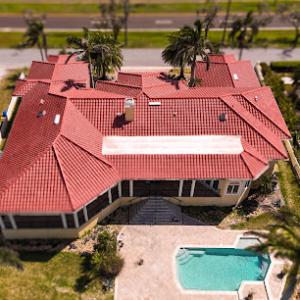
PITCH Roofing
(727) 493-8345 pitchroofing.com
2617 Pier Dr, Ruskin, Florida
4.9 from 24 reviews
We’re PITCH, a specialized roofing company that means business. Dedicated to doing things the right way, we don’t just build roofs. We build trust. Working hand in hand with our customers, we use transparency, honesty, and reliability to guide you through every step of your project. We’re good that way. LICENSE: CCC1335448
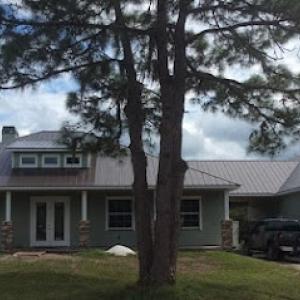
JRJB Roofing Contractors
(813) 996-7663 www.jrjbroofing.org
Serving
4.9 from 57 reviews
Specializing in Metal Roofing, Tile, Shingle, TPO & More. Residential & Commercial Roofing Contractor.
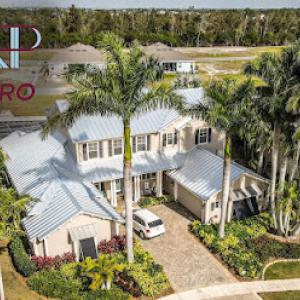
All-Pro Roofing Services
(813) 232-2424 allproroofingservices.com
Serving
5.0 from 106 reviews
All Pro Roofing Services is Tampa's premier roofing company, dedicated to providing top-notch roof replacement and installation services for both residential and commercial properties. Our expertise spans across a wide array of roofing types and materials, ensuring that every project is tailored to meet our clients' specific needs and preferences. With a deep commitment to quality and customer satisfaction, we strive to deliver exceptional craftsmanship and durable solutions that stand the test of time. Whether you're looking to upgrade your home's curb appeal or secure your business premises, All Pro Roofing Services has you covered.
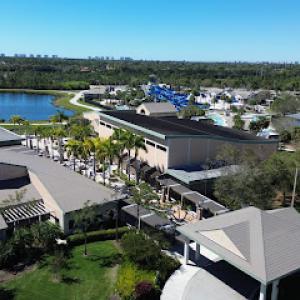
R4 Roofing & Reconstruction
Serving
4.9 from 19 reviews
R4 Roofing and Reconstruction - Roof Repair Replace and Restore - for tile, metal, solar, flat roofs and shingle. We will make sure your home is done right, and always communicating the best repair method so you do not need to worry about the job. R4 Roofing and Reconstruction delivers top-quality work at an always fair price. Having over 35 years of experience in the construction industry. Experienced repair and restoration experts assure you will get a fair price, done quick. Our partnership lasts from concept to completion, we are with you all the way.
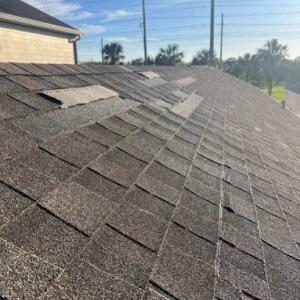
LD Total Roofing
(941) 840-2454 ldtotalroofing.com
Serving
5.0 from 15 reviews
LD Total Roofing provides residential roofing, new construction, roof repairs, commercial repairs, roof replacements, metal roofing, tile roofing, shingle roofing, storm damage, and roof inspections and maintenance to the Sarasota, FL area.
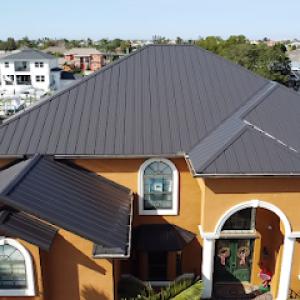
Hoffman Roofing
(813) 966-1688 www.hoffmanroofs.com
Serving
5.0 from 78 reviews
Your local, trusted, roof covering experts in southern Hillsborough county.
Randall's Seamless Guttering & More
(727) 408-8105 www.randallsseamlessguttering.com
Serving
5.0 from 12 reviews
With 26 years experience, we are now a family owned and operated business. We offer a wide variety of material and product, for you to choose from. Quality, detail and your satisfaction are our main focus. We are fully insured with competitive rates. Give us a call for a free estimate. Saying "Thank you" to our Veterans and Active Duty, with a Military Discount.
Trinity Restoration & Roofing Tampa
(813) 772-1737 trinityrestoration.com
Serving
4.9 from 255 reviews
Trinity Restoration & Roofing offers residents and businesses in Tampa and surrounding areas peace of mind with long-lasting, high quality roofing systems. Backed by Owens Corning Platinum Preferred Contractor designation, they ensure a reliable and professional roofing experience.
NextDoor Exterior Solutions
(727) 318-0006 nextdoorextroofing.com
Serving
4.9 from 87 reviews
NextDoor Exterior Solutions, located at 5812 Mezzana Run, is your premier roofing contractor committed to exceptional roofing services and customer satisfaction. Our expert team specializes in roof repairs, replacements, and installations, ensuring your property is protected and visually appealing. We use only high-quality materials and innovative techniques, addressing all your roofing needs with precision. As local leaders in the roofing industry, we offer personalized solutions tailored to your specific requirements. Trust NextDoor Exterior Solutions for reliable, durable, and efficient roofing services. Contact us today for a free consultation and discover why we are the top choice for homeowners seeking superior craftsmanship.
Fast Track Roofing
(813) 606-5256 www.fasttrackroofingfl.com
Serving
5.0 from 69 reviews
Fast Track Roofing – Veteran-Owned Roofing in Riverview, FL Fast Track Roofing is a veteran-owned and operated company providing expert roofing Riverview, FL. We specialize in roof installations, repairs, and replacements for homes and businesses, using high-quality materials built to withstand Florida’s weather. Our skilled team ensures durable, storm-resistant roofing with superior craftsmanship and competitive pricing. Need roof repairs in Riverview, FL? We offer emergency services and free estimates. 📞 Call today to get started! 🚀 #RoofingRiverviewFL
Armor All Roofing
(813) 416-7362 armorallroofing.com
Serving
4.8 from 91 reviews
For all your Roofing and Solar needs!
The dominant residential roofing materials in Ruskin are asphalt shingles, metal roofing, clay tile, concrete tile, wood shingles or shakes, and synthetic or composite shingles. In many neighborhoods, you'll see a mix that mirrors Gulf-facing exposure, where materials must handle heat, humidity, and the possibility of sudden storms. Tile and metal are highly visible local specialties in the market, but asphalt remains a major option because it fits many re-roof budgets in South Hillsborough County. When you walk a street with coastal breezes off Tampa Bay, you'll notice the shine of metal panels and the classic profile of clay or concrete tiles catching afternoon sun, each telling a different story about performance and maintenance.
In this hot, humid climate, material choice is tied closely to wind performance, resistance to repeated thunderstorm exposure, and how well the roof system handles prolonged sun and moisture. Metal roofing shines under wind pressure tests, with panels designed to resist uplift and keep fasteners secure after seasonal squalls. Clay and concrete tiles offer substantial weight and a timeless look, but installation quality matters: an accurate batt and mortar or clip-system is essential to withstand both daily heat expansion and hurricane gusts. Asphalt shingles, while lighter, rely on sturdy roof decks and proper nailing patterns to resist wind-driven leaks during storm cycles. Wood shingles and shakes can provide a rustic appearance but demand meticulous maintenance to prevent moisture rot, insect intrusion, and fire concerns in dry spells. Synthetic or composite shingles blend some resilience with ease of installation, yet their performance hinges on the same secure fastening and a capable underlayment.
When planning a roof for the region, think about the roof's substructure and the underlayment that sits beneath the surface materials. A high-quality underlayment with excellent water resistance adds a critical layer of protection during heavy rains. Ventilation and attic sealing help reduce heat buildup, which in turn protects the roof deck and insulation from rapid thermal cycling. In Ruskin's coastal heat, you'll want a deck that's treated against moisture and a fast, well-sealed leak-response plan so that a small breach doesn't become a larger problem after a late-summer downpour.
Tile and metal are highly visible local specialties, and each brings distinctive maintenance realities. Tiles, when properly clipped or interlocked, can resist wind better than loose shingle rows, but cracked tiles can create channels for water intrusion. Metal roofs resist wind well and shed rain quickly, yet flashing details around hips, valleys, and vents require precise installation to prevent leaks after heavy deluges. Asphalt remains versatile; its performance hinges on a solid deck, correct nailing targets, and a robust seal around penetrations.
A practical plan focuses on proactive inspection and rapid leak response. After a hurricane or severe thunderstorm, inspect for lifted pieces, loose flashing, or displaced fasteners. Keep a basic roof kit ready-folding ladder, a spare set of clips or fasteners, and a roof sealant appropriate for the chosen material. Document conditions with photos for insurance and repair purposes, because having a clear post-storm record speeds the process of confirming damage and arranging repairs. Regular maintenance visits, especially in late dry season and after major storms, help catch small issues before they become costly. For homeowners aiming to balance aesthetics with resilience, tile and metal present not only strong performance in wind and sun but also the most enduring curb appeal in the coastal light.
Asphalt shingles run about 350-750 USD per square, a familiar baseline for many Ruskin homes with simpler roof lines. Metal roofing sits higher, typically 600-1200 USD per square, reflecting the wind resistance and longer lifespan common in coastal rebuilds. Clay tile clocks in at 900-1800 USD per square, while concrete tile settles between 800-1500 USD per square. For wood shingles or shakes, expect 550-1100 USD per square, and synthetic or composite shingles come in around 500-900 USD per square. In practical terms, the figure you'll see on bids depends on the roof's complexity, attic ventilation needs, and the number of transitions around vents and chimneys. This is not a one-size-fits-all price, especially when the home has multiple roof planes or skylights.
In Ruskin, pricing can rise during storm-recovery periods when regional demand spikes across Hillsborough County and nearby coastal communities after tropical weather. That demand surge often shows up as higher crew availability costs, expedited material delivery fees, and tightened scheduling windows, particularly after a hurricane or strong tropical system. Heavier tile systems common in Florida architecture increase both material weight considerations and the need for compatible battens, underlayment, and wind-rated fasteners. Wind-rated underlayment and venting are not optional in this market; adding these components can push the price toward the upper end of the ranges, but they dramatically improve resistance to blow-off and leaks.
Costs in this market are also shaped by whether the home uses heavier tile systems, the need for wind-rated underlayment and venting, and inspection scheduling. If a replacement is timed for the dry season, it can help with scheduling and reduce the risk of weather-related delays, but it may still be priced higher if a major storm plume is circulating. When chasing insurance-ready documentation, expect to allocate slight premium for photo documentation, after-work measurements, and step-by-step record-keeping for claim settlements. Retain invoices and warranty details in a single, organized file for easy access if a claim is filed within the first couple of years.
Don't let upfront costs delay a critical repair - these contractors offer payment plans to fit your budget.

Steadfast Roofing
(813) 851-2276 steadfastroofingfl.com
9613 Ivory Dr, Ruskin, Florida
5.0 from 1034 reviews
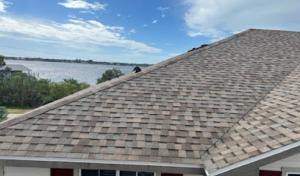
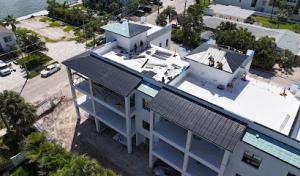
For Ruskin homes, a full roof replacement typically requires a permit through Hillsborough County rather than a separate standalone Ruskin city roofing department. The county permit process is designed to verify that the project follows state and local wind-resistance requirements, and that the work will be inspected at key milestones. You will need to submit details about the contractor's license, the scope of work, and the materials chosen. If the project involves storm-damaged work after a hurricane or severe thunderstorm, be prepared for additional reviews tied to casualty adjustments and rapid-response repairs. Rushing the permit step often leads to delays later in the season, so approach it with a clear timeline and the readiness to respond to county requests promptly.
The local review commonly checks contractor license information, project details, and compliance items such as wind-rated underlayment and venting before issuance. Once the permit is issued, roof work in Ruskin commonly involves multiple inspections including pre-roof, in-progress installation, and final inspection. The pre-roof inspection confirms that the site is ready, that venting provisions align with local wind codes, and that any required temporary protections are in place before materials arrive. During installation, inspectors typically verify fastener patterns, underlayment quality, and any flashings around chimneys or vents. The final inspection determines that all components meet code requirements and that the roof is secured against the region's wind and rain patterns. If a problem arises, inspectors may issue a deficiency notice that must be corrected before the project can pass.
Permit issuance often takes from a few days to a couple of weeks depending on workload. Busy storm seasons, post-hurricane surges, or weekends can extend this timeline. Plan for a buffer between contract signing and start of work to accommodate county scheduling, weather windows, and any needed documentation updates. It is also prudent to keep copies of all filings, permits, and inspection records in a clearly organized folder since insurance adjusters and future contractors will request them. When communicating with the contractor, set expectations for timely responses to any county requests, and confirm who will coordinate the inspection appointments and accessibility on the job site. A well-documented permit and inspection trail helps protect against windy-season surprises and supports smoother insurance interactions after a storm.
Storm exposure and the high-claim environment mean insurers scrutinize roof age and installation quality more closely than in calmer markets. If a roof is older or shows signs of substandard work, that extra Look-Back can slow claims or jeopardize coverage after a hurricane event. In this area, the timeline between a damage event and an approved repair can hinge on the paperwork you can provide, not just the damage itself.
Insurers serving homeowners in this area may require wind mitigation documentation, roof photos, contractor details, and adjuster inspections before approving claims or continuing coverage on older roofs. Start gathering a complete package: recent roof photos that clearly show the roof deck, underlayment, and any fasteners; a record of the installation contractor, materials used, and the installation date; and any prior repairs or retrofits. If an adjuster needs to see the attic or verify nail patterns, be prepared to provide access promptly.
Keep a running file with dated photos taken after major storms, plus a simple diagram of the roof structure if possible. Maintain a list of trusted local roofers with license details and a concise summary of the work completed. When planning repairs or a potential replacement, document the reason for the work, the method, and the exact materials used. Florida's broader insurer pullbacks and premium pressure mean timing and documentation quality can influence decisions about repairing versus re-roofing, so clarity and speed in responding to requests matter.
If a storm damages the roof, respond quickly with clear, organized photos and contractor information. The more complete your packet, the smoother the claim process and the closer you stay to continuity of coverage when the next thunderstorm rolls through the bay.
Connect with contractors who help homeowners navigate the claims process from damage assessment to final approval.
Steadfast Roofing
(813) 851-2276 steadfastroofingfl.com
9613 Ivory Dr, Ruskin, Florida
5.0 from 1034 reviews
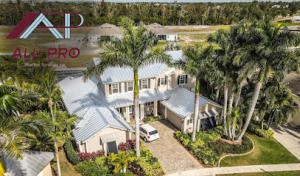
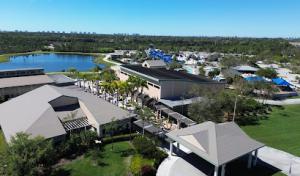
In Ruskin, repeated summer thunderstorm cycles test roof systems in ways that dry-season weather never does. Weak flashing, underlayment failures, and leak points often hide behind a visually intact field of shingles or tiles, only revealing themselves after the first strong downpour following a heat spike. The coastal heat and high humidity accelerate aging of sealants and metal components, so joints around chimneys, vents, and transitions tend to deteriorate first. This market's housing stock-lots of low-slope sections, exposed eaves, and mixed material roofs-means attention should be paid to the edges where wind-driven rain can creep under the cover.
A key local failure pattern is wind-driven rain that invades through vulnerable roof transitions even when the main field appears sound. During tropical weather, gusts press water into areas behind step flashing, under lapped shingles, and along ridge lines where fasteners may have loosened or corrosion begun. The result is hidden moisture that radiates outward, often showing up as soft spots on attic ceilings or damp spots near soffits. Regular inspection after each late-summer storm helps catch these issues early, before water finds the interior framing or insulation.
Skylight penetrations are a frequent focus of contractor work in this market because they sit at a natural water collection point and can develop seal failures with heat cycling. Low-slope or flat-roof sections, common on additions or modernized homes, are especially prone to standing water and membrane wear. In these areas, aging edge seals, marginal drainage, and pooled water after heavy rain can lead to fast leaks if the flashing around the skylight curb or the field membrane has degraded. Prioritize those zones during post-storm checks and consider targeted maintenance that reinforces seals and drainage.
When a storm arrives, aim for a rapid response plan that focuses on roof-to-interior water control, temporary tarping if a leak is active, and timely documentation for insurance-readiness. Take dated photos of affected areas, note the exact locations of penetrations, and track any changes in moisture levels over days following a storm. Having organized records that map vulnerable transitions-flashing joints, skylight surrounds, and low-slope seams-helps when pursuing remediation or claim discussions.
After a thunderstorm, walk the roof with caution to check flashing along chimneys and vents, the condition of step and counterflashing, and the integrity of underlayment at transitions. Inspect skylight surrounds closely forSeal integrity and signs of bubbling or cracking. Examine low-slope sections for unusual staining or pooled water on the membrane. If any area shows moisture intrusion or unusual warmth at the attic level, prioritize professional assessment to prevent escalation during the next storm season.
Find specialists in TPO, EPDM, and built-up flat roofing systems for residential and commercial properties.
Steadfast Roofing
(813) 851-2276 steadfastroofingfl.com
9613 Ivory Dr, Ruskin, Florida
5.0 from 1034 reviews
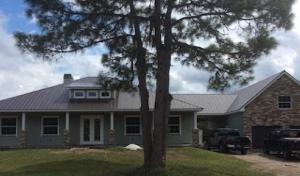
In Ruskin, the market leans heavily toward replacement of aging roofs rather than new installs. That means you're more likely to deal with tear-offs, occupied-home work, and weather-driven demand spikes. A contractor with a proven local track record can navigate the August storm call rush, coordinate safely with residents still living under the roof, and schedule work around the frequent afternoon thunderstorms. Local familiarity with common housing stock-midcentury ranches, tile-and-sheathered terraces, and those coastal-adapted vents-helps ensure the crew understands how to protect siding, landscaping, and pool enclosures during tear-off.
Response time and post-job cleanup are unusually prominent hiring priorities here. Look for a contractor who can commit to a practical, published response window after a storm event and who stacks crews to minimize occupancy disruption. The cleanup benchmark should include daily debris removal, tarping of open areas when rain is forecast, and a finished-up site that leaves nothing loose, especially near driveways and walkways used by families and pets. In Ruskin, customers appreciate a crew that respects neighborhood traffic patterns and respects neighboring properties during roof removal and material staging.
Family-owned and long-standing firms are well represented locally, signaling reliability during weather-driven demand surges. These contractors often bring a reputational incentive to avoid miscommunication and missed deadlines. When talking to these firms, ask about their local service radius, after-storm standby plans, and how they coordinate with neighbors who may still be living under partial occupancy. A known local team is more likely to provide steady communication and dependable cleanup as storms roll through.
Confirm storm readiness: temporary coverings, debris containment, and clear plans for moving occupants back into rooms as soon as interior work allows. Ask for a written project timeline that accounts for typical Ruskin weather windows and potential delays. Request references from nearby streets with similar housing types and recent re-roofs. Finally, ensure the contractor has solid communication channels for insurance-related questions and holds appropriate, long-standing relationships with trusted suppliers and local service crews.