
Last updated: Apr 19, 2026
Riverview sits in the Tampa Bay hurricane risk zone, so June through November brings both tropical wind exposure and frequent rain delays that complicate inspections and temporary dry-in work. That combination means roofs can deteriorate fast after a storm, and the clock on temporary leaks is unforgiving. You need to plan for rapid response, clear documentation, and steady communication with insurance after any wind event.
When a storm rolls in, the first 24 to 48 hours matter. Winds over coastal gusts and periods of heavy rain can push shingle edges up, loosen underlayment, or drive water under the flashing. In Riverview's climate, inspections are frequently delayed by rain, heat, and logistics after a wind event, so the moment the skies clear you should move quickly. If a roof looks intact from the ground but shows hail hits, punctures, or lifted tabs up close, document it immediately with high-resolution photos from multiple angles. Do not rely on memory-date-stamped photos of the entire roof, fasteners, flashing, and attic conditions, plus any visible leaks inside, become critical evidence when the claim lands on a desk.
Florida insurers commonly scrutinize roof age, prior claims, and wind mitigation features. For a Riverview homeowner, the goal is to assemble a concise, persuasive file: clear images of wind-damaged areas, a written log of when damage occurred, and a record of all temporary measures taken to stop leaks. Take dated photos before you cover any new leaks or perform emergency repairs, and keep receipts for materials used to secure the property temporarily. If there is attic moisture or visible insulation damage, photograph those spaces as well. A simple, orderly binder or digital folder with labeled files makes the adjuster's job faster and reduces back-and-forth. After a wind event, reach out to your insurer promptly to initiate the claim, then follow up with a concise summary of observed damage and the sequence of temporary fixes.
In the aftermath of a storm, the priority is to prevent further interior damage while awaiting professionals. Cover exposed areas with tarps secured by proper fasteners, and document the temporary work with photos showing the tarp placement and any fasteners. If water is entering through the ceiling, place a bucket under the drip line, but avoid exposing electrical fixtures or appliances to standing water. Keep track of the dates when temporary repairs were completed and when the roof was first assessed by a licensed roofer. This timeline becomes part of the claim narrative, helping the insurer verify the sequence of events and the urgency of repairs.
The local contractor market shows unusually strong demand for storm damage, emergency repair, and insurance-claim help, reflecting how often homeowners here need rapid leak response after severe weather. When you engage a restoration roofer, insist on a scope that prioritizes rapid leak stopping, weatherproofing, and a clear plan for a full repair once the claim is approved. Ask for a written estimate that itemizes temporary versus permanent work, plus a calendar for when to expect inspections and milestones. If an adjuster visits, have the documentation ready: a concise damage summary, a visual inventory of affected areas, and all photos organized by date. Clear, factual communication with the insurer helps keep the claim moving and reduces the risk of coverage disputes later.
Finally, use the lull between storms to review your wind mitigation features. Confirm that underlayment, flashing, and hip or ridge materials are intact and properly installed. Proactively replacing aging components with code-aligned, wind-rated materials can shorten claim cycles and improve coverage outcomes if another hurricane approaches. The goal is to reduce exposure and streamline the process so that when the next storm hits, you can respond quickly, protect interior spaces, and navigate the claims process with confidence.
In Hillsborough County reroof projects, wind mitigation verification may be requested, so attachment details and underlayment choices can affect both inspections and insurability. That means the choices you make on deck attachments, flashing, fastener patterns, and roof covering can ripple beyond aesthetics and right into how smoothly a claim settles after a storm. This isn't theoretical chatter-it's part of the practical reality when a roof ages in a Gulf-coast climate where severe afternoons are common and insurers scrutinize wind performance.
Because Florida carriers often limit availability or tighten underwriting during severe seasons, Riverview homeowners frequently have to think about insurance acceptance before choosing repair versus full replacement. If a carrier signals hesitancy, a repair-only path may trigger a different underwriting outcome than a complete replacement with modern wind-resistant details. Understanding this dynamic ahead of a project can save you from a surprise later. The goal is to pick a path that keeps both your roof's resilience and your policy's footing solid, not to chase the cheapest option.
Homes in Riverview's large master-planned subdivisions often have similar roof vintages, which can create neighborhood waves of insurer questions and replacement demand as roofs age at the same time. When a dozen nearby roofs share a similar age and construction approach, insurers may raise questions about common vulnerabilities and the aggregate risk. In those moments, attention to wind mitigation credentials-such as documented underlayment selections and attachment methods-can distinguish a renewal or a new policy from a denial or delay. Think ahead about how your roof's timeline aligns with the street and the community, so you aren't left scrambling for credits or coverage when neighbors start reporting issues.
Start conversations with your contractor about how the roof will meet wind-related expectations without sounding alarmist. Ask for a clear plan that ties specific features-such as nailing patterns, roof-to-wall connections, hip or gable considerations, and underlayment choices-to a plausible wind-performance story for the inspection. If you already have a live policy, review whether your carrier emphasizes certain mitigation details and prepare to document them with photos and product data. When a storm season intensifies, those documented choices can translate into smoother inspections and a more predictable path to continued coverage. In the end, careful planning now helps weather the gusts of the next season without compromising your roof's resilience or your policy's stability.
In this market, the dominant residential roof mix includes asphalt shingles, metal, clay tile, concrete tile, wood shingles or shakes, and synthetic or composite shingles. That means material choice is a major local decision rather than a one-material market. Each option can play to different neighborhood profiles, roof pitches, and long-term goals. Asphalt remains the home's most common starter, but the presence of clay and concrete tiles, along with metal, reflects a broad spectrum of housing ages and aesthetic preferences. When evaluating options, map your roof's exposure, attic space, and existing underlayment to the chosen material, and consider how the look blends with nearby homes.
The area's warm, humid climate and frequent afternoon thunderstorms accelerate UV wear and moisture-related aging. That dynamic affects shingle granule loss, seal-down timing, and underlayment performance. For asphalt, expect faster granule loss along the southern exposure and overhangs; for metal, watch for panel seams and fastener integrity after heavy rains and salt-tinged air. Tile roofs-both clay and concrete-must account for freeze-thaw cycles, wind-driven debris, and the weight of the system, which can stress eave detailing and flashing. In all cases, a robust underlayment and properly matched ventilation become a critical line of defense against heat and humidity. Roofs in this climate should prioritize drainage efficiency and a rain-tight secondary layer that remains durable under prolonged storms.
Tile and metal are especially relevant in this market because local contractor specialization is strong in both categories, matching the material mix seen across newer and higher-end neighborhoods. If choosing tile, ensure the installation team is proficient with the specific tile type, fasteners, and approved underlayment for high humidity and wind-prone mornings. For metal, verify that the crew has experience with coastal-adjacent environments, corrosion-resistant finishes, and secure flashing details to handle heavy rain and wind. In any case, a high-quality wind mitigation approach and careful edge detailing help reduce wind uplift risk and improve insurer considerations, especially in storm-prone zones.
Plan for accelerated aging by pairing your chosen material with a durable underlayment and a ventilation strategy that minimizes attic heat buildup. Consider stipulating regular inspection intervals after severe thunderstorms, focusing on seal-down integrity, drip edge condition, and flashing around chimneys and skylights. When possible, select materials and colors that reflect heat and resist UV degradation, and ensure the roof system incorporates capable drainage to minimize standing water after storms. The result is a roof that stands up to Riverview's mix of weather threats while preserving curb appeal and long-term shelter.
Riverview reroofing presents a broad material spread that matters for budgeting. Asphalt shingles sit at the lower end, around 350 to 600 USD per square, while clay tile climbs to 1000 to 2100 USD per square. That spread reflects housing stock diversity-from modest one- and two-story homes to larger, tile-heavy layouts that demand heavier, more specialized installations. Understanding this range helps you set expectations for the project you're considering and prevents sticker shock when selecting materials that fit both the home's character and the budget you're comfortable with.
Storm-season demand spikes in the Tampa Bay area can tighten labor availability and push scheduling and pricing pressure higher after major wind events. In practice, that can mean longer lead times for crews and a premium on urgent or near-term work. If a reroof is timed near peak storm activity or right after a significant event, you should plan for potential delays and adjust timing accordingly. Financing and contingency planning become more relevant in these windows, since the crew schedule can shift quickly from open slots to backlogs.
Tile- and metal-based systems add complexity that shows up in both cost and timing. Costs in Riverview can also shift based on permit and staged inspection requirements through Hillsborough County, plus the prevalence of tile and metal systems that require more specialized crews than basic shingle reroofs. Concrete and clay tile roofs, for example, require heavier lifts, careful substrate assessment, and skilled hands for long-span installations. Metal roofs need precise fasteners and seam work, which can extend project timelines if the crew travels to multiple types of details on a single house. For homeowners, this translates into higher per-square pricing, but often stronger wind performance and longer-term value.
To plan effectively, list the expected roof size in squares, choose a preferred material within your budget, and build in a contingency for delivery delays and potential crew scheduling shifts after storms. A practical approach is to compare material options not only by upfront cost per square but by long-term performance in wind-prone conditions, maintenance needs, and the likelihood of needing additional components such as underlayment or insulation upgrades.
Trinity Restoration & Roofing Tampa
(813) 772-1737 trinityrestoration.com
10833 Park Dr, Riverview, Florida
4.9 from 255 reviews
Trinity Restoration & Roofing offers residents and businesses in Tampa and surrounding areas peace of mind with long-lasting, high quality roofing systems. Backed by Owens Corning Platinum Preferred Contractor designation, they ensure a reliable and professional roofing experience.
Fast Track Roofing
(813) 606-5256 www.fasttrackroofingfl.com
6619 S 78th St #121, Riverview, Florida
5.0 from 69 reviews
Fast Track Roofing – Veteran-Owned Roofing in Riverview, FL Fast Track Roofing is a veteran-owned and operated company providing expert roofing Riverview, FL. We specialize in roof installations, repairs, and replacements for homes and businesses, using high-quality materials built to withstand Florida’s weather. Our skilled team ensures durable, storm-resistant roofing with superior craftsmanship and competitive pricing. Need roof repairs in Riverview, FL? We offer emergency services and free estimates. 📞 Call today to get started! 🚀 #RoofingRiverviewFL
Vanderprises
(813) 291-7663 vanderprises.com
7853 US-301, Riverview, Florida
4.9 from 187 reviews
Vanderprises, LLC is a family-operated, and BBB-accredited construction and roofing business with over 50 years of industry experience, proudly serving the greater Tampa Bay area. We specialize in emergency roof repairs, re-roofing, wind mitigation, and gutter installation, ensuring your home is safe from Florida’s unpredictable weather. Our services also include painting, siding, stucco, and interior work, providing quality craftsmanship and GAF-certified materials with extended warranties. Call us today at (813) 291-ROOF for a free estimate!
Shingle Masters Roofing & Construction
(813) 677-7663 www.shingle-masters.com
7409 Commerce St, Riverview, Florida
4.9 from 571 reviews
Roofing Contractor located in Riverview, Florida
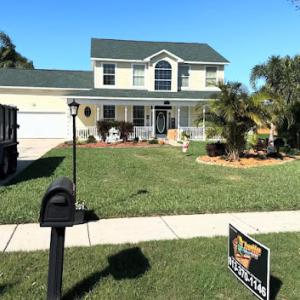
Chelle Roofing
(813) 370-1146 chelleroofing.com
Riverview, Florida
5.0 from 44 reviews
At Chelle Roofing we provide roofing services with integrity so every customer can feel secure and proud of their home or business. We are the top roofing company in the Greater Tampa Bay Area servicing Riverview, Brandon, Ruskin, Apollo Beach and most areas within 50 miles of Tampa. We use the best quality materials like GAF & Owens Corning. Our contractors are very knowledgeable and proficient in residential shingle roofing. We look forward to working with you! Chelle Roofing #CCC1334448
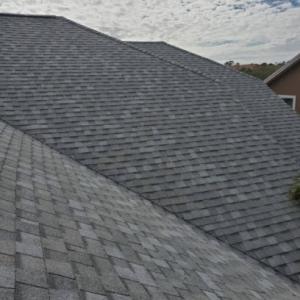
Armor All Roofing
(813) 416-7362 armorallroofing.com
10810 Boyette Rd #1946, Riverview, Florida
4.8 from 91 reviews
For all your Roofing and Solar needs!
Millard Roofing
(813) 661-4522 www.millardroofing.com
6901 S 78th St, Riverview, Florida
4.8 from 97 reviews
Located at 6901 South 78th Street, Millard Roofing is your trusted roofing contractor, dedicated to delivering top-tier roofing services in your area. As a leading roofer, we specialize in comprehensive roof repair, roof leak repair, and roof replacement, ensuring durable and quality solutions for your property. Whether you're searching for "roofers near me" or require expert roofing repair contractors, Millard Roofing stands ready to meet your needs with unparalleled expertise and customer satisfaction. Rely on Millard Roofing for all your roofing needs and experience the pinnacle of professionalism and craftsmanship in the industry.
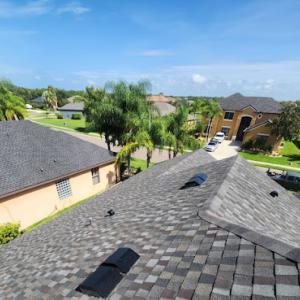
SolyMar Roofing
(813) 330-7668 solymarroofing.com
8009 Menard St, Riverview, Florida
4.8 from 77 reviews
SolyMar Roofing is a certified installer of new and re roofs. We work with the best materials on the market such as Owens Corning Duration, GAF Timberline HDZ, TAMKO Titan and others. We also specialize in repairs, emergency responses and preventive maintenance. We document all our projects with videos and photographs to keep the client informed in real time. Free and no-obligation estimates. Financing Available to everyone. The best work with the best guarantee. -New Roof installation -Re roof -Repairs and Replacements -Shingles Roof -Metal Roof -TPO -Flat Roof -Installation of Vents for Attics -Fascia replacement -Commercial and residential roofs -Free Inspection -Repair Missing Shingles -Roof Maintenance
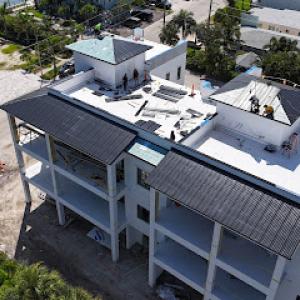
Lri Restorations
(813) 770-9440 www.lrirestorations.com
13021 Willow Grove Dr, Riverview, Florida
5.0 from 24 reviews
Our team brings over Two decades of experience and in the roofing industry, our company is proud to offer a wide range of roofing options to fit any budget. From budget-friendly solutions to high-end materials, we have the expertise and resources to cater to all your roofing needs. We understand that a roof is a significant investment for any homeowner or business owner, which is why we are committed to providing competitive pricing and flexible financing options. Our team works closely with clients to determine the best financing plan that fits their budget and offers low monthly payment options. At LRI Restorations , we prioritize professionalism and only employ the most highly skilled employees to work for us. Call us today!!!
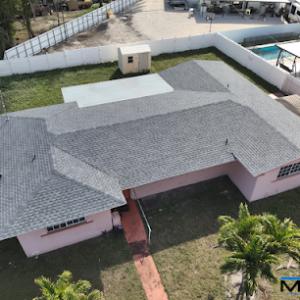
Maze Roofing Tampa
(813) 694-8151 maze-roofing.com
6619 S 78th St, Riverview, Florida
5.0 from 20 reviews
Maze Roofing is a licensed and insured roofing company proudly serving South Florida since 2006. As one of the biggest roofing companies in South Florida, we are committed to delivering high-quality workmanship, professional service, and roofing solutions built to last. We specialize in residential and commercial roof replacements, repairs, flat roofing systems, shingle, tile, metal, and TPO installations, handling everything from permitting to final inspection to make the process simple and stress-free for our clients.
Roofing 4 U
12232 Fairlawn Dr, Riverview, Florida
5.0 from 1 review
ROOFING 4 U, LLC, your trusted River view roofing contractor, provides top-notch roofing services tailored to your needs. Located on Fairlawn Drive, we're dedicated to ensuring the safety and beauty of your home or business. From minor repairs to complete roof replacements, our skilled team delivers quality workmanship and exceptional customer service. We are passionate about providing you with a durable and aesthetically pleasing roof, protecting your investment for years to come.
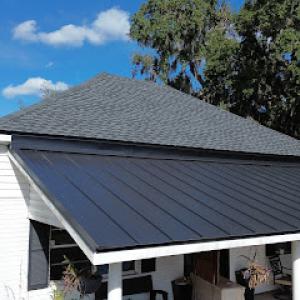
Harbor Roofing
(813) 330-7022 harborroofing.com
Serving
5.0 from 76 reviews
Family-Owned Roofing Company, USMC Veteran-Owned, and Locally-Owned by Tampa Bay Natives | BBB A+ Rated Roofing Contractor | Owner involved in Every Roof Installation | GAF Master Elite Roofer providing the best roof warranties in roofing industry | Owens Corning Preferred Roofer | Authentic 5 Star Reviews | Fair Priced Roof Replacements Always | Roofing Valrico FL, Brandon FL, Seffner FL, Dover FL, Plant City FL, Riverview FL. and surrounding areas. Roofing services we provided are residential roofing and commercial roofing, Roof Replacement, Roof repairs, & roof inspections for all types of roof systems including shingle roofs, tile roofs, metal roofs, flat roof systems, stone coated metal roofs. 33527, 33594, 33595, 33596, 33511, 33510
Riverview homeowners generally reroof through Hillsborough County rather than a separate city building department because the community is largely in unincorporated county jurisdiction. That distinction shapes who reviews plans, issues the permit, and schedules inspections. The county's Building Development Services unit handles residential reroofs, and understanding that pipeline helps prevent delays when the crew is ready to start. The permit process is not a formality to gloss over; it sets the timeline you'll live with for weather windows, inspection windows, and the dry-in sequence that matters in this climate. Approvals hinge on meeting wind-mmitigation expectations and complying with county standards designed for the Gulf Coast's thunderstorms and hurricane exposure.
A permit is typically required for a full reroof, with the application submitted through local Building Development Services. Before pulling permits, a project scope should be clear: roofing material choice, roof deck condition, ventilation, and any structural considerations that might impact the plan review. Expect to provide evidence of a licensed contractor, a site plan or roof layout, and, in some cases, a wind mitigation assessment or prior wind-rated details if available. The county may request details on fastener types, underlayment, and edge protection to demonstrate compliance with wind uplift requirements. Plan review can flag items that influence the inspection sequence, so address those up front to avoid back-and-forth.
Inspections are commonly staged as pre-roof, post-sheathing or underlayment, and final, so scheduling and dry-in sequencing matter more here than in places with a single final inspection. The pre-roof check verifies that the roof deck is clean and dry, ventilation is in place, and anchor points align with the plan. The post-sheathing or underlayment inspection confirms that the roof is properly covered, with correct nailing patterns and protective barriers to withstand afternoon thunderstorms. The final inspection confirms finish details, flashing around penetrations, proper drainage, and any wind-mitigation features installed. A steady calendar and clear communication with the contractor help ensure inspections are coordinated with material deliveries and weather, reducing the risk of rework and weather-related delays.
Coordinate early with the contractor to align the permit timeline with material delivery and dry-in planning. Have the permit package complete before any roof work begins to avoid hold-ups caused by missing documents. Schedule inspections in advance when possible, and build in buffers for quick weather shifts common in the season. Keep access clear for the inspector and maintain a clean work area to help demonstrate compliance. If a wind-mitigation upgrade is part of the project, document the installed features and keep records readily accessible for the final review. Knowing these steps helps ensure a predictable path from permit to a secure, properly sequenced reroof.
The most reliable replacement window in this area runs during the dry season from November through April, when weather interruptions are generally lower. For a typical residential reroof, aim to lock in a start date after any late fall storms have passed and before the heat of late spring begins. Scheduling within this window helps crews stay on track and reduces the risk of weather-driven delays that can push projects into hotter, more humid periods.
Hot, humid summers affect material handling and sealing times, which is especially relevant for asphalt systems that depend on proper seal activation. If you plan a roof replacement during summer, expect longer adhesive cure periods and potential delays from heat-induced liner or shingle handling challenges. This season can also accelerate aging of underlayment if exposed too long, so tighter scheduling becomes critical to maintain warranty conditions and overall roof longevity.
Frequent afternoon thunderstorms in warmer months can interrupt tear-off and underlayment stages even on days that begin clear, making daily weather planning unusually important. Build a realistic daily plan with buffer windows and communicate contingency days to the contractor. Clear pockets of predictable dry time in the morning are ideal for heavy tear-off, with underlayment and shingling scheduled when storms are least likely in the afternoon.
When you're ready to move, contact three reputable local roofers who understand the area's sun exposure and wind history. Schedule inspections with both you and the estimator present, so they can note visible wear, flashing concerns, and attic/ventilation issues that influence timing. Prioritize dates that align with the dry season, and confirm a firm weather-based contingency plan before lifting permits or ordering materials. A clear plan helps keep the project steady from tear-off through to finish.
In this market, shingles are repeatedly tested by fast-moving summer storms and daily thunderheads. Wind-lifted edges are a common front-line failure that lets rain intrude quickly, sometimes before a homeowner even notices a missing shingle. After a storm, look for curled edges, lifted tabs, or gaps along the ridge cap. A small lift can become a main channel for water during the next downpour, so act fast: reseal or replace suspect shingles and re-secure loose flashing before the next system rolls in. The humidity and heat surge also encourage seal-strip failure, especially on older asphalt shingles, so watch for cracks or separation where the shingles meet the underlayment. If leaks appear near penetrations or along gutters, the problem often traces back to compromised sealants rather than just a single detached shingle.
Tile roofs in this climate face different pressures. Underlayment life matters because storm-driven rain rides through damaged tiles to the underlayment layer, accelerating rot or moisture intrusion. Clay and concrete tiles can break during hail or high winds, leaving sharp edges that cut through protective layers. Inspect ridges and valleys after storms for displaced tiles or visible underlayment damage. Routine checks should focus on fastener integrity and the condition of flashings where tile edges meet walls or chimneys. Prolonged sun exposure compounds wear on underlayment and tile fasteners, so delayed maintenance can turn a minor crack into a full breach when the next storm arrives.
The contractor mix shows strong reroofing and quick-response activity, suggesting many homeowners are dealing with aging systems and post-storm leak events rather than only new construction roofing. If a roof has endured several seasons of heat, humidity swings, and tropical shower cycles, the risk of hidden damage rises. Prioritize thorough inspections that include attic ventilation, underlayment condition, and flashing integrity. A rapid response to early signs-before moisture penetrates decking or sheathing-helps limit cascading failures when the next squall hits.
Although this area is known for pitched-roof homes, flat and low-slope roofing sees meaningful demand on additions, lanais, multifamily sections, and commercial properties. In Riverview, frequent heavy downpours make drainage performance and ponding control especially important on these low-slope sections attached to otherwise sloped roofs. A practical first step is to inspect for any signs of standing water within 48 hours after a heavy storm. If water remains for more than 48 hours, the underlying deck or slope should be re-evaluated. Ensure all scuppers, parapet peaks, and gutter outlets are clear and that downspouts discharge away from the foundation. Have a trusted roofer test for proper slope (even slight misalignments can create long-term staining or rot) and confirm there are no cross-ways where water can pool at seams or edge details.
Low-slope systems in this market tend to show leaks first along flashings, transitions, and penetrations. Given daily storm activity, leak tracing often becomes an urgent service issue rather than a routine maintenance item. Your plan should include a proactive annual inspection of all roof penetrations, including vents, skylights, drains, and HVAC curbs. Pay close attention to the transition from a low-slope section to a pitched roof, where misalignment or improper flashing can create a hidden path for water. If a leak is detected, map its travel path from interior stains to the exterior roof line, then prioritize flashing replacement and resealing at those points. For flat roofs, specify a continuous membrane with robust edge detailing and ensure seams are heat-w welded or fully adhered according to the manufacturer's guidance.
Local contractor specialization shows meaningful demand for flat and low-slope roofing, especially on additions and lanais. In this climate, a durable, weather-tight membrane system with reliable edge protection is critical. Choose textures and coatings that resist sun exposure and filter UV impact, while maintaining flexibility to handle thermal expansion. Ventilation remains important to prevent moisture buildup beneath the membrane, which can accelerate deck degradation. Ensure detailing around parapets and transitions mimics the pitched roof's wind-driven drainage pattern to reduce uplift risk during thunderstorms. Regular inspections after summer storm season help catch small issues before they become urgent repairs.
Find specialists in TPO, EPDM, and built-up flat roofing systems for residential and commercial properties.
Shingle Masters Roofing & Construction
(813) 677-7663 www.shingle-masters.com
7409 Commerce St, Riverview, Florida
4.9 from 571 reviews
SolyMar Roofing
(813) 330-7668 solymarroofing.com
8009 Menard St, Riverview, Florida
4.8 from 77 reviews
Maze Roofing Tampa
(813) 694-8151 maze-roofing.com
6619 S 78th St, Riverview, Florida
5.0 from 20 reviews
Riverview's high sun exposure makes solar-related roof planning relevant, but penetrations and flashing details need to be weighed against the area's wind-driven rain and hurricane exposure. When considering skylights or rooftop solar, you'll want to map out the sun path for the rear and side exposures, then coordinate with the roof's primary water channels. Prioritize weatherproof seals around any penetration, and choose skylights with robust glazing and reinforced frames designed for Florida storms. A well-planned layout reduces the risk of thermal hotspots and keeps your electrical components out of splash zones during summer downpours.
Skylight size, shape, and placement matter more here than in drier climates. Favor units with curved or laminated glazing that resists impact and minimizes glare during the long summer days. In a storm-prone area, place skylights away from high-wind corridors and align flashings with roof planes to limit potential water intrusion. In addition, consider flush-mount or low-profile skylights to reduce wind uplift exposure. If replacement is on the horizon, choose models with integrated dampers or vent options that can be closed securely before storms.
The leak risk from skylights is amplified during Florida's intense summer downpours, so replacement timing and flashing integration matter more here than elsewhere. Ensure the flashing transitions are integrated with the primary roof system and that step flashing runs are continuous up the roof deck. Regular inspection of sealant joints around skylights and solar mounts helps catch small failures before they become leaks. A roof plan that pairs a skylight or solar array with additional moisture barriers can provide an added layer of protection against wind-driven rain.
The local contractor market has active skylight and solar-roofing specialties, indicating these features are common enough in the area to warrant dedicated planning during reroof work. Work with a contractor who can demonstrate a track record with Florida weather patterns, including hurricane season assessments and wind mitigation-conscious installations. Clear communication about anticipated storm conditions and maintenance expectations will help ensure long-term performance and homeowner peace of mind.
Find contractors experienced in skylight installation, flashing, and leak repairs to bring natural light into your home.
Shingle Masters Roofing & Construction
(813) 677-7663 www.shingle-masters.com
7409 Commerce St, Riverview, Florida
4.9 from 571 reviews
Armor All Roofing
(813) 416-7362 armorallroofing.com
10810 Boyette Rd #1946, Riverview, Florida
4.8 from 91 reviews

Millard Roofing
(813) 661-4522 www.millardroofing.com
6901 S 78th St, Riverview, Florida
4.8 from 97 reviews
In this market, insurers scrutinize roof age, wind mitigation features, and prior claims when evaluating coverage or renewals. A roof that's aged or lacking certain wind-resilient details may trigger higher deductibles, stricter terms, or even non-renewal in some cases. When a storm has left traceable wear or unaddressed repairs, insurers will want to see how damage was handled and what protective measures were in place before it's time to renew. Maintaining a clear, accessible record helps you respond quickly if coverage questions arise after a hailstorm or a summer thunderstorm sprint.
Florida's high-claim environment makes it essential to keep permit records, inspection sign-offs, photos, and product documentation organized before and after any roof work. Gather before-and-after photos that show roofing materials, flashings, vents, and attic insulation, along with dates and descriptions. Store wind mitigation certificates and any upgrades that improve resilience-these documents can influence insurer decisions and financing options. If a contractor installs a new underlayment, metal flashing, or reinforced shingles, record the exact product names and installation dates. In practice, organize these items in a weatherproof digital folder and a physical binder kept in a safe place.
After major storms in the Tampa Bay area, claim volume can rise quickly, so documents should be ready to move. Document visible damage promptly with wide and close-up photos, noting the date and location of each area affected. Preserve temporary repair records, including receipts for tarps, quick fix patches, and any professional assessments. If inspectors arrive, have a concise damage log ready that pairs observations with dates and any temporary measures you've implemented. This preparedness helps prevent confusion during a busy claim period and strengthens the conversation with the insurer when evaluating coverage or renewals.