
Last updated: Apr 19, 2026
Tropical weather from June through November in this stretch of South Hillsborough County can turn a small roof breach into a full interior leak in minutes when wind-driven rain hits. The risk isn't just a storm's peak moments; it's the rapid spread of water through gaps, flashing, and failed seals once a leak starts. In a neighborhood with mixed roof types and fast-paced development, a minor breach today can become a soaked attic, warped plywood, and stained ceilings tomorrow if action stalls. Your best defense is rapid recognition: spot dark damp spots, listen for drips in the attic, and treat every new roof drip as a warning flare rather than a nuisance.
Tarping is not a decorative layer to admire after a storm; it's a critical stopgap that buys you time until a permanent repair is in place. If you discover active water intrusion, lay a tarp over the affected area as soon as it's safe to do so, securing edges with boards or weights to prevent wind displacement. Do not wait for a contractor if the pattern of rain continues; every hour of exposure compounds damage to decking, insulation, and interior finishes. Keep a portable utility knife, heavy-duty trash bags, and rope on hand so you can improvise a temporary shield if you're dealing with a missing shingle row, torn underlayment, or exposed deck battens. If safe access allows, collect photos and video of the breach from multiple angles, including the interior leaks showing on ceilings and walls. These visuals will anchor the next steps when coordinating with insurance and your contractor.
Inside the home, focus on stopping water at the source. If you see active drips, place a bucket or waterproof tray beneath to catch the flow while you identify where it's coming from. Move furniture and electronics away from the path of water, and place towels or absorbent sheets along the most vulnerable spots to limit secondary damage. If ceiling panels have begun to bulge, avoid pressing on them; a sudden give could accelerate leaks or cause a collapse. In the attic, protect plumbing lines, ductwork, and any exposed insulation by laying plastic sheeting as a temporary barrier. Remember that even modest wind can pull shingles away far from the apparent breach, so don't rely on a single nearby shingle as your only line of defense.
Because this area is inland rather than directly on Gulf beaches, wind and rain damage can appear deceptively modest after a tropical system, yet the interior picture can be extensive. After the storm, gather a complete set of documentation: exterior roof photos showing damaged flashing, missing shingles, or lifted edges; close-ups of underlayment wear; attic photos of water staining, mold growth, or compromised insulation; and any debris that landed on the roof or gutters. Keep a dated log of when the damage was first noticed, when you tarped the roof, and when temporary repairs were performed. This record will help both the insurer and the contractor understand the timeline and severity, which is crucial for accelerating a proper repair and ensuring you're covered for the necessary repairs.
When contacting a contractor after a storm, be explicit about the leaks you've observed, the areas most affected, and the steps you've already taken to mitigate further damage. Request a rapid on-site assessment to determine whether temporary fixes are needed to contain leaks, and insist on a clear plan for securing the roof, tarping status, and a timeline for a permanent repair. In this market, storm-damage and emergency-repair signals dominate the local contractor landscape, so confirm that your chosen professional prioritizes tarping, active leak control, and a thorough post-storm assessment to map out the full scope of needed work.
Florida's storm-claim environment strongly affects roofing choices, and the local reroof process often intersects with requests for wind-mitigation documentation to support premium discounts. In inland South Hillsborough County, the combination of hurricane exposure and fast-moving storms means insurers look for clear, paper-trail evidence that a repair or replacement was driven by a recent event rather than gradual wear. Reroofs can become financial flashpoints when coverage questions arise between a contractor's assessment, a homeowner's memory of last storm impact, and the insurer's interpretation of cause. You will see this play out in conversations about shingle granule loss, lifted edges, and any decking or underlayment exposure that might suggest wind-driven damage rather than age-related deterioration. Treat every major roof update as part of a documented story-the more you can show how and when damage began, the better positioned you'll be when the claim lands on the desk of an adjuster.
In this part of Hillsborough County, dated photos, contractor findings, and permit records are not mere formalities-they are essential evidence. Insurers may scrutinize whether damage came from a recent storm event or long-term wear, and the burden of proof can shift quickly depending on the claim's framing. A solid photo timeline taken before and after each storm, with notes on the exact date and observed conditions, helps rule out post-event disputes. Contractor findings should be specific: note wind zones on the roof, shingle and underlayment conditions, fastener quality, and any attic or soffit vulnerabilities that could contribute to leakage during intense downpours. Permit documentation, when applicable, strengthens the narrative that a replacement or retrofit followed recognized standards and was completed in a traceable sequence. The more you can anchor your claim to concrete observations and independent assessments, the more resilience you build against carrier skepticism.
Carrier pullbacks and limited private-market availability in Florida make roof age, attachment details, and documented upgrades more consequential for homeowners than in lower-risk states. Wind-mitigation features-correctly installed attachments, approved underlayment, and tested deck integrity-can shift the claims conversation from "is this wear or wind?" to "this roof was rebuilt with better wind resistance." If a project includes upgrades such as enhanced roof-attachment methods, improved nailing patterns, or impact-resistant components, make sure those improvements are clearly traced in the project records, receipts, and any professional evaluation. Insurers appreciate and often require this level of detail when assessing premium adjustments after a storm season. In practice, that means you should expect the need to present not only a diagnosis of damage but also a clear, verifiable pathway showing how and when the roof met updated wind-resistance expectations. When doubts arise about whether a failure was caused by a single event or accumulated weather exposure, the strength of your documentation can determine whether the claim proceeds smoothly or becomes a protracted negotiation.
Connect with contractors who help homeowners navigate the claims process from damage assessment to final approval.
Hoffman Roofing
(813) 966-1688 www.hoffmanroofs.com
15724 Colding Loop, Wimauma, Florida
5.0 from 78 reviews
Hoffman Roofing
(813) 966-1688 www.hoffmanroofs.com
15724 Colding Loop, Wimauma, Florida
5.0 from 78 reviews
Your local, trusted, roof covering experts in southern Hillsborough county.
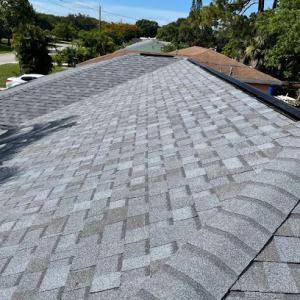
Honest Dollar Roofing
(813) 677-8363 honestdollarroofing.com
Wimauma, FL
4.4 from 11 reviews
Honest Dollar Roofing is your trusted roofing contractor in the Tampa Bay Florida area, specializing in high-quality residential and commercial roofing services. With years of experience, we provide reliable roof repairs, roof replacements, and roof installations, ensuring your home or business is protected. If you are looking for a roofer near me, give us a call. We can repair your flat roof, shingle roof, metal roof or TPO roof. We use top-grade materials and the latest techniques to deliver durable and aesthetically pleasing results. We offer free estimates and comprehensive inspections to meet your roofing needs. Emergency roof repair is available. Choose Honest Dollar Roofing for your new roof.
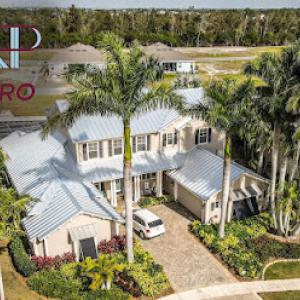
All-Pro Roofing Services
(813) 232-2424 allproroofingservices.com
Serving
5.0 from 106 reviews
All Pro Roofing Services is Tampa's premier roofing company, dedicated to providing top-notch roof replacement and installation services for both residential and commercial properties. Our expertise spans across a wide array of roofing types and materials, ensuring that every project is tailored to meet our clients' specific needs and preferences. With a deep commitment to quality and customer satisfaction, we strive to deliver exceptional craftsmanship and durable solutions that stand the test of time. Whether you're looking to upgrade your home's curb appeal or secure your business premises, All Pro Roofing Services has you covered.
Steadfast Roofing
(813) 851-2276 steadfastroofingfl.com
Serving
5.0 from 1034 reviews
Steadfast Roofing is a local, family-owned roofing company founded on faith, transparency, and honesty. As certified roofing contractors, we have the training and experience to handle all your roofing needs. At Steadfast Roofing, we aim to educate our potential clients about their roofing projects by providing a consultative approach to handling whatever issue they face with their roofs. We are the top roofers in Tampa Bay, serving Brandon, Riverview, Ruskin, Tampa, and surrounding markets. Our roofers specialize in offering affordable residential roof replacements. We use only the best quality materials, like asphalt shingles from top manufacturers like Atlas, IKO, and Owens Corning!
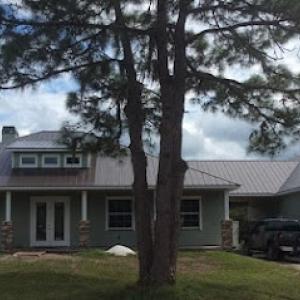
JRJB Roofing Contractors
(813) 996-7663 www.jrjbroofing.org
Serving
4.9 from 57 reviews
Specializing in Metal Roofing, Tile, Shingle, TPO & More. Residential & Commercial Roofing Contractor.
R4 Roofing & Reconstruction
Serving
4.9 from 19 reviews
R4 Roofing and Reconstruction - Roof Repair Replace and Restore - for tile, metal, solar, flat roofs and shingle. We will make sure your home is done right, and always communicating the best repair method so you do not need to worry about the job. R4 Roofing and Reconstruction delivers top-quality work at an always fair price. Having over 35 years of experience in the construction industry. Experienced repair and restoration experts assure you will get a fair price, done quick. Our partnership lasts from concept to completion, we are with you all the way.
Lri Restorations
(813) 770-9440 www.lrirestorations.com
Serving
5.0 from 24 reviews
Our team brings over Two decades of experience and in the roofing industry, our company is proud to offer a wide range of roofing options to fit any budget. From budget-friendly solutions to high-end materials, we have the expertise and resources to cater to all your roofing needs. We understand that a roof is a significant investment for any homeowner or business owner, which is why we are committed to providing competitive pricing and flexible financing options. Our team works closely with clients to determine the best financing plan that fits their budget and offers low monthly payment options. At LRI Restorations , we prioritize professionalism and only employ the most highly skilled employees to work for us. Call us today!!!
Trinity Restoration & Roofing Tampa
(813) 772-1737 trinityrestoration.com
Serving
4.9 from 255 reviews
Trinity Restoration & Roofing offers residents and businesses in Tampa and surrounding areas peace of mind with long-lasting, high quality roofing systems. Backed by Owens Corning Platinum Preferred Contractor designation, they ensure a reliable and professional roofing experience.
Armor All Roofing
(813) 416-7362 armorallroofing.com
Serving
4.8 from 91 reviews
For all your Roofing and Solar needs!
Chelle Roofing
(813) 370-1146 chelleroofing.com
Serving
5.0 from 44 reviews
At Chelle Roofing we provide roofing services with integrity so every customer can feel secure and proud of their home or business. We are the top roofing company in the Greater Tampa Bay Area servicing Riverview, Brandon, Ruskin, Apollo Beach and most areas within 50 miles of Tampa. We use the best quality materials like GAF & Owens Corning. Our contractors are very knowledgeable and proficient in residential shingle roofing. We look forward to working with you! Chelle Roofing #CCC1334448
Vanderprises
(813) 291-7663 vanderprises.com
Serving
4.9 from 187 reviews
Vanderprises, LLC is a family-operated, and BBB-accredited construction and roofing business with over 50 years of industry experience, proudly serving the greater Tampa Bay area. We specialize in emergency roof repairs, re-roofing, wind mitigation, and gutter installation, ensuring your home is safe from Florida’s unpredictable weather. Our services also include painting, siding, stucco, and interior work, providing quality craftsmanship and GAF-certified materials with extended warranties. Call us today at (813) 291-ROOF for a free estimate!
Roof Maxx of Apollo Beach, FL
Serving
5.0 from 73 reviews
Roof Maxx of Apollo Beach offers an affordable and eco-friendly alternative to costly roof replacement. Our all-natural, plant-based formula rejuvenates your asphalt shingles, extending the life of your roof by up to 15 years. With just one treatment, Roof Maxx restores your roof’s flexibility and waterproofing, protecting it from Florida’s harsh sun. Save up to 80% over a roof replacement! Contact us for a free inspection and estimate. Contact our team today!
In this inland South Hillsborough mix, roofs must endure prolonged UV exposure, high humidity, and heavy summer downpours. You'll see asphalt shingles, metal, clay tile, concrete tile, wood shakes, and synthetic shingles on the local stock, and each type behaves a little differently when storms hit and the sun bangs down for weeks. The goal is to pick a system that resists wind-driven debris, sheds rain quickly, and holds up under heat without cracking or warping.
Asphalt remains a common, reliable baseline for many homes here. When inspected after a heavy storm, look for lifted or missing shingles and ensure the underlayment has not been compromised. After a wind event, the first priority is quick leaks control and roof-line integrity checks, since the UV and humidity accelerate aging of any exposed edges. If you're balancing cost with performance, asphalt offers predictable performance across the season, provided ventilation and attic insulation are solid to keep the shingles from overheating.
Metal roofing is especially relevant because local contractor specialization is strong, and homeowners often compare its wind performance and longevity against lower upfront-cost shingles. A well-installed metal roof resists wind uplift better and sheds rain rapidly, which matters during rapid Florida downpours. If maintenance is needed, fasteners and seam integrity are the focus after severe weather. Look for a continuous valley and properly sealed rake edges to prevent water intrusion during storms.
Tile roofs fit many Florida-style homes in this area, but their weight and breakage risk during foot traffic make repair logistics different from shingle systems after storms. Clay or concrete tiles can outperform shingles in heat and longevity, yet they demand careful initial installation to manage weight and glazing. After a storm, expect repairs to be more delicate-work with a contractor who uses proper tiles, extra underlayment, and fall protection when you're stepping on the roof.
Wood shakes offer a distinctive look but require regular inspection for moisture absorption and fungal growth. In high humidity, fasteners and accompanying flashing must stay tight to avert leaks. Synthetic shingles can mimic the look of wood or slate while delivering better moisture resistance and lighter weight. If you lean toward texture or color variety, ensure the warranty covers exposure to heavy rains and the heat cycle typical of this climate.
After a hurricane-season event, document any visible damage with photos from multiple angles and note loose fasteners, lifted edges, and attic signs of moisture. A quick leak-response plan-containment, temporary patching, and scheduling a professional inspection-helps limit interior damage. In all cases, choose a roof type with solid warranty terms focused on wind resistance, UV durability, and performance under Florida rainfall patterns.
Provided local pricing ranges run per square from 350 to 650 for asphalt shingles. In a typical Wimauma reroof, asphalt remains the most common option for cost-conscious homeowners, especially on mid-range lots with standard gable or hip roof lines. Tear-off speed and underlayment replacement drive the price, and faster work during the hot season can push the per-square above the lower end if crews need to stage materials carefully to avoid delays.
Metal roofing ranges from 550 to 900 per square. This material is well-suited to hurricane-season demand, as metal can handle frequent downpours and wind-driven debris better after proper installation. If the home's roof plan includes complex hips, valleys, or roof-to-wall transitions, expect additional charges for panel cuts, fasteners, and flashing. In tropical system windows, availability and expedited delivery may raise the price slightly.
Clay tile runs 700 to 1100 per square. Tile installations are sensitive to pitch, roof form, and tile handling during replacement. Steep or multi-section roofs common in newer developments require careful staging and safety measures, which can add to the job. If old tile must be removed and re-seated over a new underlayment, costs climb because tile fragility lengthens labor time and increases breakage risk.
Concrete tile is priced 600 to 1000 per square. The weight and handling demands for concrete tiles mean crews may need enhanced staging and more equipment. If a full tear-off is necessary or if underlayment needs replacement, the project can push toward the higher end of the range. Expect a noticeable bump in pricing during active hurricane season when demand spikes.
Wood shingles or shakes run 450 to 800 per square. Wood adds aesthetic value but requires careful inspection for rot and moisture damage. In hot, wet summers, wood may demand more frequent maintenance after installation, and tear-off speed can affect total time and cost. If new underlayment or moisture barriers are needed, costs rise accordingly.
Synthetic or composite shingles range from 500 to 850 per square. This option offers durability and often quicker installation, but price can swing with supply chain factors during storm responses. If the home's roof form favors rapid tear-off and streamlined staging, the project tends to stay near the lower-to-mid range. Costs also shift based on common Florida roof forms and pitches that affect tear-off speed, tile handling, underlayment replacement, and staging during hot, wet summer conditions. In tropical-system periods, South Hillsborough demand spikes as homeowners seek emergency repairs, full replacements, and insurance-scope work, which can lift prices across all materials.
Get a clear picture of your project costs upfront - no commitment required.
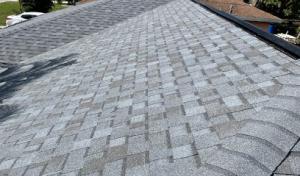
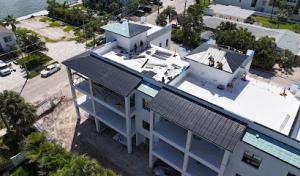
In this unincorporated area of Hillsborough County, roofing permits are handled through the county rather than a standalone city building department. When planning a full reroof, you'll typically rely on the contractor to initiate the process. The contractor submits the permit application to Hillsborough County, then goes through the plan review stage before any work can begin. This review ensures the project meets Florida Building Code requirements, wind-resistance standards, roof line, attic ventilation, and drainage compatibility with the existing structure. Expect communications from the county or the contractor about any needed clarifications or adjustments to the plan. Keeping a clear line of contact between you, the roofer, and the county plan reviewer accelerates the timeline and helps avoid delays caused by missing documents.
Before issuance, plan review focuses on roofing type, underlayment, fasteners, and flashing details that affect wind performance-critical considerations for Hurricane season. In a growing area with rapid redevelopment, the county may request details on roof-to-wall connections, attic access, and ventilation calculations. Your contractor should provide product data, installation instructions, and structural considerations as part of the submittal package. Ensure all required documents are included: material specifications, roof dimensions, and any retrofit components that influence wind resistance. Once the plan is approved, the permit is issued and construction can begin under correct permit conditions and safety guidelines.
Inspections are scheduled during the job and at completion. Typical milestones include: an initial inspection after the roof deck and underlayment are in place, another during the installation of the roofing material itself, and a final inspection once all components are installed and the site is cleaned up. For Wimauma, where summer downpours and quick weather shifts can interrupt progress, coordinating inspection windows with favorable weather helps prevent project delays. Your roofer should schedule these inspections, but you have the right to confirm dates and ensure access for the inspector. Inspections verify that fastener patterns, nailing schedules, and ventilation components comply with code and the permit's specifications.
Wind-mitigation considerations are especially relevant after the work is complete. When the project closes, the county will issue a final inspection certificate if all criteria are met. Retain the permit closure documents and the final inspection records as part of the roof file. These records can be valuable for future insurance and potential wind-related claims, and they help demonstrate compliance with current wind-resistance requirements. If any deficiencies are noted during the final inspection, address them promptly with the contractor and request follow-up verification to ensure the permit is officially closed. Keeping a thorough, wind-focused documentation trail helps protect the roof investment through the life of the new system.
In the hot season, expect daily afternoon thunderstorms to interrupt typical tear-off windows. Crews may need to pause work to let a heavy rain pass and then resume once conditions dry out. This pattern forces you to plan staging areas carefully and keep materials protected from sudden downpours. Access routes can become slick after rain, so scheduling must account for brief delays and the need to reposition ladders and tarps between showers.
Rapid humidity swings and high heat affect underlayment exposure and sealant curing, making installation timing more sensitive here than in drier climates. During peak heat, some materials expand, while moisture in the air can slow adhesive cures. Expect longer acclimation times for asphalt, synthetic, or metal products, and coordinate delivery and crew breaks with mid-afternoon temperature peaks to protect sealants and flashing.
Periodic tropical systems can create access restrictions and scheduling gaps in South Hillsborough County even when a homeowner's roof is not directly damaged. Storm paths may bring sudden wind, rain, or localized flooding that blocks driveways or creates temporary shelter-in-place advisories. Build a flexible calendar that anticipates hot-front days followed by rain bands, and keep a contingency window for wind-related postponements.
Communicate a two-day forecast buffer to your contractor so they can lock in a concrete tear-off window when conditions look most stable. Designate a dry, sheltered staging area to store materials and tools, minimizing exposure to humidity during the day. If a storm approaches, have a plan for securing loose items and coordinating a swift, safe wrap-up so the crew can resume promptly when skies clear. Keep written notes on rain delays and access constraints to support timely insurance-ready documentation after events.
Although steep-slope materials dominate locally, contractor signals show meaningful flat-roof specialization, indicating that many properties include low-slope sections such as lanais, additions, porches, or commercial-style areas. You'll want to recognize these edges as distinct from the main roof, because they respond differently to sun, heat, and seasonal storms. Treat low-slope pockets as separate diagnose-and-fix zones rather than afterthought patches.
In the heavy summer rain pattern, low-slope transitions and drainage details are common trouble spots because water lingers longer than on steeper tile or shingle planes. That lingering moisture accelerates wear on flashing, membranes, and edge details. If you notice standing water after a downpour, don't wait for the next storm to check for soft spots or curled edges. A proactive inspection should focus on scuppers, gutters, and the transition between low-slope sections and the main roof.
Mixed rooflines are especially important during reroofing because low-slope sections may age differently from the main roof and can be the source of leaks homeowners initially blame on the primary system. The main roof might shed shingles cleanly while a veranda or sunroom roof slowly degrades, inviting moisture intrusion that travels into the attic or wall cavities. When planning work, insist on a unified assessment that treats each plane on its own timeline while preserving the overall system's integrity.
Because the likelihood of hidden leaks grows with low-slope areas, you should act quickly at the first sign of moisture. Capture drainage patterns with photos after heavy rain, and document any staining or dampness inside the structure. This documentation helps when communicating with contractors or insurers, and it reduces the chance of unresolved leaks taking a hidden bite out of the home's comfort and value.
Find specialists in TPO, EPDM, and built-up flat roofing systems for residential and commercial properties.
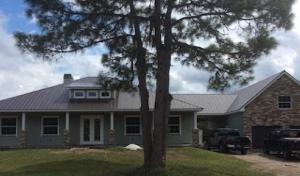
In this market, the warranty value of a roof is determined not only by the product but by the documentation that accompanies it. If a roof was installed under permit, with a formal inspection and a well-supported paper trail, the warranty can translate into clearer coverage when questions arise about wind-related damage or age-related wear. A robust set of records helps separate genuine installation issues from weather-related effects, which matters when insurance questions surface after a quick downpour or a tropical storm.
Local signals show a meaningful presence of firms that emphasize warranty offerings. This matters in a storm-exposed area where the line between installation defects and weather damage can blur. When choosing a contractor, look for documented warranty terms, explicit coverage periods, and a clear process for filing claims. A reliable firm will provide written specifics on what is covered, how to notify, and what documentation will be requested if a claim is needed years after installation.
Because Florida insurers often focus on roof age and condition, assembling a thorough paper trail from day one pays off. Keep all contracts, product data sheets for the chosen materials, and any inspection reports from installation. Take post-install photos that capture critical details like edge fasteners, flashing, and penetrations. Store certificates, receipts, and warranty registrations in one accessible place. If questions come up during a claim review or when listing the home for sale, this organized set of documents supports the roof's current state and the effort behind the installation.