
Last updated: Apr 19, 2026
This coastal pocket sees its highest roofing risk from June through November, when tropical downpours and Gulf wind-driven rain push water into even small weaknesses. The Tampa Bay setting means your roof endures more than a single storm event; every loud tropical shower can threaten roof seams, vents, and flashing when the wind shifts and rain drives sideways. In practice, a calm-looking afternoon can flip to a rain sprint that finds any overlooked flaw, sending leaks through attic spaces and into living areas. Quick action during the peak months keeps steady moisture from turning into interior damage that requires costly restoration later.
Wind-driven rain exposes weakest points first: loose shingles, lifted edges, compromised flashing around chimneys or vents, and worn seals at skylights. Metal edges, ridge caps, and valley intersections are particularly vulnerable in gusty bursts common to Gulf systems. If gutters are clogged, or soffit vents show signs of sagging, rain can back up and stir into the eaves. When a storm passes, inspect for damp spots on ceilings, staining near corners, or musty odors in upper rooms. If a leak is detected, prioritize roof coverage protection for interiors-tarps or temporary patches can buy time until a professional evaluates full damage. Remember, what looks minor on the surface can indicate an underlying failure in underlayment or deck, especially after repeated storms.
Local insurers commonly want wind mitigation reports, photos, and a detailed scope of work, with emphasis on roof age and installation quality during Florida claim reviews. Before a claim is filed, gather dated photos showing roof conditions before and after the event, including gutters, flashing, and attic insulation if visible through access points. A thorough scope that identifies damaged areas, material types, and visible gaps helps a adjuster assess the extent of coverage. If a contractor has provided any temporary patches, keep copies of those materials and dates of application as they may support your narrative of urgency and need for repair. Keep a simple timeline of storm events and the resulting symptoms-drips, ceiling bulges, or attic condensation-to help the insurer connect the dots quickly.
Storms in this area can halt projects mid-progress, so timing matters. After the first major rain event, you should schedule a professional evaluation if you notice active leaks or rising moisture indications. Prompt exterior inspection is essential even if interior signs are faint. A licensed roofer can assess flashing integrity, shingle lift, and deck condition, then outline a repair plan that stabilizes the roof until full replacement can be scheduled in drier weather windows. In hurricane-season conditions, responders who can mobilize quickly and document their findings for insurance purposes will spare you extra delays and reduce the risk of further interior damage.
Develop a practical plan now: secure temporary protection for vulnerable roof points, assemble a basic storm documentation kit (camera or smartphone, a weatherproof notebook, and a dated log of observations), and establish a rapid contact list for a trusted local roofer who understands the area's wind-driven rain patterns. After each significant storm, perform a careful exterior check for lifted or damaged shingles and flashing. Prioritize addressing any weak spots identified during inspections to minimize the chance of interior leaks during the next Gulf-front downpour.
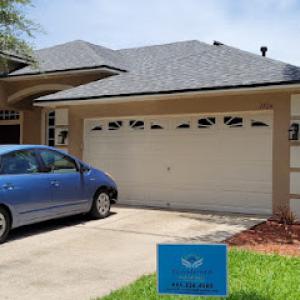
Providential Roofing & Construction
(941) 226-4000 www.providentialroofing.com
1329 10th St E, Palmetto, Florida
4.8 from 148 reviews
Providential Roofing and Construction, Inc., based in Palmetto, FL, is a trusted roofing contractor with over 40 years of combined experience. We specialize in roof replacement and roof repair services for residential and commercial properties. Known for quality craftsmanship and reliability, our expert roofers are dedicated to enhancing the safety and value of your home or business. Whether it’s a small repair or a full roof replacement, we deliver exceptional results that stand the test of time. Call us today for dependable roofing solutions in Palmetto!
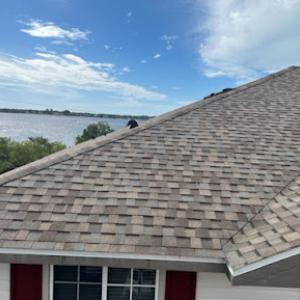
NextDoor Exterior Solutions
(727) 318-0006 nextdoorextroofing.com
5812 Mezzana Run, Palmetto, Florida
4.9 from 87 reviews
NextDoor Exterior Solutions, located at 5812 Mezzana Run, is your premier roofing contractor committed to exceptional roofing services and customer satisfaction. Our expert team specializes in roof repairs, replacements, and installations, ensuring your property is protected and visually appealing. We use only high-quality materials and innovative techniques, addressing all your roofing needs with precision. As local leaders in the roofing industry, we offer personalized solutions tailored to your specific requirements. Trust NextDoor Exterior Solutions for reliable, durable, and efficient roofing services. Contact us today for a free consultation and discover why we are the top choice for homeowners seeking superior craftsmanship.

GMR Metal Roofs Florida
(941) 776-7507 gmrmetalroofsfl.com
2000 14th Ave E Suite #103, Palmetto, Florida
4.9 from 33 reviews
With an impressive legacy spanning over 30 years, we are the trusted choice for homeowners and businesses throughout the Sunshine State. We are known for our unwavering commitment to top-tier metal roofing solutions that seamlessly blend durability, style, and craftsmanship.
Chappelle Roofing
(941) 289-0339 chappelleroofing.com
1611 12th St E Unit, Palmetto, Florida
4.5 from 137 reviews
For quality service and trusted local roofers in Palmetto, FL don’t hesitate to reach out to Chappelle Roofing! We are your local roofing company, dedicated to providing you with not only outstanding roofing service but also customer service. We are here whenever you need us to conduct a free roof estimate and provide you with reliable roof replacements, efficient roofing repairs, for both commercial and residential roofing. We believe that providing high-quality work and great customer service every time, without exception, is the key to success.
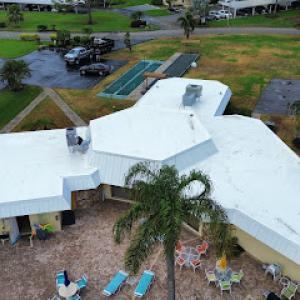
Famous Roofing
(941) 258-7676 famousroofing.com
4104 61st St E, Palmetto, Florida
4.8 from 30 reviews
Protect your largest investment with our reliable roofing services. We are a locally owned and operated roofing company currently serving Palmetto, FL and surrounding communities. If you want to make your roof last as long as possible, it is vital that you never put off a roof repair. Small issues with roofing become big issues in a hurry. No matter how major or minor the repair you need, we are here to help. We offer roofing contracting, roof repair, and new roofing.
Shingle Pro Roofing
(352) 756-2937 www.shingleproroofinginc.com
Palmetto, FL
5.0 from 9 reviews
Shingle Pro Roofing - We are proud to offer residential and light commerical roof replacement, new roof installation, and repairs along Florida’s Gulf Coast- from Hillsborough to Citrus we’ve got you covered! With a talented team of experienced roofers who are committed to providing the highest quality service to all our customers, using only the very best materials, you can rely on us to complete all types of roofing projects to the very highest of standards. Whether you have a leaking roof that needs to be repaired as soon as possible or you are thinking of having a new roof installed, call and speak to one of our project managers today. We will be happy to answer any questions and provide you with a competitive quote for the work.
Kennedy Construction Groups
(941) 777-7663 www.kcgroofing.com
1320 12th St E, Palmetto, Florida
4.0 from 186 reviews
Kennedy Construction Groups provides residential and commercial roofing services in Southern Florida.
Precision Services
(941) 527-8846 www.precisionservicesroofing.com
Palmetto, FL
5.0 from 5 reviews
Local Roofing
Stinton Roofing
(941) 812-1735 stintonroofing.com
4223 US-19, Palmetto, Florida
4.6 from 9 reviews
3rd generation Roofing contractor from Parrish, Florida. We take pride in our products, workmanship, and our name! Roof replacements, Repairs, gutters, skylights etc.
Five Stars My Pride Roofing
(727) 389-7615 fivestarsmyprideroofing.com
5278 Rocky Coast Pl, Palmetto, Florida
5.0 from 4 reviews
Five Stars My Pride Roofing roofing contractor expert in all types of roofing problems in the Palmetto, Tampa and Lehigh Acres FL area.
Blue Collar Roofing
(941) 933-7663 bluecollarroofingflorida.com
Serving
5.0 from 266 reviews
Blue collar roofing is a trusted roofing contractor serving Bradenton, Florida and surrounding areas. With years of experience in residential and commercial roofing, we specialize in roof repairs, replacements, inspections, and storm damage restoration. Our licensed and insured team is dedicated to quality craftsmanship, honest service, and fair pricing. Whether you need shingle, tile, metal, or flat roofing, we’ve got you covered. Call today for a free estimate and discover why we’re one of the top-rated roofers in Bradenton.
Dry Guys Roofing & Repairs
(727) 379-4897 www.dryguysroofing.com
Serving
4.9 from 234 reviews
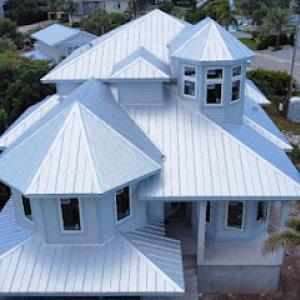
Dry Guys Roofing & Repairs is your premier Bradenton roofing company. We specialize in residential and commercial roofing services, including repairs, installations, and maintenance. With years of experience in the industry, we have built a solid reputation for providing high-quality workmanship and excellent customer service. Our team of roofing experts is highly trained and skilled in handling all types of roofing projects, from small repairs to complete replacements. We use only the best materials and equipment to ensure that our work meets the highest standards of quality and durability. At Dry Guys Roofing & Repairs, we understand that your roof is one of the most important investments you will make for your home or business.
Planning a re-roof in Palmetto hinges on using the drier part of the year to minimize rain delays and improve installation consistency. The goal is to lock in a window when rain showers are less frequent and the soil is firm enough to support heavy equipment without track marks. Start by identifying a stretch of weeks with predictable weather, then align material deliveries, crane or lift slots, and crew availability so the job can progress with fewer interruptions. A tight, well-structured schedule helps keep a project on track even when a stray afternoon shower drifts in from the Gulf.
Late-afternoon thunderstorm patterns are a regular feature of the Gulf coast countryside around here. Even if mornings start clear, the day can shift quickly, interrupting tear-off and dry-in schedules. Build a contingency plan for daily weather swings: designate a primary tear-off block, with a backup plan for morning-to-lunch sessions when the sky stays bright longer, and a late-afternoon backup for dry-in work if a storm pops up. Communication with the crew and with the homeowner about flexible hours reduces the risk of weather wasting a full day. Keep tarps and edge protection ready to deploy during unexpected downpours so materials stay dry and sheets stay secured.
July and August bring intense heat and high humidity, which can slow crews and complicate material handling. Plan for longer on-site breaks, hydration reminders, and reduced midday exposure. Equipment lines and staging areas should be set up to minimize manual movement in the peak heat, with shaded break zones where possible. Sequence the work to shift strenuous, high-heat tasks to cooler morning hours when the crew is most efficient. Consider staging shorter daily targets and avoiding aggressive pace pushes that increase risk of heat-related fatigue or material damage.
A typical re-roof in this climate benefits from a staged tear-off followed by a carefully timed dry-in. Coordinate with the weather forecast to maximize consecutive dry days for deck inspection, underlayment installation, and fastener-driven sequences. If the old roof contains moisture pockets or compromised decking, plan for immediate repairs within the same dry-in window to prevent rewetting. Keep ventilation and ridge lines clear of obstructions during dry-in so attic space gains proper air exchange once the new roof is in place.
Set clear expectations with the homeowner about weather-driven pivots, including potential shifts in start times or temporary storage needs for materials. Establish a signal system to pause work during lightning, with a return-to-work plan as soon as conditions allow. Maintain a short daily briefing with the crew to review forecast updates, confirm access routes, and confirm that tarps, underlayment, and fasteners are staged in the most weather-stable areas. With well-timed planning, a Palmetto roof replacement can progress smoothly even when Gulf humidity and tropical downpours threaten the schedule.
Palmetto's dominant residential roofing mix includes asphalt shingles, metal roofing, clay tile, concrete tile, wood shingles or shakes, and synthetic or composite shingles. Each option has a well-worn track record in Florida's humid climate, but the choices do not age the same under Gulf humidity and tropical downpours. Asphalt shingles remain a go-to for many neighborhood bands due to their familiar installation and broad repair options, while metal roofs are prized for quick shedding of heavy rain and resilience to wind-driven debris. Clay and concrete tiles bring a distinct curb appeal and generous lifespan, though their weight and installation requirements demand careful structural checks, especially on older homes or inland piers. Wood shingles or shakes offer a classic texture but may require extra attention to moisture-related warping and fire considerations. Synthetic or composite shingles provide versatility, often balancing appearance with improved impact resistance and durability in storm-prone environments. In Palmetto, you'll see this mix reflect the age and style of homes as well as the practical realities of Florida weather.
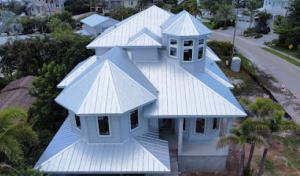
Tile and metal are especially relevant in this market because local contractor specialization is notably strong in both categories compared with smaller niche systems. Tile installations benefit from proven crews who understand how to manage roof-to-wall connections, underlayment choices, and ventilation needs that optimize performance during heavy rain events. Metal roofing gains traction where quick rain shedding, impact resistance, and long service life align with wind exposure along waterfront corridors. For many homeowners, choosing between tile and metal comes down to balancing weight, installation compatibility with existing structures, and the desire for a specific aesthetic. When a Palmetto home transitions to one of these two systems, it's common to involve a contractor who can tailor fastening patterns, coastal-grade fasteners, and panel profiles to the local wind history and the house's orientation to prevailing gusts.
Material choice in Palmetto has to balance hurricane wind performance, heavy tropical rainfall, high humidity exposure, and the practical realities of Florida insurance underwriting. The coastal air carries a constant humidity load that affects attic ventilation and moisture management, influencing shingle adhesion, tile interlock integrity, and metal panel coatings. A roof that performs well in wind and resists leakage during downpours helps with claim readiness if a storm hits, and it can positively influence insurance discussions by demonstrating robust protection. When evaluating options, consider not only initial performance but long-term maintenance needs-gable ends, valleys, and flashings often become focal points after a storm event. A well-chosen material paired with proper installation stands up to Palmetto's weather patterns while supporting smoother insurance documentation and faster post-storm recovery.
Typical Palmetto pricing runs about $350-$800 per square for asphalt shingles. You'll notice the lower end in smaller, simpler roof footprints, with the higher end creeping in where older homes need extra detailing or where rapid material pickups are required after a tropical system. In storms, tarped roofs and quick patches can push costs up if you're coordinating rapid response crews or temporary protection while awaiting full replacement.
Metal systems run roughly $700-$1200 per square. Metal can be a smart choice here because it resists wind-driven debris and sheds rain quickly, which matters after heavy tropical downpours. If your attic is tight on venting or your existing decking needs reinforcement, the price can edge higher. Expect a tighter cost window during peak storm season when crews are in high demand for temporary repairs and longer lead times on panels and coating applications.
Clay tile typically lands in the $900-$1800 per square range. It offers excellent longevity and a strong hurricane resistance profile when installed with proper underlayment and battens. You'll pay more for curved or Mediterranean profiles common in coastal Palmetto homes, and for additional underlayment depth to meet Gulf humidity and wind expectations.
Concrete tile generally sits around $800-$1400 per square. This option pairs well with heavier roof lines and tile interlock systems designed for wind uplift. In Palmetto, the weight is a consideration, so decking assessment and potential reinforcement may influence total cost, especially on older structures with aging supports.
Wood shingles or shakes run about $500-$900 per square. In this coastal climate, wood can require more frequent maintenance due to humidity and algae growth. If you choose wood, plan for higher upkeep and potential treatment cycles to preserve color and structural integrity after tropical rain events.
Synthetic or composite shingles fall in the $500-$1100 per square range. They often provide a lighter weight and good impact resistance, which can help with wind exposure here. Expect variability based on color stability under intense sun and how closely the product mirrors the look you want for your home.
Costs in Palmetto can rise after tropical systems when regional demand spikes for tarping, repairs, and full replacements across Manatee County and the greater Gulf Coast market. If you're timing a replacement for a calm window, you can often secure more predictable labor availability and material scheduling. In peak storm seasons, expect tighter windows and longer lead times, which can edge up overall project timing and cost.
Don't let upfront costs delay a critical repair - these contractors offer payment plans to fit your budget.
NextDoor Exterior Solutions
(727) 318-0006 nextdoorextroofing.com
5812 Mezzana Run, Palmetto, Florida
4.9 from 87 reviews
Chappelle Roofing
(941) 289-0339 chappelleroofing.com
1611 12th St E Unit, Palmetto, Florida
4.5 from 137 reviews
A full re-roof in Palmetto requires a permit issued through the Manatee County Building Division. That means your project can't move forward without official approval, even if the work seems straightforward. The county's permit process is grounded in Florida wind provisions and code compliance, which are essential in this hurricane-exposed part of the county. If the permit isn't secured, you risk stop-work orders, penalties, and parts of the project being deemed noncompliant if an insurance or code official later reviews the job.
When you apply, expect contractor-submitted plans to accompany the permit package. The county relies on those plans to verify material choices, fastening methods, and attachment details that meet Florida wind standards. Inspections happen at key milestones: an in-progress or rough inspection during framing and underlayment phases, and a final inspection when the roof is complete. Each milestone is a checkpoint for wind-resistant performance and drainage integrity. If a notable deviation occurs between plan and practice, the inspector will flag it, and rework could extend the schedule and complicate your insurance documentation.
The review process isn't just bureaucratic red tape-it's a guardrail against undersized or mismatched components that could fail under a storm, heavy rain, or salt-air exposure. A re-roof that passes the Florida code, including wind provisions, is more likely to withstand tropical downpours and hurricane season stresses. Missing or delayed inspections can delay your project, complicate homeowner insurance adjustments, and leave vulnerable gaps that hold up claims if damage occurs. Planning ahead with your roofing contractor to align materials, fastening patterns, and inspection timelines with the county's expectations helps ensure the job stays on track and meets the region's storm-readiness standards.
Palmetto homeowners navigate a volatile insurance environment where some carriers have pulled back exposure and others tighten renewals based on roof condition. A roof that shows age, wear, or prior damage can tilt the renewer toward higher deductibles or policy non-renewal. If a claim is filed, the insurer will scrutinize the roof's history and current state with amplified attention. The practical effect is that a well-documented, consistently maintained roof often translates into more stable coverage and fewer surprises at renewal time.
Wind and hail claims are common in this region, so the quality of documentation after a storm often matters almost as much as the repair itself. Photos taken from multiple angles, dated and labeled, help establish pre- and post-storm condition. Keep a running archive of roof age records, installation details, and any prior repairs. When pursuing a claim, organized evidence can shorten negotiation and improve outcomes, especially if the carrier questions the extent of damage or the roof's remaining service life.
In Palmetto, decisions are often influenced by whether the owner can show photos, age records, installation details, and wind mitigation documentation acceptable to the carrier. Wind mitigation features-such as roof deck attachments, underlayment quality, and proper fastener patterns-can influence claim results and premium considerations. Ensuring these elements are cleanly documented helps the insurer assess risk more accurately and reduces the chance that a partial denial stalls repairs or leads to coverage gaps.
After a storm, promptly secure the site to prevent further damage and capture fresh evidence from the roof and surrounding structure. If a contractor performs work, request detailed invoices and material specs that clearly reflect the scope and quality of the replacement. Maintain a consistent narrative between documentation and what is communicated to the insurer to minimize disputes and support smoother claim handling.
Connect with contractors who help homeowners navigate the claims process from damage assessment to final approval.
Providential Roofing & Construction
(941) 226-4000 www.providentialroofing.com
1329 10th St E, Palmetto, Florida
4.8 from 148 reviews
NextDoor Exterior Solutions
(727) 318-0006 nextdoorextroofing.com
5812 Mezzana Run, Palmetto, Florida
4.9 from 87 reviews
Chappelle Roofing
(941) 289-0339 chappelleroofing.com
1611 12th St E Unit, Palmetto, Florida
4.5 from 137 reviews
Persistent humidity and frequent tropical rainfall create internal pressure on flashing and underlayment details. In these conditions, weak or poorly integrated flashing around vent pipes, chimneys, and deck-to-wall transitions can reveal itself quickly as staining or damp spots along seam lines. Underlayment mats may soak through when run-down gutters deprive the roof edge of proper drainage, and low-slope sections along eaves can puddle during heavy showers. The most exposed details tend to be at skylight penetrations and along roof-to-wall terminations where sequence-oriented flashing overlaps fail to shed water cleanly. This is where you'll notice the first signs of trouble after a storm event.
Wind events in this area often force temporary tarping and altered jobsite staging, especially when storms arrive during an active replacement. If a leak is discovered during a storm, prioritize accessible, temporary containment: place a sturdy, waterproof tarp over the affected area and secure it with sandbags or weighted boards to prevent wind lifting. Do not rely on tarps alone for extended periods; wind can grab corners and create new damage or lift tiles. When responders arrive, verify that the tarp covers the most vulnerable seams, not just the visible spill. For ongoing work, designate a safe staging zone away from active tarping lines to keep traffic clear and reduce the chance of disturbing the temporary fix during the storm window.
Because local contractor demand strongly centers on re-roofing and quick response, many homeowner concerns start with active leaks after storms rather than purely cosmetic aging. After every major rain, inspect around penetrations, along ridges, and at changes in slope. Look for hairline tear marks in sealant, biscuit-like gaps at step-flashings, or vertical staining where water tracks down the underlayment layers. Keep a log of any new leaks, note the weather conditions, and photograph affected areas. A quick photo record supports faster triage if a staged replacement is pending or a contractor needs to assess whether flashing details were compromised during the last storm surge.
Find contractors experienced in skylight installation, flashing, and leak repairs to bring natural light into your home.
Famous Roofing
(941) 258-7676 famousroofing.com
4104 61st St E, Palmetto, Florida
4.8 from 30 reviews
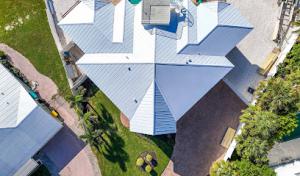
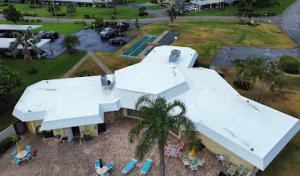
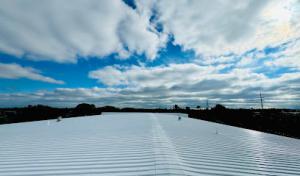
Flat and low-slope roofing is a meaningful specialty in the Palmetto market even though the city's dominant materials are pitched-roof systems. When a home adds a lanai, porch, or a mixed-roof section, those low-slope areas need to be evaluated separately from the primary shingle, metal, or tile roof. The detailing, flashing transitions, and drainage behavior often determine long-term performance more than the visible surface texture.
Frequent tropical rain in this area makes drainage performance on low-slope sections especially important during both repair and replacement planning. Confirm that the deck or substrate slopes toward an appropriate drain or scupper, with a consistent 1/4 inch per foot minimum pitch where possible. Ensure proper curb edging and integrated sumps to prevent standing water after heavy storms. In addition, double-check that scuppers, downspouts, and interior gutters are sized to handle Florida-style downpours without overflow into living spaces or the main roof interface.
Low-slope details hinge on robust flashing and seamless transitions to higher- pitched components. Pay particular attention to perimeter edges, fastener penetrations, and penetrations for vents or skylights. In Palmetto, where humidity and salt spray are common, flashing should be corrosion-resistant and backed by a reliable underlayment system. Have a qualified contractor verify that the membrane or built-up system bonds cleanly to any adjoining roof planes, with an emphasis on wind-driven rain resistance along the Gulf breeze corridor.
Choose materials formulated for low-slope application that resist moisture travel and hail impact while maintaining flexibility in heat. For additions or porches, matching or coordinating with the existing roof's color and texture helps maintain curb appeal while ensuring consistent drainage behavior. If a mixed-roof configuration exists, ensure the low-slope section has independent drainage routing and a compatible waterproofing strategy that can tolerate seasonal humidity fluctuations without fastener corrosion or membrane delamination.
For storm damage response, document the condition of low-slope areas before and after any event, paying close attention to flashing seams, drainage fixtures, and any signs of seepage into interior spaces. Because these sections are evaluated separately, keep clear records of any repairs, materials used, and water intrusion observations to support insurance claims and future maintenance planning.
Find specialists in TPO, EPDM, and built-up flat roofing systems for residential and commercial properties.
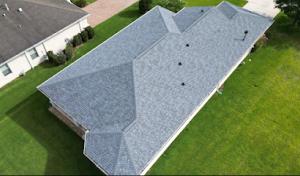
In Palmetto, storm season often means roofs are not just a project but a rapid-response job. You'll notice contractors prioritizing quick arrival, secure tarping, and thorough debris cleanup. When a crew can mobilize fast after a leak or a storm, you reduce interior damage notes and avoid lingering water intrusion that can complicate inspections later.
The local scene is shaped by replacements more than small repairs. Homeowners generally compare contractors by replacement experience, not just per-square repair pricing. Look for a firm with demonstrable re-roofing success on similar residential homes, preferably with a track record finishing full roof replacements in storm-prone neighborhoods.
Established, family-owned, residential-focused firms are a visible part of the market. This matters for continuity through the process: from initial consultation through final cleanup, you want a team that keeps you as a priority across multiple visits, including where crews arrive with new materials, manage haul-away, and coordinate with you on post-install follow-ups.
Ask for specifics on recent Palmetto or nearby projects, including timelines from start to finish and how they handle temporary protection during rain events. Request references from neighbors with similar roof types and homes. Confirm the crew size and supervision plan for large replacements, and verify who will be on site for inspections and any necessary touch-ups.
Expect a detailed cleanup plan: tarps down, waste containment, and a final walk-through to confirm all trash is cleared and gutters are free of nails. A dependable contractor will outline at the outset how they address any post-install concerns and stand behind workmanship with a clear assurance interval.