Last updated: Apr 19, 2026
In this inland Hillsborough County pocket, roofs endure both Gulf-side tropical systems and the daily drumbeat of summer thunderstorm winds. The combination of heat, humidity, and rapid storm cycles wears shingles and tiles fast, so delays in handling damage can turn a small problem into a larger, more expensive fix. The local pattern is clear: after a storm season, many homes shift from patchwork repairs to full re-roofing to restore resilience and prevent repeat failures through the next round of storms.
Storms here arrive with gusts that can lift shingles, loosen tiles, and expose underlayment to soaking rain. Afternoon storm interruptions during warmer months are common, cutting short interior-dry opportunity and muddying the path to a lasting repair. Because the replacement calendar is heavily influenced by Florida's hurricane season, the window for efficient, dependable roof restoral narrows quickly once the calendar turns. Waiting for visible interior leaks as the trigger means you're already behind. A roof that looks fine from the ground can be hiding exposed decking, compromised underlayment, or fastener fatigue that accelerates rust, wood rot, and insulation damage.
Start with a heads-up inspection once skies clear. Look for lifted shingles or displaced edge fasteners along eaves, valleys, and hips. Inspect for granule loss in shaded drip paths-small piles of grit near downspouts can signal shingle wear accelerated by heat and wind. Check for cracked or broken tiles, especially clay or concrete, and look for any damp spots or soft spots on attic decking after a rain event. If there is any sign of moisture intrusion reaching the interior or attic, treat it as urgent. Avoid walking on a damaged roof unless you know how to move carefully to prevent further damage.
In homes with aging shingle or tile roofs, repeated repairs almost always give way to a re-roof decision soon after a storm season ends. The logic is straightforward: the combination of heat and repeated wind exposure creates cumulative stress that undermines patchwork fixes. When repairs fail to restore watertight performance or when shingle edges curl, lift, or split under the next heat spike, scheduling a full replacement becomes the prudent course. Waiting for another visible leak often means chasing water rather than preventing it, and the next storm cycle can reveal failures that were already present but not yet evident.
Insurance considerations drive many scheduling decisions in this region. After a storm, if the roof has sustained meaningful wind or impact damage, expect a rapid assessment timeline and a decision path that prioritizes restoring protection while aligning with policy-driven timelines. The approach favors decisive action: documenting wind damage, preparing for a claim, and coordinating with trusted local contractors who understand the unique Tampa Bay-area storm pattern. Quick response reduces exposure to weather while the claim is processed and supports a durable, long-term fix rather than temporary patchwork.
If you notice wind-stripped edges, cracked tiles, or signs of moisture intrusion after a storm, plan ahead for a solid re-roof strategy rather than enduring another season with a marginal fix. Build a short list of preferred local roofers who can provide a thorough assessment, a reliable replacement schedule, and a clear, storm-conscious installation plan. Prioritize products proven to withstand Florida heat and wind, and request a detailed evaluation that covers underlayment, decking, ventilation, and attic sealing-areas that frequently determine long-term performance in this climate. In this neighborhood, readiness and timely action can mean a roof that stands strong through the next round of Gulf-side systems and afternoon squalls.

Certified Roofers & General Contractors
(813) 643-8333 certifiedroofers.com
4331 Lynx Paw Trail, Valrico, Florida
4.8 from 215 reviews
Certified Roofers is a trusted roofing contractor serving Tampa, Brandon, Valrico, Riverview, and the surrounding areas. With over 30 years of experience, our team provides honest, professional service and top-quality craftsmanship on every project. As a GAF Master Elite® Certified roofer, we specialize in roof repair, roof replacement, and new roof installation using only the best materials. Fully licensed and insured, we’re dedicated to protecting your home with durable, long-lasting roofing solutions.
All Seasons Roofing
(813) 684-3698 www.allseasonsroofings.com
2722 St Anthony Dr, Valrico, Florida
4.8 from 32 reviews
Our range of roofing covers many areas, residential re-roofing, commercial re- roofing, flat roofs, leak repairs, skylight installation, ridge vents, chimney repairs. Many hurricanes have hit Florida in last 12 years, roofing codes have changed many
Blattner Premium Roofing
402 N Miller Rd, Valrico, Florida
5.0 from 2 reviews
Blattner Premium Roofing, LLC is a licensed and insured roofing contractor located at 402 N Miller Rd, Valrico, FL 33594. We proudly serve Hillsborough County and surrounding areas with top-quality roofing solutions. With years of experience, we’re known for fast, honest, and professional service. Our specialties include roof installation, roof repair, roof replacement, shingle and tile roofing, gutter installation and repair, leak detection, storm damage repair, and emergency roofing services. Whether it’s a small repair, a major replacement, or a full roof installation, our skilled team is ready to protect your home with durable, high-quality roofing.
Pro Seal Roofing
(813) 760-4728 www.prosealroofing.net
Serving
5.0 from 17 reviews
Pro Seal Roofing, established in 2017, is a trusted roofing contractor serving Brandon, FL, and its neighboring areas. Specializing in residential and commercial roof repair and maintenance, our experienced team ensures lasting solutions for properties of all sizes. With a focus on professionalism and attention to detail, Pro Seal Roofing handles every aspect of home roofing service, from roof installation to addressing framing or sheathing issues. You can rely on Pro Seal Roofing for expert care and quality craftsmanship to protect your homes for years to come.
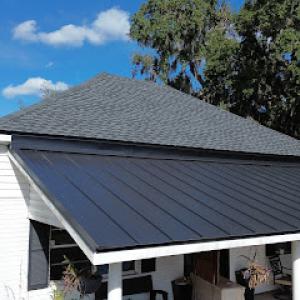
Harbor Roofing
(813) 330-7022 harborroofing.com
Serving
5.0 from 76 reviews
Family-Owned Roofing Company, USMC Veteran-Owned, and Locally-Owned by Tampa Bay Natives | BBB A+ Rated Roofing Contractor | Owner involved in Every Roof Installation | GAF Master Elite Roofer providing the best roof warranties in roofing industry | Owens Corning Preferred Roofer | Authentic 5 Star Reviews | Fair Priced Roof Replacements Always | Roofing Valrico FL, Brandon FL, Seffner FL, Dover FL, Plant City FL, Riverview FL. and surrounding areas. Roofing services we provided are residential roofing and commercial roofing, Roof Replacement, Roof repairs, & roof inspections for all types of roof systems including shingle roofs, tile roofs, metal roofs, flat roof systems, stone coated metal roofs. 33527, 33594, 33595, 33596, 33511, 33510
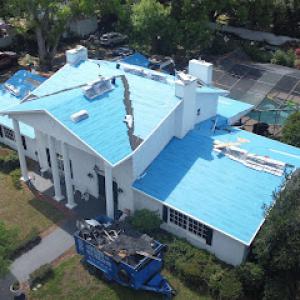
Quick Quote Roofing
(813) 851-4808 quickquoteroofing.com
Serving
4.8 from 55 reviews
Quick Quote Roofing is a licensed and insured Roofing Contractor servicing Florida home owners. We offer residential and commercial repair and replacement services. Financing is available.
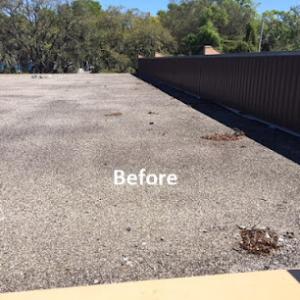
JD Contractors
(813) 662-4755 jdc-roofing.com
Serving
5.0 from 32 reviews
For over four decades, JD Contractors has been safeguarding businesses across Central Florida with expert roofing solutions. Based in Brandon, FL, our State of Florida certified team delivers unparalleled commercial roofing services throughout Tampa, Clearwater, and St. Petersburg. Trust JD Contractors to protect your investment with quality craftsmanship and lasting reliability.
Lifetime Quality Roofing & Storm Restoration Tampa
(813) 522-8699 www.lifetimequalityroofing.com
Serving
4.7 from 390 reviews
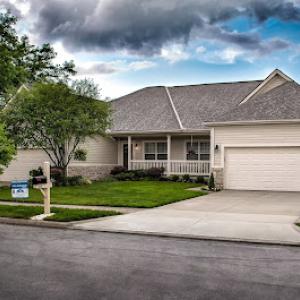
Protect your Florida home with Lifetime Quality Roofing, proudly serving Tampa with professional residential and commercial roofing services in Brandon, FL, and nearby areas. Serving Tampa since 2018, we specialize in roof replacements, storm damage repairs, solar services, and high-performance gutter installations. Our skilled, licensed, and insured team ensures every roof stands up to Tampa’s unpredictable weather. From detailed inspections to efficient installations, our roofing solutions are made to last. Count on us for fast, reliable service and lasting results. Schedule your free roof inspection today with our Tampa experts and see why Floridians choose Lifetime Quality Roofing.
Reese Roofing & Construction
(727) 677-3373 www.reeseroofing.com
Serving
5.0 from 93 reviews
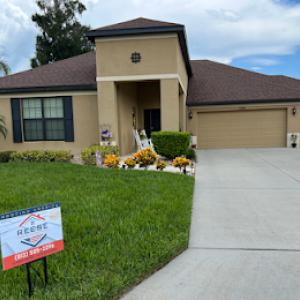
Reese Roofing & Construction is the premier choice for roofing, gutter, and solar installation needs in Brandon, FL. With unparalleled expertise and dedication to excellence, we deliver top-notch craftsmanship and unparalleled customer service. From roof repairs to full installations, we handle every project with precision and care. Our team is committed to using the highest-quality materials and the latest techniques to ensure lasting results that exceed expectations. Trust Reese Roofing & Construction for all your roofing and construction needs, and experience the difference that quality and reliability make. Proudly owned by US Military Veterans.
Top Line Roofing
(813) 710-6074 toplineroofingflorida.com
Serving
5.0 from 134 reviews
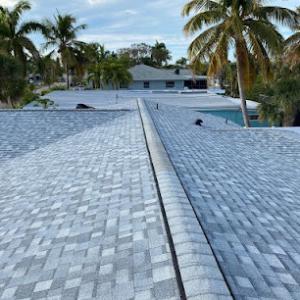
Top Line Roofing is one of the leading roofing companies in Brandon, FL, and your trusted source for all your roofing needs. We specialize in quality roof repair, new roof installation services, storm damage roof repair and replacement, and restoration. Whether you need a minor repair, a complete roof replacement, or durable roof coating solutions to enhance longevity, our experienced team of professionals has the expertise to handle any project with precision and care. We provide exceptional residential roofing services, commercial roof replacement, and reliable roofing solutions tailored to your specific needs. Contact us today for a free inspection!
J&M Roofing
(813) 981-7427 www.jandmroofing.com
Serving
4.9 from 64 reviews
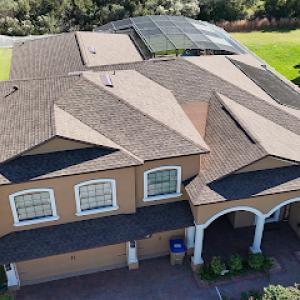
When it comes to your roofing needs, J&M Roofing stands out as a trusted choice in Tampa. Our dedicated team is committed to providing tailored solutions for every type of roof, ensuring you get the best care possible.
Universal Roofing Company
Serving
5.0 from 17 reviews
Florida's Premier Roofing Contractor specializes in sustainable roofing systems, commercial roofing, and solar panel systems.
Asphalt shingles are a common sight on suburban homes packed into the Hillsborough County area. They fit the neighborhood profile well and are familiar to local crews, which helps with reliable repairs after storms. In this climate, prolonged UV exposure, attic heat, algae staining, and wind uplift are recurring concerns. For asphalt, choose a higher wind-rated shingle and a stout underlayment, plus a roof deck vent strategy that moderates attic heat. If algae is a recurring stain issue, look for shingles with mica-enhanced algaecide or reflective granules that shed heat and resist staining. In terms of maintenance, expect algae cleaning after the hottest months and inspect for lifted tabs after strong afternoon downpours.
Clay and concrete tile are widely seen in higher-end Hillsborough County neighborhoods, where style meets resilience. The tiles themselves handle heat very well, but the real maintenance driver in the area is underlayment aging and the potential for cracked field tiles after storm debris impacts. When you opt for tile, plan for a robust underlayment system and a tile layout that reduces the risk of intermittent cracks spreading across a roof line during wind-driven debris. Tile-matching repairs matter here: if a single tile breaks, matching the exact shape and color can be surprisingly time-consuming and costly, so specify a proactive match-and-repair approach with a trusted installer. Regular inspection after storms is key, as small cracks can invite moisture intrusion if left unchecked. Consider a maintenance cycle that prioritizes re-pointing or resealing and a careful check of ridge and hip tiles that bear the brunt of wind gusts.
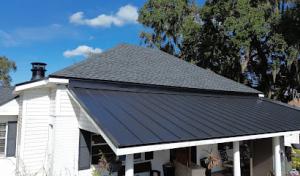
Metal roofing has a strong local presence because homeowners increasingly value wind performance and longevity, especially when planning around insurance and future re-roof cycles. Metal responds well to the Central Florida climate: it sheds wind-driven debris more predictably than tile and handles heat with minimal thermal gain when paired with a reflective coating. For this market, a standing-seam or snap-lock panel system with proper fasteners and seam sealing delivers the best wind resistance. Pay attention to edge detailing around roof penetrations and transitions to walls, as those areas often become wind entry points if not properly sealed. Regular inspections after hurricane season help catch loose fasteners or dented panels before moisture finds its way under the panels. If weight or existing structure is a concern, metal can offer a lighter, longer-lived alternative that reduces the frequency of full roof replacements.
Across all roof types, the practical angle is to align material choice with a proactive storm-season plan. After every major storm, walk the roof line safely or hire a professional to scan for lifted shingles, fractured tiles, or loose metal panels. In asphalt and tile roofs, prioritize areas around chimneys, vent stacks, and transitions where leaks are most likely to begin if wind uplift has peeled back flashing. For metal roofs, inspect seam seals and fasteners, especially after heavy rainstorms, to prevent hidden corrosion or micro-leaks. A consistent maintenance cadence-seasonal inspections, prompt tile replacement, and fastener checks-extends the roof's life in a climate defined by daily storm cycles and intense sun.
In neighborhoods where underlayment aging and tile matching drive costs, it pays to plan for a slightly higher initial investment for a longer-term payoff. For asphalt, pairing a wind-rated shingle with a robust underlayment makes a meaningful difference. For tile, invest in a durable underlayment system and a repair strategy that includes recurring matching capabilities. For metal, emphasize wind resistance and a seamless transition to future re-roof cycles, especially where insurance considerations influence timing. The local pattern-UV exposure, heat buildup, algae, and wind impact-should guide not only the initial material choice but also the maintenance cadence and contingency planning for storm season.
Valrico is served through Hillsborough County rather than a standalone city building department, so homeowners typically deal with county-level permitting and inspection workflows for full re-roofs. Start by confirming that a full re-roof requires a building permit in your neighborhood and that plan review and wind-resistance checks apply. The county's process is designed to coordinate roofing work with structural assessments, drainage, and overall safety for the inland Tampa Bay exposure that affects many Valrico homes.
A full re-roof generally triggers a building permit because the project touches structural elements, roof venting, and flashing details that influence wind performance and drainage. Plan review will focus on the proposed roofing system, underlayment, fastener schedules, and any changes to roof geometry, such as overhangs or skylight adjustments. Wind-resistance checks are common in Hillsborough County to ensure a roof can withstand the local storm cycles, so don't skip the reviewed plans or the wind-specific documentation the county may request.
Plan submission typically involves detailing the roof system type, roof deck condition, fastener patterns, and attachment methods aligned with current code requirements. In practice, inspectors will review the plan for compliance with wind-load provisions and how the chosen material behaves in our hot, humid climate. If your home uses existing framing with no changes to structural members, the plan review may be straightforward; if there are structural modifications or a change in roof pitch, expect additional documentation. Contractors should provide licensing and insurance documentation as part of the submission package to protect homeowners and satisfy county requirements.
County inspections are typically scheduled at intermediate stages and again at completion. An intermediate inspection often occurs after the underlayment and basic roof deck installation, before the final cover materials go on. The final inspection will verify that the roof system was installed in accordance with the approved plans, that wind-resistance features are properly executed, and that all penetrations, flashing, and rain channels are correctly integrated. Cooperating with the inspection schedule reduces hold-ups and helps ensure a smooth path to permit clearance.
Contractors are expected to provide licensing and insurance documentation as part of the permitting and inspection workflow. Ensure your contractor's credentials are current and that their insurance certificates name you as an additional insured if required by the county or lender. Keep copies of all permit-related paperwork, including the original permit, approved plans, amendments, and inspection records. This documentation is essential not only for the county but also for any insurance or mortgage requirements tied to the re-roof project.
Coordinate with the contractor to align the start date with permit issuance and the anticipated inspection windows. Missing an inspection window can delay the project and complicate approvals, particularly when wind-resistance checks are involved. In this county-led process, timely preparation of plan documents and ready access to licensing information go a long way toward a trouble-free re-roof that meets local storm resilience expectations. After completion, verify that the final inspection stamp is on the permit record and keep that closure documentation for any future property transactions.
Florida's unstable insurance market directly affects Valrico homeowners, with higher deductibles, stricter underwriting, and non-renewal pressure making roof age and condition central to replacement decisions. The pattern in Hillsborough County is clear: aging asphalt shingles and clay or concrete tiles can become gateways to policy scrutiny, and a single storm season can tighten requirements for the year ahead. That reality means your roof isn't just protecting a home structure; it's a factor insurers weigh when deciding coverage continuity or changes to terms.
In this market, insurers commonly want detailed roof documentation, wind-mitigation information, and prompt adjuster access after storm events affecting Hillsborough County homes. The process moves quickly when a claim arises, and a delay can complicate recoveries or even eligibility for certain coverages. Insurers expect a coherent file that proves what happened, when it happened, and what condition existed before and after the event. If the documentation trails are weak, the insurer's stance may shift toward more conservative outcomes.
Because storm-related roof claims are common in the Tampa Bay region, homeowners in Valrico need date-stamped photos, contractor findings, and permit records organized early in the claim process. Start with a photo log that shows the roof from multiple angles and timestamps every shot. Have a trusted contractor assess known trouble spots-missing shingles, lifted edges, and flashing issues-and keep their written notes ready. Permit records, if available, should be accessible to verify any prior work and to corroborate the roof's history during the claim review.
The convergence of frequent storms, heat, and aging materials means that proactive documentation isn't a luxury; it's a practical shield. When an event hits, prompt access for adjusters, clear wind-mmitigation details, and a well-organized file can influence the speed and outcome of a claim. In this environment, staying prepared reduces last-minute scrambling and helps protect the roof investment you've already made.
Connect with contractors who help homeowners navigate the claims process from damage assessment to final approval.

Certified Roofers & General Contractors
(813) 643-8333 certifiedroofers.com
4331 Lynx Paw Trail, Valrico, Florida
4.8 from 215 reviews
In this area, pricing reflects more than the sticker price on shingles or panels. Hillsborough County-style inspection coordination and the demand spikes that follow major storms across the Tampa Bay area can skew crews and material availability. That means a rush project after a hurricane threat or a busy post-storm week may push temporary costs higher, especially for longer-lasting options like metal or tile. You'll also see local variance tied to whether a project needs heavier systems or specialized underlayment work to handle Central Florida heat, humidity, and daily storm cycles.
Asphalt shingles remain the lower-cost option for many subdivisions in Valrico. In practice, that translates to quicker schedules and more predictable budgeting, even when crews are juggling storm-related demand. The material price is modest, but final numbers can climb if a roof needs more layers, damaged plywood replacement, or extra attic ventilation work after a heavy season. If insurance-driven timing pushes a fast-track replacement, asphalt can bite less into your wallet while still delivering solid wind resistance with modern laminated shingles.
Tile roofs-whether clay or concrete-cost more locally not just because the material itself is pricier, but because repairs and replacements often involve heavier systems. Expect more extensive underlayment, reinforced decking, and sometimes higher-profile installation crews who are comfortable with the weight and delicate handling tile requires. In Florida's heat and storm cycles, tile can offer durability, but the labor and material complexity add up quickly. If insurance considerations push you toward a longer-lasting solution, tile often becomes the more cost-effective choice over the long term, even though the upfront spend is noticeably higher.
Metal pricing can rise with the choice of panel profile, fastening systems, and the current demand from homeowners seeking wind-performance benefits and insurance relief. In practice, a mid-range metal roof may cost more than a basic asphalt install but can yield savings through faster installation, lower long-term maintenance, and potentially stronger wind resistance. In Valrico's climate, the best value tends to come from choosing a profile and fasteners suited to coastal Florida exposure and frequent storm cycles.
Start with a clear plan for storm-season timing and insurance expectations, then compare a few reputable local crews who understand the unique Tampa Bay weather pattern. For tile or metal, verify they can coordinate underlayment upgrades and decking reinforcement if needed. For asphalt, discuss shingle class, wind-resistance ratings, and potential cost implications if a multi-layer removal is required. In any case, prioritize a balanced choice: upfront durability aligned with realistic post-storm needs and insurance-related timing.
Get a clear picture of your project costs upfront - no commitment required.
Certified Roofers & General Contractors
(813) 643-8333 certifiedroofers.com
4331 Lynx Paw Trail, Valrico, Florida
4.8 from 215 reviews
In this area, repeated wind-driven rain from summer storms often exposes weaknesses first at flashing transitions, roof penetrations, and previously repaired areas rather than across the whole roof plane. Valleys, dormers, chimneys, vent pipes, and edge details are common trouble spots after several storm seasons. You'll want to inspect these joints for loose seals, rusted metal, or uplifted edges following a strong gust. Prompt resealing or flashing replacement can prevent leaks that echo across a wide swath of the roof.
Tile roofs in this part of Florida commonly show problems through underlayment wear before the tile surface itself appears fully failed, which can mislead homeowners doing only visual checks from the ground. Damaged or degraded underlayment may hide beneath a seemingly intact tile layer, allowing moisture to wick into plywood or deck structure. If you notice soft spots in the attic, increased condensation, or musty smells after rain, look for underlayment breakdown under the tiles and consider a targeted underlayment assessment even when tiles appear fine from below.
Shingle roofs frequently show granule loss, seal-strip fatigue, algae darkening, and heat-related aging patterns that accelerate after multiple storm seasons. In Valrico, sun exposure and humidity compound these effects, so you may see asphalt granules in gutters or on the ground near eaves, curling edges, or dark streaks on shaded facades. These signs point to aging and vulnerability at the shingle layer and can foreshadow leaks or reduced wind resistance during next season's storms.
Start at the most exposed seams: roof-to-wall interfaces, vent pipes, and flashing around chimneys. Pay attention to any areas that have had prior repairs, as those are more likely to fail again under another round of heavy rain and wind. Regular, targeted inspections after storms-focusing on underlayment access from attic spaces and visual cues up close-will help you catch issues before they become widespread leaks.
Find contractors experienced in skylight installation, flashing, and leak repairs to bring natural light into your home.
All Seasons Roofing
(813) 684-3698 www.allseasonsroofings.com
2722 St Anthony Dr, Valrico, Florida
4.8 from 32 reviews
Shingle Masters Roofing & Construction
(813) 677-7663 www.shingle-masters.com
Serving
4.9 from 571 reviews
ProBuild Roofing & Restoration of Florida
(813) 797-0101 www.probuildroof.com
Serving
4.1 from 23 reviews
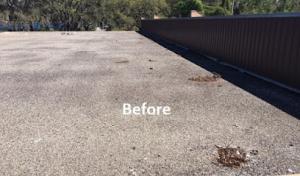
While Valrico is primarily a pitched-roof residential market, low-slope sections still appear on lanais, additions, porches, and some mixed residential-commercial properties in the area. These surfaces tend to age differently than main roofs and can become weak points if not treated with care. The climate-Central Florida heat, humidity, and frequent afternoon downpours-puts extra stress on these flatter zones, so spotting trouble early makes a big difference.
These low-slope sections are especially vulnerable during Central Florida downpours because drainage issues show up quickly when afternoon storms dump heavy rain in short bursts. Look for ponding water after rain, especially near transitions to steeper roof pitches, or puddles that persist into the next day. Rubber membranes and built-up roof layers can sag or crack where drainage is poor. If you notice damp ceiling spots or attic condensation near a low-slope area, inspect the underlayment and flashing details as a priority.
Homeowners often miss failures where a low-slope section ties into a steeper main roof, making transition flashing a recurring local leak point. Inspect the seam where the two roof types meet: is the metal flashing continuous and properly sealed? Are fasteners secure without pulling away? Check for framing movement that can distort the flashing over time. In Valrico's mix of residential and light commercial touches, these transitions may sit under shade but still bake in the sun, causing fastener corrosion or sealant degradation.
Schedule seasonal checks focusing on drainage paths and edge details. Clear debris from gutters and downspouts connected to the low-slope area, and verify slope is unobstructed enough to move water toward drainage. If you see fastener heads rusting or sealant that's cracked, plan for targeted resealing or flashing replacement rather than a full roof unfold. For suspected flashing failures, re-seal around the transition with compatible materials, ensuring a continuous barrier from the low-slope plane to the steeper main roof.
If ponding persists after minor maintenance, or if the transition flashing shows signs of lifting, call a local roofer with experience in low-slope work. A focused assessment can prevent cascading leaks into attic spaces or interior ceilings, a common incident in Valrico's weather pattern. Regular, proactive checks reduce the chance of major repairs later on.
Find specialists in TPO, EPDM, and built-up flat roofing systems for residential and commercial properties.
All Seasons Roofing
(813) 684-3698 www.allseasonsroofings.com
2722 St Anthony Dr, Valrico, Florida
4.8 from 32 reviews
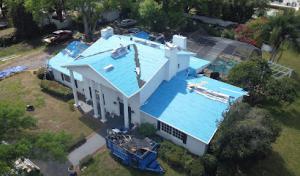
The market here signals that after a storm, you want a contractor who can move quickly, handle a full re-roof if necessary, and take care of cleanup so you're not left dealing with debris or exposed decking while you wait for insurance paperwork. Quick response is not just convenience; it's about limiting secondary moisture damage and the disruption a long lift-out can cause in a neighborhood where daily storm cycles are common.
Established, family-owned firms are notably present in this Hillsborough County market, and that matters when continuity through permitting, inspections, warranty follow-up, and insurance paperwork is on the line. In practice, that means you're more likely to find a crew that will still be around a year from now to honor a warranty claim or revisit a repair without shopping you to a different company. The benefit is steadier communication and fewer surprises when your claim moves through the process.
Because many contractors market both residential and commercial work, homeowners should confirm recent experience with the exact roof type common to their neighborhood, especially tile versus shingle systems. Tile roofs demand different roof-to-deck assessments, fastening methods, and underlayment considerations than asphalt shingles. If your street features tile, verify a proven track record with tile installs, repairs, and tile-specific wind flashing. Conversely, if shingles are your norm, ensure the crew regularly handles high-wind Florida conditions and re-roof scenarios without compromising venting, attic insulation, or drip edge.
In Valrico, it pays to ask for local storm response timelines, what a full re-roof includes, and who handles cleanup. The right contractor will present a clear, site-specific plan, confirm crew availability after the next storm, and outline how debris and nails will be managed to protect your property and neighbors. A cautious homeowner negotiates those specifics upfront to avoid getting stuck with partial work or lingering mess after a claim is filed.
Solar-related roofing work is active in the Valrico market, reflecting homeowner interest in pairing roof replacement with long-term energy upgrades in sunny Central Florida. This means a typical project can involve combining a new roof with solar mounts, inverters, and accessory hardware. The local climate-high heat, heavy summer showers, and frequent afternoon storms-drives a practical focus on how these penetrations are treated from day one to ensure a durable, weather-tight roof system.
On Valrico roofs, added penetrations from solar mounts, vents, and accessories need careful flashing because heavy summer rain can exploit small installation errors quickly. Attention to flashing details around mounting rails, rafter or deck penetrations, and edge flashing is essential. Use step flashing that integrates smoothly with the underlayment and roofing material, and verify that sealant and gaskets remain compatible with Florida heat and humidity. In clay, concrete, or asphalt roofing environments common here, the choice of flashing material and sealant must balance flexibility with long-term UV resistance. A proactive inspection plan should target joints where penetrations meet the roof plane, noting any prior failures in roof penetrations from older solar kits.
Homeowners planning both a new roof and solar in Hillsborough County should align sequencing early so permit, inspection, and warranty responsibilities do not conflict. Coordinate the roof replacement first if possible, ensuring the surface is clean, dry, and prepared for solar attachment. If solar is installed concurrently, ensure the roof contractor and solar installer communicate about flashing continuity, water barriers, and warranty coverage. Establish a clear handoff plan for any warranty documentation that ties roof system performance to penetrations. A well-timed sequence reduces rework, minimizes storm-related risk during installation, and supports long-term reliability of both the roof and the solar array.
Find contractors who integrate solar panels or solar shingles into your roof for long-term energy savings.
Lifetime Quality Roofing & Storm Restoration Tampa
(813) 522-8699 www.lifetimequalityroofing.com
Serving
4.7 from 390 reviews