Last updated: Apr 19, 2026
South Florida's Atlantic storms don't wait for a convenient calendar. The coastal wind-risk zone that surrounds this city means hurricane season directly shapes reroof timing and emergency readiness. When a tropical system approaches, the clock runs fast: you need a roof that stands up to driving rain, flying debris, and pounding wind. For tile or metal homes, that means prioritizing wind-resistance upgrades that specifically address uplift, edge securement, and fastener corrosion. The goal is to leave you with a roof that won't fail catastrophically during the first gusty pulse or the fiercest squall.
Mediterranean-style neighborhoods are a hallmark here, with heavy tile roofing that carries a distinctive wind load. After tropical weather, the risk isn't just a loose tile-it's displaced ridge pieces, cracked underlayment, and loosened fasteners that allow wind to find paths into the attic. A reroof plan focused on hurricane readiness must examine ridge lines, hip caps, and eave details with a critical eye. Look for high-wind-rated underlayment, properly sealed penetrations, and ridge vent systems that stay put under surge winds. If your home uses clay or concrete tile, ensure fastener patterns and foam or mounting clips are specified for uplift resistance rather than just aesthetics.
Dry-season scheduling typically runs from roughly November through April, and that pattern matters for damage control. Moving reroof work into the drier months reduces tear-off exposure to sudden squalls and tropical moisture that can complicate installation and extend exposure for crews and occupants alike. In practice, this means coordinating with crews to secure the most critical components-underlayment, flashings, and sealants-while weather is stable. It also allows for a more predictable project pace, which reduces the chance of temporary vulnerabilities during monsoon breaks. For metal or tile systems, a dry-window reroof can mean cleaner installation, better long-term performance, and less temptation for hurried, subpar detailing that wind can exploit later.
Ridge lines are a vulnerability hotspot after a storm, especially on tile roofs where pieces can be displaced and roots of the roof deck can be exposed. A hurricane-ready plan emphasizes secure ridge caps, corrosion-resistant fasteners, and a continuous, sealed edge along all eaves. For tile roofs, look for a system that combines integrated waterproofing with proper grout or sealant at ridges to prevent water intrusion during driving rain. For metal roofs, confirm that seam sealing, panel overlap, and edge fasteners are installed to resist uplift and wind-driven water. In either case, the emphasis is on redundancy: more fasteners, better corrosion protection, and joints that won't leak under repeated pressure changes.
Inspect your current roof with a wary eye toward wind paths. Start with the most exposed sections: ridge lines, hips, and eave corners. If loose or shifting tiles are visible, treat them as urgent indicators of a broader uplift risk. Replace damaged underlayment before the next storm season, and verify that any roof penetrations-vents, chimneys, skylights-are sealed with weather-tight materials rated for high wind. Coordinate a pre-storm maintenance check that prioritizes securing loose pieces and reinforcing edge details. If a reroof is on the horizon, orient the project schedule to the late dry season window to minimize exposure and maximize the chance for a thorough, wind-focused installation.
Tile-heavy homes demand a wind-focused reroof strategy that contractors can tailor to your exact roof layout. Metal roofs, while inherently strong, require careful attention to seam integrity and edge fastening to withstand sustained gusts. A hurricane-ready approach blends robust structural anchorage with durable, weatherproof coverings and a meticulous finish that blocks wind-driven water. In Palm Beach Gardens, the payoff is a roof that not only meets the test of the next storm but also reduces stress when the forecast turns Atlantic active. Treat the reroof as a targeted defense, not a routine upgrade, and align every decision with long-term resilience against the region's most relentless weather cycles.
A Palm Beach Gardens contractor signals that tile roofing and metal roofing are two of the strongest specialties in the local market, matching the area's common roof profiles and homeowner demand. Tile remains a natural fit for the look and durability residents expect in upscale neighborhoods, while metal provides a modern option that aligns with wind performance goals and long-term maintenance expectations. Knowing this helps you set realistic choices for appearance, weight considerations, and installation timelines when planning a reroof.
Clay and concrete tile are prevalent on higher-end homes in planned communities, where replacement often involves matching profile and color rather than simply choosing the cheapest system. In these settings, details matter: stone-coated trim, color blends that resist sun fade, and profiles that echo the original architecture. When you replace tile, aim for a seamless match with the home's existing silhouette and the community standards. If weight is a concern, consider structural checks early and coordinate with your designer to select a profile that preserves both curb appeal and long-term performance.
Metal roofing is a major local alternative for homeowners prioritizing wind performance, lower maintenance, and lighter weight than tile on South Florida homes. In coastal exposures, the ability of metal to resist uplift and its ease of inspection after storms can translate into fewer interruptions and quicker reoccupancy. For homes that already have metal or are considering it for a reroof, pay attention to fastener patterns, sealants at overhangs, and edge detailing, which matter more in hurricane-prone environments than raw panel color alone. The combination of a lighter roof structure and tight installation details often yields a practical balance between performance and appearance.
When assessing a reroof, compare the visual impact of clay or concrete tile with a metal profile that matches the home's architectural cues. If the goal is to preserve a traditional roofline, clay or concrete tiles with a compatible color palette can deliver the strongest "like-for-like" result. If wind resistance, ease of maintenance, and rapid post-storm recovery are priorities, metal panels with appropriate underlayment and corrosion-resistant coatings provide a compelling alternative. In either path, ensure the chosen system aligns with the home's existing roof pitch, eave geometry, and accessory details to maintain cohesive curb appeal.

Code Red Roofers
(844) 426-3373 coderedroofers.com
9091 N Military Trl #8, Palm Beach Gardens, Florida
5.0 from 145 reviews
Code Red Roofers was founded in 2004 with a team of four people and one small dump trailer. The original office in Stuart, Florida, served as the base of operations for serving Martin County. With a deep understanding of Florida’s beautiful yet extreme weather conditions, the company has specialized in repairing and installing roofs designed to withstand any situation. Over 20 years later, we have grown to more than 100 workers and 40 trucks across Central and South Florida locations to respond quickly to your needs. Since its establishment by Doug Roe, the company has been where some of our employees find second chances and begin new life and career paths.
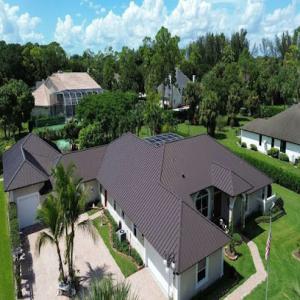
Leo Roofing & Construction
(561) 935-4979 www.leoroofingfl.com
3910 RCA Blvd STE 1001, Palm Beach Gardens, Florida
5.0 from 99 reviews
Leo Roofing & Construction offers top-tier roofing solutions backed by our Florida State certification, full licensing, bonding, and insurance. Contact us today for your free project evaluation.
Power Roofing West Palm
(561) 600-0099 powerroofingmiami.com
8895 N Military Trl #301b, Palm Beach Gardens, Florida
5.0 from 4 reviews
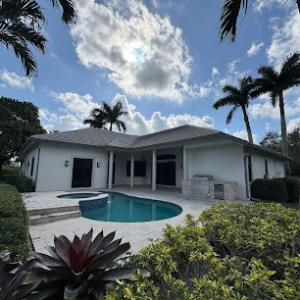
Power Roofing West Palm is a trusted roofing contractor dedicated to providing exceptional roofing services in the West Palm area. The business specializes in both residential and commercial projects, offering expert installation, repair, and maintenance services. Their team emphasizes quality craftsmanship, utilizing premium materials to ensure durability, energy efficiency, and long-lasting performance. Whether it’s addressing storm damage, installing new roofs, or performing routine maintenance, Power Roofing West Palm is committed to enhancing property value and safety with reliable, tailored solutions. Let me know if you’d like to add any additional details or service highlights!

Builders of America
(561) 594-6444 www.youtube.com
Serving
5.0 from 206 reviews
Roof Restoration, Repairs, Chemical-Free Pressure Cleaning
Roofing & Restoration of Florida
3567 91st St N #5, Palm Beach Gardens, Florida
3.8 from 5 reviews
Roofing and Restoration of Florida - a veteran owned company headquartered in Palm Gardens, Florida was founded in 2022 as a sister company of R&R Industries located in Holly Hill, Florida since 1948. R&R of Florida is a fully licensed roofing contractor and general contractor that is committed to providing quality work to its customers. We service commercial properties, multi-family, and large residential.

Palm Beach Gardens Roofing Pros
Palm Beach Gardens, Florida
5.0 from 1 review
Palm Beach Gardens Roofing Pros is your affordable local roofer company providing residential and commercial roofing needs. If you live in Palm Beach County and you’re in need of a roof repair, roof replacement, or new roof installation, give us a call today for a free quote.
Luxe Builder Group
(561) 941-1799 www.luxebuildergroup.com
Serving
5.0 from 63 reviews
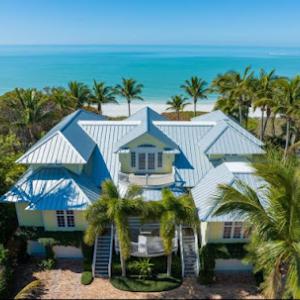
Luxe Builder Group is a GAF Certified, family-owned roofing contractor based in Jupiter, Florida, providing trusted residential and commercial roofing services throughout Palm Beach County. Our experienced, licensed roofers handle roof repairs, complete roof replacements, and new roof installations using premium materials like asphalt shingles, tile, and metal roofing. We build durable, weather-resistant roofing systems designed to withstand Florida’s intense heat, heavy rain, and hurricanes. Proudly serving residential and commercial roofing projects in Jupiter, Tequesta, Palm Beach Gardens, West Palm Beach, and surrounding areas. Call now to request your free roof estimate or book a thorough roofing inspection in Palm Beach County.
Recon Roofing
(561) 324-9877 palmbeachcountyroofingcompany.com
Serving
5.0 from 54 reviews
Roofing done right! We are a family-owned business. We want our customers to feel confident with us evaluating the problem and fixing it in a very thorough and inexpensive manor. Call us for a FREE estimate today!
Talbot Roofing
(561) 658-1113 www.talbotcompanies.com
Serving
4.8 from 48 reviews
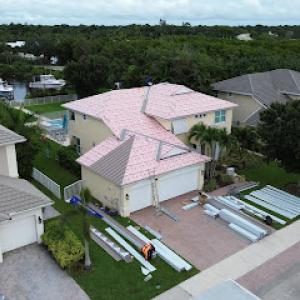
Talbot Roofing, Jupiter's top roofing contractor, specializes in residential and commercial roof replacement, roof coatings, roof repairs, gutters, and roof cleaning services. Our expert team is dedicated to providing exceptional craftsmanship, industry leading knowledge, and unparalleled customer service. We offer comprehensive roof evaluations, customized roof replacement solutions and commercial roof coating solutions. Enhance your property's curb appeal and protect your investment with Talbot Roofing's premium services.
South Florida Roofing
(561) 863-9596 www.southfloridaroofingfl.com
Serving
4.9 from 57 reviews
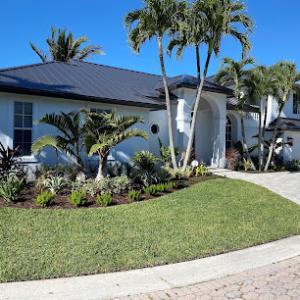
About Us South Florida Roofing South Florida Roofing is a dependable roofing company with a skilled team of workers. We pride ourselves on providing quality customer service and ensuring your satisfaction. We can inspect your roof and find the best solution for its problems. Roof replacement is a good idea for homes that are older or have extensive roof damage. Our team will tear away any damaged roofing materials to make way for the new roof. We use professional-grade building materials that will stand the test of time.
Kelly Roofing
(561) 578-4208 www.kellyroofing.com
Serving
4.7 from 191 reviews
Kelly Roofing the go-to roofing contractor and one of the leading roofing companies in West Palm Beach in South Florida. We can do everything from roof repairs to new roof installations. We have hundreds of satisfied customers, care about the job we are doing, and take pride in setting ourselves apart from the competition. As the top roofers in West Palm Beach, we assure your roofing needs and can work with your existing insurance companies. Being the best-trusted local roofing contractor in South Florida, we are licensed & insured to handle any project. Contact us today for a Free Estimate!
Advanced Roofing
(800) 638-6869 www.advancedroofing.com
Serving
4.7 from 20 reviews
Advanced Roofing, a statewide roofing and solar energy company with an office in Jupiter, FL, provides professional roofing services to customers in the city of West Palm Beach and Palm Beach County. Established in 1983, Advanced Roofing has become a leading commercial roofing contractor in FL with 7 offices and over 575 employees. Known for our award-winning service, we have a proven track record in re-roofing, roof repairs, HVAC, and solar energy. Advanced Roofing services Martin, St Lucie, and Palm Beach Counties and is proud to be a significant part of the community.
In Palm Beach Gardens, the market for tile and metal roofing is consistently strong. Local pricing is heavily influenced by the area's demand for tile and metal systems, which are more labor-intensive and materially expensive than basic shingle reroofs. Expect higher installed costs for clay tile, concrete tile, and metal relative to asphalt shingles, with synthetic or fiber cement options falling in between. The premium reflects not only materials but skilled craft needed for coastal conditions, precise underlayment, and wind resilience features that Florida homeowners require.
Given the coastal climate and hurricane exposure, you'll see cost ranges that reflect labor intensity and back-end scheduling pressures. Asphalt shingles remain the most budget-friendly option, but many Palm Beach Gardens homes favor tile or metal for durability and wind performance. Concrete tile typically lands near the middle to upper end of the tile spectrum, while clay tile often leans higher due to heavier weight and installation complexity. Metal roofing sits at the higher end overall but offers long service life and excellent wind resistance. Synthetic or composite shingles provide a middle ground with decent durability and lighter installation demands. Fiber cement shingles sit between asphalt and tile in both cost and performance.
Costs can rise after named storms or widespread wind events when South Florida demand surges. Scheduling backlogs affect labor availability across Palm Beach County, which can push up both material procurement and crew mobilization timelines. If a reroof is scheduled in the immediate aftermath of a storm, expect tighter crew calendars and potential temporary price pressure from expedited mobilization needs. Building in a wider installation window and locking timing with your chosen contractor can help mitigate cost surprises.
Homes in gated communities and HOA-managed neighborhoods may add logistical and approval friction that affects staging, delivery timing, and reroof coordination. Access routes, crane placement, and staging zones need careful planning to fit neighborhood rules and driveways without obstructing neighboring properties. Engaging a contractor with gated-community experience can reduce delays and ensure waste removal and material delivery align with community guidelines.
Get a clear picture of your project costs upfront - no commitment required.
Leo Roofing & Construction
(561) 935-4979 www.leoroofingfl.com
3910 RCA Blvd STE 1001, Palm Beach Gardens, Florida
5.0 from 99 reviews

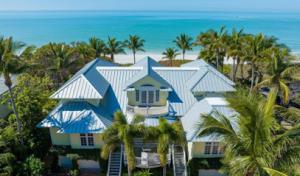
Full reroofs in this area are typically treated as substantial projects rather than minor maintenance. The process is handled through the local building department, either at the city level or the county, and the project must be properly permitted before any tear-off begins. The permit covers structural evaluation, roofing material selection, and attachment methods that meet current wind-resistance standards. Expect documented plans and calculations to accompany the permit application, especially for tile and metal systems common to upscale homes in the shoreline corridors.
Inspection sequencing follows a logical flow that protects you through tear-off, dry-in, and final installation milestones. After removal of the existing roofing and before any underlayment or new sheathing is laid, an inspection focuses on the deck condition, fastener patterns, and edge detailing. Once the new roof system is in place and underlayment and flashing are secured, another inspection confirms proper attachment, nailing schedules, and code-compliant wind-resistance features. A final inspection occurs after installation to verify venting, flashing, and overall system integrity. Planning for these inspections into your project calendar helps prevent delays tied to weather or contractor scheduling.
Wind-mitigation considerations receive heightened scrutiny during reroof reviews due to South Florida insurance expectations and code compliance pressures. Documented roof attachment methods, conductive fasteners, and the age of the structure influence both permit review and subsequent insurance eligibility. Expect inspectors to request evidence of hip and ridge tie-downs, underlayment choice, and the integrity of edge flashings. Having a pre-inspection checklist ready-photos of existing components, manufacturer specs for new fasteners, and a summarized attachment plan-can streamline the review and reduce back-and-forth with the building department.
Your roofing contractor should be well-versed in the local permit workflow, including the need for a permit number on all job-site documents and warranty language that aligns with county requirements. Coordination with the building department during plan review and throughout the tear-off-to-installation sequence minimizes the risk of delays. In this coastal climate, timeline awareness is essential because weather windows can impact dry-in progress and the schedule for final approvals. Ensure the team targets a clean dry-in, robust wind-secure detailing, and complete documentation for inspection readiness.
Palm Beach Gardens homeowners are operating in Florida's high-claim coastal insurance environment, where roof age and wind documentation can affect renewals, underwriting, and premium pressure. The market moves quickly when a storm season looms, and carriers pore over a roof's history with a closer, more skeptical eye than in inland markets. A recent reroof, or even an mid-life roof with persistent wear, can become the deciding factor in whether a policy renews at all or if an insurer chooses to push toward higher deductibles or limited coverage options. Being aware of this climate helps you prepare for the financial and coverage implications before any project begins.
Storm-related claims in this market often require more detailed photo records, date-of-loss documentation, and adjuster review than in lower-risk inland markets. If a claim is part of your plan, expect a thorough photo trail that starts minutes after the event and continues through the repair. Insurers want chronological clarity: photos showing the pre-storm condition, the immediate damage, and every step of the repair. The better your documentation, the smoother the adjustment process tends to be. In practice, maintain a dated photo log, keep receipts for materials and contractor work, and ensure contractor notes align with what your insurer requests.
Wind mitigation documentation is especially relevant in Palm Beach County because insurers often scrutinize roof replacement age and storm-resistance features on South Florida homes. Features like impact-resistant coverings, roof deck attachments, and underlayment choices can influence a policy's risk assessment. When preparing for a reroof, collect available documentation that confirms the roof's wind-resistance features and the replacement date. Even if a policyholder believes their coverage is straightforward, the insurer's evaluation can hinge on these details, potentially shaping both premium factors and future claim handling. Staying ahead with clear, organized records reduces surprises when the next renewal arrives.
Connect with contractors who help homeowners navigate the claims process from damage assessment to final approval.
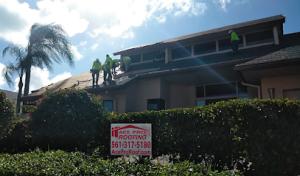
In this market, summer afternoon thunderstorms are a regular drumbeat that can wreck a carefully timed roof tear-off if the crew is not aligned. Open decking left exposed to the sudden deluge can quickly soak through, compromising sheathing and any insulation beneath. When storms pop up mid-activity, a rushed reseal or hurried staging area increases the risk of wind-driven rain sneaking under vulnerable edges. That means delays cascade not just from weather but from moisture management decisions made on the fly. A patient, disciplined schedule-where tear-off pauses are planned and water intrusion controls are matter-of-factly prioritized-stops small issues from turning into costly setbacks.
The local wet-season pattern makes same-day dry-in discipline more important than in drier regions because sudden rain can arrive during active installation windows. If decking is open, a single pop-up shower can force crews to tarp, re-tarp, and recheck every seam and penetration. This isn't about being overly cautious; it's about maintaining a continuous barrier against moisture while you're transitioning from removal to installation. The most reliable projects give crews clearly defined dry-in moments, with weather windows tracked daily and contingencies in place for early wrap-ups when storms threaten. Without that discipline, you end up with more rework, more insurance-adjuster questions, and longer timelines that echo through the neighborhood.
Heat and UV exposure in South Florida can also affect material handling and installation conditions, especially on dark roofs and exposed underlayments. Prolonged sun exposure can stiffen underlayments and adhesives, making seams harder to seal and fasteners harder to seat cleanly. Schedule high-temperature tasks for cooler parts of the day when possible, and protect critical components from sun exposure during longer waiting periods. Store bundles off the roof to prevent warping or rapid drying of flexible materials, and cover exposed underlayments when rain is not imminent to preserve their integrity for the moment you're ready to install.
On a typical day, verify a tight sequence: tear-off, fastening, underlayment, and immediate moisture checks before the next step. If a storm threatens, have a pre-planned shutdown procedure that minimizes open decking time and protects any exposed edges. Communication among homeowners, crew leads, and material suppliers matters-everyone should know who calls the rain pause and what the interim steps are to keep the project moving once the weather clears. In this climate, preparedness isn't optional-it's the most reliable way to keep a roof replacement on track without inviting avoidable moisture damage.
On tile roofs in Gardens, visible broken or slipped tiles often point to a deeper underlayment aging problem rather than being the only repair issue. The underlayment in coastal climates fades faster under heat and humidity, and a single broken tile can mask water trapped beneath. Inspect for cupped or delaminated underlayment and for any soft spots along valleys, eaves, and parapets. If tiles are moving, check the batten system and fasteners for corrosion or loosening, as that can accelerate underlayment deterioration. A proactive approach targets both surface issues and the hidden layer beneath.
On older South Florida shingle roofs, accelerated aging is commonly driven by combined heat, UV, humidity, and heavy seasonal rain rather than cold-weather wear. Look for brittle edges, granule loss, and dark staining that signals moisture intrusion. The daily sun in this area cooks asphalt layers, so inspect on a shade-free day and focus on southern and western exposure. Retrofit with a breathable underlayment and consider reflective coatings or lighter composition shingles if the roof shows early signs of wear, especially near attic vents and chimney decks.
Skylight and flashing leak points matter locally because wind-driven rain during tropical systems can force water into details that may not leak during ordinary showers. Examine the flashings around skylights, chimneys, and vent pipes for loose or over-sealed joints. Pay attention to the perimeter flashing along parapets and the transition areas where tile or metal interlock with flat deck surfaces. In windswept conditions, water often travels laterally before it reveals itself, so observe interior ceilings carefully after a heavy rain to find the true entry path.
Find contractors experienced in skylight installation, flashing, and leak repairs to bring natural light into your home.
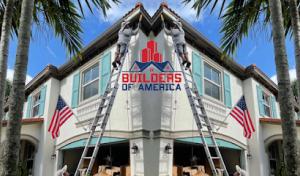
Even in a city dominated by pitched tile and shingle homes, Palm Beach Gardens contractors see meaningful flat-roof activity, especially over lanais, entries, garages, and additions. Low-slope sections sit at the transition between main roofs and secondary spaces, and their performance hinges on careful detail work where moisture and wind meet. When assessing a property, map every flat or near-flat surface and note how each ties into steeper sections.
These transitions are vulnerable because standing water or slow drainage can soak into the edge details and flashings. Check for sagging or insufficient slope that encourages ponding after heavy rain. Plan for positive drainage away from walls and into approved scuppers or internal drainage. In practice, this means matching a practical, shared pitch between the flat or low-slope area and the adjacent roof, then verifying that drainage paths remain clear after routine landscape irrigation cycles or storm events.
Wind-driven rain is a frequent culprit at the junctions where flat roofs meet steeper roofs. Pay close attention to continuous flashing around parapets, door openings, and skylight perimeters. Use reinforced or compounded flashings designed for hot sun and salt exposure, and ensure step-flashing transitions where the low-slope surface abuts a higher main roof. Sealants should be compatible with coastal air and resist ultraviolet degradation; inspect joints for cracking after significant storms.
Repair planning often has to address mixed roof systems rather than treating the property as a single-material reroof. Typical projects include integrating a flat patio roof with tile or metal main roofs, or adding a low-slope element to a previously pitched home. Choose materials and fasteners that play well with existing assemblies to minimize differential movement and leaks.
Schedule targeted inspections after hurricane season and major storms. Focus on edge seals, penetrations (vents, skylights, joinery), and the perimeter where the flat section meets the steeper roof. If a leak is suspected, address it promptly at the first sign of moisture, since rapid Florida rain events can exacerbate small issues into bigger problems.
Find specialists in TPO, EPDM, and built-up flat roofing systems for residential and commercial properties.