
Last updated: Apr 19, 2026
On the Atlantic edge, roof systems face tropical storm and hurricane wind exposure that dwarfs mild-weather concerns. Uplift resistance isn't optional here-it's your first line of defense against shingles, tiles, or metal panels tearing free during a direct hit. Choose roofing assemblies tested for high-wault wind loads, with secure fastener patterns and robust edge metal. If you're replacing an aging roof, demand products and installation that lock down the eaves, hips, and ridge lines. Talk to your contractor about a continuous load path from roof deck to foundation, and insist on hurricane-rated underlayment that remains effective when wind-driven rain blasts through any gaps.
Heavy summer rainfall and wind-driven rain matter as much as uplift resistance because leaks in Jupiter often start at flashing, valleys, penetrations, and edge details during storm season. Pay close attention to how flashing is integrated with roof penetrations-tubes, vents, chimneys, skylights-and where valleys intersect. Seams should be soldered or mechanically fastened with corrosion-resistant materials, and any transitional flashing at wall interfaces must be sealed with compatible sealants that stay flexible in sea-air conditions. Edge details, gutters, and drip edges must be continuous and well secured; a single compromised edge can become a leak vortex during a tropical downpour. If you see gaps, rust, or loose flashing after a season, don't delay; action and resealing are time-sensitive in this climate.
Because Jupiter includes oceanfront and near-coastal neighborhoods, salt exposure can accelerate corrosion at fasteners, flashing, and metal accessories if the roof system is not chosen for a marine environment. Use fasteners and metal components rated for salt spray with corrosion-resistant coatings, and ensure coatings are compatible across all metal pieces to prevent galvanic reactions. For metal roofs, consider alloys and coating systems designed to resist salt-backed spray and humidity. Even if you favor tiles, verify that fasteners and flashings are stainless or similarly corrosion-resistant, and that sealants and coatings won't degrade rapidly in a salt-rich atmosphere. Regular inspection after hurricane season should target fastener security, roof penetrations, and any signs of salt-induced corrosion.
In this coastal context, material selection should balance wind performance with salt resistance and edge detailing. Tile options-concrete and clay-offer strong wind performance when properly installed with modern fasteners and reinforced underlayment; however, ensure tile alignment and secure hip-and-ridge systems to prevent panel displacement in gusts. Metal roofing delivers excellent uplift resistance and durability when fasteners, flashings, and coatings are marine-grade, but edge detailing must be continuous and tightly sealed to prevent salt penetration. Synthetic/composite shingles can provide favorable weight and drainage while incorporating modern sealing and underlayment technology suited for storm-prone settings. For upscale homes near the water, copper or premium coatings can be considered for corrosion resistance, provided installation emphasizes marine-grade detailing and long-term maintenance. The overarching aim is a system that remains protectively watertight under wind-driven rain and can withstand repeated exposure to salt-laden air without compromising fasteners, flashing, or edge details.
In this coastal city, tile and metal are unusually prominent in the contractor market, reflecting the area's coastal residential architecture and homeowner demand for wind-focused, long-life roof systems. When you're weighing tile versus metal, start by framing your priorities around wind resistance, longevity, and how salt air can affect materials over the years.
Clay and concrete tile roofs are common in South Florida, and that pattern shows up in Jupiter as well. The strength of a tile system depends on the installation: field tiles can crack if struck by flying debris, and individual tiles may shift or break after a powerful gust. Cracked or slipped tiles let rain penetrate the underlayment, which ages beneath intact tiles and can drive leaks after sustained wind events. Ridge or hip attachments are another weak point; after storms, fasteners can fail or tiles can lift if anchors aren't continuous along the ridge line. If you lean toward tile, look for concrete or clay with engineered fastener patterns, a reinforced battens system, and a continuous ridge cap designed to shed wind-driven rain. A high-quality underlayment matters as much as the tiles themselves, because water can exploit even small gaps once wind pressure spikes.
Metal roofs are often celebrated for their longevity and wind performance, but in this market you must evaluate corrosion resistance first. Salty Atlantic air accelerates corrosion on exposed fasteners, flashing, and edge profiles, especially on homes closer to the Intracoastal or the ocean. Look for metal systems with corrosion-resistant coatings (for example, weathered steel or aluminum with protective alloys) and for panels that are properly integrated with sealed, oversized interfaces at hips, ridges, and penetrations. The fastener selection matters too: corrosion-resistant screws or rivets, with sealing gaskets rated for high-salt environments, help keep fastener failures at bay after a few hurricane seasons. Coastal homes benefit from sealed panel-to-trim details and through-fastened vs. concealed-fastener designs only if the sealing is robust enough to withstand airborne salt spray and wind-driven rain. If you choose metal, insist on a complete wind-resistance plan that addresses all edge conditions, as well as maintenance intervals to verify fasteners and sealants.
Tile can deliver a timeless look and excellent heat resistance, but it demands careful substructure and tile layout to withstand repeated wind exposure without cracking. If your roof already has a solid tile sub-structure and you select reputable, wind-rated tiles with enhanced edge and ridge assemblies, you can achieve dependable performance through many seasons. Metal roofs offer a lighter weight option and fast installation in many cases, yet the long-term value hinges on corrosion-resistant coatings and meticulous flashing details in the salty air. Consider your proximity to the water, the typical storm exposure you expect, and the maintenance cadence you're willing to commit to. In both cases, insist on a ring of protection: a robust underlayment, well-sealed penetrations, and thoughtful drip edges that direct water away from the roof plane.
A successful choice hinges on the installer's experience with coastal wind loads and salt exposure. Ask for recent projects in similar environments, and request documentation of wind-resistance testing and corrosion-prevention measures. For tile, verify tile-to-underlayment compatibility and the quality of the ridge and hip assemblies. For metal, review the coating system, fastening method, and crest detailing. Regardless of material, routine inspections after the hurricane season should focus on fastener integrity, flashing seals, and evidence of surface corrosion or tile movement, so problem points can be addressed before leaks develop.
Find contractors who specialize in clay and concrete tile roofs, known for their durability and curb appeal.
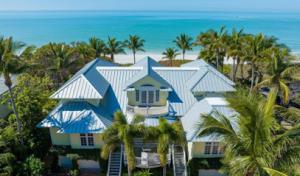
Luxe Builder Group
(561) 941-1799 www.luxebuildergroup.com
603 Commerce Way #8, Jupiter, Florida
5.0 from 63 reviews
Recon Roofing
(561) 324-9877 palmbeachcountyroofingcompany.com
407 Commerce Way Suite 5A, Jupiter, Florida
5.0 from 54 reviews
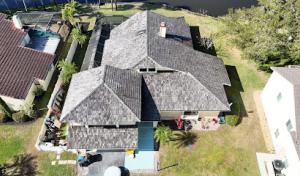
Perkins Roofing - Jupiter
(561) 770-6298 perkinsroofing.net
15658 Alexander Run, Jupiter, Florida
5.0 from 42 reviews
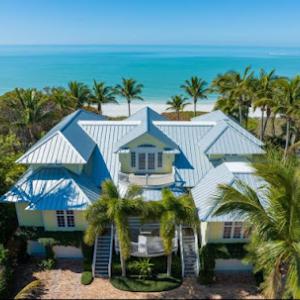
Luxe Builder Group
(561) 941-1799 www.luxebuildergroup.com
603 Commerce Way #8, Jupiter, Florida
5.0 from 63 reviews
Luxe Builder Group is a GAF Certified, family-owned roofing contractor based in Jupiter, Florida, providing trusted residential and commercial roofing services throughout Palm Beach County. Our experienced, licensed roofers handle roof repairs, complete roof replacements, and new roof installations using premium materials like asphalt shingles, tile, and metal roofing. We build durable, weather-resistant roofing systems designed to withstand Florida’s intense heat, heavy rain, and hurricanes. Proudly serving residential and commercial roofing projects in Jupiter, Tequesta, Palm Beach Gardens, West Palm Beach, and surrounding areas. Call now to request your free roof estimate or book a thorough roofing inspection in Palm Beach County.
Recon Roofing
(561) 324-9877 palmbeachcountyroofingcompany.com
407 Commerce Way Suite 5A, Jupiter, Florida
5.0 from 54 reviews
Roofing done right! We are a family-owned business. We want our customers to feel confident with us evaluating the problem and fixing it in a very thorough and inexpensive manor. Call us for a FREE estimate today!
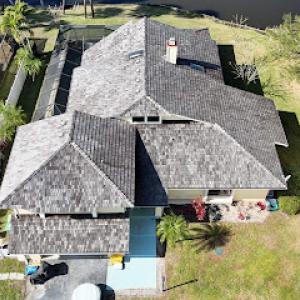
Perkins Roofing - Jupiter
(561) 770-6298 perkinsroofing.net
15658 Alexander Run, Jupiter, Florida
5.0 from 42 reviews
Perkins Roofing - Jupiter provides expert roof repair, roof replacement, and maintenance services for homes and businesses in Jupiter. Call now for a free estimate! Perkins Roofing is a licensed, insured, family-owned roofing company serving South Florida for 40+ years. Based in Jupiter, we provide commercial and residential roofing services, including roof repairs, re-roofing, emergency services, roof maintenance, and leak prevention. We also offer impact windows, impact doors, and exterior painting. From St. Lucie to Monroe County, trust our team for quality work. Call 561-559-ROOF for a free estimate!
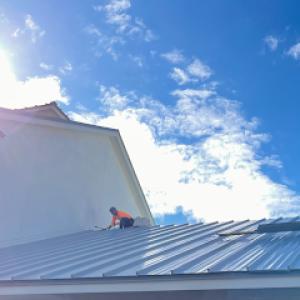
Embick Roofing
(561) 748-0434 embickroofing.com
220 Venus St STE 4, Jupiter, Florida
4.8 from 151 reviews
Florida's Premier Roofing Contractor in South Florida. Locally owned and operated since 1978. We specialize in new roofing including Metal, Tile, Shingle and Flats. Expert Roof Repairs done in house. We service all types of roofs!
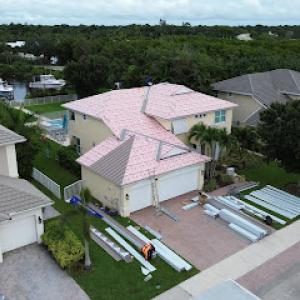
Talbot Roofing
(561) 658-1113 www.talbotcompanies.com
3065 Jupiter Park Cir, Jupiter, Florida
4.8 from 48 reviews
Talbot Roofing, Jupiter's top roofing contractor, specializes in residential and commercial roof replacement, roof coatings, roof repairs, gutters, and roof cleaning services. Our expert team is dedicated to providing exceptional craftsmanship, industry leading knowledge, and unparalleled customer service. We offer comprehensive roof evaluations, customized roof replacement solutions and commercial roof coating solutions. Enhance your property's curb appeal and protect your investment with Talbot Roofing's premium services.
Advanced Roofing
(800) 638-6869 www.advancedroofing.com
1601 Park Ln S, Jupiter, Florida
4.7 from 20 reviews
Advanced Roofing, a statewide roofing and solar energy company with an office in Jupiter, FL, provides professional roofing services to customers in the city of West Palm Beach and Palm Beach County. Established in 1983, Advanced Roofing has become a leading commercial roofing contractor in FL with 7 offices and over 575 employees. Known for our award-winning service, we have a proven track record in re-roofing, roof repairs, HVAC, and solar energy. Advanced Roofing services Martin, St Lucie, and Palm Beach Counties and is proud to be a significant part of the community.
Jupiter Roofing & Sheet Metal
(561) 746-4066 www.jupiterroofing.com
149 Jupiter St, Jupiter, Florida
4.8 from 15 reviews
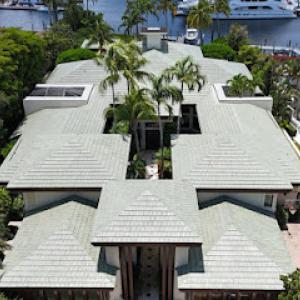
Jupiter Roofing and Sheet Metal is a family operated roofing business serving Jupiter for over 65 years providing dependable and quality service for home owners.
Diversified Roofing Solutions
(561) 841-5676 diversifiedroofingfl.com
1829 Park Ln S, Jupiter, Florida
4.4 from 36 reviews
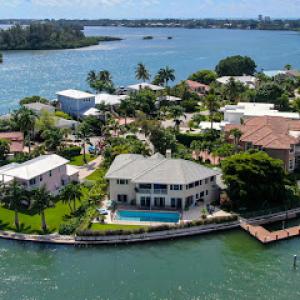
With over 25 years of roofing experience in estimating and managing high-end residential and commercial roofing projects, Diversified Roofing Solutions is dedicated to mastering and pioneering cutting edge roofing technology benefiting the clients budget and withstanding the test of time and elements. At Diversified Roofing Solutions the customer is our top priority. From selecting the best product for your roof system to installation our team provides the utmost satisfaction.
Joseph Ward Enterprises
(561) 741-8919 www.joewardroofing.com
337 1st St, Jupiter, Florida
4.3 from 55 reviews
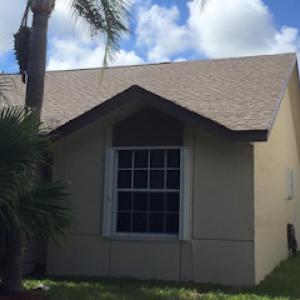
Joseph Ward Enterprises, located in Jupiter, Florida, has been a trusted family-owned roofing company since 1986. Specializing in roof repairs and restoration, we are proud to be Florida’s go-to resource for all roofing needs. Our team offers expert services, from repairs to custom replacements. At Joseph Ward Enterprises, we prioritize building lasting relationships with our clients. Our commitment is to serve and respect our customers to the best of our ability, ensuring that you are proud of your investment in a long-lasting roof solution. Contact us today for top-quality roof repairs in Jupiter, FL.

Stuart M Ledis LLC Building & Roofing
(561) 718-7162 stuartmledisbuildingroofing.com
Jupiter, FL
4.7 from 13 reviews
We are a family owned and operated company in business since 1988. We started our general contracting and roofing business in Jupiter, FL, 33458. With a flawless customer satisfaction history, you can rest assured we are a company that will treat you with honesty and integrity.
Crowther Roofing & Sheet Metal
15865 Assembly Loop, Jupiter, Florida
5.0 from 5 reviews
Your trusted commercial roofing expert since 1974. With 900+ employees and 475 service vehicles, we serve commercial clients across Florida from our Fort Myers, Sarasota, and here, in Jupiter. Our comprehensive services include roof repair and roof replacement. Our customizable RoofCheck™ maintenance plans. Light Gauge Metal Trusses and Lightweight Insulating Concrete. As members of NRP and NRCA, we're nationally ranked in our industry. Despite our growth, we remain a family-operated business committed to customer satisfaction and community impact. Licenses: Roofing CCC039822, HVAC CMC1250360, GC 1524777. Call us today for expert service in Jupiter, and surrounding areas
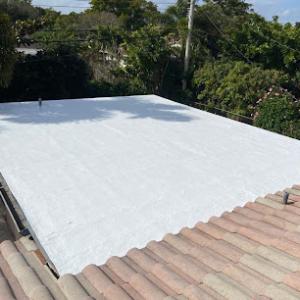
Platform Roofing
(561) 768-1414 www.platformroofingcorp.com
424 Fern St #1, Jupiter, Florida
5.0 from 4 reviews
Platform Roofing is a premiere roofing company that has been serving Palm Beach County area. After 30+ years of experience in the industry, our founder decided to start his own roofing company because he believed that we could offer homeowners and small business owners excellent service that was unmatched by other roofers in Florida. We pride ourselves on being honest, hardworking and professional. Contact us today to discuss any questions you may have about your leaking or damaged commercial or residential roof and we will be happy to help!
Provided local cost ranges run from about 350 to 700 USD per square for asphalt shingles, 600 to 1200 for metal, 900 to 1800 for clay tile, 900 to 1700 for concrete tile, 450 to 800 for synthetic/composite shingles, and 1500 to 3500 for copper roofing. In practice, a typical Jupiter reroof project will lean toward those midpoints when a home blends tile or metal with coastal details. Asphalt shingles stay the most budget-friendly option, but coastal homes that lean into tile or metal quickly move toward the upper end of the spectrum due to material heft, wind-rated designs, and fastener systems built for salt-laden air. You'll feel the sticker shock most on tile-heavy jobs, but the payoff is a roof that can weather our steady Atlantic exposure.
Jupiter costs can rise quickly on tile-heavy homes because replacing broken tiles, upgrading underlayment, and handling heavier roof systems is more labor-intensive than basic shingle tear-offs. When clay or concrete tiles are involved, crews must deconstruct and re-seat individual tiles, check flashing around dormers, hips, and chimneys, and ensure underlayment is compatible with the weight and wind profile. Expect increased nails-per-square and careful ballast or underlayment choices, especially where tiles meet coastal features such as pavered patios or decorative parapets. For a homeowner, that means budgeting a wider margin for repairs in the first year after reroofing, even if the core roofing system remains the same.
Storm-season demand spikes in coastal Palm Beach County can push scheduling and pricing upward after named storms, especially for emergency dry-ins, repairs, and full reroofs. In practical terms, wait times can stretch if a named storm hits nearby, and crews may prioritize immediate storm-response work over planned reroofs. If your project timeline is flexible, aiming for a pre-season start can help you avoid premium windows. For tile and metal roofs, emergency repairs can push per-square costs beyond the typical ranges, since crews must account for debris removal, salt exposure, and potential truss or deck concerns that aren't part of a straightforward tear-off.
Coastal exposure makes underlayment choices more consequential. In Jupiter, you're paying extra for underlayment upgrades, corrosion-resistant fasteners, and wind-rated systems. Upgrading from standard underlayment to a high-TPO or synthetic variant and selecting flashing designed for salt air can add several hundred dollars per square to the project, but offers long-term reliability against wind-driven rain. If a reroof is tile- or metal-heavy, these upgrades are not optional; they're part of delivering a system that withstands repeated tropical storms and the salt-saturated air that characters near the Intracoastal know well.
Start with the known ranges for your chosen material and add a conservative contingency-15 to 20 percent is reasonable for Jupiter's coastal conditions and tile-heavy configurations. For metal or tile roofs, account for heavier labor demands and possible deck/trim repairs that arise from wind exposure and salt erosion. When getting bids, ask contractors to break out underlayment upgrades, fastener warranties, and any required roof-to-wall detailing (like upgraded valley or ridge components) so you can compare apples to apples. Finally, plan for potential scheduling shifts during storm-season windows and discuss phased work options if access or debris management becomes a logistical concern.
Get a clear picture of your project costs upfront - no commitment required.
Luxe Builder Group
(561) 941-1799 www.luxebuildergroup.com
603 Commerce Way #8, Jupiter, Florida
5.0 from 63 reviews
Recon Roofing
(561) 324-9877 palmbeachcountyroofingcompany.com
407 Commerce Way Suite 5A, Jupiter, Florida
5.0 from 54 reviews
Perkins Roofing - Jupiter
(561) 770-6298 perkinsroofing.net
15658 Alexander Run, Jupiter, Florida
5.0 from 42 reviews
A full reroof in this coastal area typically requires a permit, and the roofing contractor generally submits the application to the local building department and pays the permit-related fees. The permit process is intertwined with the county's hurricane-ready codes, so expect the plan review to focus on the roof's attachment method, underlayment, flashings, and wind-resistance calculations. The agency may require details such as nailing patterns, roof deck condition, and fastener corrosion protection due to salt-laden air. Work with a contractor who routinely navigates the permitting process and follows Jupiter's specific wind-driven roof standards to minimize delays.
Inspections in this coastal community commonly check underlayment, flashing, nailing patterns, and wind-mitigation-related installation details during and after the project. During the project, an inspector may verify that the underlayment is properly installed to shed rain and resist wind-driven moisture, and that roofing vents and flashings are seated correctly to avoid leaks around hips, valleys, and roof-to-wall transitions. Post-installation checks often focus on whether fastener spacing and attachment methods align with current wind-load requirements, and whether roof penetrations-such as for chimneys, vents, and skylights-are sealed against salt spray and driving rain. Expect a review of any retrofits or upgrades that affect wind performance, such as improved nailing patterns or upgraded fasteners, especially on higher, ocean-facing slopes or Intracoastal exposures.
Weather interruptions and inspection backlog can delay reroof timelines in this climate, which is especially relevant during the rainy season and after regional storm events. Sudden rain squalls can interrupt shingle or tile installation, while high winds may necessitate temporary safety measures or rescheduling of inspections. Plan for potential re-inspection windows if heavy rain or a tropical system passes through, and coordinate communication with the roofing contractor and the building department to keep the project moving once skies clear. Keeping a realistic buffer around local storm seasons helps ensure permits stay active and inspections proceed without i nterruptions that push out the timeline.
For hurricane-ready performance, the permit path often underscores the need for proper attachment to resist uplift, robust seams, and corrosion-resistant hardware. Work with a contractor who can clearly articulate how the chosen system-whether metal, concrete tile, or synthetic options-meets the local wind-mitigation expectations and can document the installation for the inspector. Having the project scoped with the city's criteria in mind reduces the chance of rework or surprise requests from the building department.
Jupiter homeowners operate in Florida's high windstorm and hurricane-claim environment, where roof age, storm resistance, and documentation can directly affect coverage and pricing. Your roof isn't just shelter; it's a standing claim file that insurers read before adjusting or renewing policies. If a roof has endured multiple seasons of salt-laden air, the metal fasteners, underlayment, and edge details can become the deciding factor between a modest premium and a more onerous one. In this climate, every year of service adds or subtracts leverage, and the difference shows up in the chances of a smooth claim or a contested one.
Insurers may ask for detailed pre- and post-work photos, proof of wind-mitigation features, and clear records of repairs or replacement before extending coverage or discounts. In practice, that means you should keep a quiet, organized library: dated photos of the entire roof, close-ups of hip and ridge lines, attic venting, and any retrofits like secondary water barriers or reinforced rafters if present. When a storm warning hits, a quick after-action set of photos that shows the roof in its pre-storm condition can save hours of back-and-forth later. If you've had prior wind repairs, gather receipts or contractor letters that confirm the scope and quality of work.
Claim handling can slow during peak storm periods, so you benefit from documenting damage immediately after wind or rain events before temporary repairs obscure the original condition. A cautious homeowner documents every dented tile, lifted edge, or granule loss while the oval of the roof remains visible, then coordinates with your contractor to capture the repair timeline. This proactive approach reduces ambiguity when the adjuster arrives and minimizes opportunities for disputes that stall the process.
In this market, updates that improve wind resistance aren't just maintenance; they're leverage in the insurance conversation. Continuous metal flashing, sealed ridge lines, and modern underlayments can translate into fewer questions and more favorable outcomes at renewal time. When choosing upgrades, think not only about immediate rain resistance but about how the system behaves under a sustained tropical breeze and the salt-laden air that eats fasteners and coatings.
If you've just weathered a storm or anticipate one, don't wait for the adjuster's knock to start collecting evidence. A well-kept, proactive record keeps you in control of the narrative, rather than letting a storm write the terms of your coverage. The goal is clarity: a roof you can defend with confidence, and an insurance path that doesn't stumble when the wind howls.
Connect with contractors who help homeowners navigate the claims process from damage assessment to final approval.
Diversified Roofing Solutions
(561) 841-5676 diversifiedroofingfl.com
1829 Park Ln S, Jupiter, Florida
4.4 from 36 reviews
Jupiter's hot, humid summers create long periods of moisture exposure that can complicate drying times and make small roof defects show up as interior leaks during repeated rain events. The combination of tangible humidity and sea-salt air accelerates minor gaps and micro-fractures in sealants, penetrations, and edge flashings. Look for peeling sealant lines, wicking around vents, and any discoloration near joints after a heavy afternoon shower. If a roof looks dry on the surface but shows damp spots inside walls after a storm, treat that as a red flag and investigate the most exposed seams first.
Wet autumn conditions in this part of South Florida increase the risk of moisture intrusion if roof edges, penetrations, and sealants are not fully weather-tight before storms arrive. Before the first cool-front storm, inspect edge details, fascia, drip edge, and valley channels. If metal or tile edges show micro-cracks or loose fasteners, wind-driven rain can track beneath. Remember that repeated rain events in this season compound small failures into noticeable interior dampness. Quick, targeted resealing and reinforcement can stop a creeping leak before it spreads.
Emergency leak response is a major local service category in Jupiter, reflecting how quickly wind-driven rain can turn minor roof vulnerabilities into active interior water damage. If you notice new water trails, especially around penetrations or along chimney and vent lines, call for rapid assessment rather than waiting for a next storm. Temporary measures-careful bucket placement, tarps, and protective plywood-buy time, but the goal is to secure penetrations and sealants definitively before another system arrives. The sooner the fix, the less interior damage and stress.
When you can't wait, these contractors offer fast response times to stop leaks and prevent further damage.
Perkins Roofing - Jupiter
(561) 770-6298 perkinsroofing.net
15658 Alexander Run, Jupiter, Florida
5.0 from 42 reviews
On low-slope sections, drainage performance matters more than ever in this coastal climate. In Jupiter, repeated summer downpours can create quick ponding, which accelerates membrane wear and can compromise insulation over time. Inspect roof surfaces after heavy rain for standing water that lingers more than 48 hours. If you see consistent ponding near penetrations, plan a targeted fix-adjustment of slope at critical zones or resealing around drains-to prevent long-term damage. Prioritize clean gutters and downspouts to move water efficiently away from low areas. A simple proactive step is to monitor micro-slopes around parapets and transitions, especially where decking meets the low-slope field of the roof.
Jupiter's salt-laden air accelerates corrosion on metal flashing and fasteners, and even robust membranes need attention at seams. Check caulk joints and seam tapes at least twice a year, and after hurricane season for any uplift signs. Flashings around skylights, vents, and HVAC curbs deserve quarterly checks for lift, blisters, or hairline splits. In the coastal wind zone, consider metal flashings with corrosion-resistant alloys and confirm fastener heads are sealed against salt spray. When small gaps appear, address them promptly before wind-driven rain worsens the breach.
Coatings are a meaningful specialty here, offering a restoration or waterproofing path for suitable low-slope systems. If a full membrane replacement isn't immediately practical, a professionally applied coating can extend service life and improve waterproofing. Choose products proven for hot sun, salt exposure, and frequent rain, and schedule periodic re-coatings to maintain seamless performance in this climate.
Develop a routine that combines seasonal inspections with a rapid-response plan for observed issues. Track exposed edges, perimeter details, and transitions, and keep a ready list of local contractors who specialize in low-slope work and coastal conditions.
Find specialists in TPO, EPDM, and built-up flat roofing systems for residential and commercial properties.
Embick Roofing
(561) 748-0434 embickroofing.com
220 Venus St STE 4, Jupiter, Florida
4.8 from 151 reviews
Diversified Roofing Solutions
(561) 841-5676 diversifiedroofingfl.com
1829 Park Ln S, Jupiter, Florida
4.4 from 36 reviews
In this coastal market, homeowners look for reroofing teams with real-world experience on tile and metal roofs, not just flashy marketing. Local crews that have weathered storms and worked on homes along the Intracoastal tend to be more reliable about response time and schedule than firms focused on luxury projects alone. You'll see a strong preference for residential-service teams that can handle a mix of repairs and full reroofs, with a track record of steady communication through rough weather.
Cleanup is a major homeowner priority, especially on tile and metal projects where debris visibility matters for neighbors and street cleanliness. Expect crews to implement daily cleanup and corner-to-corner tarping to minimize dust, and to square away landscaping protection before starting. In practice, this means dedicated ground blankets, temporary fencing where needed, and rapid debris removal at the end of each workday. Ask for a written plan that covers debris control, ladder safety, and vehicle staging to keep driveways clear.
The contractor base includes many long-established and family-owned firms, so responsiveness and storm follow-through are key decision points. After a storm, you'll often see neighbors sharing referrals based on how quickly crews staged a repair, prioritized urgent leaks, and coordinated with insurers. Look for firms that provide a clear communication channel, an emergency contact, and a practical schedule for return visits if you need additional work days after initial completion.
When evaluating bids, prioritize demonstrated local experience with coastal wind, salt exposure, and the specific demands of tile and metal roofing. Ask for a portfolio of nearshore projects, references from similar homes, and a concrete plan for protecting siding and windows during the job. A trustworthy Jupiter crew will couple practical protection measures with reliable, steady follow-up through and after the project.