
Last updated: Apr 19, 2026
You live in inland Orange County, where Atlantic hurricane season still shapes the timing of roof work, even without salt exposure on the coast. That reality isn't abstract here-it's a practical constraint on when you can safely tear off and replace a roof. The threat isn't only wind; it's the sudden, heavy afternoon downpours that roll in with the classic Central Florida pattern. If a crew hits your roof during a rare dry slot but then the sky opens, you're left with exposed underlayment, drifting moisture, and the risk of a rushed, sloppy tear-off. In short: timing isn't decorative; it's a reliability question for your roof's long-term performance.
The area's hot, humid summers drive frequent afternoon thunderstorms. Those daily pulses can stop a tear-off mid-peak season, forcing crews to regroup and re-seal, which creates gaps for moisture to creep in. A well-timed schedule accounts for those storms with contingency blocks and a disciplined sequence plan. If the plan is sloppy and weather windows are misread, you end up with exposed roof deck, potential wind-driven moisture intrusion, and a patchwork job that won't hold up to the next squall. The smart approach is to front-load the critical, moisture-prone work when the day offers reliable dryness, then push through the finish with a tight, monotonous sequence that reduces exposure time.
Late fall and winter bring the most favorable local scheduling window. The dry air and cooler temperatures create a stability that helps underlayment and flashing seal more reliably. That moisture exposure risk drops dramatically in these months, so crews can Teardown, re-flash, and reseal in a more controlled climate. Planning around this window isn't about chasing a nice weather day; it's about locking in a period where wet-season interruptions are less likely to derail a precise, thorough replacement. When you schedule, you're not just choosing a date-you're choosing a buffer against unpredictable storms that can derail a project and compromise the roof's first years.
Coordinate the tear-off to maximize dry stretches, with a strict, day-by-day progression. Start with removing the damaged or aged roofing material only during the driest forecast blocks, then immediately address deck integrity, underlayment, and flashing details in the same clear sequence. Leave no long pockets of exposed decking once underlayment is down; moisture can penetrate quickly in this climate. Use temporary protection for vulnerable creases and penetrations if a storm edge sneaks in. A tight sequence reduces the odds of a rain event turning a short project into a moisture trap that requires rework.
If a forecast shows multiple days of unsettled weather or afternoon storms, push forward the critical steps first and secure the roof deck before the next wave. If the crew can't maintain a consistent dry schedule, pause and reassess rather than forcing a dry-in that isn't truly dry. In this market, a clocked plan with built-in weather buffers isn't optional-it's how a roof holds up through the next hurricane-season test. When the dry window closes, you'll want to have the most important layers already secure, with finish work wrapped in the following clear, dry stretch.
The area features a mix of older downtown homes and newer planned-community construction, with asphalt shingles, metal, clay tile, concrete tile, wood products, and synthetic/composite shingles all in steady use. That variety isn't accidental: it reflects a town where homes range from snug two-story bungalows to broader ranches, all built to suit Central Florida's heat, humidity, and storm exposure. Because the local market supports several systems, you'll find experienced crews who can install and repair any of these materials with the right flashing details and fastener choices. When you're choosing, look at the actual roof composition of your house and what neighbors with similar structures have had success with in our climate. The goal is to align your material with how the roof will face wind gusts, moisture during the wet season, and what insurers are looking for in documentation.
Tile and metal are especially relevant here because contractor specialization data shows strong market activity in both systems compared with many smaller Florida cities. Clay and concrete tiles bring long service life and a traditional look that fits many older homes, while metal offers high wind performance and a lighter weight option for newer builds or second-story additions. If your home already sports tile or metal, focus on proper underlayment compatibility and flashing at valleys, chimneys, and roof-to-wall transitions. If you're evaluating options, you can expect skilled crews to discuss fastener patterns, sealant choices, and corrosion resistance that match Florida's salt-and-humidity environment. In neighborhoods with mixed housing stock, it's common to see tile or metal installed on mid-century lines and again on newer developments, underscoring the importance of matching the system to the house's structure and the surrounding roofscape.
Material selection in Winter Garden is tied closely to wind performance, moisture resistance during the wet season, and insurer documentation needs rather than cold-weather concerns. That means you should prioritize fittings and edge details that deter wind-driven uplift and maintain watertight seams across long eave runs. For tile, ensure battens and underlayment are compatible with wind-driven rain and that fasteners aren't exposed to accelerated wear. For metal, look for coatings rated for Florida corrosion and a seamless integration with flashings at dormers and skylights. Synthetic and composite shingles offer good moisture resistance with a lower weight profile, but verify that the product's wind rating aligns with anticipated storms.
You'll see older homes with more traditional rooflines alongside newer ones with low-slope transitions and wider eaves. In older stock, clay or concrete tiles often blend with brick and stucco textures; in newer subdivisions, metal or synthetic shingles may provide quicker installation and a clean, contemporary look. Regardless of style, ensure that the roof system you choose has compatible flashing, an integrated drip edge, and an underlayment that can handle Florida's humidity. For a livable balance, consider how a given material will age visually as the surrounding roofs evolve-this helps prevent a mismatch across adjacent structures and keeps the neighborhood cohesive.
The wet season demands attention to moisture management and leak prevention before heavy rains begin. When planning work, coordinate installation windows with expected rain patterns and ensure temporary weather protection is in place during any roof-taring or shingle replacement. A well-sequenced project minimizes interior exposure and reduces the chance of moisture infiltration during storms. In practice, choose crews who can provide comprehensive leak prevention checks after installation and who document roof-to-wall connections, valley treatments, and flashing integrity for insurer records.
In this area, the cost landscape for re-roofing sits on clear per-square ranges, with asphalt shingles at about 350 to 600 USD per square, metal between 700 and 1100, clay tile from 900 to 1600, concrete tile 800 to 1400, wood shingles or shakes 600 to 1000, and synthetic or composite shingles 500 to 850. Those figures are your baseline when budgeting, and they reflect the mix you'll see across older downtown homes and newer developments in fast-growing west Orange County. When planning, expect material costs to set the ceiling, while labor and accessories push the total higher, especially if the project involves complex details.
Costs in Winter Garden can rise after major storm periods when west Orange County demand spikes for re-roofing and emergency dry-in work. Hurricanes, heavy tropical rain, and persistent afternoon downpours stress roofs quickly, so a mid- to late-season project can see price increases due to rush scheduling, material loading, and contractor backlog. If a storm hits, a contractor may need to secure supplies and prioritize urgent leaks, which can shift the timing and elevate temporary protections and expedited install charges. Planning ahead, with a contingency window after peak hurricane season, helps stabilize both price and schedule.
Homes in newer subdivisions with tile profiles, penetrations, valleys, or attached solar and skylight details can push labor and accessory costs above simpler shingle replacements. Tile options, in particular, bring extra labor for removal, underlayment adjustments, and precise snapping of high-contrast patterns. Valleys and counterflashes require additional flashing and inspection steps, which can add to the square-footage tally even before the first tile or shingle is set. If solar racking or skylight domes exist, expect extra coordination, sealant work, and fastener systems to protect against Florida humidity and storm-driven leaks.
Begin with a rough estimate using your roof's measured square footage and the local per-square ranges. If the project involves a mixed roof line-slopes with dormers, multiple valleys, or layered penetrations-build in a contingency of 5 to 15 percent for accessory materials and labor. In a high-demand year, you might see a modest uptick in the upper end of the ranges due to material shortages or expedited dry-in work, so plan for flexibility. When choosing materials, weigh long-term performance in humid, wet seasons against upfront cost: concrete or clay tiles offer durability for windy periods and rain-heavy months, but require careful installation to avoid water intrusion at penetrations. Asphalt or synthetic shingles may deliver the most budget-friendly option with faster install times, though they can be less forgiving in the long Florida wet season.

Level Roofing
(407) 783-8207 www.level-roofing.com
1401 Beulah Rd Ste 120, Winter Garden, Florida
4.9 from 366 reviews
Level Roofing uses high-quality materials and employs skilled craftsmanship to create a durable and long-lasting roof. We work closely with you to understand your preferences and budget, providing recommendations based on our detailed understanding of different roofing materials and styles. Our goal is to deliver a roof that not only protects your property but also enhances its aesthetic appeal. Contact us today for an estimate!
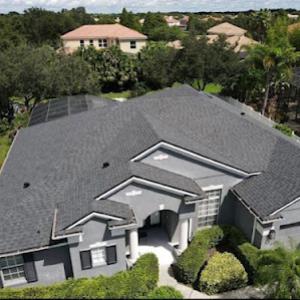
Hi Low ROOFING & SOLAR
(407) 287-6171 hilowroofing.com
13330 W Colonial Dr Suite 110, Winter Garden, Florida
5.0 from 298 reviews
Discover Hi Low Roofing & Solar, premier roofing contractor in Winter Garden, FL. Family-owned with 30+ years of experience. We excel in residential and commercial roofing solutions. Skilled team handles everything from leak repair to installations in shingles, tile, metal, TPO, and flat roof systems. Known for our swift response to emergencies, enhancing property value with solar solutions. Experience unmatched craftsmanship and service excellence.
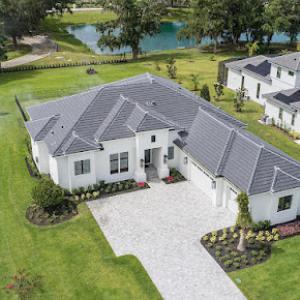
Reliant Roofers & Restoration
(407) 574-8550 reliantroofers.com
553 W Plant St, Winter Garden, Florida
5.0 from 80 reviews
Central Florida roofing contractor, Reliant roofers is a full-service roofing company with generations of industry leading experience. We specialize in residential, commercial and multifamily roofing, providing expert repairs and installations of top of the line roofing products. We partner with our clients to provide a seamless and customized experience. Few decisions have the lasting impact on your home or business as roof installation. With Reliant Roofers, we guarantee long lasting excellence.

Sunray Roofing & Solar
(407) 347-7222 www.sunrayroofs.com
861 Vineland Rd, Winter Garden, Florida
4.9 from 117 reviews
Sunray Roofing and Solar, established in 2019, is a veteran and family-owned local business providing comprehensive roofing and solar solutions for residential and commercial properties in Central Florida. Their highly experienced team offers expert shingle, tile, metal roofing installation and repair services, utilizing top-quality materials to ensure durability and long-lasting protection for your home or business. As a fully licensed and certified solar installer, Sunray Roofing and Solar provides complete solar installation services, including new installations with Tesla or Enphase systems, solar servicing and repairs, detach and reset panels, as well as the removal and reattachment of existing systems.
Certified Roofing Solutions
(407) 907-4722 www.certifiedroofingsolutionsllc.com
1220 Winter Garden Vineland Rd #108, Winter Garden, Florida
4.9 from 81 reviews
Certified Roofing Solutions, LLC is a locally owned and operated residential and commercial roofing company. With over 30 years of experience in the industry, our team of skilled professionals provide high-quality roofing services tailored to meet the unique needs of our clients. We use only the highest quality materials and cutting-edge techniques for new roof installations, repairs, and maintenance. We are a GAF Master Elite roofing contractor. Our services include asphalt shingles, metal roofing, tile roofs, flat roofs, GAF Energy Solar Roofing, TPO, PVC, EPDM, gutter and siding installation, and more. We are committed to providing exceptional customer service and transparency throughout the entire roofing process. CCC1326502 CGC058533

Talco Construction
17304 C R 378, Winter Garden, Florida
4.8 from 78 reviews
WE ARE STILL SERVING CUSTOMERS AND MAINTAINING SOCIAL DISTANCING AND NO CONTACT WHILE PROVIDING ROOF REPLACEMENT AND REPAIR SERVICES. Call or TEXT US at 407-654-4426. Giving you the best roof for your home or business is our number one priority!
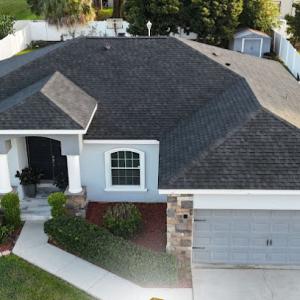
Eagle Roofing & Improvements
(407) 835-2002 eagleroofingandimpr.com
14133 Jomatt Loop, Winter Garden, Florida
5.0 from 19 reviews
Eagle Roofing & Improvements is a licensed and insured roofing company proudly serving Central Florida. We provide high-quality roof replacements, repairs, inspections, and solar panel removal & reinstall services. With a focus on honesty, reliability, and exceptional craftsmanship, our team delivers long-lasting results using premium materials. We serve Orlando, Winter Garden, Clermont, Davenport, Kissimmee, Lakeland, and surrounding areas. Free estimates available.
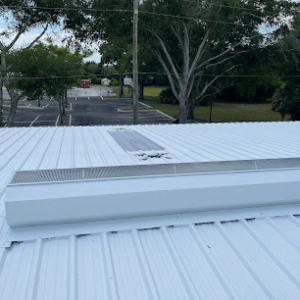
Sun State Roofing
(407) 777-6338 www.sunstateroofingllc.com
153 Sugar Belle Dr B #114, Winter Garden, Florida
5.0 from 18 reviews
We are a locally owned and operated certified roofing contracting business servicing Winter Garden, FL and the surrounding areas. Contact us today!
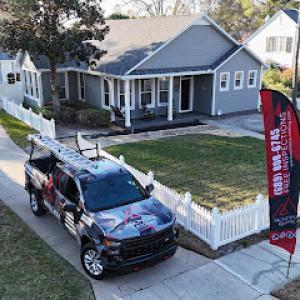
Montana Roofing
(689) 808-6745 www.montana-roofing.com
761 Garden Commerce Pkwy Suite C, Winter Garden, Florida
4.8 from 36 reviews
Montana Roofing is a licensed and insured roofing company (CCC1336345) proudly serving both residential and commercial clients. As GAF Certified Contractors, we meet the highest standards in the industry, offering premium roofing systems backed by superior warranties. Whether you need a full roof replacement, reliable repairs, or preventative maintenance, our experienced team delivers top-quality workmanship and materials on every project. We’re committed to exceeding expectations with honest service, clean job sites, and guaranteed satisfaction. Call today for a free estimate and let us protect your home or business with confidence.

Nations Roof
(407) 649-1333 nationsroof.com
691 Garden Commerce Pkwy #170, Winter Garden, Florida
3.9 from 18 reviews
Nations Roof delivers commercial roofing services with the scale of a national provider and the care of a local partner. Serving Winter Garden and surrounding areas, we offer preventive maintenance, repairs, replacements, and emergency service. Our certified crews work on all roof systems without voiding manufacturer warranties. With 24/7/365 support from our National Service Center and a proven safety culture backed by a 0.47 EMR, we help protect your people, property, and peace of mind. Call our 800 line for emergencies!
Schick Roofing
(407) 749-0808 www.schickroofing.com
Serving
5.0 from 349 reviews
Schick Roofing has been proudly serving Orlando, FL, for over 21 years as a reliable roofing contractor. Our team focuses on clear communication and quality work from start to finish. Whether you need repairs or a full roof replacement in Orlando, we handle every project with care and professionalism. We aim to make the process smooth and efficient, ensuring your home stays protected. Our experienced staff is committed to delivering dependable results and keeping you informed throughout the job. For trusted roofing services in Orlando, Schick Roofing is ready to help with your roofing needs.
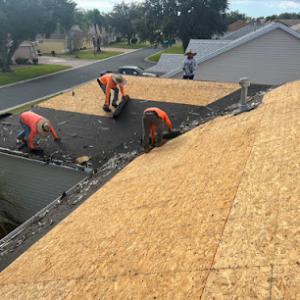
Revive Roofing & Construction
(321) 340-6395 reviveroofingfl.com
Serving
5.0 from 30 reviews
Revive Roofing and Construction is a roofing contractor in Clermont serving Winter Garden, Windermere, Oakland, and nearby areas. Our roofing company offers residential roofing, commercial roofing, roof repair, asphalt shingle roofing, metal roofing, and more. We also specialize in gutter services. Customers love us because of our comprehensive roof warranties and affordable roof financing options. We also have industry affiliations and certifications such as Owens Corning - Preferred Contractor. If you want to experience how your most trusted Clermont and Winter Garden roofing company embraces our motto, “Reviving our community one roof at a time", call us now for a free estimate!
When a full re-roof is planned, the local building department handles it as a formal project rather than informal maintenance. The process starts with submittal of the plan set and related paperwork, so a clear, complete package is essential. In this climate, where summer storms and high humidity test roofs year after year, having the permit in place before work begins avoids delays and helps ensure the roof is up to current wind and water resistance standards.
Before any shingle or tile is lifted, anticipate a plan review that checks roof deck condition, underlayment type, and drainage details. In Winter Garden, plan reviewers look closely at roof-to-wall connections, fascia tie-ins, and any retrofits that may affect wind performance. If the home is older, there is a higher likelihood of additional code-compliance review or wind-mitigation documentation being requested. Gather existing permits, drawings, and any prior wind-mitigation or retrofit certificates to streamline this stage. A well-organized package reduces back-and-forth and keeps the project moving into weather-friendly months.
The process typically includes inspections at several critical stages. The first often occurs after underlayment is in place but before any roofing material is installed, so inspectors can verify deck integrity and underlayment adherence. A mid-project inspection checks that roofing components-including nail patterns, flashing details, and hip and valley termination-meet code requirements and the chosen product's installation guidelines. The final completion inspection confirms that the entire roof system, penetrations, and ventilation meet the approved plan and that any required wind-related features are properly installed. Scheduling these inspections around Florida's wet season can help avoid weather-driven delays; coordination with the contractor and local building department is key.
Older homes can trigger extra scrutiny. Wind-mitigation documentation may be requested before final sign-off, especially if the structure has features that could influence wind resistance, such as older Florida-style fasteners or retrofit work not originally reflected in the permit set. Ensure your contractor reviews the home's existing condition and prepares any needed retrofits or documentation ahead of the final visit. If a mitigation plan is recommended, addressing it early can prevent hold-ups and help achieve a smooth final approval.
Roof age, material choice, and prior claims can tilt renewal terms and premiums in this area's volatile insurance market. For a home in the local mix-from older downtown bungalows to newer tile-driven masses-these forces are not abstract. Insurers scrutinize how a roof has held up under Florida's constant wind, hail, and humidity, and that scrutiny can show up at renewal time as higher deductibles, stricter requirements, or reduced coverage.
In this market, insurers serving this area may ask for wind mitigation certificates, detailed scopes of repair or replacement, and photo documentation before approving roof-related claims or underwriting changes. If a storm has damaged more than one roof in the neighborhood, the pressure on the carrier to see solid documentation rises even further. Having a complete file-photos from before and after the work, a clear scope of what's being replaced or repaired, and any wind-resistance features highlighted-helps prevent sticky debates when a claim hits the desk.
Because many local roofing jobs follow storm events rather than isolated wear, documentation immediately after wind and rain events is especially important. When a hurricane passes through and the sky finally clears, the rush to secure repairs can collide with insurer processes. In those moments, a well-documented sequence-storm impact notes, any temporary tarps or protections, and a detailed repair plan-simplifies the path from assessment to approval. Without timely, organized records, what begins as a straightforward fix can become a protracted dispute that drags on through the next storm season.
Connect with contractors who help homeowners navigate the claims process from damage assessment to final approval.

Level Roofing
(407) 783-8207 www.level-roofing.com
1401 Beulah Rd Ste 120, Winter Garden, Florida
4.9 from 366 reviews
Hi Low ROOFING & SOLAR
(407) 287-6171 hilowroofing.com
13330 W Colonial Dr Suite 110, Winter Garden, Florida
5.0 from 298 reviews
Sunray Roofing & Solar
(407) 347-7222 www.sunrayroofs.com
861 Vineland Rd, Winter Garden, Florida
4.9 from 117 reviews
Winter Garden's tile roofs are a familiar sight, yet many homes hide a quiet vulnerability: the underlayment. Even when the surface tiles still look solid from the curb, the layer beneath bears the brunt of Florida humidity, heat cycles, and those summer storms. In local work, the trend is clear: the underlayment often becomes the age-weak link long before the tile itself needs replacement. You'll want to pay close attention to any words from a trusted local roofer about the underlayment's condition during a tile re-cover or even a minor repair. If you start to detect staining, soft spots, or feel moisture behind interior walls after a rain, those signs point to the underlayment taking on water and failing to shed it effectively. In this market, where tile specialists are common, a proactive assessment of the underlayment is not overcautious-it's practical and cost-effective in the long run.
Low-slope sections pose their own stubborn challenges, especially over lanais, recent additions, or transitions between roof planes. Central Florida's summer downpours stress drainage and flashing details, and that stress shows up quickly on flat to low-slope surfaces. If a lanai roof or a transition area relies on a flat pitch or minimal slope, flashing seams, drip edges, and scuppers become the critical failure points. The consequence is not just a small drip; repeated downpours can push water into vulnerable seams, sills, or interior corners where moisture damage compounds over time. A practical precaution is to have these joints routinely inspected after the wet season's peak and after any heavy storm, even if there's no obvious leak indoors. When a specialist with tile and low-slope experience is involved, you'll get a clearer sense of whether a drainage fix, a flashing upgrade, or a more robust sealant approach is warranted.
When you're planning work, start with a thorough inspection of tile condition and the integrity of the underlayment, then move to the low-slope zones where drainage and flashing are most stressed. In a market with recognizable specialization in tile work and flat/low-slope crews, you'll find the right local expertise to target these aging points without overhauling a whole roof. The goal is to extend life where it tends to fail first and to keep moisture out of the most vulnerable corners during the hot, wet months. Stay vigilant for signs of moisture intrusion after heavy rain, and align major work with the late dry window when possible to minimize disruption and maximize sealing effectiveness.
Find contractors who specialize in clay and concrete tile roofs, known for their durability and curb appeal.
Hi Low ROOFING & SOLAR
(407) 287-6171 hilowroofing.com
13330 W Colonial Dr Suite 110, Winter Garden, Florida
5.0 from 298 reviews
Reliant Roofers & Restoration
(407) 574-8550 reliantroofers.com
553 W Plant St, Winter Garden, Florida
5.0 from 80 reviews
Sunray Roofing & Solar
(407) 347-7222 www.sunrayroofs.com
861 Vineland Rd, Winter Garden, Florida
4.9 from 117 reviews