
Last updated: Apr 19, 2026
Ocoee sits in Orange County's inland storm path, where June through October brings wind-driven rain and tropical systems that commonly turn small roof weaknesses into active interior leaks. The scene after a storm is not "ifs" but "where did the water go?" The moment rain stops, inspect from attic access or a safe ladder location for dripping, staining, or light showing through when the sun hits the roof from above. Small drips near penetrations, vents, or around chimneys can quickly become large leaks if left unattended. The goal is to identify vulnerability points fast, document what you see, and avoid letting a temporary leak become a long-term interior problem.
Because July through September are both storm-prone and extremely hot and humid, emergency dry-ins and tarping often become the first step before a full reroof can be scheduled safely. If you notice active leakage, arrange a temporary tarping by a qualified contractor as soon as weather allows, prioritizing areas above living spaces and ceilings that show staining or sagging. The tarping should cover the entire affected ridge line and any exposed deck or sheathing until a permanent repair or reroof can occur. Do not walk across damaged sections; unstable decking can give way, and a falling ladder or tool can become a serious injury risk. Keep a dry, accessible pathway to the interior to place buckets or towels for containment, and photograph every stage-before tarping, during, and after. These images will prove crucial for insurance documentation and the timeline of emergency actions.
Storms in this climate drive rapid humidity, mold risk, and wood rot once water intrudes. Focus on stopping the leak path first, then control moisture inside the attic and ceilings. Remove any soaked insulation or loosened drywall in accessible spaces to prevent mold growth, but only if you know how to do so without creating electrical hazards or compromising structural integrity. Ventilate areas around the attic with safe, powered fans if permitted, and place dehumidifiers in affected rooms to draw out residual moisture. If attic venting is compromised by debris or damaged soffits, address ventilation barriers as a secondary task once tarping is secured. Delays in drying can compound the cost and scope of a future reroof, so keep this as a top priority.
The local contractor market strongly skews toward storm damage, insurance claims, and emergency repair work, reflecting how often homeowners here need rapid post-storm roof attention. Gather clear evidence: photos of every leak point, weather reports for the storm window, and notes about when you first noticed seepage. Record the type and location of damage-tiles cracked or displaced, flashing that has pulled away, or shingles torn by wind. Maintain a log of all temporary measures taken, including tarping dates, materials used, and decisions to halt work due to weather. When speaking with your insurer, use these details to illustrate the extent of damage and the urgency of a timely assessment. A well-documented file reduces back-and-forth and accelerates claim processing, helping you secure the resources needed for a proper repair and eventual reroof.
With a market tuned to emergency repair, lining up a contractor who can respond quickly matters more than the perfect plan. Seek a firm that can provide same-day assessments, clear scope of work for emergency repairs, and a realistic timeline for a full rebuild when weather permits. Ask for references from neighbors who have navigated post-storm repairs in this neighborhood cluster, especially those who had to coordinate with HOA expectations and insurance approvals. Confirm that temporary safety measures-tarps, debris containment, and water-stopping strategies-are included in the initial work, and set expectations about the sequence of steps: containment, assessment, emergency repairs, and a scheduled reroof when conditions are right. In this market, speed paired with solid documentation often separates a stressful, drawn-out process from a straightforward, protective recovery.
Hurricane-season wind events in this part of Florida have a direct and practical impact on how roofing claims are handled. Carrier practices can hinge on whether the roof or its components show wind-mmitigation features, and the documentation you submit often needs to prove those features existed before the damage occurred. For homeowners in this market, a claim may hinge on whether the roof's underlayment and fastening system survived the blow, and whether those details align with the insurer's expectations. Adjusters are increasingly looking for evidence that ties the damage to wind, not to unrelated aging or wear.
In this environment, dated photos are not merely helpful-they are essential. Before and after images that capture the roof's surface, along with close-ups of shingles, fasteners, underlayment, and any flashing, can dramatically influence the claim's trajectory. Keep repair invoices and any records of prior roof work, especially installations or upgrades that might affect wind performance. If a mitigation feature exists-such as upgraded fasteners, clips, or roof-to-wall connections-document it with product specifics and installation dates. You'll want access to records showing how the roof was constructed and secured at the time of the storm.
Adjusters in this market may rely on independent inspections or mitigation verifications to finalize coverage decisions. That means you should anticipate a review that looks beyond the surface damage. Having a clear trail of evidence-photos, invoices, and notes about the roof's fastening details-helps the independent inspector or verifier align their findings with the insurer's criteria. When the inspector requests access to the attic or to underlayment details, provide straightforward explanations and locate any documentation that confirms the roof's wind-resistance features. The more you can demonstrate that the roof met or exceeded expected standards prior to the event, the smoother the verification process can be.
Recent insurer tightening in Florida translates into scrutiny over roof age, condition, and documentation. For homeowners, this means the healthier a roof appears on paper-covering its age, maintenance history, and evidence of resilience-the more favorable the coverage path can be. Be prepared to justify replacement timelines and to show ongoing maintenance that supports wind performance. If a claim hinges on whether a roof remains insurable under current underwriting rules, your organized records and precise feature descriptions become a central part of the decision-making conversation.
Connect with contractors who help homeowners navigate the claims process from damage assessment to final approval.

Schick Roofing
(407) 749-0808 www.schickroofing.com
Serving
5.0 from 349 reviews
Schick Roofing has been proudly serving Orlando, FL, for over 21 years as a reliable roofing contractor. Our team focuses on clear communication and quality work from start to finish. Whether you need repairs or a full roof replacement in Orlando, we handle every project with care and professionalism. We aim to make the process smooth and efficient, ensuring your home stays protected. Our experienced staff is committed to delivering dependable results and keeping you informed throughout the job. For trusted roofing services in Orlando, Schick Roofing is ready to help with your roofing needs.

Level Roofing
(407) 783-8207 www.level-roofing.com
Serving
4.9 from 366 reviews
Level Roofing uses high-quality materials and employs skilled craftsmanship to create a durable and long-lasting roof. We work closely with you to understand your preferences and budget, providing recommendations based on our detailed understanding of different roofing materials and styles. Our goal is to deliver a roof that not only protects your property but also enhances its aesthetic appeal. Contact us today for an estimate!
Montana Roofing
(689) 808-6745 www.montana-roofing.com
Serving
4.8 from 36 reviews
Montana Roofing is a licensed and insured roofing company (CCC1336345) proudly serving both residential and commercial clients. As GAF Certified Contractors, we meet the highest standards in the industry, offering premium roofing systems backed by superior warranties. Whether you need a full roof replacement, reliable repairs, or preventative maintenance, our experienced team delivers top-quality workmanship and materials on every project. We’re committed to exceeding expectations with honest service, clean job sites, and guaranteed satisfaction. Call today for a free estimate and let us protect your home or business with confidence.
Hi Low ROOFING & SOLAR
(407) 287-6171 hilowroofing.com
Serving
5.0 from 298 reviews
Discover Hi Low Roofing & Solar, premier roofing contractor in Winter Garden, FL. Family-owned with 30+ years of experience. We excel in residential and commercial roofing solutions. Skilled team handles everything from leak repair to installations in shingles, tile, metal, TPO, and flat roof systems. Known for our swift response to emergencies, enhancing property value with solar solutions. Experience unmatched craftsmanship and service excellence.

Sunray Roofing & Solar
(407) 347-7222 www.sunrayroofs.com
Serving
4.9 from 117 reviews
Sunray Roofing and Solar, established in 2019, is a veteran and family-owned local business providing comprehensive roofing and solar solutions for residential and commercial properties in Central Florida. Their highly experienced team offers expert shingle, tile, metal roofing installation and repair services, utilizing top-quality materials to ensure durability and long-lasting protection for your home or business. As a fully licensed and certified solar installer, Sunray Roofing and Solar provides complete solar installation services, including new installations with Tesla or Enphase systems, solar servicing and repairs, detach and reset panels, as well as the removal and reattachment of existing systems.
Reliant Roofers & Restoration
(407) 574-8550 reliantroofers.com
Serving
5.0 from 80 reviews
Central Florida roofing contractor, Reliant roofers is a full-service roofing company with generations of industry leading experience. We specialize in residential, commercial and multifamily roofing, providing expert repairs and installations of top of the line roofing products. We partner with our clients to provide a seamless and customized experience. Few decisions have the lasting impact on your home or business as roof installation. With Reliant Roofers, we guarantee long lasting excellence.
Panther Roof
(407) 315-2612 pantherrooffl.com
Serving
4.9 from 133 reviews
Panther Roof is Orlando’s trusted Roofing Contractor, dedicated to protecting Central Florida homes with honesty and long-term value. We specialize in residential roof replacement and repairs, offering premium architectural shingles and energy-efficient metal roofing systems designed to withstand Florida’s heat and storms. Unlike other roofers, we focus on education, providing every homeowner with photo-documented inspections and clear action plans. whether you need a post-storm inspection, leak repair, or a full roof replacement, our team ensures your property is clean and safe. We also provide gutter maintenance and attic ventilation upgrades to extend your roof's lifespan. Trust the experts who treat your home like their own.
Certified Roofing Solutions
(407) 907-4722 www.certifiedroofingsolutionsllc.com
Serving
4.9 from 81 reviews
Certified Roofing Solutions, LLC is a locally owned and operated residential and commercial roofing company. With over 30 years of experience in the industry, our team of skilled professionals provide high-quality roofing services tailored to meet the unique needs of our clients. We use only the highest quality materials and cutting-edge techniques for new roof installations, repairs, and maintenance. We are a GAF Master Elite roofing contractor. Our services include asphalt shingles, metal roofing, tile roofs, flat roofs, GAF Energy Solar Roofing, TPO, PVC, EPDM, gutter and siding installation, and more. We are committed to providing exceptional customer service and transparency throughout the entire roofing process. CCC1326502 CGC058533
Arruda Roofing
(407) 473-5456 www.arrudaroofing.com
Serving
5.0 from 151 reviews
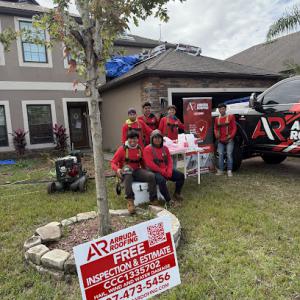
Arruda Roofing has been serving our community for many years, so we know how drastically storms can affect our daily lives. Whether you’re upgrading to a new roof or recovering from storm damage, any roofing project can disrupt your normal life. That’s why we focus on offering fast, high-quality service.
Red Rhino Roofing
(321) 732-6063 roofcontractorsorlando.com
Serving
4.7 from 81 reviews
Red Rhino Roofing provides expert roofing services to residential and commercial clients. As a trusted roofing contractor, we specialize in roof repair, replacement, and new roof installation. Our experienced team is committed to delivering quality workmanship and exceptional customer service on every project. We use premium materials and proven techniques to ensure lasting protection and value for your property. From minor repairs to complete roof overhauls, Red Rhino Roofing is your reliable partner for all your roofing needs. Contact us today for a free inspection and estimate. We are dedicated to exceeding expectations with reliable and affordable roofing solutions.

Next Level Roofers
(407) 237-7960 nextlevelroofs.com
Serving
4.9 from 393 reviews
Next Level Roofers was created to deliver the quality roof homeowners across Central Florida are searching for. Next Level Roofers began as an Orlando roofing company where both office staff and roof installers honed their craft. Our team has a combined experience of over 39 years in the roofing industry and we are dedicated to delivering a high standard of customer service. From humble beginnings, Next Level Roofers has taken their valuable experience and risen to a new level; we look forward to sharing our knowledge with all homeowners.
Florida Roof Doctors
(407) 644-7612 floridaroofdoc.com
Serving
5.0 from 83 reviews
At Florida Roof Doctors, we are your trusted roofing experts in Central Florida. With over 20 years of experience, our licensed and insured team specializes in residential and commercial roofing installations, repairs, and maintenance. We prioritize quality, reliability, and customer satisfaction. Contact us today for a free estimate and experience the difference of our top-notch services. Serving Orlando and its surrounding areas, we are committed to delivering exceptional results for all your roofing needs.
Reroofs in this area benefit from a stable, drying window that reduces moisture-related installation issues and keeps tear-off work moving. Dry-season conditions help crews manage underlayment more reliably and minimize the risk of water intrusion during framing and sheathing exposure. Because afternoons can stay hot, choosing a period with lower humidity and fewer afternoon storms makes material handling smoother and helps crews stay productive through longer shifts without heat-related slowdowns.
November through April is the preferred window for replacement projects. In this stretch, you'll usually encounter clearer skies, lower afternoon shower risk, and fewer rapid weather changes that interrupt workdays. Scheduling within this window aligns with the region's diurnal patterns when fronts tend to be drier, giving the team a predictable rhythm from tear-off to final inspection. If a project must push into late spring, aim for early morning starts and finish by early afternoon to avoid the peak heat.
Summer in this area often brings quick, afternoon thunderstorms that can interrupt tear-off and underlayment installation on Orange County reroofs. Those storms not only slow progress but also complicate moisture control strategies and dust management around sensitive interior spaces. Planning around the wettest months helps keep crews on track and minimizes rain-related delays. If a storm front rolls in during a dry-season window, a contingency plan with shaded staging areas and partial-day work blocks can keep momentum without compromising quality.
During the dry season, crews typically advance from debris removal and deck preparation through underlayment, then membrane or starter courses, followed by shingle, tile, or metal installation. Expect smoother operations when temperatures are moderate, with fewer era-spikes in adhesive or sealant cure times. While the cooler air reduces heat stress, it can also affect curing rates for certain materials, so crews may adjust timelines slightly to maintain warranty-aligned workmanship without rushing.
Coordinate with the contractor for a staggered schedule that respects local storm patterns and your HOA sensitivities, if applicable. Confirm backup days for potential rain events and ensure the crew has secure shelter and water access during longer stretches of dry, sunny weather. Clear, written reminders about access, material staging, and interior protection help prevent delays during the optimal dry-season window.
Get a clear picture of your project costs upfront - no commitment required.
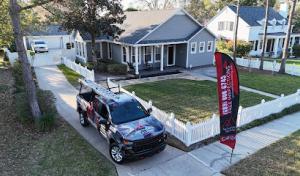
In subdivision-driven neighborhoods, appearance standards often steer material choices toward asphalt shingles, metal, clay tile, concrete tile, wood products, and synthetic shingles. Tile and shingle options tend to be especially relevant because HOA guidelines and uniform exteriors shape what can be seen from the street. When evaluating a reroof, you'll notice a mix of lighter asphalt or synthetic shingles paired with metal options and the occasional heavier tile system. The mix is driven by curb appeal expectations as much as by performance in Central Florida's storm season.
Orange County inspections for reroofs focus on key details: underlayment coverage, the way shingles or tiles are nailed, and wind-resistance methods. If you're weighing lighter shingles or metal against heavier tile systems, you'll want to compare how each system is fastened and how the underlayment sits beneath the visible layers. In practical terms, lighter materials must still meet wind-rated standards and should be compatible with the existing roof deck and fascia. A well-executed installation will show consistent nail patterns, adequate sealing at eaves and ridges, and a watertight transition at transitions to vents and chimneys. Expect inspectors to verify that the chosen system's fasteners penetrate properly and that any required hurricane clips or deck reinforcements are in place.
Some subdivisions add HOA review or material restrictions on top of county permitting, so homeowners often need to confirm whether a visible switch from tile to metal or from one profile to another is allowed. If your HOA's rules favor a particular texture, color palette, or profile, plan for communication with the HOA architectural committee early in the project. It's common to encounter limitations around roof color consistency with existing exterior finishes, as well as caps, ridge details, or the look of a tile's edge. In many cases, a proactive approach-sharing product specifications, warranty details, and how the chosen system supports storm resilience-helps keep the reroof on track with both county requirements and neighborhood expectations.
When you're deciding among tile, shingle, and metal options, assess how each will perform under Florida's exposed storm environment. For subdivisions, prioritize systems that offer robust wind resistance, a compatible underlayment approach, and a finish that aligns with HOA aesthetics. Visually, metal often presents a sleek profile and longer life in warm, sun-drenched neighborhoods, while clay and concrete tiles deliver a distinctive look and strong impact resistance. Asphalt and synthetic shingles provide versatility and ease of repair, especially where HOA guidelines permit mixed textures or more common shingle profiles. Align your choice with the home's shade, roofline complexity, and the surrounding architectural language to sustain curb appeal through Florida's hurricane season.
A full reroof in Ocoee typically requires a permit through Orange County, with the contractor generally handling permit submission and inspection scheduling with the building department. Before any tear-off begins, confirm that the licensed roofer has submitted the permit and that the project scope matches what the county will approve (roof type, underlayment, ventilation, and wind-resistance expectations). Keep a copy of the permit number and the approved plan handy at the job site in case the inspector requests it. If a weather window opens, you can press the contractor to lock in the earliest inspection date, but avoid rushing the intake steps.
Local reroof inspections emphasize underlayment, nailing patterns, and wind-resistance compliance. Expect at least a sequence of sequential checks: roof deck assessment, underlayment installation, nailing pattern verification, and final roof-cover inspection. The building department often documents digital photos and notes from each pass, so ensure the crew follows the plan precisely to avoid re-inspection delays. In hurricane-prone Central Florida, wind uplift testing and fastening patterns are scrutinized, and gaps or improper fastener spacing can trigger re-inspections. Coordinate with the contractor to align material delivery with inspection slots to minimize staging delays. A clear, step-by-step sequence helps keep the project on track in a fast-growing area where scheduling demand from homeowners associations and neighbors can tighten windows.
Beyond county permit approval, some Ocoee neighborhoods may have HOA or subdivision requirements that affect material selection, color, or visible roof profile changes. Check the HOA covenant for approved shingle or tile colors, required profiles, or restrictions on metal visibility from street view. If the HOA requires architectural review, secure any necessary approvals before ordering materials or scheduling work. Have the contractor present product specs and color samples for HOA review, and document approvals in writing. This reduces risk of post-start changes that could slow down the reroof or trigger compliance notices.
In this market, the typical reroof cost per square varies by material. For asphalt shingles you'll commonly see 350 to 650 USD per square, metal 700 to 1200, clay tile 1000 to 2600, concrete tile 900 to 1800, wood shingles or shakes 850 to 1500, and synthetic or composite shingles 800 to 1200. These figures reflect local construction dynamics and the Florida-style roof profiles common in Ocoee subdivisions.
Local pricing can rise after major summer wind events because storm-driven demand compresses scheduling and increases competition for crews handling emergency dry-ins and full replacements. When a storm pushes through, you may encounter tighter availability and higher mobilization costs, even for standard reroofs. Plan for this by securing written estimates promptly after the weather settles and identifying a preferred contractor before the next storm cycle.
Costs in Ocoee are also shaped by Orange County permit requirements, the labor intensity of tile systems common in Florida-style subdivisions, and whether HOA-driven material matching limits lower-cost replacement options. If an association requires a specific color or profile, it can influence both the choice of material and the overall price. Discuss allowance options for upgrading or preserving curb appeal while staying compliant with HOA guidelines.
When budgeting, start with the baseline ranges above and add a buffer for potential demand surges after storms. Gather at least two written bids, verify crew specialization for your chosen system (especially if tile or metal is selected), and map out a realistic schedule that minimizes leaks during rain-prone months. Keep an eye on substitute materials if HOA rules permit a compliant, cost-savvy option.
Don't let upfront costs delay a critical repair - these contractors offer payment plans to fit your budget.
While this area leans toward pitched-roof homes, you'll notice a steady presence of flat-roof and skylight specialists nearby. Porch additions, lanais, garages, and other low-slope transitions show up in Florida-friendly layouts, and these spots often become focal points for wind-driven leaks after heavy rains. In practice, expect that the low-slope parts of your home may tell a different story than the main roof, especially where transitions to walls or parapets occur.
During the summer storm season, wind-driven rain can slam against skylights and roof-to-wall transitions with unusual force. That exposure tends to reveal weak flashing long before the dry season, and once a leak starts, it can travel along framing or insulation, complicating repairs. If a skylight or low-slope corner looks wet after a storm, treat it as a sign to inspect rather than a one-off drip.
Contractors in this market often advertise both reroofing and repair, so homeowners encounter targeted fixes at penetrations and low-slope sections even when the main roof cover remains tile or shingles. Prioritize addressing penetrations-skylights, vents, and transitions-before they become widespread interior concerns. On a home with tile or shingles, those low-slope areas are the weakest link when a storm pushes rain horizontally or when wind lifts loose flashing.
Inspect skylight flashing after major storms and look for loose seals, gaps, or dark staining around edges. Keep an eye on the transition zones where roof planes meet walls-these are common leakage pathways. If a contractor suggests work at a penetration, verify that flashing, sealant, and drip edges are integrated into a cohesive waterproof detail rather than patched in isolation. In all cases, document damage promptly and maintain a cautious approach to rapid, ad-hoc fixes.
Find specialists in TPO, EPDM, and built-up flat roofing systems for residential and commercial properties.

Certified Roofing Solutions
(407) 907-4722 www.certifiedroofingsolutionsllc.com
Serving
4.9 from 81 reviews

The Ocoee market shows unusually strong signals for reroofing, quick response, and cleanup included after tear-off. Homeowners here prioritize fast scheduling and debris control in the days after a storm or leak diagnosis. When you call, expect a contractor who can commit to a prompt on-site assessment, a defined cleanup plan, and a reliable haul-away process for roofing debris. A contractor with a reputation for finishing the job in a tight window helps minimize disruption in busy suburban neighborhoods with active HOA life and frequent vehicle traffic from neighbors and deliveries.
Residential work dominates locally, but there is also a meaningful commercial presence. Do not assume every roofer treats occupied homes the same. You should confirm the contractor's day-to-day experience with occupied suburban homes, including access to driveways, keeping landscaping intact, and protecting outdoor living spaces during tear-off. Ask for recent references from nearby single-family and townhome projects, and verify that their project timeline aligns with your family's routines, school schedules, and HOA expectations.
Because only a smaller share of contractors signal manufacturer certification or formal warranty emphasis, ask directly who backs workmanship and material warranties. In addition, request documentation showing the installer can certify compliance for Orange County inspections. Favor firms that provide written warranty details, a clear point of contact for warranty issues, and a documented process for post-installation follow-up. A trustworthy crew will offer a dedicated supervisor or project manager reachable during cleanup days and will outline how debris containment measures are implemented from tear-off through final inspection.