
Last updated: Apr 19, 2026
In Longwood, the highest roofing disruption occurs during the June through October rainy season and the heart of hurricane season. Heavy daily downpours, tropical systems, and sudden squalls push tear-offs and roof work onto a tighter, less predictable timeline. That means you should expect weather to dictate when a contractor can safely remove old shingles, seal flashing, and perform a full top-down repair. Those months aren't just hot-they're busy, with frequent storms that pause work and bump projects to the back burner. If a leak starts during a storm, action is all the more urgent, because delays compound exposure and potential interior damage.
Because Seminole County sits inland rather than on the coast, Longwood experiences wind-driven shingle loss and exposed flashings even without a direct storm surge event. A strong afternoon gust can peel a row of shingles, lift a flashing boot at a vent, or loosen the hip and ridge cap where weathering has already softened surrounding shingles. This means the moment you notice wind-damaged shingles or wind-borne granules in the gutter, you're not waiting on a hurricane-you're dealing with the immediate risk of ongoing water intrusion and accelerated aging from repeated weather assaults. The key is to treat any wind or impulse damage as an active risk rather than a cosmetic concern.
Neighborhoods with mature tree cover are a staple in Longwood, and that shade comes with a trade-off. Summer storms pack branches, palm fronds, and grit that can punch through weaker shingles and accumulate in valleys. Debris in the valleys can trap water and create micro-leaks long before a visible drip appears. Roof valleys are particularly vulnerable to puncture or cracking when heavy branches strike or loosen gutters and fascia. If a storm hits and debris starts to pile up on the roof, treat it as an urgent clean-up task. A blocked valley invites leaks that can spread beyond the initial impact site, complicating future repairs.
When a leak starts during a storm or soon after, your first move is to protect interior spaces with a temporary barrier-plastic sheeting sealed with painter's tape can slow water intrusion until a professional can assess. Then document the damage with clear, dated photos showing the interior and the roofline from multiple angles. Keep a log of storms, noting delivery times, wind speeds if available, and any accompanying hail or debris events. This record becomes essential when coordinating with a contractor and your insurer, particularly when the June-October window narrows the window for priority scheduling.
Storm-charged periods push tear-offs into tight windows, so you should plan for potential delays in roof replacement during this months-long stretch. Coordinating with a contractor who understands Longwood's seasonal rhythm-who can prioritize high-risk areas like valleys, vents, and flashings while balancing rainfall forecasts-helps. If a project stalls due to rain, use the downtime to prep surrounding areas: clear gutters, trim overhanging limbs that could re-damage work, and ensure access routes to the roof are safe. When work resumes, insist on a wind-rated assembly that aligns with Seminole County's expectations for storms, so the repair stands up to the next round of tropical weather.
After a storm, you want a quick-start path for repairs and insurance communication. Gather notes on the extent of wind and debris impact, timestamps for when leaks began, and the sequence of affected rooms. Save contractor reports that detail applied patches or temporary fixes, and request a formal written assessment that highlights vulnerable seams, flashing, and any valley damage. A tight, well-dated record accelerates the claim review and helps ensure the right follow-up work is scheduled promptly once weather allows.
When planning a re-roof in this inland Central Florida area, timing isn't a luxury-it drives schedule reliability. November through March offers the driest stretch, steadier installation cadence, and fewer weather stoppages. That window reduces the risk of sudden summer storms halting work and helps crews keep tear-off and replacement within a predictable timeframe. In practice, scheduling during this period can minimize days lost to rain, high humidity, and heat-related slowdowns, keeping the project closer to the planned timeline.
Summer heat and humidity in Central Florida press crews to move methodically. Heat can soften underlayment, complicate fastener handling, and slow sheet-metal work or tile adjustments. Humidity affects material handling on the roof, especially when shingles or tiles must be kept dry and clean during tear-off and dry-in stages. A practical approach is to target a dry-in during the cooler parts of the day, with crews prioritizing interior protection and ventilation when possible. For a successful tear-off, you want to ensure temporary weatherproofing is reliable, because a humid afternoon can suddenly bring a pop-up shower and leave exposed decking vulnerable.
If the project starts in late fall or early winter, plan for a compact teardown-to-dry-in sequence that avoids lingering exposed decking. This reduces the risk of wind-driven rain infiltrating attic spaces and ceilings during the wet spring transition. On a typical year, you'll notice the crew's rhythm improves once the first hard freezes are far away and temperatures stay moderate, which supports steadier materials handling and faster progression from deck to roof. The practical upshot: you'll benefit from a concentrated block of clear days, not a piecemeal schedule scattered across unpredictable May storms.
Post-storm demand spikes can stretch timelines in Seminole County even when approvals are usually wrapped in a couple of weeks. After a major weather event, a surge of emergency repairs and insurance-driven projects can back up crews and materials. A proactive approach is to lock in a preferred crew and confirm a provisional start date when conditions allow, with built-in contingency days for possible weather delays. It helps to align power and water supply for the site ahead of the installation, and to verify that the crew has experience with wind-rated assemblies common to Seminole County requirements. Keeping communication clear with the contractor about potential pauses before a critical dry-in phase can spare last-minute schedule shifts.
Coordinate with the chosen contractor to target a November-to-March start, and build a small buffer into the plan for a potential continuation into early spring if a cold front or a late cold snap extends work into March. Request a detailed daily plan that includes tear-off sequence, underlayment installation, and shingle or tile installation order, so you can monitor progress during heat spikes. Ask about temporary attic protection measures and shingle storage on the roof to minimize damage from humidity-driven sweating or wind. Finally, confirm that the crew uses wind-rated assemblies appropriate for local exposure, and verify the dry-in milestones so you know when interior protection is secure.
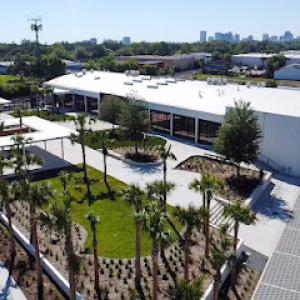
Edge 2 Edge Roofing
(877) 488-3343 www.edge2edgeroofing.com
1609 Cherrywood Ln, Longwood, Florida
5.0 from 152 reviews
Edge 2 Edge Roofing is a family-owned company, with a commitment to delivering a quality product at a fair price, while insisting on superior customer service. Since 2010, we have worked hard to establish and maintain our reputation as Southeast’s premier commercial roofing company. Focusing on the customer is part of our culture. We pride ourselves on running the company with small business service, but with large business capabilities.
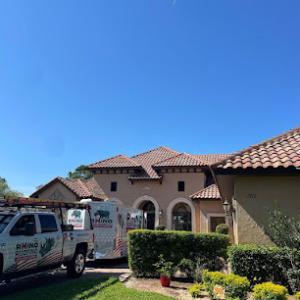
Rhino Roofing Orlando
(407) 388-7700 rhinoroofingorlando.com
385 Commerce Way, Longwood, Florida
4.9 from 313 reviews
Rhino Roofing is your trusted local Roofing Company in Orlando, longwood & surrounding areas, offering high-quality roof repair, replacement, and installation services. With years of experience and a commitment to excellence, we protect your home with durable, weather-resistant roofing solutions. Whether residential or commercial, we ensure top-notch craftsmanship and reliable roofing services. Contact us today for a free roof inspection!
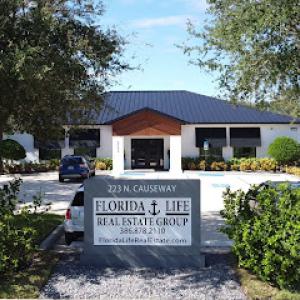
TC Metal Roofing
(407) 878-3125 tcmetalroofing.com
1000 Charles St, Longwood, Florida
4.9 from 275 reviews
We offer all types of Roofing from Residential to Commercial. We specialize in Metal Roofing but are very familiar with other applications. We also build new construction homes.
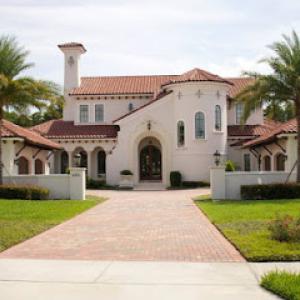
Central Homes Roofing & Solar
(407) 732-7262 centralhomesroofing.com
1920 Boothe Cir #200, Longwood, Florida
4.8 from 1235 reviews
Central Homes Roofing & Solar is your trusted roofing contractor in Central Florida, offering expert roofing services for both residential and commercial properties. We provide roof repairs, full roof installations, roof replacements, and solar panel installations. We help protect your home with reliable, long-lasting results. Serving the surrounding areas of Longwood, we are committed to delivering quality craftsmanship and professional service.
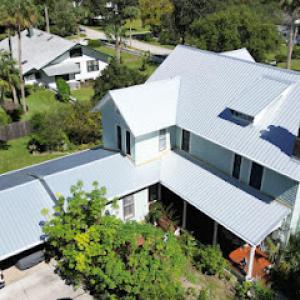
TruGrit Roofing
(407) 772-6942 trugritroofing.com
300 N Ronald Reagan Blvd, Longwood, Florida
4.9 from 65 reviews
TruGrit Roofing is a trusted commercial roofing contractor based in Longwood FL, serving Orlando and surrounding Central Florida areas. We specialize in metal, aluminum, asphalt shingle, tile, torch down, and EPDM roofing systems for warehouses, offices, and industrial buildings. Whether it’s a full roof replacement or a new installation, our team delivers high-quality, Florida code-compliant roofing with fast turnaround and expert craftsmanship.
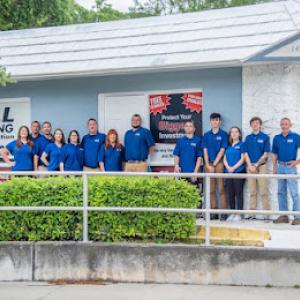
All Roofing & Construction
(407) 960-2180 www.allroofingandconstruction.com
1490 W State Rd 434 SUITE 108, Longwood, Florida
4.9 from 150 reviews
All Roofing & Construction stands out as the premier choice for roofing services in Tampa, Orlando, and Daytona Beach, FL. With three generations of roofing expertise and 50 years of combined experience, we've built our reputation on delivering exceptional results. Our team of ShingleMaster and HAAG certified installers ensures that every project is completed to the highest standards. We're your partners in safeguarding your property with durable, high-quality roofing solutions. From residential to commercial projects, our family-owned business is committed to transparency, efficiency, and customer satisfaction. Whether you need a quick repair or a complete roof overhaul, we're here to exceed your expectations.
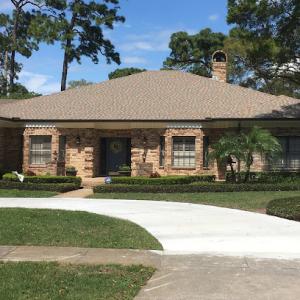
Silverstone Roofing
(407) 782-0382 www.silverstoneroofingfl.com
195 Wekiva Springs Rd Suite 211, Longwood, Florida
4.9 from 80 reviews
Roofing contractor specializing in residential roof replacement, repairs, and insurance claims in the Greater Orlando area.
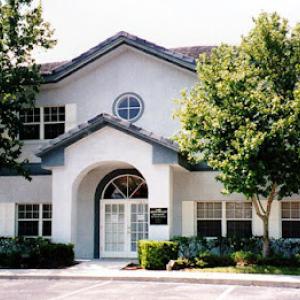
Lewis Roofing
(407) 565-2360 lewisroofingfl.com
237 N Hunt Club Blvd Suite 201, Longwood, Florida
4.7 from 457 reviews
Combining years of experience with a dedication to client satisfaction, Lewis Roofing has established itself as the local leader in the following specialties: Roofing Services, Roofing Contractor and Roofing Repair.
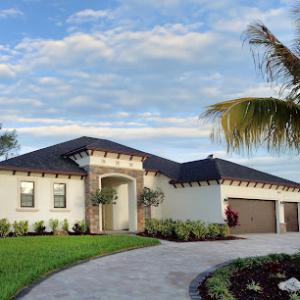
Empire Exteriors
(321) 972-4391 www.empire-exteriors.com
195 Wekiva Springs Rd Ste 201, Longwood, Florida
4.9 from 52 reviews
As Central Florida's hometown roofer, Empire Exteriors promptly restores roofs and protects homeowners' investments. Empire specializes in storm damage inspections, tarp coverings, roof restoration, roof repair and complete roof replacements. The team at Empire Exteriors works closely with insurance companies to ensure a seamless claims process. By choosing Empire Exteriors, customers can trust that their roofs will be expertly repaired or replaced, providing peace of mind and restoring their homes' structural integrity.
HD Roofing & Solar
477 Commerce Way, Longwood, Florida
4.7 from 610 reviews
We crown your home with quality roofing. Choose to protect your home with the best quality roofing, and trust Central Florida’s #1 roofers. We Are HD Roofing & Solar! Roof replacement. Roof Repairs. Solar Panels. Metal Roofs. Shingle Roogs. Tile Roofs. Residential and Commercial Roofing.

Roof Pros USA
(407) 831-7663 www.roofprosusa.com
794 Big Tree Dr #108, Longwood, Florida
4.8 from 129 reviews
Roof Pros USA is a leading roofing contractor based in Central Florida, bringing over 19 years of expertise to residential roofing services. Our dedicated team of professionals uses top-quality materials and advanced equipment to deliver exceptional results on every project. We specialize in a comprehensive range of roofing services, including repair, replacement, installation, maintenance, and inspections across various roofing systems like tile, shingle, metal, and flat roofs. Committed to client satisfaction, we offer personalized service, competitive pricing, and reliable workmanship to ensure peace of mind for every customer.
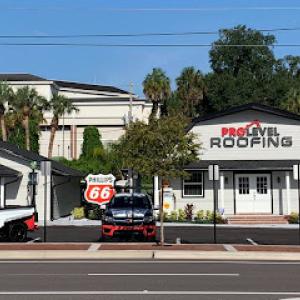
Prolevel Roofing
(407) 790-7001 www.prolevelroofing.com
480 Needles Trail, Longwood, Florida
4.9 from 57 reviews
PROLEVEL ROOFING is comprised of highly trained and dedicated team members that are committed to quality results. We are proud of our excellent reputation. Owner Justin Solitro is a Florida native and University of Central Florida graduate. He is a licensed Professional Engineer and Certified Roofing Contractor in the State of Florida. With over 15 years of experience in the construction, Justin encountered the best practices and worst practices in roofing. He identified the need for a roofing contractor that was committed to quality installations and would stand behind the work they provided. PROLEVEL ROOFING uses only the highest quality materials and we are proud to be certified installers for the industry leading roofing products.
A full roof replacement in Longwood typically requires a permit through Seminole County, not just a contractor work order. That means your project will go through a formal review process where plans, underlayment details, and anchors are checked for compliance. The county's emphasis on wind-rated assemblies matters, especially after the hot-humid Florida storm season can loosen shingle edges or reveal wind uplift vulnerabilities. Expect the permit to cover not only the roofing material but also the flashing, drip edge, and any venting or ventilation changes tied to the roof assembly.
Local review centers on code compliance and wind-rated underlayment requirements. After a storm season, inspectors look closely at how the roof transitions from deck to membrane and how fasteners penetrate through to the sheathing. In practice, that means you should have a clear plan showing wind-rated underlayment, fastener patterns for your chosen shingles or tiles, and confirmation that all penetrations (vent stacks, chimney flashings, drains) meet current Florida Building Code standards. The goal is to minimize leaks during seasonal wind events and prolonged heat exposure.
Homeowners should expect inspection checkpoints at rough-in and final stages. Rough-in checks verify structural supports, deck integrity, and initial underlayment installation before shingles or tiles go on. Final inspections confirm completed roofing work matches the approved plans, including proper nailing, flashing installation, and venting. Processing times vary by department workload, so timing can shift with the summer-to-fall surge after storms. Prepare for potential short delays if any plan details require clarification or if additional documentation is requested by the inspector.
Begin with the county permit application early in the project, and provide full roof plans that highlight wind-rated components and underlayment type. Coordinate with the roofer to align the installation schedule with permit review windows, since delays at either rough-in or final stages can push your project timeline into heavier Florida weather months. When the inspector arrives for rough-in, be ready to demonstrate material certifications and installation manuals for the selected wind-rated system. For the final inspection, ensure all components-drip edge, flashing around vents and chimneys, and proper termination at eaves-are securely in place and match the approved drawings.
Longwood's dominant residential roof mix includes asphalt shingles, metal, clay tile, concrete tile, wood shakes, and synthetic/composite products, reflecting both older established homes and newer replacement preferences in Seminole County. The Central Florida heat and frequent summer storms shape how these materials perform over time, so choosing a roof type that stands up to heat, humidity, and wind is especially practical. Tile remains a practical option, but cracked field tiles and aging underlayment are a concrete concern when heat cycles and storm exposure accelerate deterioration. In Longwood, a careful balance between upfront performance and long-term resilience helps homeowners weather both the daily sun and the season's surprises.
Clay and concrete tile carry curb appeal and durability, yet the Central Florida environment presses on their joints and underlayment. Cracked field tiles aren't rare after a vigorous storm or a hot afternoon expansion-contraction cycle, and the underlayment beneath tile can age more quickly than the visible surface. If choosing tile, prioritize synthetic underlayment with good ventilation, and ensure fasteners and batten systems are rated for high-wind events. Routine inspection after late-summer storms can catch hairline cracks before leaks develop, and a proactive approach to tile repair-rather than full replacement-can extend the roof's life without compromising performance.
Metal roofing is a strong local consideration because Longwood homeowners often prioritize wind performance and lower maintenance after repeated summer storm exposure. Standing-seam panels and well-fastened profiles resist uplift, and metal's surface sheds rain quickly, which helps during Florida's intense downpours. When selecting metal, look for systems with sealant integrity at seams, corrosion-resistant finishes, and adequate attic ventilation to manage heat transfer. A metal roof can pair well with attic fans or radiant barriers, reducing cooling loads in a climate where efficiency matters as much as durability.
Asphalt shingles remain common across Longwood homes, especially where existing structures were originally built with them. Modern, wind-rated shingles with impact resistance provide a practical, cost-effective option that can be upgraded over time. For homes with multiple roof planes or transitioning between materials, careful detailing at transitions, valleys, and penetrations is essential to prevent leaks that are often triggered by afternoon storms. A blended strategy-using asphalt in lower-risk sections and higher-performance options on exposed faces-offers sensible resilience without sacrificing compatibility with older structures.
Across all roof types, the hot-humid cycles and storm exposure in Longwood make timely inspections crucial. Regular checks after hurricane season and during dry spells help identify cracked tiles, lifted shingles, or aging underlayment before leaks appear. Drainage and gutter health are similarly important; clogged systems amplify standing-water risks and accelerate wear at fascia and trim. A proactive plan that pairs material-specific maintenance with storm-driven leak response will protect the roof's integrity through many Central Florida summers.
Typical Longwood pricing follows the provided market ranges, with asphalt shingles at 350-550 USD per square, metal at 700-1100, clay tile at 900-1400, concrete tile at 800-1200, wood shingles/shakes at 600-900, and synthetic/composite at 450-800. Your project cost will hinge on the chosen material, the roof's complexity, and whether you're replacing existing underlayment or fixtures. In neighborhoods with mature oaks and partial shade, you'll often see a modest premium for access challenges and debris management, but the core price bands above remain your starting point.
Costs in Longwood can rise after tropical storms when regional demand surges across Central Florida and contractors balance emergency repairs, tarping, and full replacements. If a storm has weakened shingles or exposed timber, the replacement timeline tightens and crews may need to prioritize urgent work, which can push labor rates upward or create scheduling premiums. When estimating, factor in temporary protection measures, faster project sequencing, and the possibility of storm-related material shortages that can affect availability and lead times.
Material choice matters more here because heavier tile systems, wind-rated underlayments, and repairs around skylights or low-slope transitions commonly found on Florida homes can add labor and detail work. Concrete and clay tile bring robust long-term durability but may require reinforced decking and specialized fastening, especially on Florida wind zones. Metal holds up well against storms but can incur higher initial install costs and flashing details around hips, valleys, and penetrations. If a home has skylights or a low-slope section, expect extra labor for flashing, sealant, and possible window edge protection.
For an asphalt shingle project, budget on the lower to mid-range, with a cautious allowance for debris removal and minor skylight resealing if present. For tile or metal, set aside a contingency for underlayment upgrades and wind-rated accessories. Synthetic options can offer a balance between cost and performance, particularly if the roof features complex transitions. With the Longwood climate and storm cycle in mind, a conservative cushion of 5-10% beyond estimate helps cover unexpected sheltering or tarping needs during a busy recovery period.
Find contractors experienced in skylight installation, flashing, and leak repairs to bring natural light into your home.
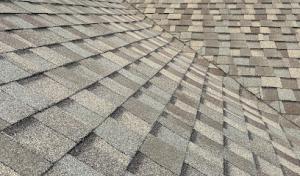
JCM Roofing Services & JCM Restoration
(407) 878-6648 jcmroofing-restoration.com
1076 Florida Central Pkwy, Longwood, Florida
4.9 from 199 reviews
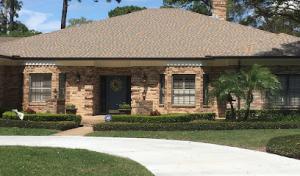
Silverstone Roofing
(407) 782-0382 www.silverstoneroofingfl.com
195 Wekiva Springs Rd Suite 211, Longwood, Florida
4.9 from 80 reviews
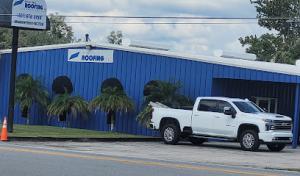
Brian Sikes Roofing
(407) 878-3750 www.briansikesroofing.com
210 North St, Longwood, Florida
4.9 from 41 reviews
Your home sits in a high windstorm-claim environment, where insurers routinely scrutinize roof condition records before and after storm events. In practice, that means every shingle lift, tile crack, or flashing vulnerability gets reviewed with your claim. A roof that looks weathered or lacks recent maintenance can slow or complicate reimbursements, especially after a remnant hurricane impulse or a strong afternoon thunderstorm. This isn't about fear-it's about clear documentation you can lean on when lines of communication with the carrier tighten.
Older roofs in older neighborhoods tend to meet more scrutiny, and premiums can hinge on the proof that your roof is wind-resilient. If your roof shows aging signs-granule loss, loose panels, or dated underlayment-insurance decisions may hinge on mitigation details. The practical takeaway is to keep a steady record of wear patterns, previous repairs, and any retrofit work that strengthens wind performance. These records do more than justify a claim; they can influence underwriting decisions when the insurer re-evaluates risk after a severe storm.
After a storm, take comprehensive photos: missing shingles, lifted metal panels, cracked or displaced tiles, interior staining, and any temporary tarping you applied. Florida carriers often reassess coverage or claim scope based on those visuals, so timely, dated images become your best ally. Store them in a labeled file or cloud album with storm dates and specific concerns. This simple habit can help bridge gaps if a carrier questions the extent of damage or the need for further evaluation.
In this market, staying proactive with inspections and organized records isn't just prudent-it's practical resilience. When a storm passes, your immediate, clear photo trail and well-kept notes can protect your coverage and speed recovery, so you're not left navigating ambiguity during a stressful, Florida-focused claim season.
Connect with contractors who help homeowners navigate the claims process from damage assessment to final approval.
JCM Roofing Services & JCM Restoration
(407) 878-6648 jcmroofing-restoration.com
1076 Florida Central Pkwy, Longwood, Florida
4.9 from 199 reviews
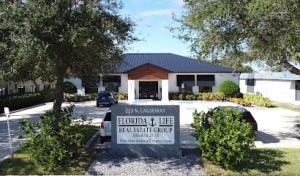
TC Metal Roofing
(407) 878-3125 tcmetalroofing.com
1000 Charles St, Longwood, Florida
4.9 from 275 reviews
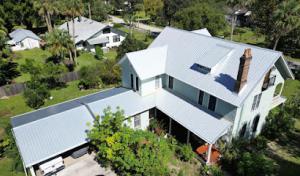
TruGrit Roofing
(407) 772-6942 trugritroofing.com
300 N Ronald Reagan Blvd, Longwood, Florida
4.9 from 65 reviews
In the storm pattern that hits this area, ridge and hip shingles often bear the brunt first. A wind-driven rain event can peel back edge shingles or shift fasteners on ridges, creating tiny leaks that grow over the hot, humid season. Flashing around vents, chimneys, and skylights is another pressure point; in older homes, misaligned or corroded flashing is a frequent culprit. Valley areas, where two roof planes meet, are especially prone to clogging with leaf debris from mature oaks and pines, turning minor pooling into persistent leaks. Underlayment fatigue beneath tile roofs shows up as delamination or exposed fasteners after repeated sun exposure and heavy downpours.
Frequent rain and humidity accelerate aging and can turn small flashing defects into recurring attic leaks during the summer wet season. Look for damp spots on attic sheathing after storms, black mold patches along eaves, or a musty smell that lingers after rain. If you notice shingles curling at the edges, missing granules, or granule buildup in gutters, those are early indicators of compromised surface protection. For tile roofs, pay close attention to any displaced, cracked, or chipped tiles, since gaps here invite wind-driven rain into underlayment and structure.
Homes with skylights, low-slope rear additions, or mixed roof sections are more vulnerable during wind-driven rain events common in Central Florida thunderstorms. Skylight seals can fail with age or improper flashing, and low-slope additions invite faster water movement toward previously protected areas. With mixed sections, mismatched materials or aging underlayment create asymmetrical leak paths that may trap moisture in hidden spaces. Proactive inspection after each major storm helps keep these problem areas contained before small leaks turn into costly repairs.
Find contractors experienced in skylight installation, flashing, and leak repairs to bring natural light into your home.
JCM Roofing Services & JCM Restoration
(407) 878-6648 jcmroofing-restoration.com
1076 Florida Central Pkwy, Longwood, Florida
4.9 from 199 reviews
Silverstone Roofing
(407) 782-0382 www.silverstoneroofingfl.com
195 Wekiva Springs Rd Suite 211, Longwood, Florida
4.9 from 80 reviews
Brian Sikes Roofing
(407) 878-3750 www.briansikesroofing.com
210 North St, Longwood, Florida
4.9 from 41 reviews