Last updated: Apr 19, 2026
Inland Central Florida rooftops bear the brunt of hurricane wind-driven rain more often than salt-scented coastal storms. The wind maps over elevated neighborhoods around the Lake Wales Ridge push gusts harder and thinner across ridge lines, lifting shingles and tiles that sit on sun-dapped days. A roof that looks solid after a thunderstorm can fail when the next squall rips through, turning a small leak into carpet-soaked ceilings in a matter of hours. The combination of heat, wind, and sudden downpours means you should treat every visible shingle lift or micro-crack as a warning sign, not a cosmetic issue.
During the wettest stretch of the year-from late spring into fall-the sky can churn from clear to tempest in minutes. Thunderstorms re-energize the air, and wind gusts ride off the hills with surprising punch. A misaligned shingle edge, a cracked vent boot, or a loose edge tile can become a conduit for water that travels along the underside of the roof deck, then finds a way inside through attic penetrations or ceiling joints. Those early-season bursts are not rare events; they are a pattern that repeats with little warning. This is exactly when preventive checks-before a storm-pay off in real dollars and real comfort inside the home.
Exposed ridge and hilltop homes see stronger gusts than more sheltered subdivisions, especially on days when storms sweep in from the north or west. A roof on a high point will experience higher wind uplift, which means even small deficiencies become failure points. If your shingles show curled edges, if metal panels sit loosely along valley lines, or if roof penetrations lack proper sealant, the next passing gust can expose the weakness. In Clermont, the difference between a minor repair and a major leak often comes down to the edge fasteners and the condition of attic insulation and ventilation that keep roof deck temperatures in check during a storm. Pay particular attention to ridge caps, gable ends, and any flashing around chimneys or skylights-these are common leak pathways on hilltop homes.
When a storm passes, don't wait for a drip to surface before taking action. If you notice damp spots along ceiling joints, bubbling paint, or a musty odor near an interior wall, start with a simple step: locate the nearest suspected entry point from the attic or attic hatch and seal it temporarily with waterproof plywood or heavy tarp. Use bucket collection for active leaks overhead and keep doors closed to minimize humidity damage. If you smell or hear rain intrusion, treat the area as urgent and arrange a same-day roof evaluation. In the meantime, document everything with photos and notes: the date, the affected area, the visible roof features around the leak, and any prior repair notes. This becomes the backbone of a fast, accurate repair plan.
In a hillier Central Florida neighborhood, having a clear, immediate plan for damage control is essential. After you secure the area, contact a local roofing professional who understands ridge-top wind dynamics and tile or shingle edge lift behavior. Expect questions about recent storms, observed wind speeds, and any prior patchwork. Prepare access to attic and exterior areas during the assessment, as inspectors will need to observe flashing, underlayment condition, and vent penetrations from both the roof plane and interior attic spaces. The most effective response combines a timely on-site inspection with a prioritized repair list focused on preventing further water intrusion until you can schedule a full replacement if needed. Here, the time between a leak appearing and a contractor beginning work can hinge on how well you've documented the issue and how fast you secure temporary protection for the interior.
Asphalt shingles, metal roofing, clay tile, concrete tile, wood shakes, and synthetic shingles all appear in this market, but heat, humidity, and storm exposure make attachment details and underlayment choices especially important. In hillier neighborhoods with windy June through September days, the roof system must resist uplift, handle rapid temperature swings, and shed rain quickly after a storm. A solid underlayment strategy paired with a careful fastener pattern is as critical as the roof material itself. Expect long summers that push fasteners and sealants toward their limits, and plan for attic ventilation that keeps the deck cool and reduces ice dam risk in the unlikely cooler snaps. The best choice balances wind performance, heat reflection, and the ability to match or maintain the home's profile.
Tile roofs are common on higher-end Central Florida homes, but replacements can become more complicated when matching older profiles or colors in established subdivisions is difficult. Clay and concrete tiles offer excellent longevity and a cooling mass, which helps in hot months, but their weight and profile must align with existing rafter structure and color family. If an older home uses clay profiles, your replacement tile should respect that silhouette to avoid mismatched lines that draw attention away from the roof's union with the home. Concrete tile tends to be a versatile option for new installs or major upgrades, yet stone-like textures can shift reflected heat and glare-an important consideration on mid-afternoon days when the sun sits high over the ridge. When color matching isn't feasible, a modern light-reflective finish atop concrete or clay can help manage heat without compromising curb appeal. Clay and concrete tiles also demand careful flashing around chimneys, vents, and skylights to resist wind-driven rain during storms.
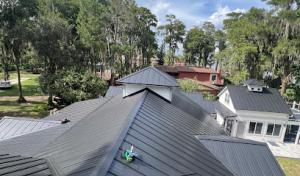
Metal roofing is a meaningful local specialty, reflecting homeowner interest in wind performance and long service life under intense Central Florida sun. Metal assemblies typically attach more securely in high wind zones when paired with multiple anchor points and corrosion-resistant fasteners. Standing-seam systems excel at shedding water quickly and maintaining a clean appearance after storms, while exposed-fastener panels require meticulous sealant and panel edge detailing to prevent leaks in the event of tree impact or heavy rainfall. Color choices matter for heat management; lighter hues reflect more solar radiation and help extend shingle deck life, while coatings shield against Florida's humidity and salt air in coastal-adjacent pockets. For existing homes, consider a retrofit solution that preserves architectural lines while upgrading to a wind-resilient attachment pattern and a robust underlayment system.
Regardless of material, the underlayment must stand up to intense sun and sudden downpours. Use a high-quality, continuous underlayment with a weather-tight seal along all eaves and rakes. In hillier neighborhoods, pay attention to attic ventilation, ridge vents, and baffle placement to keep the roof deck dry from the inside out. Fastener patterns should be designed for uplift resistance in typical Clermont wind profiles, with appropriate corrosion-resistant materials in coastal-adjacent lots. For tile and metal, ensure flashing around penetrations, skylights, and chimneys is continuous and mechanically fastened, not merely taped. A well-executed drip edge and gutter integration help manage seasonal downpours and protect the fascia from supplementary moisture during heavy storms.
Local reroof pricing can spike after major Florida wind events because Clermont competes with the wider Orlando-area labor pool and storm-driven material demand. In practical terms, you'll see bids drift upward after a hurricane season or a series of intense storms, even for basic replacements. Insurance-driven projects and emergency repairs can pull crews away from routine work, narrowing availability and pushing prices up for a few weeks. Keep an eye on weather forecasts and start conversations with contractors early to lock in schedules and avoid last-minute surcharges.
Asphalt shingles sit in a broad middle ground, but the actual out-the-door price will hinge on roof complexity and staging needs in hillier neighborhoods. Typical cost ranges per roof square are about 350 to 750 dollars, depending on shingle quality, underlayment, and waste disposal. For metal, tile, or high-end composites, the picture broadens because accessory components-underlayment systems, fasteners, flashings, and drip edge-become more integral to the job. Metal projects commonly run from 700 to 1,500 dollars per square, while clay tile can swing from 1,000 to 2,400 dollars per square and concrete tile from 800 to 1,800 dollars. Wood shingles and synthetic/composite shingles land in roughly 650 to 1,200 dollars and 500 to 1,000 dollars per square, respectively. Those ranges reflect the nuanced mix of materials and installation specifics seen around steeper Clermont homes.
Steeper rooflines are a regular feature in this area, and they matter financially. More ascent and longer ladder time raise labor and staging costs, and crews often need additional weather protection, safety equipment, and temporary enclosures. Tile and metal projects especially feel the impact because cutting, fitting, and fastening on a sloped surface demand extra care and specialized rigging. If a project includes intricate eave work, skylights, or metal edging that requires precise flashing integration, you'll see price increments beyond the raw material costs. In practice, expect a broader spread on tiles and metals than on asphalt if the roof has multiple angles, penetrations, or complex geometry.
Plan for a contingency of 10-20% above the initial bid to cover staging, weather-related delays, and material fluctuations after major wind events. Compare multiple bids that itemize underlayment, flashing, and fastening systems separately from the field material. Request a clear breakdown of costs for removal and disposal, especially on older roofs where debris volume is substantial. Finally, when tile or metal is chosen, verify that the proposal includes all accessory components and a detailed warranty scope, since those elements often drive the local price swings more than the exposed field material itself.
Don't let upfront costs delay a critical repair - these contractors offer payment plans to fit your budget.
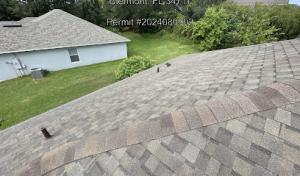
Titan Roofing
(352) 721-0398 www.titanroofingprofessionals.com
450 FL-50 #3, Clermont, Florida
4.8 from 306 reviews
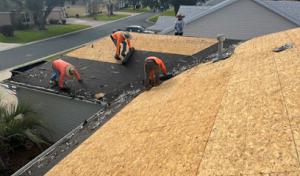
Revive Roofing & Construction
(321) 340-6395 reviveroofingfl.com
17550 Cobblestone Ln, Clermont, Florida
5.0 from 30 reviews
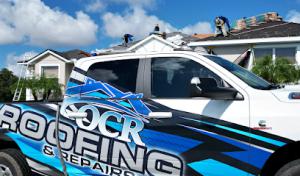
OCR Oviedo-Clermont Roofing
16215 FL-50 Suite 305, Clermont, Florida
4.7 from 193 reviews
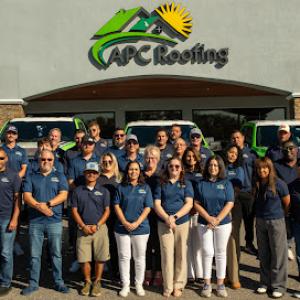
APC Roofing
(407) 565-9921 www.apcroofing.com
150 W Hwy 50, Clermont, Florida
4.9 from 531 reviews
APC Roofing is Florida’s trusted roofing contractor, proudly serving Clermont, Daytona, Orlando, Kissimmee, Palm Coast, Tampa, and surrounding areas. With 500+ Google reviews and an A+ BBB rating, our team delivers high-quality residential and commercial roofing, gutters, and storm-damage solutions. We provide free inspections, fast emergency response, insurance claim assistance, and top-tier workmanship backed by certified installers. As a community-driven company, we support local events, veterans, and first responders. When you need reliability, communication, and a roof built to last — choose APC Roofing, Florida’s Choice.
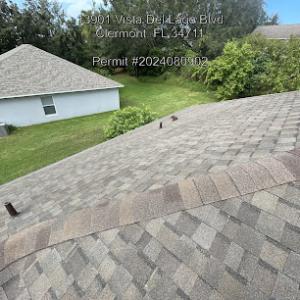
Titan Roofing
(352) 721-0398 www.titanroofingprofessionals.com
450 FL-50 #3, Clermont, Florida
4.8 from 306 reviews
Titan Roofing, based in Clermont, FL, delivers expert roofing services with a focus on quality, professionalism, and customer satisfaction. They use top-grade, eco-friendly materials to ensure long-lasting results that are as sustainable as they are strong. Their experienced team is committed to a customer-centric approach, offering honest communication, timely service, and exceptional craftsmanship on every project. Whether it’s a repair, replacement, or new installation, they tailor solutions to meet each client’s unique needs. With Titan Roofing, homeowners can trust they’re getting reliable, high-quality work from a team that truly cares. Their reputation is built on integrity, skill, and service that puts people first.
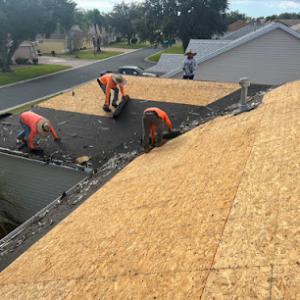
Revive Roofing & Construction
(321) 340-6395 reviveroofingfl.com
17550 Cobblestone Ln, Clermont, Florida
5.0 from 30 reviews
Revive Roofing and Construction is a roofing contractor in Clermont serving Winter Garden, Windermere, Oakland, and nearby areas. Our roofing company offers residential roofing, commercial roofing, roof repair, asphalt shingle roofing, metal roofing, and more. We also specialize in gutter services. Customers love us because of our comprehensive roof warranties and affordable roof financing options. We also have industry affiliations and certifications such as Owens Corning - Preferred Contractor. If you want to experience how your most trusted Clermont and Winter Garden roofing company embraces our motto, “Reviving our community one roof at a time", call us now for a free estimate!
OCR Oviedo-Clermont Roofing
16215 FL-50 Suite 305, Clermont, Florida
4.7 from 193 reviews
Family-owned and veteran-led, OCR Roofing provides expert roof repair, replacement and maintenance services across Clermont, Lake County and Central Florida. With 30+ years of trusted local experience, our licensed and insured team is ready to protect your home with quality craftsmanship and dependable service. We also offer gutters, siding and roof financing options to make every project affordable. Call today for your free inspection and estimate.
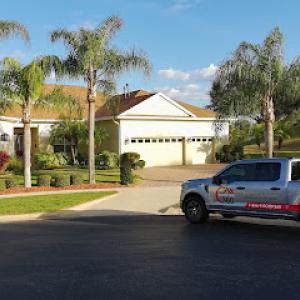
Roofers360
(866) 976-6336 www.roofers-360.com
194 S Hwy 27, Clermont, Florida
5.0 from 24 reviews
Roofers360 LLC is a locally owned roofing contractor that specializes in storm damage inspections, roof replacements and gutter installations. Roofers360 LLC brings more than 30 years of experience in the home improvement and residential industries.
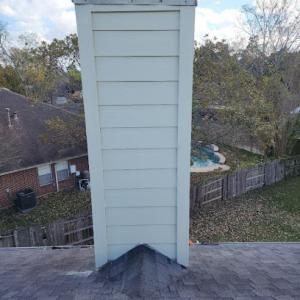
Sweep's Luck Chimney Service & Fireplaces
151 S Hwy 27, Clermont, Florida
4.8 from 49 reviews
Sweep's Luck Chimney Service & Fireplaces, located in Clermont, Florida, offers a comprehensive range of roofing and chimney services. With a dedication to quality and customer satisfaction, their expert team provides services such as chimney cleaning, repairs, and roofing supplies. Trust Sweep's Luck to ensure safe, functional, and efficient chimneys, backed by their commitment to excellence, whether you need routine maintenance or complex repairs.
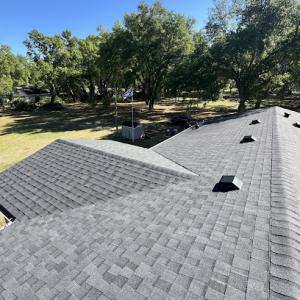
Clermont Roofing
(352) 989-7663 clermontroofinginc.com
9032 Laws Rd, Clermont, Florida
5.0 from 22 reviews
At Clermont Roofing, our mission is to protect homes and businesses in Central Florida with dependable roofing solutions built on honesty, quality, and local pride. As a second-generation, family-owned company, we believe in doing the job right the first time, treating every customer with respect, and standing by our work with integrity. We are committed to serving our community with no-pressure estimates, no required deposits, and reliable service that puts people first. Every roof we build is a reflection of our values, our craftsmanship, and our promise to always put our customers first.

Timothy Parks Roofing & Construction
614 E Hwy 50 #101, Clermont, Florida
4.6 from 84 reviews
Timothy Parks Roofing & Construction is a locally owned and operated roofing contractor servicing the Clermont, FL area. We are a fully licensed & insured roofing and construction contractor that offers free estimates, long-term warranties, and a industry trusted brand name. As a roofing contractor with over 40 years of experience, we are confident in our workmanship. TPRCI is a top-rated roofing contractor with a multitude of 5-star reviews and accreditation.
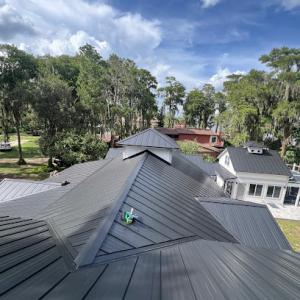
Ray’s Roofing & Construction
(352) 400-7663 www.raysroofingusa.com
19430 US-27, Clermont, Florida
5.0 from 19 reviews
Rays Roofing and Construction, Inc., based out of Clermont, Florida is dedicated to our customers and aim to be your trusted advisory. You can feel at ease knowing that our company is State Certified, Licensed, and Insured. When it comes to protecting your family, you can be assured that we are putting your best interest at heart. We stand behind our values and principles by offering you our commitment to honesty, integrity, and quality workmanship. A successful business is a direct result of teamwork and building relationships with our customers, suppliers, and employees. We look forward to partnering with you to attain your vision.
Top Seal Services
(352) 708-3344 topsealservices.com
301 Frontage Rd Ste D, Clermont, Florida
5.0 from 14 reviews
Roofing Contractor Roof Inspections Roof Repair Commercial Roofing Contractor Commercial Roof Inspections Commercial Roof Repair Residential Roofing Contractor Residential Roof Inspections Residential Roof Repair Commercial Roofing Services : • Commercial Re-roofing • Commercial Leak Repair • Commercial Maintenance Inspections • Commercial New Construction • Commercial Gutters & Downspouts • Emergency Tarp / WrapRoof Shrink-wrap Residential Roofing Services: Residential Re-roofing Residential Leak Repair Residential Maintenance Inspections Residential New Construction Residential Gutters & Downspouts Emergency Tarp / WrapRoof Shrink-wrap
Clermont Roofing Contractors
(352) 706-6442 clermontroofingcontractors.com
310 Almond St Suite 329, Clermont, Florida
5.0 from 11 reviews
Clermont Roofing Contractors provides expert roofing services to residential and commercial clients in Clermont, FL. With years of hands-on experience, we specialize in roof installations, repairs, inspections, and replacements. Our skilled team is known for quality workmanship, honest assessments, and dependable service. Whether it's a new build or storm damage repair, we use trusted materials and proven techniques to ensure long-lasting protection for your property.
Pink Roofers
(407) 208-2708 www.pinkroofers.com
Clermont, Florida
5.0 from 6 reviews
Pink Roofers is a family owned Florida roofing company with extensive industry experience. We specialize in both residential roofing and commercial roofing services. Our tight-knit team of skilled roofers has the skills and expertise required to meet all of your roofing needs. We work with all kinds of roofing materials, including tile, shingle, metal, and flat roofing, and we specialize in wind, hail, and storm damage for residential and commercial customers. Whether you need a roof repair, or an entire roof installation, we have you covered!
For Clermont homeowners in unincorporated Lake County jurisdiction, a building permit is typically required for a full reroof through the Lake County Growth Management Department. The process is designed to ensure that materials, installation methods, and roof geometry meet local wind and drainage standards tied to the area's ridge-and-hill topography. Start by confirming you're dealing with Lake County's permit office rather than a municipal building department, since timelines and required forms can differ depending on jurisdictional boundaries. Have ready basic project details such as the roofing type, square footage, and any structural changes you plan to make (for example, deck framing or skylight adjustments).
Lake County commonly performs a rough inspection after the deck, underlayment, and nailing are in place, followed by a final inspection after completion. On the rough inspection day, the inspector will focus on deck construction, underlayment quality, nail pattern, and starter strips to verify that the roof sheathing is properly fastened and weather-ready. In a hillier area with intense sun and occasional heavy rain, the inspector will also look for wind-rated underlayment and an orderly, code-compliant edge detail. The final inspection confirms that all components are installed to code, flashing is sealed, penetrations are correctly flashed, and the roof system is mechanically sound and weather-tight. Plan around potential access issues: some elevation pockets or steep slopes may require the presence of a dedicated crew lead to assist with safety and staging.
Inspection scheduling commonly runs on 24- to 48-hour notice windows, so coordinate with the contractor to set concrete dates and communicate any access needs (driveway clearance, gate codes, or ladder access). Wind mitigation documentation may be requested as part of the reroof process, especially for homes that show exposure to common wind channels or have large overhangs. Have a complete set of building plans, material specifications, and installation details on hand for the inspector, including roof venting, drip edges, and nailing patterns. If extra documentation is required-such as proof of previous roof conditions or hurricane-related work history-provide it promptly to avoid delays. Understanding these steps helps keep a reroof on track in a landscape where sudden afternoon storms or high winds can tighten schedules.
Clermont homeowners are in Florida's high-claim insurance environment, where wind and hail-related roof claims receive close scrutiny and documentation quality matters. If a storm test-lifts a edge shingle or reveals a soft underlayment, insurers will look closely at how the reroof was executed, what materials were used, and how the project was documented. In practical terms, that means your choices after a storm aren't just about keeping water out today-they can shape whether a claim proceeds smoothly and what the insurer views as recoverable. Take every step with care, because a well-documented reroof pays forward in fewer disputes and faster claim decisions.
Insurers in Florida have tightened underwriting and roof-age expectations in recent years, so Clermont owners often weigh replacement timing against renewal risk and premium pressure. If a roof is near or past the insurer's preferred age, a reroof might be framed more as a risk mitigation move than a cosmetic upgrade. The decision becomes a balance between the forecasted storm season, the condition of deck and underlayment, and the likelihood of an amicable claim outcome if a wind event occurs. In practice, a proactive reroof, when paired with solid documentation, can reduce the chance of a non-renewal or a higher premium due to perceived risk.
Wind mitigation paperwork can materially affect how a reroof is documented and presented to insurers in this market. Having clear records of installation methods, roof geometry, and protective features (such as impact-resistant shingles, continuous attic ventilation, and proper nail patterns) can support favorable underwriting decisions. The goal is to show that the roof is not merely new-looking, but structurally prepared to resist Florida's summer wind gusts and occasional hail. A thorough wind mitigation report isn't optional-it's a strategic part of the reroof process in this hillside cluster of homes.
When planning or responding to a storm, gather detailed records: photos of the existing roof, notes on substrate condition, and product certifications for the chosen materials. If a contractor offers wind mitigation-friendly options, request explicit documentation of installation methods, fastener types, and any protective features. After a reroof, ensure the project folder includes manufacturer specs, installation manuals, and a finalized wind mitigation form ready for your insurer. In this climate, the quality and clarity of these documents can influence both claim outcomes and renewal experiences.
In the ridge-and-hill terrain west of Orlando, storms arrive with urgency and scrutiny arrives with them. Treat the reroof decision and its paperwork as part of the same effort: secure, documentable, and aligned with what insurers expect to see when a claim is filed. That alignment can make the difference between a smooth recovery and a drawn-out process, especially in a market that keeps a close eye on how roofs are rebuilt after a hurricane-season event.
Connect with contractors who help homeowners navigate the claims process from damage assessment to final approval.
Titan Roofing
(352) 721-0398 www.titanroofingprofessionals.com
450 FL-50 #3, Clermont, Florida
4.8 from 306 reviews
Revive Roofing & Construction
(321) 340-6395 reviveroofingfl.com
17550 Cobblestone Ln, Clermont, Florida
5.0 from 30 reviews
The drier November-April window generally gives reroof projects more predictable installation conditions than the summer rainy pattern. If you're planning around a steep-slope system or clay/concrete tile, schedule the bulk of tear-off, dry-in, and inspections in this span when possible. Clearer skies reduce the risk of delayed material delivery or unexpected weekend outages caused by afternoon storms. Set a firm start date that keeps a couple of good weather buffers, especially if you're coordinating with a crew that relies on consistent doorway access and local supply chains.
Afternoon thunderstorms are a routine summer scheduling issue in Central Florida and can interrupt tear-off, dry-in, and inspection timing in Clermont. Expect plan changes when storms roll through after lunch. Have a realistic backup day carved into the timeline and communicate with the crew about daily rain-call procedures. If a storm threatens morning work, consider delaying exterior tasks until a lull, then re-checking the forecast at lunch to decide whether to push through or pause for the next morning surge.
High heat and humidity in Clermont can speed curing of adhesives and underlayment exposure concerns, making crew timing and weather watching more important. Heat can shorten open-wrap cycles and affect roof access, ladder stability, and safety gear checks. Schedule the most heat-sensitive steps for cooler parts of the day (early morning or late afternoon windows) when feasible, and ensure consistent shade and hydration plans for crew members and any temporary staging.
Coordinate a tight work sequence with the contractor: tear-off, dry-in, waterproofing, and final inspection in logical, weather-conscious blocks. Reserve contingency days for sudden storm gaps and for re-checking flashing and seam work after any rainfall. Maintain open communication about daily forecasts, storm bands, and unexpected downtimes so you can adapt without losing progress.
In this market, wind-lifted shingles, displaced ridge materials, and underlayment wear are the most common culprits after summer storms. The ridge line on Clermont's elevated streets faces frequent gusts that can peel shingles loose or shift ridge vent components enough to allow water intrusion. When shingles lift, gaps form that funnel rain directly toward the underlayers, especially as afternoon downpours become more intense. If you notice lifted edges or shifting ridge caps after a storm, address it promptly before the next round of wind-driven rain loosens more materials.
Tile roofs in Central Florida often leak from aging underlayment or broken field tiles rather than from the visible tile covering alone. The stress from repeated sun exposure and heavy summer downpours accelerates underlayment deterioration, which can seep moisture into the roof deck well before a tile fracture becomes obvious. Broken or cracked field tiles are the secondary risk, but a small tile crack can allow water to bypass the outer shell and track along the batten to the interior. Regular inspection of the underlayment seams and flashings is essential, especially after storms with rapid pressure changes.
Skylights and flashing penetrations become higher-risk leak points during wind-driven rain events and repeated thunderstorm cycles. Poorly sealed skylight flange areas or corroded flashings around vents and chimneys can develop tiny gaps that widen with wind pressure and heat. After a storm, feel for damp spots around skylights, check edge sealants, and look for condensation between panes or along flashing joints. Proactive resealing and proper flashing replacement pay off much more than chasing moisture damage later.
Find contractors experienced in skylight installation, flashing, and leak repairs to bring natural light into your home.
Ray’s Roofing & Construction
(352) 400-7663 www.raysroofingusa.com
19430 US-27, Clermont, Florida
5.0 from 19 reviews