
Last updated: Apr 19, 2026
Maitland sits in inland Orange County, where summer thunderstorms and the Atlantic hurricane season drive a high volume of wind- and water-related roof concerns even without coastal exposure. The daily afternoon downpours that push through Central Florida can turn a small roof issue into a major interior problem in a single storm event. When you plan any repair or replacement, assume the next storm will test the weakest link-flashing, underlayment, and vulnerable seams-long before your roof sees full sunshine again.
Central Florida's hot, humid wet season is a rapid examiner of roof integrity. If a visible leak appears after a rain shower, or if attic signs show moisture staining after a week of humid heat, it's not just a nuisance. repeated afternoon rain drains from the same area can trap moisture, accelerate rot, and force rapid deterioration of decking. In these conditions, a repair that stops one leak today may fail again tomorrow. In Maitland, the decision to repair or replace hinges on how widely damage extends, how old the roof is, and how wind-delamination or uplift risk changed after the last storm. If the majority of the roof shows wear, or if underlayment has shown moisture infiltration, a full replacement becomes the safer, longer-lasting choice.
Storm season in inland Central Florida means wind shifts and gusts that can peel back shingles or metal panels and lift flashing from corners and valleys. If flashing has been disturbed, even a small gap can vent attic moisture directly into living spaces during the next squall. In Maitland, this risk compounds with humidity; moisture trapped behind torn shingles or failed underlayment gains speed, feeding interior leaks quickly. You are looking for consistent wind-driven edge wear, lifted shingles along rakes or hips, and any sign that underlayment has been compromised where decks join walls.
Florida's current insurance climate makes roof age, visible storm damage documentation, and wind-mitigation details especially important when Maitland homeowners decide whether to repair or fully replace. Start with clear photos that show the progression of wear, prior repairs, and any storm scars on fascia, soffits, and crawlspace access points. Create a concise damage log with dates of storms, visible leaks, and attic moisture. This record helps insurers evaluate whether a repaired roof meets current wind standards or if a full replacement offers better coverage protection in the next policy term.
As soon as a forecast shows a storm system approaching, secure loose materials and ensure gutters are clear to prevent water backup. After a storm, perform a thorough quick-check for lifted edge areas, damaged flashing, or damp spots in the attic. If signs point to widespread wear or recurring leaks, schedule a professional evaluation promptly-do not wait for a dry spell that may never come. In Maitland, responsiveness after a storm saves more than property; it preserves the integrity of the roof structure and reduces the chance of interior damage spiraling out of control.
Maitland's residential roof mix often includes clay and concrete tile in higher-end neighborhoods, where a long-lasting curb appeal matters. Tile roofs handle the Central Florida sun well, but under bright UV and year-round heat, the underlayment and tile fasteners age differently than on shingles. Pay attention to the condition of individual tiles, as breakage from severe storms is common. A plan for timely replacement of broken tiles prevents exposed underlayment from accelerating wear. If you're considering tile, choose a system with a robust underlayment and reliable matching for wind-rated performance to reduce water intrusion after storms.
Asphalt shingles are a staple, especially where re-roofs are active with insurance-driven timelines. In Maitland, shingles face rapid granule loss from intense sun, which can shorten the effective life of a roof coverage if maintenance is delayed. The key is proactive inspection after storms to identify loose or missing shingles and sealant failures around vents and penetrations. Shingle roofs tend to be evaluated for wind uplift and age-related insurability; ensuring a high-quality installation, proper nailing patterns, and a reliable attic ventilation strategy helps maintain performance under Central Florida heat and humidity.
Metal roofs are gaining attention for wind performance and long service life in this climate. In Maitland, metal panels with standing seams or exposed-fastener designs that are rated for Florida winds can outperform other materials during tropical storms. Metal's value lies in strong resistance to wind-driven debris and improved fire performance. However, fastener integrity and the condition of the underlayment remain critical, especially in areas with heavy rainfall and humidity. If choosing metal, look for a roof system that emphasizes corrosion resistance, appropriate coating for salt exposure if near lakes, and a maintenance plan for fasteners and sealants to prevent leaks after a storm.
Tile roofs demand attention to underlayment life and individual tile breakage, while shingle roofs are more often evaluated for wind uplift and age-related insurability. In this market, tile can offer durable longevity but requires a thorough inspection of the underlayment and flashing around transitions. Shingles provide a straightforward replacement path and can be more easily addressed through insurance-driven timelines, but wind ratings and granule loss after storms matter. A mixed neighborhood may benefit from pairing shingles with reinforced edges or strategic tile accents to balance cost, wind resistance, and maintenance needs.
Maitland's storm exposure means proactive maintenance is essential, especially after hurricane season. Implement a seasonal inspection routine that prioritizes sealed penetrations, attic ventilation, and the integrity of seals around chimneys and vents. For tile, monitor for cracked or loose pieces and check the underlayment for signs of wear after heavy rains. For shingles, track granule loss and inspect for curled edges or lifted tabs following windy events. Regardless of material, a roof that is inspected and repaired promptly after storms reduces insurance stress and extends service life, helping align replacement timing with the local climate realities.
During the dryer, cooler winter months, installation windows tend to be the most stable. In this period, crews have fewer weather interruptions from sudden Florida storms, which means you're more likely to hold a predictable pace from teardown to finishing details. In contrast, summer weather brings higher heat, frequent afternoon storms, and the risk of rain delays that push timelines out. If you're aiming for a quicker swing-to-sheet completion, aim for December through February when possible, and plan for a little slack in the schedule during March through May when pop-up storms are more common.
Storm-driven demand spikes across the Orlando metro can tighten labor availability after major wind events. When a hurricane season or a series of strong thunderstorms hits nearby, local roof crews often shift toward emergency work and larger commercial projects, which can lengthen lead times for residential replacements. If your project rides on a specific start date, you may face longer waits for permit preparation and material staging, even if the weather cooperates on install days. Build in a contingency of a couple of weeks to accommodate crew timing and supply chain variability after a big wind event.
Costs in this area swing by material choice and roof style, especially when moving from standard shingles to tile or metal systems that require different labor intensity and structural considerations. Asphalt shingles remain the most budget-friendly entry, but tiles (clay or concrete) and metal bring higher upfront material costs and sometimes longer labor durations due to heavier loads and more intricate detailing. For a quick comparison, standard asphalt shingles fall in a broad range per square, while metal and tile options can push the cost per square higher due to specialized fasteners, underlayment needs, and longer installation times. In Maitland, the balance between long-term durability and upfront expense often drives decisions after insurance considerations and storm resilience goals are weighed.
Start with a firm window in the dry season and lock in a preferred two-to-four week buffer around expected weather patterns. When storm activity is high or after a major wind event, confirm estimated lead times twice weekly with the contractor. If you're upgrading to metal or concrete tile, budget more time for framing checks and potential structural considerations, and align delivery windows to the dry season where possible to minimize weather-driven disruption.

Peet Roofing
(407) 268-3178 www.peetroofingcentralflorida.com
530 E Trotters Dr, Maitland, Florida
5.0 from 96 reviews
Peet Roofing is a family-owned roofing company specializing in residential roof installation & storm repair throughout Central Florida. Originally founded in Ohio in 1937, Peet Roofing is currently owned & operated by Andrew Peet, a 4th generation Peet Family Roofer. Andrew Peet has been operating Peet Roofing exclusively in Central Florida since 1993 Peet Roofing holds an A+ Rating with the Better Business Bureau (BBB)
Florida Elite Roofing
(800) 935-7415 fleliteroofing.com
555 Winderley Pl #120, Maitland, Florida
4.8 from 140 reviews
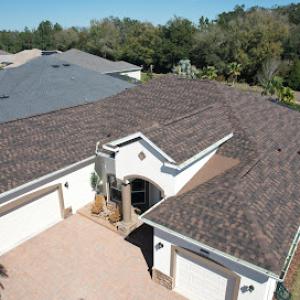
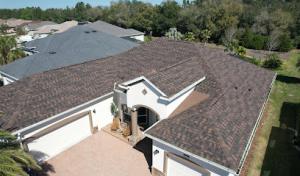
Florida Elite Roofing in Maitland, FL provides residential and commercial roofing across Orlando and nearby counties. Services include roof inspections, replacements, storm damage restoration, flat roof installation, hurricane-resistant systems, and roof coatings. We install asphalt shingles, metal, and slate roofing, plus gutter installation and maintenance for full protection. Backed by strong warranties and flexible financing, we deliver reliable, long-lasting roofing solutions. Call now for your free estimate.
Stratus Roofing
(407) 439-1957 www.stratusroofing.com
2200 Lucien Way #400, Maitland, Florida
4.5 from 175 reviews
Stratus Roofing delivers premier roofing solutions with an unwavering commitment to quality and customer satisfaction. As a leading roofing contractor, they specialize in a comprehensive range of services, ensuring every project is completed to the highest standards. Serving the greater Florida area, their team of dedicated professionals uses top-tier materials and expert craftsmanship to provide lasting, durable results for your home. Experience unparalleled service and exceptional quality with a trusted name in roofing. Stratus is trusted by many of the State's largest insurance carriers as their preferred partner for roofing, GC work as well as emergency services. Stratus provides the services across most of the State of Florida.
3MG Roofing & Solar
Serving
4.7 from 830 reviews
Looking for the best roofing company near you in Winter Park or Orlando? 3MG Roofing is the best local roofer for shingle, tile, and metal roof repairs and replacements. We proudly serve both retail homeowners and insurance-related projects, offering personalized service for every roof. As a preferred contractor with major carriers, and a trusted partner for out-of-pocket repairs, we guarantee satisfaction and quality craftsmanship every time.
Next Dimension Construction & Roofing
(407) 512-8162 www.nextdimensionroofing.com
Serving
4.9 from 136 reviews
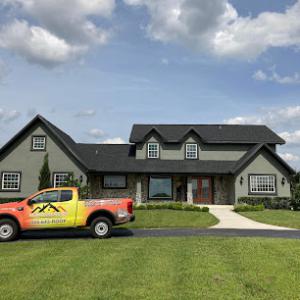
At Next Dimension Construction & Roofing, we work hard to keep residential and commercial properties safe with dependable roofing and solar solutions you can trust. We serve Orlando and the nearby central Florida areas, including Winter Park, Winter Garden, Oak Ridge and more. We are known for being a reliable roofing contractor with 600+ five-star reviews and an A+ BBB rating. Our team also serves as a skilled commercial roofing contractor. We are fully licensed and insured and we can finish most residential roof roof replacement jobs in just one day. Call or visit us online today to learn more or request a free estimate.
Florida Roofing Solutions
(407) 937-8566 www.floridaroofingsolutions.com
Serving
5.0 from 40 reviews
Florida Roofing Solutions is a premier Orlando-based Roofing Contractor, trusted by homeowners and businesses across Florida. We specialize in high-quality roof replacement, new roof installation, and expert roof repair, focusing on urgent needs like active leaks and insurance renewals. Our experienced team works with all materials: asphalt shingles, metal roofing, tile roofing, flat roofs and TPO roofing. Beyond the roof itself, we offer essential services like solar removal and reinstalls, gutters, soffit and fascia wraps. We also provide key homeowner services: wind mitigation and 4 point inspections. Known for our experience and professionalism, we guarantee durable results. We are your reliable, licensed, and insured roofing solution!

The Roofing Factory FL
(407) 923-1799 www.theroofingfactoryfl.com
Serving
5.0 from 212 reviews
At The Roofing Factory our priority is to provide high-quality services, competitive pricing, quality materials, and exceptional customer service. Our company stands out for its reliability, professionalism, and commitment to customer satisfaction, making it a top choice for customers seeking trustworthy and skilled roofing services. Roof Smart, Choose Us!
David Lundberg Building & Roofing
(407) 672-0001 www.lundbergroofing.com
Serving
4.8 from 49 reviews
David Lundberg Building & Roofing is your premier residential roofing contractor, serving the needs of the greater Orlando, FL area since 1994. We service all types of residential projects with complete knowledge and expertise. Our experience and craftsmanship set us apart from our competition. We specialize in all types of residential roofs, new roofs, re-roofs and repairs.
Sheegog Contracting
(407) 637-5339 sheegogcontracting.com
Serving
4.9 from 479 reviews
Sheegog Contracting is a highly reputable, locally owned roofing contractor based in Winter Park, Florida, serving Orlando and surrounding cities including Kissimmee, Lake Mary, Altamonte Springs, Oviedo, Apopka, Sanford, Ocoee, Winter Garden, and Clermont. Specializing in roof replacement, roof repair, and storm damage restoration, Sheegog Contracting is dedicated to taking the stress out of roofing projects for homeowners across Central and Northeast Florida. With a focus on quality craftsmanship, they use top-tier materials like GAF shingles to ensure durable, long-lasting results that enhance both the functionality and curb app 🏆Best of Florida 2023 🤝GAF Master Elite Roofing Contractor ⭐️GAF President’s Club & Triple Excellence Award
Roofing Construction Services
Serving
4.9 from 48 reviews
Dreaming of a secure and beautiful roof over your head? ROOFING CONSTRUCTION SERVICES, located in Winter Park, Florida, is your trusted partner for all things roofing. As experienced roofing contractors, we bring expertise and dedication to every project, ensuring quality craftsmanship and lasting protection for your home or business. Let us help you build a solid foundation from the top down, with roofing solutions tailored to your specific needs and style.
Janney Roofing
(407) 305-5049 janneyroofing.com
Serving
4.9 from 1945 reviews
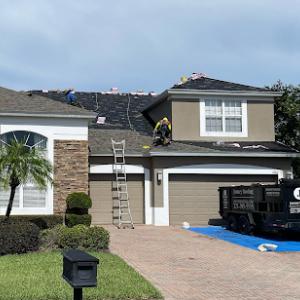
Your home matters. Roofing problems don’t have to be stressful or complicated. As a roofing company in Orlando, regardless if you need a repair or complete replacement, the experts at Janney Roofing provide you with a guided experience from start to finish.
Nine Square Roofing & Construction
(407) 668-0033 ninesquareroofing.com
Serving
4.9 from 146 reviews
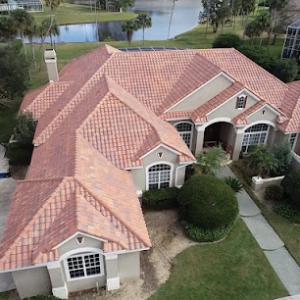
Is it time to replace your home's outdated roofing system? When you get in touch with the experts at Nine Square Roofing and Construction, they will perform the roofing services you need with precision, all at an affordable price. This renowned roofing company serves residential clients throughout the Orlando, FL, area. These roofing experts are true professionals, staying up to date with state safety standards and new innovations in the roofing industry. To give you the opportunity to outline your expectations for the project, they offer free consultations where you’ll be able to discuss the project at length. license numbers: CCC1329893 CCC133224
In this area, a full roof replacement typically requires a permit handled through the City of Maitland or the adjacent Orange County building process. The key is documentation completeness; missing sheets or unclear details can slow the approval as reviewers confirm code compliance, project scope, and material choices. You should plan to align your permit package with the city's checklist, ensuring timelines account for the potential back-and-forth that comes with technical clarifications or plan corrections. Once submittals are complete, the review is straightforward but deliberate, because the authority wants to avoid later amendments once work has begun.
Processing commonly runs about 1 to 2 weeks when submittals are complete, so homeowners planning around storm season should not wait until active leak conditions if replacement is likely. Given Florida's storm exposure, it is wise to avoid last-minute scheduling that could push a project into peak storm windows. If a replacement is anticipated due to hail or wind damage, coordinate with your contractor to assemble a complete permit package ahead of any weather events, so inspections can follow promptly after material delivery and roof decking preparation.
Roof work is inspected at key milestones and requires a final inspection. Typical milestones include initial inspection when framing and underlayment are in place, another check after new roofing material installation, and a final inspection to verify full completion and code compliance. Wind-mitigation measures or coordination with the inspector may be part of the local process, particularly if your home is on the newer side of codes or has features that influence wind performance. Expect the inspector to verify roof geometry, fastening patterns, and flashing details as part of the final review.
Keep lines of communication open with your contractor and the permit office. Have ready any architectural plans, product specifications, and wind-resistance details early to minimize back-and-forth. If your project involves delayed material deliveries or unusual roof configurations (like tile or metal upgrades), notify the permitting path so reviewers understand the scope and avoid hold-ups at the milestone checks. A well-documented, timely submission helps ensure a smoother path from permit issuance to a certified, inspected roof replacement.
In Maitland, Florida is a high roof-claim state, and insurers increasingly scrutinize roof age and whether damage is storm-caused when deciding between repair and replacement. Carriers have tightened underwriting and availability in recent years, so your claim outcome can hinge on precise documentation and clear links between a storm event and the current roof condition. If you've lived through a strong season, you may find insurers asking for proof that the roof's age, design, and last upgrade align with the storm scenario in question. In this market, a roof that's long past its expected lifespan or that shows wear inconsistent with a single event is more likely to trigger a full replacement claim rather than a repair, even for relatively minor leaks. Being proactive about how your roof aged and how recent events tied to that age are documented can prevent surprise denials or protracted negotiations when you file.
Pre-loss records hold real value in local transactions and claims. Dated photos showing the roof's condition before a storm, a clear history of any repairs or upgrades, and a record of applicable inspections can become decisive evidence later on. A Maitland home often sits beneath dynamic storm paths, humid conditions, and lake-influenced exposure; tracking how each season affects hardware, sealant, and fasteners can be the difference between a straightforward adjustment and a more costly replacement path. Keep a consistent file with progress photos, notes on shingle or tile condition, and dates of any previous storms that caused visible damage. Record retention should cover the entire roofing system, including the underlayment and flashing, so that an insurer or a buyer can see the full scope of the current installation and how it has performed under Florida weather stress.
Wind-mitigation details can influence underwriting decisions and homeowner choices, so you should maintain records tied to the present roof system and any code-compliant upgrades you've implemented. When a strong wind event tests a roof, insurers look for features that reduce risk-proper attic ventilation, upgraded fasteners, and reinforced roof edge details, for example. If you've pursued a retrofitting path or a tile-to-metal upgrade, document the exact components used, installation dates, and warranty specifics. These records not only help with insurance orientation but also support a clear narrative for any future sale or renewal, reducing the chance that a storm-related claim becomes a costly argument over causation. In Maitland, being meticulous about how wind and weather interact with your roof translates into tangible peace of mind when the next storm rolls through.
Connect with contractors who help homeowners navigate the claims process from damage assessment to final approval.

Peet Roofing
(407) 268-3178 www.peetroofingcentralflorida.com
530 E Trotters Dr, Maitland, Florida
5.0 from 96 reviews
Florida Elite Roofing
(800) 935-7415 fleliteroofing.com
555 Winderley Pl #120, Maitland, Florida
4.8 from 140 reviews
Stratus Roofing
(407) 439-1957 www.stratusroofing.com
2200 Lucien Way #400, Maitland, Florida
4.5 from 175 reviews
In this climate, leak sources often concentrate around penetrations, valleys, wall transitions, and skylights because repeated wind-driven rain tests flashing details hard. A quick check after storms should target these joints where flashing meets deck material, around chimney skirts, vent pipes, and vented soffits. Over time, sealants shrink and fasteners back out as humidity cycles. If you notice staining along ridge lines after a storm or damp patches near vents, address the flashing first before chasing a larger, more costly repair. Treat penetrations as high-risk points, especially when elderly caulks have spent several Florida seasons drying and cracking.
Tile roofs in Central Florida often outlast their original underlayment, so apparent tile durability can hide replacement needs below the surface. Beneath attractive surface tiles, the underlayment and roof deck can deteriorate from heat, humidity, and rain exposure. Inspect for spongy feel under tiles, inconsistent flashing at wall transitions, or hidden leaks that only show up after several hours of steady rain. When tiles look sound but moisture appears in attic spaces or around-ceiling drywall, a closer look at underlayment condition and deck integrity is warranted. Don't assume long-lasting tiles mean no deck work is required.
Low-slope sections over lanais, additions, or commercial-style areas in Maitland need special drainage and membrane attention because standing moisture lasts longer in humid conditions. Flat or near-flat runs can trap water, encouraging blistering or seam failures if membranes aren't properly lapped and flashed. In humid seasons, even small delaminations can propagate quietly, so prioritize proper slope, edge drains, and membrane detailing at transitions to taller roof lines. Regular inspection for ponding and edge lift helps prevent slow but serious damage from hidden moisture ingress.
Find specialists in TPO, EPDM, and built-up flat roofing systems for residential and commercial properties.
Peet Roofing
(407) 268-3178 www.peetroofingcentralflorida.com
530 E Trotters Dr, Maitland, Florida
5.0 from 96 reviews
Florida Elite Roofing
(800) 935-7415 fleliteroofing.com
555 Winderley Pl #120, Maitland, Florida
4.8 from 140 reviews
Florida Roofing Solutions
(407) 937-8566 www.floridaroofingsolutions.com
Serving
5.0 from 40 reviews