Last updated: Apr 19, 2026
In this inland stretch of Orange County, summer thunderstorms and the June-to-October hurricane season hammer roofs with wind-driven rain. Shingles get lofted, underlayment can splice open, and ceiling leaks suddenly reveal themselves after a fast-moving storm front. Reroof decisions here hinge on wind-driven impact, not just surface appearance, and the claim conversation often centers on missing shingles, exposed underlayment, and interior moisture rather than dramatic storm surge.
When the sky lightens and you recover from a storm, the first priority is safety and preventing further interior damage. If you notice active leaks, place a bucket under the drip and move valuables away from the water path. Do not rely on a cosmetic patch; the goal is to preserve the roof's integrity long enough to document true damage. If shingles are visibly lifted or missing, document that right away with clear, wide photos that show surrounding areas for scale. A neighborhood neighbor walking the roof or a trusted contractor can help capture images from multiple angles, focusing on edges, hips, vents, and any signs of deck exposure.
Time matters. Florida insurers commonly want wind-mitigation documentation, photos, and a clear record of roof age and prior conditions. In storm aftermath, damage can be obscured by temporary tarps or quick fixes; those can complicate the claim later. Take undisturbed photos before any temporary repair covers the most damaged areas. If a tarp is necessary, photograph the tarp itself and the surrounding regions to prove how the roof appeared before the fix. Keep a dated log of when you discovered each issue and when you secured any temporary protection.
Expect to see wind-driven damage more than flood impact in this inland area. Look for missing or torn shingles, lifted edges, and broken or displaced flashing. If underlayment shows through gaps, that is a red flag for claim documentation. Ceiling stains or damp spots far from visible leaks can indicate hidden water intrusion that traveled along the attic space or between decks. Don't overlook attic ventilation: compromised soffits or vents can worsen interior moisture and accelerate rot, which insurers will weigh when evaluating the claim.
If you have a metal roof, look for punctures, dented seams, or fastener loosening. Asphalt, tile, and fiber cement roofs each present their own failure modes-tile may crack or loosen, while underlayment exposure becomes a common trigger for reroof discussions. In any case, focus on the path from the damaged surface to the interior, noting how quickly signs of water appear after a storm passes.
Gather a concise, chronological set of documents that tells the story of the storm, the damage you observed, and the steps you took to protect the home. Start with storm date and time, list of affected rooms, and a narrative of when leaks were first noticed. Photograph every roof area with the camera held level and perpendicular to the surface. Include close-ups of missing shingles, lifting edges, exposed underlayment, and any fasteners or flashing that look compromised. Then add exterior shots that show debris, downed branches, or yard clutter that might have contributed to impact damage.
Keep records of who was on site, any temporary repairs, and the sequence of responses to the interior moisture. If you used a contractor or inspector, obtain a written report that highlights observed conditions, missing components, and any recommendations for assessment or remediation. A clean, organized file-photos with dates, a short narrative, and copies of any reports-helps insurers quickly verify what happened and supports a timely, accurate claims decision.
Once you have your documentation, share it promptly with your insurer and your preferred roofing professional. Dry interior ceilings, safe access, and a plan for temporary stabilization can prevent further damage while the claim is processed. In this inland environment, the focus remains on wind-driven shingles and underlayment exposure, so concrete, actionable steps that preserve evidence will speed up the restoration and help you recover more effectively from the next storm cycle.
The most workable reroof window in Apopka runs from November through April. That dry pattern helps reduce thunderstorm interruptions and keeps tear-off and dry-in work on a steadier pace. Plan for a full season buffer: even within this window, a few dry, sunny weeks aren't guaranteed, so build a staggered schedule that can shift a day or two if an afternoon storm pops up. Align start dates with a recent string of dry days and pick a target that gives you at least a solid week of clear weather before any high-summer heat and storms roll back around.
Summer afternoon storms in the Apopka area can stop tear-off and dry-in work mid-day, which matters for scheduling underlayment exposure and inspection timing. To minimize delays, set a morning start time that gets you ahead of the heat peak, and plan to pause activities during the hottest hours if a storm threatens. If the forecast calls for a storm window, shift the day's focus to interim tasks such as material staging, roof deck ventilation checks, or interior moisture mitigation instead of rain-prone work on the deck.
Even in the dry season, crews work under intense sun and heat, which affects installation pace and the handling of sealants and adhesives on exposed roof surfaces. Expect faster curing times for sealants on cool mornings, and monitor adhesive performance during mid-day heat. Schedule critical sealant and adhesive applications for cooler periods of the day, or arrange for shaded work areas when possible. Keep a plan for rechecking fasteners and seam tapes after the first afternoon heat spike to catch any minor issues before storms arrive.
Inspections should be timed for after a dry run of each major phase: tear-off, underlayment application, and initial shingle or panel installation. In the dry season, aim for a mid-morning inspection slot to avoid the lingering heat that can distort readings and laborers' focus. If a storm interrupts a phase, coordinate a rapid resumption window the next clear day to maintain continuity and reduce exposure of underlayment to weather. Having a pre-inspection checklist helps ensure that flashing, vent penetrations, and edge metal are properly secured before the next weather cycle.
Premium Roofing & Construction
107 N Line Dr, Apopka, Florida
5.0 from 170 reviews
Premium Roofing & Construction dedicated to serving families in your community. We serve residential & commercial projects. We specialize in Shingle roofs, Concrete Tile roofs, Metal roofs, & Flat roofs.
DeSantis Roofing
(321) 501-6220 desantisroofing.com
2755 Border Lake Rd Suite 102-13, Apopka, Florida
5.0 from 86 reviews
DeSantis Roofing is a reliable Apopka-based roofing contractor specializing in high-quality, fair priced roof installations and repairs for both commercial and residential properties.
Home Pros Roofing & Contracting
(407) 766-4388 homeprosroofingfl.com
1935 Rafton Rd, Apopka, Florida
4.9 from 155 reviews
Home Pros Roofing & Contracting – Trusted Roofing Company in Apopka, FL Looking for reliable roofers in Apopka? Home Pros Roofing & Contracting is one of the leading roofing companies in Apopka, FL, providing expert roof repair, roof replacement, residential roofing, and commercial roofing services across Central Florida. Our team of licensed and insured roofing contractors in Apopka, FL delivers fast, reliable, and long-lasting solutions for roof leaks, storm damage, or aging roofs. As a locally trusted roofing company, we specialize in protecting both homes and businesses. Whether it’s a residential roof, a commercial property, or a mobile home roofing project, our experienced roofers in Apopka handle every job with precision and care.
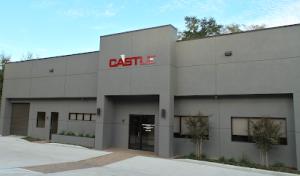
Castle Roofing Group
(407) 477-2823 www.castleroofinggroup.com
505 Suggs Rd #200, Apopka, Florida
4.9 from 222 reviews
If you're looking for the best Orlando Roofer look no further, we focus on residential and also service Orlando's Commercial roofing needs. At Castle Roofing Group, we proudly serve Orlando and surrounding areas—including Apopka, Altamonte Springs, Sanford, Osteen, and Deland—with expert roofing solutions backed by real results. Specializing in both flat roofs and shingle roofs, our licensed professionals use cutting-edge materials and a data-driven approach to ensure your roof performs better and lasts longer. With over 1,500 roofs installed and a 5-star average across review platforms, we prioritize transparency, quality craftsmanship, and customer trust.
Horizon West Roofing
2755 Border Lake Rd ste 102-9, Apopka, Florida
5.0 from 55 reviews
A strong and durable roofing system is essential, especially in Central Florida for providing safety and comfort. At Horizon West Roofing, LLC we understand how crucial a good roofing system is to your safety and comfort. That's why we provide professional residential and commercial roofing installation services that are designed to withstand even the toughest storms. We use only high-quality materials that have been tested and proven to last, ensuring that your roof remains intact and has the best chance against severe weather.
Construction Unlimited
522 Live Pine Circle, Apopka, Florida
4.9 from 172 reviews
Construction Unlimited is your trusted roofing contractor in Apopka, Florida, offering top-quality roofing services for residential and commercial properties. Whether you need roof repairs, installations, or replacements, our experienced team is here to provide reliable, long-lasting solutions. We specialize in protecting your home or business with durable materials and expert craftsmanship. Located in Apopka, and servicing the entire Central Florida region, we take pride in serving our local community with professionalism and exceptional customer care. Contact Construction Unlimited today for all your roofing needs and experience why we’re the go-to roofing contractor in Apopka, Florida. Your satisfaction is our top priority!
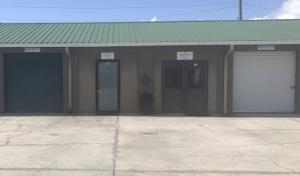
Best Price Roofing
(407) 814-3572 www.bestpriceroofing.com
1232 Rock Springs Rd #16, Apopka, Florida
4.9 from 96 reviews
We are a locally owned roofing company, fully licensed and insured, serving our community by offering affordable roof replacements and roof repairs. If you believe your roof needs to be replaced, call us to schedule a free roof inspection. One of our knowledgeable field experts will inspect your roof for damage, take photos, and provide a report of our findings, providing you with the knowledge you need to make a quick and educated decision on how to best protect your home.
Roofing Empire
(407) 636-8178 roofingempireinc.com
1706 E Semoran Blvd STE 117, Apopka, Florida
4.9 from 46 reviews
Roofing Empire, Inc. is a leading certified licensed Roofing Contractor in Central Florida; we carry full liability insurance and Worker's Compensation. *We are a family-owned company* We began working in 2008 developing extensive knowledge and a combined experience in a wide range of areas. No matter why you hire us, we are committed to making sure we give 100% to each job we take on.

Alan's Roofing
(407) 707-8271 www.alansroofinginc.com
145 E Sandpiper St, Apopka, Florida
4.6 from 122 reviews
Alan's Roofing is your trusted roofing contractor in Apopka, FL, serving all of Central Florida, and specializing in roof repair, replacement, and installation services. We offer comprehensive residential roofing solutions, from emergency roof repair and roof leak repair to detailed roof inspections. Our expert team is skilled in handling storm damage repairs, ensuring your home withstands Florida's challenging climate. We use top-quality asphalt shingles and provide accurate roofing estimates to fit your needs. As an Owens Corning Platinum Preferred Contractor, we guarantee superior workmanship. For reliable, high-quality roofing services and maintenance, choose Alan's Roofing, Central Florida's premier choice.
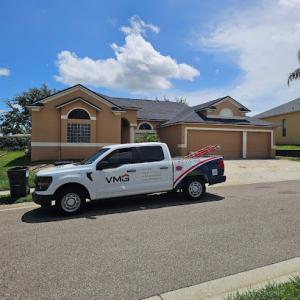
VMG Roofing Services
(407) 410-1698 www.vmgroofingservices.com
404 W Main St, Apopka, Florida
4.8 from 23 reviews
Our mission, vision, and core values drive every aspect of our operations, ensuring that we deliver unmatched quality and service to our clients. Whether you’re a homeowner, a business owner, or a potential team member, we are excited to work with you and demonstrate our commitment to excellence.
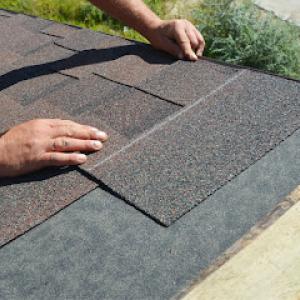
CH Evans Roofing & Contracting of Orange County
(800) 846-7162 chevansroofing.com
3800 W Orange Blossom Trail, Apopka, Florida
5.0 from 1 review
CH Evans Roofing And Contracting is a family-run roofing service company covering Apopka, Orlando, Windermere, Doctor Phillips, Winter Garden, Winter Park, Zellwood, Lake Butler, Ocoee, Pine Hills, Bay Hill and Horizon West in Orange County, FL. We specialise in residential roofing, commercial roofing and all types of roof systems including shingle, metal and TPO. Alongside that we install aluminum carports, patio covers and screen enclosures. With personal care from owner-operators, CH Evans offers trustworthy roof repair, new construction roofing and insulated patio roof solutions in the Orlando region.
Lewis Roofing
(407) 565-2360 lewisroofingfl.com
Serving
4.7 from 457 reviews
Combining years of experience with a dedication to client satisfaction, Lewis Roofing has established itself as the local leader in the following specialties: Roofing Services, Roofing Contractor and Roofing Repair.
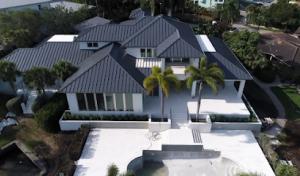
In this area, the roofscape blends standard suburban lines with Florida-style tile, reflecting a local housing stock that often pairs asphalt shingles, metal roofing, and clay tile. Asphalt shingles remain common on many traditional ranch and 3-bedroom designs, offering familiar color palettes and straightforward repairs after summer thunderstorms. Metal roofs appear on newer builds and some mid-century homes seeking durability and wind performance, while clay tile stands out on homes with Mediterranean or Southwest-inspired details. The interplay of these three options is shaped by how owners balance aesthetics, maintenance needs, and long-term resilience against Florida's heat, humidity, and storm season.
Apopka's humid climate accelerates heat aging and granule loss on asphalt systems. You will notice accelerated granule shedding in peak sun months, which can dull color and impact reflective properties. A practical approach is routine visual checks after major rain events and thunderstorms: look for bare roof patches, exposed plywood, or unusual granule buildup in gutters. Because sun exposure is intense, choose asphalt products with ultra-hi-definition or extra-reflective granule blends if you're re-roofing, and plan for more frequent inspections in the attic to catch early signs of moisture intrusion. A well-ventilated attic helps moderate temperature peak, reducing veneer expansion and shingle curling. If your neighborhood features mixed architectural styles, coordinating shingle color with the home's exterior palette helps preserve curb appeal while maintaining a cohesive look with neighbors.
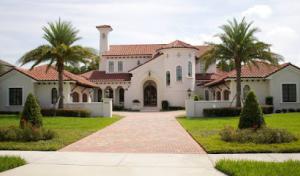
Clay tile roofs are a local staple on homes with more ornamental lines and terracotta tones. They demand careful attention to underlayment life and tile security after wind events. Because tiles can crack or displace during heavy gusts, a proactive inspection after storms is essential: check for cracked or loose tiles, lift points along hips and ridges, and inspect flashing where tile meets walls and chimneys. Underlayment compatibility matters here; ensure the substrate and underlayment are suited for tile weight and movement, especially on roofs with skylights or complex transitions. Tile systems excel in heat resistance and water shedding when properly installed, but tread carefully on roof decks and edge details to prevent water intrusion in heavy Florida rain seasons.
Metal stands out as a strong local contender because durability and wind performance align with storm-conscious insurance thinking, even if the upfront cost is higher. In neighborhoods that prioritize long-term resilience, metal panels or standing-seam systems provide quick shedding of rain and robust performance in gusty events. The key practical step is ensuring proper seam sealing and venting to manage condensation and heat buildup under metal profiles. Pay attention to fastener corrosion resistance and proper attic ventilation to avoid thermal expansion stress. For homes with mixed styling, metal can be finished to echo the color family of nearby clay or asphalt roofs, helping to maintain a unified streetscape while offering improved storm readiness.
A full reroof in Apopka typically requires a building permit handled through the Orange County Building Division rather than a separate standalone city roofing process. Before any material arrives, you should submit the permit package, including project scope, supplier and material details, and a proposed inspection schedule. The county office will issue the final permit once all plan-review items are satisfied, and the permit is tied to the property, not to a specific contractor.
Reroof inspections in this market commonly include rough and final stages. The rough inspection concentrates on the installation work in progress, with emphasis on underlayment quality, proper nailing patterns, venting placement, and overall roof decking condition beneath the new layers. The final inspection verifies that the roof is complete, gutters and penetrations are correctly sealed, and all components meet code requirements. In practice, a county inspector will walk the attic and roof line together to confirm there are no gaps in underlayment or improper fasteners that could compromise performance during Florida storms.
Wind-mitigation-related documentation may be requested because Florida homeowners often use compliant reroof work to support insurance credits. Have ready any prior wind-mitigation records, recent retrofit details, and product datasheets for the new roof system. If a pressure-treated deck or structural repairs occurred, keep the associated receipts and contractor notes accessible. During the process, you may be asked to provide photographs showing roof decking, nailing patterns, fasteners, and ventilation details for the county file and, if applicable, the insurance-claim packet.
Start the permit process early in the project to align with inspection windows. After issuance, plan for the rough inspection before any roofing material goes on, and schedule the final inspection after all installation and connections are complete. If a setback arises, communicate promptly with the Orange County Building Division and your contractor to adjust the inspection dates and required documentation.
In this market, your material choice drives most of the price band. Asphalt shingles run about 350-700 USD per square, a common starting point for midtown homes with standard trusses and existing decking. Metal roofing sits higher, roughly 650-1100 USD per square, reflecting the need for specialized fasteners, underlayment, and flashing designed for Florida wind resistance. Clay tile stands out with a higher ceiling, at about 900-1500 USD per square, driven by weight, express labor, and the need for roof deck reinforcement. Wood shingles or shakes typically land in the 500-1200 USD per square range, while synthetic/composite shingles run 400-900 USD per square, offering a lighter alternative with easier maintenance. Fiber cement sits between asphalt and metal, about 550-1000 USD per square, balancing durability with install effort. These figures reflect local norms and the expectations of Florida wind-mitigation assemblies.
Costs in this area can rise after major Central Florida storm periods when reroof demand spikes across Orange County and contractor schedules tighten. When a storm hits, suppliers and crews shift priorities, and that squeeze can push material and labor prices higher for a stretch of weeks. If your roof is near the end of its life or shows unseen moisture damage after heavy rain, the cost delta from peak storm season can be meaningful. Planning ahead for potential backlogs can help avoid sudden price jumps when timing is tight.
Tile and metal projects in this market often carry higher labor and accessory costs than basic shingle reroofs because of specialized installation details and the expectations of Florida wind-resistant assemblies. Tile requires precise roof deck prep, proper battens, and careful installation to prevent breakage during storms. Metal roofing demands accurate seam guidance, corrosion-resistant flashing, and sometimes structural reinforcement to handle wind uplift. Even when material costs are similar, the added complexity and stricter performance standards translate to higher overall estimates. If you own a home with a tile or metal roof, expect a longer installation window and a tighter schedule of skilled crews, which can influence both price and project duration.
Start with a clear scope: confirm underlayment type, number of penetrations, and the level of wind-resistance you expect. Get multiple bids from local contractors who understand Florida-specific wind mitigation and roof assembly requirements. When timing is flexible, consider scheduling outside peak storm rebuild windows to secure steadier labor availability and more stable pricing. For shingle reroofs, you may balance cost and value by choosing mid-range asphalt or evaluating a covered upgrade that improves hurricane resistance without jumping to premium materials. For tile or metal, plan for potential reinforcement or deck upgrades to ensure long-term performance and insurance compatibility.
Don't let upfront costs delay a critical repair - these contractors offer payment plans to fit your budget.
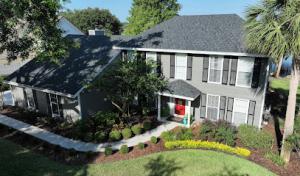
DeSantis Roofing
(321) 501-6220 desantisroofing.com
2755 Border Lake Rd Suite 102-13, Apopka, Florida
5.0 from 86 reviews
Florida's property-insurance environment directly affects reroof decisions because carriers may be selective on older roofs and may scrutinize prior condition before renewing or writing coverage. In Central Florida's hurricane-prone months, insurers watch the roof's age, material, and visible wear more closely, and renewal quotes can hinge on a clear history of maintenance. The result is a practical, sometimes uncomfortable incentive to act before a claim becomes necessary or coverage becomes unaffordable. You won't find a one-size-fits-all rule, but in these parts a roof closer to its practical life expectancy often triggers higher scrutiny and tighter terms.
Keep permit approvals, final inspection records, photos, and any wind-mitigation paperwork together in a single, easily accessible file. Insurance reviewers and underwriters may ask for this material to verify you've kept the roof in good order and that any upgrades meet expected standards. In practice, a well-organized packet can smooth underwriting, speed claim assessment, and help justify the roof's current condition during review after a significant storm. The more you can show a proactive maintenance trail, the less room there is for disputes about age or condition.
Higher hurricane-related premiums and deductibles in Florida mean many Apopka owners reroof proactively to preserve insurability rather than waiting for a total failure. A replacement that aligns with modern wind standards can be a meaningful step toward steadier coverage, less drama at renewal, and fewer questions when a storm bites. If a roof shows persistent leaks, recurrent wind-driven damage, or advanced wear, a timely reroof can be a prudent shield against sudden policy changes.
On tile roofs, the visible tile may outlast the waterproofing layer below, so leaks often trace back to aging underlayment rather than obvious surface failure. Homeowners should inspect for soft spots, cracking underlayment, and entrapped debris that can hold moisture against the deck. In Florida heat cycles, the underlayment deteriorates even when tiles look intact. Focus on slow, hidden leaks that travel along rafter bays or rise behind counterflashings at chimneys and vents. A careful dye-test or infrared scan after a strong rain can reveal moisture paths that surface early in the season.
In Central Florida, fastener, flashing, and transition details matter because repeated thermal cycling and storm exposure can turn small penetrations into active leaks. Look for loose screws, missing sealant, and worn under-pan flashing around dormers, skylights, and valley intersections. Corrosion around exposed edges and nail heads is common in salt-and-rain coastal-impacted zones, then compounded by humid heat inland. Regularly inspect ridge caps and panel laps, especially after thunderstorms with brief but intense gusts.
Apopka homes with low-slope sections over lanais, additions, or porch areas need special attention because ponding and slow drainage are more vulnerable during repeated summer downpours. Check for scupper blockages, membrane edge detachment, and pooled water near transitions to higher-slope sections. Ensure the drip edge and gutter systems below these zones direct water away from the deck and wall assemblies. Even minor sag or misalignment here can create a persistent leak loop during rapid rainfall bursts.
Find specialists in TPO, EPDM, and built-up flat roofing systems for residential and commercial properties.
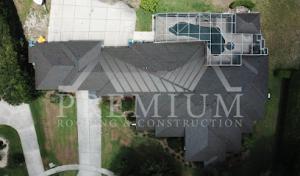
Premium Roofing & Construction
107 N Line Dr, Apopka, Florida
5.0 from 170 reviews
Castle Roofing Group
(407) 477-2823 www.castleroofinggroup.com
505 Suggs Rd #200, Apopka, Florida
4.9 from 222 reviews
Horizon West Roofing
2755 Border Lake Rd ste 102-9, Apopka, Florida
5.0 from 55 reviews
When considering a reroof in this market, you must separate manufacturer material coverage from contractor workmanship promises. Florida wind exposure makes nailing patterns, flashing execution, and dry-in details critical to long-term performance. If a shingle or panel fails early, the issue often traces back to how it was installed, not only what was bought. Read the warranty language carefully to see what is guaranteed for the product itself versus what the contractor guarantees for installation. In practice, a solid material warranty can become less meaningful if the install is shoddy or rushed to meet demand spikes after a storm.
Homeowners in this market should distinguish between manufacturer material coverage and contractor workmanship promises, especially on reroofs done after storm-driven demand surges. Reroof projects tied to emergency repairs can invite less-than-ideal scheduling, hurried sequencing, or substitution of flashing details. Verify the installer's process for inspection, edge metal, underlayment, and drip edge, and ask for a written cover of what happens if weather moves in before the roof is fully dried in. A reputable contractor will stand behind a careful install long after the crew has left.
Because many local buyers are comparing established and family-run roofers, warranty clarity is a practical screening tool in the area's crowded reroof market. Look for clear documentation that ties warranty terms to a defined installation standard, with specific timelines and responsible parties named. Prefer contractors who provide post-installation follow-up and a transparent claims path, so you're not left negotiating with a window of ambiguity when a storm tests your new roof.
Apopka's year-round sun make solar-related roof planning highly relevant, but timing matters. If a roof is nearing the end of its life, penetrations for mounts and the mounting layout should be coordinated before a new roof is installed. That coordination helps avoid rework and extra penetrations later, which can introduce leaks and wind vulnerabilities during a Florida storm. When choosing a roof type, consider how existing ventilation, attic insulation, and attic access will interact with a future solar array. A reroof that anticipates solar work helps ensure roof lines, sealants, and edge details stay watertight as equipment and wiring are added.
In Central Florida, solar additions must be considered alongside wind resistance and waterproofing details, not just energy production. Roof slopes, edge keep-out zones, and flashing around penetrations should be planned with both the solar array and typical storm events in mind. Look for products and installation practices that maintain the roof's wind uplift resistance and waterproofing under higher wind pressures. If a roof is being replaced, standardized sealant and flashing methods around vents, skylights, and parapets should align with the solar plan to minimize potential leaks after installation. A well-coordinated approach keeps the system protected during intense summer thunderstorms and occasional hurricane-related gusts.
Homeowners replacing older roofs in Apopka often evaluate whether to reroof first so the new system is ready for future solar work without disturbing fresh materials. The sequence can influence long-term performance: a fresh roof with clean edge details and properly coordinated mounting points reduces the risk of post-installation shingle damage and resealing requirements. Consider whether the chosen roofing material-whether asphalt, metal, or tile-has a favorable interface for solar rails, ballast, or mounting feet, and how that interface will hold up to wind-driven rain. If the roof is close to its life expectancy, reroofing first commonly yields a cleaner installation and easier maintenance down the line, with solar integration following as a planned upgrade rather than a retrofit.
Find contractors who integrate solar panels or solar shingles into your roof for long-term energy savings.
Best Price Roofing
(407) 814-3572 www.bestpriceroofing.com
1232 Rock Springs Rd #16, Apopka, Florida
4.9 from 96 reviews