Last updated: Apr 19, 2026
In this inland stretch of Lake County, the core threat comes from Florida's June through November hurricane season, with August and September packing the tightest scheduling pressure for inspections, repairs, and replacements. The clock runs fast once a storm forms: shingles can lift, gutters clog, and attic vents can fail in a matter of hours after a wind-driven downpour. You need to treat those first signs of trouble as actionable alerts, not afterthoughts. The peak weeks demand quick triage: a fast assessment, a clear plan, and a start date for repair-before days slip into weeks of weather cycles and busy contractor calendars.
Because the area sits inland rather than on the coast, the most common failures are wind-driven rain intrusion, lifted shingles, displaced tiles, and delayed leak discovery. A storm can leave an invisible trickle that only shows up after a few days of sun or when a heavier rain returns. This means proactive checks after every significant rain event matter just as much as the storm itself. Look for loose flashing, lifted edges, exposed fasteners, and any staining near ceilings or upper walls after storms. If you suspect intrusion, do not wait for a perfect forecast-start documenting evidence and securing temporary protections right away.
The local contractor scene is tuned to storm damage, insurance claims, and emergency repair. That means response times tighten quickly after a major event, and availability can be a bottleneck when the calendar fills with back-to-back claims. Expect field crews to prioritize urgent leaks and safety concerns first, then proceed to more comprehensive reroofs. When a storm hits, you're balancing urgent repairs with long-term needs, so have a concrete plan for temporary shoring, water mitigation, and a prioritized list of fixes that can get you through the next weather window.
After any storm, begin a rapid response protocol: photograph damage from ground level and from the attic if safe, timestamp the date and conditions, and note any correlated interior leaks or staining. Preserve damaged materials for assessment and avoid discarding anything until the insurer or adjuster has weighed in. If shingles or tiles show obvious uplift or cracking, flag those areas for immediate attention. When leaks are detected inside, act fast to dry and tarp, but document every step and keep receipts for temporary measures. The goal is to have clear, organized records ready for a claim within the insurer's preferred reporting window, minimizing delays caused by missing information.
Create a storm-response checklist you can pull during the season: inspect the roof after each major rain or wind event, secure loose materials, and arrange a temporary cover where feasible to prevent additional intrusion. Establish a primary point of contact with a trusted local roofer who understands the seasonal rhythms and the typical timelines for inspections, repairs, and claim processing. Keep a simple damage log-date, location, photos, and a short note on interior impact-so you can walk into the first claim appointment with a concise, factual briefing. When the next storm line forms, you'll know exactly what to do, who to call, and how to move from emergency measures toward a secure, long-term fix.
Your roof lives with Florida's long wet season and the inland Central Florida sun. In spring the heat ages materials, and by midsummer that aging is exposed to heavy downpours. This cycle accelerates granule loss on asphalt shingles and can reveal weaknesses in underlayment beneath tile roofs. In Groveland, the rhythm matters: hot, sunny days followed by intense rainstorms can stress roof assemblies quickly, especially where older underlayment or fasteners show signs of age. Knowing this helps you plan proactive checks after the heat peak and just before the storm surge hits.
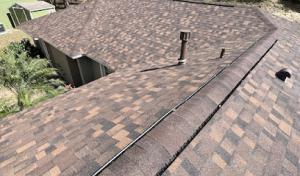
The neighborhood mix leans toward asphalt shingles alongside metal roofs, clay tile, and concrete tile. That blend reflects newer suburban construction and Florida-style homes that characterize Lake County's broader look. Asphalt remains common for its balance of cost and performance, while metal and tile are favored for longevity and local weather resilience. Wood shakes and slate do exist, but they're not the mainstream choices for most reroofs in this area. This mix means you'll encounter a broader range of inspection concerns, from granule loss on shingles to fastener security and tile integrity after heavy rains.
Tile roofs-clay or concrete-hold up well against wind and heat when installed with proper underlayment and battens, but they demand regular checks for cracked or loosened tiles after storms. Concrete tile often behaves differently from clay, so understanding the specific tile type on your home helps tailor maintenance and repair steps. Metal roofs shed rain efficiently and can be excellent in heavy downpours, yet fasteners and panel seams need inspection to prevent leaks after a season of heat expansion and contraction. If your roof combines tiles with standing water risk areas or trees, prioritize flashing integrity around chimney heads and transitional zones.
Asphalt shingles are designed to take sun and spray, but you'll notice granule loss faster after a hot spring followed by summer storms. Addressing a suspected leak early-especially near roof-to-wall intersections, around skylights, and along eaves-cuts the chance of interior damage. In mixed neighborhoods, you'll often find shingles paired with overlaid underlayment upgrades or supplementary flashing in vulnerable zones, which can help close gaps created by heat cycling.
After a severe storm, inspect gutters, downspouts, and flashing for debris or displaced materials. In tile roofs, pay attention to the areas around hips and ridges, where cracked or displaced tiles create the highest leak risk. For metal roofs, check for loose panels or lifted seam seals, especially near roof penetrations. Create a quick triage routine: look for daylight from the attic hatch, then check the attic for moisture trails or stained rafters. If you identify a leak, document the location with photos and clear notes so repairs target the exact source, reducing the chance of recurring leaks after the next storm. Regular, seasonal checks-before the wet season ramps up-help you spot aging underlayment or weakened fasteners before water intrusion becomes a priority.
Groveland sits in Florida's high-claim insurance environment, where hurricane and hail exposure makes roof age, material type, and replacement history central to underwriting and renewal decisions. That means your roof isn't just a weathered surface to patch after a storm-it's a crucial data point insurers weigh when assessing risk for coverage, renewal, and future premiums. The sooner you treat storm impacts as part of a documented narrative rather than a quick patch, the clearer the picture will be for both you and the insurer. This local context can drive how quickly a claim moves, what kinds of repairs are considered, and how your file is evaluated during the renewal cycle.
Homeowners in this market should expect insurers and adjusters to request photo documentation, contractor estimates, and wind-mitigation-related details when evaluating roof damage after storms. Photos should cover the overall roof, close-ups of damaged areas, attic or ceiling signs of leaks, and any nearby damage that could influence how the roof performed during wind events. Estimates from licensed contractors are essential to establish the scope of repairs or replacement. Wind-mitigation details-such as roof-to-wall connections, attic bypasses, and the presence of hurricane straps or clips-can affect both the assessment and the final settlement. Prepare these items ahead of time so you can respond quickly when the claim is opened.
Because Groveland homeowners frequently navigate a storm season with busy scheduling windows, timely documentation matters. When a claim is opened, insurers move faster if you deliver a coherent file: clear photos, a detailed narrative of what happened, a record of any temporary measures taken to prevent further damage, and upfront contractor estimates. If you delay, the adjustment process can stall, leading to longer repair timelines and the risk of coverage questions later on. In practice, keep a running record of storm dates, observed damage, and any communications with the insurer or the contractor. A well-organized file helps reduce back-and-forth delays and supports the claim with tangible, verifiable evidence.
Do not rely on memory alone after a storm; photograph before any changes are made and document the state of the roof and interior signs of water intrusion promptly. If you must proceed with temporary measures, keep receipts and notes that detail what you did and why. When talking with adjusters or contractors, reference the known Groveland exposure factors-hurricane history, hail potential, and the roof's age and material type-as context for your expectations. Align contractor estimates with the claims process early on so your file presents a cohesive picture rather than a patchwork of scattered notes. This approach helps ensure that your documentation serves as a reliable foundation for decisions about repair or replacement.
Insurance-sensitive reroof decisions are especially important in Groveland because local contractor demand shows claims assistance is one of the most prevalent services homeowners seek. Don't rush into a replacement based solely on an adjuster's initial assessment or a single contractor's pitch. Take the time to compare multiple estimates, understand how wind-mitigation features affect outcomes, and consider the long-term implications for renewal. A well-documented, thoughtfully planned reroof can align with insurance expectations while delivering durable protection against Florida's climate realities.
Connect with contractors who help homeowners navigate the claims process from damage assessment to final approval.


Big Sky Roofing
(352) 603-2458 bigskyroofingfl.com
Groveland, Florida
5.0 from 44 reviews
Big Sky Roofing is your go-to expert for roofing services in Central Florida, offering over 25 years of top-notch solutions for residential and commercial needs. As licensed and insured local roofers, we provide exceptional roof installation and replacement using high-quality materials like asphalt shingles, metal, tile, and slate, ensuring durability against Florida's intense climate. Our professional team excels in addressing roofing issues from minor repairs to major replacements, prioritizing energy efficiency and durability. Trust Big Sky Roofing for reliable, expertly handled projects compliant with Florida Building Code standards, ensuring peace of mind and enhanced curb appeal.
K&R Roofing Division
(833) 807-2490 www.krroofingdivision.com
115 Sourwood Ln Suite A, Groveland, Florida
4.8 from 21 reviews
At K&R Roofing Division, we understand that your residential or commercial roof is more than just a way to keep the rain out. That's why we offer comprehensive roofing solutions that are as strong as the Florida sun! We offer roof repair, 24/7 Emergency Service, weather and hurricane damage roof inspections, new construction and re-roofing. Click the button below for a free roof estimate.
APC Roofing
(407) 565-9921 www.apcroofing.com
Serving
4.9 from 531 reviews
APC Roofing is Florida’s trusted roofing contractor, proudly serving Clermont, Daytona, Orlando, Kissimmee, Palm Coast, Tampa, and surrounding areas. With 500+ Google reviews and an A+ BBB rating, our team delivers high-quality residential and commercial roofing, gutters, and storm-damage solutions. We provide free inspections, fast emergency response, insurance claim assistance, and top-tier workmanship backed by certified installers. As a community-driven company, we support local events, veterans, and first responders. When you need reliability, communication, and a roof built to last — choose APC Roofing, Florida’s Choice.
Titan Roofing
(352) 721-0398 www.titanroofingprofessionals.com
Serving
4.8 from 306 reviews
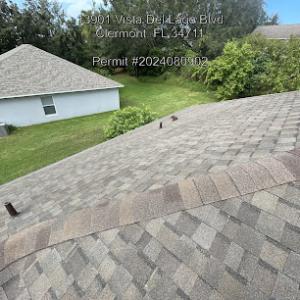
Titan Roofing, based in Clermont, FL, delivers expert roofing services with a focus on quality, professionalism, and customer satisfaction. They use top-grade, eco-friendly materials to ensure long-lasting results that are as sustainable as they are strong. Their experienced team is committed to a customer-centric approach, offering honest communication, timely service, and exceptional craftsmanship on every project. Whether it’s a repair, replacement, or new installation, they tailor solutions to meet each client’s unique needs. With Titan Roofing, homeowners can trust they’re getting reliable, high-quality work from a team that truly cares. Their reputation is built on integrity, skill, and service that puts people first.
AGU Roofing & Solar
(407) 459-6904 agu-roofing.com
Serving
4.9 from 205 reviews
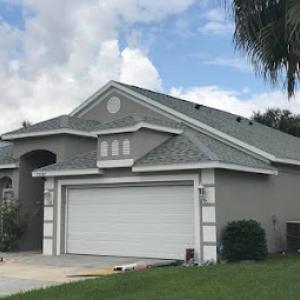
AGU Roofing & Solar is a roofing contractor in Central Florida serving Orlando, Clermont, Kissimmee, Davenport and nearby areas. Our roofing company offers residential roofing, commercial roofing, roof repair, and more. We also specialize in solar roofing services. Customers love us because of our comprehensive roof warranties and our affordable roof financing options. We also have industry affiliations and certifications such as GAF Master Elite Roofer Reform and Solar Alliance . If you want to experience how your most trusted Clermont roofing company embraces our motto “A Generation United", call us now for a free estimate!
Roofers360
(866) 976-6336 www.roofers-360.com
Serving
5.0 from 24 reviews
Roofers360 LLC is a locally owned roofing contractor that specializes in storm damage inspections, roof replacements and gutter installations. Roofers360 LLC brings more than 30 years of experience in the home improvement and residential industries.

Timothy Parks Roofing & Construction
Serving
4.6 from 84 reviews
Timothy Parks Roofing & Construction is a locally owned and operated roofing contractor servicing the Clermont, FL area. We are a fully licensed & insured roofing and construction contractor that offers free estimates, long-term warranties, and a industry trusted brand name. As a roofing contractor with over 40 years of experience, we are confident in our workmanship. TPRCI is a top-rated roofing contractor with a multitude of 5-star reviews and accreditation.
RedHead Roof Consultations
(352) 276-1487 clermontroofer.com
Serving
5.0 from 3 reviews
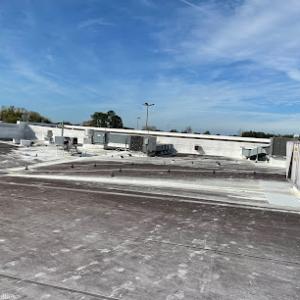
At Red Head Roof Consultations I bring expertise in a wide array of roofing styles and materials to meet your needs. From the sleek durability of metal roofs, providing long-lasting protection against the elements, to the timeless elegance of tile roofs, adding charm and character to any home, I am well-versed in their installation and maintenance. Additionally, I specialize in TPO roofing systems, known for their energy efficiency and affordability, ideal for both residential and commercial properties. Furthermore, my skills extend to modified bitumen roofs, offering superior waterproofing capabilities and resilience against harsh weather conditions. Whether you require installation, repair, or maintenance services please call us.
Sweep's Luck Chimney Service & Fireplaces
Serving
4.8 from 49 reviews
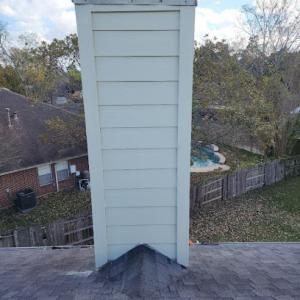
Sweep's Luck Chimney Service & Fireplaces, located in Clermont, Florida, offers a comprehensive range of roofing and chimney services. With a dedication to quality and customer satisfaction, their expert team provides services such as chimney cleaning, repairs, and roofing supplies. Trust Sweep's Luck to ensure safe, functional, and efficient chimneys, backed by their commitment to excellence, whether you need routine maintenance or complex repairs.
Clermont Roofing Contractors
(352) 706-6442 clermontroofingcontractors.com
Serving
5.0 from 11 reviews
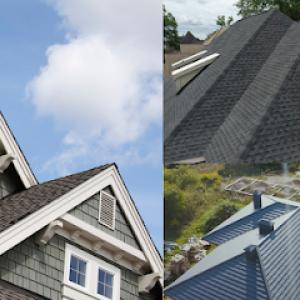
Clermont Roofing Contractors provides expert roofing services to residential and commercial clients in Clermont, FL. With years of hands-on experience, we specialize in roof installations, repairs, inspections, and replacements. Our skilled team is known for quality workmanship, honest assessments, and dependable service. Whether it's a new build or storm damage repair, we use trusted materials and proven techniques to ensure long-lasting protection for your property.
Top Seal Services
(352) 708-3344 topsealservices.com
Serving
5.0 from 14 reviews
Roofing Contractor Roof Inspections Roof Repair Commercial Roofing Contractor Commercial Roof Inspections Commercial Roof Repair Residential Roofing Contractor Residential Roof Inspections Residential Roof Repair Commercial Roofing Services : • Commercial Re-roofing • Commercial Leak Repair • Commercial Maintenance Inspections • Commercial New Construction • Commercial Gutters & Downspouts • Emergency Tarp / WrapRoof Shrink-wrap Residential Roofing Services: Residential Re-roofing Residential Leak Repair Residential Maintenance Inspections Residential New Construction Residential Gutters & Downspouts Emergency Tarp / WrapRoof Shrink-wrap
Ray’s Roofing & Construction
(352) 400-7663 www.raysroofingusa.com
Serving
5.0 from 19 reviews
Rays Roofing and Construction, Inc., based out of Clermont, Florida is dedicated to our customers and aim to be your trusted advisory. You can feel at ease knowing that our company is State Certified, Licensed, and Insured. When it comes to protecting your family, you can be assured that we are putting your best interest at heart. We stand behind our values and principles by offering you our commitment to honesty, integrity, and quality workmanship. A successful business is a direct result of teamwork and building relationships with our customers, suppliers, and employees. We look forward to partnering with you to attain your vision.
Reroof projects in Groveland typically require a permit through the Lake County Building Department serving the city. Navigating this process starts well before the first shingle is lifted, because the permit establishes the project scope, materials, and safety requirements that keep homes and neighbors protected during Florida's summer storms. The building department's role is to ensure the reroof complies with local codes and flood, wind, and drainage considerations that are common to inland Central Florida neighborhoods.
The local process generally includes plan review and coordinated inspections through the building office. If a contractor is involved, expect the submittal package to include project drawings, a brief scope, and a material list for the roofing system chosen. Once the plan review clears, an inspection schedule is coordinated so that inspections align with key construction milestones. The initial inspection typically occurs after materials are delivered and framing or underlayment are installed, confirming that the roof deck, underlayment, and any approved venting or flashing details meet code requirements. A final inspection closes the permit, verifying that everything is completed according to plan and that the installation will perform under Groveland's heat and rain patterns.
Weather delays matter in Groveland because summer storms can slow both permit processing and inspection scheduling, which directly affects reroof timelines during the busiest season. Lightning, heavy rain, and sudden squalls not only slow outdoor work but can also interrupt plan reviews when field inspectors are tied up with emergency calls or other high-priority sites. If a storm system is forecast during the permit window, anticipate possible rescheduling and work with the building department to adjust inspection slots accordingly. Keeping a flexible timeline helps avoid penalties or the need for reinspection rounds that can push the project into consecutive weeks.
Start the permit application early and ensure all documentation is complete, with clear indications of roof type, truss or rafter configuration where applicable, and drainage details. If a contractor is handling the submission, confirm who will coordinate the schedule with the Lake County Building Department and how material delivery dates align with the planned inspections. During the plan review phase, be prepared to address any requested clarifications quickly; lingering questions can create delays that compound with storm-driven slowdowns. On inspection days, have access ready for inspectors to move around the roof space safely, including unobstructed egress for access to attic or crawl space areas as needed.
A steady rhythm between material delivery, framing or underlayment installation, and scheduled inspections will help maintain progress even when afternoon storms approach. Understand that the permit timeline can expand if weather interrupts work windows or if additional documentation is requested. Communicate openly with the building department and the contractor about upcoming inspection dates, and keep a contingency plan for days with heavy rainfall. This proactive approach helps ensure the reroof project advances as predictably as possible within Groveland's summer conditions.
Typical Groveland pricing for common roofs runs through familiar ranges: asphalt shingles about $350-$700 per square, metal $600-$1100 per square, clay tile $700-$1100 per square, concrete tile $550-$900 per square, wood shingles or shakes $500-$900 per square, and slate $900-$1600 per square. These figures reflect the local mix of housing stock and the region's heat, rain, and sun exposure. When planning a reroof, you'll often see the widest spread between entry-level asphalt and premium tile or slate, with the rest clustered in between. The local market's taste leans toward metal and tile in many recent reroofs, driven by long-term durability and energy performance in Central Florida's heat.
Reroof costs can rise during and just after hurricane-season events when demand surges across Central Florida and contractor schedules tighten. That timing reality shows up in Groveland as crews shift to storm-related repairs and larger roof replacement projects statewide. If a reroof plan coincides with a busy stretch, expect shorter contract windows, potential premium charges for expedited work, and limited availability for your preferred material. Scheduling awareness, then, helps keep costs predictable and reduces the risk of last-minute price jumps or delays.
Tile and metal pricing are especially relevant locally because they are active specialties in this market. Tile, whether clay or concrete, and metal roofs are common on newer homes and on a growing share of reroofs as homeowners seek durability against heavy rains and heat. Clay and concrete tiles sit at the higher end of the range, while metal provides a favorable blend of long life and resistance to wind-driven debris. These options attract both upgrade interest and premium installation requirements, which can influence total project cost beyond the base material price.
Indirect costs loom where weather interrupts planning or a complex roof design is needed. Groveland schedules can be disrupted by storm season, leading to compressed timelines that push labor costs higher or require temporary access solutions. Tile and metal installations often involve specialized fasteners, underlayment, and precise ridge work, which can add to labor hours and material waste if conditions are challenging. Budget contingencies for weather-related delays and a margin for expedited material delivery are prudent in this market.
Start with a conservative estimate by choosing a mid-range material-for example, asphalt in the $450-$550 per square band, or metal in the $800-$950 band-and add 10-15% for weather-driven scheduling. If tile is selected, plan for the higher end of the local range and account for the more intricate install. Track how hurricane-season timing may compress supplier and crew availability, and consider pre-season scheduling to lock in preferred materials and crews before demand spikes. A clear, written material and timeline plan helps keep the project on track and minimizes surprises when the weather shifts.
Get a clear picture of your project costs upfront - no commitment required.

K&R Roofing Division
(833) 807-2490 www.krroofingdivision.com
115 Sourwood Ln Suite A, Groveland, Florida
4.8 from 21 reviews

For Groveland homeowners, the most workable replacement window is usually the drier, cooler part of the year, when weather interruptions are less frequent than in summer and early fall. That pattern helps keep crews on schedule and reduces the risk of delays from sudden storms. The local rhythm means plan around the drier months and build in extra drying time after any heavy rain or wind events. The aim is to finish tear-off and replacement before late spring heat and the hurricane-season window when storms tend to tighten schedules.
March through May in Groveland brings warm, sunny conditions that can accelerate visible aging on already-stressed roofing materials before the heaviest storm months arrive. This period commonly offers the most predictable days for tear-off, inspection, and replacement without the disruption of extended rain chances. If possible, align material deliveries and crew availability for mid-to-late March through late May to minimize back-and-forth during intermittent late-season showers.
December through February is milder for reroofing in this area, but intermittent wind events can still affect tear-off days and inspection timing. Winter winds can temporarily complicate ladder setup and tarp placement after a removal, so plan for flexible scheduling and brief delays if gusts pick up. This window tends to have fewer rain-days than summer, but workdays should still be forecasted with a wind-aware mindset.
Summer heat and the peak of the storm season pressure schedules. If work must occur then, target early mornings and finish ahead of expected tropical activity. Have contingency plans for late-season rain and blown shingles, and coordinate with your contractor on inspection timing after any significant storm or wind event.
Communicate anticipated weather blocks with the crew and set up a clear sequence: tear-off, inspection, substrate readiness, underlayment, and final recovery. Track potential weather corridors and align material readiness to those windows so the project advances steadily through Groveland's seasonal shifts.
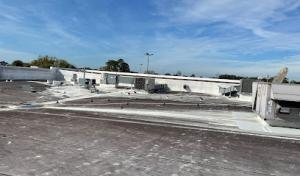
Although steep-slope residential roofs dominate the area, the contractor market shows meaningful demand for flat or low-slope work, indicating leak issues on porches, additions, and mixed-roof homes are common enough to merit attention. In these spaces, water doesn't shed as quickly, and a single poorly flashed joint or bad drainage detail can become a future headache. The heavy rains of summer, combined with rapid afternoon downbursts, push these vulnerabilities to the front line much faster than people expect.
Skylight-related repair demand is also present locally, which matters in the area's heavy-rain climate where flashing failures can show up quickly during summer downpours. When a skylight leaks, the water path isn't always obvious from the ceiling-look for staining along the drywall joints, warped trim, or musty odors near the penetrations. In many homes, the issue isn't the skylight itself but the surrounding flashing, seals, or the curb flashing that meets the roof surface. Treat any interior drip as a symptom of a problem that needs a careful, targeted fix rather than a quick patch.
These trouble spots often become urgent after storm bands move through Lake County because low-slope drainage and penetrations are more vulnerable to water intrusion than the main field of the roof. When a storm stalls over the property, water can pool against flat sections or migrate along joints and vents, stressing seals that would otherwise hold up under normal showers. If you notice even occasional dampness after a heavy rain, it's time to inspect the attic space for signs of moisture intrusion that may point to a larger, evolving leak.
Keep a watchful eye on porch roofs, additions, and any mixed-roof configurations after storms. If interior signs of water appear, prioritize a professional assessment focused on low-slope connections, flashing details, and skylight containment. Quick, targeted fixes now can prevent more extensive damage later, especially in homes with multiple roof planes converging at tricky angles. This neighborhood trend underscores the value of early detection and decisive action.
Find specialists in TPO, EPDM, and built-up flat roofing systems for residential and commercial properties.