
Last updated: Apr 19, 2026
Altamonte Springs sits in Central Florida where summer afternoon thunderstorms and hurricane-season bands create repeated wind-driven rain exposure even outside direct landfalls. The local contractor signal mix is heavily storm-oriented, with storm damage, emergency repair, and insurance-claims services among the most prevalent specialties in this market. Because this is an inland Seminole County city rather than a barrier-island market, homeowners often deal with lifted shingles, flashing leaks, fallen limbs, and water intrusion from storm cells rather than storm-surge-related roof loss.
In this market, wind-driven rain hits from multiple directions in quick bursts. Look for lifted shingles, rusted or bent flashing around chimneys and vents, and loose sealant at roof-to-wall transitions. Night leaks often reveal themselves as staining along exterior ceilings or attic trusses. If you notice wallpaper bubbling, musty odors, or damp insulation in the attic after a storm cell passes, treat it as an active leak risk until you can verify with eyes above the ceiling. Small, seemingly inconsequential gaps can become major water pathways during rapid afternoon downpours, so do not overlook a loose shingle tab or a displaced drip edge-these are common stress points in Altamonte Springs homes.
The moment rain stops, set priorities on safety and protecting interior spaces. If you can safely reach the roof, do a quick exterior check for obvious openings, missing shingles, or displaced flashing around the chimney, vents, or satellite mounts. Cover any exposed gaps with a temporary, sturdy tarp or heavy-duty plastic, securing it with wind-resistant fasteners or heavy weights. Inside, place clean buckets under active leaks and move as much furniture and valuable items away from affected ceilings as possible. If an attic area is damp, ventilate by opening soffit or attic vents if it's safe to do so; moisture control reduces mold risk and supports a faster, cleaner dry-out.
Because this market emphasizes storm-driven repair, you'll want to document damage rapidly. Take dated photos from multiple angles-both exterior and interior-and keep a simple log of when storms began, how long rain persisted, and which parts of the roof or attic showed leakage. Retain any damaged roofing materials you remove for independent inspection. If a licensed contractor arrives to perform emergency tarping or minor temporary repairs, ensure they provide a written itemization of work and a clear plan for a full assessment.
Choose a contractor who speaks plainly about storm damage, emergency repair, and insurance-claims workflows. A competent local pro will start with a thorough roof assessment from the exterior and then a careful attic check to locate hidden leaks. Expect them to test for wind-driven gaps around flashing and penetrations, and to evaluate the underlayment's integrity after a storm event. Insist on a transparent, itemized plan that includes temporary mitigation measures, a timeline for a full roof evaluation, and a clearly defined scope of work. Because Altamonte Springs homes often feature tile, metal, or asphalt systems, the evaluation should address how each material reacts to wind loading, hail potential, and accelerated aging in Central Florida heat and humidity.
Storm-related claims hinge on clear, organized documentation. Photograph all material losses, including the roof surface and interior water intrusion paths. Maintain a dated folder of storm reports from local weather outlets, contractor notes, and any inspector findings. Ensure your contractor provides a written assessment that highlights which areas require emergency protection, what temporary repairs were completed, and a detailed plan for the permanent replacement or repair. When communicating with your insurer, align photos with the scope of work, include a line-by-line material and labor breakdown, and note any ladder or access challenges that influenced the scope.
Proactively trimming overhanging limbs and removing loose debris from your roof can reduce the risk of branch damage and punctures during intense storm cells. Keep a ready-to-go storm kit for quick, on-call action: tarps, heavy-duty rope, wind-resistant fasteners, and contractor contact information. If a new storm system is approaching, pre-emptive temporary sealing of known vulnerable areas-especially around chimneys, vents, and skylights-can limit interior water intrusion while awaiting a professional inspection. In Altamonte Springs, rapid response isn't a luxury-it's a practical mandate to minimize interior damage and preserve the roof's long-term performance.
The dominant local material mix includes asphalt shingles, metal, clay tile, and concrete tile, reflecting the suburban residential roofscape common across Altamonte Springs neighborhoods. In this setting, the terrain and climate cycle through intense sun, heat, humidity, and sudden Florida thunderstorms. Your roof choice should balance durability under heat and UV, wind resistance, and the practical realities of drywall leaks that show up after a quick pop of wind-driven rain. Tile and metal systems are especially common here, with many contractors specializing in those two options. This matters when you're weighing your options after a storm or during a re-roof project.
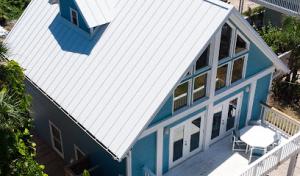
Clay and concrete tiles perform well in Central Florida heat when properly installed and vented. They tolerate heat and sun, but their weight and underlayment need careful attention in a high-humidity climate. Tile systems often shed wind-driven debris better than shingles, but a rogue tile can expose underlayment quickly after a stiff afternoon gust. Concrete tiles bring similar benefits with slightly higher resistance to impact, yet both tile types demand a robust roof deck and precise flashing to manage water flow around penetrations and chimneys. Metal roofing offers excellent wind resistance and a long service life if installed with the right sealants and foam closures. Look for a metal system with corrosion-resistant coatings and proper attic ventilation to minimize heat buildup and condensation under the panels. In practice, choose tile or metal when storm exposure and long-term durability are priorities, and lean on local crews who understand Florida-specific fastener patterns and sealant details.
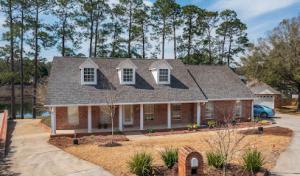
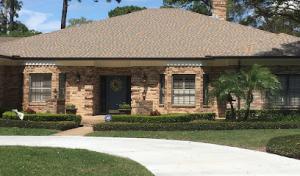
Asphalt shingles are common and versatile, but the Central Florida sun speeds up granule loss and coating fade. In Altamonte Springs, you'll want shingles with a good impact and wind warranty, installed with upgraded underlayment and proper nail patterns to resist wind uplift from thunderstorm gusts. UV exposure can age shingles faster, so regular inspections after the height-of-storm season help catch curling or granule washes early. If choosing asphalt, pair it with reflective attic ventilation and a high-quality sealant around penetrations to slow the progression of leaks after heavy rains.
After a Central Florida wind event, inspect for interior signs of water intrusion first-stained ceilings, damp patches, or peeling paint near exterior walls. If you notice active dripping, place a bucket under the leak and minimize attic traffic until a professional arrives. Document damage with clear photos of the roof, attic, and affected interior spaces from multiple angles. If shingles or tiles have been displaced, avoid stepping on the roof; contact a local contractor who specializes in your chosen material to assess the extent of underlayment and decking exposure. For temporary protection, use tarps or plywood above the affected area, ensuring they are secured and do not create further hazards.
When filing an insurance claim after a storm, organize a day-by-day record of the event, noting the exact time, wind direction, and any hail or debris impact. Keep all correspondence with the insurer, including adjuster visits and scope of repairs. Use the damage photos gathered from the roof and interior to illustrate the sequence of leaks and failures. Collect receipts for temporary repairs and a clear list of recommended repairs from a licensed contractor, so the claim can be evaluated against the actual scope of work. This targeted documentation helps ensure the claim reflects the real repair needs, especially when the underlying issue involves underlayment aging or flashing failures seen in tile and metal roof systems.
In your neighborhood, asphalt shingles run roughly $350-$700 per square, metal roofing sits around $600-$1400 per square, clay tile is typically $900-$1800 per square, concrete tile about $800-$1500 per square, wood shingles or shakes $500-$1100 per square, and slate $900-$2000 per square. These figures reflect the local market where Central Florida heat, humidity, and thunderstorm winds push demand and drive crew availability during busy seasons. Material choice matters more here because the local market actively supports tile and metal specialists, while less common systems like slate and cedar shake have far fewer specialty providers. Use these ranges as a realistic baseline when budgeting and bidding with local installers.
Costs in Altamonte Springs can rise after major storm periods when Central Florida demand spikes and quick-response crews are booked across the Orlando metro. If a storm knocks out multiple roofs, contractors prioritize response times, which can push short-notice bids higher and squeeze lead times. If you're replacing after a storm, expect potential premium pricing for rapid scheduling and after-storm material availability. On the flip side, if you're building or replacing in a calm window, you'll likely see more price consistency and more negotiating room with a broader pool of local crews.
Clay tile and concrete tile are common here, and suppliers who specialize in tile systems understand the local wind and mounting requirements better than generic shingle crews. Tile installations may require added roof deck preparation and underlayment upgrades to handle Central Florida humidity and thermal movement. Metal roofs, with their durability against wind-driven impacts, also have a strong local presence and can be a prudent choice if you anticipate frequent high-wind events. Asphalt shingles remain a dependable, lower-cost option, but their long-term performance under our storm cycles and heat should be weighed against tile or metal options. Less common materials, like slate, offer longevity but come with higher installed costs and a thinner local support network, which can affect both pricing and service timelines.
Start with a realistic plan for material selection based on your home's exposure, roof pitch, and attic ventilation, then request multiple quotes during a non-peak window to gauge standard pricing. Ask contractors to itemize underlayment, fasteners, flashing, and reseal details typical to storm-prone Florida roofs. If you're already dealing with hail or wind damage, document with photos for insurance and timeline planning, since quick-response crews will align pricing with urgency. Keep in mind that the same square footage can translate into different total costs depending on material choice, installation complexity, and local crew availability during a given season.
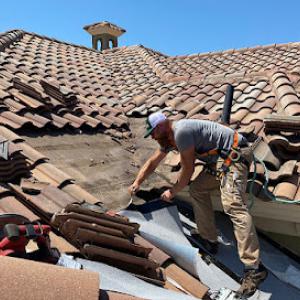
Northmen Roofing
(407) 498-2137 www.northmenroofing.com
910 Britt Ct Suite 106, Altamonte Springs, Florida
5.0 from 103 reviews
Northmen Roofing is a “quality and service first” specialty roofing contractor based in Central Florida who focuses on highly technical waterproofing and premium roofing systems. Specialties: Tile Roofing specials! (Repair, reroof, installations), flat roof repair and restoration, balcony waterproofing, chimney refurbishment, Liquid Applied Roofing systems and premium roof replacement services. Our business is built on the belief that craftsmanship and experience is our greatest asset and quality can never be compromised. Our highly trained in-house technicians & project managers have decades of experience in the Florida construction. Serving Windermere, Winter Park, Dr Phillips, Downtown Orlando, Lake Mary, Heathrow and Central Florida.
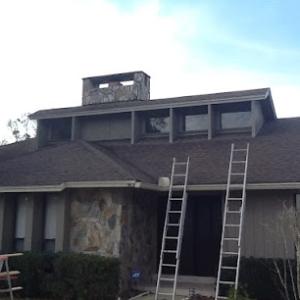
The Home Builder's Network
(407) 754-1814 myhomebuildersnetwork.com
924 W State Rd 436 #1150, Altamonte Springs, Florida
4.9 from 134 reviews
Located in Altamonte Springs, The Home Builder’s Network, Inc. has been providing exterior home improvement solutions for homeowners in Orlando and throughout Central Florida since 2004. Combining years of experience with a dedication to client satisfaction, The Home Builder's Network, Inc. has established itself as the local leader in the following specialties: Roofing Repair, Roof Replacement and Window Replacement.
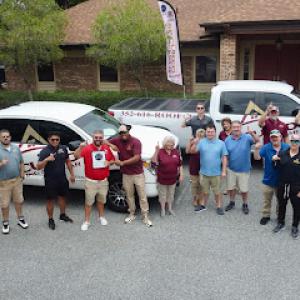
Secured Roofing & Restoration
(352) 747-8767 securedroofingandrestoration.com
483 Montgomery Pl Suite 104, Altamonte Springs, Florida
4.7 from 262 reviews
Secured Roofing & Restoration is Central Florida’s premier roofing company. Our skilled and dedicated team can handle any issue impacting your roof – large or small. We have designed our entire process around reducing the stress and worry of our customers. When we are hired, we take care of EVERYTHING. From paperwork to the heavy lifting, we make our service as hassle-free as possible.
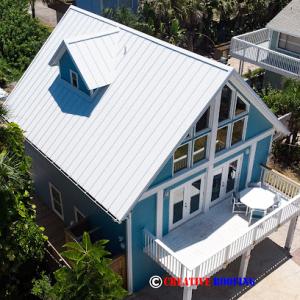
Creative Roofing
(321) 972-8723 www.creativeroofingcfl.com
1088 E Altamonte Dr #103, Altamonte Springs, Florida
5.0 from 37 reviews
Licensed professional roofing company servicing all of central Florida. We service both residential, and commercial projects. Services include: Free Estimates New Construction Re-roofing Roofing Repair Roofing Inspections Metal Roofing Tile Roofing Sky Light Installation We have been in business since 2006. If you'd like to schedule a free estimate for your project, or have any questions give us a call at 321-972-8723. Creative Roofing admin@creativeroofingcfl.com License Number: 1327601
Quality Roofing Solutions
(407) 565-5824 www.qualityroofingsolutions.com
961 E Altamonte Dr, Altamonte Springs, Florida
4.9 from 63 reviews
Quality Roofing Solutions in Altamonte Springs, FL delivers dependable residential and commercial roofing services throughout Altamonte Springs, Winter Park, Orlando, Maitland, Longwood, and the greater Seminole County area. Our certified team specializes in roof repairs, full roof replacements, new installations, storm-damage restoration, leak detection, inspections, and emergency tarping. We work with shingle, metal, tile, and flat-roof systems to provide durable, long-lasting protection. Count on our roofing experts for honest guidance, quality craftsmanship, and fast, reliable service—contact us today for a free estimate.
SunSmart Roofing
(800) 821-0102 www.sunsmartroofing.com
925 Sunshine Ln #1010, Altamonte Springs, Florida
4.9 from 45 reviews
SunSmart Roofing is Florida’s premier roofing company, specializing in new roofs, repairs, and even roofs that are forward-engineered to accommodate solar panels! We install shingle, tile, metal, and Tesla Solar Roofs, offering advanced materials and techniques at no extra cost. Whether you need a full roof replacement, repairs of any size, or seamless solar panel removal and reinstallation, we’ve got you covered. Our roofs exceed building codes for storm-proofing and water-shedding, and we provide thorough documentation for home inspectors, appraisers, and insurance companies. SunSmart Roofing—Home of the Future-Proof Roof!
FL Specialty Roofing
974 Explorer Cove Suite 144, Altamonte Springs, Florida
4.9 from 39 reviews
FL Specialty Roofing is a roofing company specializing in premium and complex roof systems like Cedar Shake, Spanish Roof Tile, Slate, Composite, Metal, Clay, and more. Partnered with industry-leading manufactures, including Brava, DaVinci, Crown, Ludowici, GAF, and others, we can provide solutions for any type of challenge. Our team is composed of some of the most talented and skilled individuals in our industry, all focused on safely and efficiently delivering world-class service and the highest level of craftsmanship.
Storm Restoration Services Of Orlando
705 Douglas Ave, Altamonte Springs, Florida
4.1 from 54 reviews
We are a Roofing Contractor that specializes in helping homeowners through the insurance claims process. A majority of our customers are unaware they have storm damage. We provide a free inspection to determine if the roofs are damaged. Guide you through the insurance claims process and most roofs are replaced through insurance for $500 to $2,500.
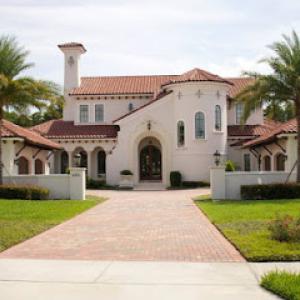
Central Homes Roofing & Solar
(407) 732-7262 centralhomesroofing.com
Serving
4.8 from 1235 reviews
Central Homes Roofing & Solar is your trusted roofing contractor in Central Florida, offering expert roofing services for both residential and commercial properties. We provide roof repairs, full roof installations, roof replacements, and solar panel installations. We help protect your home with reliable, long-lasting results. Serving the surrounding areas of Longwood, we are committed to delivering quality craftsmanship and professional service.
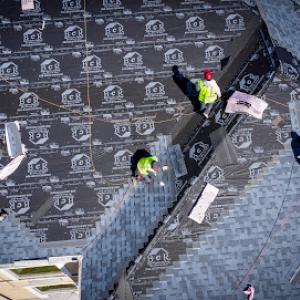
Best Choice Roofing Central Florida
(407) 707-6717 bestchoiceroofing.com
Serving
4.6 from 232 reviews
Best Choice Roofing is your trusted roofing expert and the Best Choice when it comes to choosing a roofing company with a commitment to impeccable customer service in North Orlando, FL. In business since 2009, Best Choice Roofing’s industry-leading contributions to the roofing industry include a customer-first mentality, a dedication to top-quality products and a leadership team focused on the growth of its people. Because of this framework, we have created a loyal base of customers all over the United States.
All Pro Roofing
(407) 951-5288 www.allprofl.com
Serving
4.9 from 199 reviews
Our main focus is to be the absolute best roofing company Orlando FL has ever seen. As residential and commercial roofing experts, we already have an outstanding reputation as one of the top roofing companies in Central Florida. Our primary goal on each job is not to meet your expectations as a homeowner, but to exceed them by providing the highest quality of work and the best service possible. We’re not like one of these upstarts that only care about replacing roofs. We want what is best for the families and individuals that need a roof repaired or fully replaced. Call us for a free comprehensive roof inspection today @ 407-951-5288.
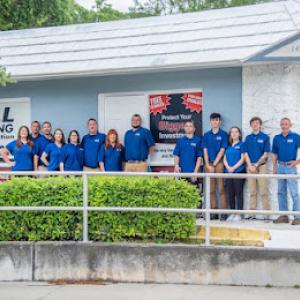
All Roofing & Construction
(407) 960-2180 www.allroofingandconstruction.com
Serving
4.9 from 150 reviews
All Roofing & Construction stands out as the premier choice for roofing services in Tampa, Orlando, and Daytona Beach, FL. With three generations of roofing expertise and 50 years of combined experience, we've built our reputation on delivering exceptional results. Our team of ShingleMaster and HAAG certified installers ensures that every project is completed to the highest standards. We're your partners in safeguarding your property with durable, high-quality roofing solutions. From residential to commercial projects, our family-owned business is committed to transparency, efficiency, and customer satisfaction. Whether you need a quick repair or a complete roof overhaul, we're here to exceed your expectations.
For a full roof replacement, a building permit is generally required in this community. Re-roofing that is treated as informal maintenance is not the typical path here; code-compliant projects usually move through the city permit process. Knowing this upfront helps you align expectations with your contractor and avoid delays when storms intensify or a pending insurance claim is underway. The permit ensures that the new roof installation follows current wind-resistance standards, proper nailing schedules, underlayment quality, and venting requirements applicable to the Central Florida climate.
The city reviews roofing work and requires inspections at milestone stages plus a final inspection. This means scheduling matters as much as weather. A storm-based delay can ripple into the inspection calendar, while a hot, humid window with frequent afternoon storms can compress the window for safe, dry work. Plan around a project timeline that accommodates these inspections: an initial framing and underlayment check, a mid-progress inspection after sheathing or underlayment, and a final inspection once the roofing material is in place and all penetrations (vents, conduits, plumbing, chimneys) are sealed. Clear communication with the contractor about anticipated inspection dates helps prevent rework and rescheduling.
Utility clearances are a local consideration, especially in neighborhoods with mature trees and mixed electrical layouts. You may need to verify wind-resistance requirements for the chosen roofing system and confirm clearance from overhead utilities and venting paths. Some districts require specific hurricane-rated components or additional fastener-duty when wind exposure is higher, particularly on multi-story homes or structures with large overhangs. The permit process will reflect these requirements, and your inspector may request documentation on product wind ratings, installation manuals, and fastening patterns before approving the final permit.
Permit processing commonly runs about 1-2 weeks depending on scheduling and workload at the city's building department. Weather plays a central role here too: a window of dry, calm days helps crews complete milestone inspections on time and reduces the chance of rustling plans back to the office for corrections. If storms are forecast, coordinate timing with both the contractor and the inspection office to avoid blocking your project for extended periods. Having a prepared set of documentation - permit number, approved plan set, wind-rating data, and utility clearance notes - speeds up the review and ensures the project can proceed smoothly once inspections are approved.
When a storm rolls through Central Florida, the typical wind and impact events leave a lasting imprint on roofs around this tight-knit housing stock. Insurers in this market increasingly apply tougher eyes to pre-existing wear, especially on roofs that have endured years of heat, humidity, and seasonal pounding. In practice, that means a claim may be met with closer scrutiny of the roof's condition before the storm hit, not just what happened in the hours of the event. You should anticipate questions about shingle granule loss, flashing wear, and the grit under ridge lines that hints at longer exposure to sun and rain. The goal for you is to be prepared with a clear, thorough narrative of your roof's history to avoid surprises when the adjuster climbs the ladder.
Even in inland settings, Florida insurers want to see how a roof has been built to withstand wind. Wind-mitigation features-things like reinforced eaves, upgradedNailing, and secondary water barriers-can shift underwriting and claim handling in subtle but meaningful ways. The presence or absence of these features often becomes a factor in how a claim is evaluated, how depreciation is assigned, and how quickly a settlement can move. If your roof has documented improvements or upgrades, make sure those records are easy to locate and clearly explained to the adjuster. A simple, well-organized packet can prevent a lot of back-and-forth and reduce the risk of being blamed for issues that predate the storm.
In this market, documentation matters because carriers often want clear separation between sudden storm damage and long-term deterioration from Central Florida sun, humidity, and deferred maintenance. Every event-whether a single wind-driven blow or a hail hit that leaves microscopic pocks-should be photographed with date stamps, and you should note the initial date you observed any deficiencies. Keep a running log of maintenance, repairs, and any temporary fixes that were done in the wake of a storm. If you can demonstrate a clean, documented trail from the storm event to the current condition, you increase the odds that the insurer will focus on the damage that happened during the storm, rather than attributing every wrinkle to age or wear.
Prepare a concise roof history that covers last major repairs, prior insurance claims, and any known vulnerabilities in the attic or decking. Photograph all visible damage from multiple angles and keep the images organized by date. When meeting the adjuster, present a calm, factual narrative that aligns your photos with dates and repairs. In Altamonte Springs, the memory of the last thunderstorm is fresh for many, and insurers will expect your documentation to tell the full, honest story of how wind, hail, and sun have shaped your roof over time.
Connect with contractors who help homeowners navigate the claims process from damage assessment to final approval.
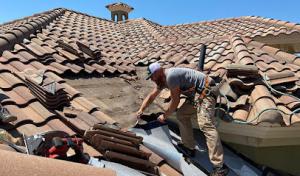
Northmen Roofing
(407) 498-2137 www.northmenroofing.com
910 Britt Ct Suite 106, Altamonte Springs, Florida
5.0 from 103 reviews
Secured Roofing & Restoration
(352) 747-8767 securedroofingandrestoration.com
483 Montgomery Pl Suite 104, Altamonte Springs, Florida
4.7 from 262 reviews
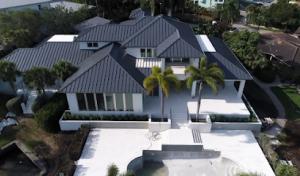
SunSmart Roofing
(800) 821-0102 www.sunsmartroofing.com
925 Sunshine Ln #1010, Altamonte Springs, Florida
4.9 from 45 reviews
Tile roofing is a major local specialty, which reflects how common clay and concrete tile roofs are on homes in and around Altamonte Springs. In Central Florida, tile systems often outlast the underlayment beneath them, making leak diagnosis more about aged waterproofing layers and penetrations than broken field tiles alone. Heat cycling, humidity, and storm-driven rain shape which areas fail first.
Heat and sun erode underlayment along valleys and around penetrations long before a visible tile cracks. In roofs with a lot of shadow lines or dense tree cover, moisture can linger and accelerate deterioration of flashing transitions. Roof-to-wall changeouts and vent flashing see heavy wear from seasonal storms, so check these junctions carefully after a summer thunderstorm.
Leaks frequently show up at valleys, step-flashes, and chimney or vent penetrations, not just from broken tiles. If water marks appear along the eave or interior ceiling, trace the line back to a penetration rather than a ceramic tile error. In Altamonte Springs, wind-driven rain can push moisture under the tile edge, so inspect the edge fasteners and course laps for algae, grit, and fastener rust.
After a storm, perform a careful top-down inspection from a scaffold or ladder, focusing on flashings and valley convergence. If a leak is suspected, avoid climbing onto a steep tile roof with slick surfaces; call a local roofer who specializes in tile systems to perform a moisture survey and targeted penetrations assessment. Regular checks after hot, humid periods help catch early deterioration before interior damage develops. In Altamonte Springs, prioritize inspections of transitions around chimneys, vents, and where roof planes meet walls.
Find contractors who specialize in clay and concrete tile roofs, known for their durability and curb appeal.
Northmen Roofing
(407) 498-2137 www.northmenroofing.com
910 Britt Ct Suite 106, Altamonte Springs, Florida
5.0 from 103 reviews
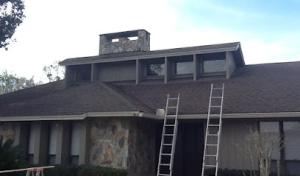
The Home Builder's Network
(407) 754-1814 myhomebuildersnetwork.com
924 W State Rd 436 #1150, Altamonte Springs, Florida
4.9 from 134 reviews
Creative Roofing
(321) 972-8723 www.creativeroofingcfl.com
1088 E Altamonte Dr #103, Altamonte Springs, Florida
5.0 from 37 reviews
Flat-roof additions, porches, and low-slope sections are common in this market, where the housing stock often blends retrofit spaces with existing structures. In this climate, extended wet spells stress drainage systems quickly, so plan for a continuous slope and clear overflow paths. Consider a tapered insulation layout that keeps water from ponding near penetrations and transitions to existing roofs without creating low spots.
Afternoon storms can compress work windows, so dry-in sequencing matters. Schedule removal, sheathing, and deck sealing during the same dry period when possible, and stage materials to minimize exposure time between layers. Use temporary weather-resistant enclosures at vulnerable edges, and verify that flashing details around skylights, vents, and parapets are compatible with low-slope geometry. A well-planned dry-in reduces moisture intrusion after the first sudden shower.
Choose roofing materials that handle Central Florida humidity without excessive thermal movement. Field membranes should be compatible with transitions to higher-slope sections and with existing roofing substrates. Ensure edge detailing and terminations at parapet walls resist wind-driven rain and that fasteners chosen for metal or single-pply systems have corrosion resistance appropriate for Florida heat and humidity.
After a storm, inspect for blisters, punctures, and fastener backouts around HVAC curbs and vent penetrations. If a leak is found, isolate the area and dry out before final repairs to avoid trapping moisture. Documentation should capture the area, weather conditions, and any preexisting vulnerabilities. Photographs and dated notes support rapid leak response and insurance documentation when damage is reported.
Find specialists in TPO, EPDM, and built-up flat roofing systems for residential and commercial properties.
Northmen Roofing
(407) 498-2137 www.northmenroofing.com
910 Britt Ct Suite 106, Altamonte Springs, Florida
5.0 from 103 reviews
Quality Roofing Solutions
(407) 565-5824 www.qualityroofingsolutions.com
961 E Altamonte Dr, Altamonte Springs, Florida
4.9 from 63 reviews
In Altamonte Springs, local replacements are often planned for the drier part of the year because summer heat and frequent afternoon thunderstorms shorten safe installation windows. The long, hot days can push crews to start early and finish late, but sudden late-afternoon storms still interrupt work. By aligning projects to the drier months, you reduce the risk of weather-driven delays and keep crews more consistently on track.
Hurricane season from June through November can delay projects, complicate material delivery, and create sudden contractor backlogs across Central Florida. If a re-roof is on the books, you should expect some ebb and flow in crew availability and delivery schedules during peak months. Planning with a contingency buffer for weather-impacted weeks helps prevent cascading delays into your timeline.
Even during the drier season, intense UV exposure in this region continues aging exposed shingles and can make already-brittle roofs more vulnerable before replacement. If a roof reaches the point of visible cracking, curling, or granule loss, you may notice accelerated wear after back-to-back sunny days. Scheduling ahead of that accelerated aging helps ensure the new roof goes down cleanly and performs through the next hot season.
Storm-response demand remains consistently high, so consider aligning your reroof if your current roof shows leaks or recurrent wind damage after a storm. If you experience a quick hit from a thunderstorm, contact crews promptly to assess temporary mitigation needs and secure a scheduling slot that minimizes exposure to further wind-driven impacts. Coordinating through the typically quieter pockets of the year can help you avoid rushed installations right after a storm event.