
Last updated: Apr 19, 2026
The agricultural-urban mix of Grovetown's homes means a single blown shingle can become a cascade of problems fast. Summer thunderstorms and the June-November tropical storm season arrive with little warning, and humid air carries water into roof penetrations in minutes. After a storm, walk the exterior with care and look for lifted shingles, missing tabs, warped edges, and any obvious gaps where daylight shines through. If ladders or gutters reveal active leaks, treat the situation as urgent: assume attic moisture is rising and decking could be compromised even if it looks dry from below.
Water intrusion travels quickly once wind-driven rain finds an opening. If shingle loss or damaged flashing is present, focus on creating a dry-in message to the interior: cover exposed roof lines with a sturdy tarp or roof patch, aiming to seal the most vulnerable areas before more rain arrives. Seal around any vents and penetrations with weather-rated tape or sealant as a temporary measure, but avoid trapping moisture in the attic. In the attic, check for staining, damp insulation, or dark mold-like odors, and arrange prompt removal of saturated material if accessible. Quick action here can slow decking moisture buildup and blunt secondary damage to ceilings and walls.
Storm damage signals in this market drive rapid assessment and insurance conversations. Gather the storm date, photos of all damaged areas, and a clear map of affected sections from eave to ridge. Keep a record of any temporary repairs, including tarps, fasteners, and the dates they were applied. If a contractor advises emergency dry-in or tarping, request a written scope and a dated, itemized plan to compare with the final repair strategy. Insurance adjusters will want proof of loss tied to weather events, so organize before-and-after images and a simple timeline of the incident.
Because wind and water often arrive together, the most critical targets are roof sections with visible openings, damaged flashing around chimneys or vents, and any pockets where roof decking shows daylight or moisture staining. A rapid tarping program should protect the most vulnerable hillside or mid-roof areas first, then extend coverage to other sections as weather permits. The neighborhood's common housing stock-shingle roofs with metal flashings and vent stacks-means flashings and edge details frequently fail during storms; addressing those components early reduces the risk of widespread leaks and minimizes the chance of further interior damage before a full repair.
After the weather event, the choice often comes down to temporary dry-in versus full replacement. In many Grovetown neighborhoods, contractors prioritize securing the home with tarps and temporary patches to ride out the peak storm window, followed by a full replacement when conditions stabilize. This approach preserves interior comfort and prevents escalating moisture levels, while still aligning with the natural tempo of the local storm season.
Find local contractors experienced in assessing and restoring roofs after hail, wind, and severe weather events.
Ridge Roofing
(706) 414-5009 ridgeroofingusa.com
312 Palamon Dr, Grovetown, Georgia
5.0 from 110 reviews
Crosby Roofing
(706) 823-4300 www.crosbyroofing.com
1955 International Ct, Grovetown, Georgia
4.7 from 714 reviews
Ridge Roofing
(706) 414-5009 ridgeroofingusa.com
312 Palamon Dr, Grovetown, Georgia
5.0 from 110 reviews
Ridge Roofing is a locally owned and operated business servicing all of the CSRA. Ridge Roofing is licensed, bonded and insured. We are certified by Owens Corning’s Preferred Contractor program, guaranteeing excellent service with quality products. We offer free inspections, estimates and will happily discuss our findings with you and your insurance provider to ensure you receive the best service possible for your roofing needs. Give us a call today!
US Roofing
5045 Parham Road #8, Grovetown, Georgia
4.8 from 295 reviews
US Roofing is a trusted roofing contractor serving Augusta, Savannah, and surrounding communities since 2012. We specialize in residential and commercial roofing, including asphalt, metal, and flat systems, as well as storm damage restoration with insurance claim assistance. Our team also provides gutters, siding, and exterior painting to protect and enhance your property. As a GAF Master Elite® contractor, we stand out for our quality workmanship, professionalism, and long-lasting warranties customers can rely on.
Crosby Roofing
(706) 823-4300 www.crosbyroofing.com
1955 International Ct, Grovetown, Georgia
4.7 from 714 reviews
Crosby Roofing and Seamless Gutters is a family owned and operated business since 1989. Crosby Roofing was founded with the goal of providing exceptional service in the Roofing Industry. We are now operating in Georgia and South Carolina with offices in Macon, Augusta, and Columbia. With 30 years experience and thousands of happy customers, we are proud to continue providing exceptional customer service for our customers. In addition to roofing services, we also provide gutter repair and installation, vinyl siding, attic ventilation and insulation and window replacements. Contact us for a free estimate today! Quality you can look up to!
Buckhead Roofing
(706) 744-1844 buckheadroofing.com
999 Branch Court, Grovetown, Georgia
5.0 from 49 reviews
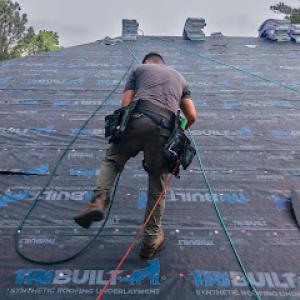
Buckhead Roofing are your trusted roofing experts serving Buckhead, Alpharetta, and Milton, GA! With decades of experience, we specialize in both residential and commercial roofing services, including replacements and repairs on all types of roofing systems: asphalt shingle, tile, metal, and flat roofs. Our dedication to customer service and top-quality roofs ensures your home or business is protected for years to come. Locally operated, we're proud to serve and be a part of the Buckhead, Alpharetta, and Milton communities. Contact us today for reliable roofing solutions tailored to your needs!
RPI Roofing Augusta
505 CDP Industrial Blvd, Grovetown, Georgia
3.7 from 3 reviews
RPI Established in 2000, Roofing Professionals (RPI) offers comprehensive roofing services for commercial property owners in the southeast. We were created with the simple philosophy of “DO RIGHT.” We still stick to that goal today, furthering our mission of being the trusted and preferred contractor in the area by delivering professional solutions. We have three locations, two in Georgia and one in South Carolina. Our office in Richmond Hill is located at 429 Longwood Dr. Richmond Hill, GA. Our second location is in Augusta Georgia, 505 CDP Industrial Blvd, Grovetown, GA. Our third location is at 4458 Augusta Road, Ste 2-A Lexington SC 29073.
Modern Roofing
(706) 551-7766 modernroofingusa.com
Serving
4.7 from 203 reviews
Modern Roofing in Augusta, GA, offers top-tier residential roofing with over 10 years of experience, specializing in insurance claims. Using advanced materials and methods, our skilled team ensures your roof's safety and aesthetic appeal from inspection to completion, delivering exceptional value.
Tico Roofing
(706) 650-2121 ticoroofing.com
Serving
4.7 from 33 reviews
Tico Roofing in Augusta GA is an experienced full-service provider of residential and commercial roofing in the CSRA and the surrounding areas. For roofing installation, repairs, coatings, metal installation, or inspection, you can count on us to provide quality workmanship and exceptional customer service. We are proud members of the NAHB., and GAF manufacturer certified roof installer.
Augusta Roofing Pros
(706) 406-3408 augustaroofingpros.com
Serving
5.0 from 29 reviews
We believe a Happy Home starts with a Quality Roof, and we won’t stop till every member of our community has both.
Penn Roofing
(706) 421-0226 www.pennroof.com
Serving
4.9 from 287 reviews
Penn Roofing is a full service commercial and residential roofing company. We are focused on providing quality workmanship along with excellent customer service on all levels. Our experience includes both low slope and steep slope roofing systems. From repairs to preventative maintenance, our commitment is to be passionate about our work in every aspect, with hope that our customer base will follow.
Roof Savers® North America
(706) 786-1819 myroofsavers.com
Serving
4.8 from 236 reviews
Roof Savers North America is a full-service roofing and siding company specializing in the maintenance, repair, and installation of exterior surfaces for both residential and commercial properties across North America. Our services include: Roof Inspections & Leak Repairs – Identifying and addressing issues before they become costly problems. Roof Replacements – Expert installation using top-quality materials for lasting performance. Exterior Surface Life Extension – Our patent-pending Renueit™ with Microcraze VR™ Technology can extend the life of asphalt, tile, and metal roofs, as well as vinyl siding, Hardie board, and stucco by up to 10 additional years. Gutter & Gutter Topper Installation – Protecting your property from water d
E-Z Roofing & Construction
(706) 364-4083 www.myezroofing.com
Serving
4.9 from 124 reviews
Since 2009, E-Z Roofing & Construction has proudly served Evans, GA, Augusta, and surrounding areas with quality residential and commercial roofing services. Our certified team specializes in roof replacements, roof repairs, and new roof installations using Owens Corning Duration and Designer Shingles. We also offer siding, skylights, insulation, and waterproofing. Committed to craftsmanship, reliability, and customer satisfaction, E-Z Roofing delivers lasting results that protect and enhance your property.
R L Hayes Roofing & Repairs
Serving
4.7 from 166 reviews
You should never let your roof stay damaged or go over its age limit. If you need roof repairs or a roof replacement for your residential or commercial property around Augusta, GA, call R. L. Hayes. Our roofers can handle any roofing service you need, big or small, and we always make sure to get the job done right. Don’t settle for sub-par work or DIY solutions; hire a roofer with over 35 years of experience in the industry. We’re based in Grovetown, GA, but we serve all of the surrounding areas and regions. We’ve worked on homes, businesses, and industrial properties, so no matter what material or style your roof is, we’re prepared to help you.
Spring and fall are the preferred reroof windows in Grovetown because hot, wet summers raise the risk of weather stoppages and moisture exposure during tear-off. The transition seasons bring milder temperatures and more predictable scheduling, which helps crews stay on track and reduces the chance of heat-related delays. If a storm front rolls through in late spring or early fall, you can expect a temporary hold, but those windows still beat mid-summer heat and tropical-storm wind exposure that can complicate tear-off and reinstallation. Planning for these shoulder seasons means you're less likely to face a stranded roof mid-install due to oppressive heat or an unexpected storm.
Spring rains can create muddy access around homes, which matters in newer subdivision settings where driveway and yard staging space may be limited. In practice, that means coordinating delivery and material staging to concrete-hard days and preserving driveability around the job site. If a forecast shows repeated showers, consider NICER staging options: keep tools and underlayment ready, but anticipate a brief pause rather than forcing a extension through wet conditions. For subdivisions with tight lot lines, discuss with the contractor how to protect driveways and keep gutters clear during tear-off to avoid mudtracking into the street or neighboring properties. A typical spring start should align with drier intervals in late March through early May, when ground conditions are less prone to sinking or rutting from heavy equipment.
Fall offers a reliable window for moisture control, with cooler days helping crews work longer hours before winter fronts arrive. The goal is to complete shingle installation and sealing before any early cold snaps that could hinder fasteners or adhesives. In practice, this means scheduling a start no later than late September in most years, with a target to wrap before November storms threaten exposure of unfinished sections. Fall also reduces the risk of heat-induced shingle shrinkage in the attic and helps avoid rapid weather-induced changes to attic ventilation needs during the project.
Mild winter fronts usually do not shut the market down for long, but brief cold snaps can still interrupt installation sequencing and inspection timing. When a cold spell hits, installers may pause nail guns and certain adhesive-backed underlayments until temperatures rise. If a winter window is chosen, plan for potential short delays and build in buffer days for inspections and adjustments. In practice, a winter start should be a last resort, reserved for situations where weather constraints in spring or fall push the project to the first available calm period.
Coordinate with the roofing crew to secure a preferred start date during the most stable weeks in spring or fall. Build in a one- to two-week buffer around forecasted storms so a delay won't scramble the entire timeline. Confirm access routes, especially if the home sits on a narrow lot or in a newer subdivision where driveways and landscaping are still settling. Ensure gutters and downspouts are temporarily protected during tear-off to minimize water intrusion into the home while the roof is opened up. Finally, align inspections to the end of a dry stretch, so any moisture issues are caught and addressed before the team leaves.
In Grovetown's market, asphalt shingles and metal roofing are the most practical mainstream options, aligning with what local contractors routinely install and what homeowners frequently choose after summer storms. Asphalt shingles are familiar, quick to install, and widely stocked by area supply houses, which helps when a late-season hail event triggers rapid replacement needs. Metal roofing, on the other hand, is a durable choice that stands up well to the area's tropical storms and strong winds, and it often streams through storm damage response with faster lead times and longer service life. For a homeowner facing storm-driven reroof decisions, these two materials provide predictable performance and widespread local support.
High humidity in this region accelerates moisture-related wear, so ventilation and underlayment choices matter as much as the visible roof surface. Regardless of whether the visible system is shingle, metal, tile, wood, or composite, ensure the underlayment is rated for high humidity and capable of resisting prolonged moisture exposure. A solid ridge vent strategy, properly sealed eaves, and a breathable underlayment can help mitigate mold risk and preserve attic air quality after heavy summer storms. In roofs with metal or tile, confirm that fasteners and sealants are compatible with local humidity levels and that flashing around penetrations remains watertight during and after thunderstorm events. When hiring, verify that the contractor prioritizes comprehensive ventilation plans as part of the replacement or repair scope.
Tile and wood products exist in the market, but they are far less represented locally than asphalt, metal, and storm-driven reroof work. This lower availability translates into longer scheduling windows and potentially tighter lead times when repairs or replacements are needed after a tropical system. If choosing tile or wood, expect more careful coordination with specialty crews and a longer procurement cycle for the materials and flashings. In many cases, homeowners who opt for tile or wood still rely on the same robust moisture-control approach-excellent underlayment, proper ventilation, and meticulous detailing at eaves and penetrations-to manage Grovetown's humid climate.
Storm damage response hinges on choosing a contractor who understands the local weather patterns and the seasonal surge in reroof work. Look for crews with recent, verifiable storm experience and a track record of responsive inspections and expedited repairs after thunderstorms. Because material availability and scheduling can vary with the market, having a preferred contractor who stocks common equivalents (for example, asphalt shingles in multiple profiles or metal panels in standard gauges) helps minimize downtime between damage assessment and replacement. For many homeowners, this local reliability is as important as choosing the roof type itself, ensuring that when a storm hits, protection is staged, documented, and reinforced promptly.
Explore specialists in steel, aluminum, and standing seam metal roofs built to last 50 years or more.
Crosby Roofing
(706) 823-4300 www.crosbyroofing.com
1955 International Ct, Grovetown, Georgia
4.7 from 714 reviews
Buckhead Roofing
(706) 744-1844 buckheadroofing.com
999 Branch Court, Grovetown, Georgia
5.0 from 49 reviews
As you plan a replacement after a summer storm season, you'll notice pricing in this area moves with demand. Local pricing should be framed around the provided per-square ranges, with asphalt shingles generally at the lower end of the market and tile systems at the upper end. In this market, a 1 square roof (100 square feet) is the reference unit, so multiplying the per-square cost gives you a clearer picture for larger homes common around here.
For asphalt shingles, expect a practical spread from about 350 to 650 USD per square, depending on the shingle class you choose and any added underlayment or upgraded ventilation. Metal roofing stacks up around 700 to 1,200 USD per square, offering longevity and wind resilience that can matter after tropical storms. Clay tile often lands in the 1,200 to 1,800 USD per square range, while concrete tile sits roughly between 1,100 and 1,600 USD per square. If you're weighing wood shingles or shakes, you'll see about 500 to 900 USD per square, and synthetic or composite shingles usually run 450 to 850 USD per square. In practice, asphalt remains the most budget-friendly option, while tile systems set the upper end of expectations if you're seeking durability and a particular aesthetic.
In a town shaped by quick suburban reroof demand, storm-driven spikes can push scheduling pressure and labor costs higher after widespread thunderstorm or tropical-storm events. If a roof is deemed urgent after a major storm, crews may prioritize quick turnaround, which can raise per-square labor margins and lead times. This isn't just about material price; you'll see tighter windows for start dates and potentially higher weekend or after-hours rates during peak recovery periods.
Start by identifying your roof's square count and then apply the per-square range for your preferred material. Add in the extra considerations typical for this climate: enhanced underlayment, venting improvements, and wind-rated fasteners, which can shift the total toward the upper end of the base range. If you're comparing bids, ask how each contractor handles moisture assessment, attic ventilation, and the sequence of weatherproofing steps-those factors commonly influence total cost more than the sticker price on materials alone. And remember, a larger home or steeper pitch will push the total higher, even before labor availability during storm seasons.
Don't let upfront costs delay a critical repair - these contractors offer payment plans to fit your budget.
In Grovetown, a full reroof typically triggers a building permit. The practical reality is that the roofing contractor usually handles pulling this permit, so you should expect them to initiate the process and file the necessary paperwork. Because storms and humid conditions are common here, the city tends to scrutinize a reroof more closely when the work is tied to recent wind or moisture damage. If the contractor finishes the permit before work begins, you'll avoid unnecessary hold-ups; if not, ask for a concrete timeline and a copy of the permit paperwork once it's approved to keep your records straight.
Inspections in this area are not a one-and-done step. Expect scheduled checks during the installation to verify that underlayment is correctly installed, nailing patterns align with the chosen roofing system, and ventilation is adequate to prevent moisture buildup in the attic space. After the crew completes, a final inspection confirms the roof meets local code and moisture management standards. If any issue crops up-like misaligned nails or insufficient soffit intake-the inspector will flag it for correction. Plan for the inspection crew to access the attic and roof deck, and keep entrances clear to avoid delays.
Grovetown is prone to occasional slowdowns from the local building department during peak seasons, especially when storm activity ramps up and reroofs pile up after a series of thunderstorms and tropical systems. To minimize delay, ensure all required documentation is complete and readily accessible, and coordinate with the contractor to time permits and inspections around weather windows. If a weather lull arrives, use it to address any minor corrections flagged in earlier checks so the final inspection can proceed without back-and-forth delays. Stay in regular contact with the contractor and inspection office so any hold-ups are caught early, and your project stays on track.
Georgia insurers commonly process wind and hail roof claims, which aligns with a storm-heavy roofing market in this area. When a thunderstorm rolls through and leaves dents or missing shingles, it is not unusual for an adjuster to request a careful, roof-specific review. Prepare for a process that centers on documented condition at the time of loss, plus the evidence needed to justify any repair or replacement scope. Knowing that the claim may hinge on how the roof looked before the event, gather clear evidence that establishes baseline condition and the exact damage from the latest storm.
Adjusters in this area often want roof-specific documentation such as professional estimates, photos, and summaries of prior repairs before approving scope. Professional estimates help translate what's needed into measurable work, while photos should show both the damage and the surrounding roof system (underlayment, flashing, vent collars) to avoid gaps in the claim. A concise history of prior repairs can prevent misinterpretation of existing wear as new damage. Keep a dated photo log from multiple angles, and align your notes with any contractor report to reduce back-and-forth.
Because carriers have tightened guidelines on older roofs and some materials, Grovetown homeowners may face added review delays and more scrutiny of roof condition before claim or policy decisions are finalized. This means claims tied to aging shingles, metal pan coatings, or tile surfaces can trigger closer evaluation of remaining service life and potential code or manufacturer guidelines. Expect questions about prior maintenance, recent weather events, and any visible signs of moisture intrusion. Having a trusted roofer's assessment ready that clearly notes whether the roof still meets functional wind and water resistance can help the response stay on track, rather than stall.
In practical terms, start your documentation early after a storm. Don't wait for a final decision to collect impact photos and contractor estimates. If a claim pauses or requires a specialist review, you'll be better positioned to keep the process moving without a long delay. The better you document, the more clarity the insurer has to determine scope and timeline.
Connect with contractors who help homeowners navigate the claims process from damage assessment to final approval.
Ridge Roofing
(706) 414-5009 ridgeroofingusa.com
312 Palamon Dr, Grovetown, Georgia
5.0 from 110 reviews
Buckhead Roofing
(706) 744-1844 buckheadroofing.com
999 Branch Court, Grovetown, Georgia
5.0 from 49 reviews
Grovetown's hot, humid summers make moisture management a core roof-performance issue, not just a comfort issue. In this setting, the roof system must continuously shed humidity from attic spaces and ductwork while resisting interior condensation. Ventilation plays a direct role in preventing mold growth, accelerated plywood decay, and shingle aging from elevated humidity. The goal is to maintain a balanced attic airflow that minimizes stagnant air and keeps deck temperatures from spiking during long, humid afternoons.
Local inspections specifically checking ventilation compliance mean ventilation details are not optional paperwork items during a full reroof. Expect evaluators to verify soffit intakes, ridge or roof turbine vents, and attic baffles are properly installed and positioned. A well-planned attic vent strategy reduces humidity-driven rot and helps dry-in during rainy spells. In Grovetown, where storms can linger and bring afternoon deluges, the vent layout should promote continuous air exchange even when turbines or static vents are facing seasonal debris or shingle debris buildup.
In this climate, reroof timing and dry-in discipline matter because exposed decking can take on moisture quickly during wet summer patterns. Scheduling a reroof to minimize deck exposure after the underlayment is in place reduces the risk of weather-driven moisture intrusion. When decking remains exposed, any rain event can lead to swelling, faster mold development, and potential fastener loosening. Ensure tarping or quick-protection measures are in place if unexpected showers occur during the project.
Ask for a detailed attic ventilation plan that includes intake and exhaust calculations, insulation setbacks, and baffle placements. Request a documented dry-in plan with staged weather protections and daily progress notes during storm season. Confirm that inspections will include a post-install ventilation test and a moisture-resistance check of the decking, ensuring the system remains in good condition as the summer pattern evolves.
The local market strongly favors reroofing and quick-response contractors, so you want a roofer who can mobilize fast after a summer thunderstorm. Look for a firm that outlines a concrete dry-in plan, including how quickly tarp or rotted decking will be secured and how temporary weatherproofing is handled. Ask about on-site staging, crew availability, and how they prioritize storm-affected homes. A practical contractor will provide a realistic timeline from start to finish, with weather windows and contingency steps for tropical-system winds.
Cleanup is a major local hiring priority, reflecting the prevalence of full tear-offs rather than only small repairs. Verify that the bid covers debris removal, roof-off debris containment, and thorough site cleanup each day. Request photos or a checklist of cleanup milestones, and confirm who handles interior protection if water intrusion occurs. A responsible crew will leave shutters, gutters, and landscaping free of nails and shingle granules before leaving. If storm debris is present, ensure the company commits to a final, walk-through cleanup verification.
Long-established and locally owned firms are present, but the market is not dominated by highly specialized boutique roofers; practical storm response and residential reroof execution are the main differentiators. Favor contractors with a stable local presence, a mature crew, and a track record of complete tear-offs when necessary. Check how many projects they handle in a season and whether their crew assignments are dedicated to residential reroofing or mixed work. A steady local team often translates to predictable scheduling during heavy storm periods.
Ask for a written project plan that includes warranty details, storm-response procedures, and on-site safety practices. Request references from homes with similar roof types and exposure to tropical weather. Confirm the roofer's policy for wind-driven rain claims and how documentation will be compiled for insurance purposes. A reliable company will provide a transparent folder of scope, materials, and responsibilities before any contract is signed.