Last updated: Apr 19, 2026
Spring and summer thunderstorms are a routine roofing hazard in this western South Carolina belt near Augusta. Humidity, heat, and frequent wind-driven downpours push shingles loose, trigger flashing failures, and loosen gutters in a single event. August through October keeps the Atlantic hurricane season in play, even inland, and wind-driven rain can disrupt schedules, complicate access to your attic and crawlspace, and surge claim activity across local contractors. In this climate, delays between damage and documentation quickly turn small issues into costly interior problems or accelerated wear on underlayment and ventilation. The window to secure a reliable post-storm assessment is narrow and often weather- or contractor-limited, making rapid action essential.
Local contractor signals skew toward storm damage, insurance claims, and emergency repair in the immediate days after a weather event. If shingles show cupping, curling, or missing tabs, or flashing around chimneys and valleys appears loose, treat it as potential water intrusion until proven otherwise. After a storm, the first 24 to 48 hours are critical for damage spotting while the roof is still safe to access and daylight hours permit thorough inspection. If a power outage or flooding accompanied the event, consider that moisture can travel from roof decks into ceilings and walls quickly, especially in attics with limited ventilation. The quickest path to protection is a documented assessment, followed by temporary weatherproofing if needed, while the claim is initiated.
Start with a written log detailing what you observed: date and time of the storm, wind direction and estimated speeds, hail size if any, and all areas where damage is suspected. Take high-resolution photos and, if possible, short videos from multiple angles-roof surface, fascia, gutters, vents, and nearby ground debris. Photograph interior evidence of moisture intrusion-stains on ceilings, damp insulation, or water spots-since insurers frequently ask for interior proof of impact or rain entry. Preserve damaged materials (if safe to remove) for the adjuster to inspect; keep shingle fragments and granules in a sealed bag to show current condition. Note any preexisting conditions that could complicate a claim, like prior leaks or prior repairs around seams and vents. The goal is to present a clear before-and-after comparison to support the severity and cause of the damage.
Contact the insurer as soon as you can safely do so, ideally within 24 to 72 hours after the storm passes. Many insurers assign assignable claim numbers and request a rapid, line-by-line description of damage by area and severity. When scheduling an inspection, request a prioritized, same-day or next-day appointment if visible damage exists or interior moisture is present. Be prepared to provide storm timing, a rough roof age, and any emergency repairs already completed. If a contractor is needed to perform temporary fixes, arrange for a response that does not misrepresent the extent of the damage. Insurers appreciate a concise, organized packet: photos, videos, a dated storm report, and a written list of observed damages by roof zone (slope, valleys, parapets, and penetrations).
Before the adjuster arrives, cover exposed areas with tarps or heavy-duty plastic to limit further water ingress, ensuring you choose materials that won't cause additional damage if wind picks up. Communicate clearly with the contractor about access, security for any equipment, and how to handle loose or fragile shingles. Keep a dedicated folder (physical or digital) for all storm-related documents, including correspondence, receipts for temporary repairs, and a calendar of inspection dates. If multiple storms impact the area, prioritize documenting the most recent event first, since insurers often consider the latest incident as the primary trigger for coverage.
Once the claim is filed, schedule an inspection promptly and coordinate a thorough exterior and interior assessment with the adjuster. Inspections should verify the extent of wind and hail damage, the condition of underlayment, and potential moisture migration. If the first adjuster misses issues, request a re-inspection or a second opinion, especially for concealed damage behind attic insulation or around skylights. In this river-adjacent market, timely follow-up with both the insurer and the contractor helps prevent claim delays from storm-season surges and keeps the project on track for a swift repair.
Southpaw Roofing
(706) 860-6650 southpawroofing.com
1211 Summerhill Rd, North Augusta, South Carolina
4.8 from 356 reviews
Southpaw Roofing is proud to serve Augusta, GA, Charleston, SC and all points in between. Owners David and Dustin specialize in providing you residential and commercial roofing services and repairs for an exceptional cost. At Southpaw Roofing, we are different in the way we quote, install, & service and pride ourselves with continuing a commitment to excellence. Our mission is to elevate the standard of excellence in the roofing industry by delivering top-quality, reliable, and innovative roofing solutions to our valued customers.
Brighter Side Roofing Company
(803) 426-1716 www.brightersideroofing.com
102 Holley Hill Dr, North Augusta, South Carolina
4.8 from 257 reviews
At Brighter Side Roofing we pride ourselves on the quality of work we do with the quality of materials we use. We use only the best materials available to us and we believe in building a roof system that will last for all our clients in the Augusta and Aiken area. At Brighter Side Roofing we hold ourselves to a higher standard and commitment when it comes to providing shelter to your home. It’s important to Brighter Side Roofing’s owner and operator, Sam Leverette, and his partners to lay eyes, hands and feet on every roofing project they contract to ensure the same level of care and safety that began in 2002 to our Augusta, Aiken, Grovetown and North Augusta area clients.
Page Roofing & Contracting Services
(706) 836-5161 pageroofandcontracting.com
North Augusta, South Carolina
4.9 from 44 reviews
If you’re searching for a dependable roofing contractor, look no further than Page Roofing & Contracting Services We are located in Grovetown, GA, and we also serve Augusta. As licensed and insured roofers, we go the extra mile to make sure your roof repair or replacement work will last. If more than just your roof was damaged in a storm, take advantage of our full-service storm damage repairs. We can fix gutters, siding, flooring, drywall and roofing. Call 706-755-1119 today for more information.
South Point Roofing & Gutters
(803) 964-9699 southpointconstruction.net
336 Georgia Ave # 206D, North Augusta, South Carolina
5.0 from 16 reviews
Founded in 2000 and supported by decades of roofing expertise, South Point Roofing & Construction is North Augusta’s trusted choice for asphalt shingle roof repair, roof replacement, and gutter services. Our focus on these core specialties allows us to deliver exceptional quality across North Augusta, Aiken, and the surrounding CSRA communities.
All South Siding, Windows & Roofing Company
(706) 495-5102 allsouthsidingandroofing.com
514 Georgia Ave, North Augusta, South Carolina
4.5 from 90 reviews
All South Siding, Windows & Roofing Company offers roof repair or replacement, replacement windows and doors, siding, and sunroom or screen porch conversions. We also install gutter and leaf free gutter systems. We are South Carolina General Contractors in Commercial Specialty Roofing and hold a South Carolina Residential Specialty License in Vinyl, Roofing, Windows, and Carpentry. We just recently became a GAF Master Commercial Roofing Contractor and continue to grow our knowledge and skills in this industry. Most importantly we are bonded and insured, always utilizing appropriate safety plans on each job.
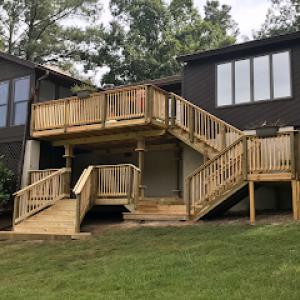
Ram Roof Repair & Renovation
(803) 624-2418 ramrenovationscsra.com
106 Horseshoe Rd, North Augusta, South Carolina
4.8 from 16 reviews
Protect your largest investment with our reliable roofing services. We are a locally owned and operated roofing company currently serving North Augusta, SC and surrounding communities. If you want to make your roof last as long as possible, it is vital that you never put off a roof repair. Small issues with roofing become big issues in a hurry. No matter how major or minor the repair you need, we are here to help. We offer roofing services, roof repair, and deck installation.
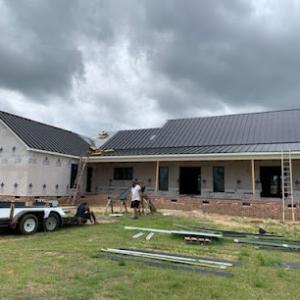
Richardson Brothers Roofing & Associates
North Augusta, South Carolina
5.0 from 2 reviews
David and Tommy Richardson began roofing in 1987. Through the years, they have become experts in the field and established a successful company built on honesty, integrity and professionalism.
Sergio's Roofing
13 Gardenia Ct, North Augusta, South Carolina
5.0 from 2 reviews
In Sergio's roofing we are glad to help customers at any project they have
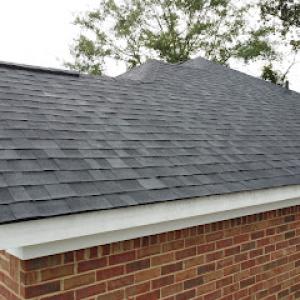
Truth Roofing
(706) 364-8406 truthroofing.co
Serving
4.6 from 174 reviews
Truth Roofing is a trusted, locally owned roofing contractor serving Augusta, GA and the surrounding CSRA, including North Augusta, Evans, Grovetown, Martinez, Aiken, and Thomson. We specialize in residential and commercial roofing services. Our expert team works with all major roofing materials, including: • Asphalt shingles • Fiberglass shingles • Metal roofing • Flat and TPO systems • Tile and clay roofs • Wood shakes and more We’re fully licensed, bonded, and insured—and we offer free, no-obligation estimates and material samples. Whether you're dealing with leaks, storm damage, or planning a complete roof replacement, Truth Roofing delivers honest, high-quality workmanship that protects what matters most—your home or business.
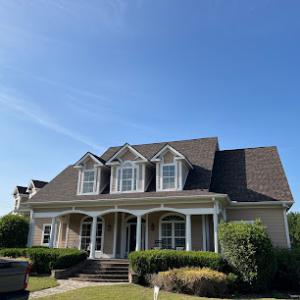
Gunn Roofing
(706) 962-7026 gunnroofing.com
Serving
5.0 from 155 reviews
Gunn Roofing is a licensed and insured roofing company locally owned and operated out of Augusta, GA. We specialize in all roofing aspects and customer satisfaction. We are here to not only educate the homeowner about their roof but to also create a sense of ease knowing that they are working with genuine, integrity-driven professionals. We value your time and energy, so leave it to us to take care of all your roofing needs from small repairs, storm damage, all the way to a full roof replacement.
All Aspects Roofing & Construction
(706) 868-9636 www.allaspectsroofingaugusta.com
Serving
5.0 from 27 reviews
We are a locally owned and licensed bonded insured with workman's comp. Commercial and Residential reroof and repairs. We have had a five-star rating in the roofing industry for over 35 years. We have one of the best roofing warranties in the roofing industry. Residential and commercial roofing. Insurance claims. Roof inspections. Roof repairs. Our roofers at All Aspects Roofing and Construction use top-quality materials to complete high-quality projects. We also have references available to prove our reliability and expertise. As a top-rated, 5-star company, we have a proven track record of excellence. 5 Star Rating. Over 35 years of experience.
Armour Roofing - Augusta
(706) 920-6837 teamarmourroofing.com
Serving
4.9 from 214 reviews
Armour Roofing - Augusta is a full-service roofing contractor, specializing in residential and commercial roofing repairs and replacement in Augusta GA. We offer roof repair and replacement financing Visit our website to qualify in about 30 seconds! Some of the best roof repair professionals in Georgia work with Armour Roofing - including former insurance adjustors who can help get your roofing claim paid! We are located nearby - offer emergency tarping services and are affordable, professional, and can usually schedule your roof repairs right away! Armour Roofing is certified InterNACHI, ICC Building Code, and Xactimate Construction Estimating.
The Savannah River corridor drapes North Augusta with persistent humidity that compounds an already humid subtropical climate. This isn't just about a sticky summer; it shapes how roofs breathe, dry, and hold onto moisture once a project starts. When humidity lingers on the attic side, moisture can ride through shingle laps and into the decking, inviting mold, rot, and slippery fasteners if ventilation isn't up to the task. The house itself can feel heavier, and the ceiling weeps may appear as condensation gathers on cooler surfaces after a rain.
Wet springs in this market can create moisture-management problems and interior condensation risk when ventilation is inadequate during or after a roof replacement. If attic vents are undersized or misaligned with the roof's intake and exhaust balance, warm, moist air becomes trapped. That trap increases summer heat loads on insulation and can push cold-season moisture into ceilings and wall cavities. In practice, a replacement project without a deliberate ventilation plan becomes a bet rather than a guarantee against uncovering hidden rot or peeling interior finishes a few months later when the humidity climbs again.
Ventilation design isn't a luxury here; it's a performance issue tied to the city's climate realities. A well-ventilated attic should feature a balanced mix of soffit intake and ridge or attic vents that align with the roof's shape and the home's insulation strategy. In homes with ceiling-mounted or attic-mounted HVAC runs, ensure duct runs aren't compromised by attic heat and moisture. The goal is a steady, steady exchange of air that discourages condensation at dawn and discourages heat buildup when storms pass and humidity spikes. If a contractor suggests oversized soffits or a single high vent, question how that choice handles your specific roof pitch, attic volume, and insulation depth.
Before work begins, map the attic space: note existing vents, insulation depth, and visible signs of moisture damage. Ask for a ventilation plan that details intake locations, exhaust outlets, and a timetable for establishing continuous airflow during the project. After work, verify that all penetrations-around chimney chases, vent pipes, and attic access-are sealed only after proper ventilation is reestablished. Keep moisture meters handy and check for elevated humidity or sweating on rafters in the weeks after the replacement, particularly during and after rain. In this river-adjacent climate, airflow design isn't just about comfort; it's a critical line of defense against hidden damage that can surface long after the crew has moved on.
Asphalt shingles and metal roofing are the dominant practical choices in this market. Asphalt shingles pair well with the common architectural styles in the area, offering solid durability against heavy rain and fast post-storm cleanup. Metal roofing is favored for its storm resistance, longer service life, and performance under humid conditions. In neighborhoods with mixed materials, these two options cover the majority of installations, with metal often selected for added wind resistance and ease of maintenance after a hurricane-season event.
The hot summers and intense sun exposure accelerate aging on roof surfaces, so material selection here has to account for UV stress as well as rainfall. Asphalt shingles should be chosen with a high solar reflectance or a cool-roof option when possible, to slow surface heat buildup and reduce thermal cycling. Metal roofs benefit from coatings that resist fading and oxidation in bright sun. If a heavier architectural look is desired, metal panels can be paired with reflective finishes to extend life and maintain cosmetic appeal under long sun exposure.
Tile products appear in a smaller share of the market but can be a strong fit for homes with heavier architectural elements or a desire for a distinct look. Clay tile offers excellent durability and a classic appearance, while concrete tile provides similar performance with broader weight options. Both require a sturdy structural foundation to handle weight and careful attic ventilation to prevent heat buildup. In practice, tile is most common where the home's structure was built with tile-ready framing or where the aesthetic aligns with tile styling.
The local contractor mix shows meaningful specialization in asphalt shingle and metal roofing, with smaller but real tile capacity for homes using heavier architectural materials. That specialization translates into easier access to reliable warranties, expedited post-storm service, and better coordination for rapid response after a storm event. Regardless of material choice, confirm contractor experience with coastal humidity, wind load for roof assemblies, and attic moisture management to minimize post-storm issues.
Start with your roof's current structure and aesthetic, then weigh shedding efficiency during downpours and wind-driven rain. If you anticipate frequent storm impacts and rapid post-storm repairs, lean toward asphalt or metal with reinforced underlayment and wind-rated fasteners. For a long-term, heavy-appearance option, tile can work where the home's framing supports it, but plan for higher upfront refinements to address weight and ventilation.
When planning a roof replacement, you'll see local price ranges that reflect our river-area climate and common housing stock. Asphalt shingles run roughly from $350 to $650 per square, metal from $600 to $1,150, clay tile from $800 to $1,500, concrete tile from $800 to $1,400, wood shingles or shakes from $600 to $1,100, and synthetic or composite shingles from $500 to $900 per square. These figures cover typical residential projects and capture differences you'll notice from neighborhood to neighborhood along the Savannah River corridor.
After major thunderstorm events or during hurricane-season winds, demand spikes drive both scheduling pressure and replacement pricing higher. In the Augusta-North Augusta area, it's common for crews to book out quickly and for material lead times to stretch. If you're racing against a weather window, expect some premium for expedited service or for linking contractor teams with quick permitting-optional pre-inspections. The practical takeaway is to establish a preferred contractor before the peak storm season and reserve a slot early if you've got defensible timelines.
Older homes in this part of the river valley often have mixed roofing conditions: damaged underlayment, deck rot, and mismatched shingles that complicate a full replacement. If your project involves clay or concrete tiles, be prepared for higher labor and fastening complexity, which pushes costs toward the upper end of the ranges noted above. Synthetic or composite options can offer durability advantages in humid heat and storm exposure, sometimes delivering better long-term value despite mid-range upfront costs.
Humid heat and heavy moisture cycles heighten the importance of proper ventilation and attic moisture control. Upgrading underlayment, adding radiant barriers where feasible, or addressing existing ventilation gaps can modestly raise upfront costs but reduce long-term risk of leaks or deck damage. These adjustments tend to be more common in areas with frequent downpours and river humidity, where a well-ventilated roof system pays off over time.
Given the mix of materials and storm-driven demand, a practical budgeting approach is to segment your project into core replacement cost, optional upgrades for moisture control, and contingency for expedited scheduling. Use the provided pricing bands as a baseline, then discuss lead times and potential surge charges with your contractor up front. Planning with a confident price anchor helps align expectations during a humid, storm-prone season.
Don't let upfront costs delay a critical repair - these contractors offer payment plans to fit your budget.
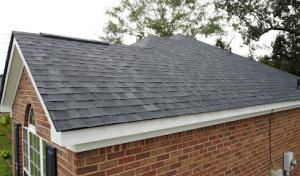
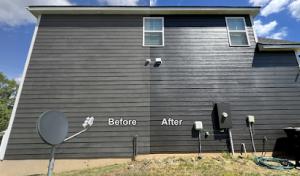
For a full roof replacement, a permit is typically required before any work begins. The local process is straightforward but firm: either the contractor or the homeowner can pull the permit, though most homeowners opt to have the contractor handle it to ensure filings are complete and accurate. Before approval, the local building department may require proof of contractor licensing, so have up-to-date credentials and contact information ready. Starting the project without the proper permit can lead to fines, delays, or trouble with insurance claims after a storm, so treat the permit step as part of the essential storm-readiness plan.
Inspections in this area are commonly scheduled during installation and again upon completion. Expect a rough or underlayment stage to be reviewed first, followed by a final inspection after the roof is fully installed. In practical terms, that means coordinating with the building department to arrange times when the weather is cooperative enough to allow safe inspection work without risking moisture intrusion. Work crews should plan around inspection windows, especially during the humid Georgia months when unexpected showers can interrupt progress and complicate the sequence of approvals.
Ventilation is a frequent point of emphasis in these inspections. Ensure the attic ventilation plan is in place and that soffit vents, ridge or turbine venting, and general airflow meet the current code expectations. Proper ventilation helps manage humidity levels and reduces the risk of moisture-related issues in the hot, humid months and during the storm season. Wind-related code compliance is another critical focus, given how quickly hurricane-season winds can affect roof performance. Verify that the chosen roofing system and fasteners align with local wind uplift requirements and that any metal details, edge caps, and hip or ridge components are installed to spec. The goal is not only a watertight roof but a system that resists the typical gusts seen across the Savannah River border area.
Keep all permit receipts, inspection notices, and any correspondence from the building department in a single file. This documentation makes post-storm claims smoother and helps when a contractor needs to verify that the project followed the required sequence of inspections. Before scheduling work, confirm the exact inspection language with the permit holder and the contractor, including planned start dates, expected milestones, and contingency plans for weather-related delays. If a storm event triggers emergency repairs, ask the building department about an expedited review option to minimize downtime while still satisfying all code and safety requirements.
You are living in a Southeast insurance environment where frequent wind and hail claims shape how roofs are treated after a storm. The humid heat and storm activity here push roof replacements to rely on more thorough documentation than in calmer markets. A fast post-storm response matters, but speed cannot come at the cost of missing photos, measurements, or a clear timeline for the claim path.
Insurers commonly request a detailed roof condition report and may send an adjuster to inspect storm-related damage before approving replacement scope. It helps to have recent photos taken after a storm, plus close-ups of hail marks, wind-lift issues, and any visible leaks. If the roof is older, the report should note aging signs such as missing granules, curling shingles, or soft decking. A steady, organized packet of signs and dates can prevent disputes and keep the process from stalling in the middle of the high-humidity heat and afternoon thunderstorms.
Some carriers limit coverage on older roofs or require specific shingle types or wind-mitigation measures, which directly affects material choices for aging roofing. When replacement is on the table, expect questions about roof age, previous repairs, and the presence of any wind-rated underlayment. The choice of shingles or tiles may be influenced by what the insurer will accept, so documentation that demonstrates compatibility with wind standards and hail resistance can smooth the approval path.
Keep a dated log of every contact with the insurer, contractor, and adjuster. Have a clear record of the storm date, observed damage, and decisions on replacement scope. In a market with frequent wind-driven claims, insurers can require additional evaluation or third-party assessments; being prepared with precise measurements, photos, and a verified condition report helps avoid delays when the weather remains unsettled and moisture remains a constant concern.
Connect with contractors who help homeowners navigate the claims process from damage assessment to final approval.
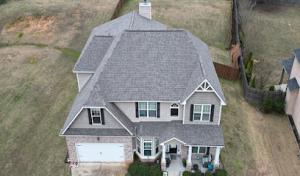
Southpaw Roofing
(706) 860-6650 southpawroofing.com
1211 Summerhill Rd, North Augusta, South Carolina
4.8 from 356 reviews
Brighter Side Roofing Company
(803) 426-1716 www.brightersideroofing.com
102 Holley Hill Dr, North Augusta, South Carolina
4.8 from 257 reviews
Page Roofing & Contracting Services
(706) 836-5161 pageroofandcontracting.com
North Augusta, South Carolina
4.9 from 44 reviews
The local contractor market heavily emphasizes quick response and cleanup, reflecting homeowner demand for fast leak control and orderly job sites after storms. When a hail or wind event hits, the first hours matter for sealing leaks and preventing interior damage. Look for a crew that can be on site within 24 to 48 hours after a report, with clear temporary containment and debris removal practices. A fast response isn't just about tarps-it's about structured on-site management that minimizes moisture intrusion during the critical first days.
North Augusta's contractor mix includes a notable share advertising warranties, which matters in a market where heat, humidity, and storm exposure can test both materials and workmanship. A solid warranty should cover both materials and labor, with explicit terms on duration, what is excluded, and how claims are processed. Pay attention to coverage for wind-driven water intrusion, seam and fastener protection, and workmanship guarantees that extend beyond the initial installation. In this market, warranties are a practical gauge of confidence in long-term performance and the willingness to stand behind a job after the crew has left.
Choose among locally owned, long-established firms that have weathered multiple storm seasons and river humidity cycles. These firms often offer clearer follow-through-photo-documented repairs, schedule-fixed maintenance checks, and a defined process for post-storm inquiries. When evaluating options, ask for real-world examples of warranty claims and the average turnaround time for service calls after a storm. A contractor with steady, local roots tends to provide more predictable post-storm support and a clearer path to warranty fulfillment, rather than promising a speedy response without follow-through.
After a storm, document damage from multiple angles and keep a written log of dates and promises. Request written scopes and timelines for any repairs, and ensure the contract specifies who handles insurance communications and claim coordination. In this climate, a locally trusted contractor with a transparent warranty and a proven rapid-response workflow can translate storm stress into a smoother, more predictable repair process.
A smaller but active segment of contractors advertises skylight and flat-roof work, indicating recurring leak issues around penetrations and low-slope sections on some local homes and additions. That reality doesn't mean every skylight fails, but it does mean you should treat penetrations as a high-risk area during every assessment after storms, and before any major wet season.
Frequent rainfall and thunderstorm cycles in this area make flashing details around skylights more vulnerable when seals age or installation quality is poor. If flashing around a curb, curb-and-flashing interfaces, or the skylight base shows wear, water can track along the flashing and find a seam to intrude. In humid heat, sealants can soften and joints can separate faster than expected, especially where the roof plane is not steep enough to shed water quickly. Inspect these junctions from inside the attic and from the exterior after a heavy rain, paying attention to any damp spots, staining, or musty odors.
Low-slope areas in this humid climate need careful drainage and moisture management because repeated wetting can expose underlayment and flashing weaknesses faster than on steeper roof planes. Look for ponding, softened edges, or mineral granule loss near skylights and along transition lines to the roof deck. If water sits along the low edge, even modest rain can force leaks through compromised underlayment or deteriorated flashing. Plan for faster inspection cycles after storms and address any surfacing or seam damage promptly to prevent concealed rot or mold.
After a storm, conduct a targeted walk-around focusing on skylight corners and low-slope seams. Note any new stains, damp insulation, or warped decking from attic access. If a leak is suspected, prioritize temporary measures to divert water while arranging professional evaluation, because repeated exposure accelerates deterioration in these areas. Quick, careful action can limit interior moisture damage and extend the life of the roof assembly.
Find contractors experienced in skylight installation, flashing, and leak repairs to bring natural light into your home.
All South Siding, Windows & Roofing Company
(706) 495-5102 allsouthsidingandroofing.com
514 Georgia Ave, North Augusta, South Carolina
4.5 from 90 reviews