
Last updated: Apr 19, 2026
Waianae sits on Oahu's leeward coast, where homes face persistent ocean salt exposure that accelerates corrosion and surface aging year-round. The salt air is not merely a breeze-it's a constant companion that can creep into tiny gaps, edge metals, and fasteners. That means the materials you choose and how you maintain them must account for steady exposure rather than once-a-year fixes. The result is a roof that looks good for a shorter time if neglected, with faster wear along eaves, rake lines, and flashing details where moisture and salt meet.
The local climate blends warm temperatures with a pronounced wet season from November through April, creating repeated wet-dry cycles. Those cycles push fasteners, flashing, and edge-metal components to work harder. In practice, that means areas around penetrations-vents, skylights, and chimney flashings-face more rapid oxidation and sealant degradation than inland roofs. The uniform salt presence also makes edges and top plates more susceptible to corrosion, even on surfaces that historically held up well in other markets. A practical takeaway: expect more frequent attention to integration between roof planes, gutters, and fascia so moisture doesn't linger where salt can corrode.
In this market, metal roofing is common but must be evaluated in the context of coastal corrosion risk rather than price alone. Metal panels tend to resist wind uplift and impact well, yet the coastal environment demands coatings and screw patterns that minimize salt ingress. Look for systems with corrosion-resistant alloys and factory-applied coatings that are rated for salt spray exposure. Dark or non-coated edges should be avoided where possible, as edge corrosion often starts there. When choosing tiles or shingles, consider products with proven salt-spray performance and rain-shedding characteristics that keep surface moisture moving toward the gutters rather than pooling. Synthetic or composite options can offer good durability, but confirm their finishes hold up under year-round salt exposure and salt-laden humidity. Regardless of product type, the fastener hardware should be stainless steel or galvanized with a compatible coating, and the sealants used around penetrations should be marine-rated for longevity in this climate.
A practical maintenance routine here focuses on preemptive care rather than reactive repairs. Schedule a seasonal eye on the roof after the wet season and again after trades during the windy months when salt deposits are more likely to cling to edges. Clean gutters and downspouts regularly so water moves quickly away from the roof surface; blocked drainage creates standing moisture that accelerates corrosion along the eave line. Inspect edge metal, drip edge, and flashing for signs of lifted seals or visible corrosion-tiny pinholes or dark staining are early warning signs. Re-seal or replace compromised flashing promptly with products specified for coastal use. Keep an eye on fasteners; any discoloration, rust spots, or looseness should prompt a closer look and possible replacement with corrosion-rated screws and washers. Clear observation points around roof penetrations can help you detect slow leaks before they become costly problems.
Develop a simple, home-friendly inspection routine. After heavy trades or storms, walk the perimeter at a height where you can safely observe roof edges. Look for white or brown mineral dust near the flashing-the telltale sign of aging metal coatings. Check the drip edge along the eaves for bending or lifted sections that could trap salt and moisture. Inspect ridge caps and changes in color along panel seams, which can indicate accelerated wear from salt exposure. If fasteners show rust or skinning of the metal around the screw heads, plan a targeted maintenance visit. For the longer view, document any surface dulling, coating wear, or minor corrosion spots-these are the early indicators that managed upkeep, not replacement, will extend the roof's life on this coast.
Your roofing strategy should factor in the higher probability of coastal aging, with a built-in schedule for coating refreshes, flashing checks, and fastener replacements. When selecting a replacement or upgrade, prioritize systems designed for salt-air resilience, with attention to how coatings and hardware perform in damp, windy conditions. The goal is to align the roof's life with Waianae's climate realities, ensuring you maximize protection against wind-driven rain, salt deposition, and the rapid edge deterioration that comes with this shorefront setting.
The dominant local material mix includes asphalt shingles, metal roofing, clay tile, concrete tile, synthetic/composite shingles, and stone-coated steel. Each option has its strengths when confronted with salt-air exposure, strong tradewinds, and a pronounced wet season. Asphalt shingles offer a familiar, cost-effective choice with decent moisture resistance and easy repairs, but wind uplift and salt creep can challenge lighter shingle systems unless installed with wind-rated shingles and robust fasteners. Metal roofing brings exceptional wind resistance and longevity in salty air, yet exposure to high salt levels requires corrosion-resistant finishes and careful coating maintenance. Tile systems-both clay and concrete-deliver resilience against wind and solar heat, but weight, installation quality, and edge detailing matter greatly in corrosive coastal environments. Synthetic/composite shingles attempt to mimic traditional looks while offering improved moisture tolerance and lighter weight. Stone-coated steel blends metal longevity with a decorative layer, delivering solid coastal performance when properly installed and maintained.
In this market, material choice must balance salt-air durability, wind exposure, and moisture performance during the wet season rather than relying on mainland assumptions. Salt-laden air accelerates corrosion on metal components, fasteners, and underlayment edge zones, so every roof line should emphasize corrosion-resistant fasteners, coatings, and sealants. High winds demand robust attachment systems, sealed penetrations, and clip or interlock designs that resist uplift. Moisture management matters most during the rainy months, where proper drainage, ventilation, and a well-sealed underlayment prevent mold, rot, and damage to decking. Tile systems should be installed with appropriate mats and underlayment to cope with moisture while ensuring non-slip, secure interlocks. In practice, choosing a system with proven coastal performance and installation by crews familiar with salt-air conditions pays dividends in longevity.
Tile and stone-coated options are not niche here; they are established choices that align with Waianae's coastal aesthetic and climate. Clay and concrete tiles offer excellent long-term durability when the substrate is sound and fasteners are rated for seaward exposure. Pay attention to edge detailing, hip-and-valley intersections, and proper wind-rated fasteners to prevent uplift. Stone-coated steel brings a contemporary look with steel's durability, but the coating must withstand salt exposure; ask for serviceable corrosion-resistant finishes and verify that fasteners and overlaps are designed for coastal use. Regardless of tile or stone-coated steel, ensure the roof deck has a proper moisture barrier and that any penetrations through the roof line are sealed against salt intrusion. Regular inspections after storms or high-wind events help catch fastener loosening or coating wear before it becomes a larger issue.
Choose materials based on the roof's exposure level, slope, and the home's existing structure. For roofs facing persistent salt spray and frequent high winds, prioritize systems with strong uplift resistance and corrosion-treated components. If a lightweight or visually distinct profile is desired, synthetic/composite shingles can offer coastal-friendly performance with easier maintenance, while metal remains a top choice for longevity in harsh conditions. Regardless of selection, ongoing maintenance-regular cleaning of salt deposits, inspection of fasteners, and timely replacement of degraded components-protects the roof's lifespan in this leeward setting.
Waianae's wet season runs from November to April, when heavy rainfall can expose underlayment failures, flashing defects, and active leaks. The combination of salt air and persistent trade winds accelerates corrosion and wear on roof penetrations, so even small drips can become widespread rot if left unaddressed. If you notice damp spots after a storm, treat it as an active leak until you confirm otherwise. Salt-crusted edges, rust around metal flashing, and delaminating shingles are warning signs that require immediate attention before the next front approaches.
Scheduling and dry-in timing become more difficult during the wetter months, which can affect replacement planning and temporary weather protection needs. If a roof requires work during November through April, you must plan for back-to-back rain chances and limited dry spells. Talk with your contractor about staging everything to maximize the brief windows of clear weather, and insist on robust temporary coverings to protect interior spaces during delays. On Waianae's coast, even a few hours of wind-driven rain can undo days of careful prep, so confirm that fasteners, sealants, and underlayment materials are suitable for damp starting conditions and that crews are prepared to adapt on the fly.
Emergency response matters locally because moisture intrusion can worsen quickly when rain arrives after long periods of salt and sun exposure. If leaks appear, prioritize stopping the flow at the source: cover the area with a heavy-duty tarp, ensure interior spaces are protected with plastic sheeting, and set up rapid temporary protection around any exposed penetrations. Do not assume a slow drip will stay small; in high-wind, salt-soaked air, leaks can escalate in hours. Maintain clear access for responders and limit interior damage by moving valuables away from affected zones and turning off power near water contact points.
During the wet season, increase your inspections to once a week after heavy rain events. Check around chimneys, vents, skylights, and edge flashings for moisture staining, bubbling underlayment, or rust blooms on metal components. After a storm, feel along the roof edge for dampness, and listen for the telltale sound of running water inside the attic or ceiling. If any area feels soft or spongy underfoot, treat it as a leak source until a professional confirms otherwise.
In the coastal climate, prioritize materials and details that resist salt corrosion and wind-driven movement. Look for fasteners with corrosion-resistant coatings, robust flashing designs, and underlayment with proven moisture resistance. A proactive stance-addressing small issues before the next monsoon-saves you from larger, costlier repairs once rain returns.
When you can't wait, these contractors offer fast response times to stop leaks and prevent further damage.
J&E Roofing
(808) 864-2198 www.jeroofinghawaii.com
86-215 Leihoku St, Waianae, Hawaii
5.0 from 5 reviews
We are a family-owned company. We offer a wide range of roofing that we install, from new construction, re-roofing, coating, roof repair, etc. We take pride in our workmanship to protect your home and we use and recommend using quality roof material which has years of warranty attached to it. We offer discounts, that will fit your budget. Also helping veterans, and our senior citizens as well. Our goal is to serve the residents of Honolulu and all of Oahu, including and not limited to East Honolulu, Hawaii Kai, Aiea, Pearl City, Halawa, Pearl Harbor, Waipahu, Mililani, Kahuku, Kailua, Kaneohe, Kapolei, Ewa, Makakilo, etc.. with all the knowledge that I've gained throughout the years.
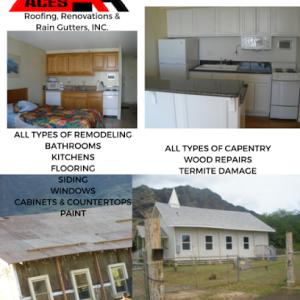
All Aces Roofing, Renovations & Raingutters
Waianae, Hawaii
5.0 from 1 review
All Aces Roofing, Renovation and Rain Gutters is your local Roofing and Remodeling company specializing in roofing, roofer, kitchens, bath remodeling, roof repair, full home renovation, cabinets, counter tops, drywall repair, home improvement, interior painting and basements. We service the Waianae and surrounding areas.
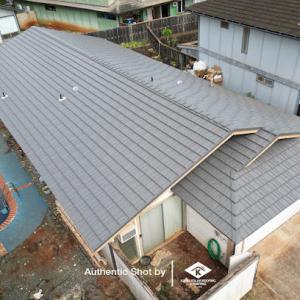
Kapili Roofing & Painting
(808) 621-7663 www.kapiliroof.com
Serving
4.9 from 376 reviews
Kapili is a Hawaii roofing contractor that has been serving the island of Oahu since 2007. With generations of experience in the roofing industry, we specialize in providing top-quality services for residential and commercial roofs. We've installed roofs all over Honolulu County, including: Mililani, Waipahu, Wahiawa, Waianae, Kapolei, Ewa Beach, Waialua, Kaneohe, Kailua, North Shore. We are now offering Kauai roofing services to home and business owners. We also offer painting, Whether you need a new roof and exterior/interior painting, Kapili has the expertise to meet your needs.
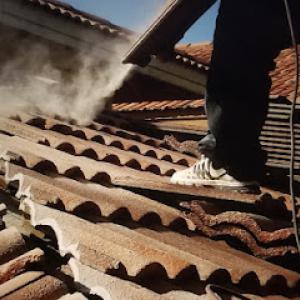
Action Roofing Hawaii
(808) 782-1035 www.actionroofinghawaii.com
Serving
4.8 from 24 reviews
Action Roofing Hawaii is a locally owned and operated roofing service provider with over 35 years of experience catering to the needs of commercial, residential, and industrial clients in Honolulu and across Hawaii Island. Established in 2005, the company offers a comprehensive range of roofing solutions, including waterproofing, sheet metal work, gutter and downspout systems, as well as crane, hoisting, and rigging services. Action Roofing Hawaii is fully equipped to handle roof inspections, maintenance, restoration, conversions, repairs, and insurance claims, providing expert recommendations and delivering exceptional results.
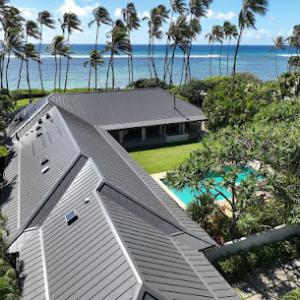
ProBuilt Hawaii Roofing & Rain Gutters - Oahu
(808) 468-8544 probuiltoahu.com
Serving
4.8 from 109 reviews
ProBuilt Hawaii Roofing & Rain Gutters - Oahu - Formerly known as - True Home Hawaii and Ohana Construction - is a full-service roofing company servicing the needs of all residential and commercial roofing systems. Dedicated to providing customers with the highest standard of service and workmanship, True Home Hawaii has served the Island of Oahu one customer at a time. Our goal is not only to meet the roofing needs of our customers, but to leave them with a Superior Experience, one which they will remember for a lifetime and one they will tell others about.
Koolau Roof Tech
(808) 292-2205 www.koolaurooftech.com
Serving
5.0 from 42 reviews
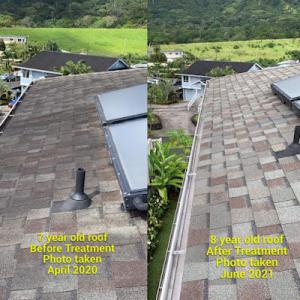
Since 1982, our family has taken pride in building relationships throughout our local community and providing local-style five-star service. Three Generations later, the Kobashigawa family has successfully owned and operated residential construction companies that began on the Windward side of Oahu. Since then we have grown to continue to serve and protect our Kamaaina homes by helping to maintain and extend the life of your roof with advanced technology and environmentally sustainable treatment systems. Koolau Roof Tech provides roof health assessments to help extend the life of your roof with our eco-friendly products that are safe for the environment, pets and plants.
Aluminum Shake Roofing
(808) 847-8885 www.oahumetalroofing.com
Serving
4.9 from 18 reviews
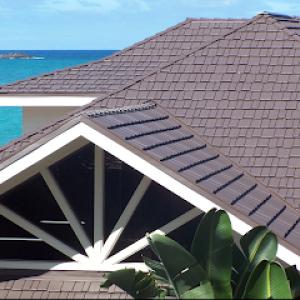
Aluminum Shake Roofing has been providing durable metal (aluminum, copper, and stainless steel) roofs and exterior cladding to Hawaii single-family and multi-family homes, light commercial properties and beautiful buildings since 1989. Licensed in Hawaii (BC-15135), we have the equipment and experience required to fabricate and install special custom metal fabrications for your project. Product and installation warranties are important, and ours are superior...just like our products and workmanship. We promise to communicate with you before, during, and after your project. We are proud to introduce the first wind-resistant, 304 stainless steel bracket for PV rail installations on Aluminum Shake roofing without any external penetrations
Surface Shield Roofing Company
(808) 739-9599 www.surfaceshieldroofing.com
Serving
4.3 from 27 reviews
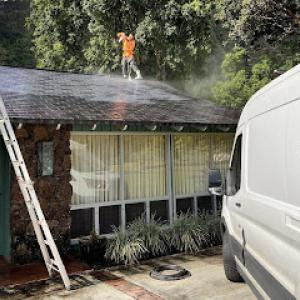
Surface Shield Roofing Company delivers expert roofing and remodeling solutions in Waipahu, HI. As a trusted commercial general contractor, we specialize in roof restoration, commercial roofing, metal roofing, residential roofing, and home remodeling. Our experienced team combines advanced tools, proven techniques, and a commitment to quality to ensure durable, long-lasting results. We prioritize safety, efficiency, and customer satisfaction on every project. From routine maintenance to complex installations, Surface Shield Roofing Company protects your property with precision and professionalism. Contact us today to schedule a consultation and experience reliable roofing solutions you can trust.
FBC Roofing
(808) 236-0756 www.fbc-hawaii.com
Serving
4.7 from 150 reviews
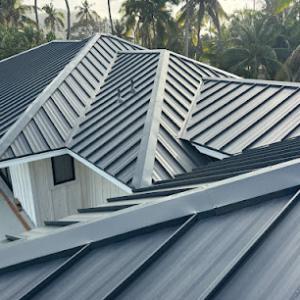
FBC Roofing, based at 3050 Ualena Street Unit D in Honolulu, is your premier roofing contractor providing top-notch roofing services across the Hawaiian Islands since 2009. Specializing in roof repair, roof replacement, and new roof installation, we cater to both residential and new-build projects. Our expertise includes metal roofing, shingle roofing, and asphalt roofing, ensuring durable and leak-proof solutions. With GAF Master Elite certification, we guarantee premium materials and reliable workmanship. We also offer gutter installation and repair services. Schedule a free roof inspection now—call (808) 236-0756, and let us safeguard your home today!
All Around Roofing & Waterproofing
(808) 226-8864 aaroofinghawaii.com
Serving
4.9 from 110 reviews
For over 15 years, All Around Roofing & Waterproofing has made a name for reliable roof repair and replacement services to residents and businesses in Kailua. Our focus on hard work and perseverance has earned us a solid reputation as one of the best roofing contractors in Hawaii. We’re not just any typical Oahu roofing company; we provide our residential and commercial roofing services with the Aloha spirit!
Roof Maxx Hawaii
(808) 522-7663 getroofmaxx.com
Serving
4.9 from 30 reviews
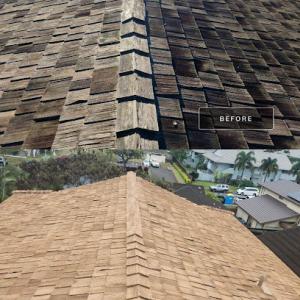
Replacing your asphalt roof costs thousands of dollars and is a disruption to your daily life. For an affordable and less invasive alternative to a roofing replacement, reach out to the experts at Roof Maxx Hawaii in Mililani, HI. This locally owned and operated roofing company offers a specialized application to prolong the lifespan of roofing systems for clients across central Oahu. Asphalt roofing becomes weathered and susceptible to leaks after years of taking a beating from Mother Nature. This trusted team uses an environmentally friendly application to restore shingle pliability, permeability, and adhesion.
Oahu Roofing & Repairs Honolulu
(808) 746-7377 oahu-roofing.com
Serving
5.0 from 84 reviews
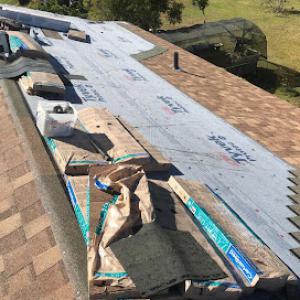
Oahu Roofing & Repairs has our main location in Honolulu. Centrally based we are able to provide roofing services throughout Honolulu and on Oahu. We always recommend you get at least 3 estimates for your roofing project & we hope that Oahu Roofing & Repairs is one of them. We specialize in new roof installations and roof replacements. We can demolish an old existing roof & install the new roof in a matter of a few days depending on the size of your roof. Our prices are extremely competitive as the other roofing companies in Honolulu are skilled & competitive as well. We provide both residential & commercial roofing services & we can handle any type of roofing project. Call us for a free estimate & guidance on your upcoming roofing project.
Trade winds and tropical storm season from mid-year into fall increase the risk of wind-driven debris damage and uplift-related roof problems in Waianae. That coastline can deliver sudden gusts and crosswinds that catch unsealed edges, worn flashing, or aging underlayment. Roofs here often endure salt spray that accelerates corrosion of fasteners and metal components, so even a routine gust can become a costly wake-up call if weaknesses exist. Stay aware of forecasted high-wind events and inspect after storms while the roof is still accessible.
Hawaii insurers commonly want detailed photo documentation, prior-damage records, and decking information when reviewing roof claims after wind or storm events. That means you should keep a current set of photos showing the roof from multiple angles, close-ups of shingles, flashings, and any visible wear. Gather records of previous repairs or partial replacements, and note deck condition, joist span, or any signs of moisture intrusion. If a claim comes, organized evidence can streamline the process and reduce back-and-forth with adjusters.
Hidden damage is a frequent trap after a wind event on leeward shore homes. Uplift can peel back shingles or loosen fasteners without immediately obvious leakage, especially where salt air has already corroded metal connectors. Look for lifted edges, loose granules, or corrosion around staples and nails. If the decking shows signs of moisture staining, soft spots, or warped boards, anticipate a more involved assessment. A proactive check of attic underside and interior ceilings for staining helps pinpoint the true extent before a claim is filed.
Develop a simple, repeatable photo routine: exterior roof surfaces after every major wind event, and interior ceilings monthly during the wet season. Include close-ups of ridge and vent areas, flashing at chimneys and skylights, and any cracked or missing sealant. Maintain a log of dates, wind speeds if available, and any observed shifts in roof lines or deck supports. This disciplined approach not only supports claims but also helps you detect early signs of wear that otherwise might be dismissed as incidental.
During a storm, protect vulnerable edges with temporary coverings if safe to do so, and avoid climbing on a windy, slippery roof. After a storm, perform a careful, daylight inspection from ground level and, if needed, arrange a professional assessment to confirm the integrity of fasteners, underlayment, and flashing. Prompt attention to uplift-prone areas-valleys, hips, and sitting eaves-can prevent small issues from evolving into costly repairs, preserving the roof's lifespan against the island's corrosive exposure.
Connect with contractors who help homeowners navigate the claims process from damage assessment to final approval.
ProBuilt Hawaii Roofing & Rain Gutters - Oahu
(808) 468-8544 probuiltoahu.com
Serving
4.8 from 109 reviews
Waianae falls under the City & County of Honolulu permitting system on Oahu rather than a separate municipal building department. When a full re-roof is planned, the project typically triggers a building permit, and the process is handled through the local building department. This means your contractor will need to submit the required plans and paperwork, and you'll coordinate with a city office rather than a separate neighborhood bureau.
A full re-roof requires plan review that covers structural adequacy, wind resistance, and coastal environmental factors that affect Waianae roofs. The review looks at existing framing, how the new covering will interact with fasteners, sealants, and edge details, and whether a venting or moisture control strategy aligns with the local climate. Expect questions on salt-air exposure, roof pitch, and roof edge transitions, since those details drive long-term durability.
Rough-in inspections are commonly part of the workflow. These inspections verify framing integrity, anchor points, and proper attachment points for the chosen roofing system. If a mid-project adjustment is needed to accommodate high winds or salt exposure, the rough-in stage is where those changes are most efficiently addressed. Inspections are typically scheduled after framing and before any underlayment is installed, so timing can hinge on weather and department workload.
Final inspections occur after installation of underlayment, roofing material, and any flashing or edge detailing. The final check confirms that the system is properly fastened, that sealants are integrated with coastal salt considerations, and that vents, chimneys, and penetrations are correctly flashed. In some cases, additional city notes or amendments may be requested, especially if the coastal environment has prompted changes in recommended detailing or materials.
Processing times can vary depending on department workload and the completeness of the package. To minimize delays, ensure the permit application includes accurate site plans, details on materials chosen (with attention to salt corrosion resilience), and product data sheets showing wind-resistance ratings. Coordinate closely with your contractor to provide revisions promptly if the plan reviewer flags issues, and be prepared for the possibility of interim inspections if conditions change during the re-roof work.
Provided local cost ranges run from 420 to 800 USD per square for asphalt shingles, 850 to 1400 for metal, 1300 to 2100 for clay tile, 1200 to 2100 for concrete tile, 520 to 900 for synthetic/composite shingles, and 1100 to 1800 for stone-coated steel. In practice, your final price hinges on the chosen material and the specific conditions of your home. Coastal exposure, salt air, and the weight of heavier systems all push a project toward the higher end of the ranges.
Costs in Waianae are influenced by island material logistics and the need for corrosion-resistant components suited to coastal exposure. Expect to see premium fasteners, sealants, and underlayment selected for salt tolerance and wind resistance. If you're choosing heavier tile, factor in extra structural assessments and potential reinforcement, which can push per-square pricing higher but can pay off in longevity.
Wet-season scheduling, storm-related demand spikes, and the structural demands of heavier tile systems can all shift project pricing locally. If you plan replacement during peak storm season, you may see tighter bids or short-term pricing changes. Conversely, a calm window can help lock in material costs but still requires careful alignment with delivery times for coastal materials.
Asphalt remains the most economical upfront, but salt spray can shorten its life in this area. Metal roofs offer good corrosion resistance and wind performance, often at a middle-to-high cost. Clay and concrete tiles deliver durability in wind zones but require careful structural assessment. Synthetic/composite shingles provide a lighter option with reasonable coastal performance, while stone-coated steel blends heft, longevity, and coastal resilience at a higher upfront price. Consider life-cycle value alongside initial cost.
Get a clear picture of your project costs upfront - no commitment required.
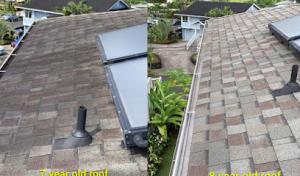

In this market, roof coating services are common because homeowners often prefer restoration over full replacement when the condition allows. Coatings can extend life on older roofs, seal small leaks, and improve reflectivity to cut heat. On the Leeward coast, salt-air exposure means coatings must stand up to both moisture from the wet season and the corrosive effects of salt on metal details. Choose products with proven salt spray resistance and seamless UV protection to prevent premature breakdown at penetrations, flashings, and seams.
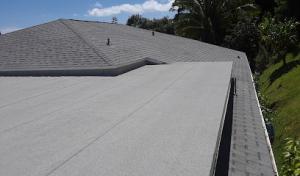
Flat and low-slope roofs are present in the Waianae contractor pool, even if they aren't the dominant residential roof type. When considering coatings for these surfaces, prioritize membranes designed for coastal climates and ensure proper slopes for drainage. Properly installed fall protection and edge detailing help keep water from pooling and salt-laden spray from sitting on seams. A well-chosen coating system can restore wind- and salt-exposed surfaces without the weight or disruption of a full tear-off.
On the coast, restoration decisions must account for moisture exposure during the wet season and salt-related wear on penetrations and metal details. Inspect penetrations, flashings, roof vents, and railing interfaces for rust and corrosion. Select coating systems with corrosion inhibitors for steel and aluminum, and consider reinforcing fabric at critical seams to slow substrate movement. Regular re-coating schedules align with seasonal cycles, ensuring the most vulnerable details stay protected through heavy rains and salt air.
Living with salty trade winds means prioritizing preventive maintenance over reactive fixes. Schedule seasonal cleanings to remove salt crust and debris, inspect flashings after strong trades winds, and address any micro leaks before they spread. When a coating approach is used, employ a process that includes thorough surface preparation, adhesion testing on suspect areas, and a protective topcoat that resists chalking and mildew common to coastal microclimates. This practical rhythm helps preserve roof lifespans where full replacement may not be the immediate choice.
Extend the life of your existing roof with reflective or waterproof coatings that protect against UV and moisture.
J&E Roofing
(808) 864-2198 www.jeroofinghawaii.com
86-215 Leihoku St, Waianae, Hawaii
5.0 from 5 reviews
Solar roofing appears as an active specialty in the Waianae-area contractor market, making roof replacement timing relevant for homeowners planning future solar work. When you're evaluating a reroof, treat solar compatibility as a core criterion alongside material choice, especially if panels are on the horizon. Local crews understand the leeward coast dynamics and can align panel planning with the roof's expected life, reducing the need for repeat work after installation.
In a coastal environment, attachment points and roof penetrations need extra attention alongside corrosion resistance and waterproofing details. Consider how rafter spacing, underlayment type, and flashing materials perform under salt air and strong trade winds. Copper or stainless flashings, sealed fasteners, and corrosion-resistant clips can extend life, while ensuring that any roof penetrations for vents, skylights, or future solar arrays remain watertight. A deliberate sequence that coordinates panel racking with flashing upgrades helps prevent leaks and galvanic corrosion at metal-to-metal joints.
Coordinating reroofing with solar planning is especially important when homeowners are already replacing aging roofs due to salt-air wear. If the existing deck or sheathing shows signs of accelerated corrosion or moisture intrusion, address those issues first, then stage for solar hardware installation. Prefer a contractor who can map out a two-step timeline: a high-quality, weatherproof roof replacement that anticipates panel layout, wiring paths, and conduit routing. This reduces the risk of rework and protects the investment in both roof and future solar equipment.
Ask your roofer to evaluate substrate condition, continuous ventilation, and the integrity of edge detailing where panels will sit. Request a detailed plan that notes where penetrations occur, how flashing joins the roof deck, and where future solar racking will attach without compromising waterproofing. Confirm that any chosen roofing material, fasteners, and underlayment are compatible with coastal exposure and potential solar hardware, so the roof and panels age harmoniously together rather than fighting salt and wind year after year.
Find contractors who integrate solar panels or solar shingles into your roof for long-term energy savings.
ProBuilt Hawaii Roofing & Rain Gutters - Oahu
(808) 468-8544 probuiltoahu.com
Serving
4.8 from 109 reviews

Hawaii's roof insurance environment is shaped by tropical storm and wind exposure, and Waianae sits squarely in that climate loop. Strong trades and a pronounced wet season mean roofs endure more cycles of wind-driven spray, salt creep, and rapid moisture changes. That reality directly affects when a replacement becomes prudent and how insurers view the roof's remaining life. When a storm rolls through, the baseline assumptions about a roof's age and condition shift in ways that may surprise homeowners who haven't tracked wear closely.
Because adjusters may request photos and decking information, homeowners here benefit from keeping records before visible storm damage occurs. A well-organized portfolio - photos of the roof from multiple angles, year-by-year signs of wear on shingles or tiles, and notes on flashing and fasteners - can streamline a claim after a wind event. Decking condition matters too; keep evidence of any prior maintenance or repairs, especially around penetrations and areas exposed to salt spray. This proactive record-keeping minimizes surprises when an insurance review occurs during or after a storm season.
Coverage terms and deductibles can vary due to regional risk factors, so roof condition and material choice have insurance implications beyond repair cost alone. Material type influences not only durability in salt air but also how an insurer assesses replacement versus repair feasibility. Steel and concrete options may age differently under Waianae's coastal conditions, potentially affecting depreciation schedules and claim outcomes. Understanding how a chosen roof material behaves in salt-laced wind exposure helps anticipate future insurance interactions, not just upfront repair needs.