
Last updated: Apr 19, 2026
Insurers in the St. Louis metro area expect detailed before-and-after documentation after a hail event, and that baseline is baked into how your claim will be evaluated. In this region, the combination of frequent spring hail and windy days means many roofs show subtle damage that isn't obvious at first glance. You'll be asked for contractor estimates, material specifications, and a thorough narrative of what failed or came loose. In this environment, timing the inspection and the claim is as critical as the inspection itself. A hurried or delayed response can affect on-the-record evidence and, ultimately, the timely processing of your claim.
Spring storms here bring a predictable surge of activity. Hail sizes that leave dings, granule loss, or punctures may not immediately trigger a full replacement decision, but they set the stage for elevated risk once moisture works its way into creases or under flashing. Post-storm inspections need to happen within days, not weeks, to capture the state of shingles, seals, and edge details. If you wait too long, wind-driven debris and seasonal debris can obscure damage, and contractors may have difficulty reproducing the original conditions. The local pattern is clear: post-storm visibility matters, because insurers assess both the visible damage and the potential for hidden issues that will worsen with time.
After a major hail event, demand across the St. Louis area can strain contractor availability. That pressure hits homeowners directly: you may feel pushed to authorize temporary repairs or jump to a full replacement to avoid claims delays. The smarter play is to secure an inspection and a detailed, itemized estimate promptly, then document every step of the process. Take clear photos from multiple angles, noting the age of the roof and the condition of penetrations, flashing, and ridges. Keep a dated log of weather conditions and any observed leaks or interior moisture. When you meet with a contractor, ensure the report includes material specifications, component brands, and match-grade details for shingles or metal, so the insurer can verify compatibility with your existing roof system.
Given the regional surge in demand after hail events, you should not let convenience trump accuracy. Schedule a thorough roof inspection as soon as safely possible, ideally within a few days of the storm. Request that the contractor provide a line-by-line scope, with photo evidence and a clear rationale for each repair or replacement decision. When you file, attach the detailed estimate, the before-and-after documentation, and the material specs. This approach minimizes back-and-forth with the insurer and supports a cleaner, faster claim decision, reducing the risk of miscommunications or second-guessing about the scope. If any portion of the roof needs temporary protection, arrange it promptly and document it, so the claim timeline remains clear and uninterrupted.
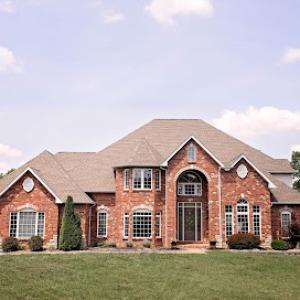
Lifetime Roofing & Renovation
(314) 800-0426 lifetimeroofingstl.com
7 Millpark Ct, Maryland Heights, Missouri
4.9 from 243 reviews
Lifetime Roofing and Renovation is your trusted expert in roofing and renovations, serving the Saint Louis area (MO and IL). Recommended by over 50 insurance agencies, real estate brokers, and property management companies, we ensure that every project is completed with care and precision, from start to finish. Contact us for reliable service you can count on!

Signature Exteriors
(314) 827-5376 saintcharlesroofing.com
11832 Dorsett Rd, Maryland Heights, Missouri
4.8 from 216 reviews
Signature Exteriors serves St. Charles, St. Louis City & County, Jefferson, Warren, and Franklin counties with comprehensive roofing and exterior services. Their offerings include residential and commercial roofing, siding, gutters, replacement, repair, and restoration. They aim to deliver quality and reliability for homes and businesses across the region. Call Saint Charles Roofing today to request your free estimate and protect your property in St. Charles and beyond.
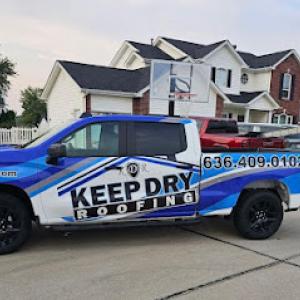
Keep Dry Roofing
12136 Wesmeade Dr, Maryland Heights, Missouri
4.9 from 70 reviews
Tired of worrying about whether or not your roof was damaged by that last hail storm you had? Give Keep Dry Roofing a call to have us come out and inspect it! We specialize in roof repairs and installations. If it is part of your houses exterior, we can repair it! Give us a call today.
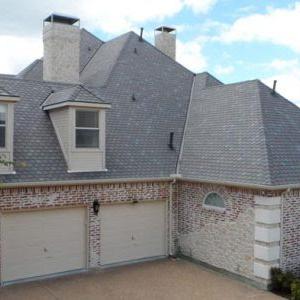
Pro Installation & Design
(314) 528-7777 www.proinstallexperts.com
2342 Weldon Pkwy, Maryland Heights, Missouri
5.0 from 34 reviews
Pro Install and Design is a seasoned roofing contractor serving the roofing and exterior renovation needs of homeowners and small businesses in St. Louis and the surrounding areas. Since 2006, our veteran-owned company has built an enviable track record due to our commitment to providing quality residential and light commercial roofing to all our clients. We are committed to excellence. Contact us today for a free inspection and quote!
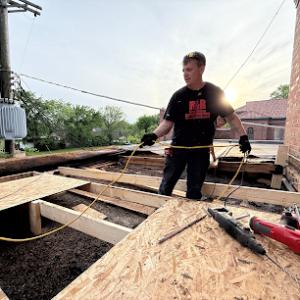
R&R First Choice Roofing
(618) 301-6697 rrfirstchoiceroofingstl.com
Maryland Heights, Missouri
4.9 from 42 reviews
At R&R First Choice Roofing, roofing is our legacy—100 years, three generations, and countless satisfied customers. We prioritize safety, quality, and personalized service, ensuring every roof is built to last. Whether it’s a repair, replacement, or emergency fix, we deliver expert craftsmanship you can trust. Your home, your safety—our commitment.
Erie Home
128 Weldon Pkwy, Maryland Heights, Missouri
4.6 from 579 reviews
Since 1976, Erie Home has manufactured, supplied, and installed the best-performing roofing on the market. By providing ironclad warranties and convenient financing, we ensure that every homeowner we work with receives top quality service and value for their homes and properties. Erie Home professionals are the roofing company of choice in the greater St. Louis, MO area. Whether you need roof inspections or roof damage repair services, Erie Home has been the go-to roofing contractor for nearly 50 years because of our attention to detail and dedication to making sure our customers are satisfied with their results. Contact us today for a quote and see why we're the trusted roofing company St. Louis counts on.
Cardinal Roofing & Construction
(636) 200-6392 www.cardinalroofing.co
15 Worthington Access Dr Suite 17, Maryland Heights, Missouri
5.0 from 18 reviews
St louis Residential and Commercial Roofing and Construction Company. We also specialize in Insurance Restoration Projects!
Total Roofing
(618) 719-6767 totalroofingstl.com
Serving
5.0 from 197 reviews
At Total Roofing, our team of experienced professionals is dedicated to providing top-notch roofing services to both residential and commercial properties. With a focus on quality workmanship and customer satisfaction, we have become the preferred choice for property owners in the Saint Louis area. Get to know the team that makes it all happen.
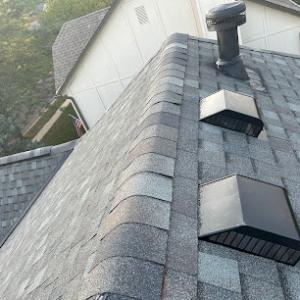
A-Men Roofing Group
(314) 970-5325 amenroofinggroup.com
Serving
4.9 from 15 reviews
Built around your peace of mind. Our controls and processes ensure you never have to think twice about using A-Men Roofing Group as your chosen provider. We are dedicated to providing durable roofing services, with quality results to prepare you for every season.
A-R Roofing & Exteriors
Serving
4.9 from 35 reviews
A-R Roofing & Exteriors in Creve Coeur, MO serves St. Louis homeowners and businesses with dependable roofing and exterior upgrades. We provide roof replacement and new installation, timely leak and storm damage repairs, detailed inspections, preventative maintenance, and insurance claim assistance. Our exterior team installs seamless gutters and guards, durable siding, and energy efficient windows. Expect licensed and insured crews, quality materials, strong warranties, and flexible financing. Proudly serving Creve Coeur, St. Louis, and nearby communities. Call today or request your free roof inspection and written estimate.

Mission roofing & construction
(314) 578-9807 missionroofingstl.com
Serving
5.0 from 6 reviews
Our team of commercial, industrial and residential roofing specialists in the St. Louis and Southern Illinois area are prepared to assist with any roof repair, replacement, new construction or restoration that you may need. No matter the size of the project, our highly trained roofing installers will get the job done right.

Messing Roofing - St Louis
Serving
4.6 from 42 reviews
Messing Roofing & Construction, a second-generation, family-owned business with over 40 years of experience, is proud to now serve the St. Louis area. Specializing in residential and commercial roofing, siding, and architectural sheet metal, we are committed to delivering top-quality roofing solutions. Our services include asphalt shingle installation, metal roofing, flat roofing, and vinyl siding, ensuring durable protection for your home or business. With a reputation for reliability, fast service, and 24/7 emergency support, we are Mound City’s most trusted roofing contractor, dedicated to keeping your property safe and secure.
In this area, roofs contend with hot summers, cold winters, and dramatic freeze-thaw swings. The dominant local material mix includes asphalt shingles, metal roofing, clay tile, concrete tile, wood shingles or shakes, and synthetic or composite shingles, which is broader than many single-material suburban markets. When choosing a roof, you're not picking for one season or one neighbor's house-you're selecting a system that will perform across the full year, with flashing and underlayment rated for St. Louis-area temperature shifts. Asphalt shingles remain common for their balance of durability and repairability, but the other materials present practical trade-offs in how they handle heat gain, wind uplift, and hail impact.
Spring hail risk is especially relevant when comparing impact resistance and repairability among the major options. Metal roofing often shows superior hail resistance in the right profile, with long-term resilience and easy access for quick patches if needed. Clay and concrete tiles can absorb hail better than some brittle shingles, but they can crack and require careful replacement framing when damage occurs. Wood shingles and shakes tend to show impact more visibly and may require closer inspection after a hail event, particularly on older homes where the underlayment and fasteners have aged. Synthetic or composite shingles sit between traditional asphalt and tile in impact performance, and many are engineered to resist cracking and curling. The key is to couple the chosen material with a robust underlayment and properly sealed flashing so that a hail event doesn't create a slow, hidden leak.
Maryland Heights roofs must handle hot summers and cold winters, so material choice affects not just lifespan but also how well flashing, fasteners, and underlayment hold up across seasons. For asphalt, choose a high-quality, impact-rated shingle with a stout nail zone and compatible underlayment designed for temperature swings. Metal roofs benefit from concealed-fastener or standing-seam designs that minimize potential leaks at fasteners, plus corrosion-resistant coatings for the local humidity. Tile systems demand rigorous detailing around hips, valleys, and transitions to the deck; ensure fasteners are corrosion-resistant and that the underlayment provides a continuous moisture barrier. Wood shingles or shakes require careful maintenance of the underlayment and flashing to prevent water intrusion at seals, especially in shaded or tree-covered sections of the roofing plane. Synthetic shingles can offer excellent weather resistance while maintaining flexibility in freezing weather, but check for compatibility with existing flashing and corner details.
First, assess the roof's slope and exposure. Steeper slopes and higher exposure benefit from more resilient fasteners and higher stiffness in the panel or shingle system. If frequent wind-driven hail is a concern, lean toward an impact-rated option or a metal profile with a durable finish, paired with a strong underlayment and properly sealed penetrations. For homes with low to moderate slopes and existing tile or shingle stock, upgrading to a reinforced underlayment and improved flashing can substantially extend life, even if the outer material remains the same. Regardless of choice, prioritize a system that supports good drainage at valleys and eaves, and that allows for thorough inspection after hail events to catch small punctures or leaks before they become widespread.
Create a post-storm inspection routine that focuses on flashing integrity, fastener health, and the condition of the underlayment. In Maryland Heights, damage often starts where flashing meets walls, chimneys, or vent stacks, so pay extra attention to these junctions after a hail event or heavy wind. If damage is found, prioritize timely patching and informed decisions about whether to repair or replace the affected area, taking into account the material's repair options and the home's insulation and ventilation balance. With the mix of materials commonly seen locally, it helps to work with a roofer who can clearly explain how each option handles hail exposure, seasonal stresses, and long-term repairability in the local climate.
In this market, replacement cost is best understood by looking at the per-square ranges for each material. An asphalt shingle roof will typically fall in the 350 to 600 USD per square range, metal roofing between 600 and 1100 USD per square, clay tile from 900 to 1600 USD per square, concrete tile around 800 to 1350 USD per square, wood shakes or shingles about 450 to 900 USD per square, and synthetic or composite shingles roughly 450 to 900 USD per square. Pricing per square here aligns with the mix you'll see in suburban homes and commercial corridors along major routes, where both traditional asphalt and more premium systems compete for projects after a storm.
Spring hail events in this metro area draw heavily on the same pool of St. Louis-area contractors. When hail hits, you'll notice bids can jump as crews are pulled into storm-response work. Scheduling can stretch longer than the typical season, and material lead times may tighten as suppliers shuffle inventory to meet demand. In practical terms, expect labor hours to extend and installation timelines to shift forward after a hail event, which can push total costs higher than the baseline ranges listed above. If hail is fresh on the calendar, it's not unusual to see price deltas reflect urgent timelines, temporary access needs, or the need to coordinate with higher-than-usual disposal and debris-clearance requirements.
If the previous roof assembly is older, expect scope changes tied to ventilation, flashing, and wind uplift. Older sheathing or decks may require additional prep work, gingerly upgrading or correcting ventilation paths, and reinforcing or resealing flashing at openings and penetrations. These factors can add a meaningful layer to the base material cost, particularly for higher-end systems such as clay or concrete tiles, where additional structural or weatherproofing work is more common. In practice, a replacement that starts with a straightforward material install can become a broader project once the installer uncovers mismatches or damage in underlayment, soffits, or ridge vents. This is especially true after winter-into-spring transitions, when moisture exposure can reveal hidden wear.
For hail-prone springs, the choice between asphalt, metal, or tile systems should weigh both exposure risk and the long-term labor picture. Asphalt remains the most economical option and often serves as a practical baseline for Maryland Heights homes, especially where budget constraints are a factor after a storm. Metal roofing offers substantial hail resistance and a different maintenance profile but commands a higher upfront cost. Clay and concrete tiles provide strong impact resistance and a distinct aesthetic but require careful structural assessment due to weight and installation nuances. Wood shakes present a rustic option with higher maintenance needs, while synthetic shingles try to mimic other materials with potentially lower weight and good durability. Across all options, the local market's post-storm demand can shape both availability and scheduling, so budgeting a cushion for possible delays is prudent.
When you're building the replacement budget, anchor conversations to the per-square ranges above and add a contingency for extra work triggered by a hail event or an older roof. If a project involves a premium system or a complex venting and flashing upgrade, expect the total to approach the upper end of the relevant material range. Track the specific square footage of your roof, then multiply by the chosen material's per-square cost to establish a realistic initial target. Finally, gather a few local bids that itemize material, labor, disposal, and any anticipated underlayment or sheathing work to compare apples-to-apples as you move through the decision process.
Get a clear picture of your project costs upfront - no commitment required.

Signature Exteriors
(314) 827-5376 saintcharlesroofing.com
11832 Dorsett Rd, Maryland Heights, Missouri
4.8 from 216 reviews
Pro Installation & Design
(314) 528-7777 www.proinstallexperts.com
2342 Weldon Pkwy, Maryland Heights, Missouri
5.0 from 34 reviews
The City of Maryland Heights requires a building permit for roof replacement projects through the city building department. Before any shingle is lifted, you should line up the permit and confirm the scope with the department, especially if the project involves more than a straight, like-for-like replacement. A simple replacement can become complicated if the roof is transitioning to a different material, adding dormers, or adjusting vents and skylights. Plan review may be required depending on project scope, and the later steps will hinge on what the plan approves. If the permit is delayed or denied, roof work might be halted mid-project, which can expose the structure to the next storm and complicate the return-to-work timeline.
City inspections occur during installation and after completion, with particular attention to ventilation, flashing, and wind uplift requirements. Ventilation is not something to overlook: stale attic air or improper venting can shorten shingle life and invite moisture issues that show up long after the crew has left. Flashing around chimneys, vent pipes, and transitions to walls needs to be seated and sealed correctly to avoid leaks that mimic hail damage in the weeks after a storm. Wind uplift requirements are emphasized in Maryland Heights and can influence shingle type, underlayment, and fastener patterns. If an inspector notes a deficiency, be prepared to address it promptly; delaying fixes can prolong exposure to the elements and potentially complicate insurance claim discussions if storm damage is involved.
Communication with the city and the roofing contractor should be clear from the start. Keep records of plan approvals, permit numbers, inspection dates, and any deviations from the approved plan. If spring hail or other weather events occur during the project, document conditions and any temporary protective measures taken to prevent further damage. The goal is to complete an installation that not only passes final inspection but also stands up to the local climate and the specific styles found in the area's housing stock, from asphalt-dominated rooftops to metal and tile options common on larger or higher-end homes along major corridors.
Hot summer temperatures in Maryland Heights affect crew comfort and material handling, which can influence daily install pace and when certain products are best scheduled. During peak July and August, asphalt shingles can soften on steep pitches if the sun bears down, slowing nailing patterns and increasing waste. Metal roofing and tile systems demand careful heat management to avoid dents or misalignment when panels expand with the heat. Plan installations for early morning starts and shaded sections when possible, and expect occasional slower progress on the hottest days. If a roof is large or complex, spread the work over multiple days with shade breaks and hydration to keep the crew productive without rushing through critical steps.
Late fall and winter freeze-thaw cycles in this part of Missouri can worsen vulnerable roof components if replacement is postponed after damage is already present. When temperatures swing above and below freezing, residual moisture can freeze in underlayment seams and in attic zones, exacerbating leaks or causing hidden cracks to widen. Shingle granules may shed more quickly after a cold snap, and any exposed decking or fascia becomes more brittle. Scheduling a replacement too late in the season increases the risk of weather-related setbacks, such as frozen equipment or a misfired start due to ground dampness. If a roof is already compromised, prioritize a window that minimizes the amount of time the house is left with open or vulnerable areas, especially before storm fronts.
Spring heavy rain and hail not only damage roofs locally but also complicate scheduling, so homeowners often need to balance urgency against weather windows. After a hail event, rapid temporary measures may be needed to mitigate leaks, but steady progress depends on dry days and wind conditions. In Maryland Heights, early spring storms can roll in with little warning, pushing crews to adjust day-by-day plans. Expect weather holds around midweek rain showers and plan for potential delays in material deliveries caused by high demand. A practical approach is to pre-book crews with quick-access openings and keep a few reserve days for post-storm windows when roofs can be safely walked and replaced without compromising quality.
Coordinate replacements to align with favorable daylight and temperatures, aiming for cool mornings and moderate afternoons to protect both materials and workers. If the roof shows signs of prior water intrusion, map out a phased plan that first secures vulnerable seams or flashings before tearing off larger sections, reducing exposure to late-season storms. Maintain open communication with the crew about anticipated weather blocks and the impact on material handling. For homes near major corridors or commercial areas, expect occasional traffic-related scheduling adjustments and build in buffer days to accommodate wind-driven debris or hail dust that can affect installation cleanliness and when sealants cure reliably.
In this market, missing or poorly sealed flashing and inadequate attic ventilation are the quiet drivers of repeated leaks and hidden rot. Maryland Heights inspections specifically checking flashing and ventilation reflect two of the most consequential failure points on local reroof projects. When hail drives granules and shingle tabs loose, poorly sealed valleys, around chimneys, and at dormers let water seep into the deck or into the attic space. Ventilation that won't move air effectively traps heat and moisture, accelerating deck decay and inviting mold. You'll notice this worst after a string of warmer days followed by sudden rain; the symptoms aren't dramatic at first, but the long-term damage compounds quickly. Ensure flashing is continuous, properly sealed, and that ventilation pathways have clear, unobstructed intake and exhaust.
Wind uplift is a local inspection concern that makes edge securement and shingle attachment quality especially important after the area's spring storm cycles. When gusts whip through suburban roofs, shingles can peel at the edges, fasteners can back out, and over-driven nails can back out or corrode. The risk isn't only cosmetic-loss of edge adhesion invites cascading damage across the eave, rake, and the field of the roof as wind-driven moisture finds its way under the sheathing. Look for consistent nailing patterns, proper use of wind-resistant fasteners, and edge metal that overlaps correctly to resist uplift. A failure here often precedes broader water intrusion and interior damage.
Skylights and low-slope sections deserve extra scrutiny in this market because both specialties appear often enough among local contractors to indicate recurring homeowner demand. Skylights are potential weak spots where flashing sits under more stress than typical roof surfaces, and low-slope areas provide less natural runoff, increasing the chance of water pooling and infiltration. Pay attention to proper flashing transitions, gasket integrity, and the slope compatibility of any membrane or cap flashing. If either feature was installed during a storm-based rush, re-check for consistent sealant coverage and sign of micro-leaks near the flashing perimeter.
Find contractors experienced in skylight installation, flashing, and leak repairs to bring natural light into your home.
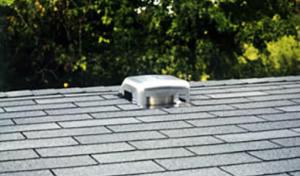
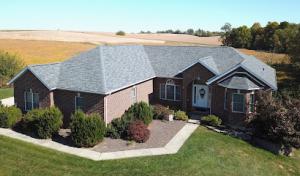
The contractor market in this area leans heavily toward reroofing and storm-response work, especially after spring hail. Homeowners should expect many companies to emphasize hail damage, insurance help, and rapid deployment. In practice, you will notice more crews mobilizing right after storms, with trucks parked on street shoulders and debris bags lining curbs. A smart choice balances speed with solid workmanship and clear communication about next steps.
When leaks start or debris piles up on a roof, every hour counts. Prioritize roofers who demonstrate a defined plan for rapid assessment, tarping to limit interior damage, and responsible cleanup that doesn't leave loose debris on driveways or landscaping. Ask for a written expected timeline, a clear sequence of repairs, and a realistic warranty that covers storm-related workmanship. In tight neighborhoods, crews that respect neighboring properties and parking logistics often distinguish themselves.
Long-established, family-owned and locally owned firms are meaningfully present, giving homeowners a real choice between high-volume storm operators and more rooted local companies. Local teams tend to understand the quirks of suburban layouts, tree coverage, and the way hail tends to impact asphalt shingles here. These firms often offer more personalized planning, closer oversight, and ongoing maintenance options that align with older homes or those with tricky attic ventilation setups.
After a storm, clear documentation matters just as much as the roof work itself. Expect contractors to help with documenting hail impact patterns, wind-driven damage, and seasonal wear that can complicate insurance claims. A reputable team will provide a detailed, itemized scope of work, photos from multiple angles, and a record of material choices that stands up to insurer review. You want a contractor who can coordinate directly with your insurer when questions arise, not one who leaves you to chase down receipts.
Storm work often touches gutters, fascia, and downspouts in addition to the roof deck. Seek a contractor who coordinates with neighboring trades to minimize disruption, protects landscaping, and leaves a tidy job site daily. Ask about post-storm cleanup practices, disposal of damaged material, and steps to prevent new leaks during the storm-season transition. This practical, neighborly approach helps keep the project moving smoothly through Maryland Heights' spring weather rhythms.
In this area, spring hail and high-wind events are a routine concern. If you can, start photo-recording your roof's condition before a storm hits: shingles edge wear, flashing seals, and any signs of wear on vents or gutters. Having clear photos and product details on hand makes it easier to show adjusters exactly what existed prior to any damage. When a hail event occurs, keep a dated log of wind speeds, hail size you observed, and the storm date. These details can become pivotal in a claim review when insurers request a clear before-and-after narrative.
In the St. Louis metro claim environment, adjusters may ask Maryland Heights homeowners for prior roof condition evidence, storm-date documentation, contractor estimates, and exact material specifications. Prepare a folder that includes: photos taken before and after the storm, the exact shingle or metal profile you used (brand, granule color, and underlayment if applicable), and any previously installed warranty or maintenance records. If you've already consulted a roofer for a rough assessment, keep that estimate accessible, even if you haven't filed a claim yet.
Because hail and wind claims are common locally, homeowners should keep photo records and product details even before a storm, not just after visible damage appears. When you report a claim, have your chosen contractor ready to provide a formal estimate that aligns with the material specifications you've documented. Insurers may request a scope of work that mirrors the actual installed system, so precise naming of materials can reduce back-and-forth.
Policy and carrier handling can vary significantly, so homeowners should compare insurer requirements against the city's permit and inspection process before authorizing full replacement. Some carriers expect a certain inspection sequence or proof of contractor compatibility; others may push for a different sequence of approvals. Having the documented facts and a clear, consistent narrative speeds decisions and helps prevent post-claim surprises.