
Last updated: Apr 19, 2026
Spring hail and heavy rain are a primary roofing trigger in this area and can create sudden surges in repair and replacement demand. The moment skies darken and hail starts rattling the gutters, attention should turn to fast, thorough inspections. Look for bruising on shingles, dented flashing, and granule loss in the gutters or downspouts. Shingles may appear intact from the ground, but hail can push water infiltration just beneath the surface. If there is any staining on the ceiling, damp spots on the attic decking, or a musty odor after a storm, treat it as a red flag and act quickly. Document all signs of damage with clear photos taken from multiple angles, including the attic if accessible. Keep a dated log of when the storm hit, what areas were affected, and any immediate changes in the interior-these details will streamline the claim and the replacement timeline.
A rapid response matters because spring damage can worsen with the first heat spikes. Shelter-in-place steps include clearing debris from roof valleys and around vents to prevent water backup, and placing temporary debris barriers to reduce risk during a subsequent downpour. Prioritize shingles that visibly show curling, cracking, or loss of granules, plus any signs of moisture intrusion at the eaves or around dormers. If the weather window allows, arrange a professional roof assessment within a week or two of a storm to avoid a backlog once multiple homes in the area begin repairs. Keep in mind that repeated spring incidents can compound damage, turning minor issues into costly replacements if ignored.
Autumn storms and high winds add a second seasonal damage window for homeowners, especially for wind-lifted shingles and flashing issues. Wind can peel back sections of the roof surface, lift shingles at edges, or detach flashing around chimneys, vents, and skylights. The telltale signs are shingles that lift with the wind, exposed fasteners, and areas where the protective underlayment shows through. After a windy storm, inspect the attic for added daylight or wind-driven debris entering through roof penetrations. In the exterior, look for loose or missing vent boot seals and gutters that have been mashed or separated at joints. Document these issues with timestamped photos and notes; this information speeds up the adjustment process and helps verify whether a full replacement or localized repair is warranted.
Act quickly if a wind event coincides with heavy rain-water can travel beyond the obvious damage, following pathways along rafters and around attic penetrations. If extensions of the wind damage are noted, prioritize temporary tarping or protective covering over exposed areas to minimize interior exposure. For this season, prioritize securing secure edging along the eaves to prevent ice and water backing up during colder nights, and schedule a professional inspection before the first hard freeze settles in. The goal is to prevent minor wind-lift issues from becoming sustained leaks as temperatures dip.
Cold winters with freeze-thaw cycles can turn minor storm damage into leaks or accelerated shingle deterioration before the next roofing season. Freeze-thaw cycles create internal micro-fractures in shingles and underlayment, allowing moisture to migrate and saturate decking during thaws. Even small punctures or lifted edges can become persistent leak paths as snow melts and refreezes. After a storm, pay attention to any rapid changes in attic humidity, sudden cold spots, or ceiling stains that appear during thaws. Frozen gutters can also mask drainage problems, causing water to back up under shingles and through flashing.
If a leak is detected during winter, arrange a temporary solution to keep water out while a full assessment is scheduled for spring. Inspections should focus on the roof edge, valleys, and around penetrations where ice dams may form. A proactive approach-documenting winter damage, maintaining a log of when fractures appeared, and coordinating with a trusted contractor for a spring-scheduled replacement-helps align the project with the next roofing season and minimizes the risk of accelerated deterioration.
Throughout each season, maintain a photo log of the roof from the ground and, when safe, from the attic. Keep a running list of damaged areas, moisture indicators, and any interior signs of water intrusion. In all cases, quick documentation and timely professional assessments reduce the chance that storm damage escalates into a larger, more disruptive project. When calm returns and contractors can operate safely, the goal is to translate those early findings into solid, properly sequenced repairs or replacement that restores the roof's performance and protects the home through the next cycle.
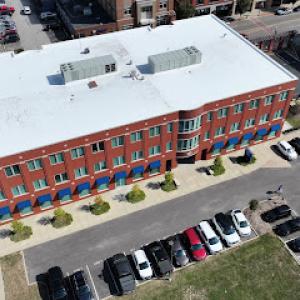
Michael Ryan Exteriors - Roofing Professionals
(618) 600-3490 www.michaelryanexteriors.com
1063 S State Rte 157 Ste 2, Edwardsville, Illinois
4.9 from 46 reviews
Michael Ryan Exteriors - Roofing Professionals is your trusted roofing contractor located at 1063 S State Route 157 - Suite 2, offering top-tier roofing services across Edwardsville, IL, and the Metro East area. Specializing in commercial TPO & EPDM roofing, we also provide expert metal roofing, shingle roof replacement, and emergency roof repair services. Whether you need a full roof replacement, routine maintenance, or a quick roof leak repair, our skilled team ensures safety and quality using only superior materials. As a reputable roofing company near you, we are committed to enhancing your property’s value and protection. Contact us for a free, no-obligation estimate today!
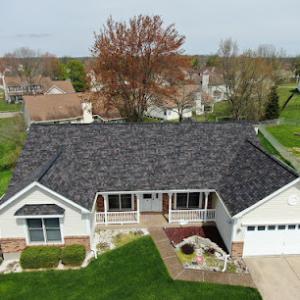
Stonebridge Roofing
(618) 507-6494 stonebridge-roofing.com
1063 S State Rte 157 Ste 2, Edwardsville, Illinois
5.0 from 19 reviews
Full-service home improvement company offering all roofing and repair services as well as masonry services. We are a full service roofing company serving the entire St Louis area specializing in residential & commercial roof systems. We are proud of being a family owned and operated business in Edwardsville, IL.
Cardinal Catastrophe Services
(618) 659-9800 www.cardinalcat.com
214 Hillsboro Ave, Edwardsville, Illinois
4.4 from 86 reviews
Storm Damage Restoration Insurance Claim Roofing Service and Full Contractor
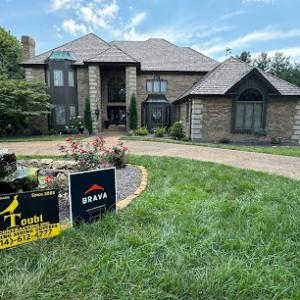
Toubl Contracting
(314) 612-4777 www.toublcontractinginc.com
5360 Springfield Dr, Edwardsville, Illinois
4.7 from 23 reviews
With over 20 years of experience in the storm damage repair, home restoration and carpentry trade, we provide quality workmanship for the domestic and commercial markets. In need of a new roof, gutter installation, windows or siding or maybe a complete restoration? Look no further! You may be entitled to a new roof from your insurance company. Our team can walk you through the entire insurance claim process and you will be sure to have an experience beyond your expectations.
ABC Roofing & Siding
1051 Century Dr Suite 19B, Edwardsville, Illinois
4.7 from 12 reviews
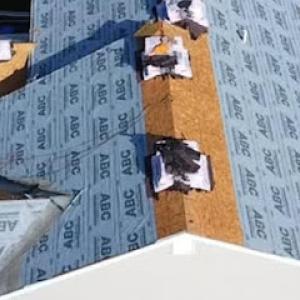
ABC Roofing & Siding is a premier Exterior Remodeling and Restoration company. Since 1991, we have proudly served the Chicagoland area, greater Milwaukee and St. Louis areas – with thousands of completed projects and satisfied customers. At ABC – you get great value with our Affordable Pricing, Expert Installation, and Outstanding Service!

H&F Exteriors
(618) 961-3362 hfexteriors.com
Serving
4.9 from 699 reviews
Serving all of Metro St. Louis, H&F Exteriors is locally owned and operated with offices in St. Louis and Edwardsville, IL. With over 15 years of experience in exterior remodeling and over 20 years of insurance industry experience, H&F Exteriors has the mastery and understanding necessary to ensure your project is finished to perfection. Whether you are looking for help with a storm damage claim, want to freshen up your curb appeal, or need an H&F Exteriors specialist to guide you from design to finished product, H&F Exteriors will deliver a 5 star customer experience. H&F Exteriors expertise is in the knowledge and installation of roofing, siding, windows, and gutters. Service is our specialty! ~ "Done Right. Every Time."
Roof Renewal
Serving
5.0 from 4 reviews
We extend the life of your current roof! Don't replace it, ReNEW it! Save 80% of the cost of a new roof! Save the environment by not throwing your current shingles into a landfill! Call Roof Renewal!
Riverside Restoration
(844) 767-6691 riversiderestoration.net
Serving
4.7 from 226 reviews
Riverside Restoration is a premier roofing contractor proudly certified as an Owens Corning Preferred Contractor. Our expert team delivers exceptional roofing services using only the finest Owens Corning materials. This prestigious partnership gives our clients exclusive access to premium products and extended warranties, ensuring superior roofing solutions for every project. Our commitment to craftsmanship, integrity, and customer satisfaction sets us apart in the industry, as we consistently exceed expectations on every installation and repair. With our specialized expertise and Owens Corning's trusted support, Riverside Restoration confidently provides homeowners with the highest quality roofing solutions for their investment.
UpRight Construction
(314) 374-1343 uprightconstruction.biz
Serving
4.3 from 22 reviews
We supply the client with the utmost effective satisfaction and quality of service. We work for you based on your insurance companies estimate to replace any damaged roof, siding or exterior.
Mid America Roofing & Exteriors
(618) 974-6037 www.facebook.com
Serving
4.6 from 11 reviews
Roofing contractor offering new installs, repairs and many other roofing & exterior services. We are veteran owned and offer our customers a veteran discount. We offer 24-hour emergency services. Call us for a free estimate.

Edwards & Sons Roofing
(618) 476-1480 edwardsrestore.com
Serving
5.0 from 115 reviews
At Edwards and Sons Roofing Services, ensuring our customers are completely satisfied is our number one goal. We are dedicated to delivering outstanding quality, professionalism, and unparalleled customer support. Our comprehensive range of construction services is designed to cater to your specific needs, whether it’s conducting hail or storm damage assessments, providing roofing solutions for both residential and commercial properties, installing siding, offering guttering services, or general contracting. Our team of experts is committed to excellence, managing to complete most roofing projects within a single day to minimize any inconvenience to your daily routine. Choose Edwards and Sons Roofing Services for all your external constr...
LDL Roofing & Construction
(618) 900-8399 ldlroofingandconstructionil.com
Serving
5.0 from 22 reviews
🏗️ Experience Unmatched Quality, Trust in Our Legacy! LDL Roofing and Construction is your premier destination for top-notch roofing and construction services. ✅ We pride ourselves on delivering exceptional quality, unmatched craftsmanship, and impeccable attention to detail. ✅ As a trusted industry leader, our team works diligently to meet your unique needs and exceed expectations. ✅ With years of experience, we specialize in: 🏠 Residential Roofing 🏢 Commercial Roofing 🛠️ Construction Projects …and much more! 📧 Contact Us Today: ✉️ ldlroofingandconstruction@gmail.com ✉️ info@ldlroofingandconstructionil.com
Hail and strong winds regularly test roofs here, and the pattern shapes how insurers look at a replacement. When a major storm rolls through, losses in the area tend to trigger closer scrutiny on roof replacement requests. The local climate's freeze-thaw cycles also complicate what counts as "ordinary wear" versus storm-driven damage, so the insurer's eye will be sharper after every sizable event. That means every claim carries an extra layer of evidence to prove you truly need a full replacement, not just a repair.
In this market, the claims conversation often starts with solid documentation. Insurers commonly ask for the roof's age, a clear timeline of the event, and detailed before-and-after evidence. That means photos before the storm, after the event, and a careful, itemized record of observed damage. If a roof shows varying signs-patchy hail impact patterns, wind-blown debris, or unusual granule loss-the adjuster will want explanations for each. Expect a request for independent assessments or receipts that corroborate the roof's condition and history. The more precise your documentation, the more the file can withstand later questions.
After a major storm, adjusters will typically visit the site to verify conditions firsthand. These visits can feel routine but carry real consequences for approval outcomes. If the roof shows mixed damage-areas that look storm-driven alongside older wear-the adjuster might request supplemental evidence to justify replacing the entire surface instead of partial repair. Supplemental evidence can include professional roofing evaluations, repair logs, or weather-event reports tied to the date of loss. Prepare to supply these materials promptly; delays can slow the decision and complicate the claim's trajectory.
Think of your claim as a story that ties the storm to concrete, observable changes on the roof. Keep a steady record of maintenance history and any prior damage images to set context for the adjuster. If your roof has endured multiple freeze-thaw cycles, document how those cycles manifest in your current concerns-softened shingles, pinhole leaks, or unusual granule shedding-so the reviewer can separate ongoing wear from storm-induced damage. For homes with different roof faces, note which elevations felt the brunt of hail impact or wind-driven debris, since insurers often weigh exposed areas more heavily.
A straight replacement is not a given after every storm, particularly in a Midwest storm-claim environment where scrutiny tightens after large events. Understanding that reality helps you prepare your case methodically rather than reacting emotionally to a delayed decision. If the insurer requests more documentation, respond with clarity and speed. The goal is to establish a consistent, well-supported rationale for replacement, anchored in the home's actual storm experience and the roof's documented condition. This approach increases the likelihood that the claim progresses with fewer back-and-forth cycles, even as the factors of hail, wind, and freeze-thaw continue to shape how roofing work is assessed.
Connect with contractors who help homeowners navigate the claims process from damage assessment to final approval.
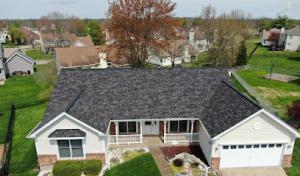
Stonebridge Roofing
(618) 507-6494 stonebridge-roofing.com
1063 S State Rte 157 Ste 2, Edwardsville, Illinois
5.0 from 19 reviews
Cardinal Catastrophe Services
(618) 659-9800 www.cardinalcat.com
214 Hillsboro Ave, Edwardsville, Illinois
4.4 from 86 reviews
Toubl Contracting
(314) 612-4777 www.toublcontractinginc.com
5360 Springfield Dr, Edwardsville, Illinois
4.7 from 23 reviews
Late spring through early fall is typically the best replacement window in Edwardsville because weather is more favorable for installation and material performance. The longer stretches of dry, moderate days help crews lay shingles and seal around penetrations without the interruption that sudden rain brings. If you plan for this window, you reduce the risk of moisture intrusion during the critical early stages of the project and can complete under a predictable sequence. The typical work pacing in this season aligns with standard daylight hours, making inspections and progress checks easier for homeowners.
Hot summer conditions in Edwardsville can affect crew pacing, shingle handling, and scheduling even during the preferred roofing season. In peak heat, shingles can become more pliable and may be damaged if walked on improperly or stored in direct sun too long. Schedule heavier work for cooler morning hours when possible, and plan for shorter shifts if temperatures exceed comfort thresholds. Ensure you have shade and water on site for crew safety, and discuss material handling strategies to protect shingles from warping or tearing as they are moved from truck to roof.
Winter repairs in Edwardsville are more complicated because freeze-thaw conditions can mask moisture problems and shorten the workable weather window. Freezing mornings can lock you into slower progress, while thaw cycles may create sudden slush and moisture issues at the eaves. If a winter repair is necessary, expect more frequent inspections to catch hidden damage, and prepare for occasional delays caused by ice or crusty snow. Consider delaying non-urgent work until conditions reliably stay above freezing and the forecast shows a stretch of dry days.
Edwardsville experiences hail and wind events that can create sudden damage clusters. After a significant storm, you may find multiple homes in the neighborhood needing attention at once. The best approach is to have a contingency plan that includes material staging, clear access routes, and a communication process with your crew for weather-related interruptions. If damage is suspected, document it promptly and keep a record of dates and observations. This helps minimize disruption when you transition into the optimal replacement window and coordinate with the crew to preserve a steady pace.
When you aim for late spring or early fall, coordinate around anticipated weather patterns rather than specific dates. Build a backup plan for an extra week in case an unseasonable cold snap or heat spike arrives. Reserve a start date with the contractor that leaves a buffer for any required inspections or temporary repairs, and ensure you have a plan for securing pets, vehicles, and landscaping during the installation.
Get a clear picture of your project costs upfront - no commitment required.
Michael Ryan Exteriors - Roofing Professionals
(618) 600-3490 www.michaelryanexteriors.com
1063 S State Rte 157 Ste 2, Edwardsville, Illinois
4.9 from 46 reviews
Vital Construction & Roofing
(618) 328-0334 www.vitalconstruction-roofing.com
Serving
5.0 from 9 reviews
In this market, asphalt shingles are a dominant choice because they fit the area's mainstream residential re-roofing market and broad contractor availability. They're familiar to local crews, respond well to seasonal temperature swings, and offer a practical balance of performance and value for typical Edwardsville homes. When choosing asphalt, look for higher laminate or architectural options that provide better wind resistance and a thicker profile to help weather hail and freeze-thaw cycles. A solid installation is essential: ensure the underlayment, ventilation, and flashing details are tailored to your roof's exposure and attic conditions.
Metal roofing is present but remains a smaller specialty segment than asphalt, making installer selection more important for homeowners considering an upgrade. If considering metal, prioritize standing-seam panels or other wind-rated systems with proper sealant and fastener details to handle hail and thermal cycling. Local installers with experience in mid-sized, slope variations and retrofit applications can better manage the weight distribution, attic condensation, and potential noise concerns during storm events. Metal can offer long service life, but it benefits from precise workmanship and product choice that suits Edwardsville's climate.
Clay tile, concrete tile, wood shakes, and synthetic/composite products exist in this market, but their performance must be weighed against hail exposure, winter freeze-thaw stress, and structural suitability. Clay and concrete tiles bring distinct aesthetics and durability, yet hail impacts can cause cracking and localized damage; ensure your structure can carry the weight and that fasteners and underlayment are designed for regional weather patterns. Wood shakes provide a textured look but demand careful maintenance in freeze-thaw conditions and potential susceptibility to moisture. Synthetic/composite options can offer hail resistance and lighter weight, yet require careful evaluation of color stability, expansion, and installation details to align with the local climate. For any non-asphalt choice, confirm compatibility with existing roof geometry, attic ventilation, and the ability to address insulation and condensation during extreme temperature swings.
Choosing a material fit for the area means balancing local weather stresses with existing roof geometry and the breadth of available local contractors. Regardless of material, prioritize systems with proven wind uplift ratings and hail-resistant performance, along with appropriate underlayment and ventilation strategies tuned to your attic's air exchanges. In the end, the best option aligns with your home's structure, the expected seasonal stressors, and the availability of skilled installers who can deliver a durable, well-sealed roof through Edwardsville's typical hail, wind, and freeze-thaw cycles.
Typical Edwardsville material pricing runs about $350 to $700 per square for asphalt shingles, $700 to $1200 for metal, $900 to $1800 for clay tile, $1100 to $1900 for concrete tile, $600 to $1100 for wood shingles or shakes, and $450 to $900 for synthetic or composite shingles. These ranges reflect the local market, where aging neighborhoods with established roofing decks can tilt costs toward the higher end when existing boards or underlayment need replacement. You'll see substantial variation from roof to roof based on pitch, complexity, and the number of penetrations or protrusions that must be flashed.
Storm-driven demand spikes after hail or high-wind events can push scheduling pressure and labor pricing higher. In Edwardsville, a neighborly pace often shortens after a major storm, but contractors may prioritize job sequencing by weather windows and insurance timelines. If a claim is involved, expect a tighter window for material selection and inspection, with potential for temporary price holds on popular profiles or colors. Plan for possible quicker negotiation on start dates, but don't trade quality or warranty for speed.
Costs in this area can also move based on tear-off scope, roof complexity common in established neighborhoods, and whether hidden storm or freeze-thaw damage is found during replacement. A steeper pitch, multiple dormers, or intricate railing areas adds labor time and material waste, lifting the per-square price. Hidden damage may require additional underlayment, decking, or ice barriers, which shifts the job from a straightforward swap to a more layered replacement.
If you're replacing during a mild window, you may secure safer scheduling and steadier material pricing. After a severe storm, you'll want to verify that the contractor has weather-resistant staging and a clear plan for debris containment. Weather cycles in spring and late summer can line up with insurance claim timelines, so coordinate your project pace with realistic lead times and a contingency for rain days.
Choose a material that balances local weather resilience with upfront cost, confirm a clear tear-off scope, and verify the contractor's track record on flashing and underlayment. In areas with established housing stock, expect some variation in per-square pricing based on roof complexity and hidden damage checks-especially after hail or freeze-thaw cycles.
Don't let upfront costs delay a critical repair - these contractors offer payment plans to fit your budget.
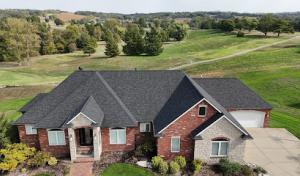
A full roof replacement in Edwardsville typically requires a building permit. The process isn't just about ticking a box; it reflects the area's hail- and wind-prone climate and the freeze-thaw cycles that stress roof systems year after year. Before any nail is driven, you will need to confirm that the scope of work aligns with local codes and neighborhood requirements. This step helps protect your home's structure and keeps your project from stalling later in the season when the weather turns, which is common after severe hail events.
The City of Edwardsville Building Department reviews the roofing project scope before issuing the permit. This review focuses on the materials chosen, the method of installation, and how the project interfaces with existing eaves, flashing, and ventilation. During the review, be prepared to provide a clear plan for roof venting, ice dam protection, and weatherproofing details that accommodate Edwardsville's freeze-thaw pressures. Scheduling matters, particularly after storms, because permit review times can vary. Plan ahead for potential extensions if the scope includes added attic ventilation or updated drainage pathways.
Edwardsville requires inspections during and after the project to verify code compliance before the job is fully closed out. Expect at least an initial inspection when the roof is in progress to confirm underlayment, fastener patterns, and flashing details meet code. A final inspection confirms that the installation is complete, venting and insulation meet requirements, and that any penetrations through the roof deck are properly sealed. If inspectors identify deficiencies, scheduling follow-up visits may be necessary to achieve a clear closeout. Keeping your permit and inspection records organized accelerates the process and helps with any future updates or storm-damage documentation.
In Edwardsville, hail impact and wind uplift are recurring causes of shingle loss, granule damage, and flashing problems. A single hail event can punch through protective granules, leaving vulnerable asphalt beneath exposed to sun and rain. Wind can peel edges and loosen fasteners on older roofs, especially where flashing around chimneys, skylights, and vent pipes has not been upgraded. The result is a rapid cascade of leaks, wobbly vent penetrations, and accelerated wear on the high stress areas.
Freeze-thaw cycling in Edwardsville can worsen small cracks, loosen vulnerable roofing components, and accelerate wear after storm seasons. Water that seeps into micro-cracks can expand when temperatures drop, pushing seams apart and forcing nail heads to back out over time. This process quietly undermines the roof deck, allowing hidden leaks to develop during the next moisture event. After a cold snap, shingles that previously seemed intact may reveal soft spots or brittle edges.
Heavy spring rain in Edwardsville increases the odds that minor roof defects show up first as active leaks rather than visible exterior damage. A poorly sealed edge or a compromised valley can channel rain into the attic, where you might notice dripping from soffits or ceiling stains rather than a dramatic roof failure. Proactive inspections after storms help catch these signs early, before a small issue becomes a costly repair.
Keep a cautious eye on flashing details where roof planes meet walls, around dormers, and at vent stacks. When shingles curl, granules accumulate in gutters, or fasteners show signs of rust, treat these as urgent indicators rather than cosmetic concerns. Regular, seasoned inspections after severe weather can prevent small defects from turning into widespread damage. If shingles lift or granules wash away after a storm, schedule a professional evaluation promptly.
Flat and low-slope roofing is a smaller but active specialty in Edwardsville, indicating a meaningful subset of homes or additions where drainage and membrane details matter. In this climate, heavy rain events and rapid cooling cycles stress edges and transitions. When you're evaluating a flat or low-slope surface, start with drainage paths: check that the primary gradient moves toward a proper scupper or internal drain, and verify that there are no ponding zones that sit longer than a few hours after a storm. Look for edge termination details that align with the membrane, not just surface patching. A weak transition from deck to membrane can allow water to creep under flashing during heavy downpours, especially if hail has loosened fasteners or deformation has nudged the seam.
Skylight repair appears as a recurring local specialty, suggesting leak-prone transitions that often need experienced flashing work rather than surface patching. Inspect skylight curb joints and the step flashing where the skylight meets the surrounding roof. In winter, meltwater can refreeze at the curb, widening gaps and stressing sealants. If more than a single layer of sealant covers the flashing, that's a red flag-proper flashing should integrate with the curb and counterflashing, with newly applied sealant only as a secondary safeguard. When leaks appear around skylights, prioritize flashing integrity over cosmetic fixes. A professional should reseal the curb, reanchor fasteners if needed, and replace any deteriorated shingle contact where flashing sits.
Edwardsville's heavy rain events and winter weather make penetrations and low-slope transitions more vulnerable when detailing is weak. Accumulated hail can dent metal edges, shifting the slope and stressing seals. Pay close attention to any penetrations around vents, flanges, and roof penetrations near skylights or mechanicals. During dry spells, inspect for micro-cracks in membrane seams that could widen with freeze-thaw cycles. Plan targeted attention to transitions where different roof angles meet, including parapet edge details, to reduce water migration across flashing joints. Regular proactive checks of these edge conditions yield the most durable performance in this climate.
Find specialists in TPO, EPDM, and built-up flat roofing systems for residential and commercial properties.
Michael Ryan Exteriors - Roofing Professionals
(618) 600-3490 www.michaelryanexteriors.com
1063 S State Rte 157 Ste 2, Edwardsville, Illinois
4.9 from 46 reviews
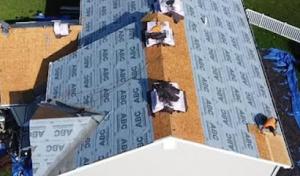
LDL Roofing & Construction
(618) 900-8399 ldlroofingandconstructionil.com
Serving
5.0 from 22 reviews