
Last updated: Apr 19, 2026
Storm exposure in this area means your roof faces hail, wind, and heavy seasonal rain far more often than many neighbors expect. Hail events and fast-moving wind can tear shingles, lift edging, and drive grit under seams, accelerating wear on aging roofs. When a storm hits, you're not just protecting shingles-you're safeguarding attic insulation, underlayment, and a potential cascade of interior water damage. In this market, insurance claims spike after hail and high-wind events, so knowing how to respond quickly can shield you from long-term leaks and costly repairs.
Spring has a loud, noisy tempo here. That's when the bulk of replacement decisions get triggered, because the spring storms are frequent and severe enough to expose weaknesses on aging roofs. If you've got shingles curling at the edges, granule loss on the driveway, or damp spots on ceilings after a heavy storm, you're not imagining things-these are signals that damage may be more than cosmetic. The moment you notice swelling, loose flashing, or attic warmth above insulation, you should flag the issue early. Waiting for a routine maintenance window invites compromise: an additional round of wind-driven rain, deteriorated underlayment, and the risk that the next storm compounds the damage. Timing your response around spring activity isn't about urgency for urgency's sake; it's about reducing claim friction and staying ahead of a service backlog when insurers are busiest.
Fall wind events add another layer of risk. Those strong gusts can finish off roofs that looked passable after summer storms and heat. If your roof is already aging, plan for a fall inspection to catch wind-driven damage before winter sets in. In practice, that means monitoring for loose or displaced shingles, lifted edges, or failed seals around penetrations-things that wind can amplify into larger leaks once temperatures dip. As aging roofs weather another season, the window to schedule a safe tear-off and installation narrows in the weeks leading up to winter. Don't let a stubborn leak become a winter catastrophe by delaying a targeted repair or replacement assessment.
Winter presents its own hurdles. Freeze-thaw cycles intensify ice-dam risk, which can force water to back up under shingles and into attic mains and ceilings. Ice dams don't just threaten your roof deck; they disrupt interior walls and can stall a replacement plan. When snow is heavy, scheduling becomes delicate: crews must manage snow load on ladders and sections of the roof, while homeowners must protect interior spaces from sudden leaks during delays. You should prioritize a pre-winter inspection if you've observed attic warmth near exterior walls, dated flashing, or gutter backups. A solid plan before the first deep freeze reduces the odds of emergency repairs and makes any post-storm claim work smoother.
If a storm hits and you're confronted with damage, act fast but thoughtfully. Photograph damage promptly, keep a written log, and contact your insurer with precise, dated notes about what failed and when. Prioritize temporary protection-tarps or boards over exposed areas-to minimize further water intrusion while you wait for a claim decision. In Jeffersonville, the clock ticks quickly after a major event: the sooner you document, protect, and engage, the higher the odds of a smoother claim and a timely, reliable roof replacement when the weather and crews align.
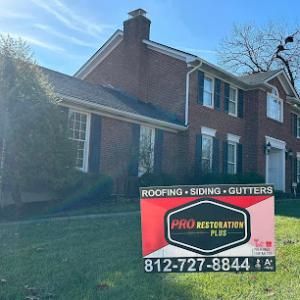
Pro Restoration Plus
(812) 727-8844 www.prorestorationplus.com
3410 Industrial Pkwy Suite C, Jeffersonville, Indiana
4.9 from 94 reviews
Pro Restoration Plus is a reputable, family-owned roofing and remodeling business headquartered in Jeffersonville, IN, that serves all of Kentuckiana! We specialize in roof repairs, replacements, siding, gutters, and a wide range of interior home improvement services. Furthermore, we are a 5-star-rated, A+ accredited company on the Better Business Bureau with a commitment to our customers’ satisfaction. Our certified inspectors will help educate you on any issues they spot by breaking down what may be the culprit and the solutions available to you. The most rewarding aspect of our job is witnessing the joy and satisfaction on our customers’ faces as they see their homes transformed and restored to their former glory.
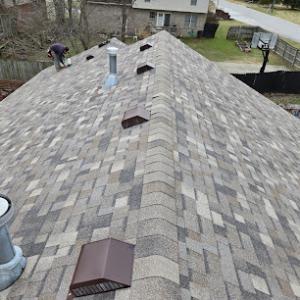
Absolutely Affordable Roofing
(812) 214-1076 www.absolutelyaffordableroofing.com
2323 Charlestown Pike, Jeffersonville, Indiana
4.8 from 61 reviews
Absolutely Affordable Roofing, a local roofing contractor, provides competitive pricing coupled with master-quality workmanship. This venture represents a new business endeavor, building upon prior experience with a highly-rated roofing contractor; references are available upon request. We are committed to treating your property with the utmost care and respect.
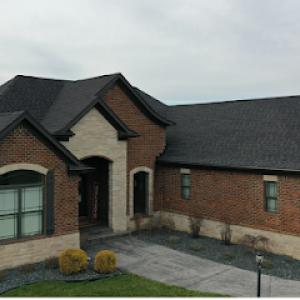
Dura Roofs
(502) 324-4141 www.duraroofs.com
1102 E 10th St, Jeffersonville, Indiana
5.0 from 21 reviews
Dura Group Roofing is a Roofing Company located in Jeffersonville, IN. We offer Roof Repairs, Spray On Roofing, Roofing Consultations, Roof Replacements, Certified Roofing, and other Roof Repairs. Here at Dura Group Roofing, our mission is to always provide quality service at an affordable price. Our roofers are highly trained professionals with years of experience. The success of our company is due to the dedication we provide to our customers. No matter the job, customer satisfaction is always our number one priority! Contact us today for more information and services.
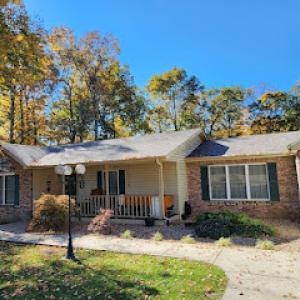
Jeffersonville Roofing
(502) 537-8700 www.jeffersonvilleroofing.com
Jeffersonville, Indiana
5.0 from 18 reviews
Jeffersonville Roofing is your trusted Local Roofing Contractor for all things roofing. Our team of experienced and certified roofers is committed to excellence, ensuring that your roofing needs are met with precision and care. 🏠 Services We Offer: Roof Repair and Replacement: Whether it’s a minor leak or extensive damage, we’ve got you covered. Our skilled professionals will restore your roof’s integrity promptly. Metal Roofing: Looking for durability and style? Our metal roofing solutions provide long-lasting protection and a sleek appearance. Flat Roofing: From commercial buildings to residential properties, our flat roofing services cater to diverse needs. Owens Corning Shingles
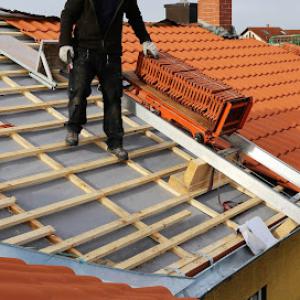
Not Just Roofs
(812) 200-9876 notjustroofs.net
3310 E 10th St Suite 123, Jeffersonville, Indiana
4.9 from 27 reviews
Not Just Roofs, LLC is a trusted roofing contractor in Jeffersonville, IN, offering exceptional roof repair and roof installation services. With 28 years of experience, our award-winning team ensures high-quality workmanship, using only the best materials to meet your needs. We specialize in handling everything from minor roof repairs to complete roof installations for both residential and commercial properties. We provide reliable, affordable, and long-lasting solutions, ensuring your roof remains secure and durable for years to come. Choose Not Just Roofs, LLC for professional and efficient roofing services backed by years of expertise.
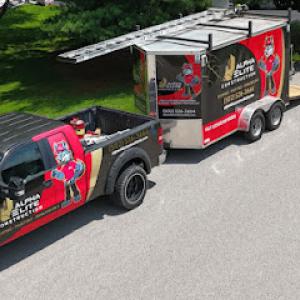
Alpha Elite Roofing & Construction
(502) 526-3664 www.alphaeliteconstructions.com
1805 E 10th St, Jeffersonville, Indiana
4.8 from 33 reviews
Let an Experienced & Friendly Team Take Care of Your Roof! Whether it’s a new installation, repair, or full replacement, At Alpha Elite We take pride in delivering top-notch customer service and elite-quality craftsmanship on every project!!🐺
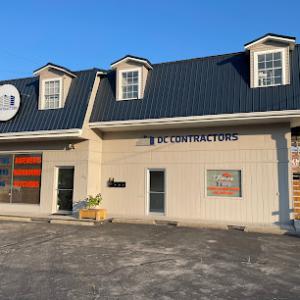
DC Contractors
(502) 632-3296 www.dccontractorsllc.net
801 E 10th St, Jeffersonville, Indiana
4.8 from 32 reviews
DC Contractors maintains a high level of focus on commercial and residential interior and exterior renovations including remodeling and suiting commercial retail/office space, siding, roofing, gutters, windows, and interior commercial fit-ups. We will provide a seamless customer experience by offering creative solutions, responsiveness, & pride in the work that we perform for clients. DC Contractors with a highly skilled team to transform homes, apartments, condos, commercial real estate, and retail spaces that you are proud to live or work in. They’re hard-pressed to say no to any challenge and love getting their hands dirty. Joe Coffey and Justin Denison are childhood friends that both have a passion for renovation.
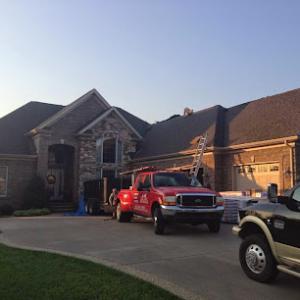
Temco Enterprises
(812) 282-7663 www.temcoroofing.com
5709 Hamburg Pike, Jeffersonville, Indiana
4.0 from 14 reviews
Temco Enterprises, LLC, is locally owned and operated. We are fully insured and bonded. We pride ourselves in establishing a relationship with our customers. We value all our customers, past and present.
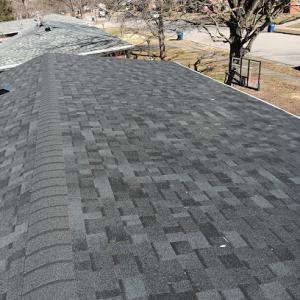
Jenkins roofing
Jeffersonville, Indiana
5.0 from 3 reviews
Jenkins Roofing: Your home's exterior, perfected. Specializing in roofing, siding, and gutters, we're also your trusted partner for remodeling projects. We bring expertise and quality craftsmanship to every job, ensuring lasting beauty and protection for your home.
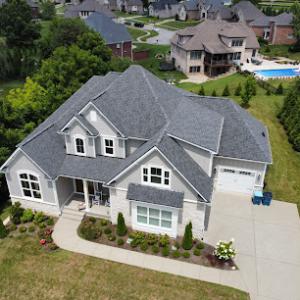
Aboveboard Roofing
(502) 900-0047 aboveboardroofingco.com
Serving
5.0 from 199 reviews
Here at Aboveboard Roofing, we stay Aboveboard by striving to provide the highest quality roofing installation experience for every single one of our clients! With premium roofing practices, and specialized processes in customer relations, we are setting a new standard. We make the roofing process easy for you, by communicating proactively, setting clear expectations, and making a conscious effort to manage your project down to the smallest detail. Our expertise is in working with insurance companies- with an approval rate of over 99% of storm related insurance claims with insurance specialists! Our vision is to revolutionize this industry!
C&C Roofing
(812) 551-1087 www.ccroofer.com
Serving
5.0 from 20 reviews
C&C Roofing is a family and woman-owned business based in Clarksville, Indiana. After years of experience in the roofing industry, this mother and son duo founded the company in 2020, bringing their expertise and dedication to every project.
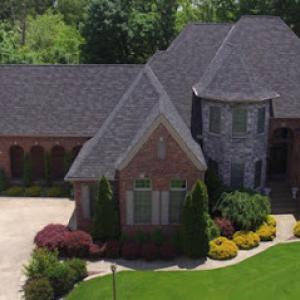
Graduate Contracting
(800) 427-6637 www.graduatecontracting.com
Serving
5.0 from 57 reviews
Graduate Contracting is a locally owned, licensed, bonded, and insured business. We provide a full range of contracting services for your residential or commercial property, large or small, specializing in both restoration of and complete replacement of roofing, siding, and gutters. We offer free quotes on roof repair and replacement work and provide professional guidance in navigating the insurance claims process for storm damage to your property. As experienced general contractors and licensed insurance adjusters, our management team believes it has a competitive advantage in savings its clients money. We strive to maintain our BBB A+ rating for delivering "A Timely, Cost-Effective & Efficient Service" to our clients.
Asphalt shingles are the backbone of most Jeffersonville roofs, and that reality shapes what homeowners see when storms roll in. In this climate, hot summers and cold winters push shingles to work overtime, and seasonal rainfall accelerates aging. If you're weighing what to replace after a hail or wind event, asphalt remains a practical, familiar choice that installers can stand behind for predictable performance. In neighborhoods with mixed ages of homes, you'll notice that the familiar tabbed look of asphalt is still common, and many crews can line up a solid warranty with a straightforward installation. The key is choosing a higher-lift, weather-resistant shingle with good granule adhesion and a reinforced backing to resist wind uplift.
Metal is more than a trend around here; it's a meaningful specialty option that shows up on homes across the storm-claim-heavy market. In Jeffersonville, metal can offer notably better resistance to repeated hail impacts and wind pressure-conditions you frequently see after sudden spring storms or late-season fronts. If a roof has to endure frequent gusts and the occasional freeze-thaw cycle, metal's durability can translate into longer intervals between replacements, especially on well-ventilated structures or roofs with good drainage. The essential steps are to pair metal with properly sealed seams, a trustworthy underlayment, and appropriate fasteners for the existing roof pitch. A priority is choosing a finish with a proven track record against Indiana's sun exposure to minimize expansion and contraction over time.
Clay and concrete tiles exist in Jeffersonville's housing mix, but their suitability hinges on the underlying structure and slope. Clay tile, with its weight and brittle nature, requires a solid, reinforced roof deck and careful substrate preparation to handle freeze-thaw cycles without cracking. Concrete tile is a more versatile option, offering greater impact resistance and, depending on the profile, excellent wind performance if installed with proper fasteners and underlayment. In areas with heavy rain during the spring and fall, tile can shed water efficiently, but the system must be designed to prevent ice damming and ensure good ventilation under the roof deck. If the home's roof line is relatively shallow, tile may end up being a poor fit due to uplift risk and maintenance concerns in storm events.
Wood shakes bring a traditional look and good insulation, but they demand a careful eye for moisture management in a climate with recurring storms. In Southern Indiana, freeze-thaw cycles can threaten exposed edges, leading to splitting or cupping if the roof isn't properly treated and maintained. If choosing wood, expect more frequent maintenance between major storms, including treatment for rot and insect pressure. Synthetic shingles, meanwhile, offer a compromise: they mimic the appearance of natural products while delivering improved resistance to moisture, and they often come with durable warranties that account for our seasonal rainfall. When evaluating synthetic options, verify compatibility with the existing roof framing and confirm that the chosen product performs well in freeze-thaw and wind-heavy conditions typical of the area.
In storms, the guiding principle is to align material performance with exposure patterns: hail, wind, and rainfall. The best choice for a given home depends on the roof's pitch, deck condition, and how the system handles rapid temperature swings. For a homeowner facing an insurance-driven replacement after a hail event, prioritize materials with proven wind uplift ratings and strong granule adhesion to withstand repeated hits and driving rain. When your roof needs a balance of durability and a reasonable installation timeline, metal or high-quality asphalt shingles often present the most predictable path. For architectural or regional aesthetic goals, clay or concrete tiles can suit certain structures if the slope and framing are up to the task, while wood or synthetic options satisfy style preferences with varying maintenance needs.
In this city, a building permit is typically required for a full roof replacement. That means when a contractor clears your project, the permit paperwork will be filed with the local authority before any shingles come off or new underlayment goes on. The goal is to keep the work compliant with local code and to ensure the replacement is sized and installed to withstand the seasonal rain and wind common to this region. It helps avoid later failures that could trigger dry-rot or wind-driven damage.
The City of Jeffersonville Building & Code Enforcement handles roofing permits for this jurisdiction. That office is the one to contact if you need to verify permit status, confirm required documents, or arrange the inspection timeline. Your contractor should provide the permit number and a copy of the permit card, but it's wise to follow up yourself a few days after you sign a contract to ensure the permit is in motion. Delays at the permit counter are not unusual during peak storm season, so a proactive check helps keep your project moving.
Jeffersonville requires an inspection after work is completed. The inspector will verify that the installation meets the applicable wind and weatherization standards, and that the roof components are correctly installed for the local climate. Some projects may also trigger a pre-inspection or require wind-resistance details depending on roof type. If your roof uses an especially wind-exposed layout, or if there were changes to roof pitch, decking, or underlayment, be prepared for additional documentation or on-site checks. Your contractor should coordinate with the inspection schedule, but you retain the right to confirm the date and time.
First, ensure you have a clearly written contract that references the permit process and the expected inspection milestones. Ask the contractor to provide the permit number and the inspector's contact information so you can plan around any required pre-inspections or wind-resistance documentation. After the job is complete, arrange access for the inspector at a time that minimizes disruption to you and your neighbors, especially during the busy spring storm window. Finally, keep a copy of the final inspection report; it serves as proof the project passed the required checks and that the replacement was completed to code.
When you price a full replacement in this market, asphalt shingles sit at the lower end of the spectrum, roughly 350 to 600 USD per square. That makes them a common starting point for budget-conscious replacements after a hail event or seasonal rainstorms. If you're eyeing something sturdier or longer-lasting, metal systems run from about 700 to 1,200 USD per square, while tile options push higher-clay 900 to 1,800 USD per square and concrete 800 to 1,500 USD per square. Wood shingles or shakes fall in the 550 to 900 USD range, and synthetic or composite shingles land around 450 to 750 USD per square. Local pricing should be framed around these per-square ranges, with asphalt shingles at the lower end of the Jeffersonville market and tile systems at the upper end. That contrast matters when storm damage stress tests your budget and the time windows you're working under.
Storms here can drive quick, intense demand spikes. After a hail or high-wind event, many homeowners move simultaneously, and crews get booked up. That can push scheduling later than you'd expect, especially for larger or more labor-intensive systems like concrete or clay tile. If you're weighing a mid-range upgrade, keep in mind that the scheduling ripple may influence material availability and crew speed, potentially nudging the project timeline from a few days to a couple of weeks in busy months.
Hail and wind seasons tend to compress the window for approvals and production in this market. When damage is clear, you're often in a race against several neighbors with the same problem. This makes pre-work decisions around color, underlayment, and ventilation even more valuable, since making choices upfront reduces back-and-forth once a crew is onsite. If your home already has older decking, or if the roof line is complex, expect a longer install. Simpler, asphalt-driven replacements can move faster, while tile systems require careful handling and frictionless logistics through weather and material supply cycles.
Understanding the per-square cost helps anchor the overall project timeline. For a typical Jeffersonville home, asphalt replacements may complete within a few days in fair conditions, whereas tile systems can extend several days due to heavier material handling and longer install sequences. Weather interruptions become more than a nuisance when storms are frequent; a downpour can stall progress and compress the remaining working days into a tight schedule. Keep a realistic buffer for inspections and edge-case delays common after hail events, and align expectations with your contractor on sequencing, material deliveries, and crew turnout to minimize downtime.
Don't let upfront costs delay a critical repair - these contractors offer payment plans to fit your budget.

Redemption Solar & Roofing
(502) 206-4733 redemptionsolarandroofing.com
Serving
4.9 from 137 reviews
Jeffersonville sits in an Indiana insurance environment where hail and wind claims are common enough that carriers often require detailed photo documentation and adjuster review. That means when a storm rolls through, the moment the skies clear is the moment to start building your claim file. If a claim is filed after weather has already caused new wear or damage, the documentation burden can grow, and what you thought was new damage may become obscured by subsequent rain or debris.
Because claim timelines and coverage vary by carrier and policy, homeowners need to document damage quickly after storms before temporary repairs or later weather obscure evidence. Start with a wide exterior survey: the roof, gutters, siding, and any skylights or vents exposed to hail or wind. Then zoom in on areas that look suspicious-a dented metal seam, curled shingle edge, or missing granules. Take clear photos from multiple angles at close range, and include distant shots that show the overall roof and the surrounding property for context. A simple timestamp on your photos helps establish when the damage was observed. Keep a log of all communications with the insurer, including dates, names, and promised steps.
Adjusters in this market often request a detailed walk-through and the ability to compare pre-storm conditions with post-storm findings. Have prior photos if available, and note any prior repairs that could influence coverage decisions. When an adjuster arrives, point out all damage you documented, including attic signs like leaks or stained ceiling spots if present. If temporary repairs are necessary to prevent further damage, document them and note the date, materials used, and the reasoning. Honest, organized evidence reduces back-and-forth and helps prevent disputes about what was damaged and when.
The local market's strong concentration of contractors advertising storm and insurance assistance reflects how central claim handling is to roofing decisions here. Be cautious of offers that pressure immediate replacement or promise guaranteed outcomes. Hire a reputable contractor who can help you align your documentation with what the insurer requires, but ensure all work plans and suggested timelines are realistic and in writing. A contractor who understands the insurer's photo requirements and the typical adjuster review process can help preserve your claim's validity without creating unnecessary risk.
One common trap is delaying documentation until after a temporary repair becomes a full fix. Once the roofing is altered, it can be harder to prove the original condition. Another pitfall is overlooking interior signs of water intrusion-rain leaks can appear days after the initial impact, complicating the claim. Regularly review your file, keep copies of all photos, and note any weather events in the days following a claim. This careful record-keeping strengthens the position when the adjuster reviews the claim and supports timely, fair resolution.
Connect with contractors who help homeowners navigate the claims process from damage assessment to final approval.
Pro Restoration Plus
(812) 727-8844 www.prorestorationplus.com
3410 Industrial Pkwy Suite C, Jeffersonville, Indiana
4.9 from 94 reviews
Absolutely Affordable Roofing
(812) 214-1076 www.absolutelyaffordableroofing.com
2323 Charlestown Pike, Jeffersonville, Indiana
4.8 from 61 reviews
Dura Roofs
(502) 324-4141 www.duraroofs.com
1102 E 10th St, Jeffersonville, Indiana
5.0 from 21 reviews
Heavy rain, hail, and wind create urgent leak situations in this market. When a storm hits, leak response often starts with temporary drying-in before a full replacement can be scheduled. If you notice active dripping, ceiling staining, or interior moisture, prioritize stopping the water first with a tarped cover or temporary roof patch aimed at the source. Use heavy-duty, UV-resistant plastic and proper fasteners to secure edges; avoid leaving exposed decking vulnerable to further wind damage.
Construction delays are more likely in winter freeze periods and during active spring storm stretches, making emergency tarping especially relevant locally. Before you call a crew, clear the area of loose debris and keep children and pets away from the work zone. When setting up a tarp, make sure it extends well beyond the leak area and slopes away to shed water. Inspect gutters and downspouts nearby; clogged lines can pool water atop the tarp and lead to seepage under the cover. If you feel unsure about the patch, request a tarping-only option as a temporary measure to buy time without risking further interior damage.
The unusually high number of Jeffersonville-area contractors promoting emergency repair signals that rapid post-storm response is a real homeowner need in this market. When choosing help, verify that the crew has experience with hail and wind damage, and that they can document the extent of damage for later insurance steps. Ask for photos of the affected roof areas and a clear plan for the drying-in and, eventually, a full replacement.
Document every area of damage with photos from ground level and from the attic if safe. Keep receipts for any temporary materials you purchase, and note weather forecasts to anticipate the best window for a full replacement. Maintain a simple, up-to-date contact list for local emergency tarping services and preferred suppliers, so you're not scrambling when the next storm hits.
When you can't wait, these contractors offer fast response times to stop leaks and prevent further damage.
Absolutely Affordable Roofing
(812) 214-1076 www.absolutelyaffordableroofing.com
2323 Charlestown Pike, Jeffersonville, Indiana
4.8 from 61 reviews
Alpha Elite Roofing & Construction
(502) 526-3664 www.alphaeliteconstructions.com
1805 E 10th St, Jeffersonville, Indiana
4.8 from 33 reviews
Seasonal rainfall can push water toward seams, transitions, and penetrations on low-slope sections. In homes with smaller porch roofs or additions, improper drainage transitions turn small drips into repeating leaks after a heavy shower. Pay extra attention to step flashing where the roof meets sidewalls and near any vent pipes or exhaust vents. Concrete or metal skylight wells add another layer of complexity; if the surrounding flashing isn't continuous and clean, water can creep under edge caps and along fasteners during a rainstorm.
Skylight service appears as a meaningful but secondary specialty in this market, suggesting recurring leak concerns around curb and flashing details rather than citywide dominance. When a skylight starts dripping, the first clues are damp spots around the curb, polished metal edges, or a halo of moisture on the interior ceiling. Look for gaps where the curb meets the roof deck, and for worn sealant strips that crack in cold snaps. In mixed residential layouts, these issues tend to appear around older skylights or oversized units installed over low-slope sections.
Flat-roof specialization is present locally but not dominant, so this section should focus on mixed residential conditions where additions, porches, or small low-slope areas create leak-prone transitions. Pay attention to drainage crickets, membrane laps, and edge flashing where a porch roof ties into the main structure. Inconsistent slope or missing termination bars can invite standing water and penetration along fasteners and seam seals. Regular spot checks after storms help catch trouble before it expands.
Find specialists in TPO, EPDM, and built-up flat roofing systems for residential and commercial properties.
Jeffersonville Roofing
(502) 537-8700 www.jeffersonvilleroofing.com
Jeffersonville, Indiana
5.0 from 18 reviews
Not Just Roofs
(812) 200-9876 notjustroofs.net
3310 E 10th St Suite 123, Jeffersonville, Indiana
4.9 from 27 reviews
The local market is heavily weighted toward re-roofing rather than niche new-construction work, so homeowners should expect many contractors to focus on replacement and storm restoration. That emphasis shapes what you should look for: responsive scheduling after a hail or wind event, crews that can manage both the teardown and the cleanup, and a track record of completing projects in a way that minimizes disruption to nearby properties and landscaping.
Jeffersonville homeowners appear to prioritize quick response, cleanup included, affordability, and long-established reputation based on prevailing market signals. When you compare bids, gauge not just the bottom line but the pace of response after initial contact, the clarity of the written scope, and the promise of a thorough debris haul-away and site protection. Insist on a clearly defined project timeline, including weather contingencies for rainy seasons, and a plan for protecting gutters, siding, and landscaping during work.
Family-owned and locally owned firms are present, but the market also includes enough commercial and residential crossover that homeowners should confirm who will actually handle a house roof versus larger project crews. Ask for the on-site supervisor's name, confirm the crew size, and request direct contact information for day-to-day questions. For smaller shops, ensure a defined supervisor is reachable during the project and that the crew will not be diverted to unrelated jobs mid-stream.
Request a written scope that names the exact roof area, materials, fasteners, underlayment, and any required repairs to existing decking. Check references with local neighbors who recently replaced roofs, and verify that the contractor maintains current liability and worker's compensation insurance. In storm-affected periods, confirm the contractor's plan for handling insurance-dependent work, including documentation of damages and scope changes as weather impacts evolve.