
Last updated: Apr 19, 2026
Spring storms in this area bring hail and gusty winds that can savage roofs in a single afternoon. In Lexington, those hail-driven hits are a primary trigger for sudden roof damage, leading to fast-moving backlogs as crews and carriers scramble to handle a flood of claims. The combination of freeze-thaw cycles lingering into spring and repeated wind events makes shingles lift, flashing fail, and soffits loosen in ways that aren't always obvious from the ground. You need a careful assessment after a storm, even if you don't see obvious damage on your first walk around the yard.
Kentucky roof claims are commonly tied to hail and wind events, and Lexington homeowners should expect insurers to require photo documentation and contractor estimates. After a storm, your best move is to document the roof from multiple angles, close-ups of damaged shingles, and any internal signs of moisture or leaks, such as attic staining or mold growth on sheathing. Take time-stamped photos that show the extent of damage before arranging any contractor visits. When a adjuster arrives, be prepared to present those photos alongside a clear, professional estimate that outlines the scope of work, the timeline, and the details of any interior repairs needed. The more precise your documentation, the smoother the process will move through the backlog that often accompanies spring claims season.
Because many Lexington contractors actively market storm damage and insurance-claim help, homeowners here are likely to encounter claim-focused sales activity after severe weather. It's common to see quick-turn offers promising rapid repairs or "prioritized" service, sometimes with pressure to sign before an adjuster even looks at the roof. Stay cautious: legitimate claims work should proceed with a documented adjuster evaluation, not a rushed pitch. Ask for written scopes of work, request references from recent storm projects, and verify the contractor's license and insurance before any work begins. If you're approached by a contractor who seems to press for immediate decisions, slow down, and insist on a joint inspection with your insurer's adjuster to align the repair plan with the actual claim.
The moment a storm passes, start a two-part plan: first, protect the interior and limit further damage with tarping or temporary coverings where safe; second, begin the documentation process. Schedule a licensed, reputable local roofer for a thorough inspection within a few days, ideally aligned with the insurer's cadence for claims. If you can, coordinate the inspection date with your adjuster's availability to avoid duplicative visits and to ensure the scope of work matches the approved claim. For homes with older roofs or mixed materials, expect potential questions about the best long-term repair strategy-sometimes a full roof replacement becomes the most cost-effective and durable choice after repeated hail and wind exposure. In this busy season, staying organized and communicative with your insurer, your contractor, and any property management entities will help you weather the backlog and secure a solid, properly documented repair plan.
Find local contractors experienced in assessing and restoring roofs after hail, wind, and severe weather events.
Quality Built Service
(859) 475-9579 www.qualitybuiltservice.com
597 E New Circle Rd, Lexington, Kentucky
5.0 from 113 reviews
Pinnacle Roofing
(859) 800-7663 pinnacleroofingteam.com
705 Werne Dr, Lexington, Kentucky
5.0 from 166 reviews
United Contracting
(859) 559-2244 unitedcontractingky.com
790 Enterprise Dr, Lexington, Kentucky
4.9 from 357 reviews
Quality Built Service
(859) 475-9579 www.qualitybuiltservice.com
597 E New Circle Rd, Lexington, Kentucky
5.0 from 113 reviews
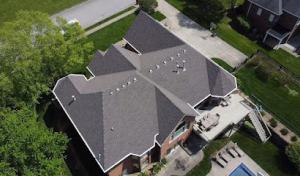
At Quality Built Service, we’re Kentucky’s trusted experts in roof replacements and roof repairs for both residential and commercial properties. 🏠🏢 Proudly serving Lexington and the surrounding Bluegrass communities, we combine local knowledge, premium materials, and expert craftsmanship to protect your biggest investment, your home or business. Whether you need an emergency leak repair, storm damage inspection, or a full roofing system replacement, our team delivers fast, reliable, and long-lasting solutions. As a locally owned Kentucky company, we know the weather, we know the roofs, and we know how to protect what matters most. Free inspections. Insurance claim assistance. Trusted by neighbors, built on quality.
Pinnacle Roofing
(859) 800-7663 pinnacleroofingteam.com
705 Werne Dr, Lexington, Kentucky
5.0 from 166 reviews
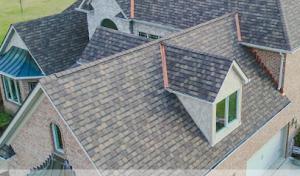
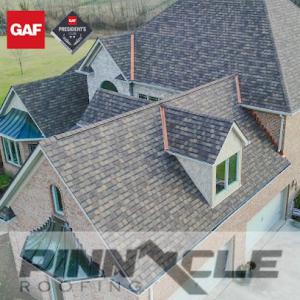
For over a decade, Pinnacle Roofing has served Lexington and central Kentucky as the go-to roofing contractor, consistently delivering exceptional roofing solutions to both residential and commercial clients. Led by a team of highly skilled and GAF Master Elite Two Star President's Club certified craftsmen, Pinnacle Roofing ensures every project is handled with precision and expertise. Our unwavering commitment to quality and customer satisfaction has earned us esteemed recognition as Google Guaranteed and an A+ rating from the Better Business Bureau, solidifying our trusted reputation among residents of Lexington and central Kentucky. Veteran-owned!
United Contracting
(859) 559-2244 unitedcontractingky.com
790 Enterprise Dr, Lexington, Kentucky
4.9 from 357 reviews
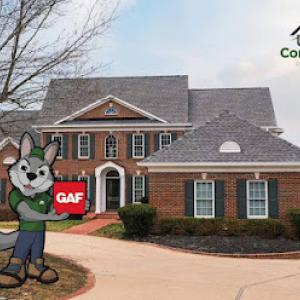
At United Contracting, we proudly serve Jeffersontown, KY and surrounding areas with expert roofing, siding, and masonry services. From shingle replacement and ventilation upgrades to siding anchoring and moisture damage repair, we ensure your home stays protected and energy-efficient. Our skilled bricklayers handle chimney repairs, fireplace rebuilds, repointing, and waterproof masonry sealing with precision. Whether you're dealing with storm damage or planning a full roof and siding replacement, our team is ready to deliver lasting solutions. Call today for a free assessment.

A Godsend Roofing
(859) 432-7663 www.agodsendroofing.net
380 E 2nd St, Lexington, Kentucky
4.9 from 266 reviews
As a highly recommended roofing contractor since 2007, A Godsend Roofing provides the lasting relief your property deserves. Whether you're a homeowner or a local business in need of a shingle roof replacement, brand-new rubber roof, storm damage restoration, or any remodeling or siding project, we'll work with you to find a solution that perfectly fits your needs. We work directly with your insurance company to make it easy.

AIC Roofing & Construction
412 Spring St, Lexington, Kentucky
4.9 from 652 reviews
AIC Roofing & Construction is a certified GAF Master Elite contractor that has built a reputation by providing the highest quality roofing replacements and repairs in the Central Kentucky area. We work diligently with our suppliers to negotiate the best prices which enables us to provide a first rate installation at a competitive price. Our business model is to deliver the same high quality work, day after day, job after job. Whether it’s a simple repair or a complex replacement, we always follow the step-by-step process we have developed for resolving various job specific details. By doing so we greatly reduce the chance for an installer or repair tech to make a mistake.
Tri-Star Roofing & Renovations
(859) 710-5298 www.tristarroofingrenovations.com
80 Codell Dr UNIT 260, Lexington, Kentucky
5.0 from 81 reviews
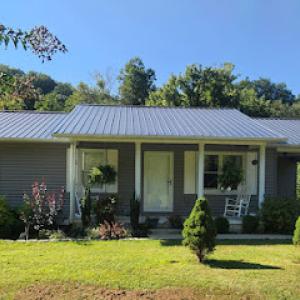
Tri-Star Roofing & Renovations is a leading roofing contractor in Central and Eastern Kentucky, providing top-quality residential services to our community. In addition to roofing, we also offer renovation and remodeling services, including siding, windows, doors, basement remodeling, bathroom remodeling, and kitchen remodeling.
All Around Roofing
(859) 444-5254 www.allaroundroofingky.com
2480 Jacks Creek Pike, Lexington, Kentucky
4.9 from 83 reviews
Founded in 2021, All Around Roofing passionately serves Lexington, KY with expert roofing solutions. Our mission is to ensure peace of mind by providing top-quality materials and meticulous craftsmanship. We value trust, integrity, and a client-first philosophy that sets us apart. Experience the All Around Roofing difference today!
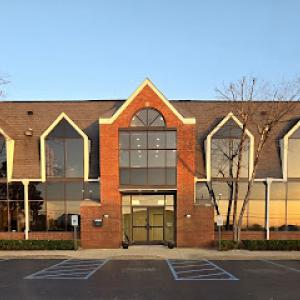
Grand Rising Exteriors
(859) 795-7933 www.grandrisingexteriors.com
120 Quinton Ct #102, Lexington, Kentucky
5.0 from 50 reviews
At Grand Rising Exteriors, we're your local experts committed to delivering timely, excellent customer service at competitive rates. Specializing in roofing, siding, and gutters for residential and commercial exterior projects. As highly trained claims assistant specialists, we're dedicated to ensuring that Central Kentucky home and business owners receive top-notch assistance every step of the way. Contact us today for expert guidance and reliable solutions tailored to your needs. After hours EMERGENCY? We're available for emergency inspections and repairs after hours and on weekends! Service Areas: Lexington, Nicholasville, Danville, Versailles, Georgetown, Paris, Richmond, Winchester, Harrodsburg, Frankfort, Midway, Wilmore, and more.
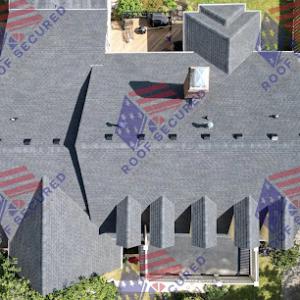
Roof Secured
(859) 766-3459 www.roofsecured.com
2081 Harrodsburg Rd #1131, Lexington, Kentucky
5.0 from 49 reviews
At Roof Secured, we believe your roof is more than just a structure; it’s the shield that guards your cherished memories and dreams. That’s why we’ve dedicated ourselves to providing not just roofing solutions, but a promise of reliability and utmost satisfaction. Join the countless customers in Lexington and throughout central Kentucky, who have transformed their homes and businesses with our expert touch.
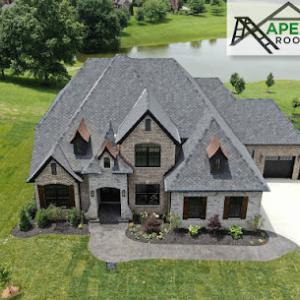
Apex Roofing of Greater Kentucky
(859) 523-2739 www.apexroofingky.com
1420 N Forbes Rd, Lexington, Kentucky
4.9 from 91 reviews
Apex Roofing of Greater Kentucky is proud to serve the residents of our great state and its surrounding areas. We pride ourselves on providing efficient, hassle free service while using only the best materials available and never cutting corners in the production process.
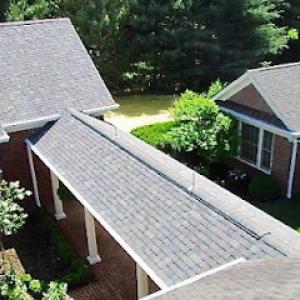
Reliable Residential Roofing
(859) 423-0952 www.reliableresidentialroofing.com
1661 Jaggie Fox Way, Lexington, Kentucky
4.9 from 125 reviews
Reliable Residential Roofing provides roofing and gutters including new construction, replacements, repairs, and restorations in the Lexington, KY, area.
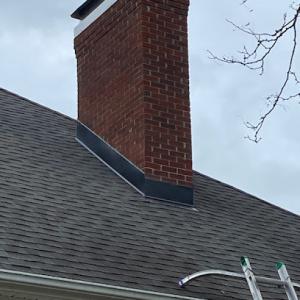
Knockout Exteriors - Roofing, Chimney, Siding, Repair Contractor
(859) 600-2141 www.knockoutexteriorsky.com
Lexington, Kentucky
5.0 from 44 reviews
Knockout Exteriors provides sophisticated home exterior services, including Roofing, Windows, Siding, Gutters, Chimneys, and Repairs. We work with homeowners, contractors, home renovators, interior designers, and more. We proudly serve Central Kentucky, including Frankfort, Richmond, Berea, Lexington, Georgetown, Danville, Winchester, Mount Sterling, Shelbyville, and Nicholasville, Kentucky. Call today for a Free Estimate, with 24/7 emergency service and a lifetime workmanship warranty!
Spring in this part of the Bluegrass often arrives with hail and strong winds, followed by a pressure-filled demand spike as homeowners check for wind-driven and hail-related damage. The timing of a replacement matters, because the mid-April to early June window can see crews juggling back-to-back claims and tight schedules. In Lexington, warm days quickly turn humid, which can complicate roof work when asphalt-based products are being installed or upgraded. Planning around a window that avoids peak heat helps protect shingles and underlayment during installation and chafing on exposed edges.
Begin with an on-site assessment as soon as you suspect damage, but avoid rushing into a full teardown during a windy or stormy spell. A Lexington neighbor knows that cold nights followed by sunny days can accelerate shingle brittleness, particularly for older roofs. If damage is confirmed, stage the project for a period with stable temperatures and consistent drying times. Temporary tarping may be needed to prevent moisture intrusion during a weather swing, especially after a hail event when granules can be displaced and exposed underlayment is vulnerable.
For asphalt-based products, the hot, humid summers of this region can affect installation conditions and material handling. Selecting temperatures that stay above the critical threshold during adhesive and fastener work reduces the risk of shingle warping or premature failure at seams. When planning, coordinate with your contractor to schedule the bulk of the work during the cooler hours of the day and avoid peak heat weeks if possible. In Lexington, a mid-mpring or late-spring lull can provide a practical balance between weather risk and crew availability, with less chance of rapid temperature swings that stress shingles during installation.
Cold winters with freeze-thaw cycles shorten shingle life and make brittle materials more vulnerable during repair or replacement. If a replacement must bridge late fall or early winter, discuss insulation and ventilation considerations with the contractor. Freeze-thaw stress can compromise underlayment if water remains trapped, so a timely dry-in and proper drainage are critical. In Lexington, plan for potential delays around cold snaps and occasional icing that can halt work or postpone material delivery.
Fall leaf drop and wet conditions in Lexington can slow dry-in and cleanup, while winter ice and snow can delay work and limit material performance. Leaf debris can clog gutters and attic venting, so schedule fall inspections after leaf drop is well underway to avoid post-install cleanup becoming a bigger job. Wet conditions slow adhesion and may necessitate extra drying time before you can safely store materials on the roof or around the job site. If a winter window appears, consider a contingency plan for snow removal and ice management so the installation can resume promptly when the weather cooperates.
1) Confirm damage in a dry window, preferably after a hail event but before heavy storm seasons begin. 2) Align with a contractor who can commit to a realistic sequence that avoids peak heat and cold snaps. 3) Prepare for possible delays due to fall leaves or winter ice, and set expectations for cleanup and dry-in milestones. 4) Schedule mid-season inspections to ensure ongoing performance as temperatures rise and humidity climbs. 5) Keep downstream drainage clear during the install to minimize water intrusion and potential interior damage.
Asphalt shingles are a dominant choice in this market, tied to the long-running familiarity of local roofs and practical replacement timelines. The humidity, summer heat, and freeze-thaw cycling weave into how these shingles hold up. In spring and fall, you'll notice that sun exposure and moisture can accelerate granule loss and edge curling if a roof isn't properly vented. If you choose asphalt, look for a manufacturer with a robust warranty and opt for architectural or premium-grade shingles that better resist wind uplift and moisture infiltration. A well-ventilated attic, with soffit and ridge vents balanced for the climate, helps extend life and reduce heat buildup that can blister or buckle lower-quality shingles.
Metal is a meaningful specialty here and is often considered by homeowners seeking resilience through hail, wind, and winter transitions. In this area, metal panels or standing-seam systems excel at shedding moisture and withstanding hail impact compared to traditional shingles. A properly installed metal roof benefits from precise flashing around chimneys, vents, and skylights to handle freeze-thaw cycles without leaking. If you lean toward metal, pay attention to panel seams, coatings, and the warranty on coatings that resist oxidation and color fading in strong summer sun. Local crews tend to be more practiced with metal installations, which can translate to more predictable performance after a severe spring storm.
Tile and slate exist in the market, yet they remain less common locally, which can affect contractor availability and lead times. Clay and concrete tiles handle heat well and offer distinctive curb appeal, but their weight requires careful structural assessment and sometimes upgrades to support the load. Slate delivers exceptional longevity and a natural aesthetic, but it demands specialty installation and maintenance beyond standard shingles. If tile or slate is appealing, plan ahead for occasional specialty contractor availability after a storm, plus potential roof deck reinforcement to meet structural requirements. Expect a careful inspection after hail events to identify cracked tiles or loosened fasteners that aren't always obvious from ground level.
Your home's roof should align with local climate patterns and the house's architectural language. Asphalt performs well for many, but if recent hail exposure or wind-driven debris tested your roof last season, metal can offer a longer-reliable lifespan with careful detailing around penetrations. Tile and slate suit some homes with the appropriate deck support and a willingness to work with niche trades. In every case, work with a contractor who understands how Lexington's freeze-thaw cycles and humidity interact with typical roof slopes, attic ventilation needs, and the seasonal storm cadence. This knowledge helps ensure you choose a material that not only complements your home's look but also stands up to the region's spring hail and wind realities.
Typical Lexington pricing runs about $350-$600 per square for asphalt shingles, $700-$1100 for metal, $1200-$2000 for clay tile, $1000-$1800 for concrete tile, $520-$900 for synthetic/composite, and $1400-$2500 for slate. A square means 100 square feet. Materials cost is only part of the picture; installation labor, disposal, and fastenings vary with the crew's experience and weather windows. In neighborhoods with older homes, bids can be higher if roof decks require reinforcement or attic ventilation upgrades to handle spring moisture swings. Asphalt and metal bids tend to be more competitive because local crews frequently handle those materials, while tile projects can require specialized crews and longer lead times.
Storm-driven demand spikes in Lexington can affect scheduling and pricing, especially after spring hail and wind events when many homeowners seek re-roofing at once. If visible hail damage exists, document it with photos and start obtaining bids soon after the weather clears. Local crews may publish surge pricing or limited-time discounts to fill slots, so compare several estimates rather than reacting to a single quote. Waiting a bit can help you lock in a solid crew, but don't delay if there's active water intrusion or extensive shingle loss.
Material choice matters more in Lexington because the local market shows stronger contractor prevalence for asphalt and metal than for tile specialties, which can influence labor availability and bid spread. If you lean toward clay or slate for long-term performance, expect longer lead times and potentially higher freight costs, plus more variable bids. A bundled package with underlayment, ventilation, and flashing upgrades can stabilize final costs and reduce surprises once bids arrive.
Start with a storm-damage inspection by a reputable local roofer who will assess hail cracking, lifted shingles, and edge damage. Gather at least three bids and ask for line-by-line itemization to compare material, waste handling, and workmanship guarantees. Be wary of rapid temporary fixes; hail can necessitate valley flashing and ice barrier work for spring freeze-thaw cycles. Maintain a file of all receipts and inspections to simplify insurance and warranty questions.
Get a clear picture of your project costs upfront - no commitment required.

A Godsend Roofing
(859) 432-7663 www.agodsendroofing.net
380 E 2nd St, Lexington, Kentucky
4.9 from 266 reviews
AIC Roofing & Construction
412 Spring St, Lexington, Kentucky
4.9 from 652 reviews
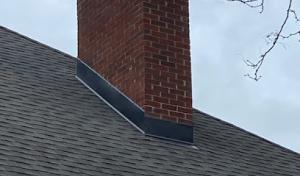
Knockout Exteriors - Roofing, Chimney, Siding, Repair Contractor
(859) 600-2141 www.knockoutexteriorsky.com
Lexington, Kentucky
5.0 from 44 reviews
A full re-roof in Lexington-Fayette County typically requires a building permit through the City of Lexington/Fayette County building department. The permit process is built to ensure repairs and replacements meet local codes, especially after spring hail and wind events that stress the roof system. The department's involvement helps verify that a chosen roof assembly and ventilation plan are appropriate for the climate and the housing stock common to this area.
In this jurisdiction, permit applications may be submitted by either the contractor or the homeowner. Choosing who files often comes down to who is most comfortable navigating the forms, plan checks, and scheduling. If a homeowner handles the submission, make sure the accompanying contractor's information is accurate and that the project scope matches what will be installed. If the contractor handles it, verify that you will receive timely notices and copies of all plan reviews and inspection results.
Review commonly takes around 1-2 weeks depending on backlog and plan accuracy. Plan accuracy matters: accurate roof measurements, a complete material list, and a labeled installation method reduce back-and-forth with the plan reviewers. Local rules may require additions such as ventilation or underlayment specifics tailored to the Lexington climate, so double-check that the submitted plans reflect the actual materials and methods proposed for the job.
Lexington-Fayette inspections are conducted during and after installation, including a final inspection before the permit is fully closed out. Inspections during installation verify that flashing, ridge pieces, and transitions receive proper attention, especially around valleys and chimneys. A final inspection confirms adherence to code, proper attic ventilation, and adequate attic-to-roof insulation details. If deficiencies are found, a re-inspection will be scheduled, so tracking the inspection dates and any required corrections is essential to avoid delays in permit closeout.
Storm-driven demand spikes can tighten schedules, so plan ahead whenever possible. Have ready the permit-ready documents, including a clearly labeled scope, product specification sheets, and color selections. Build in time for possible re-submittals if reviewers request clarifications. If work begins in spring after hail events, coordinate closely with the contractor to align the install timeline with permit approval, inspections, and an orderly closeout to minimize disruption to your home and neighborhood.
When spring storms bring hail and high winds, insurers in this market tend to look closely at the supporting evidence. Lexington homeowners should expect carriers to scrutinize photos, scope details, and contractor estimates before any payout is approved. A clear, well-organized claim file can make the difference between a smooth adjustment and a prolonged dispute. In practice, that means you need to show the roof's condition as the storm left it, not after temporary fixes.
After a hail event or strong wind, take comprehensive photos from multiple angles while the roof is still visible from ground level and from accessible eaves or ladders. If debris or shingle granules are present, document that as well, since cleanup work can obscure early damage indicators. Avoid extensive temporary repairs that alter the roof's appearance until the insurer has had a chance to inspect. If temporary measures are necessary for safety or moisture control, photograph these repoairs before and after, and note the dates. The goal is to preserve the roof's pre-repair look for the adjuster.
Prepare a concise scope of work that outlines affected components-shingles, underlayment, flashing, vents, and any structural indicators visible from the exterior. Include contractor estimates that itemize replacement or repair needs and reference matched materials. Use the same terminology the adjuster uses and attach utility bills or receipts for any immediate mitigation work if applicable. A well-organized package helps the adjuster verify the scope aligns with storm-related damage rather than pre-existing issues.
Expect some back-and-forth as the claim moves through inspection and review. In markets like Lexington, carriers may apply closer review to weather-related roof claims during peak activity, so timely, precise documentation reduces the chance of guesswork or explanations being required after the fact. Stay proactive: keep copies of all correspondence and calendar the inspection timeline to guard against delays.
Spring storm pattern can create sudden leak emergencies that require temporary dry-in before full replacement crews are available. When hail and high winds hit, shingles lift, flashing fails, and attic vents flood quickly. You need to act fast to prevent interior damage, mold, and warped ceilings. Have ready a tarp large enough to cover the affected area, sturdy plywood for makeshift protection, and a clear path for responders to access the roof.
Winter ice and freezing temperatures in Lexington can slow permanent repairs, making temporary protection more important after active leaks. Freezing nights can freeze water trapped under tarps, expanding the problem and delaying contractor schedules. If you spot active drips or standing water, set up temporary barriers and redirect water away from critical areas while you coordinate with a roofing professional for a staged dry-in plan that works even in cold snaps.
The local contractor market shows unusually strong prevalence of emergency-response services, reflecting how often homeowners here need rapid tarping and leak control. In a storm-driven spike, you may see crews prioritizing urgent leaks over cosmetic fixes. Coordinate with a trusted local roofer who can provide immediate tarping, water-stop measures, and a proven plan to stage a full perimeter dry-in once weather eases and crews can safely work.
Document the leak with photos and a written note of when it started, then place a tarp over the damaged area and secure edges with nails or weighted boards. Move valuables away from the water path and protect flooring with plastic or drop cloths. If you can safely access the attic, place a bucket under the drip and remove insulation around the leak to reduce coating and mold risks, then contact a local emergency roofer for a temporary dry-in and a long-term repair plan.
When you can't wait, these contractors offer fast response times to stop leaks and prevent further damage.
Quality Built Service
(859) 475-9579 www.qualitybuiltservice.com
597 E New Circle Rd, Lexington, Kentucky
5.0 from 113 reviews
All Around Roofing
(859) 444-5254 www.allaroundroofingky.com
2480 Jacks Creek Pike, Lexington, Kentucky
4.9 from 83 reviews
Grand Rising Exteriors
(859) 795-7933 www.grandrisingexteriors.com
120 Quinton Ct #102, Lexington, Kentucky
5.0 from 50 reviews
In this market, skylight and chimney details are a frequent focus after storms and during re-roof cycles. Repetitive wet weather and leaf buildup accelerate flashing wear where roof deck meets penetrations. Look for cracked sealant, loose flashing, or metal step and counter-flashing pulled away from the chimney chase. Small gaps here become leak paths during freeze-thaw cycles. If a flashing replacement is needed, ensure the new pieces are integrated with a proper counter-flash and sealed with compatible sealant that can handle Lexington's temperature swings. For skylights, pay attention to the curb flashing and seal around the base; pooling water on a flat curb or misaligned shingles nearby can invite condensation and slow leaks into attic spaces. Regular inspection after heavy rains or hail can catch subsidence or wavering glazing before a dreary season of leaks takes hold.
Low-slope roofs are a particular liability when repeated wet weather rolls in and leaves linger in gutters. In Lexington, minor ponding, if left unaddressed, concentrates stress on transitions where membrane or shingle surfaces meet. Check for edge fasteners loosening, membrane blisters, or embedded debris that keeps water from draining properly. Leaf accumulation around drains and scuppers is not just an aesthetic nuisance; it can push water toward flashing joints and penetrations. If a low-slope roof shows any blistering, seam separation, or inconsistent drainage, address it promptly with a tailored solution that fortifies seams and improves transitions to adjacent higher-slope sections.
Many homes here are re-roofed rather than newly built, so penetrations and additions need careful detailing on every project. After hail or high-wind events, prioritize re-seaming and re-flashing around skylights, chimneys, and vents. A proactive approach-documenting wear, replacing aging bootFlashings, and inspecting attic insulation for signs of moisture-helps prevent slow leaks that compound with freeze-thaw movement. If persistent water spots appear on ceilings after storms, treat flashing joints and transition strips as the first line of defense, rather than chasing only the visible drip.
Find contractors experienced in skylight installation, flashing, and leak repairs to bring natural light into your home.
A Godsend Roofing
(859) 432-7663 www.agodsendroofing.net
380 E 2nd St, Lexington, Kentucky
4.9 from 266 reviews
AIC Roofing & Construction
412 Spring St, Lexington, Kentucky
4.9 from 652 reviews
Apex Roofing of Greater Kentucky
(859) 523-2739 www.apexroofingky.com
1420 N Forbes Rd, Lexington, Kentucky
4.9 from 91 reviews
After a spring hail and wind event, you'll notice a surge of crews in town. In Lexington, homeowners often end up choosing between quick-response, storm-focused operators and long-established, family- or locally owned firms. The difference shows in how fast crews arrive, how thoroughly the cleanup is handled, and who actually signs off on the job. Look beyond a shiny truck: ask who will manage the project from start to finish, who handles debris containment, and who stays on-site to supervise the install. This city's housing stock benefits from crews that understand the freeze-thaw cycles and the way residual moisture can affect underlayment and decking.
Manufacturer-certified contractors exist here, but they're not the majority. That matters for long-term performance. Ask for proof of manufacturer certification and any warranty terms tied to both the materials and the installation. Compare who will stand behind labor if a problem arises after a storm season, and who will coordinate any required inspections. In practice, you want a contractor who can document the exact scope of work, the materials installed, and who will be accountable if a claim needs to be filed later. A clear project plan helps you avoid ambiguous "we'll fix it later" messages when the weather shifts again.
Lexington homeowners are shopping in a market where re-roofing, quick response, and cleanup are more prominent contractor selling points than niche luxury specialties. Look for a local firm with established roots and a track record of handling storm-driven demand without sacrificing quality. Ask for recent Lexington-area projects, how they managed cleanup around neighboring homes, and how they adapt installation practices to freeze-thaw exposure. Ensure the team will coordinate closely with you on scheduling, debris containment, and any follow-up after the crew leaves.