Last updated: Apr 19, 2026
In Columbus, hail and wind are the main insurance-driven roof events, making post-storm documentation especially important for homeowners deciding between repair and full replacement. After a hail event or a strong wind, shingles or panels can suffer hidden bruising, uplifted edges, or accelerated wear that isn't obvious at first glance. If an adjuster arrives, your documented records become the deciding factor between patching a roof and replacing it. Take clear photos from multiple angles, note the date, and keep a simple log of any leaks you see during rain.
You can't overstate the value of timely, organized documentation. Start a storm folder on your phone or a notebook in your house: dated photos of the entire roof, close-ups of any abnormal damage, and a quick note about unexpected leaks inside the home. If you have attic shots, include them; attic moisture and staining can reveal hidden damage that isn't visible from the exterior. Record the weather conditions at the time and in the days following the storm. When you talk to an insurer, provide this package and refer to specific shingles or tile sections that show signs of impact. A robust file reduces back-and-forth and speeds up decisions about repair versus replacement.
In the wake of a storm, the instinct to rush repairs can backfire if underlying damage isn't fully captured. Insurance-driven decisions hinge on the scope-some damage appears minor but affects roofing systems, leaks, or ventilation. Use a trusted local contractor who understands common Columbus roof forms-shingle, tile, and metal varieties often sit in the same neighborhood and weather differently. Ask for an on-site assessment that highlights not just the visible damage, but also signs of hail compaction, wind-stripped granules, or moisture intrusion into attic spaces. Document the contractor's findings with photos and a written summary that you can share with the insurer.
Spring in south-central Indiana commonly brings heavy rain and hail risk that can both damage roofing and delay tear-off schedules. That means review and planning should occur quickly, but teardown work should be timed with weather windows. Late spring and early fall are often the most practical reroofing windows in Columbus because they avoid peak summer heat and winter freeze conditions. If you're choosing between repair and replacement, aligning the project with these windows helps prevent weather-induced delays and reduces the chances of secondary damage during a long project timeline.
If a storm just passed, start your damage documentation immediately. Schedule a thorough inspection within a week or two while the roof is still showing the storm indicators, but be mindful of a forecast that could bring more rain. Request a written assessment that specifically calls out hail impact, wind uplift risks, and any moisture in the attic. Ask the contractor to provide a phased plan that prioritizes safety, leak mitigation, and a clear timeline that fits the preferred late-spring or early-fall reroofing windows. Maintain open lines of communication with your insurer, using your organized records as the backbone of every conversation.
DC Roofing & Exteriors
(317) 739-6546 www.dcroofingexterior.com
2610 Cedar Ridge Dr, Columbus, Indiana
4.8 from 53 reviews
DC Roofing and Exteriors is your trusted roofing contractor in Columbus, IN. We provide expert installation, repair, and maintenance for all your roofing needs. From asphalt shingles to metal roofing, we handle it all. We also offer exterior services like siding, gutter, window and door, deck, brick, stone, installation for a complete home makeover. Contact us today for a free inspection and experience to top-notch knowledge and craftmanship. We also specialize in ensuring that insurance companies do not take advantage of our customers in the time of need. We have a 100% success rate in ensuring a claim is approved properly. Our motto is the "The Difference Is In The Details". That means more to us than just a catchy phrase.
Buck Homes
(812) 565-9414 buckhomesllc.com
7951N N 400 W, Columbus, Indiana
4.9 from 38 reviews
Based in Columbus, Indiana, Buck Homes is a family-owned business dedicated to protecting our neighbors' homes. Since our founding in 2018, we have successfully replaced over 180+ roofs throughout Bartholomew, Jennings, Jackson, Shelby, Marion, and Johnson counties. We take pride in our craftsmanship and have a proven record of satisfied clients (see our five-star reviews on Google!). Matt, co-owner and manager, brings a personal touch to each project to ensure the highest level of service. Whether you live in Bartholomew County or in the surrounding areas, we are committed to providing quality roofing solutions. For a beautiful roof from a local team you can trust, contact Buck Homes for your free estimate.
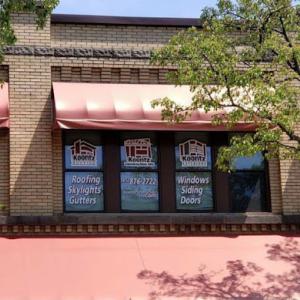
Koontz Roofing & Exterior Construction
(812) 876-2722 www.koontzconstruction.com
641 Washington St Suite 15, Columbus, Indiana
5.0 from 12 reviews
We are a local roofing, gutters, siding and window replacement contractor dedicated to providing the best products and customers service in Southern Indiana.
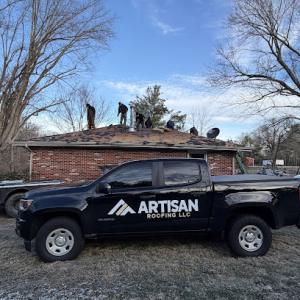
Artisan Roofing
(812) 350-6245 artisanroofingllc.com
6525 S Sprague Rd, Columbus, Indiana
5.0 from 12 reviews
We’re here when you need us no pushy sales, just honest help. Whether you're dealing with storm damage, thinking about a full roof replacement, or just have questions, we're ready to chat. At Artisan Roofing, every project starts with a real conversation not a sales pitch. Get in touch today and speak directly with a local expert who cares. Our Services Include: • Residential Roof Replacement • Roof Repairs (Shingles, Flashing, Leaks) • Storm & Hail Damage Roof Restoration • Insurance Claim Assistance • Roof Inspections & Maintenance Proudly Serving: Columbus, Edinburgh, Franklin, Shelbyville, Seymour, North Vernon, Greensburg, Hope, Taylorsville, Nashville, Nineveh, Whiteland, Greenwood, Bargersville, Bloomington
D & J Constructions
4391 N Drummond Dr, Columbus, Indiana
4.5 from 2 reviews
Deck builders Home improvements home repair & maintenance siding contractors roofing contractors general contractors serving the Columbus area.

Honest Abe Roofing Columbus, IN
(812) 877-7663 www.honestaberoofing.com
Serving
5.0 from 4 reviews
Honest Abe Roofing has been installing, repairing, and maintaining residential roofs since 2007. It is our goal to bring a customer service focus to the roofing industry. We are aware that we are providing a very important and necessary service to many homes, so we work incredibly hard to provide the best possible roofing at the most competitive pricing. All of our customers are very important to us, and we want to give them a perfect roof to protect their home and keep them comfortable. Each of our professionals is fully certified and has passed extensive background checks and drug tests, so you can rest easy knowing you have a completely reliable team of experts working on your home.
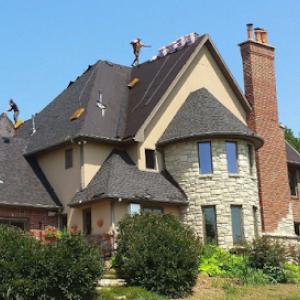
RAM Roofing & Remodeling
(502) 548-1875 www.ramroofer.com
Serving
4.9 from 29 reviews
RAM Roofing and Remodeling, LLC in Louisville, KY provides professional roofing services. Call 502-548-1875 to initiate a contract with us or to find out more about our available services. * Roofing Contractor * Gutter Installation * Siding Installation * Roof Repair * Roof Installation * Drywall Repair * Asphalt Shingle Roofing * Roof Replacement
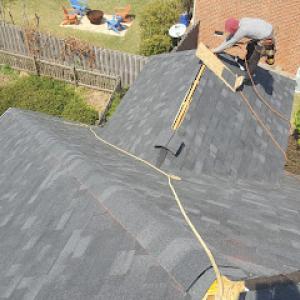
LouCity Roofing
(502) 287-2409 www.loucityroofing.com
Serving
5.0 from 7 reviews
Family owned and operated roofing contractors who specialize in insurance restoration processes. Let us protect you with a new roof. Call us today for a FREE inspection with no obligation!
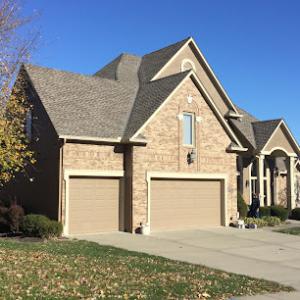
Rock Creek Roofing & Construction
Serving
4.4 from 27 reviews
We are your best choice for roofing Lee's Summit and the surrounding areas all the way up to Kansas City! Whether you are needing repair or an entire replacement we tackle it large or small! At Rock Creek we don't just do roofing but also provide remodeling and construction services. We never want you to have to look for another contractor again so give us a call today!
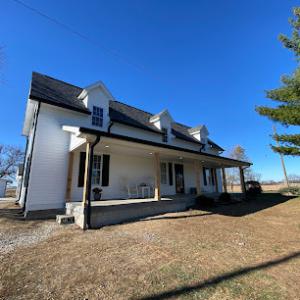
Indy Exterior Services
(317) 965-2295 indyexteriorservices.com
Serving
5.0 from 21 reviews
Indy Exterior Services is Shelbyville’s best-rated roofing and exterior contractor, proudly serving Shelbyville and surrounding communities. Locally owned and fully licensed, bonded, and insured, we specialize in roofing, siding, and gutters for residential and commercial properties. Known for our honest service and quality craftsmanship, we’re experts in storm damage repair and insurance claims. We offer free roof inspections for wind, hail, and general wear and tear. From homes to businesses, we’re here to help protect your investment with trusted local service you can count on. We also work with property managers and multi-family units, bringing reliable exterior solutions to projects of all sizes.
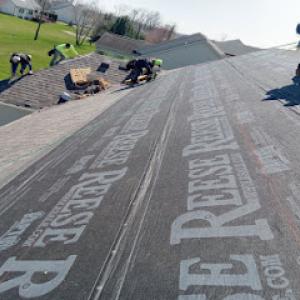
S L Construction
(463) 218-2774 www.slconstructionroofs.com
Serving
5.0 from 14 reviews
SL Construction is your trusted roofing contractor in Churubusco, IN, serving Fort Wayne, Allen County, and nearby areas for over 18 years. As a family-owned, Christian-based business, we prioritize integrity and quality in every project. Our team provides expert roof repair, replacement, and storm damage restoration with unmatched care, treating each home like our own. Committed to delivering affordable, durable roofing services, SL Construction ensures your property’s protection and value. Whether you need routine maintenance or emergency repairs, rely on SL Construction, the dependable roofing contractor in Churubusco, IN. Contact us today to safeguard your home.
Storm Warrior Roofing & Restoration
(463) 219-1703 stormwarriorroof.com
Serving
4.9 from 157 reviews
Storm Warrior Roofing is a local, family-owned, roofing and exterior business located in Franklin, Indiana, providing roofing and exterior construction services to the Indianapolis, Greenwood, Whiteland, Franklin, Bargersville, Trafalgar, Mooresville, Wannamaker, Beech Grove and Southport areas. Storm Warrior Roofing has a special menu of services designed to meet the needs of every homeowner to provide a complete solution to their home’s exterior. With over 30 years of roofing experience, our consultants can meet the needs of every residential and commercial building owner.
Asphalt shingles remain the dominant choice for many homes here, molded by the mix of hot summers and winter freeze-thaw cycles. In this market, you'll see a broad range of styles and thicknesses, but their performance hinges on two local details: attic ventilation and edge protection. If the attic is poorly ventilated, heat and moisture can accelerate shingle aging, especially along the eaves and rake edges where wind-driven rain can lift fasteners. Strengthen these areas with proper soffit vents, a sealed attic hatch, and ridge or soffit ventilation that fits the house design. Edge details matter too: ensure proper drip edge, underlayment with sufficient overlap, and nailing patterns that resist uplift in storm winds. When moisture migrates from the attic into the decking, you'll see curling or cupping well before you notice granule loss on the shingles. Routine checks after storms and a quick repair of vent penetrations can extend a typical shingle life in this climate.
Metal stands out here as a durable upgrade for homeowners focused on hail resistance and snow shedding without sacrificing design. In Columbus, metal roofs often pair well with the area's architecturally distinctive homes, where clean lines and unexpected roof forms are common. The practical advantage is resilience: metal panels or shingles resist impact better than many asphalt products and shed snow more efficiently, reducing ice dam risk on some configurations. The key to getting the most out of metal is correct installation: a tightly sealed underlayment, proper panel gaps, and a robust fastening plan that accounts for freeze-thaw movement and regional wind loads. Metal can accentuate unique roof shapes, but it also requires careful detailing at transitions, valleys, and vent terminations to prevent leaks around chimneys and skylights. If your home already features modern or mixed-material architecture, metal can harmonize both performance and curb appeal.
Clay and concrete tiles appear in the Columbus market as a nod to broader architectural variety and to homes with design-forward ambitions. They provide excellent longevity and a distinct look, but require solid roof structure support and careful attic ventilation to avoid premature cracking from freeze-thaw cycles. If choosing tiles, assess the deck's slope and ensure there is adequate span to support the weight; missteps here show up as sagging or sag-induced leaks after heavy rain. Wood shakes and synthetic shingles bring texture and warmth that align with both conventional and modern designs. Wood needs diligent maintenance in this climate to resist moisture intrusion and turf-initiated staining, while synthetic options offer lower maintenance and more consistent color stability. In either case, ensure proper underlayment and edge detailing to prevent wind-driven water intrusion and to facilitate drainage on complex rooflines. For homes with irregular silhouettes or standout shapes, working with a contractor who understands how different materials respond to heat, moisture, and wind will help preserve the design intent while maximizing performance.
Cold winters in Columbus put stress on eaves and roof edges, where freeze conditions and snow loads can expose weak flashing or underlayment details. The edge of a roof bears the brunt of freeze-thaw cycles, and a small flaw can balloon into a wind-driven leak once the temperatures flip. Pay close attention to shingles that pull away near stakes, vent stacks, and gutters. If meltwater pools on an edge, it's a sign the edge flashing may be compromised. A careful eye now saves bigger scuffles later when storms roll through.
Attic moisture risk is a local winter concern because warm indoor air meeting cold roof decking can contribute to condensation-related problems. In homes where attic ventilation isn't balanced with insulation, you may notice frost patterns inside the attic or damp rings around rafters near the edge. Condensation can drip down to the soffit line and undermine edge flashing over time. Ensure attic vents are clear, and consider a quick diagnostic of the edge-to-rafter transition to catch issues before they seep into shingles or decking.
Homes that already have storm wear going into winter are more vulnerable in Columbus because minor shingle or flashing damage can worsen during freeze periods. A loose nail here or a lifted shingle there may not seem urgent until a fast-moving cold snap locks in, pulling at the perimeter. In practice, small edge gaps can become major leaks after a January freeze and a dry, windy spell. If you've noticed loose granules along the eave line or spongy fascia boards near the edge, treat it as a warning signal rather than a cosmetic concern.
Develop a habit of quick, seasonal checks that focus on the edge details: sealant lines around dormers, penetrations, and gutters; the integrity of drip edge and reglets; and the condition of fascia boards. In Columbus, the combination of hail history and freeze-thaw cycles means a proactive approach beats waiting for a full-blown leak. If a flashing seam shows signs of lifting after a thaw, do not delay resealing or reseating it. The goal is to keep the edge system airtight before a nor'easter-like wind or a heavy snow event tests it.
If the edge reveals persistent bulges, corroded or missing metal, or water marks that migrate inward from the eave, a professional should review the flashing and underlayment details. A local roofer can spot edge vulnerabilities tied to architectural nuances common in Columbus homes, such as standout soffits, curved parapets, or modern flat profiles that interact differently with wind-driven rain. A timely assessment helps preserve roof edges through the coldest months and into the first thaw.
When you can't wait, these contractors offer fast response times to stop leaks and prevent further damage.
DC Roofing & Exteriors
(317) 739-6546 www.dcroofingexterior.com
2610 Cedar Ridge Dr, Columbus, Indiana
4.8 from 53 reviews
Typical pricing in this market runs from 400 to 700 USD per square for asphalt shingles, 700 to 1100 for metal, 1100 to 2300 for clay tile, 900 to 1600 for concrete tile, 500 to 1100 for wood shingles or shakes, and 550 to 900 for synthetic or composite shingles. For a standard pitched roof, those ranges help set a baseline before you compare quotes that reflect your home's design details, roof depth, and complexity. If your home features architectural flourishes or specialty detailing, plan for costs that trend toward the higher end of the range, even within the same material.
Storm-driven demand spikes-especially after hail or strong winds-can push reroof pricing upward in Columbus when many homeowners file claims at once. After a damaging event, you may see longer lead times for materials and more scheduling pressure from contractors. To manage this, gather multiple written estimates, confirm material choices, and ask for a clearly itemized scope that includes disposal, underlayment, flashing, and any ventilation updates. Having a plan in place before the first serious thaw or post-storm lull helps you lock in a workable price window and minimize excessive delays.
Costs in this area can vary with roof complexity because the housing stock includes both standard pitched roofs and more architecturally distinctive homes. More detailed flashing, multiple transitions, dormers, valleys, and specialty material handling add to the bottom line. If your roof has a complex geometry, budget with the expectation of additional labor and potential waste. For example, clay and concrete tile installations require precise layout, strong underlayment, and careful fastening on varied slopes, which can push per-square costs up compared with a simple shed roof.
When timing a reroof, consider Indiana's weather swings. Target dry, moderate windows between winter freeze-thaw cycles and the spring storm season for scheduling. If you're evaluating options after a hail event, request a phased approach: immediate temporary protection if needed, followed by a detailed replacement plan once conditions stabilize. This keeps costs predictable while protecting the interior during transitional weather.
Get a clear picture of your project costs upfront - no commitment required.
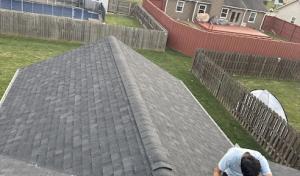
A full reroof in Columbus typically requires a permit through the City/County Building Department rather than being treated as purely informal maintenance work. This distinction matters even when the plan looks straightforward. A permit helps ensure the roof system, flashing details, and ventilation meet current codes and local standards, which is especially important given the mix of hail, freeze-thaw cycles, and the city's varied roof forms.
The local permit process uses an online application portal, and applicants may need to submit contractor licensing information along with the project scope. For reroofs that include structural work, extra structural details such as deck attachment, rafter or truss support changes, or underlayment adjustments may be requested. Have clear photos of current damage, a brief repair or replacement plan, and a materials list ready to upload. The inspector may ask for wind uplift considerations given Indiana's storm exposure and the different materials seen on Columbus-style homes.
Columbus commonly requires a final inspection after completion, and an intermediate inspection may be required when structural work is part of the reroof project. Plan for access to the property during the inspection window, and keep attic spaces and crawl areas clear for the inspector to verify attic ventilation, underlayment, and fastening patterns. If shingles or tiles extend over a significant area, confirm that the inspection record notes the chosen product type, fastening method, and any special detailing around chimneys, skylights, and vents. Coordinate with utilities for safe ladder setup and temporary power if lighting is needed during work.
Start the permit process early in the project to avoid weather-driven delays. A well-documented scope, including any ventilation upgrades or roof-to-wall connections, helps the reviewer understand the plan and reduces back-and-forth. Track inspection appointments and maintain open lines with your contractor and the building department so any required fixes can be addressed promptly.
Additionally, check if the project triggers any zoning review for accessory structures or setbacks, and keep a copy of all submitted documents on your phone or in a cloud folder accessible to you and your contractor. That way, changes or questions can be resolved if window shifts.
Indiana insurers commonly scrutinize hail and wind roof claims, so homeowners should gather date-stamped photos, interior leak evidence, and elevation-by-elevation roof damage images before adjuster visits. This careful record helps tell the full story of a storm's impact, especially when damage isn't immediately visible from ground level. In a city with varied roof forms influenced by notable architecture, a gallery of shots that captures multiple angles and heights can prevent later questions about what was damaged versus what was already worn.
Adjusters in this market typically inspect roof damage on-site, and depreciation may be applied to some non-structure components during claim settlement. That means the initial assessment might not be the final number, and non-structural elements such as coatings, flashing, or underlayment could factor into the recovery decision. Being present during the visit, or providing a detailed, organized packet, helps ensure the adjuster sees the condition you described in your photos and notes.
Following repeated weather events, some carriers in Indiana have tightened terms for certain nonstandard materials or installations, which can affect replacement decisions in Columbus. If you've installed a newer, unusual material or a specialized roof profile, be prepared for questions about suitability and terminology. Understanding how these shifts might interact with your existing coverage can prevent delays and surprises when the claim moves toward settlement. Keep a steady cadence of documentation and maintain a clear line of communication with your carrier to navigate the process with less friction.
In Columbus, local contractor signals show homeowners value cleanup and quick response, making post-tear-off service quality a real hiring factor. When a roof is opened for inspection or repair after hail, insist on a thorough debris haul and carpet-protecting measures inside. A visible, organized cleanup plan should include tarps over the interior spaces, sorted disposal of damaged shingles, and a clear timeline for returning the yard to normal. Ask for a written checklist that covers drip-edge replacement, vent resealing, and staging of materials so driveways stay clear after a storm.
Chimney-related roof intersections appear often enough to merit special attention to flashing during reroofing. Expect misalignment or compromised boot seals where the chimney meets the roof deck, especially on midwestern split-levels and homes with decorative chimneys. A reroof should include matching metal flashing that extends several inches up the chimney and properly sealed joints. Ensure counter-flashing is integrated with any brickwork to prevent water tracking under shingles during freeze-thaw cycles.
Skylights are a recurring specialty in local offerings, signaling that leak tracing around penetrations is a meaningful service need. Before sealing, confirm existing skylight flashing and curb are inspected for failed seals, cracked glazing, and accelerated wear from hail impacts. During installation or resealing, verify kitty-corner flashing around the skylight frame, proper shingle coverage, and a test water run to catch slow leaks that may show up only after a thaw.
Storm damage work often comes with a narrow weather window. Coordinate temporary coverings and tarping for sudden rain, then align tear-off, installation, and cleanup with a realistic sequence. A clear communication plan helps manage expectations during Indiana weather swings, ensuring that skylight, chimney, and general roof repairs progress without gaps. In Columbus, a responsive team that documents damage and tracks flashing details tends to outperform one-off crews.
Find contractors experienced in skylight installation, flashing, and leak repairs to bring natural light into your home.
Koontz Roofing & Exterior Construction
(812) 876-2722 www.koontzconstruction.com
641 Washington St Suite 15, Columbus, Indiana
5.0 from 12 reviews