
Last updated: Apr 19, 2026
Spring hailstorms and high winds in this Des Moines metro corridor drive roof damage fast. Homes in this area endure repeated beating from hail and gusts that can puncture shingles, loosen flashing, and lift edge shingles. That pattern means insurers and adjusters expect a deeper look than a quick repair, and the pace from event to repair can feel tight. The cycle is shaped by the climate and by how often the weather turns your roof into a claim, not a one-off incident.
Iowa's elevated hail and wind claim activity means insurers require thorough documentation, pre-loss photos, and coordinated adjuster inspections. Start keeping a dated album of your roof condition before any storm strikes, including close-ups of shingles, flashing, and vents. After a wind or hail event, snap high-quality photos from multiple angles, focusing on curling edges, granule loss, and any visible moisture or staining inside the attic. If attic insulation shows new compression or staining, capture that too. Storm damage can be subtle; clear, dated proof reduces disputes later and speeds up the adjuster's work.
In this market, adjusters are trained to look for patterns that indicate a total replacement may be more cost-effective for the homeowner and for the insurer. If a hail event creates widespread granule loss or staining across a roof plane, or if multiple roof lines show damage, the claim often shifts toward a full replacement. Wind can punch gaps around flashing and chimney areas that compromise a roof's integrity beyond a simple repair. The adjuster's job is to determine whether the damage is isolated or systemic enough to justify replacing the roof rather than patching. In Johnston, that decision is a frequent outcome after storm cycles.
Storm-related roof decisions are often tied to whether damage is sufficient for a full replacement permit rather than a small repair scope. If the inspection reveals multiple compromised areas, exposed decking, or widespread granule loss across several squares, expect a full replacement to be the practical path. Insurance companies prefer to document a comprehensive fix that restores long-term performance, especially after frequent spring storms. The result is a protracted process with more documentation, not a quick patch job.
Act quickly after a storm: contact your insurer the same day to start the claim and request an adjuster inspection window. Gather and organize your pre-loss photos, post-storm photos, and a simple log of dates and observations. If you notice interior signs of roof trouble-stains on ceilings, unusual attic condensation, or peeling paint near exterior walls-note dates and locations and share them with the adjuster. Coordinate any required third-party evaluations, such as roofing contractors providing to-scale photos or written assessments of suspected decking damage. Staying aligned with the insurer's timeline and providing clear, organized evidence reduces delays and helps ensure the claim moves toward a decision that's appropriate for Johnston's storm-prone environment.
Prepare a damage narrative that ties observed issues to storm events and be ready to discuss whether damage spans multiple planes or is localized. Maintain open lines with the insurer and the contractor, ensuring photos, measurements, and reports are consistently labeled with dates. If a full replacement looks likely, begin budgeting for a complete roof upgrade that minimizes future disruption. In a town built on shared experience and rapid response to weather, timely communication and precise documentation are your best defense against a prolonged, uncertain claim process.
Find local contractors experienced in assessing and restoring roofs after hail, wind, and severe weather events.
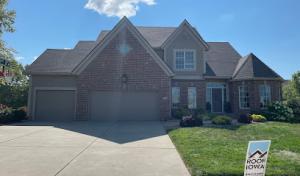
RoofSmart
(515) 661-1159 www.roofsmartiowa.com
6617 Scenic Ridge Ct, Johnston, Iowa
4.9 from 193 reviews

Roof Iowa
Johnston, Iowa
5.0 from 142 reviews
Voted Ankeny's Best Roofer and Des Moines Metro Best Roofer!
RoofSmart
(515) 661-1159 www.roofsmartiowa.com
6617 Scenic Ridge Ct, Johnston, Iowa
4.9 from 193 reviews
RoofSmart offers high-quality roof repair, maintenance and replacement throughout Central Iowa. If your roof has suffered storm damage or is simply not performing well because of regular wear and tear, our professional roofing contractors will assess the damage and come up with a smart solution. As well as comprehensive roofing services, we also specialize in the installation of siding, gutters and windows for a complete exterior transformation of your home. As a 5-star rated contractor in Des Moines, we make investing in your home simple and affordable.

Excalibur Exteriors
(515) 897-7663 www.excaliburroofs.com
Johnston, Iowa
5.0 from 48 reviews
Transform your home's exterior with Excalibur Exteriors, your trusted roofing and siding experts serving Central Iowa for more than a decade. We specialize in residential roofing and siding replacement, ensuring lasting protection and curb appeal. With thousands of successful installations, we bring unparalleled expertise to every project. We deliver top-quality products and installations that provide beauty and peace of mind for years to come.
Swing Coast Roofing & Gutters - Johnston, IA
(515) 802-0874 www.swingcoastroofing.com
5840 NW Beaver Dr Suite 100, Johnston, Iowa
5.0 from 24 reviews
Swingcoast Roofing is a professional construction company specializing in residential and commercial roofing, and gutters. We are a locally owned and operated company and treat every customer like family and each home like it's our own. With over 20 years of experience, our main goal is to earn your trust and leave you satisfied through superior quality work.
Home Pride Contractors
6165 NW 86th St Suite #120, Johnston, Iowa
4.8 from 69 reviews
At HOME PRIDE ROOFING our mission is to serve you, our valued customer, both residential and commercial with the most qualified, quality workmanship, and integrity second to none. As an industry leader our promise to you is to give you quality, value and unprecedented service through the entire process with each job we complete and strive to be the best roofing contractor in the area.

Premier Roofing Company
(515) 276-7663 www.premier-roofing.com
5501 NW Beaver Dr, Johnston, Iowa
4.2 from 61 reviews
Premier Roofing Company in Johnston, IA, is your trusted local expert for asphalt shingle roofing and hail damage roof replacement. Serving homeowners, businesses, and multi-family communities throughout Johnston and the greater Des Moines area, our experienced roofing contractors deliver superior craftsmanship, quality materials, and outstanding customer care. Choose Premier Roofing Company in Johnston for reliable asphalt roofing solutions and dependable protection against Iowa's toughest weather.
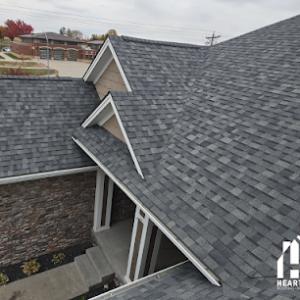
Heartland Roofing, Siding, & Solar
(515) 415-1174 heartlandroofingandsiding.com
Serving
4.8 from 610 reviews
Heartland Roofing, Siding, and Solar, based in Des Moines, IA, is your trusted contractor for roofing, siding, windows, and solar installations. Since 2013, our Owens Corning Platinum Preferred Contractor team has delivered top-quality work with integrity and unmatched customer service. We handle storm damage, insurance claims, and full exterior remodels. At Heartland, we prioritize building long-term relationships with our clients, ensuring your home gets the care it deserves.

Ultimate Exteriors
(515) 419-7459 www.ultimateexteriorsofiowa.com
Serving
4.9 from 124 reviews
Combining years of experience with a dedication to client satisfaction, Ultimate Exteriors has established itself as the local leader in Roof replacement, Roofing Repair, Shingle Roofs, Siding replacement, gutter replacement Services in Des Moines.
Shamrock Roofing Des Moines, IA
(515) 735-3310 shamrockroofer.com
Serving
4.8 from 150 reviews
Shamrock Roofing & Construction in Urbandale, IA provides residential and commercial roofing services for properties affected by severe weather, aging materials, or unexpected roof issues, including roof repairs, full replacements, storm damage restoration, and emergency tarping. Our roofing systems are designed to perform through Iowa’s hailstorms, strong winds, heavy rain, snow, and freeze–thaw cycles, and every project is supported by detailed inspections, clear storm reports, reliable warranties, and a structured process focused on long-term protection and a smooth experience—Veterans & Military Discount available, plus get your Free Storm Report & Inspection.
Hutch Unlimited Roofing
(515) 313-7355 www.hutchunlimited.com
Serving
5.0 from 53 reviews
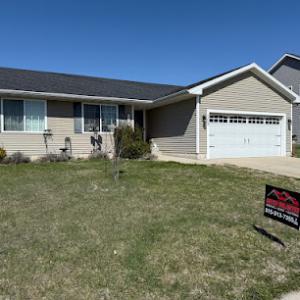
Hutch Unlimited Roofing is a locally owned and operated roofing company based in Grimes, Iowa, proudly serving Des Moines, Ankeny, and the surrounding Central Iowa communities. We specialize in residential roofing, siding, and gutter installation, as well as storm damage repair. Whether you need a full roof replacement, minor repairs, or new gutters, our experienced team delivers high-quality workmanship and dependable service on every project. As a BBB Accredited Business with an A+ rating, Hutch Unlimited Roofing is committed to customer satisfaction, integrity, and professionalism. We offer free inspections and estimates, clear communication, and reliable solutions tailored to your homes needs. With a strong local reputation!
TMJ Construction Services
(515) 965-9865 tmjconstructionservices.com
Serving
5.0 from 46 reviews
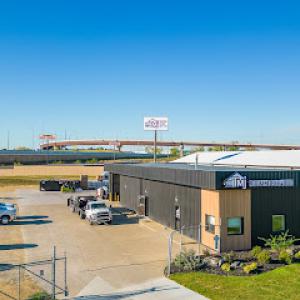
TMJ Construction Services is a licensed and insured exterior contractor serving the Des Moines metro and Central Iowa. We specialize in residential roofing, siding, windows, gutters, decks, and storm damage restoration. With over 25 years of experience, TMJ is known for quality craftsmanship, transparent estimates, and long-term customer relationships.
Wagoner Roofing
(515) 225-8147 wagonerroofingiowa.com
Serving
5.0 from 183 reviews
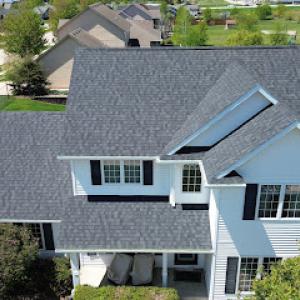
Trust Wagoner Roofing for your Des Moines and Central Iowa roofing replacements and let us handle all your storm restoration and home exterior remodeling needs. Our expert team of local installers guarantees quality workmanship, ensuring your home is protected and gives you peace of mind. Whether you're dealing with storm damage or looking to upgrade, we deliver reliable solutions that enhance both comfort and curb appeal. We live here in the Des Moines, Iowa area, and unlike other fly-by-night companies, we’ll be here when you need us. With years of experience, we know how to restore and add value to your home. Get your free roof evaluation and estimate today!
The Des Moines metro climate brings a mix of rapid temperature swings, wind, and hail that directly stress Johnston roofs. Planning a replacement for late spring to early summer aligns with milder weather, more daylight, and crews finishing up prior projects before peak heat. You gain better sealant performance, more predictable flashing results, and fewer cold-weather delays. For homeowners starting a project in this window, you create a buffer against the winter freeze-thaw cycle that can complicate rooftop work later in the year.
Winter freeze-thaw cycles put extra demand on roof assemblies in this area. By scheduling later spring work, you avoid the harshest cold snaps and reduce the risk of shingles shrinking or flashing joints loosening from repeated freezing and thawing. Once the roof is installed, the hot Iowa summer is less likely to impact the cure and adhesion of underlayment and sealants, which helps long-term performance. If replacement must occur closer to summer's peak heat, plan for shorter work days and a finish time that keeps interior spaces comfortable while crews complete critical flashing and vent work.
Spring storm season can interrupt a replacement timeline in Johnston, with post-storm backlogs pushing projects into crowded schedules. The practical response is to pre-book a start window before the peak hail demand begins. If a storm hits and damages your roof, document everything promptly and communicate with the contractor about temporary protections while awaiting a scheduled window. Expect a surge in demand after severe events, and secure a path for your crew to access your property without conflicts with neighbor projects.
As you approach late spring, start with a roof inspection focused on compromised flashing, missing granules, and signs of wind uplift around edges and vents. Prioritize scheduling before the earliest heat spells intensify, and coordinate with your insurer to ensure documentation aligns with your chosen start date. Ensure the contractor has a clear plan for storm-related contingencies, including tarp protection and a methodical sequence for replacing underlayment, flashing, and ridge ventilation. In Johnston, the best practice is to aim for a confident start in late spring, with a finish that avoids lingering heat exposure on newly installed materials. This approach minimizes the risks of sealant failures and weather-related delays while keeping the project on a steady, predictable path through the heart of Iowa's spring.
Johnston generally requires a building permit for a full roof replacement. That permit isn't a bureaucratic box to check; it anchors the project in the city's safety standards and helps ensure that the work will stand up to our freeze-thaw cycles and hail events. If the permit isn't pulled before work starts, or the scope of the project broadens without an updated permit, the city can pause inspections, request rework, or even impose penalties. Treat the permit as the backbone of a legitimate, weather-resilient replacement rather than a nuisance to endure.
The city's permit review checks the scope of work, proposed materials, and compliance with local code expectations before or during approval. You'll want a clear, itemized plan that shows you're swapping like-for-like components where code allows, or that you've chosen equivalent or approved higher-performance materials when altering the system. Substitutions aren't automatically approved; if you're considering a transition from asphalt to metal, for example, expect additional reviews and potentially revised drainage details. In Johnston, the permit review is a practical checkpoint that can save you headaches later by catching mismatches early.
During replacement, the contractor should maintain records that align with the approved plan. The city expects that the decking, ventilation, and flashing details match the approved scope and local requirements. If adjustments are made on-site, make sure these changes are documented and, when necessary, re-submitted for permit approval. A common source of delays is a mismatch between what was approved and what gets installed, especially around attic ventilation and roof-to-wall transitions. Staying aligned with the permit minimizes the chance of a citation or a redo.
Johnston conducts inspection after the work is complete, and homeowners may be asked for documentation on decking, ventilation, and flashing details. Have your contractor provide as-built notes and any product data sheets for the installed underlayment, vents, and flashing kits. The inspector will verify that the new roof integrates with existing venting and drainage and that flashing around chimneys, skylights, and roof edges is properly secured. If the inspector spots deviations, additional work may be required to bring the project into compliance before the permit can be closed. Preparing in advance with complete documentation can smooth the path to a clean pass.
In the Des Moines metro area, after a hail season you'll see prices drift as contractors juggle demand and travel times. Johnston homeowners frequently notice tighter scheduling and quicker quotes when hail events draw in crews from nearby suburbs. That dynamic shows up in job timelines and, occasionally, in a wider spread between the low and high ends for common roof types.
When you compare costs, use the per-square ranges as your baseline. Asphalt shingles typically run from 350 to 550 dollars per square, metal from 650 to 1100, clay tile from 900 to 1700, concrete tile from 750 to 1300, wood shingles or shakes from 420 to 900, and synthetic or composite shingles from 480 to 900. In practice, the exact price you see will reflect the local storm surge: a larger demand spike can push both materials and labor toward the higher end, especially if lead times stretch as crews schedule around back-to-back emergencies.
Storm-driven surges in demand across the Des Moines metro shape Johnston pricing in concrete ways. If a hail event hits a weekend and a wave of crews books up, you might see shorter windows for decision-making and longer waits for installation slots. This means your replacement could drift into a period with fewer open crew days, affecting not just the job price but the time you wait before work begins. For many homeowners, this translates into planning for potential delays and a broader quote window after a major hail event.
Every project should be evaluated for condition beyond the visible roof cover. If the roof deck, ventilation, or flashing show damage during the post-storm inspection, those items can add to the bottom line. The extra work might involve decking repairs, revised exhaust or intake ventilation, or flashing details that need upgrading to prevent future leaks. These elements tend to influence cost more after a storm and can push the final number toward the upper end of the applicable per-square range.
In practice, the most reliable approach is to get multiple in-person assessments after a major hail event and ask for itemized proposals that separate the roof covering from structural and ventilation work. This helps you compare apples to apples and understand how Johnston's storm season dynamics are shaping your specific project timeline and price.
Don't let upfront costs delay a critical repair - these contractors offer payment plans to fit your budget.
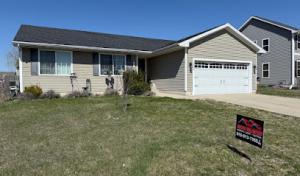
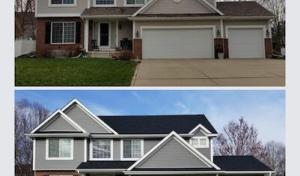
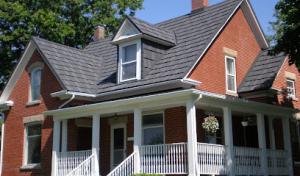
Asphalt shingles remain the dominant choice in this area because they align with the large re-roofing market shaped by storm-restoration workflows. In this locale, where hail and wind events are common, asphalt shingles offer a straightforward path to thorough replacement documentation and efficient restoration processes. They handle the freeze-thaw cycles navigation in Des Moines metro climates with a familiar layering approach, and their repair and reinforcement options hook readily into standard flashing and ventilation plans. Homeowners often find asphalt shingles to be the most predictable option for a complete roof replacement after hail impacts, with replacement timelines aligning well with insurer-driven restoration workflows.
Metal roofing presents a different performance profile that matters in Johnston. Metal panels respond strongly to hail and high winds, offering potential advantages in impact resistance and wind uplift performance when installed with careful panel detailing. The durability under repeated storms can translate into longer intervals between major maintenance cycles, provided the installation shows solid flashing and vent integration. The metal choice also influences attic ventilation strategies, as metal roofs often pair with continuous insulation approaches and ventilated soffit-to-ridge pathways. For homeowners facing rapid storm assessments, a metal roof can be a viable path to durable, storm-resilient coverage, especially when the goal is to minimize future interruptions from hail damage and wind-driven leaks.
Tile, wood shake, and synthetic or composite options exist in Johnston, but their detailing and replacement decisions must still account for local freeze-thaw stress and permit scrutiny on flashing and ventilation. Clay and concrete tiles carry excellent long-term durability in dry periods, yet they require precise substrate preparation and enhanced flashing at valleys, chimneys, and roof-to-wall transitions to withstand moisture penetration during freeze-thaw cycles. Wood shake brings a classic appearance but demands robust sealing against moisture and careful maintenance to prevent warping or rot in colder months. Synthetic or composite shingles aim to blend the aesthetics of natural materials with improved resistance to hail impact and lower maintenance needs, yet flashing detail and ventilation integration remain critical to ensure a complete and compliant installation. In practice, selecting these materials should hinge on the existing roof geometry, attic ventilation capacity, and the ability to perform meticulous flashing work to mitigate freeze-thaw stress.
The intersection of storm restoration workflows, hail documentation, and permit-reviewed replacements shapes every material choice here. In each case, examine how flashing, vents, and drainage will be integrated with the chosen system, and plan for a replacement approach that accommodates the most accurate storm damage assessment. The goal is a durable, well-documented installation that resists future hail and wind events while preserving the home's comfort and energy performance.
Johnston winters bring freeze-thaw cycles that can stress underlayment, flashing, and fasteners more than a single prolonged freeze would. Each cycle pushes moisture into tiny seams and fastener heads, then freezes and expands, gradually prying at joints. Over time, that repeated stress can create micro-leaks that don't show up until the next stretch of wet weather. The Des Moines metro climate magnifies this effect, because roofs endure rapid swings from cold to warm with little respite. If you notice a previously quiet seam suddenly dripping after a cold snap, that's a sign to investigate the hidden corners of the roof line.
These seasonal swings are especially relevant in this area because roofs then transition quickly into hot summer expansion and thunderstorm exposure. Shingles, flashing, and roof deck fasteners respond to that heat by expanding, shifting, and sometimes pulling away from their seals. A nail that seemed solid after winter can loosen enough to let wind-driven rain seep in during a mid-summer downpour. In practice, a once-stable flashing lap or step flashing corner can begin to fail as temperatures climb, amplifying any earlier freeze-thaw damage.
Homeowners should pay close attention to leak points that emerge after winter and before spring storm season, when hidden flashing or decking issues become visible. Look for ceiling staining, attic condensation, or musty odors that arrive only after a thaw. In many Johnston homes, decking joints or underlayment that survived a harsh winter reveal subtle buckling or soft spots once exposed to spring rains. Don't wait for a visible stain to become a larger problem; early signs point to where to start a careful roof inspection.
You can catch problems before they worsen by doing targeted checks after major thaws. Inspect flashing around chimneys, vent pipes, and skylights; examine roof edge metal and rakes for lifted laps; verify gutters and downspouts drain freely so water isn't pooling near the fascia. If you notice recurring damp spots in the attic or new drips near high-wind corners after winter, schedule a detailed inspection promptly to address underlying flashing or decking concerns before spring storms intensify.
When you can't wait, these contractors offer fast response times to stop leaks and prevent further damage.
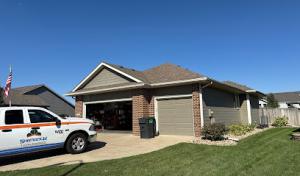

Storms loaded with hail and wind regularly drive roof claims in this market. Coverage terms, deductibles, and claim handling can directly influence whether you end up with like-kind replacement or an upgrade to another material category. The practical path often hinges on documented condition prior to the event, clear notes from the adjuster, and how the final scope aligns with the house's existing framing and attic ventilation. Being equipped with solid records helps you navigate the process without surprises when an adjuster visits.
Because initial documentation matters, take comprehensive photos of every roof face, attic signs, and any existing interior moisture indicators well before severe weather arrives. Preserve dated records of prior hail hits, previous repairs, and material transitions if you have them. After a storm, maintain this archive alongside new photos showing the current condition, especially around skylights, vents, andesthetic slopes. Keep copies tied to the permit scope and final inspection notes so you can reference them during review discussions with the insurer and the contractor.
In this market, adjuster coordination is common and helpful. Schedule access to the attic and roof, provide a concise list of observed issues, and share your pre-storm documentation. Ask for a written scope that maps exactly what the insurer will cover and where an upgrade might be justified. Retain all correspondence, receipts, and any inspection worksheets. If a dispute arises, you'll have a clear timeline and material history to support your position.
If the claim supports replacement with a different category, weigh long-term reliability against the desire to preserve the existing design. In areas with harsh winters and frequent hail, upgrades can improve performance and reduce future risk, but each choice should be evaluated against your home's exposure and the insurer's guidance. Final decisions hinge on the documented condition, the permit-related final inspection, and how the chosen path aligns with the claim settlement.
Connect with contractors who help homeowners navigate the claims process from damage assessment to final approval.
RoofSmart
(515) 661-1159 www.roofsmartiowa.com
6617 Scenic Ridge Ct, Johnston, Iowa
4.9 from 193 reviews
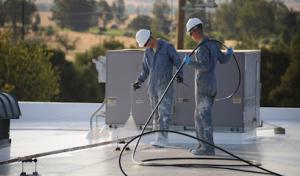
While steep-slope residential re-roofing dominates the local scene, the contractor signal set shows a smaller but real market for flat and low-slope sections. On many Johnston homes, these low-slope areas appear as additions, porches, garages, or transitions rather than as the primary whole-house roof form. The practical upshot is that homeowners should treat these pieces with the same attention as the main roof, even though they're smaller. The weather pattern here-frequent hail events, wind-driven rains, and sharp freeze-thaw cycles-puts pressure on joints and transitions in ways people don't always anticipate.
These sections still face the same Johnston stresses, and drainage must be deliberate. Ensure a dedicated slope is maintained toward a defined drainage path, not toward the house wall or a field of slow-draining membranes. Flashing at the transition from a steeper main roof to a low-slope add-on should be continuous and integrated, with proper termination into gutters or scuppers. Inspect for seam gaps, fastener loosening, and any T-joint or skylight interfaces that could micro-leak during a hail storm or heavy rain. A well-designed crickets or saddles, where appropriate, can help prevent water pooling at transitions.
These sections most often show up around door openings, patios beneath a roof extension, and attached garages where the roof line shifts. The material choice should consider compatibility with the existing roof, color continuity, and friction with the structure's expansion joints. In Johnston's climate, use weather-tight sealants that hold up to repeated freeze-thaw cycling and UV exposure from persistent storms. Plan for robust ventilation and a drip edge that aligns with the main roof's drainage footprint to minimize surprises after the next hail event.
Regular inspections after severe storms should pay close attention to low-slope interfaces, especially at edges where water could back up. Look for fastener corrosion, membrane punctures, and any signs of mildew or staining that suggest slow leaks. Keep gutters clear to prevent overflowing into the low-slope area, and verify that attic or crawlspace vents align with the roof's drainage plan. When damage is detected, address it promptly to preserve the integrity of the whole roof system and prevent cascading issues into the addition or transition zones.
Find specialists in TPO, EPDM, and built-up flat roofing systems for residential and commercial properties.
Des Moines Area Roofing Siding + Solar
(515) 360-7480 desmoinesarearoofing.com
Serving
4.8 from 138 reviews
Solar-integrated roofing exists here but isn't the dominant setup for most homes. When you add solar attachments, skylights, or other penetrations, the flashing becomes the critical line of defense against wind-driven rain and hail damage. In practice, that means you'll want to verify that flashing was properly integrated during any replacement or repair, and that the seal around every penetration remains sound after a storm season. Don't assume the flashing is untouched just because your roof is newer or the system was installed by a reputable maker; every penetration presents a potential failure point if the surrounding deck and underlayment have moved or degraded.
Johnston's permit-reviewed replacement environment makes timing everything. If a roof is scheduled around or just after a storm season, ensure the installation plan accounts for the city's inspection window so the added penetrations are fully documented and approved. This helps prevent post-storm rework caused by mismatched flashing details or overlooked flashing transitions where the solar array mounts meet the roof. In practical terms, coordinate the roof replacement so that the solar attachments have a clearly documented flashing strategy that aligns with the new roof deck, underlayment, and ventilation details.
When a contractor works on a roof with solar or other penetrations, insist on a comprehensive flashing checklist that covers every penetration point: edges, pipes, vents, and the solar racking footprint. Take photos before, during, and after the project, focusing on sealant types, flashing angles, and any transitions to skylights or dormers. For storm-related projects, this record becomes your best defense against disputes over leak risk or hail-related flashing damage after the next round of hail events.
Review any existing penetration details with your roofer, paying special attention to the joint between solar mounts and the deck. If you're planning solar, map out the anticipated layout and mark every point where flashing will be required. Request that the installer provide a stamped installation plan that clearly shows flashing details and attachment methods, so the new roof and the solar system move forward with solid documentation and reduced risk of rework after storms.
Find contractors who integrate solar panels or solar shingles into your roof for long-term energy savings.

Des Moines Area Roofing Siding + Solar
(515) 360-7480 desmoinesarearoofing.com
Serving
4.8 from 138 reviews