
Last updated: Apr 19, 2026
Spring hail, severe thunderstorms, and high-wind events drive roof replacement demand in the central Iowa storm corridor. In this climate, a single hail event can create hidden damage that isn't obvious right away, but the next wind gust exposes it. The risk is real: when a storm hits, shingles can crack, granules can shed, and underlying decking can suffer, and that damage often worsens after a few days of moisture or a derecho rushes through. The cycle tightens quickly as contractors swing into action and slots fill up. If you wait for a perfect, no-stress window, you miss the peak window that storm season forces onto every roof around town.
Iowa homeowners commonly face hail, wind, and derecho-related roof claims, making storm documentation a first-step issue rather than a secondary concern. Start with thorough photos taken from multiple angles-the attic-facing ceiling, the interior walls near where leaks show, and the exterior fascia and shingles in disarray. Keep a dated log of storm events and any related symptoms you notice: granule loss on driveways or gutters, lifted edges after a gust, or damp spots that appear after a rain. This isn't about being dramatic; it's about building a clear trail for insurance, and it prevents delays caused by missing details. If you can, arrange a quick, non-intrusive roof review by a reputable local contractor who understands the signature damage patterns you'll see after Iowa storms. In Waukee, storm-driven demand surges can compress contractor availability during late spring through early fall, the same window preferred for replacement because of winter freeze-thaw conditions. Treat this as an urgent, non-negotiable step.
When damage is identified, don't let it linger to the next rainstorm. Water intrusion can escalate quickly from a small leak to structural or insulation problems, and every delay increases the risk of interior damage and mold. Create a damage timeline: date of discovery, date of storm, and date you first secured a professional assessment. If you have a visible leak, place temporary containment to protect interiors, but avoid making any permanent temporary measures that could interfere with an appraisal. A swift assessment helps lock in the right sequence of steps-document, stabilize, then replace if needed-without letting damage grow from a temporary issue into a long-term liability.
In year-round permit-heavy markets around the region, quality matters more than speed. When the storm cycle hits, availability tightens, but that doesn't excuse rushed, careless work. Look for a local contractor who can show recent, verifiable project notes from similar Waukee homes, a clean safety record, and a clearly communicated plan for staging, debris management, and protection of landscaping and property lines. Ask for line-by-line documentation of scope, including deck inspection, flashing, valley coverage, and attic ventilation checks. Since late spring through early fall is the high-traffic period, secure a written time frame and a contingency for weather delays. That clarity protects you from slipping schedules and ensures the project advances in a controlled, predictable rhythm.
Storm claims hinge on precise, consistent documentation. Your file should include the storm date, a concise summary of observed damage, the contractor's preliminary assessment, and all correspondence with the insurer. In Waukee, where derecho-related and hail claims are routine, insurance adjusters expect a comprehensive narrative supported by photos and a professional evaluation. Prepare a straightforward, evidence-based presentation, and maintain a centralized location for all materials so you can respond quickly if questions arise. The more you document early, the less risk you carry of miscommunication or underpayment when the claim lands on the desk of a shifting adjuster during a packed season.
Iowa is a high-claim roof market, and in this area a homeowner should expect insurers to request detailed damage photos, contractor estimates, and post-installation inspection notes. That means you'll want to assemble a clear "before" record quickly after a storm: wide-angle shots of entire roof, close-ups of dents or hail marks, and photos of any interior signs of leaks. Keep organized folders so you can reproduce the timeline when the adjuster arrives. The quality of your documentation can influence how smoothly the claim moves from intake to settlement, so be thorough but factual.
Because hail and wind claims are common in this region, filing history can influence renewal terms and coverage options for future roof losses. If you've filed a claim in the last several years, expect more scrutiny on new submissions and potentially different underwriting responses. A history of rapid, repeated claims can trigger a review of coverage limits or deductible arrangements, even when the current storm seems isolated. Being prepared with careful notes about each incident helps you explain whether a newer claim is truly storm-related or more aligned with ongoing vulnerabilities in the roof's aging profile.
The practical insurance issue in Waukee is separating true storm damage from age-related wear after repeated seasonal weather exposure. Start by comparing today's roof condition with photos from a couple of years back, noting sections where granules are missing, metal flashing is bent, or shingles no longer lay flat. If you suspect wind lift or hail impact, request a third-party roof inspection focused on structural components under the shingles-sheathing, underlayment, and ridge lines-to establish whether damage is isolated or indicative of broader wear. Insurance decisions should hinge on verifiable damage rather than assumptions about wear, so keep a log of weather events and contractor assessments.
When an adjuster arrives, you'll benefit from having a consistent narrative and a crisp set of verified measurements. Do not rely on a single opinion; obtain a detailed estimate from a reliable local contractor that aligns with the observed damage, and share that with the adjuster. Ask for an independent post-installation inspection note if a replacement occurs, and ensure the contractor documents the age and condition of vent pipes, flashings, and decking. Be mindful of conflicts of interest; if a contractor's recommendation feels influenced by the claim process, seek a second opinion from a different roofing professional or an independent adjuster.
Timing a roof replacement around storm season matters. If a claim is approved, coordinate with your roofer to optimize installation windows that avoid the peak of severe weather, which can cause scheduling delays and temporary overlaps with other storm projects in the same neighborhood. Rapid decisions can lead to accepting less favorable terms or missing critical documentation windows; deliberate planning minimizes the risk of rushed or incomplete claim submissions, helping ensure the project progresses with fewer interruptions.
Connect with contractors who help homeowners navigate the claims process from damage assessment to final approval.
Home Solutions of Iowa
(515) 999-2896 www.homesolutionsiowa.com
16180 SE Laurel St, Waukee, Iowa
4.7 from 341 reviews

Home Solutions of Iowa
(515) 999-2896 www.homesolutionsiowa.com
16180 SE Laurel St, Waukee, Iowa
4.7 from 341 reviews
Founded by Joe Smith in 2003, HSI first planted roots as a one-man show at the Iowa State Fair. From that point forward, we have expanded our operations and have worked with more than 30,000 homeowners throughout the state. We are the leading home improvement contractor when it comes to gutter systems, roofing, insulation, rain barrels, windows, doors, decking, and siding. At HSI, we value community relationships and have garnered a reputation for continuous customer satisfaction time and time again.

Elite Roofing
(515) 371-9823 elite4roofs.com
1480 SE Traden Dr, Waukee, Iowa
4.8 from 39 reviews
With over 19 years of experience and a dedication to providing the highest quality roofing services at honest and dependable prices, Elite Roofing has established itself as the premier choice for roofing needs in the Des Moines area. Whether you require new installations, repair services, insurance repairs and replacements, or thorough roof inspections, Elite Roofing's team of skilled professionals is ready to go above and beyond to exceed your expectations. With their state-of-the-art techniques and a wealth of knowledge, we ensure optimal results with every project they undertake.
SalesRoof Constructions
(515) 745-5591 www.salesroofconstructionllc.com
923 Highland Dr, Waukee, Iowa
4.9 from 8 reviews
call us today for a free estimate and a reliable price !! we provide roofing services ,gutters, siding, Servicing Greater Des Moines area.
Advanced Roofing & Exteriors
(515) 890-0029 advancedroofingusa.com
Serving
5.0 from 145 reviews
A locally-owned and -operated company putting quality first in all that we do.
Capital Roofing & Exteriors
(515) 805-8332 wearecapitalexteriors.com
Serving
5.0 from 23 reviews
A family/ veteran owned roofing and siding contractor dedicated to simplifying the care of your home with new roof installation, roof repair, and other maintenance services. We use only the highest quality materials and industry-leading techniques to ensure that your roofing system is durable, reliable, and long-lasting.

Wegner Roofing & Solar
(515) 985-5454 wegnerroofing.com
Serving
4.9 from 277 reviews
Wegner Roofing & Solar proudly provides expert residential and commercial roofing, solar, siding, and gutter solutions in West Des Moines, Iowa. Our experienced team specializes in roof repairs, inspections, new installations, and insurance-related roofing services for homes and businesses. We also offer energy-efficient residential and commercial solar installations, including detach and reset services, to help reduce energy costs and carbon footprints. Our siding services include installations and repairs, ensuring durable protection and enhanced curb appeal. Additionally, we provide high-quality residential and commercial gutter installations to safeguard your property. Contact Wegner Roofing & Solar in West Des Moines today!
Platinum Roofing & Contracting
(515) 975-8632 platinumroofingiowa.com
Serving
5.0 from 15 reviews
Platinum Roofing and Contracting provides exceptional service with superior detail when it comes to Roofing installation. We are focused on providing knowledge to all home owners when it comes to retail or insurance work. We are here to help homeowners with the insurance process from the very beginning as it is complicated process for many homeowners. We offer all Roofing products and are looking forward to help educating you to help find what is best for you.

Waddle Exteriors & Roofing
(515) 575-2378 www.waddleexteriors.com
Serving
4.8 from 513 reviews
Waddle Exteriors & Roofing, based in Des Moines, IA, is a distinguished roofing contractor dedicated to exceptional roofing solutions. Our experienced team specializes in roof repairs, replacements, maintenance, and inspections. We use high-quality materials and the latest techniques to ensure your roof is durable, weather-resistant, and visually appealing. Whether recovering from storm damage or upgrading your home’s exterior, Waddle Exteriors & Roofing offers personalized service and outstanding craftsmanship. Trust us to protect your home and boost its value with reliable, efficient, and cost-effective roofing services.
R3 Roofing & Exteriors
Serving
4.9 from 382 reviews
When it comes to your house, don’t mess with the rest, trust the best. We Can Fix It! At R3 Roofing and Exteriors, we believe in the long-term quality and comfort of our client’s homes. That means not cutting corners in the name of making things “easier”. In that sense, you can say that we subscribe to more “traditional values”, and care about detail and care above all else. When you call, we will prepare to serve you as soon as possible. We will also be sure to arrive with everything you need for your unique situation.
Hail Pro
(515) 809-0676 www.myhailpro.com
Serving
4.9 from 130 reviews
Hail Pro is a licensed and certified Urbandale-based property improvement company. Our company has been around for more than two decades and provides reliable services. We have extensive experience and resources to handle roofing, siding, and windows projects. Our goal is to help property owners protect and improve their investments. That is why we handpick all our staff members to ensure they have the qualifications required to deliver on our promise. We partner with top-rated and reputable manufacturers to provide our customers with top-notch quality and durable products. Further, we offer different payment types such as cash, check, visa, and more for ultimate convenience to all our clients.
Robison Construction
(515) 882-2200 www.robison-construction.com
Serving
5.0 from 53 reviews
Established in 2006, Robison Construction is a leading roofing expert in the Iowa community, with a legacy built on trust and superior craftsmanship. Specializing in a full range of services, including expert installations, meticulous repairs, and thorough inspections, they utilize premium materials to ensure lasting durability and protection for your home. Their commitment to excellence is reflected in every project, with a dedicated team focused on precision and customer satisfaction. They offer reliable and high-quality roofing solutions designed to meet the unique needs of every client, ensuring peace of mind for homeowners across the region.
McCoy Roofing
(515) 608-6439 mccoyroofing.com
Serving
4.9 from 36 reviews
"McCoy Roofing Des Moines is a full service roofing contractor specializing in roof repair, roof leak repair, emergency roof repair, and roof replacement services. We serve the greater Des Moines, Iowa area with crews available to respond fast to every call. McCoy Roofers are certified and specially trained for all your contracting needs. We provide free estimates to assess roof damage after storms, hail, tornado and fires. We are certified with Associated Builders and Contractors, DaVinci Roofscapes, BBB, and we are Master Elite residential roofing contractors with GAF. Only 2% of GAF roofing contractors earn the Master Elite certification. Our team of Des Moines Roofers are able to handle all residential and commercial roofing needs.
In this part of the Des Moines west side, a building permit is typically required for most re-roofs. The City of Waukee Building Department uses a straightforward process to make sure a roof replacement meets local standards and can handle the stormy springs and hot summers. Before any shingles come off or underlayment goes down, verify that a permit is in place. Failing to obtain the permit can slow the project, trigger fines, or complicate insurance documentation after a hail event. The permit signals to the city that structural work, ventilation, and drainage are being addressed to protect your home long-term.
Permit applications are submitted online or in person at the Building Department. The application typically requires a clear project scope and the roofing material type you plan to install. Having a precise scope helps prevent delays and ensures that the plan reviewer can verify attic ventilation, underlayment, and flashing details against code. If this is a storm-damaged reroof, you should include notes about any necessary repairs to deck boards, roof-to-wall connections, and attic access where ventilation upgrades may be warranted. A reputable contractor can help assemble the documentation, but the homeowner should review the scope carefully to reflect the actual work to be done and the chosen material.
Prepare a concise set of information to accompany the permit request. This includes the project address, a description of the work, the anticipated start and completion dates, and the roofing material type. In addition, be ready to indicate any satellite or secondary structures affected by the replacement, such as a porch roof or detached garage. If storm damage influenced the plan, document areas with uplift or compromised decking so the reviewer can assess structural needs. Saving digital photos of the existing roof and framing can streamline the review and serve as a baseline for the inspector.
City inspections are conducted during the project to verify installation details and compliance with Waukee code. Inspections focus on underlayment quality, flashing around chimneys and vents, ventilation adequacy in the attic, and the overall convergence of decking, underlayment, and shingles. The inspector will also confirm that proper nail patterns and fastener types align with the chosen material. Mid-project checks help catch issues early, especially in a climate where hail and wind can stress roof assemblies. If a concern arises, scheduling a timely re-inspection is important to avoid delays that could impact permit validity.
The final inspection confirms that the roof installation is complete and that all components-underlayment, flashing, venting, ice-damming protection, and ridge/hip details-are properly installed and sealed. A successful final inspection signals to the city that the project is closed out and that the roof is ready for long-term performance under typical Iowa weather. Keep the project file accessible for any future inspections tied to permit documentation or insurance records, and coordinate with the contractor to ensure the final checklist items are fully addressed before sign-off.
Late spring through early fall is the preferred replacement window for most homeowners. In this stretch, temperatures are mild enough for a proper installation, adhesive and sealants cure correctly, and shingles lie flat without the stress of deep freezes. The Iowa winter pattern of freeze-thaw cycles, in particular, can shorten the life of an installation if work is attempted when temperatures swing above and below freezing. Plan ahead: aim to complete most of the work before the first hard frost, and use the late spring to early summer surge to align with favorable drying conditions and steady crew schedules.
Spring hail can both create new damage and interrupt active jobs, so scheduling often has to account for storm delays even during prime season. After a hail event, it's common to see rapid debris cleanup, temporary tarps, and potential inspections in a relatively short window. If you've already lined up a replacement, stay flexible: a weather-based delay might push the start date by a few days to a couple of weeks. Keep a clear line with your contractor about forecasted storms and how rescheduling will be handled, and have a plan for securing loose materials during a hail episode to protect the rest of the project.
Fall winds and late-season storms can shorten the workable calendar before winter conditions return. In Waukee, it's wise to target the bulk of the work by mid-to-late fall if possible, so crews aren't pressed by wind-driven rain or early seasonal snowfall. If a fall storm disrupts ongoing work, prioritize securing the roof deck, flashing, and sealants first, then resume when calmer weather returns. Discuss with the contractor how they'll protect exposed decking and underlayment during episodic wind events, and confirm a contingency plan for material storage and on-site safety as days shorten and temperatures drop.
Begin by evaluating your roof's current condition and prioritizing repairs or replacement within the favorable window. Coordinate with a trusted local contractor who understands typical spring storm activity and the impact of fall wind episodes on scheduling. Build in a flexible timeline that accommodates potential hail delays, and establish a clear communication cadence for weather-related changes. Finally, align project milestones with the typical Waukee spring-to-fall weather pattern so the installation progresses steadily toward a durable, well-sealed roof before winter arrives.
When you can't wait, these contractors offer fast response times to stop leaks and prevent further damage.

Asphalt shingles remain the dominant practical choice for homes in this market, delivering a familiar look, straightforward installation, and a balance between upfront affordability and performance. In Waukee's climate, asphalt provides a forgiving option when hail and wind events arrive, but the exposure to hail impact, wind uplift, and freeze-thaw cycles seen across Iowa means attention to shingle quality, granule retention, and sealing is essential. When evaluating asphalt, consider upgraded granule protection and a robust underlayment system to help resist hail scarring and wind-driven water intrusion. A locally tailored installation approach-ensuring proper nailing patterns, adequate ventilation, and compatible venting-can extend the life of an asphalt roof even through sharp temperature swings and rapid weather shifts typical of the western Des Moines edge.
Metal roofing has a meaningful niche in this market for homeowners seeking stronger performance against repeated storm exposure and snow shedding. The fast-moving spring and summer storm season can deliver hail and driving rain that test roofing seams, fasteners, and edge details. Metal systems often provide excellent wind uplift resistance and superior shed capability during heavy freezes and thaw cycles, which helps reduce ice dam risk and interior leaks. When considering metal, evaluate panel profiles, seam types, and coating finishes designed for Iowa's freeze-thaw regime, as well as compatibility with existing roof structures and overhangs. A well-fitted metal roof can offer decades of service, with less weight transfer and improved performance in windy gusts and hail events, but careful installation and accurate panel alignment remain crucial for maximizing value in a suburban layout common to Waukee.
Heavy materials such as clay tile, concrete tile, and slate are available in this area but are less typical for the mainstream suburban housing stock. They can complicate replacement planning compared with asphalt due to weight, insulation considerations, and potential need for structural reinforcement. In Waukee's housing stock, these materials are often suited to homes with stronger framing, higher roof pitches, and a willingness to accommodate longer lead times and nuanced permitting considerations associated with heavier assemblies. When contemplating these options, verify roof framing capacity, the compatibility of underlayment with tile and slate systems, and the impact on attic ventilation patterns. Although they deliver distinctive aesthetics and long lifespans, heavy materials require precise execution and an understanding of how structural realities interact with local weather cycles.
Across all options, alignment with Iowa's seasonal rhythm matters. Storm-driven damage patterns tend to cluster around hail-heavy late spring and early summer, followed by wind-driven wear and freeze-thaw stress in the shoulder seasons. In this context, the choice should emphasize reliable performance under hail exposure, wind uplift, and temperature fluctuations, with attention to installation details, material compatibility, and long-term maintenance plans that address Waukee's specific weather realities.
In this market, planning your roof replacement around the Des Moines western suburbs requires a practical, step-by-step approach. You'll see storm-season demand spikes after major hail or wind events, which can push scheduling pressure and labor pricing higher. Start with a realistic target window for replacement-watch for after-hail weeks when crews are busiest and materials are allocated.
Material cost ranges in this area span from asphalt shingles at 350 to 600 USD per square, up to slate at 1200 to 2500 USD per square. Metal and aluminum roofing sit in the middle, often competing with premium shingle upgrades. If you're weighing options, consider longer-term durability and hail resistance in relation to your roof's pitch and exposure. A midrange metal or aluminum system may balance upfront cost with improved wind resistance and a stronger hail performance, while premium shingles can mimic some metal benefits at a different price point.
Because pricing is driven by weather-driven demand, you should plan for potential increases in labor and permitted scheduling pressure after major storm events. Create a two-tier plan: a baseline budget aligned with asphalt shingles or midrange metal, and a contingency for higher-end materials if your current roof shows extensive damage or if you want upgraded protection. Factor in typical square-footage needs based on your home size and standard roof geometry in the area, and compare bids from reputable local crews who are experienced with storm-impacted scheduling.
When storms hit, you'll notice lead times lengthen and crews optimize routes to balance multiple neighborhoods. If you have flexibility, aim for a shoulder-season window to secure crews and avoid peak demand weeks. If you need faster service after a hail event, be prepared for tighter schedules and potentially higher material allocation costs. Align material choice with your timeline and the level of protection you want, keeping in mind the cost spectrum above.
Don't let upfront costs delay a critical repair - these contractors offer payment plans to fit your budget.
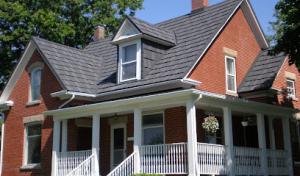
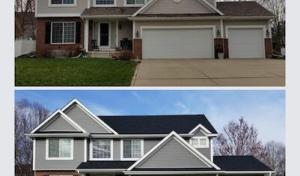
In this storm-prone environment, flashing and edge details matter because wind-driven rain can exploit weak transitions before shingles themselves fully fail. A small gap around a chimney, vent, or vented ridge line can become a channel for water intrusion long before a visible leak appears in living spaces. Pay attention to metal step flashings, counter-flashings, and the sealant around vent pipes during inspections, especially after severe storms. If flashing looks blistered, lifted, or corroded, address it promptly; delaying notable edge failures lets moisture creep into the decking and sheathing, which complicates later repairs.
Freeze-thaw cycling in Iowa makes underlayment quality and attic ventilation especially important during re-roof checks. Inadequate venting traps humidity, which softens insulation and accelerates deck deterioration when temperatures swing from freezing to warm days. Look for proper ridge and soffit ventilation balance, and verify that underlayment under the shingles is intact and continuous across hips and valleys. A weak underlayment or poor attic airflow can transform a minor cold-season moisture issue into a costly interior problem after the first thaw or a heavy spring rain.
Chimney and roof-penetration details deserve extra attention in this market because repeated storm exposure and winter movement can turn small seal failures into interior leaks. Check the joint where masonry meets roofing, the chase flashing, and any boot or flange around plumbing stacks. If sealant has shrunk, cracked, or separated, wind-driven rain can force water into attic spaces with little warning. Regularly reseal and reseat these penetrations after high-wind events or major temperature shifts to keep leaks from sneaking in behind decorative exterior layers.
Find contractors experienced in skylight installation, flashing, and leak repairs to bring natural light into your home.
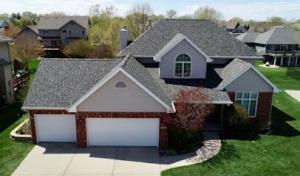
In a storm-driven Iowa market, the priority is not just a bid but the crew's ability to document damage clearly and handle insurer paperwork smoothly. Look for a contractor who walks you through a formal damage assessment, photographs every impacted area, and provides a written scope that aligns with what the insurer will expect. Ask for do-not-miss photos of hail impact, wind-stripped shingles, and flashing around chimneys and vents. A crew that can translate those findings into an easily-resubmittable claim will save you time and headaches when delays occur after a storm.
Local hiring patterns show that quick response and thorough cleanup are major homeowner priorities in this market. When a storm hits, you want a crew that can be on-site promptly, secure loose materials, and protect your landscaping and gutters from falling debris. Verify their standard response time, whether they offer after-work site cleaning, and how they handle debris containment during the project. A practical crew won't leave behind nails or scrap; they should sweep with a magnetic picker and perform a final pass to ensure the yard is safe for kids and pets.
The contractor mix serving this area is heavily oriented toward re-roofing and residential jobs, which fits the fast-growing suburban housing base. That means more crews familiar with standard asphalt and common residential layouts, including two-story homes and HOA-friendly shingle lines. Ask for recent residential projects in similar neighborhoods, especially homes with comparable roof lines and vent configurations. Confirm they manage the sequence of weather windows, so your replacement aligns with dry periods typical in the late spring to early fall.
Request written timelines, a single-point of contact for communication, and a staged plan that includes debris removal, material delivery, and a wrap-up walkthrough. Confirm they offer a clear process for documenting pre- and post-storm damage, and ensure their crew is prepared to explain materials and airflow considerations that can affect warranty claims. A focused, locally experienced crew will align with the seasonal pace and neighborhood expectations that shape roof work around the storm season.