
Last updated: Apr 19, 2026
Severe spring thunderstorms sweep across south-central Kentucky with a hit-or-miss hail punch that can quietly turn a sturdy roof into a claim-ready problem area in a hurry. Hail and wind are the quickest route to a failed roof in this climate, where humid freeze-thaw cycles compound damage after the storm passes. In Glasgow, the pattern is predictable: a cluster of storms hits, insurers start asking pointed questions, and the clock starts ticking on inspections and replacements if the damage stacks up. This is not a slow burn project; it's a window of risk that can close around you in a single storm season. The roof is your first line of defense, and delaying an inspection after a hail event can turn a small repair into a larger, more disruptive replacement later.
Kentucky insurers commonly ask for roof age, material type, prior storm history, and photo documentation. After spring storm clusters, that information matters more than ever, because underwriting can tighten quickly when hail events hit. A clean, well-documented record can smooth the path toward a fair settlement, while gaps or vague retrofit notes invite delays or disputes. In Glasgow, that means you should have recent photos from multiple angles-so the insurer can see shingle edges, granule loss, dented metal, or lifted fasteners. If a recent storm was followed by a period of calm, the insurer may still want to verify ongoing condition-proof that what is visible now is from the latest event, not from older wear.
Because underwriting can tighten after hail events in Kentucky, Glasgow homeowners often need condition reports that distinguish fresh storm strikes from older wear caused by freeze-thaw and humidity. A fresh impact or several new dent marks on metal components, or granule loss that coincides with a storm track, should be documented promptly. But not every irregularity is new damage; freeze-thaw cycles can mimic hail effects, and humidity accelerates wear on older roofs. A credible condition report should annotate the roof's age, the material type, and a clear timeline of observed changes tied to specific storm dates. This is not merely paperwork; it's the roadmap for proving that a claim reflects the current risk rather than stale conditions.
Start with a professional roof inspection within days of a significant hail event or windstorm. A Glasgow-area inspector who understands the local building stock-the common asphalt shingle layouts, the prevalence of metal panels on outbuildings, and the way clay or concrete tiles weather in this climate-will spot subtle damage that may escape a casual eye. Photograph the entire roof from ground level and, if safe, from a ladder or drone, focusing on edge cracks, lifted tabs, and missing granules for shingles; on metal, look for creases, denting, and fastener corrosion. Keep a dated log of storm dates and observed changes; this makes the documentation robust for underwriting discussions. Finally, coordinate closely with the insurer's preferred process-timely submissions and legible photo sets can shorten resolution times and reduce the risk of being pushed toward a full replacement that might be avoidable with targeted repairs.
In this corner of Kentucky, roof wear follows a rhythm unlike coastal or desert climates. Hot, humid summers push shingles and underlays to cope with heat load and moisture that can linger in attic spaces. Cold winters bring repeated freeze-thaw cycles that push and pull at edges, fasteners, and seals. The result is a roofing system that ages through cycles of expansion and contraction, rather than a steady, year-round wear. Materials that handle moisture, thermal cycling, and wind-driven rain tend to hold up better here, while those more sensitive to rapid temperature shifts show early signs of aging. When evaluating a roof's condition, consider not just what failed, but how the surrounding climate has stressed the entire assembly over multiple seasons.
Glasgow's spring weather is a crucible. Severe hail and gusty winds arrive with little warning, testing shingles, flashings, and vents. After a storm, moisture can be driven into microcracks and through spots that look fine from the ground. The combination of hail impact and wind-driven rain can create a cascade of slow-developing problems: granule loss that accelerates UV exposure, lifted tabs that invite wind uplift, and degraded sealants that fail to keep attic air within spec. Because damage may appear minor in the moment, a cautious, evidence-based inspection becomes essential. Look for bruising on asphalt, shiny spots on metal, or cracked sealant lines around penetrations and hips where wind pressure concentrates.
The local climate often traps moisture in assemblies after a storm, especially if a hot Texas-size sun follows shortly after. This means that even a small damage event can evolve into something more serious if moisture sits in the layers beneath shingles. Ventilation, underlayment condition, and proper drainage around eaves and valleys matter as much as the visible surface. When moisture remains in an attic or roof deck for an extended period, it can lead to rot, decking deformation, or insulation performance decline. A routine post-storm check should include attic ventilation review, any signs of moisture staining, and a quick test for hidden soft spots on decking.
Glasgow homeowners often balance storm resilience with climate demands. Materials that tolerate freeze-thaw cycling and heat loading without excessive weight or maintenance tend to perform well here. For example, synthetic and composite shingles can offer good impact resistance and dimensional stability, while metal roofing can excel in shedding hail and resisting wind uplift if installed with proper fasteners and gaps. Clay and concrete tiles bring durability for heat exposure but require careful assessment of roof structure and attic support due to weight. Wood shingles and shakes provide aesthetic value but require meticulous maintenance to deter moisture absorption and rot. The right choice depends on existing structure, attic ventilation, and local weather patterns that swing between winter cold stress and summer heat load.
Storm events in this region often prompt insurers to inspect and decide on repair versus replacement. Keeping a clear record helps you compare pre- and post-storm conditions, track age-related wear, and demonstrate how climate-related stress has affected the roof over time. Document hail impacts, wind-struck areas, and any moisture intrusion with photos, dated notes, and a simple timeline of repairs. A well-organized file can streamline assessments and support decisions about whether to reseal, reflash, or replace components so the roof remains resilient through Glasgow's unique seasonal cycle.
Asphalt shingles remain a practical fit in Glasgow because they match the area's dominant residential stock and lower upfront budgets, but they are vulnerable to hail bruising and wind-lift during spring storms. For homeowners, the best approach is to select a higher-hit-resistance shingle (look for impact resistance ratings) and ensure proper sealing with quality starter strips and underlayment. In routine springs, inspect after hail events for bruising on individual shingles and check for lifted edges after high-wind days. Local maintenance favors proactive replacement of damaged rows rather than chasing isolated patches, because the repetitive freeze-thaw cycles can magnify small breaches over a season. If you plan to stay in the home for a decade, consider upgrading to a shingle with a better wind rating and a robust warranty, then pair it with attic ventilation to reduce heat buildup that accelerates shingle aging.
Metal roofing is especially relevant for homeowners prioritizing hail resistance, fast water shedding, and lower maintenance through humid summers and winter precipitation cycles. In this region, a metal roof can shed rainfall quickly, reducing the risk of pooled water and ice damming on slopes with mild to moderate pitch. The material's durability makes it a strong choice for repeated spring storms, and its resilience can translate to fewer punctures from hail and less wind-lift risk when engineered with a proper seam system and underlayment. A clear maintenance habit is to inspect flashing and fasteners after strong wind events, as loose components are a common entry point for water and wind-driven debris. If you expect heavy hail seasons or want a long service life with fewer annual touch-ups, metal stands out as a dependable option with good resale appeal in this market.
Clay tile, concrete tile, wood shakes, and synthetic products are available but are less typical for Glasgow homes and can create structural, moisture, or cost tradeoffs that are harder to justify in this local market. Clay and concrete tiles demand a strong deck and precise framing to manage the weight, which can add installation complexity and risk if the underlying structure is not reinforced. Wood shakes bring a natural look and decent performance in dry periods, but they require diligent maintenance and are more susceptible to hail damage and moisture-related decay in this climate. Synthetic products offer moisture resistance and flexibility in design, yet they may not align with the long-term performance expectations of nearby storm seasons or the preferred resale aesthetics in older neighborhoods. If considering these options, plan for a careful structural assessment, confirm compatibility with local hail exposure, and weigh the long-term maintenance load against the initial installation benefits. In Glasgow, the practical path often leans toward materials that balance storm resilience with familiar housing aesthetics, predictable maintenance, and a straightforward installation process.
In the local market, asphalt shingles cost about 350 to 700 USD per square, metal ranges from 700 to 1500, clay tile sits between 1200 and 2500, concrete tile between 1100 and 2100, wood shingles or shakes from 600 to 1800, and synthetic or composite shingles about 700 to 1400 per square. These figures reflect the typical job sizes homeowners in this area see for standard residential roofs, and they give you a realistic starting point when comparing bids after a storm or hail event.
Storm-driven demand spikes after spring hail and thunderstorm events can affect scheduling pressure and replacement pricing more than in markets without recurring seasonal claim surges. After a hail episode, you'll often see a rush of inspections, faster schedules, and sometimes elevated crew mobilization fees or material upcharges. If your project falls during or just after a busy window, expect bids to tighten and lead times to extend. If you can plan a little ahead or book within the calmer lull that sometimes follows a spike, you'll typically see steadier pricing and smoother crews.
Costs in Glasgow can shift based on whether the project is a straightforward shingle tear-off on common residential rooflines or a heavier specialty system that needs added structural consideration, longer lead times, or more specialized crews. A simple asphalt tear-off on a typical bungalow or two-story home will land near the lower end of the range, while a roof with multiple slopes, attic ventilation changes, or heavier systems like clay or concrete tile will push costs toward the higher end. When a project requires extra structural detail, or if the manufacturer's recommended underlayment and fasteners demand longer lead times, your bid may reflect that complexity even before labor comes into play.
Start with a realistic expectation: if you're replacing after hail, you're buying more than shingles-there's a calculation for underlayment, flashing, and potential decking checks. Compare bids not only on per-square price but on what each bid covers (tear-off, disposal, vent work, and any temporary protection during storms). Ask for a line item that separates material cost from labor and disposal. If a bid quotes a notably lower price, probe for what may be missing or deferred and confirm it includes disposal and proper flashing. In a market where spring storms can shift pricing, having a clear, itemized plan helps you evaluate which option gives long-term value rather than the lowest upfront number.

SmartHome Roofing & Improvement
(270) 908-3344 smarthomeroofs.com
507 S L Rogers Wells Blvd A, Glasgow, Kentucky
5.0 from 108 reviews
When The Roof Over Your Head Is Expertly Crafted, It Provides A Sense Of Pride And Security That Helps To Make Your House A Home. At SmartHome Roofing & Improvement, we strive for perfection in our craftsmanship while making our rates affordable and budget-friendly. That’s what makes us south-central Kentucky’s go-to source for new roofs, roof restoration, insurance claims, and home improvements Important Notice: SmartHome Roofing & Improvement does not make outbound sales or robo calls. We operate only in Kentucky. Any calls outside KY claiming to be us are fraudulent impersonations. We have reported this activity to the FTC and FCC.
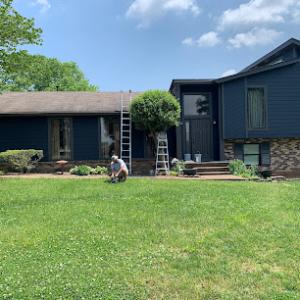
Rayo Builds TN
(615) 946-5929 www.rayoconstructionroofingllc.com
Glasgow, KY
4.9 from 98 reviews
Rayo Builds TN (formerly Rayo Construction & Roofing) is Nashville’s trusted choice for high-quality roofing and construction services. With a 4.9-star reputation built on honesty and integrity, we specialize in protecting your home with expert craftsmanship. Whether you need a full roof replacement or a new construction project, our mission remains the same: to passionately educate and serve our Tennessee community with excellence.
Integrity Roofing
(270) 473-3762 integrityroofingbowlinggreen.com
2355 Stovall Rd, Glasgow, Kentucky
4.9 from 34 reviews
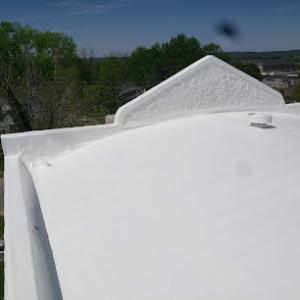
Our goal is to leave our customer happy, every time! We specialize in restoring old tar or metal and most flat roof applications. We also offer leak remediation and roof inspection Services.
Omega Commercial Roofing
(270) 774-1821 omegacommercialroofing.com
2233 Stovall Rd, Glasgow, Kentucky
4.9 from 13 reviews
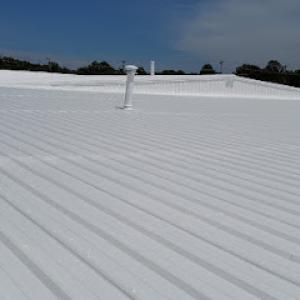
Protect your largest investment with our reliable roofing services. We are a locally owned and operated roofing company currently serving Cave City, KY and surrounding communities. If you want to make your roof last as long as possible, it is vital that you never put off a roof repair. Small issues with roofing become big issues in a hurry. No matter how major or minor the repair you need, we are here to help. We offer roofing services, commercial roofing and roof installation.

DMR Roofing
(270) 590-1198 dmrroofingky.com
113 Ensminger Dr, Glasgow, Kentucky
5.0 from 3 reviews
DMR Roofing is a full-service roofing company specializing in high-quality roof installation, repair, and replacement. With experienced technicians, premium materials, and a commitment to honest workmanship, we provide long-lasting solutions that protect your home or business. From minor leaks to full reroofs, we deliver dependable service you can trust.
Randy Jordan & Sons Roofing
(615) 491-8587 www.randyjordanandsons.com
Glasgow, KY
5.0 from 1 review
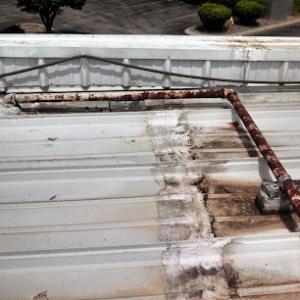
Commercial, Residential and Industrial Roof Repair on Pre-engineered Steel Buildings
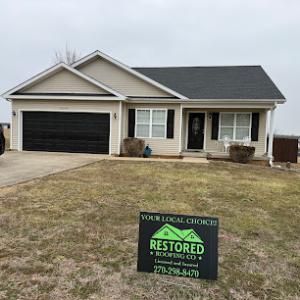
Restored Roofing
(270) 298-8470 restoredroofingky.com
Serving
5.0 from 39 reviews
Restored Roofing is your trusted partner all roofing needs. We specialize in residential roofing services, offering top-notch installations, repairs, and maintenance to ensure your property is safeguarded against the elements. Our team of skilled professionals is committed to delivering unparalleled craftsmanship and exceptional customer service. Whether it's a minor repair or a complete roof replacement, we prioritize quality and efficiency to exceed your expectations. We offer a free 5 year material and craftsmanship warranty, free inspections, and free tarping. We are accredited by the Better Business Bureau and GAF certified. We are also members of the Cave City Chamber of Commerce and the Barren County Chamber of Commerce.
Green's Roofing
(270) 781-7454 greensroofingbg.com
Serving
5.0 from 3 reviews
Green's Roofing has served Bowling Green, Warren County, and surrounding areas since 1967. During our 50 years in business, we have had the pleasure to work with many great people. Our company prides itself in professional work; our crews are respectful and honest. Green’s always works as a team on every job and provides 100% quality work.

Phalen Roofing
(270) 202-1403 www.phalenroofing.com
Serving
4.0 from 10 reviews
Phalen Roofing provides roofing and gutter services to Warren and surrounding areas.
Bowling Green Remodelers
(270) 580-1322 www.bowlinggreenremodelers.com
Serving
5.0 from 1 review
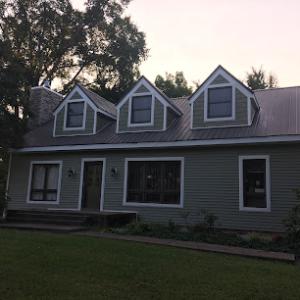
We are a full service remodeling company specializing in metal roofing, vinyl siding and vinyl replacement windows based in Bowling Green Kentucky. We offer roofs for new homes or will replace your old roof. Our vinyl siding application process is next to none and we take pride in our work while we offer a variety of siding colors. If you have old windows you are probably losing a lot of money and energy. Our vinyl replacement windows will save your heating and cooling system and save you money in the process. Plus, they look great and will improve the value of your home. We are licensed and insured. We offer free estimates and our pricing is very competitive. Call us today for a free consultation. (270) 580-1006
Breakfield Roofing Residential & Commercial
Serving
4.0 from 1 review
Top Metal Roof Repair Services in KY.
Hagan's Construction, LLC/ Metal & Shingle Roofing
Serving
Hagan's Construction, LLC has been serving Glasgow, KY and the surrounding area for over 30 years. They specialize in residential and commercial roofing, using both metal and shingle materials. Whether you're building a new home or repairing your existing roof, Hagan's Construction can help.
In Glasgow, a full roof replacement normally requires a building permit, with the local building department reviewing project scope before work proceeds. Your contractor should pull the permit and file the scope of work, including details on materials, wind uplift considerations, and any structural updates. The process helps ensure the project meets town standards and aligns with the city's storm-response expectations.
Inspections are part of the Glasgow process, and a final sign-off is typically required after completion rather than treating reroofing as a purely contractor-managed job. Expect at least one mid-project inspection to verify framing, underlayment, and proper installation of vents and flashings. A post-installation inspection ensures adherence to the approved plan and that ventilation remains adequate for Bray's humid springs.
Your roofer should coordinate with the inspector to confirm the sequence-sheathing, underlayment, and shingle or panel installation milestones. If hail or wind damage triggered the project, the inspector will look for evidence of proper repair or replacement of damaged sheathing and proper adherence to wind-resistance standards. Any deviations from the approved scope may trigger hold-ups or required amendments.
A final sign-off is typically required after completion, not a purely contractor-managed milestone. Expect the final visit to confirm roof edge details, flashing integrity, roof-to-wall connections, and drainage alignment. Once approved, the permit is closed, and you'll have documented confirmation that the project met Glasgow's regulatory expectations.
Fees and processing times in Glasgow vary with project size and department workload, which matters more during busy post-storm periods when many homeowners are trying to schedule work at once. Plan ahead if a storm has recently passed, and maintain open lines with both your contractor and the building department to avoid delays.
In Glasgow, winter freeze-thaw cycling can widen small shingle, flashing, and sealant defects that may have started during earlier storm seasons. The repeated freezing of moisture trapped in gaps pushes materials apart, creating micro-leaks that aren't obvious from the ground. Those tiny cracks and loose edges can quietly expand over a season, and a spring hailstorm or strong wind can exacerbate the existing vulnerabilities. If you've noticed a few misaligned shingles or a dab of missing sealant around vent stacks, treat it as an early warning sign rather than a fixed problem.
Summer humidity in south-central Kentucky intensifies the consequences of any leak. Drying potential after a leak is crucial because trapped moisture can worsen decking and underlayment problems before they are visible indoors. Even a small attic drip can lead to damp insulation and begin to rot decking if air movement and drying are blocked. In practice, that means you should address even modest leaks promptly and ensure there is adequate ventilation and circulation in the attic to promote evaporation and slow mold growth.
The local pattern of spring storm damage followed by humid weather means minor impact damage in Glasgow can turn into larger leak events if repairs are delayed. A temporary tarps-and-plastic fix may fail once humidity climbs, leaving the attic more vulnerable to hidden rot and wood grain swell. Prioritize timely assessment after a storm, especially if there was hail or wind-driven debris, and keep an eye on ceiling spots that appear after rain breaks. Acting early can prevent a small problem from becoming a costly repair later.
Spring in Glasgow brings the highest urgency for inspections because hail and thunderstorms can create hidden damage even when leaks are not immediate. After a storm, aim for a quick, thorough roof check within 48 to 72 hours if you can. Look for loose shingles, dented metal, lifted flashing, and granule loss in gutters. If a contractor finds damage, prioritize a documented assessment that notes shingle condition, underlayment exposure, and potential structural concerns. Early detection prevents small issues from turning into costly fixes and keeps your plans flexible as weather windows improve.
Winter snow and ice can limit crew access and make emergency repairs harder, especially on steeper residential roofs. When temperatures dip, stray ice damming can force temporary, emergency measures rather than full restoration. If a leak appears during a cold snap, focus on temporary containment: tarps and safe interior protection while coordinating a thaw-friendly repair window. Plan larger projects for a stretch when daytime highs are above freezing and crews can work safely on slopes, since lingering ice or packed snow can stall progress and complicate installation.
Summer heat and humidity can affect adhesive and underlayment performance in Glasgow, so installation timing and weather windows matter during peak heat. Aim to schedule more intensive tasks-like membrane sealing, underlayment fastening, and asphalt shingle re-lamination-during cooler mornings or late afternoons when temperatures are moderating. If a mid-summer storm is forecast, consider delaying non-urgent work to avoid heat-related material expansion and potential warranty concerns. Ensure crews have shaded staging, adequate hydration, and a plan to pause during extreme heat to protect both workers and the roof system.
Start with a spring inspection to map out repairs, then align the major work to a window with mild temperatures and low precipitation. Have a contingency plan for sudden hail events that can trigger expedited claims and rapid scheduling adjustments. Keep weather forecasts in play for at least a two-week window to finalize material selections and avoid back-and-forth delays.