
Last updated: Apr 19, 2026
Frankfort sits in the Kentucky River valley, so hillside exposure, shaded roof planes, and moisture patterns differ from flatter inland subdivisions. Many homes face the puzzle of sun on one side and persistent shade on another, which means drying times after rain are uneven and algae or moss can gain a foothold in damp spots. The result is a landscape where roof wear follows not just wind and hail, but also how often a slope stays damp through extended stretches of wet weather. For homeowners, that translates into a practical focus on drainage, ventilation, and targeted inspections after heavy rains or rapid temperature swings.
The city blends older in-town housing with newer suburban development, creating a mix of steep-slope shingle roofs, metal roofs, and higher-end slate or tile installations. Each style has its own maintenance rhythm. Steep-slope shingles benefit from regular, careful debris removal in fall and early spring to keep valleys clear and gutters from overloading. Metal roofs demand attention to fasteners and sealants at seams, especially after winter storms that push against roof edges. Slate and tile, while durable, require particular care around chimneys, dormers, and vent pipes where freeze-thaw cycles can create small fractures that worsen with moisture. The diversity of materials means a practical approach is to tailor inspections to the roof's primary surface, rather than treating every problem as a one-size-fits-all issue.
Tree cover is a practical roofing issue in Frankfort because leaf drop and shade can keep roof sections damp longer and load gutters in fall. In shaded areas, moss or lichen can take hold more quickly, and lower sun exposure slows drying after rain. That means inspections should pay special attention to roof sections beneath large trees, as well as gutters that back up with leaf litter. Gutter cleanliness becomes a defining maintenance task to prevent ice dams and water backup during thaw cycles. When trees are nearby, consider trimming to reduce continual shade and to keep the roof surface from staying wet for days after rain events.
Effective drainage begins at the roof edge and continues through the gutter system. In hillside neighborhoods, water can shed rapidly toward lower elevations and into narrow valleys, sometimes creating micro-dams at eaves or along overhangs. Ensure all gutters and downspouts are connected and directed away from the foundation. Roof ventilation is essential in moisture-prone settings; a well-ventilated attic helps keep the decking closer to a balanced temperature, minimizing condensation that can rot sheathing over time. If attic vents are blocked by insulation or debris, performance falls quickly during warm, humid spells after a storm. Periodic checks of soffit vents and ridge or in-roof vents can prevent heat buildup that accelerates wear on underlayments and fasteners.
In spring, look for wind-driven debris wedging into valleys and near chimneys, and be prepared for a few more calls after strong storms common to late winter and early spring. Fall is the critical season for leaf removal and gutter cleaning, as well as resealing any flashing around penetrations where leaves have held moisture against metal or shingles. Winter brings freeze-thaw cycles that can crack or loosen materials; pay attention to shingles near corners and along roof-to-wall transitions for any hairline cracks that could expand. Summer heat can accelerate wear on asphalt shingles and raise the risk of algae growth in shaded sections, so a mid-summer inspection helps catch areas that may need extra attention before the next storm season.
Shallow or poorly flashed joints around skylights, dormers, and vents are common failure points after storms. In the river valley, these areas endure a blend of wind-driven rain and repeated freeze-thaw cycles that pry at seals. Take a careful look at step flashing along sidewalls and at transitions where different roof planes meet. If flashing shows any lifting, corrosion, or staining, it's worth a proactive repair rather than waiting for a leak to prove the fault. Valleys-where two roof planes meet-demand especially attentive maintenance since debris can accumulate and create a concentrated water path that accelerates wear. A practical habit is to clear debris from valleys during a dry day and inspect for any signs of rust or corrosion on metal components.
Steeper roofs shed water more quickly but demand safer access and more frequent inspections for loose or missing shingles. Metal roofs can handle wind well but require attention to fasteners and the edges where panels meet. Slate and tile offer long lifespans but are unforgiving when cracked; a single damaged tile or slate can allow water to infiltrate and travel along underlayment. For asphalt shingles, watch for curling or cupping that invites moisture intrusion at edges and in valleys. A homeowner in this river valley context benefits from a regular, material-specific inspection plan, focusing on the most exposed areas first-ridge lines, eaves, and sections with the most shade.
Keep gutters and downspouts clear, especially after leaf-fall season and before freeze-thaw cycles. Schedule two targeted inspections each year: one after winter storms and one during late summer or early fall, just ahead of the peak leaf drop. Prioritize flashing integrity around chimneys, dormers, skylights, and vent pipes, since these points collect moisture and can be the first signs of trouble after a freeze-thaw cycle. Consider trimming branches that overhang the roof to reduce repetitive leaf buildup and damp shading. When a storm leaves visible damage or a pattern of dampness on shingles, address it promptly with a diagnostic check to prevent more extensive water intrusion later in the season. This steady, location-aware maintenance approach helps protect the unique Frankfort roofscape against the river valley's challenging mix of exposure, moisture, and seasonal swings.
Residents of this river valley town know storms don't come with a single flavor. Spring hail and fast-moving winds can hammer shingles and flatten out weak flashing, while the following winter's freezing and thawing splits becomes the real test. Small defects-loose flashing, cracked sealant, or a single curled shingle-can explode into active leaks after a rough storm sequence. On north-facing or shaded slopes, moisture-related deterioration can appear earlier, even when the sun-soaked sides show more granule loss and UV wear. In this climate, a roof isn't just outdoor covering; it's a corrosion map of the weather's moods, and neglect today means more expensive fixes after the next thaw.
Temperature swings around freezing are especially hard on flashing joints, sealants, exposed fasteners, and older shingles that have already lost flexibility. When hail rattles a roof, gaps widen. Freeze-thaw cycles push water into those gaps, then expand with each freeze, turning micro-leaks into active drips. On older shingles, granules shed faster in sun-heavy areas, reducing durability where you rely on UV resistance most. The result is a roof that looks fine at a glance but leaks under the weight of a strong wind-driven storm or a sudden freeze.
Because the city sees both summer heat and winter cold, roofs often show mixed aging patterns: granule loss and UV wear on sun-heavy slopes, with moisture-related deterioration on shaded slopes. A common scenario is a sun-facing peak with brittle edges, paired with a cooler, damp side where shingles lift and flashing corrodes. This uneven aging creates unforeseen weak points in gutters, valleys, and around penetrations like vent pipes and vents. If one section already shows wear, the adjacent sections may be close behind-making early detection crucial.
You can act now to blunt the impact of storms and freeze-thaw cycles. After a heavy storm, walk the roof only if it's safe and you have a stable ladder and a helper. Look for loose shingles, torn edges, lifted flashing, and peeling sealant around vents and skylights. Check for granule buildup in gutters and downspouts, which signals accelerated wear. In the attic, inspect for daylight above the decking or any signs of moisture that don't align with recent rain. Schedule a professional roof assessment if you notice curling edges, recurring leaks, or damp insulation. Quick temporary fixes-like resealing obvious gaps and securing loose flashing-can buy you time, but a proper repair is essential to prevent further damage from the next freeze-thaw cycle.
Call a local roofer promptly if you observe recurring leaks after storms, extensive flashing gaps, or obvious ice dam formation on the overhangs. A professional can reflash vulnerable joints, replace aging shingles on the affected slope, and reseal penetrations to stop ongoing seepage. In this climate, proactive maintenance beats reactive repair, especially after a harsh spring storm followed by a cold snap.
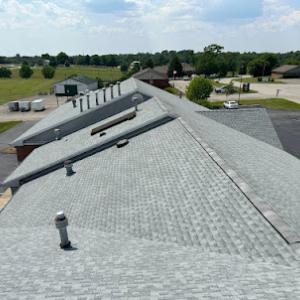
Own Restoration
(866) 493-7738 ownrestorationky.com
215 Noel Ave, Frankfort, Kentucky
4.9 from 106 reviews
In Lexington, KY, Own Restoration offers professional shingle roofing installation services. With GAF shingles, our expert shingle roofers provide long-lasting solutions for both roof installation and repair. For reliable roofing services, Protect your home with expert roofing and gutter services you can trust. We offer new roof installation, storm damage roof repair, gutter installation, and gutter repair. Our skilled team focuses on quality workmanship, timely service, and long-lasting results tailored to your needs. Whether it’s an emergency repair or a full roof upgrade, we deliver exceptional service every time. Contact us today to safeguard your home in Lexington, KY, and Frankfort, KY.
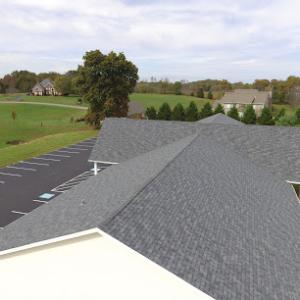
Paramount Roofing
Frankfort, Kentucky
4.6 from 39 reviews
Paramount Roofing is a locally owned and operated roofing contractor in Frankfort, KY. We have been serving the community since 2002 and offer a wide range of roofing services, including commercial and residential roofing. We are committed to providing our customers with high-quality workmanship, competitive pricing, and excellent customer service. Contact us today for a free quote!
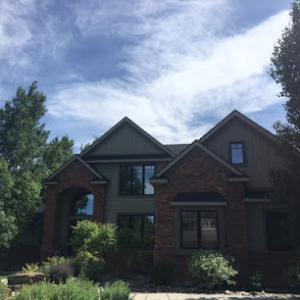
Built Wright Homes & Roofing
(270) 215-4654 builtwright.com
Serving
5.0 from 54 reviews
Built Wright Homes and Roofing, is a widely known Owens Corning Certified construction company specializing in Roofing, Siding, Gutters, Windows, and Painting. We specialize in all phases of construction as well as Insurance claims
Dynamic Restoration
(866) 242-1832 www.dynamicrestorationky.com
2855 Louisville Rd, Frankfort, Kentucky
3.0 from 2 reviews
At Dynamic Restoration, we perform both residential and commercial work. If you’re looking for a dependable and organized contractor to help with your residential or commercial project, give us a call today. We’ll have one of our qualified reps work with you to ensure satisfaction every step of the way. NEW CONSTRUCTION SIDING WINDOWS & DOORS ROOFING PORCHES & DECKS SIDING INTERIORS

Empire Restoration
Serving
5.0 from 220 reviews
Located in the heart of Georgetown, KY, Empire Restoration specializes in roofing repairs & installations across the Bluegrass. With 45+ years of combined experience, we’re proud to be a local leader in residential and commercial roofing services. We also provide expert siding and gutter repairs, replacements & installations. We Offer: - Free Inspections - 10-Year Labor Warranty on Roofs - Certified Insurance Adjusters on Staff - No Money Down to Start Your Project - We work directly with your insurance company to help you maximize your policy benefits and relieve the financial stress that can come with storm damage. When you need reliable roof repairs or replacements in Georgetown, count on Empire Restoration for quality service!
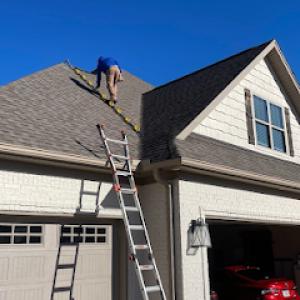
Bluegrass Roofing & Consulting
(859) 710-6602 www.bluegrassroofingandconsulting.com
Serving
4.9 from 161 reviews
Bluegrass Roofing & Consulting is a trusted veteran, first responder, and family-owned Roofing company serving Lexington, Georgetown, Louisville, Versailles, and Central Kentucky. Fully licensed, insured Owens Corning Preferred Contractors with BBB certification, we provide expert residential and commercial roofing services: repair, installation, replacement, inspections, gutters, and window installation services. Backed by our BGR Clean Guarantee, workmanship warranties, and 24/7 emergency response, we prioritize craftsmanship and customer satisfaction. Military, veterans, and first responders get 5% off (up to $500). Financing available. Call (859) 619-0294 for your free inspection today!
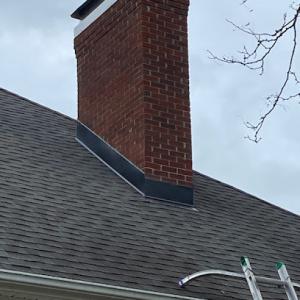
Knockout Exteriors - Roofing, Chimney, Siding, Repair Contractor
(859) 600-2141 www.knockoutexteriorsky.com
Serving
5.0 from 44 reviews
Knockout Exteriors provides sophisticated home exterior services, including Roofing, Windows, Siding, Gutters, Chimneys, and Repairs. We work with homeowners, contractors, home renovators, interior designers, and more. We proudly serve Central Kentucky, including Frankfort, Richmond, Berea, Lexington, Georgetown, Danville, Winchester, Mount Sterling, Shelbyville, and Nicholasville, Kentucky. Call today for a Free Estimate, with 24/7 emergency service and a lifetime workmanship warranty!
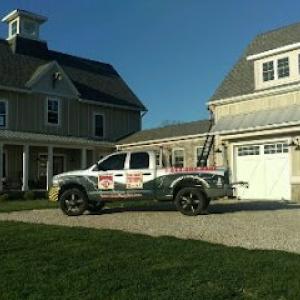
home concepts ROOFING
(502) 316-5719 www.hcroofsforacause.com
Serving
4.8 from 148 reviews
Me, ( James Heath ) as a 4th generation contractor and 2nd generation roofing contractor says quite a bit right there!! I learned from my father and grandfather at a very young age while just being the grunt and picking up trash. Your word is your bond and the quality of your work is your brand. So I've taken what I've learned from my family then the years I've been around other companies to build the foundation of my company. Actual honesty!! Actual integrity!! Then actual caring for all of my customers with the highest customer service I can offer.
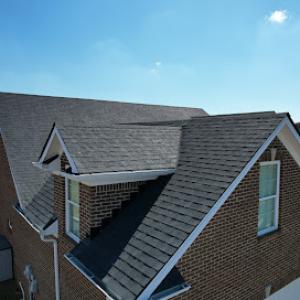
Pegasus Roofing & Construction
(502) 642-4051 www.buildwithpegasus.com
Serving
4.9 from 79 reviews
Pegasus Roofing and Construction - Your Trusted Partner in Roofing and Gutters. At Pegasus Roofing and Construction, we pride ourselves on providing top-notch roofing and construction solutions to meet all your residential and commercial needs. We prioritize client satisfaction and take pride in exceeding expectations. From start to finish, we communicate transparently, maintain a clean and organized work environment, and uphold the highest standards of safety and quality. When you choose to build with Pegasus Roofing and Construction, you're choosing excellence and reliability. Let us build for all your roofing and gutter needs!
Primetime Roofing & Contracting
(859) 595-2940 primetimeroofingandcontracting.com
Serving
5.0 from 87 reviews
At Primetime Roofing & Contracting, we pride ourselves on providing top-quality roofing services to the residents of Winchester, KY and surrounding areas. With a team of experienced professionals and a commitment to customer satisfaction, we offer expert roof installation, repairs, and replacement services. Trust us for all your roofing needs.
United Contracting
(859) 559-2244 unitedcontractingky.com
Serving
4.9 from 357 reviews
At United Contracting, we proudly serve Jeffersontown, KY and surrounding areas with expert roofing, siding, and masonry services. From shingle replacement and ventilation upgrades to siding anchoring and moisture damage repair, we ensure your home stays protected and energy-efficient. Our skilled bricklayers handle chimney repairs, fireplace rebuilds, repointing, and waterproof masonry sealing with precision. Whether you're dealing with storm damage or planning a full roof and siding replacement, our team is ready to deliver lasting solutions. Call today for a free assessment.
Pinnacle Roofing
(859) 800-7663 pinnacleroofingteam.com
Serving
5.0 from 166 reviews
For over a decade, Pinnacle Roofing has served Lexington and central Kentucky as the go-to roofing contractor, consistently delivering exceptional roofing solutions to both residential and commercial clients. Led by a team of highly skilled and GAF Master Elite Two Star President's Club certified craftsmen, Pinnacle Roofing ensures every project is handled with precision and expertise. Our unwavering commitment to quality and customer satisfaction has earned us esteemed recognition as Google Guaranteed and an A+ rating from the Better Business Bureau, solidifying our trusted reputation among residents of Lexington and central Kentucky. Veteran-owned!
In this river-valley climate, spring and fall offer the most reliable window for roof work. You avoid the extreme heat of summer, which can soften asphalt shingles and slow installation, and you dodge the harsh winter cold that makes materials brittle and crew schedules unreliable. Spring brings milder temperatures that help seal and fasten underlayment without the risk of overheating adhesives. Fall temperatures tend to be steady enough to complete projects before the first hard freezes, reducing the chance of weather-related delays. For hillside neighborhoods and tree-shaded streets where debris is common, those shoulder-season windows also minimize disruption from ongoing yard cleanup and storm cleanup teams.
Spring in this area often comes with a flurry of storm activity that can fill calendars quickly. After a heavy storm passes, many homeowners start inquiries at once, and local inspectors and crews see tighter availability. If a roof is aging or showing early wear, waiting for a lull in spring demand is rarely the best plan. Instead, align replacement or major repairs with a calm stretch in late spring or early summer, before the heat climbs and before summer storms surge again. Put a practical emphasis on booking a window for work that avoids the peak of summer heat, but also beats the fall rush when schools start and families settle into routines. Coordinating with a trusted local contractor who tracks weather patterns and seasonal demand can help lock in a start date that won't push the project into a rushed autumn schedule.
A roof with years of service behind it often needs attention that isn't weather-dependent in isolation but is influenced by seasonal timing. If shingles are curling, missing, or showing signs of wear after freeze-thaw cycles, planning ahead matters. Edges and flashing can deteriorate quietly, and a mid-spring or early-fall inspection can reveal hidden damage that becomes costly if a winter storm hits. In Frankfort's valley climate, timing around both weather and the cadence of inspections is crucial. A proactive approach means scheduling inspections for the window just before the most demanding seasonal transitions, so repairs or replacements can proceed without weather-induced delays or congestion.
To stay ahead of issues, set up a simple seasonal routine. In late winter, have a contractor perform a detailed roof health check focusing on fascia, flashing, and drainage scuppers, then plan any necessary repairs for spring. In early fall, verify that roof drainage is clear and that gutters are secure to handle leaf buildup and potential autumn storms. After a spring storm, quickly assess for hidden damage and address it before summer heat amplifies any weaknesses. This practical rhythm keeps a roof in good condition through the river valley's combined pressure of freeze-thaw cycles and recurrent storms, while avoiding the most disruptive periods for installation and access.
Asphalt shingles remain the common choice because they fit many Frankfort housing stock profiles and align with typical budget considerations. In this river-valley climate, asphalt shingles are susceptible to hail bruising, wind lift, and accelerated aging when exposures are hot and prolonged. If you choose them, opt for a higher wind-resistance rating and thicker asphalt (architectural) to improve durability. Regular maintenance after storms-especially checking for lifted edges, bruised panels, and attic condensation-will help catch problems before leaks start. In hillside neighborhoods with tree cover, ensure proper overhangs and leaf-free gutters to prevent accelerated deterioration from trapped moisture.
Metal is a strong regional fit for shedding water and handling temperature swings, which are routine in the valley climate. If you go metal, pay attention to the details where the roof meets walls, penetrations, and vent pipes. Freeze-thaw cycles can stress fasteners and seams, so use corrosion-resistant fasteners and a proven panel connector system. A solid underlayment and sealant around skylights or dormers reduce potential cold-weather leaks. Metal's reflective surface can help with heat gain in summer, but the reflective coating should be matched to the local climate and aging expectations. For existing homes, professional sealing and flashing upgrades often yield the most reliable long-term performance.
Slate, clay tile, concrete tile, and synthetic/composite products appear on higher-end or architecturally distinctive homes. These choices bring aesthetic appeal and strong structural credentials, but local decision points are real. Structural load matters: slate, clay, and concrete tiles are heavier and may require roof framing upgrades. Labor for installation and repairs is often specialized, which affects maintenance timing and compatibility with existing flashing details. In freeze-thaw conditions, expansion and contraction at ridge lines and around penetrations demand precise installation. Synthetic or composite alternatives can soften some of the weight concerns while offering longer warranty terms and easier repairs, but still require careful matching to the existing roofline. When considering these options, plan for consistent, color-matched repairs that respect the home's architectural lines and surrounding tree canopy.
Across all materials, the emphasis remains on drainage, proper flashing, and timely attention to wind-driven damage after storms. Choosing a material that balances performance with the home's construction, neighborhood style, and long-term maintenance expectations will help ensure your roof stands up to both hail events and the valley's freeze-thaw cycles.
Provided average material ranges are Asphalt Shingles 320 to 640 USD per square, Metal Roofing 700 to 1200, Clay Tile 850 to 1350, Concrete Tile 900 to 1500, Synthetic/Composite Shingles 500 to 900, and Slate 1500 to 2800. In Frankfort, those numbers can shift by supplier, but they give a tight baseline for budgeting after a hail or wind event. Flat terrain systems often land toward the lower end, while hillside homes with long runs or multiple pitches tend to push you toward the upper end. On older structures, where slopes and complexity are common, expect material costs to run higher before labor begins.
Frankfort cost swings are influenced by roof complexity on older homes, steep slopes common on traditional residential architecture, and access challenges on hillside lots or tightly spaced in-town properties. A simple gable on a ranch may stay near the low to mid part of the range, but a multi-hipped roof with several valleys and a tall peak can add significant waste, more flashing, and extra edging. Access challenges slow crews down, meaning more hours and potentially more equipment rental. If the attic is tight or there are limited staging areas, estimate a higher overall price even before material choice.
Regional storm demand can push labor availability and scheduling pressure higher after hail or wind events, while specialty materials like slate or tile can require harder-to-source matching pieces and more specialized crews. In Frankfort's river-valley climate, freeze-thaw cycles stress roof joints and fasteners, so fast-follow repairs after a hail event may cost more due to urgent disposal, careful debris removal, and more meticulous resealing around penetrations. If slate or clay tile is chosen to match historic sections, the price can jump toward the upper ends of those ranges, especially when exact color and texture matching is needed.
Start with a realistic assessment of roof complexity and slope when choosing materials. If the budget leans toward longer-term durability, synthetic or metal options may reduce the risk of frequent repairs after freeze-thaw cycles, but still price out higher per square than asphalt. For aging homes with visible wear and patched regions, allocate a contingency for matching pieces and precision flashing work, particularly in areas with heavy tree coverage where storm debris is common. In tight urban lots, plan for access equipment and staging space when scheduling replacement windows to minimize disruption to neighboring properties.
In this hillside, river-valley setting, a full roof replacement in Frankfort typically requires a building permit rather than treating it as a no-process job. The city wants to see the plan, materials, and workmanship approach before any shingle is lifted. Expect the permit to be tied to the property address, not just the contractor's paperwork.
The city's building department reviews the application and may ask for contractor license verification and project details before issuing the permit. Have your contractor ready to provide licensing, insurance, and a brief matter-of-fact outline of the scope, including how weather will be managed across cycles that bring freeze-thaw stress and storm risk. It is wise to anticipate a short back-and-forth and adjust schedules accordingly.
Homeowners should expect two inspections in Frankfort-one during the work and a final inspection after completion-and permit handling can be tied to the property address, so inspection appointment windows should be built into the schedule. The during-work inspection checks tear-off safety, drainage setup, and shingle installation progress, while the final inspection confirms roof venting, flashing, and proper seal against valley and eave water. Build in time for possible weather delays that affect timing and access.
Because drainage and wind exposure are prominent in valley neighborhoods, an informed contractor will plan around permit timelines so that the project doesn't linger. Ensure access to the attic for early inspection items and keep the site tidy to satisfy inspectors who will look at debris, containment, and corrective actions quickly. If a permit lapses, Frankfort can require renewed review, so align your schedule with the department's calendar. That keeps you out of surprise holds and ensures the job can proceed when storms threaten even during late winter.
When a storm season hits, homeowners notice how quickly a simple shingle lift or a loose ridge vent becomes a bargaining point with an insurer. In this river-valley climate, wind from passing storms, hail pummeling exposed elevations, and ice damming during freeze-thaw cycles test every roof slope and flashing. Those forces push claims toward either repair or full replacement, with outcomes often decided by the storm's intensity and the roof's age and material.
Adjuster site visits are common, so homeowners should document every roof slope, metal accessory, gutter line, and any interior leak evidence before temporary repairs change the scene. A clear photo trail saves questions later and helps establish pre-storm conditions. Keep a simple log of dates, names, and the items inspected; this makes it easier to compare estimates to what actually exists at the time of review.
Because some carriers have tightened depreciation rules or coverage terms, Frankfort homeowners need contractor estimates and photo documentation that align closely with actual policy language. In addition, align the scope of work with the insurer's terminology so that a later review does not reread the file. When in doubt, request a copy of the applicable depreciation schedule and the specific coverage clauses that apply to wind, hail, and freeze-thaw damage. Document every claim step and review promptly with your broker every time.
Frankfort's established neighborhoods sit in a river valley that feeds heavy tree cover onto roofs and gutters. Mature oaks, maples, and ash branches regularly brush against shingles and sit above you for much of the year. That shade keeps roof surfaces damp longer after rain or snow, which slows drying and invites moss and algae along the eaves. In practice this means blocked gutters and slowed drainage are common culprits for ice dam formation and splashback onto siding. You'll notice more debris after storms or in late fall, so plan for frequent cleanup and a sturdy gutter system that can handle leaf loads without sagging.
Older homes in these hills often feature layered repairs, aging decking, or flashing details that don't easily mesh with modern reroofing methods. When you upgrade, anticipate some integration challenges: present flashing may require additional benched or step flashing work, and decking substitutions can affect nail patterns or shingle fastener locations. The practical takeaway is to map every flashing transition-chimneys, vent stacks, valleys-and verify compatibility with the chosen roof system. If decking has soft spots or pronounced unevenness, address those before covering them to prevent hail damage penetration or tile misalignment.
Leaf and debris buildup in fall is a recurring local maintenance issue because blocked gutters can back water up at eaves just before winter freezes arrive. Direct your cleaning schedule to times when maples and oaks shed most heavily, and don't neglect downspouts that feed into the bottom of the slope. A robust gutter screen or splash apron helps, but you still want periodic manual removal for stubborn clogs. After a heavy clean, inspect gutter hangers and corner joints for any looseness that could worsen under wind or thaw cycles.
Start with a fall gutter and roof inspection, focusing on flashing seams, valley intersections, and deck patches. Track any damp spots on ceilings inside the attic that appear with heavy rain or quick freezes, which can signal hidden moisture intrusion. Keep a simple seasonal maintenance routine: twice-yearly roof checks, plus after major storms, to stay ahead of damage from tree limbs and freeze-thaw cycles.