
Last updated: Apr 19, 2026
In Georgetown, spring storms and strong transitional-season wind events are a primary trigger for lifted shingles, rain intrusion, and urgent leak calls. The wet Kentucky climate, mixed residential stock, and shallow roof ridges mean that even a routine gust can peel back edge shingles or loosen hips and valleys. You'll notice granule loss in storm debris, exposed underlayment, and sudden dark streaks where moisture has penetrated. This isn't a theoretical risk-it's a seasonal pattern that drives rapid post-storm visits from local crews and insurers alike. Being vigilant after each windy or rainy period helps keep damage contained and reduces the chance of widespread interior leaks.
Kentucky roof claims commonly center on wind and hail, and Georgetown homeowners are often asked by carriers for roof-age records, dated photos, and a contractor damage estimate before claim approval. That means you should be prepared with a concise timeline: photos from before the event, clear evidence of new damage after the storm, and a dated, professional assessment that shows what the storm damaged and what remains structurally sound. The messaging from adjusters often emphasizes urgency, so having a ready, independent damage estimate helps the process move faster and reduces back-and-forth. If a carrier asks for age or prior condition, be ready to document with third-party records and a professional opinion that distinguishes storm damage from wear-and-tear. Expect some requests to focus on roof sections most exposed to wind-driven rain, such as ridge caps, dormers, and valleys, where leaks tend to show up first.
Because local contractor signals heavily favor emergency repair, storm damage, and insurance claims, homeowners in Georgetown are shopping first for rapid post-storm response rather than purely elective upgrades. When a roof is compromised, the priority is timely protection of the home: tarping exposed sections, securing loose flashing, and implementing temporary containment to prevent interior damage. Start conversations with reputable, locally trusted roofers who are known for quick mobilization, clear communication, and documentation-ready estimates. Ask for before-and-after photos, a written damage assessment, and a staged plan that includes immediate repairs followed by comprehensive restoration if the claim is approved. Favor crews who can coordinate directly with the insurer, provide a detailed measurements package, and show licensing and current insurance coverage. The goal is to minimize additional weather exposure while the claim is processed.
Keep a current set of dated, high-resolution photos from a recent dry period for comparison. Save any communications from your insurer about required documents and timelines, and request a copy of the field report from the contractor after the initial assessment. If a wind event hits, document any displaced shingles, torn underlayment, and compromised flashing with close-up shots and overall roof views. When choosing a contractor, prioritize established local teams with storm-response experience, transparent scheduling, and a written contingency plan that aligns with insurer expectations. Establish a preferred supplier list in advance so that, when spring winds arrive, the path from injury to mitigation is swift, clear, and focused on protecting the home first and setting up the proper insurance-backed mitigation plan next.
Find local contractors experienced in assessing and restoring roofs after hail, wind, and severe weather events.

Empire Restoration
224 Morales Wy, Georgetown, Kentucky
5.0 from 220 reviews
Bluegrass Roofing & Consulting
(859) 710-6602 www.bluegrassroofingandconsulting.com
151 Southgate Dr, Georgetown, Kentucky
4.9 from 161 reviews
Pegasus Roofing & Construction
(502) 642-4051 www.buildwithpegasus.com
1240 Paris Pike, Georgetown, Kentucky
4.9 from 79 reviews

Empire Restoration
224 Morales Wy, Georgetown, Kentucky
5.0 from 220 reviews
Located in the heart of Georgetown, KY, Empire Restoration specializes in roofing repairs & installations across the Bluegrass. With 45+ years of combined experience, we’re proud to be a local leader in residential and commercial roofing services. We also provide expert siding and gutter repairs, replacements & installations. We Offer: - Free Inspections - 10-Year Labor Warranty on Roofs - Certified Insurance Adjusters on Staff - No Money Down to Start Your Project - We work directly with your insurance company to help you maximize your policy benefits and relieve the financial stress that can come with storm damage. When you need reliable roof repairs or replacements in Georgetown, count on Empire Restoration for quality service!
Bluegrass Roofing & Consulting
(859) 710-6602 www.bluegrassroofingandconsulting.com
151 Southgate Dr, Georgetown, Kentucky
4.9 from 161 reviews
Bluegrass Roofing & Consulting is a trusted veteran, first responder, and family-owned Roofing company serving Lexington, Georgetown, Louisville, Versailles, and Central Kentucky. Fully licensed, insured Owens Corning Preferred Contractors with BBB certification, we provide expert residential and commercial roofing services: repair, installation, replacement, inspections, gutters, and window installation services. Backed by our BGR Clean Guarantee, workmanship warranties, and 24/7 emergency response, we prioritize craftsmanship and customer satisfaction. Military, veterans, and first responders get 5% off (up to $500). Financing available. Call (859) 619-0294 for your free inspection today!
Pegasus Roofing & Construction
(502) 642-4051 www.buildwithpegasus.com
1240 Paris Pike, Georgetown, Kentucky
4.9 from 79 reviews
Pegasus Roofing and Construction - Your Trusted Partner in Roofing and Gutters. At Pegasus Roofing and Construction, we pride ourselves on providing top-notch roofing and construction solutions to meet all your residential and commercial needs. We prioritize client satisfaction and take pride in exceeding expectations. From start to finish, we communicate transparently, maintain a clean and organized work environment, and uphold the highest standards of safety and quality. When you choose to build with Pegasus Roofing and Construction, you're choosing excellence and reliability. Let us build for all your roofing and gutter needs!
home concepts ROOFING
(502) 316-5719 www.hcroofsforacause.com
216 Pocahontas Trail, Georgetown, Kentucky
4.8 from 148 reviews
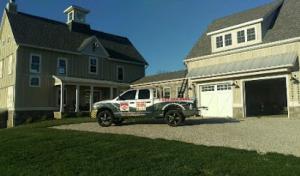
Me, ( James Heath ) as a 4th generation contractor and 2nd generation roofing contractor says quite a bit right there!! I learned from my father and grandfather at a very young age while just being the grunt and picking up trash. Your word is your bond and the quality of your work is your brand. So I've taken what I've learned from my family then the years I've been around other companies to build the foundation of my company. Actual honesty!! Actual integrity!! Then actual caring for all of my customers with the highest customer service I can offer.
Knockout Exteriors - Roofing, Chimney, Siding, Repair Contractor
(859) 600-2141 www.knockoutexteriorsky.com
Serving
5.0 from 44 reviews
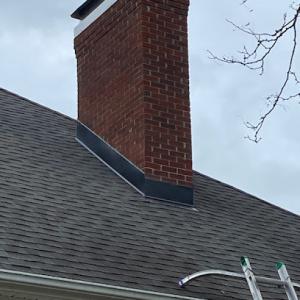
Knockout Exteriors provides sophisticated home exterior services, including Roofing, Windows, Siding, Gutters, Chimneys, and Repairs. We work with homeowners, contractors, home renovators, interior designers, and more. We proudly serve Central Kentucky, including Frankfort, Richmond, Berea, Lexington, Georgetown, Danville, Winchester, Mount Sterling, Shelbyville, and Nicholasville, Kentucky. Call today for a Free Estimate, with 24/7 emergency service and a lifetime workmanship warranty!
Reliable Residential Roofing
(859) 423-0952 www.reliableresidentialroofing.com
Serving
4.9 from 125 reviews
Reliable Residential Roofing provides roofing and gutters including new construction, replacements, repairs, and restorations in the Lexington, KY, area.
Best Choice Roofing
(859) 724-6104 bestchoiceroofing.com
Serving
4.7 from 107 reviews
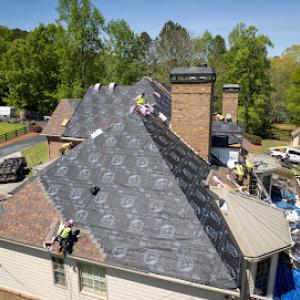
Best Choice Roofing is your trusted roofing expert and the Best Choice when it comes to choosing a roofing company with a commitment to impeccable customer service in the Lexington, KY area. In business since 2009, Best Choice Roofing’s industry-leading contributions to the roofing industry include a customer-first mentality, a dedication to top-quality products and a leadership team focused on the growth of its people. Because of this framework, we have created a loyal base of customers all over the United States.
United Contracting
(859) 559-2244 unitedcontractingky.com
Serving
4.9 from 357 reviews
At United Contracting, we proudly serve Jeffersontown, KY and surrounding areas with expert roofing, siding, and masonry services. From shingle replacement and ventilation upgrades to siding anchoring and moisture damage repair, we ensure your home stays protected and energy-efficient. Our skilled bricklayers handle chimney repairs, fireplace rebuilds, repointing, and waterproof masonry sealing with precision. Whether you're dealing with storm damage or planning a full roof and siding replacement, our team is ready to deliver lasting solutions. Call today for a free assessment.
Pinnacle Roofing
(859) 800-7663 pinnacleroofingteam.com
Serving
5.0 from 166 reviews
For over a decade, Pinnacle Roofing has served Lexington and central Kentucky as the go-to roofing contractor, consistently delivering exceptional roofing solutions to both residential and commercial clients. Led by a team of highly skilled and GAF Master Elite Two Star President's Club certified craftsmen, Pinnacle Roofing ensures every project is handled with precision and expertise. Our unwavering commitment to quality and customer satisfaction has earned us esteemed recognition as Google Guaranteed and an A+ rating from the Better Business Bureau, solidifying our trusted reputation among residents of Lexington and central Kentucky. Veteran-owned!
Apex Roofing of Greater Kentucky
(859) 523-2739 www.apexroofingky.com
Serving
4.9 from 91 reviews
Apex Roofing of Greater Kentucky is proud to serve the residents of our great state and its surrounding areas. We pride ourselves on providing efficient, hassle free service while using only the best materials available and never cutting corners in the production process.
Regal Contracting
Serving
5.0 from 26 reviews
Roofing Contractors office@theregalcontracting.com
AIC Roofing & Construction
Serving
4.9 from 652 reviews
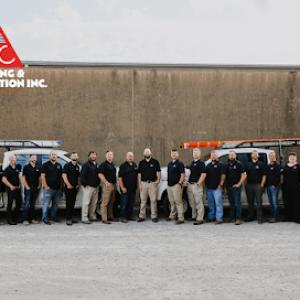
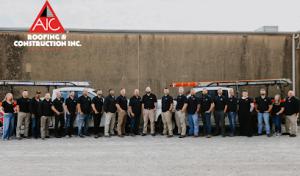
AIC Roofing & Construction is a certified GAF Master Elite contractor that has built a reputation by providing the highest quality roofing replacements and repairs in the Central Kentucky area. We work diligently with our suppliers to negotiate the best prices which enables us to provide a first rate installation at a competitive price. Our business model is to deliver the same high quality work, day after day, job after job. Whether it’s a simple repair or a complex replacement, we always follow the step-by-step process we have developed for resolving various job specific details. By doing so we greatly reduce the chance for an installer or repair tech to make a mistake.
Georgetown's combination of hot summers, cold winters, and spring through fall moisture means timing your reroofing project matters as much as the materials you choose. The goal is to minimize exposure to rain while ensuring sealants cure properly and underlayment and decking stay dry during installation. Shoulder seasons-late spring and early fall-offer the most workable balance between manageable moisture and outdoor worker comfort, reducing the chance of resuming work after a surprise shower and giving crews time to address lingering moisture before winter hits.
After the last freeze and thaw cycle, late March into May is typically your most predictable window for planned reroofs. By then, wet snowmelt is mostly behind, and the daily temperatures begin to stay above freezing without the peak heat that comes later. But spring comes with its own weather quirks: sudden squalls, high humidity, and lingering dew. Plan for a week or two of drying time after roof removal and before final sealing, especially on shaded slopes where moisture lingers. If your property has extensive tree cover, expect more drying time and potential debris cleanup; scheduling a mid-week burst of work can help keep crews on track between passing fronts.
Georgetown's hot, humid summers accelerate asphalt aging and invite algae growth on shaded slopes. If a summer roof replacement is necessary, target the early part of the season, ideally before peak heat and humidity set in. Ensure crews bring shade, water, and breathable underlayment that won't trap heat or moisture against the deck. Provide surface protection for any nearby landscaping and plan for a longer thumbnail period of detail work in late afternoon when temperatures begin to dip. Pay attention to attic ventilation beforehand; a retrofit or temporary boosts to venting can reduce cosmetic staining on new shingles and help sealants cure evenly in high humidity.
Winter brings central Kentucky's characteristic freeze-thaw stress, and that can widen small defects in shingles and flashing sealants into leaks by late winter or early spring. If reroofing must occur then, schedule for the coldest days to be kept out of the timeline, and focus on projects that can proceed with minimal moisture exposure, such as deck preparation and flashing install before major shingle reuse. Use a winter-friendly adhesive and fasteners designed for lower temperatures, and build in a contingency for tempo delays caused by snow, sleet, or salt runoff from driveways.
Asphalt shingles remain the practical default in this market, but the city's humid summers and freeze-thaw winters push you to think beyond the date on the package. Granule loss becomes more visible after a storm season, sealant fatigue can show up where pounding rains and gusty winds beat against the attic entry, and algae staining can darken roofs left exposed to moist air and shade. When selecting asphalt, look for high-heat bonding and algae-resistant features, and choose a shingle with a robust wind rating that suits the typical Kentucky gusts. A shallow pitch or the common residential roofs in this area benefits from upgraded underlayment and a well-sealed drip edge to reduce infiltration during sudden downpours. If you anticipate frequent storm-driven repairs, pairing asphalt with a higher-grade sealant and periodic washing can extend performance without abandoning a familiar material.
Metal roofing has a meaningful local presence and is often considered by homeowners weighing wind performance and maintenance in a storm-aware market. In this climate, metal panels can shed rain quickly and resist impact better than some alternatives, which helps during heavy downpours and hail events. Look for concealed fasteners or properly sealed exposed fasteners to minimize sealant failure at joints, and ensure the metal has a corrosion-resistant coating suitable for the humidity and occasional road salt exposure in winter. The weight is moderate and the installation tolerates sustained wet conditions, but structure checks are still essential to confirm attic framing and deck support. If chemical exposure from nearby roadways or industrial activity is a concern, ask for coatings designed to resist staining while preserving the roof's reflective properties to curb heat buildup in summer.
Clay and concrete tile are available in this market but require attention to structural load and breakage risk. These tiles offer interior insulation benefits and long service life, yet they demand a solid supporting frame and careful installation to withstand freeze-thaw cycles. In windy periods, proper anchoring and secure fastening reduce the chance of tiles moving or cracking under gusts. Consider color choices and surface textures that discourage algae growth and make it easier to identify moss or lichen early. Not every home bundle is a fit for tile; homes with shallow pitches or older framing may need reinforcement or a lighter-weight alternative. For a reroof where durability and curb appeal align, tile can be a striking option if the existing structure can carry the weight and protect moisture-driven wear.
Wood products are less common and more exposed to moisture-related wear in Kentucky's wet climate. If a historic look or natural texture is desired, expect more vigilance against moisture ingress, faster wear from humidity, and potential fungus or rot in shaded areas. Proper spacing, air flow, and a high-quality preservative treatment help extend life, but routine maintenance remains a factor. Synthetic or composite shingles offer a lower moisture burden and can mimic the appearance of wood while delivering better resistance to warping or staining in wet seasons. When weighing this path, consider local storm history, as synthetic options may provide a good balance of aesthetics and durability without the woody vulnerability to damp air.
Georgetown reroof pricing should be framed around the provided per-square ranges, with asphalt shingles generally at the lower end of the local market and tile systems at the upper end. When you budget, think in terms of squares (100 square feet). For asphalt shingles, estimate roughly 350 to 700 USD per square, while metal runs about 600 to 1100 USD per square. Clay tile commonly lands between 900 and 1800 USD per square, concrete tile 800 to 1500 USD per square, wood shingles or shakes 500 to 1000 USD per square, and synthetic or composite shingles 450 to 900 USD per square. In practical terms, a straightforward asphalt reroof on an average two-story home tends to be easier to price than a clay tile or metal system, which carry both material and installation complexities that push the bottom line higher.
Costs in Georgetown can rise after regional storm activity when emergency demand surges and crews are pulled toward repair and insurance work before scheduled replacements. In the wake of a heavy event, you'll notice not just higher material costs but also a scramble for skilled labor, extended lead times, and more frequent site repairs. If your roof is sound enough to wait, plan for the more typical pricing window; if you've had wind or hail exposure, anticipate a temporary premium on both materials and crews as local markets respond to higher demand. This dynamic means that a replacement planned in a calm stretch may end up costing less than a rushed project following a storm, even if the weather window is tighter in the latter scenario.
Material selection drives the most visible difference in price, but installation realities in Georgetown matter as well. Asphalt shingles stay popular for good reason: they're durable enough for the freeze-thaw cycle and moisture of the region, with predictable pricing that sits near the lower end of the spectrum. If you're choosing a tile or metal system, be prepared for faster installation timelines and potentially higher tear-off complexity, which translates into higher final pricing. Clay and concrete tiles, while offering longevity, add weight and wind-resistance considerations that drive both labor and structural checks during inspection. Wood shingles/shakes bring a distinct look and moderate price but require extra attention to moisture exposure and ventilation corrections found during inspection, which can influence the final bid. Synthetic or composite shingles offer a middle ground in both cost and performance, often balancing storm resilience with installation ease.
Get a clear picture of your project costs upfront - no commitment required.
home concepts ROOFING
(502) 316-5719 www.hcroofsforacause.com
216 Pocahontas Trail, Georgetown, Kentucky
4.8 from 148 reviews
Knockout Exteriors - Roofing, Chimney, Siding, Repair Contractor
(859) 600-2141 www.knockoutexteriorsky.com
Serving
5.0 from 44 reviews
Georgetown requires a building permit for reroof projects, and the filing is typically handled by either the contractor or the homeowner before work begins. Before any shingle removal or decking work starts, confirm who is responsible for pulling the permit and coordinating the paperwork. A permit helps ensure that materials, workmanship, and safety practices meet local expectations, and skipping this step can lead to job delays or violations that complicate insurance claims after a storm. Keep a copy of the permit on site at all times so inspectors and adjusters can verify compliance quickly.
Local inspections commonly occur after the roof is opened and again at completion, with attention to underlayment, nailing patterns, and ventilation compliance. The first visita typically checks that the roof deck is sound, the underlayment type and installation meet code, and fastener placement follows the chosen system. The final inspection confirms that ventilation, attic sealing, and penetration details are properly finished and that no gaps can trap moisture or allow wind-driven leaks. If a problem is found, a re-inspection will be scheduled, so plan for potential downtime between stages.
A Georgetown reroof may also draw scrutiny for attic venting adequacy and possible wind-related installation checks, so homeowners should confirm who is scheduling inspections and correcting any deficiencies. Poor attic venting or improper installation can lead to moisture buildup, mold risk, and reduced roof life-especially in the region's wet, wind-prone climate. Be prepared for inspection notes that require correcting vent placement, sealing penetrations, or adjusting insulation gaps to meet local expectations.
Coordinate with the contractor early on to ensure permit filing, inspection appointments, and any required rework align with your project timeline. Ask who will be present for each inspection, and request written summaries of any deficiencies along with a clear plan and deadline for corrections. Timely responses to inspector requests help minimize delays, protect your warranty, and support a smoother transition from tear-off to a weather-tight finish.
Don't assume inspections will be self-explanatory; read the inspector's comments carefully and address them promptly. If wind or weather triggers a stricter review, anticipate additional vapor barrier or nailing pattern checks. Keep a log of all communications, permits, and inspection reports, so when storm season hits and insurers review the work, the documentation is ready to support the reroof's legitimacy and quality.
In this climate, storms are part of the annual rhythm, and insurers expect a tight paper trail before moving a claim forward. In Georgetown, your carrier will commonly want documentation of roof age, current condition photos, and a detailed contractor scope. The photos should capture both the shingles and flashing, gutters, and any visible signs of wear from seasonal freeze-thaw cycles. A clear, itemized contractor scope helps the adjuster see where protection contains damage and where replacement seems prudent. If you're tempted to delay sharing documents, remember that the insurer's review hinges on timely, accurate information. A well-organized packet can keep your claim from stalling amid storm-season backlog.
Older roofs in Kentucky may face reduced coverage or tighter underwriting rules, and that can push decision points toward replacement sooner than the visible damage alone would suggest. The reroof decision often rides on the roof's remaining life, the presence of prior repairs, and how the current weather pattern has stressed the structure. If your roof has reached its later years, expect conversations about future vulnerability, not just the claim at hand. Your goal is to align expectations with the insurer's long-range assessment, because a denial or partial payout can leave you footing more of the bill than anticipated after a storm.
If code-related upgrades are required during a Georgetown reroof, clarify with the carrier whether any code-driven costs tied to a covered loss are reimbursable. Changes meant to bring the roof up to current standards can feel like a separate curveball after a storm, especially when the mitigation steps are tied to a covered event. Your best path is to obtain a clear statement from the insurer about which upgrades are considered part of the covered loss and which are the homeowner's responsibility, so that planning isn't derailed by unexpected gaps in coverage.
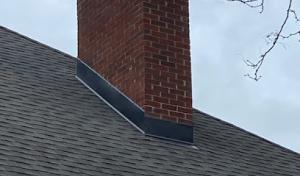
Georgetown's frequent rain exposure makes flashing details around skylights and chimneys especially important once shingles age or wind loosens surrounding materials. In this market, you see more service calls tied to roof penetrations after strong storms or rapid freeze-thaw cycles. Small gaps in flashing can sit stubbornly quiet for months and suddenly reveal themselves after a hard rain or a few days of freezing temperatures.
Skylights often carry multi-layer flashing that can degrade where the curb, curb-to-shingle transitions, or boot seals meet the roof. Wind-driven rain can lift edges and expose fasteners. Chimneys bring in vertical joints where mortar, spark arrestor flashing, and counter-flashing meet the roof surface. In a climate with freeze-thaw cycles, sealants harden and reopen, amplifying staining and drip lines even when the surface looks okay from the ground. Look for dark lines along the junctions, peeling edge metal, or loose shingles near these penetrations after storms.
Start with a visual scan after a heavy rain: track any staining along ceilings or attic rafters beneath skylights or chimneys, and check attic soffit vents for moisture entry. In the attic, test for necks of moisture at flashing bends by pressing gently around the skylight curb and chimney base; any spongy feel or dampness signals a must-repair moment. From the exterior, inspect the slope of shingles against the skylight curb and around chimneys for loose granules, lifted shingles, or gaps where sealant or flashing arms meet the roof line.
Address small gaps early, replacing worn sealants and resealing flashing joints before they advance. Remove and re-flash skylights if the curb shows corrosion or if counter-flashing is cracked. For chimneys, replace deteriorated step and counter-flashing, ensure mortar joints aren't letting water creep behind flashing, and reseal where the roof deck meets the chimney.
Storm-driven damage often flags these points first. After major weather events, re-inspect hardware, reseal, and schedule a flashing check as part of a routine reroof plan. The goal is to keep penetrations clean, tight, and well-sealed as shingles age and wind patterns rework the roof surface.
Find contractors experienced in skylight installation, flashing, and leak repairs to bring natural light into your home.
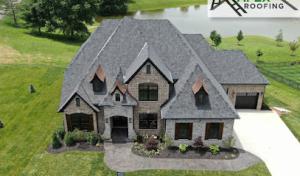
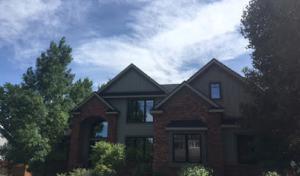
In a market where reroofs and storm cleanup drive scheduling, you want a crew that can secure a vulnerable roof quickly after a storm and manage debris without leaving a yard full of scrap. Ask how soon a crew can tarp or cover exposed sections, and what debris removal protocol they follow-especially for shingles, nails, and damaged underlayment. In practice, a reliable local crew will outline a clear sequence: rapid on-site assessment, temporary protection, coordinated removal, and thorough site restoration. The goal is a roof that's protected from further moisture intrusion and a clean worksite that won't become a homeowner's new headache.
Long-established, family-owned operations do show up in this market, but verify who is responsible for pulling permits and meeting inspectors on reroof projects. Inquire about the specific supervisor or foreman who will direct the job, and request a direct contact for any questions during the project. A dependable local firm will provide names, timelines, and a point person who can address inspector notes promptly. This detail matters when the job moves through storm repair windows and insurer-driven timelines.
Contractors who carry manufacturer certifications and robust warranties matter because replacement work often needs insurer documentation and adherence to current installation standards. Confirm which product lines the contractor is approved to install and whether the warranty remains valid if subcontractors are used. If a claim hinges on meeting technical standards, this certification helps keep the process smooth and the roof compliant with both policy requirements and the seasonally damp, freeze-thaw realities of the area.
Flat and low-slope roofing is not the dominant Georgetown residential roof type, but it remains relevant on additions, porches, and some mixed-use structures in the local market. The wetter, more wind-prone climate can push moisture toward these surfaces, especially where additions connect to a main pitched roof. Understanding how these areas behave helps prevent small leaks from becoming big problems.
In the ample-precipitation climate, low-slope sections are more vulnerable to drainage-related moisture problems than the steeper shingles common on area homes. Slow or inadequate drainage invites ponding, membrane wear, and algae growth on flatter planes. Pay attention to parapet detailing, scupper connections, and any transitions from shingles to flat roofing. A slope just above three inches per twelve inches can help, but proper flashing and drainage planning are still the core defense against standing water.
When planning an addition, ensure the low-slope portion has a clearly defined drainage plan with appropriately sized gutters and downspouts that tie into the existing system. Integrated drip edges, sealed seams, and high-quality flashing where the addition meets the main roof reduce leakage risk. Choose materials with proven resistance to the local freeze-thaw cycle and seasonal humidity, and request a fully detailed installation sequence that covers edge termination, roof-to-wall joints, and penetrations such as skylights or vents.
During reroofing or repairs, have the contractor evaluate attached low-slope sections separately from the main pitched roof. After storms, inspect for exposed fasteners, compromised sealants, and debris buildup that can impede drainage. Regular seasonal checks on flashing around vents, edge membranes, and transitions will help these areas perform reliably through Georgetown's wet winters and windy springs.
Find specialists in TPO, EPDM, and built-up flat roofing systems for residential and commercial properties.

Jacob’s Ladder Commercial Roofing & Restoration
(859) 407-7030 jacobsladderky.com
Serving
5.0 from 29 reviews